District of Columbia Letter from Tenant to Landlord containing Notice of failure to return security deposit and demand for return
What is this form?
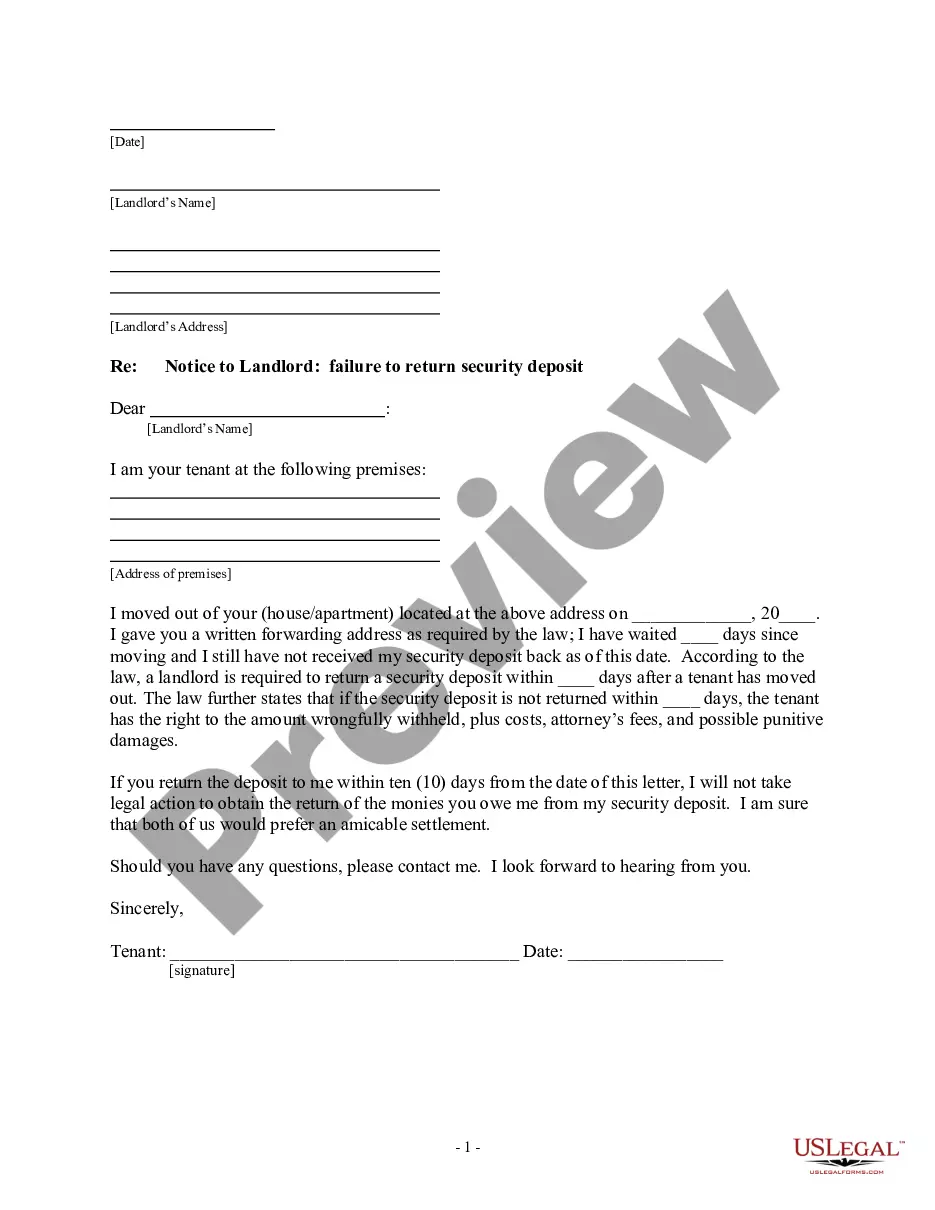
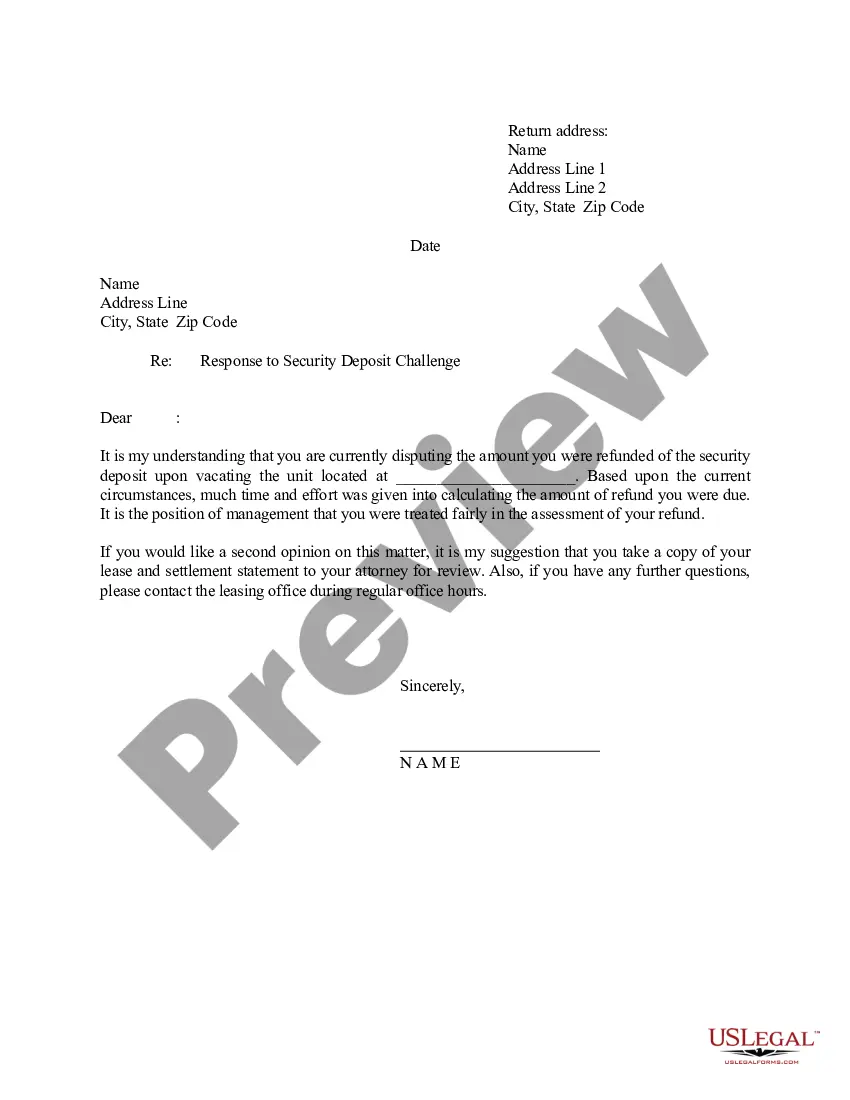
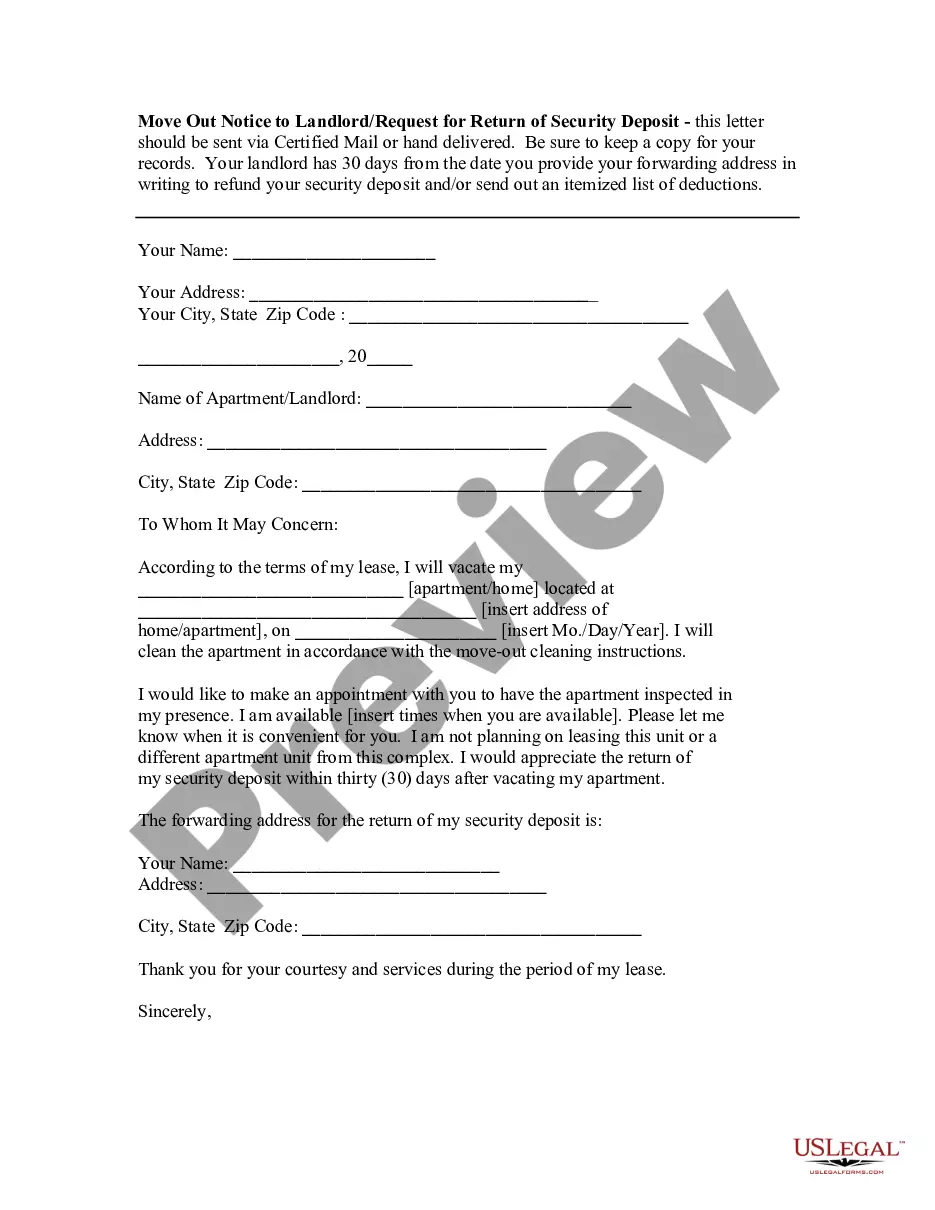
This letter from tenant to landlord serves as a formal demand for the return of a tenant's security deposit after they have vacated the rental property. Unlike general correspondence, this letter explicitly states the landlord's obligations and provides a timeline for compliance. By using this demand letter, tenants can inform landlords of their legal duty to return the deposit and prevent further legal action.
Main sections of this form
- Date of the letter.
- Tenant's contact information.
- Landlord's name and address.
- Clear statement of demand for the return of the security deposit.
- Timeframe for compliance (typically ten days).
- Signature of the tenant.

When this form is needed
This demand letter is essential when a tenant has vacated the rental property and has not received their security deposit back from the landlord. Use this form if the deposit has not been returned within the timeframe specified by state law, or if the tenant wishes to avoid further legal action by providing the landlord the opportunity to resolve the issue amicably.
Who should use this form
- Tenants who have recently moved out of a rental property.
- Tenant advocates or organizations assisting renters.
- Individuals seeking to recover their security deposit without resorting to legal action.
Instructions for completing this form
- Identify yourself as the tenant and include your current address.
- Include the landlord's name and address accurately.
- Specify the date you vacated the premises.
- Clearly state your demand for the return of the security deposit.
- Indicate a deadline for the landlord's response.
- Sign and date the letter to validate your request.
Is notarization required?
Notarization is generally not required for this form. However, certain states or situations might demand it. You can complete notarization online through US Legal Forms, powered by Notarize, using a verified video call available anytime.
Get your form ready online
Our built-in tools help you complete, sign, share, and store your documents in one place.
Make edits, fill in missing information, and update formatting in US Legal Forms—just like you would in MS Word.
Download a copy, print it, send it by email, or mail it via USPS—whatever works best for your next step.
Sign and collect signatures with our SignNow integration. Send to multiple recipients, set reminders, and more. Go Premium to unlock E-Sign.
If this form requires notarization, complete it online through a secure video call—no need to meet a notary in person or wait for an appointment.
We protect your documents and personal data by following strict security and privacy standards.

Make edits, fill in missing information, and update formatting in US Legal Forms—just like you would in MS Word.

Download a copy, print it, send it by email, or mail it via USPS—whatever works best for your next step.

Sign and collect signatures with our SignNow integration. Send to multiple recipients, set reminders, and more. Go Premium to unlock E-Sign.

If this form requires notarization, complete it online through a secure video call—no need to meet a notary in person or wait for an appointment.

We protect your documents and personal data by following strict security and privacy standards.
Avoid these common issues
- Failing to include the landlord's correct contact information.
- Not providing a specific deadline for the return of the deposit.
- Neglecting to sign and date the letter.
Benefits of completing this form online
- Instant access to customized templates tailored to your needs.
- Edit and save your form easily.
- Convenient download options for offline use.
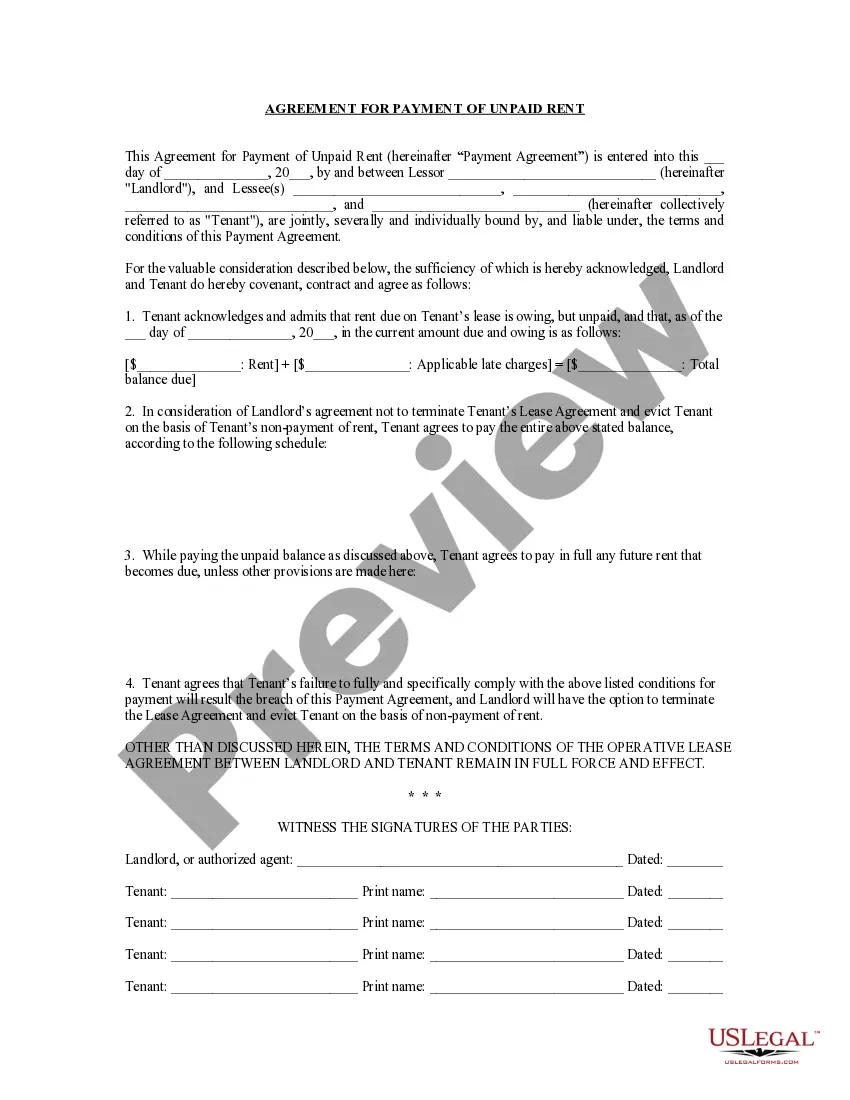
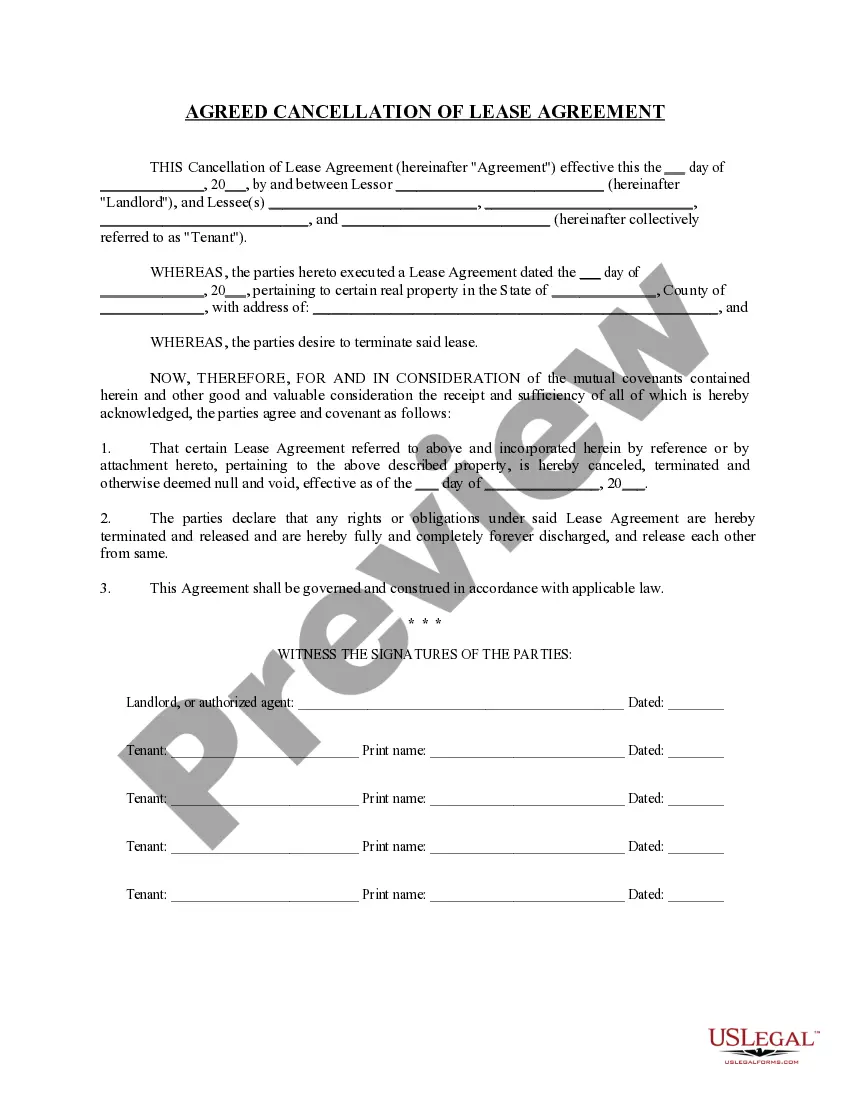
Looking for another form?
Form popularity
FAQ
To write a strong demand letter, be clear and specific about your request. Use the 'District of Columbia Letter from Tenant to Landlord containing Notice of failure to return security deposit and demand for return' format for clarity. State your rights, include deadlines for responses, and reference any relevant laws to support your position. This approach shows that you are serious and knowledgeable about your rights.
Avoid using emotional language or threats in your demand letter, as it can undermine your position. Instead, focus on the facts related to the 'District of Columbia Letter from Tenant to Landlord containing Notice of failure to return security deposit and demand for return.' Do not include vague statements or accusations; stay professional and objective to maintain credibility and encourage a positive response.
When writing a demand letter to a landlord, start with your full name, address, and the date. Clearly state that you are sending a ‘District of Columbia Letter from Tenant to Landlord containing Notice of failure to return security deposit and demand for return.’ Include details about the lease agreement and specify the amount of the security deposit owed. Be clear and concise, mentioning any relevant legal requirements to reinforce your demand.
A rent demand letter is a formal request from a tenant to a landlord for unpaid rent or the return of a security deposit. For instance, the 'District of Columbia Letter from Tenant to Landlord containing Notice of failure to return security deposit and demand for return' outlines specific details, including the amount owed and any relevant dates. This letter serves as a proof of your request and ensures that your landlord addresses the issue promptly.
To write a security deposit return letter to your tenant, start by addressing the tenant and outlining the details of the lease. Include the total amount of the security deposit, any deductions with explanations, and the final amount to be returned. A well-crafted letter, such as a District of Columbia Letter from Tenant to Landlord containing Notice of failure to return security deposit and demand for return, can facilitate a transparent resolution.
The DC law for security deposits protects both tenants and landlords by setting limits and procedures for collecting, holding, and returning deposits. According to this law, landlords must keep deposits in a segregated account and provide tenants with information regarding the deposit. Should disputes arise, consider using a District of Columbia Letter from Tenant to Landlord containing Notice of failure to return security deposit and demand for return as a formal approach to resolve the matter.
Landlords in the District of Columbia have several important obligations. They must maintain the property in a safe and habitable condition, provide essential services, and return security deposits according to law. Moreover, a landlord should adhere to proper notice requirements when entering the rental unit. If obligations are not met, tenants can assert their rights through a District of Columbia Letter from Tenant to Landlord containing Notice of failure to return security deposit and demand for return.
Yes, a security deposit is generally refundable, provided the tenant fulfills the lease terms and leaves the property in good condition. If a landlord deducts any amounts for damages or unpaid rent, they must provide an itemized list of deductions. If you face issues with your deposit, consider drafting a District of Columbia Letter from Tenant to Landlord containing Notice of failure to return security deposit and demand for return to ensure clear communication.
In the District of Columbia, a landlord must return the security deposit to the tenant within 45 days of the end of the lease. If the landlord fails to return the deposit in this time frame, you may need to send a District of Columbia Letter from Tenant to Landlord containing Notice of failure to return security deposit and demand for return. Addressing this issue promptly can help you secure your rightful funds.
Your letter to request the return of your security deposit should begin with your address and the landlord's information. State the amount of the deposit and the date you vacated the property. Also, reference the District of Columbia Letter from Tenant to Landlord containing Notice of failure to return security deposit and demand for return to underscore your position.