District of Columbia Letter from Tenant to Landlord about Insufficient notice of rent increase
Understanding this form
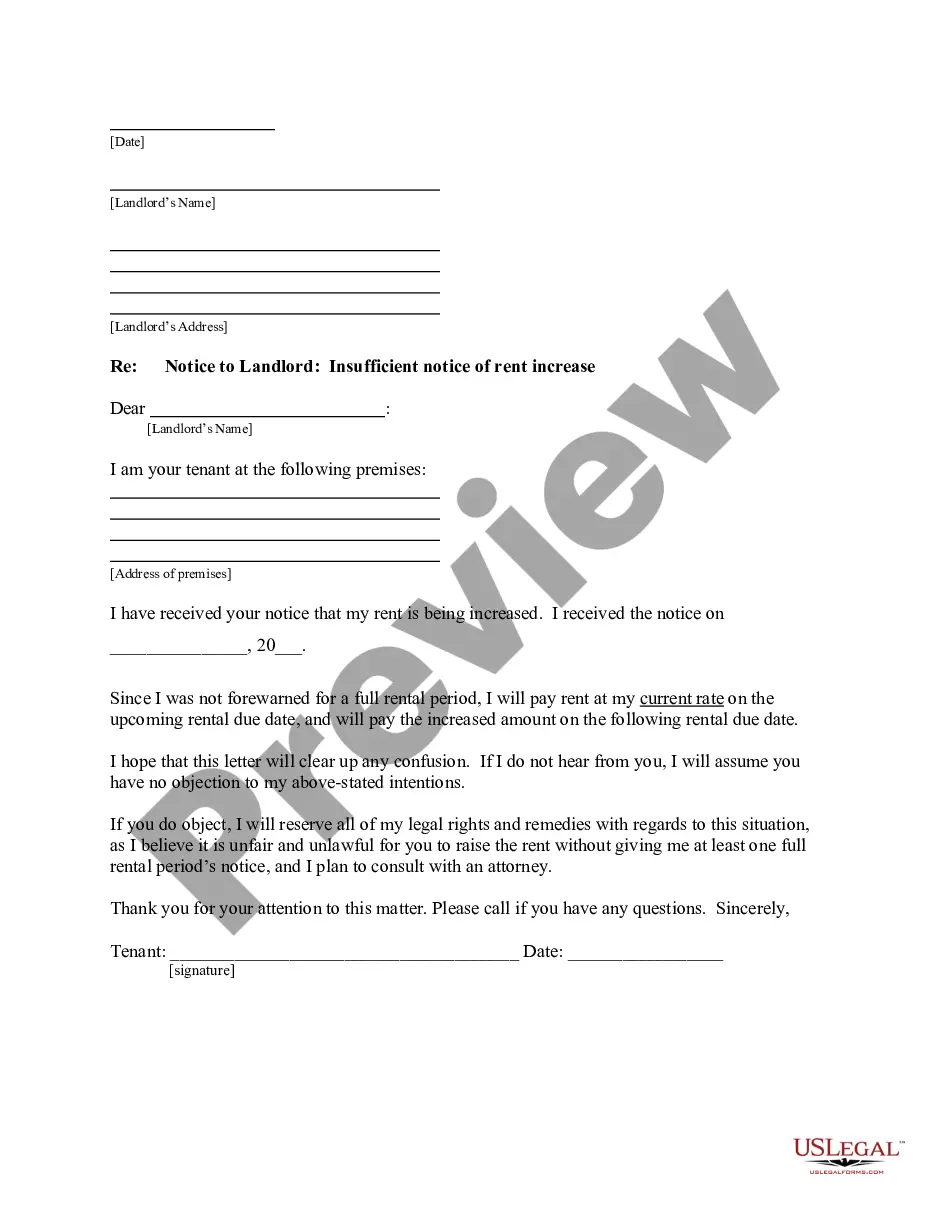
This form is a letter from a tenant to their landlord regarding an insufficient notice of a rent increase. It serves to officially inform the landlord that the notice provided does not comply with legal requirements, specifically highlighting the tenantâs right to continue paying rent at the current rate until proper notice is given. This letter ensures that the tenant's intentions are clear and provides a documented record of communication between both parties.
Form components explained
- Tenant's information: Includes the tenantâs name and contact details.
- Landlord's information: Contains the landlordâs name and address.
- Notice of insufficient notice: Describes the lack of proper notice for the rent increase.
- Payment intentions: States the tenant's intentions regarding rent payments.
- Legal rights statement: Reserves the tenant's right to take further action if necessary.
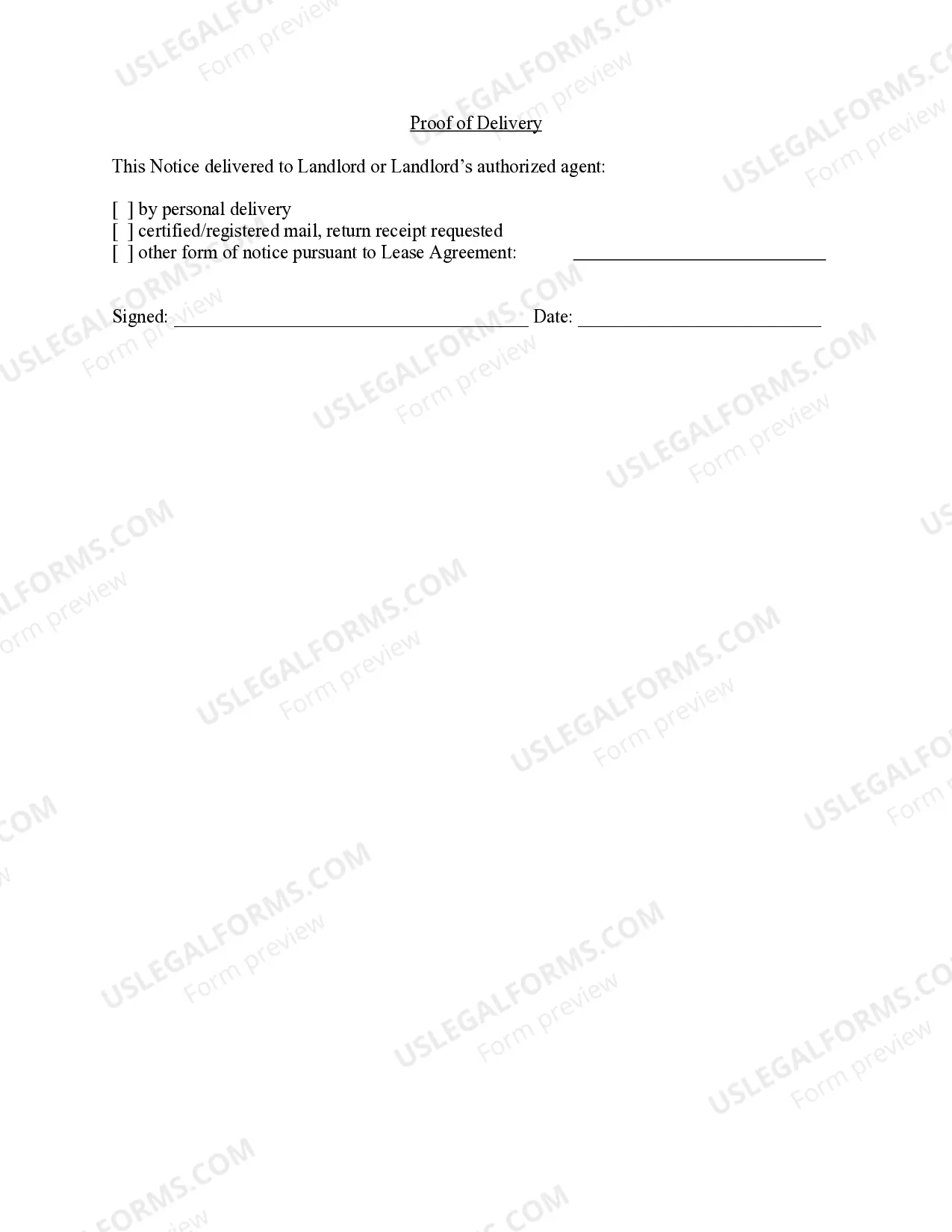
- Proof of delivery: Documents how the notice was delivered to the landlord.
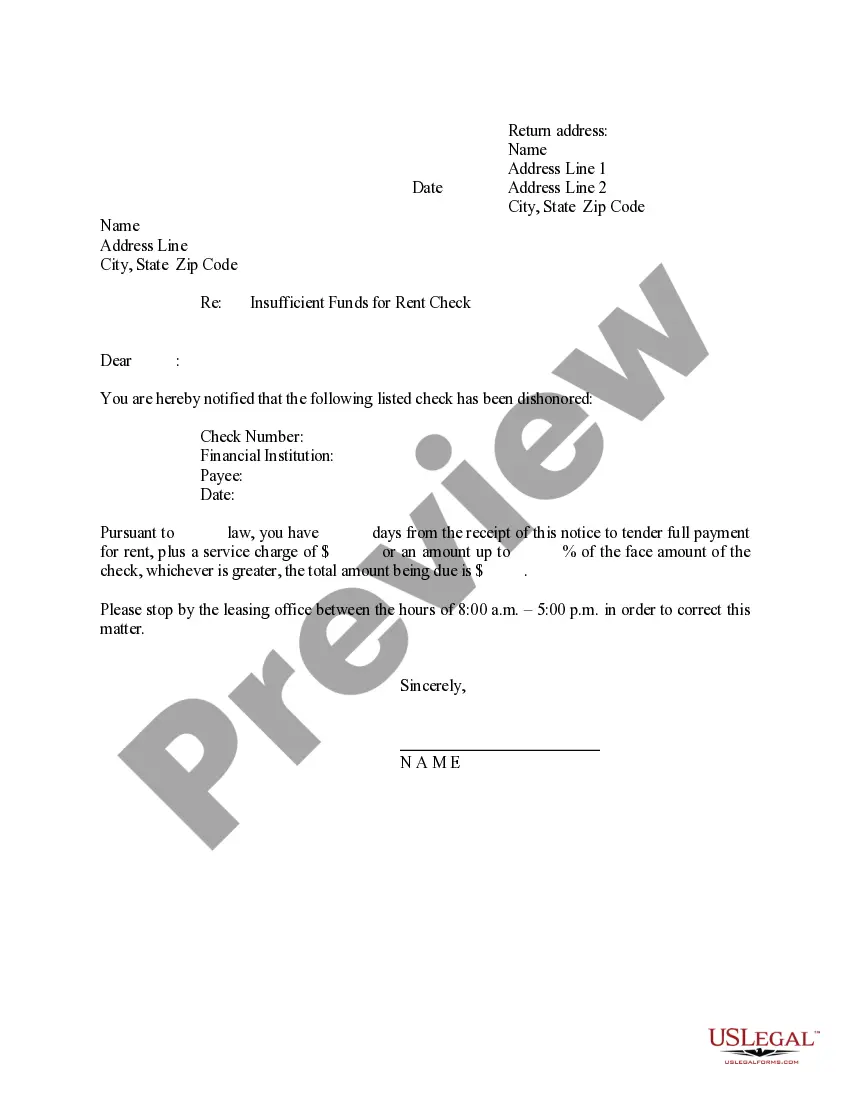
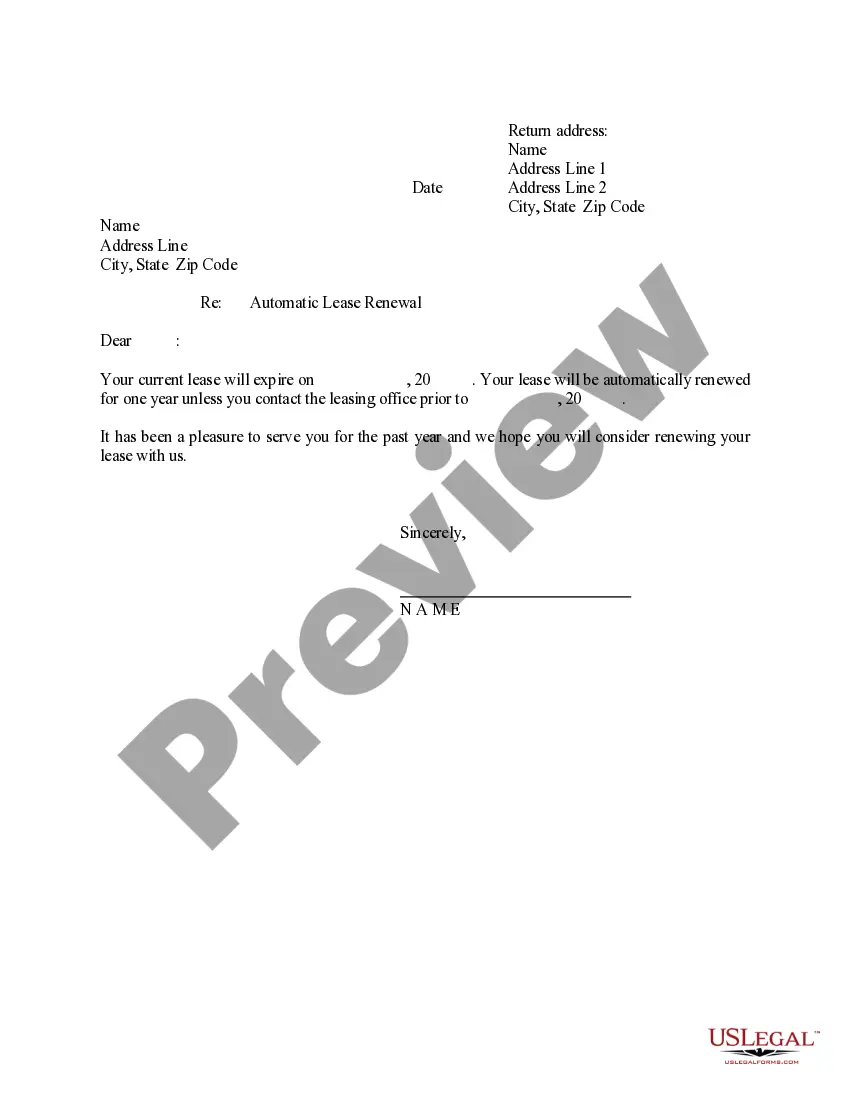
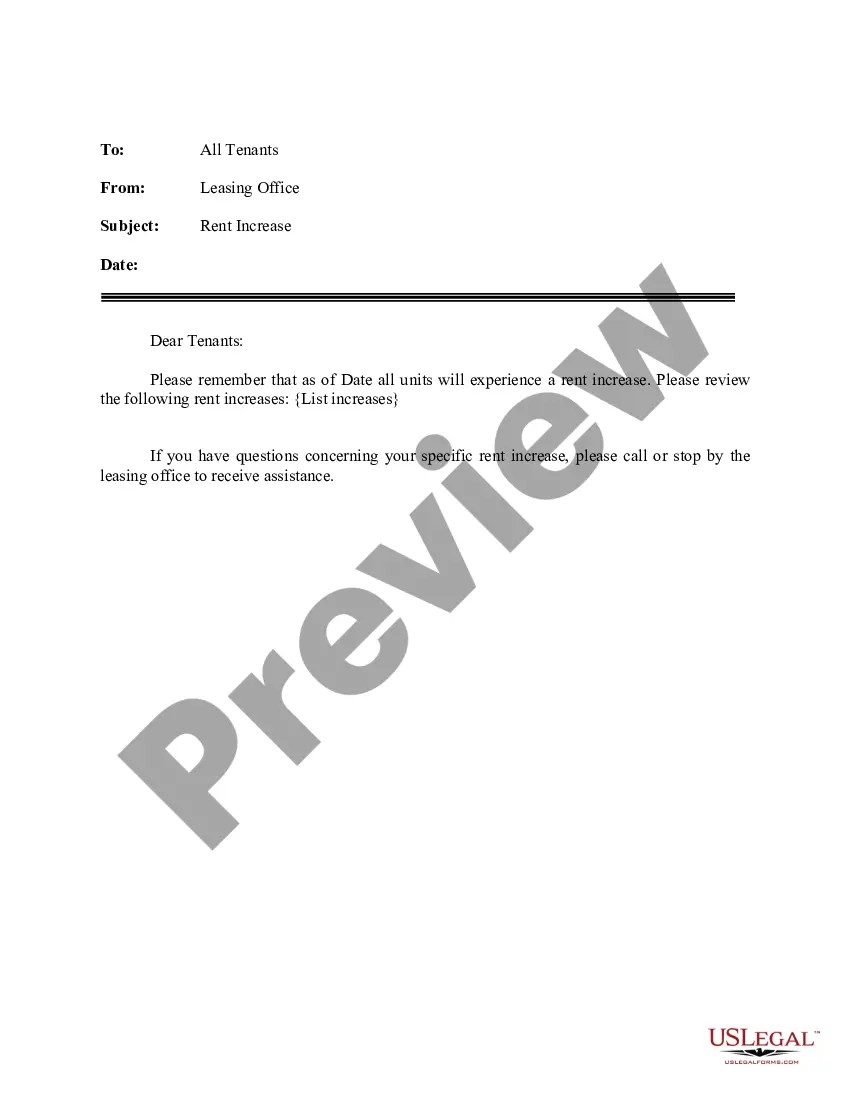
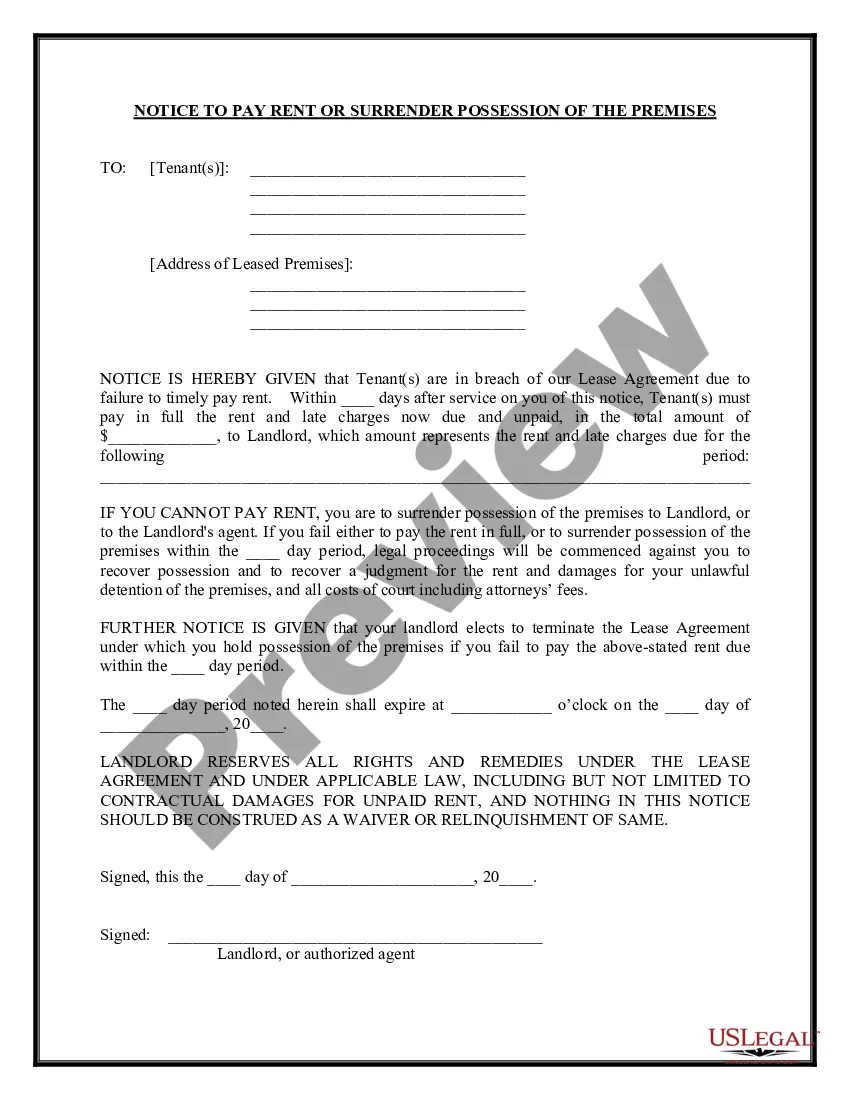
When to use this document
This letter should be used when a landlord has provided a notice of rent increase without the required advance notice, typically defined as a full rental period. For example, if a landlord attempts to increase rent effective immediately or within a term shorter than legally allowed, the tenant should utilize this form to assert their rights and clarify their position regarding the rent increase.
Who should use this form
- Tenants who have received a rent increase notice from their landlord.
- Individuals renting properties under month-to-month leases.
- Anyone who seeks to formally respond to a rent increase they feel is unlawful or improperly communicated.
Completing this form step by step
- Insert your name, address, and contact information at the top of the letter.
- Provide the landlord's name and address below your information.
- Clearly state the date you are sending the notice.
- Detail your disagreement regarding the insufficient notice of the rent increase.
- Specify your intentions about submitting the next rent payment.
- Sign the letter and include your printed name, followed by the date.
Notarization guidance
This form does not typically require notarization unless specified by local law. However, it is advisable to check state-specific regulations to ensure compliance.
Get your form ready online
Our built-in tools help you complete, sign, share, and store your documents in one place.
Make edits, fill in missing information, and update formatting in US Legal Forms—just like you would in MS Word.
Download a copy, print it, send it by email, or mail it via USPS—whatever works best for your next step.
Sign and collect signatures with our SignNow integration. Send to multiple recipients, set reminders, and more. Go Premium to unlock E-Sign.
If this form requires notarization, complete it online through a secure video call—no need to meet a notary in person or wait for an appointment.
We protect your documents and personal data by following strict security and privacy standards.

Make edits, fill in missing information, and update formatting in US Legal Forms—just like you would in MS Word.

Download a copy, print it, send it by email, or mail it via USPS—whatever works best for your next step.

Sign and collect signatures with our SignNow integration. Send to multiple recipients, set reminders, and more. Go Premium to unlock E-Sign.

If this form requires notarization, complete it online through a secure video call—no need to meet a notary in person or wait for an appointment.

We protect your documents and personal data by following strict security and privacy standards.
Common mistakes
- Not providing sufficient details regarding the rent increase notice.
- Failing to sign the letter.
- Omitting to keep a copy of the letter for personal records.
- Not delivering the letter properly or failing to obtain proof of delivery.
Advantages of online completion
- Instant access: Download the form immediately after purchase.
- Editable: Customize the form easily to fit your specific situation.
- Guidance: The form is reviewed and drafted by licensed attorneys to ensure legal compliance.
- Convenient: Access the form from anywhere, at any time.
Summary of main points
- Use this letter to formally address improper rent increase notifications.
- Make sure to comply with your stateâs notice requirements to protect your rights as a tenant.
- This form helps clarify your payment intentions to prevent misunderstandings.
- Be diligent in delivering the document to ensure receipt by your landlord.
Looking for another form?
Form popularity
FAQ
Saying no to a rent increase involves communicating directly and clearly with your landlord. Express your reasoning, and provide any financial data or comparisons to similar units in the area to support your position. Leveraging a District of Columbia Letter from Tenant to Landlord about Insufficient notice of rent increase can also strengthen your argument and clarify your perspective.
To write a letter addressing a rent increase, start with a clear subject line and greet your landlord courteously. State your position, reference relevant legal guidelines, and maintain a respectful tone throughout. Including a mention of the District of Columbia Letter from Tenant to Landlord about Insufficient notice of rent increase can strengthen your case and demonstrate your awareness of tenant rights.
In Washington, D.C., the maximum allowable annual rent increase typically aligns with the inflation rate, capped at a specific percentage. As of recent regulations, this percentage fluctuates yearly, but landlords must adhere to these limits unless exceptions apply. When faced with an unexpected increase, a District of Columbia Letter from Tenant to Landlord about Insufficient notice of rent increase can clarify your options.
To ask your landlord to reconsider a rent increase, express your concerns politely and provide valid reasons for your request. Highlight your positive history as a tenant and any financial hardships you may face. It may be beneficial to reference a District of Columbia Letter from Tenant to Landlord about Insufficient notice of rent increase, which can lend credibility to your request.
Yes, Washington, D.C. has rent control laws that limit the amount and frequency of rent increases. This framework is designed to protect tenants from excessive hikes. If you suspect your landlord is not adhering to these regulations, consider utilizing a District of Columbia Letter from Tenant to Landlord about Insufficient notice of rent increase to address this issue.
Writing a good rent increase letter involves clarity and professionalism. Begin by stating your intent, include the specifics of the increase, and your reasons. Remember to reference the District of Columbia Letter from Tenant to Landlord about Insufficient notice of rent increase if applicable. A well-structured letter can open up constructive dialogue with your landlord.
In Washington, D.C., the law requires landlords to provide a 30-day written notice for rent increases if the property is not rent-controlled. For rent-controlled properties, the notice period may vary based on the circumstances. It is essential to comply with these regulations to avoid legal complications. If you feel the notice was insufficient, you may want to reference a District of Columbia Letter from Tenant to Landlord about Insufficient notice of rent increase.
When writing a letter to complain about a rent increase, begin with your contact information and the date, followed by your landlord's details. Clearly outline your objections to the increase, citing specific reasons such as insufficient notice or financial hardship. It is valuable to express your desire for a fair resolution, and this can be documented with a formal letter. Using services like uslegalforms can help you create an effective complaint letter.
To write a strongly worded complaint letter to a landlord, start by stating your intentions clearly at the top of the letter. Specify the issues you are facing, such as inadequate maintenance or improper notice regarding rent increases. Provide supporting details and evidence where necessary, and express your expectations for resolution. Ensure the tone remains firm yet professional to maintain effective communication.
In the District of Columbia, the maximum allowable rent increase is typically capped by the rent control laws applicable to certain properties. Landlords must follow specific regulations that consider factors like inflation and the type of rental unit. Therefore, it is crucial for landlords to be informed about these guidelines to avoid potential disputes. For clarity on your situation, consider crafting a District of Columbia Letter from Tenant to Landlord about Insufficient notice of rent increase.