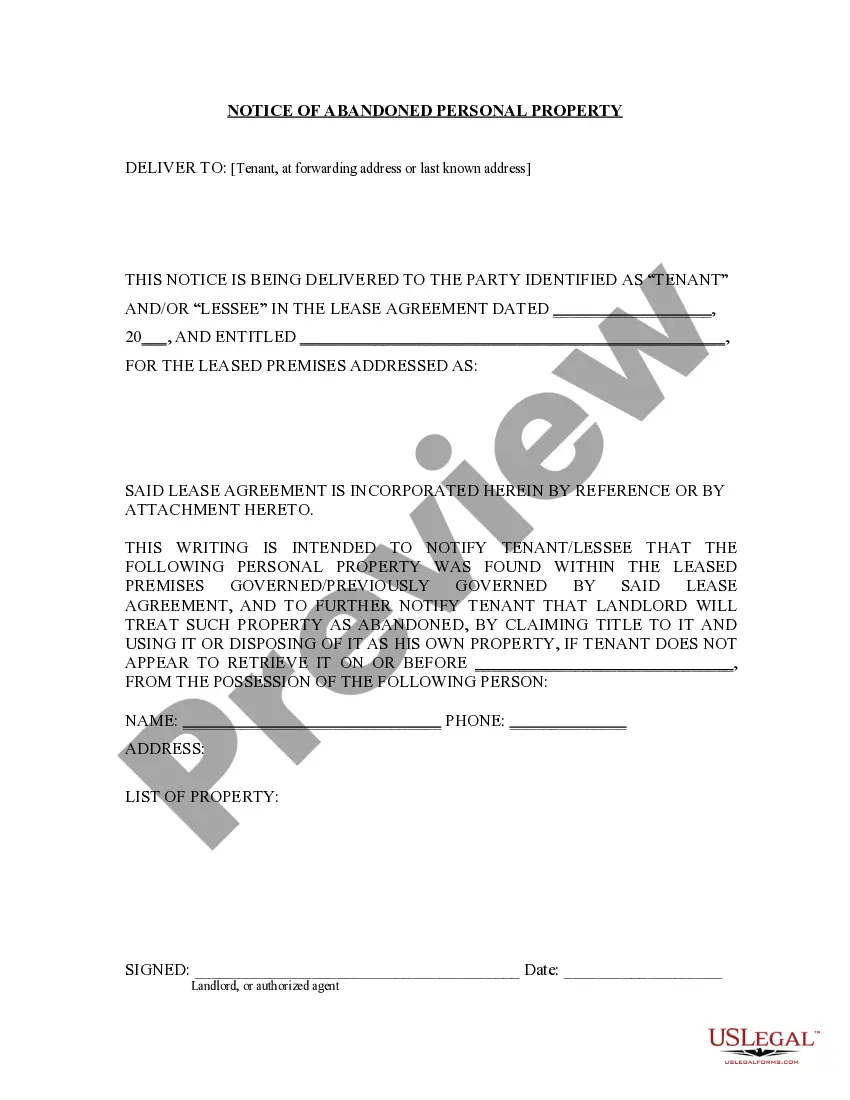
Connecticut Letter from Landlord to Tenant as Notice of Abandoned Personal Property
What is this form?
This form, known as the Letter from Landlord to Tenant as Notice of Abandoned Personal Property, is an official notification given by a landlord to a tenant. It serves to inform the tenant about personal property that has been left behind in the leased premises. This notice directs the tenant to either retrieve their belongings or risks the landlord treating those items as abandoned, allowing the landlord to claim ownership and dispose of or use the property. This form adheres to state statutory laws concerning abandoned property, differentiating it from other notifications by focusing specifically on items left behind after tenancy ends.
Main sections of this form
- Identification of the tenant and the landlord.
- Description of the abandoned personal property.
- Notification to the tenant regarding the status of the property and deadlines for retrieval.
- Consequences of failing to retrieve the property by the specified date.
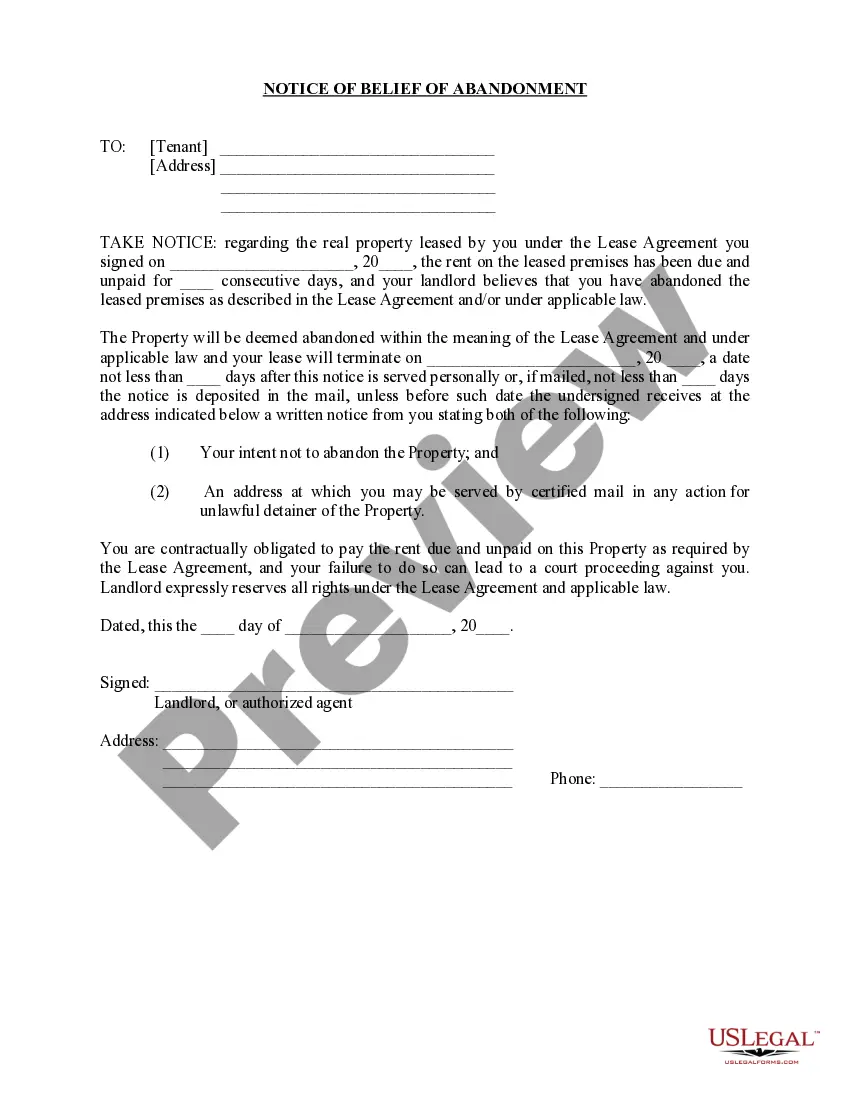
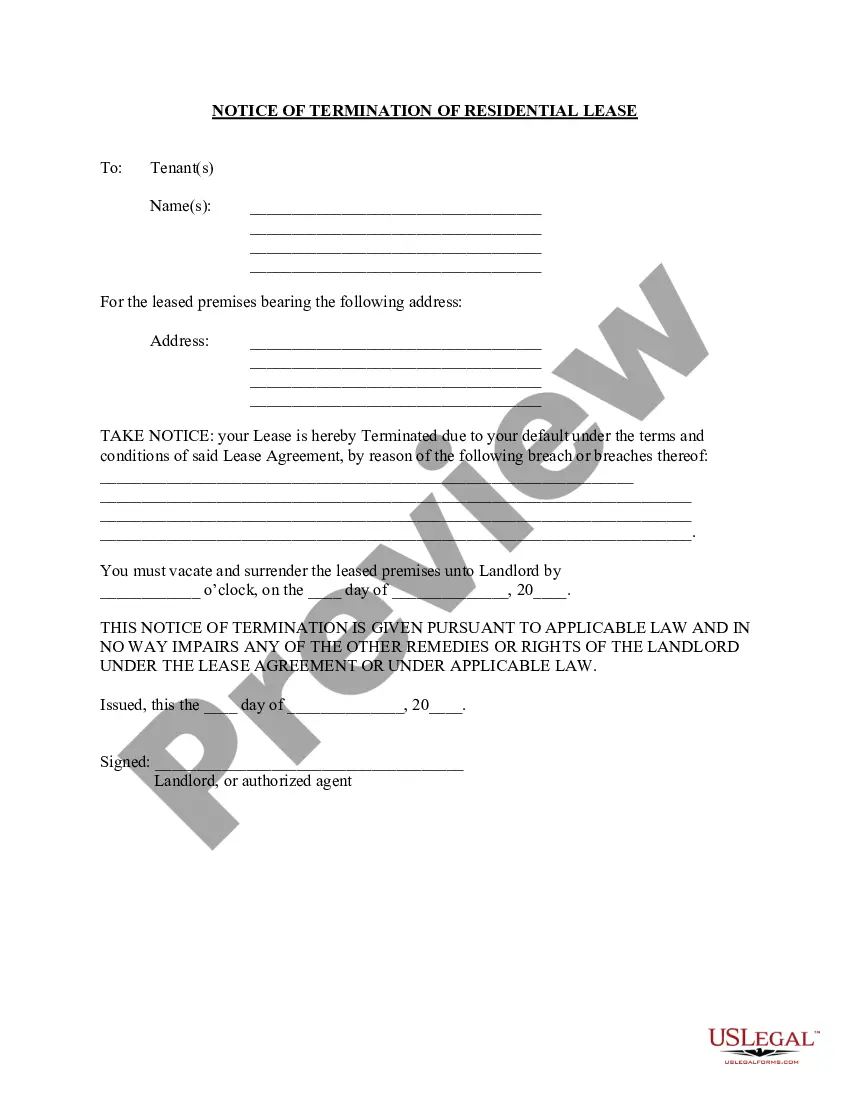
Situations where this form applies
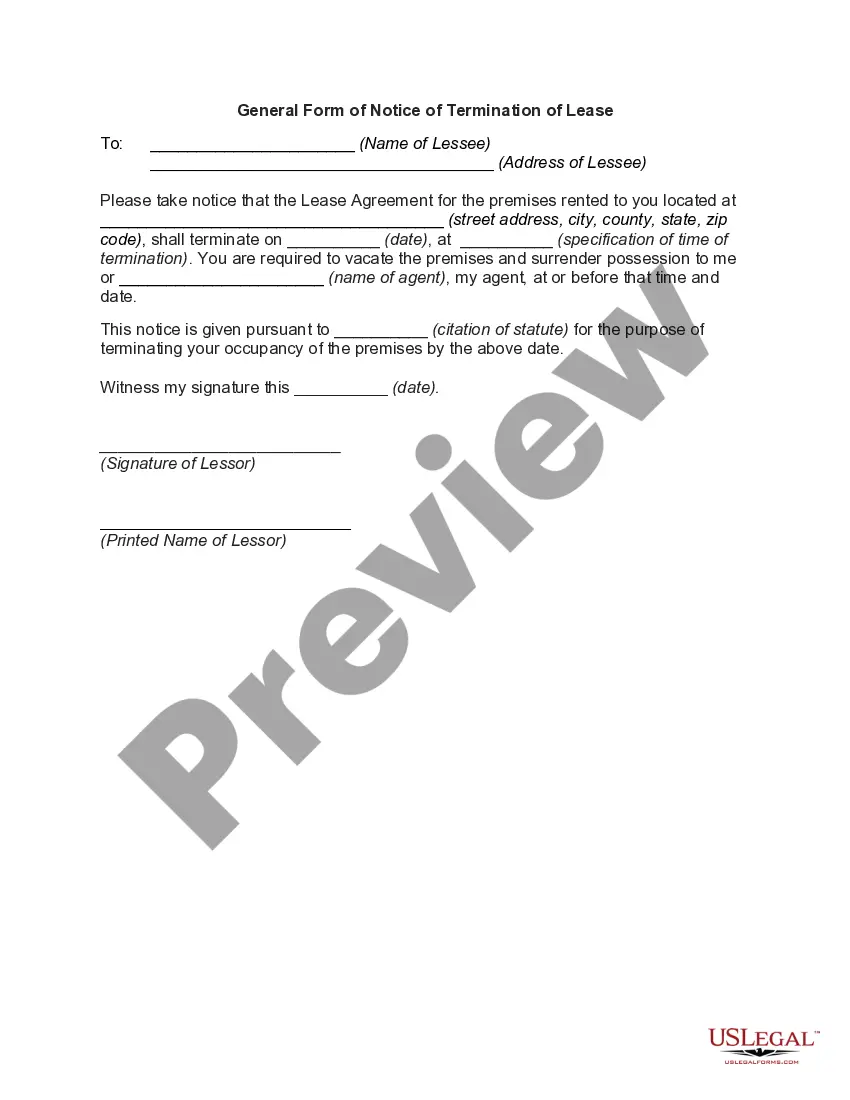
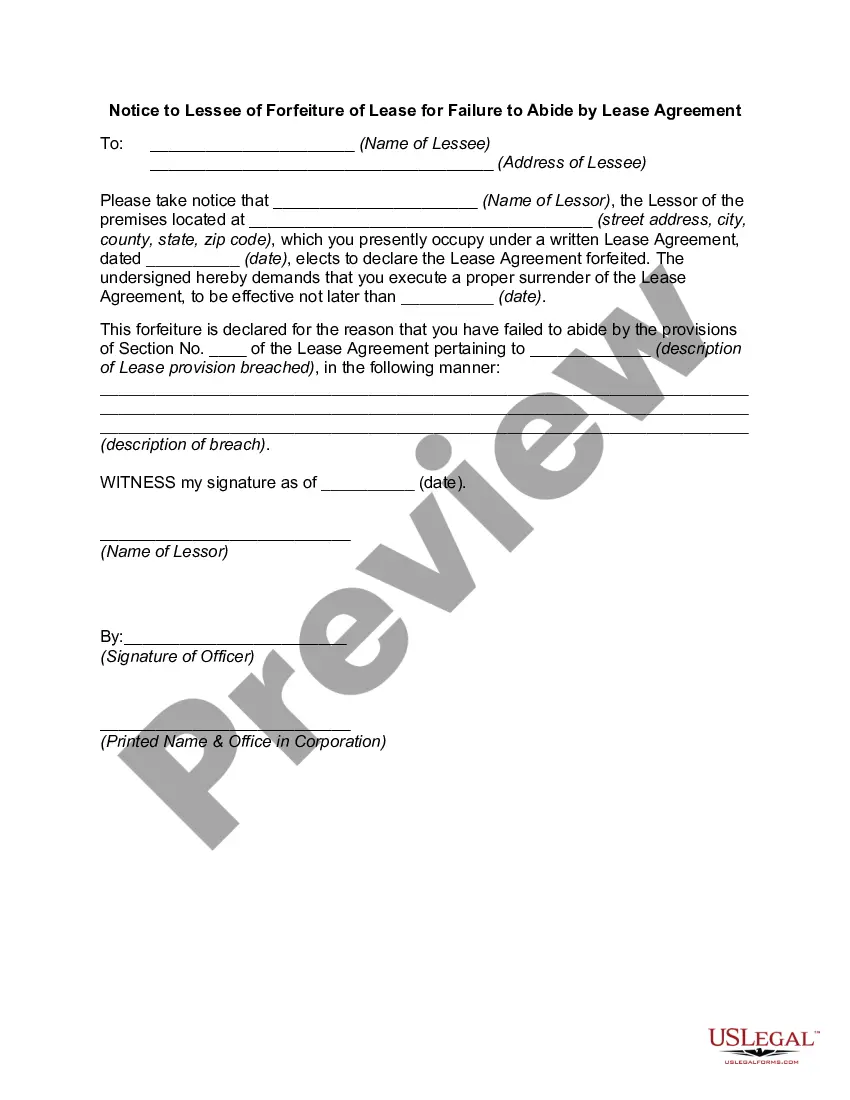
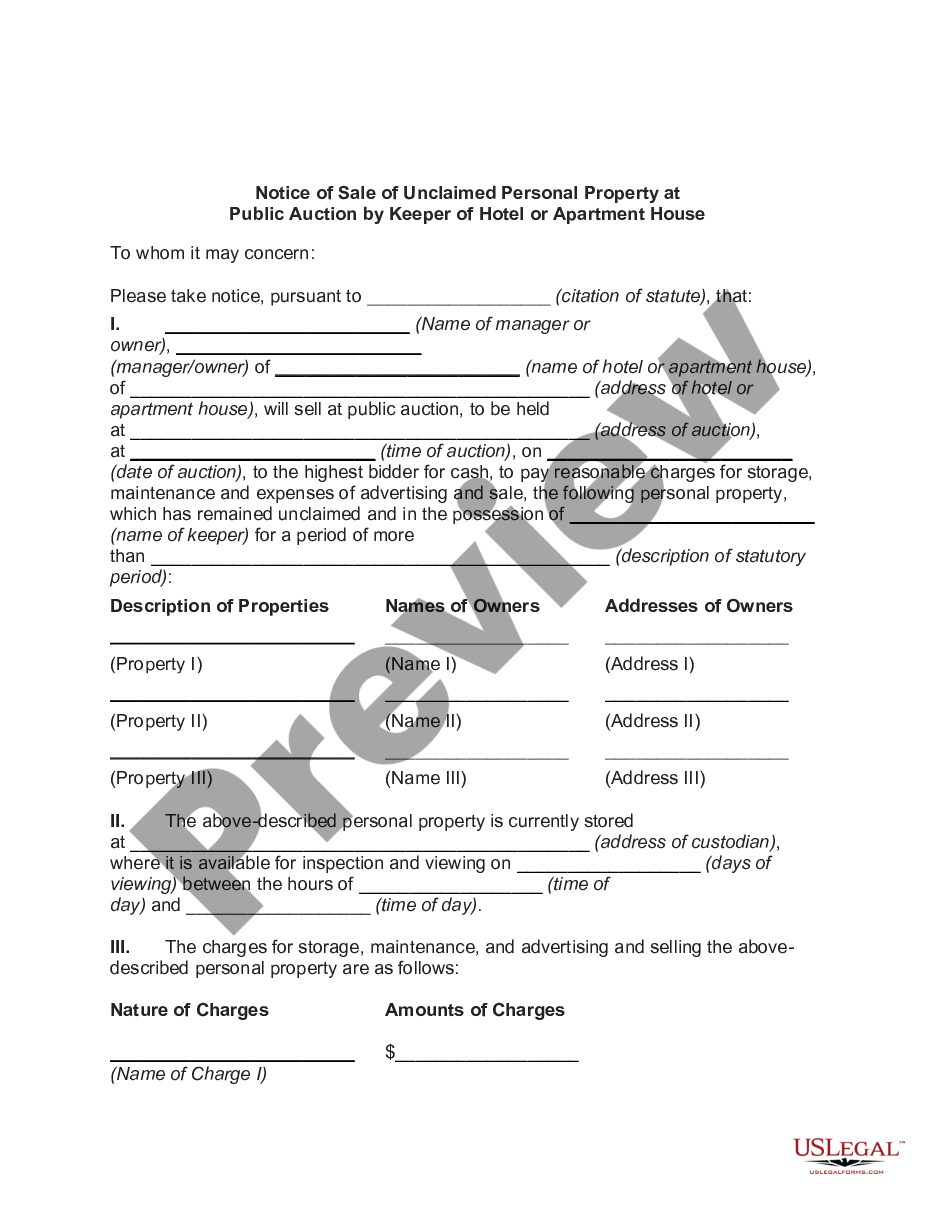
This form is essential when a landlord identifies personal belongings left behind by a tenant after vacating the property. It is commonly used when the tenant has moved out but left items intentionally or unintentionally, and the landlord needs to provide an official notice to retrieve those items or face potential disposal or confiscation.
Who should use this form
- Landlords of residential rental properties dealing with abandoned tenant belongings.
- Property managers responsible for notifying tenants about items left behind.
- Legal professionals assisting landlords with property management issues.
Instructions for completing this form
- Identify the landlord and tenant including their contact information.
- Describe the personal property that has been left behind by the tenant.
- Specify the deadline by which the tenant must retrieve their belongings.
- Sign and date the notice to affirm its legality.
- Deliver the notice to the tenant in accordance with local laws.
Is notarization required?
Notarization is generally not required for this form. However, certain states or situations might demand it. You can complete notarization online through US Legal Forms, powered by Notarize, using a verified video call available anytime.
Get your form ready online
Our built-in tools help you complete, sign, share, and store your documents in one place.
Make edits, fill in missing information, and update formatting in US Legal Forms—just like you would in MS Word.
Download a copy, print it, send it by email, or mail it via USPS—whatever works best for your next step.
Sign and collect signatures with our SignNow integration. Send to multiple recipients, set reminders, and more. Go Premium to unlock E-Sign.
If this form requires notarization, complete it online through a secure video call—no need to meet a notary in person or wait for an appointment.
We protect your documents and personal data by following strict security and privacy standards.

Make edits, fill in missing information, and update formatting in US Legal Forms—just like you would in MS Word.

Download a copy, print it, send it by email, or mail it via USPS—whatever works best for your next step.

Sign and collect signatures with our SignNow integration. Send to multiple recipients, set reminders, and more. Go Premium to unlock E-Sign.

If this form requires notarization, complete it online through a secure video call—no need to meet a notary in person or wait for an appointment.

We protect your documents and personal data by following strict security and privacy standards.
Mistakes to watch out for
- Failing to accurately describe the abandoned property.
- Not providing adequate time for the tenant to retrieve their items.
- Neglecting to sign or date the notice.
- Using unclear language that could lead to confusion regarding the tenant's rights.
Why complete this form online
- Convenient access to legally drafted documents anytime.
- Easily customizable to fit specific needs and circumstances.
- Reliable templates that ensure compliance with state laws.
- Immediate availability for download and use.
What to keep in mind
- This letter notifies tenants of abandoned personal property left behind.
- It sets a clear deadline for retrieval to protect landlord interests.
- Compliance with state laws is essential for the notice's validity.
Looking for another form?
Form popularity
FAQ
In Connecticut, property is generally considered abandoned after a tenant has vacated the premises and has not returned for at least 30 days. The Connecticut Letter from Landlord to Tenant as Notice of Abandoned Personal Property serves as a legal notice to inform tenants of the abandoned status of their items. This notice is essential for protecting your rights as a landlord. For further guidance on this process, explore the resources available on the US Legal Forms website.
To create a proper Connecticut Letter from Landlord to Tenant as Notice of Abandoned Personal Property, start by clearly stating your intention to notify the tenant. Include the tenant's name, the property address, and the specific items considered abandoned. Outline the time frame in which the tenant can retrieve their belongings, and specify any consequences if they do not respond. For assistance, you can utilize the US Legal Forms platform, which offers templates tailored for such notifications.
If a tenant abandons property, the first step is to confirm the abandonment according to lease terms and state laws. After confirmation, the landlord should document any belongings left behind and send a notice to the tenant regarding these items. Utilizing a Connecticut Letter from Landlord to Tenant as Notice of Abandoned Personal Property can help address how the landlord will handle these items moving forward. It is vital to follow legal protocols to ensure all actions are enforceable and fair.
An abandonment notice should include relevant information such as the tenant's name, the property address, and the date of the notice. Clearly state that the property is considered abandoned based on specific criteria, then detail any obligations the tenant has regarding their belongings. Ensure that a deadline is set for the tenant to respond or retrieve their items. A well-crafted Connecticut Letter from Landlord to Tenant as Notice of Abandoned Personal Property can serve as a crucial part of this process.
When writing a formal letter to a tenant, begin with your name and address followed by the tenant's information. Clearly state the purpose of the letter in the subject line or opening sentence. Use a respectful tone throughout and conclude with a call to action or a request for a response. It's essential to ensure that these communications, such as a Connecticut Letter from Landlord to Tenant as Notice of Abandoned Personal Property, articulate your intentions clearly and professionally.
To write an abandonment letter, start with a clear heading stating that it pertains to abandoned property. Include the tenant's name, the property address, and the date. Clearly state that the property is considered abandoned and outline the actions the tenant needs to take regarding their belongings. It is essential to mention the timeline in which the tenant needs to respond, thereby ensuring all legal obligations are met, including the possibility of a Connecticut Letter from Landlord to Tenant as Notice of Abandoned Personal Property.
An abandonment form is a document that landlords and property management companies use to record a tenant's abandonment of a rental property. This form typically outlines the circumstances of abandonment, including dates and observations. By using this form, landlords can create a legal record that supports any further action they may take, such as sending a Connecticut Letter from Landlord to Tenant as Notice of Abandoned Personal Property.
In Connecticut, there is no specific time frame defined by law, but generally, if a tenant is away for more than 15 consecutive days without any communication, the property may be considered abandoned. Landlords often refer to lease terms and their abandonment clauses to make this determination. However, it's advisable to check local laws to understand specific guidelines. Sending a Connecticut Letter from Landlord to Tenant as Notice of Abandoned Personal Property can help clarify the situation for both parties.
When a landlord in Connecticut suspects that a tenant has abandoned the property, they must first confirm the abandonment. This may involve checking the property, communicating with the tenant, or reviewing lease terms. Once abandonment is confirmed, the landlord may send a Connecticut Letter from Landlord to Tenant as Notice of Abandoned Personal Property to inform the tenant about their belongings left behind and their obligations moving forward.
An abandonment clause is a provision in a lease that defines a tenant's actions, which indicate that they have deserted the property. For instance, the clause may state that if a tenant leaves the property unoccupied for a specified number of days without notifying the landlord, it can be considered abandoned. This is crucial for ensuring that landlords can act quickly when tenants leave belongings behind. In such cases, a Connecticut Letter from Landlord to Tenant as Notice of Abandoned Personal Property may need to be issued.