Connecticut Letter from Tenant to Landlord about Sexual Harassment
Overview of this form
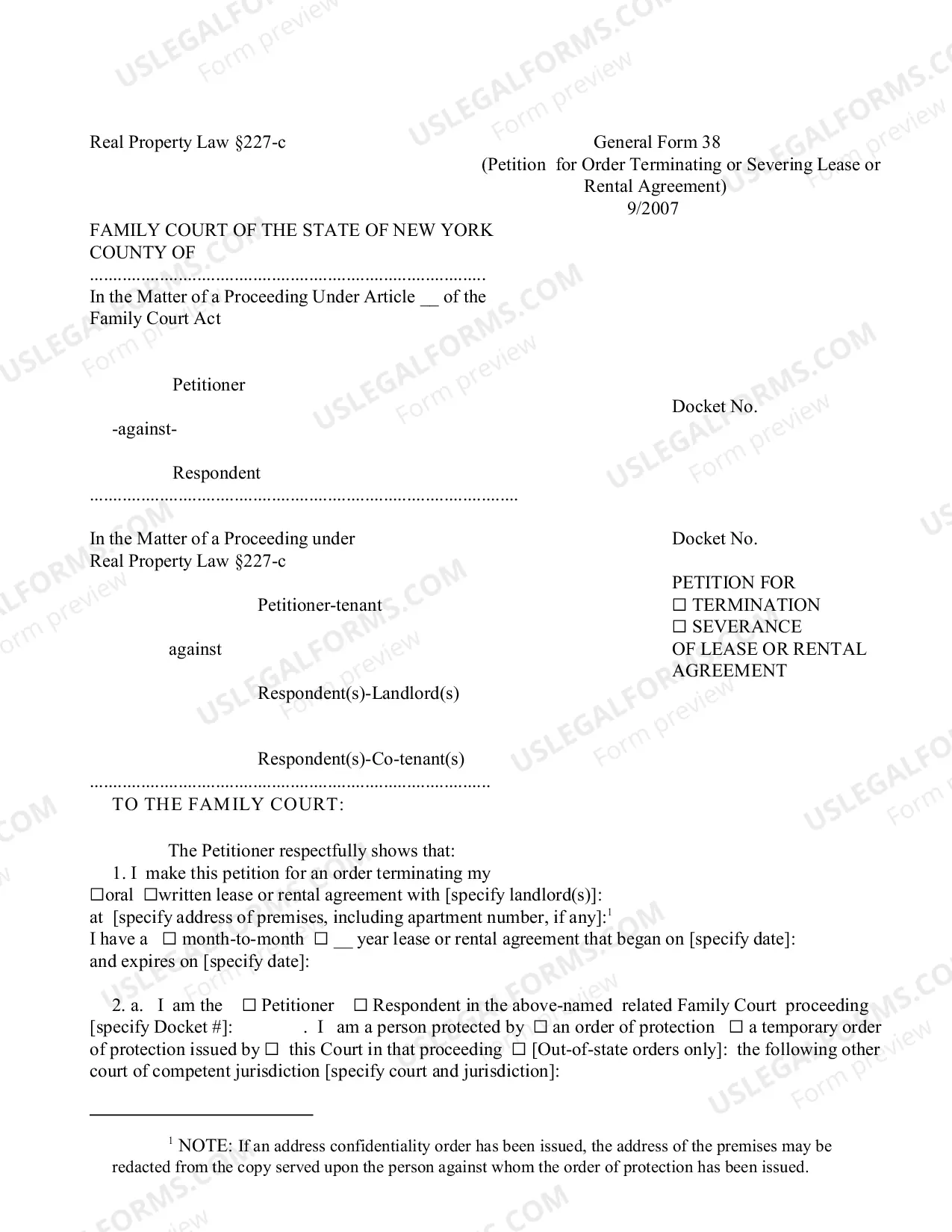
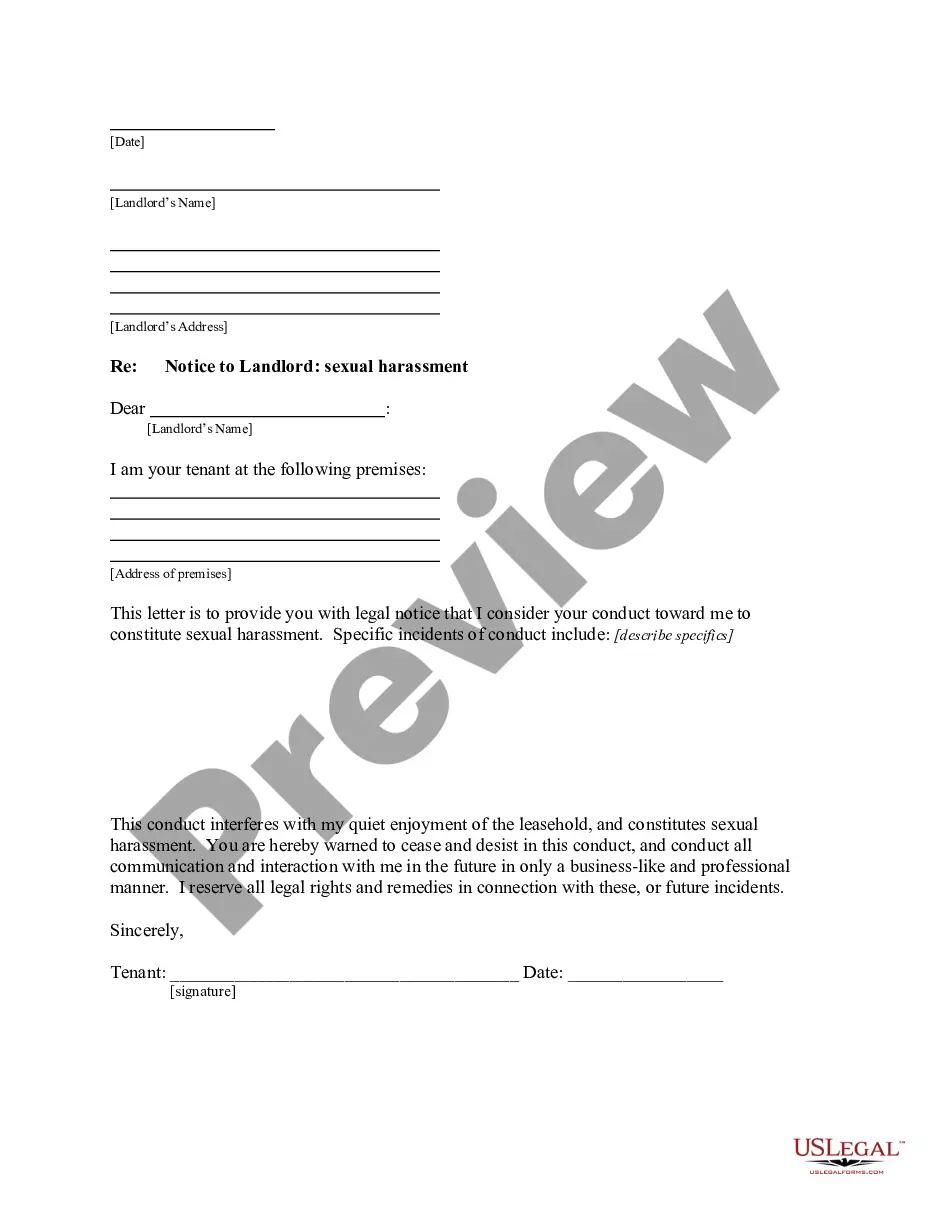
This letter from tenant to landlord about sexual harassment serves to formally notify a landlord of inappropriate and illegal conduct toward a tenant. This form is vital for asserting a tenant's rights and requesting that the landlord cease such behaviors that disrupt the tenant's quiet enjoyment of the rental premises. It is specifically designed to address issues of sexual harassment, distinguishing it from general tenant-landlord correspondence or complaint letters.
Main sections of this form
- Identification of the tenant and the landlord.
- Clear description of the alleged sexual harassment.
- A statement outlining the request for the landlord to cease such behavior.
- A note on the expectation for professional communication in the future.
- Signature of the tenant and date of the notice.
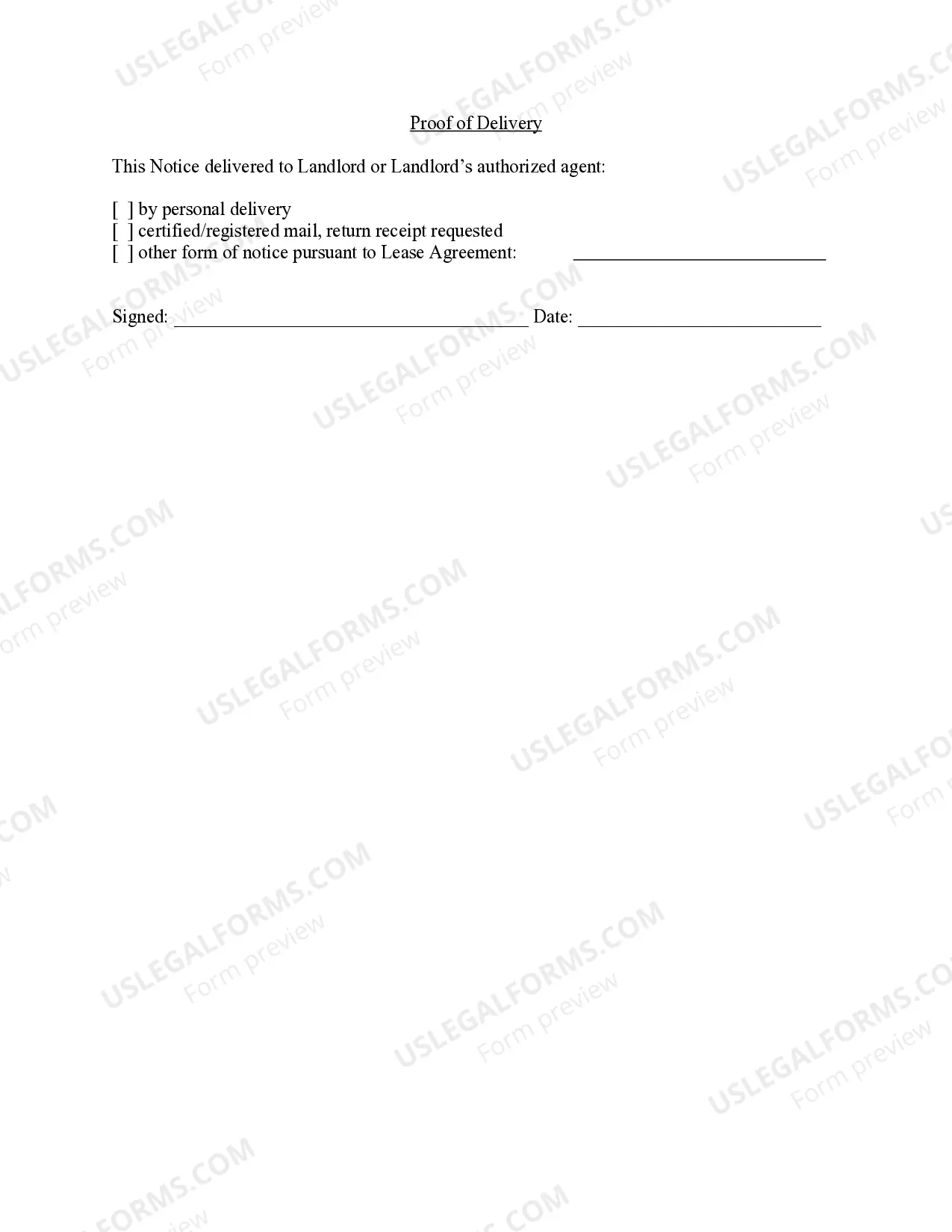
- Proof of delivery options, including personal delivery and registered mail.

When to use this form
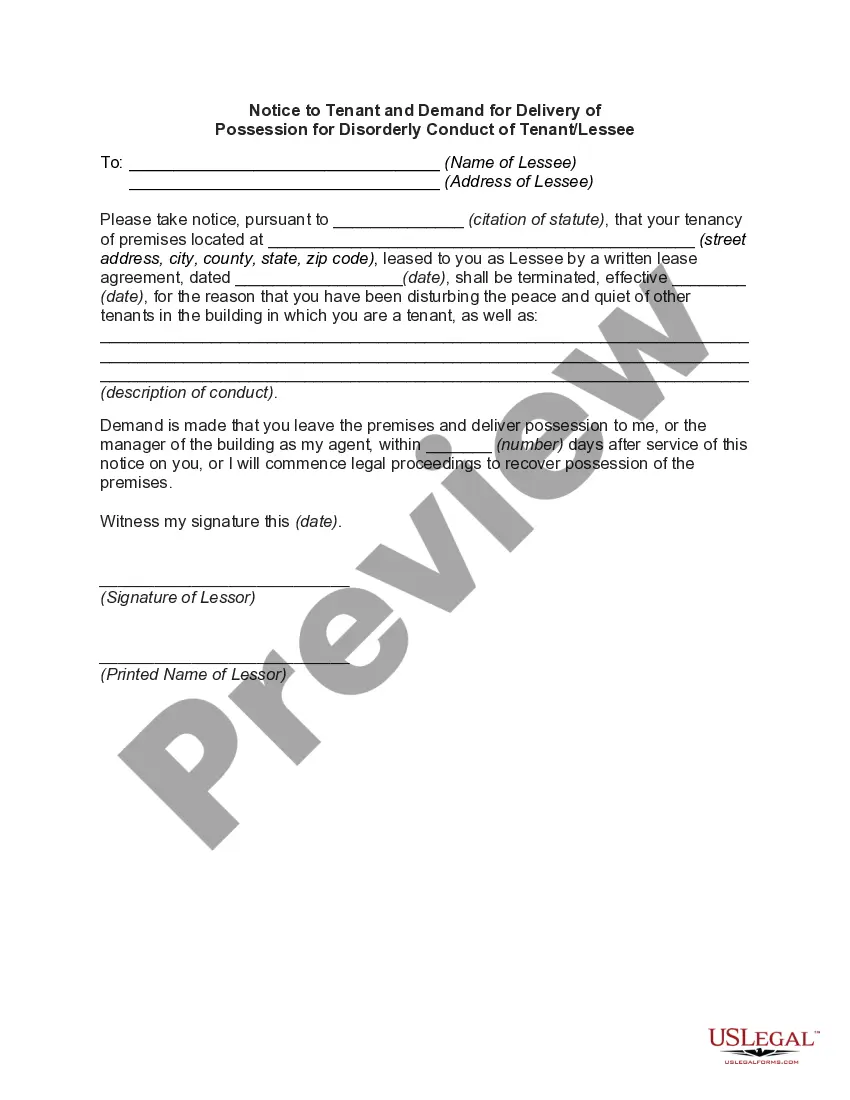
This form should be used when a tenant feels that they have been subjected to sexual harassment by their landlord. Specific situations may include unwelcome advances, inappropriate comments, or any behavior that creates a hostile living environment. Using this letter ensures that the tenant has formally documented their complaints and expectations, which can be essential in legal contexts or when seeking action from local authorities or housing organizations.
Who can use this document
This letter is intended for:
- Tenants who have experienced sexual harassment from their landlord.
- Individuals seeking to formally communicate their concerns regarding harassment.
- Those who want to establish a record of their grievances before pursuing further legal action.
Steps to complete this form
- Identify the parties: Enter the names and contact information of both the tenant and the landlord.
- Describe the harassment: Clearly articulate the specific conduct that constitutes harassment.
- State your request: Indicate the desire for the landlord to cease the inappropriate behavior and to communicate in a professional manner.
- Sign and date the letter: Provide your signature and the date to validate the document.
- Select a proof of delivery method: Choose how you will deliver this letter to the landlord and include relevant details.
Does this document require notarization?
This form does not typically require notarization unless specified by local law. However, having a notarized letter can add an extra layer of authenticity if you decide to escalate the matter.
Get your form ready online
Our built-in tools help you complete, sign, share, and store your documents in one place.
Make edits, fill in missing information, and update formatting in US Legal Forms—just like you would in MS Word.
Download a copy, print it, send it by email, or mail it via USPS—whatever works best for your next step.
Sign and collect signatures with our SignNow integration. Send to multiple recipients, set reminders, and more. Go Premium to unlock E-Sign.
If this form requires notarization, complete it online through a secure video call—no need to meet a notary in person or wait for an appointment.
We protect your documents and personal data by following strict security and privacy standards.

Make edits, fill in missing information, and update formatting in US Legal Forms—just like you would in MS Word.

Download a copy, print it, send it by email, or mail it via USPS—whatever works best for your next step.

Sign and collect signatures with our SignNow integration. Send to multiple recipients, set reminders, and more. Go Premium to unlock E-Sign.

If this form requires notarization, complete it online through a secure video call—no need to meet a notary in person or wait for an appointment.

We protect your documents and personal data by following strict security and privacy standards.
Typical mistakes to avoid
- Failing to describe specific incidents of harassment, leading to a vague complaint.
- Not keeping a copy of the letter for personal records.
- Using informal language instead of adhering to a professional tone.
- Not following proper delivery methods, which could affect proof of receipt.
Advantages of online completion
- Convenience of completing the form at your own pace and from anywhere.
- Editability allows you to customize the letter to reflect your specific situation.
- Access to attorney-drafted templates ensures legal accuracy and relevance.
Legal use & context
- This letter serves as a formal notification and may be used as evidence of the landlordâs behavior in future legal actions.
- Upon receiving this letter, the landlord is expected to respond appropriately, demonstrating compliance with rental laws.
What to keep in mind
- This form allows tenants to formally address sexual harassment by their landlord.
- Accurate completion of this letter is crucial for legal validity and effectiveness.
- Using this form can help assert tenant rights and improve living conditions.
Looking for another form?
Form popularity
FAQ
In Connecticut, landlords cannot retaliate against tenants for exercising their legal rights, such as reporting harassment or unsafe living conditions. They also cannot lock tenants out or shut off essential services without proper legal procedures. Understanding these rights is vital for tenants to protect themselves. If you experience any form of intimidation, writing a Connecticut Letter from Tenant to Landlord about Sexual Harassment may help assert your rights effectively.
Connecticut does not have a statewide limit on rent increases. However, if you reside in a rent-controlled area, specific rules may apply. It is crucial for landlords to provide proper notice before any increase takes effect. If you feel that your landlord is violating your rights concerning rent increases, consider drafting a Connecticut Letter from Tenant to Landlord about Sexual Harassment to address these concerns.
In Connecticut, landlords can request first and last month's rent along with a security deposit. However, the total amount for security cannot exceed two months' rent. While this practice can seem standard, it is essential for tenants to clearly document all agreements. If you face harassment or unfair treatment during this process, a Connecticut Letter from Tenant to Landlord about Sexual Harassment can support your claim.
To write a harassment complaint letter to your landlord, address the specific behaviors that you find troubling. Clearly outline the incidents, including dates and any witnesses, to provide context. Utilize a Connecticut Letter from Tenant to Landlord about Sexual Harassment to guide your writing. This resource ensures that your letter meets all necessary legal standards, helping you communicate your grievances appropriately.
Writing a powerful complaint letter starts with clarity and structure. Begin by stating the issue succinctly, including relevant dates and incidents. Use a Connecticut Letter from Tenant to Landlord about Sexual Harassment template to ensure your letter is professional and impactful. This method helps convey your concerns effectively while maintaining a formal tone.
Dealing with a toxic landlord can feel overwhelming, but you have options. First, document your experiences and any inappropriate behavior. This record can be essential if you choose to escalate the situation. Additionally, consider using a Connecticut Letter from Tenant to Landlord about Sexual Harassment to formally address your concerns, as this can create a clear communication trail and demonstrate your seriousness.
The new tenant law in Connecticut enhances tenant rights, particularly concerning security deposits and eviction processes. It obligates landlords to adhere to strict guidelines on communication and property maintenance. Staying informed about these changes is crucial for tenants, as they relate directly to issues such as harassment and the appropriate format for a Connecticut Letter from Tenant to Landlord about Sexual Harassment.
When writing a letter to your landlord about harassment, be direct and factual. Describe the incidents clearly, including dates and the nature of the harassment. Incorporate elements from your Connecticut Letter from Tenant to Landlord about Sexual Harassment to emphasize the seriousness of your complaint. Request specific actions from your landlord to address your concerns.
To sue your landlord for emotional distress, you must demonstrate that their actions caused you significant emotional suffering. Document all interactions and save communications that reflect this distress. It's beneficial to consult with an attorney who understands premises liability issues and emotional distress claims, and to explore your rights concerning the Connecticut Letter from Tenant to Landlord about Sexual Harassment.
In Connecticut, landlord harassment includes persistent unwanted contact, improper entry into the tenant's unit, and retaliation for tenant complaints. Landlords must respect the tenant's right to quiet enjoyment of their home. If you believe you are experiencing such harassment, your Connecticut Letter from Tenant to Landlord about Sexual Harassment can serve as a key document in addressing these violations.