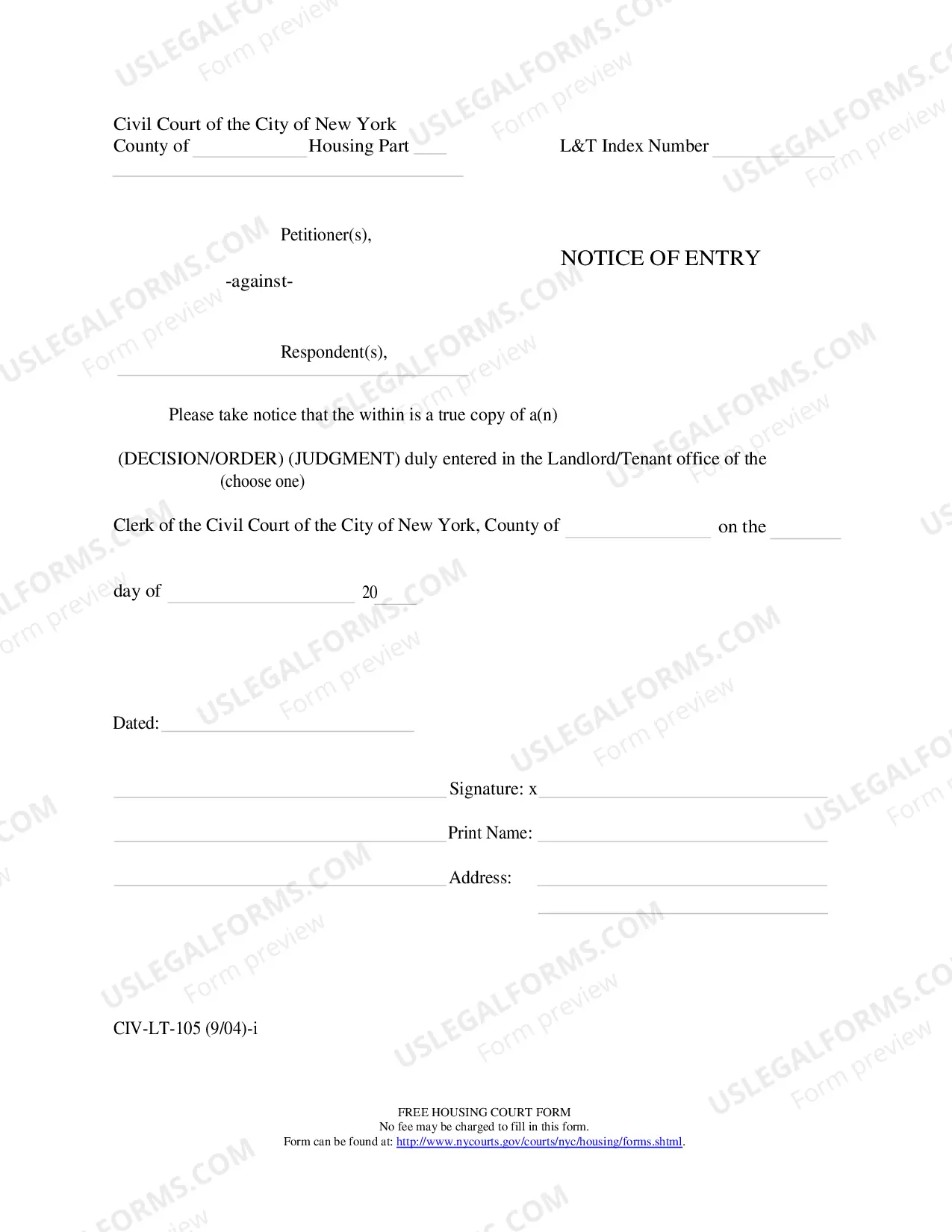
Connecticut Gift Deed for Individual to Individual
Overview of this form
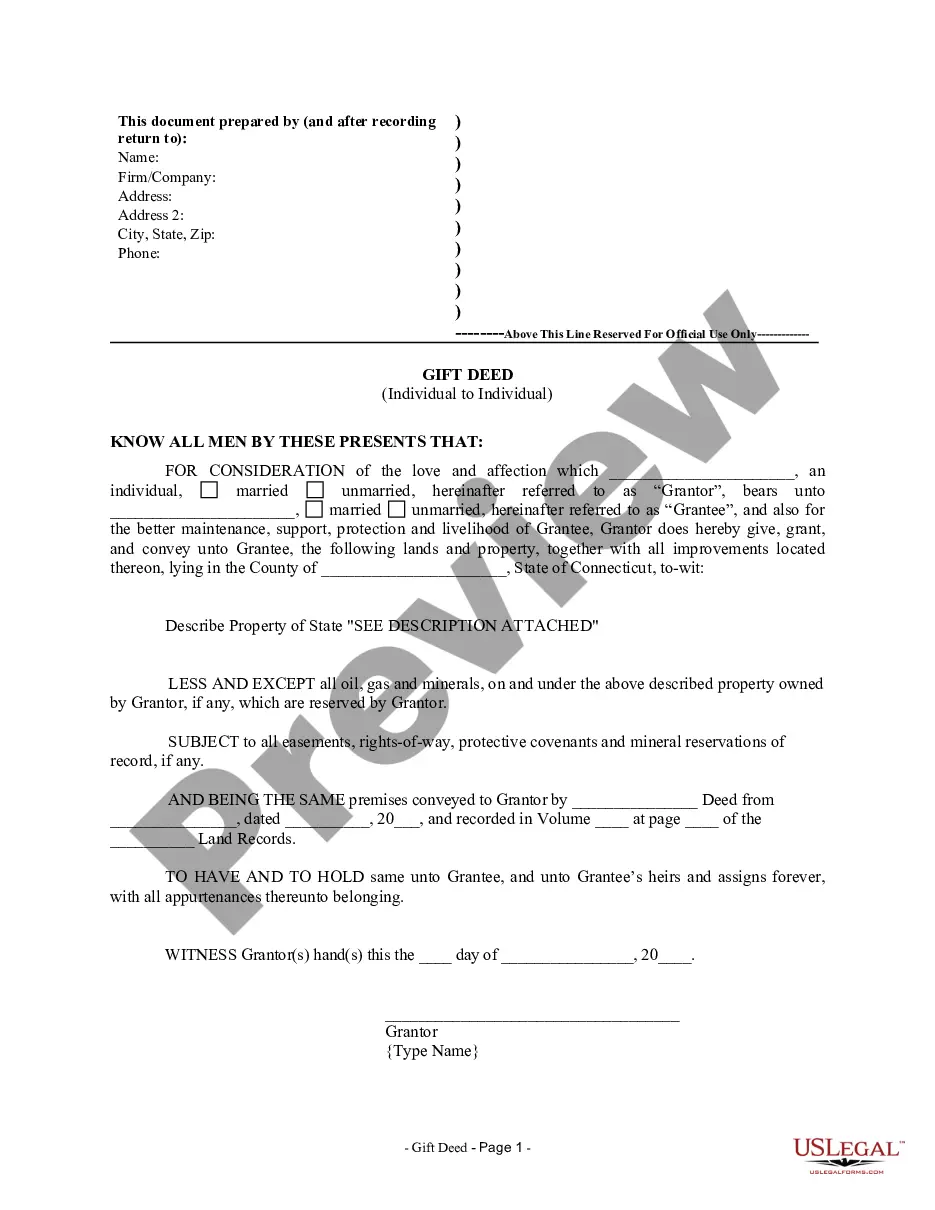
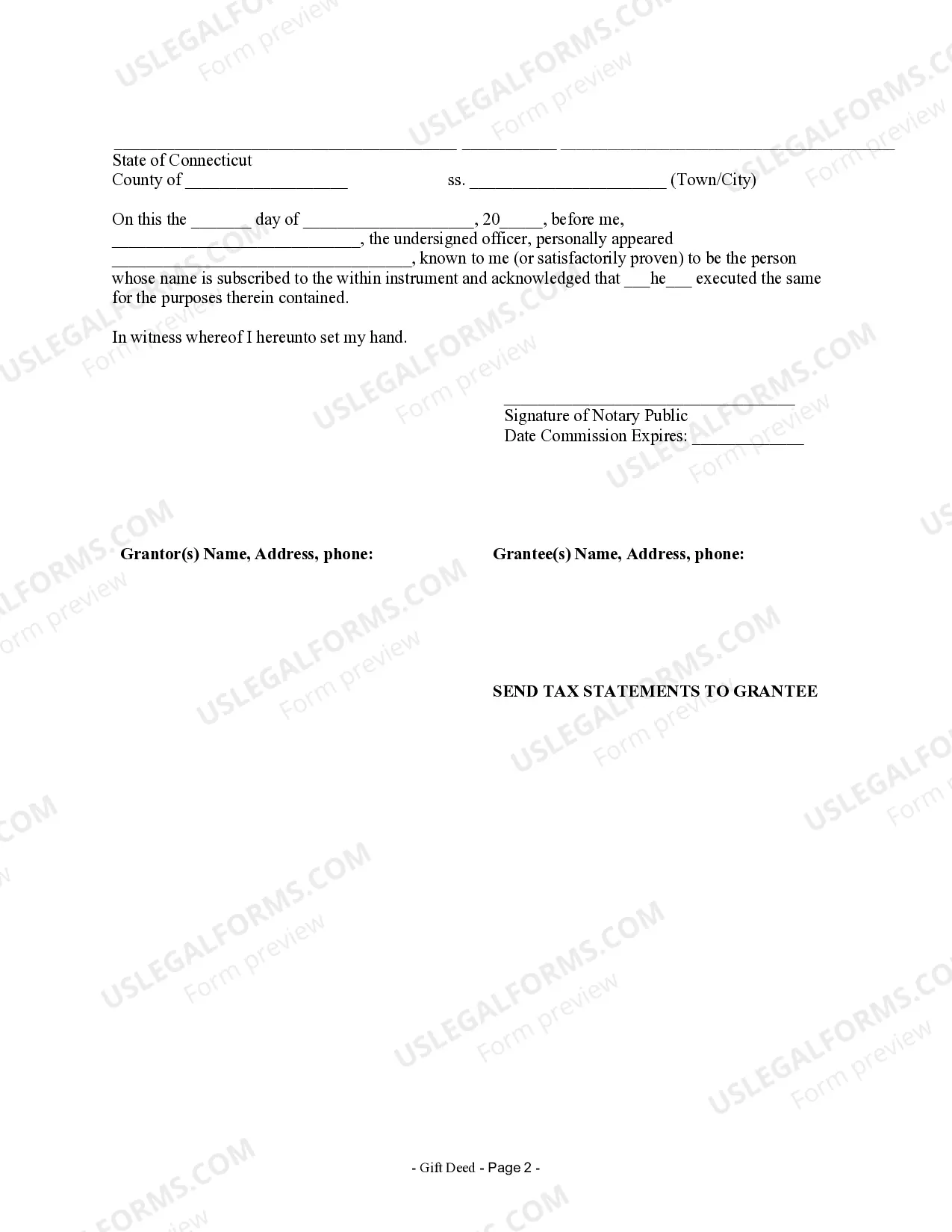
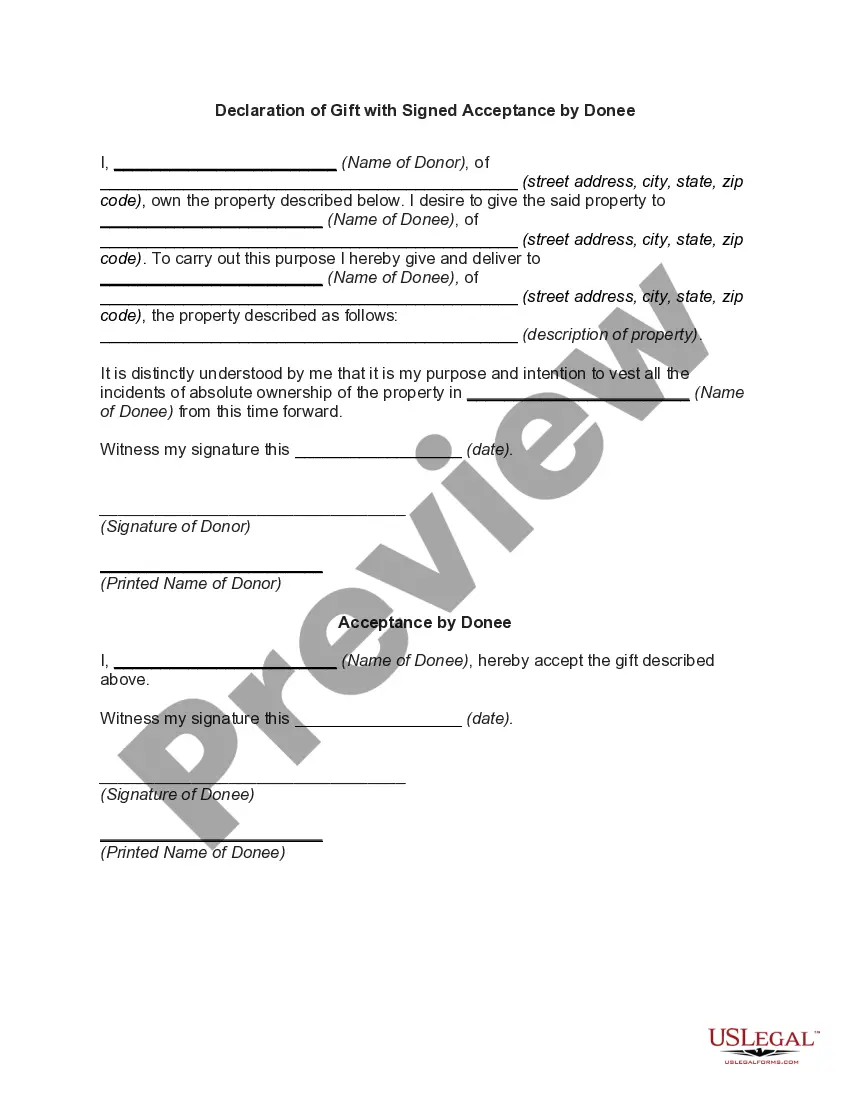
The Connecticut Gift Deed for Individual to Individual is a legal document used to transfer property ownership from one individual to another as a gift. This deed serves to record the transfer without any financial consideration involved, distinguishing it from other types of deeds, such as a sale deed. It is important to use this specific form for gift transfers to ensure compliance with Connecticut laws governing property transfers.
Form components explained
- Identification of the grantor (the individual giving the gift).
- Identification of the grantee (the individual receiving the gift).
- Legal description of the property being transferred, including any reservations and exceptions.
- Details of the deed's previous transfer history.
- Signatures of the grantor and a notary public, if required.


When to use this document
This form should be used when an individual wishes to transfer real property to another individual as a gift. Common scenarios may include transferring property to a family member or friend as part of an estate planning strategy or providing a property as a gesture of goodwill. It's essential to document the transfer formally to avoid future disputes regarding ownership.
Who should use this form
- Individuals gifting real property to another individual.
- Property owners looking to ensure a clear transfer of ownership without financial exchange.
- Gift givers wanting to comply with local legal requirements in Connecticut.
Steps to complete this form
- Identify the grantor and grantee by entering their full names.
- Provide a detailed description of the property being gifted, including any reservations.
- Indicate the prior deed details related to the propertyâs earlier ownership.
- Enter the date of signing and ensure both parties sign the document.
- Arrange for the signature of a notary public to validate the deed, if needed.
Does this document require notarization?
Yes, this form must be notarized to be legally valid in Connecticut. You may use US Legal Formsâ integrated online notarization service, which offers 24/7 availability through secure video calls, ensuring a smooth and efficient notarization process without the need for travel.
Get your form ready online
Our built-in tools help you complete, sign, share, and store your documents in one place.
Make edits, fill in missing information, and update formatting in US Legal Forms—just like you would in MS Word.
Download a copy, print it, send it by email, or mail it via USPS—whatever works best for your next step.
Sign and collect signatures with our SignNow integration. Send to multiple recipients, set reminders, and more. Go Premium to unlock E-Sign.
If this form requires notarization, complete it online through a secure video call—no need to meet a notary in person or wait for an appointment.
We protect your documents and personal data by following strict security and privacy standards.

Make edits, fill in missing information, and update formatting in US Legal Forms—just like you would in MS Word.

Download a copy, print it, send it by email, or mail it via USPS—whatever works best for your next step.

Sign and collect signatures with our SignNow integration. Send to multiple recipients, set reminders, and more. Go Premium to unlock E-Sign.

If this form requires notarization, complete it online through a secure video call—no need to meet a notary in person or wait for an appointment.

We protect your documents and personal data by following strict security and privacy standards.
Typical mistakes to avoid
- Failing to provide a clear legal description of the property.
- Not including required signatures, especially a notary if necessary.
- Omitting details about prior property transfers.
- Using incorrect terminology that does not comply with Connecticut law.
Benefits of using this form online
- Immediate access to the form in standard formats suitable for your needs.
- Editable segments allowing you to tailor the language to your circumstances.
- Convenience of downloading and printing from any location without needing to visit a legal office.
Key takeaways
- The Connecticut Gift Deed enables the transfer of property as a gift between individuals.
- Accurate completion and notarization are essential for legal validity.
- This form is specifically tailored for compliance with Connecticut property laws.
Looking for another form?

Form popularity
FAQ
In Connecticut, you can inherit up to the estate tax exemption limit, approximately $9.1 million in 2025, without incurring taxes. However, for amounts exceeding this, tax obligations will apply. Properly utilizing tools like the Connecticut Gift Deed for Individual to Individual can help manage wealth transfer efficiently within tax guidelines. This strategy ensures that individuals pass on their assets with less tax burden.
While the estate tax exemption amount can change based on legislation, it’s currently projected to remain stable at around $9.1 million for 2025. However, legislative reviews may affect future values. Staying updated on these changes is crucial if you're considering transactions like a Connecticut Gift Deed for Individual to Individual. Timely adjustments in your estate plans can provide significant benefits.
A Connecticut QTIP election allows a surviving spouse to receive income from a deceased spouse’s trust while postponing estate taxes. This election is particularly beneficial in estate planning strategies, including using a Connecticut Gift Deed for Individual to Individual. Understanding how this election works can improve overall estate management and financial outcomes.
Yes, Connecticut requires a gift tax return if the total gifts exceed the annual exclusion amount of $15,000. This requirement applies regardless of whether the gifts are taxable. If you are using a Connecticut Gift Deed for Individual to Individual, it’s essential to maintain transparency in your gifting process. Filing the proper forms can prevent future tax issues.
Tax exemptions in Connecticut for 2025 include the estate tax exemption and the annual gift tax exclusion, as mentioned earlier. It's important to note that additional exemptions may apply based on specific family situations or types of property transfers. Engaging in discussions about Connecticut Gift Deed for Individual to Individual allows individuals to better navigate these exemptions. This strategy can provide significant savings.
In 2025, the gift tax exclusion in Connecticut remains at $15,000 per individual donor per recipient. This means you can gift up to this amount without triggering gift tax obligations. When utilizing a Connecticut Gift Deed for Individual to Individual, staying informed on gift tax rules ensures clear planning and execution. It's always beneficial to consult tax professionals for personalized advice.
The estate tax exemption in Connecticut for 2025 is expected to be approximately $9.1 million. This means your estate can be valued at this amount before any estate taxes apply. If you're considering property transfers using a Connecticut Gift Deed for Individual to Individual, understanding the estate tax exemption is crucial. Proper planning can help minimize tax liabilities.
Yes, you can gift a house in Connecticut using a gift deed. This allows the property owner to transfer ownership to another person without expecting payment in return. It’s essential to follow Connecticut’s legal requirements for such a deed to ensure a smooth transfer. Utilizing platforms like uslegalforms can simplify this process, providing you the necessary forms and guidance for a Connecticut Gift Deed for Individual to Individual.
The main difference between a quitclaim deed and a gift deed lies in their purposes. A quitclaim deed transfers whatever interest the grantor has, without any guarantees. On the other hand, a gift deed is specifically meant to transfer property as a gift, indicating the intent behind the transfer. For a clear and intentional transfer of ownership, using a Connecticut Gift Deed for Individual to Individual is advisable.
One disadvantage of a gift deed is that once the property is given, the donor cannot reclaim it without the recipient's consent. Moreover, if the recipient faces financial difficulties, the property can be vulnerable to creditors. Also, it may have tax implications for both parties. When using a Connecticut Gift Deed for Individual to Individual, it’s wise to consult a professional to understand these factors fully.