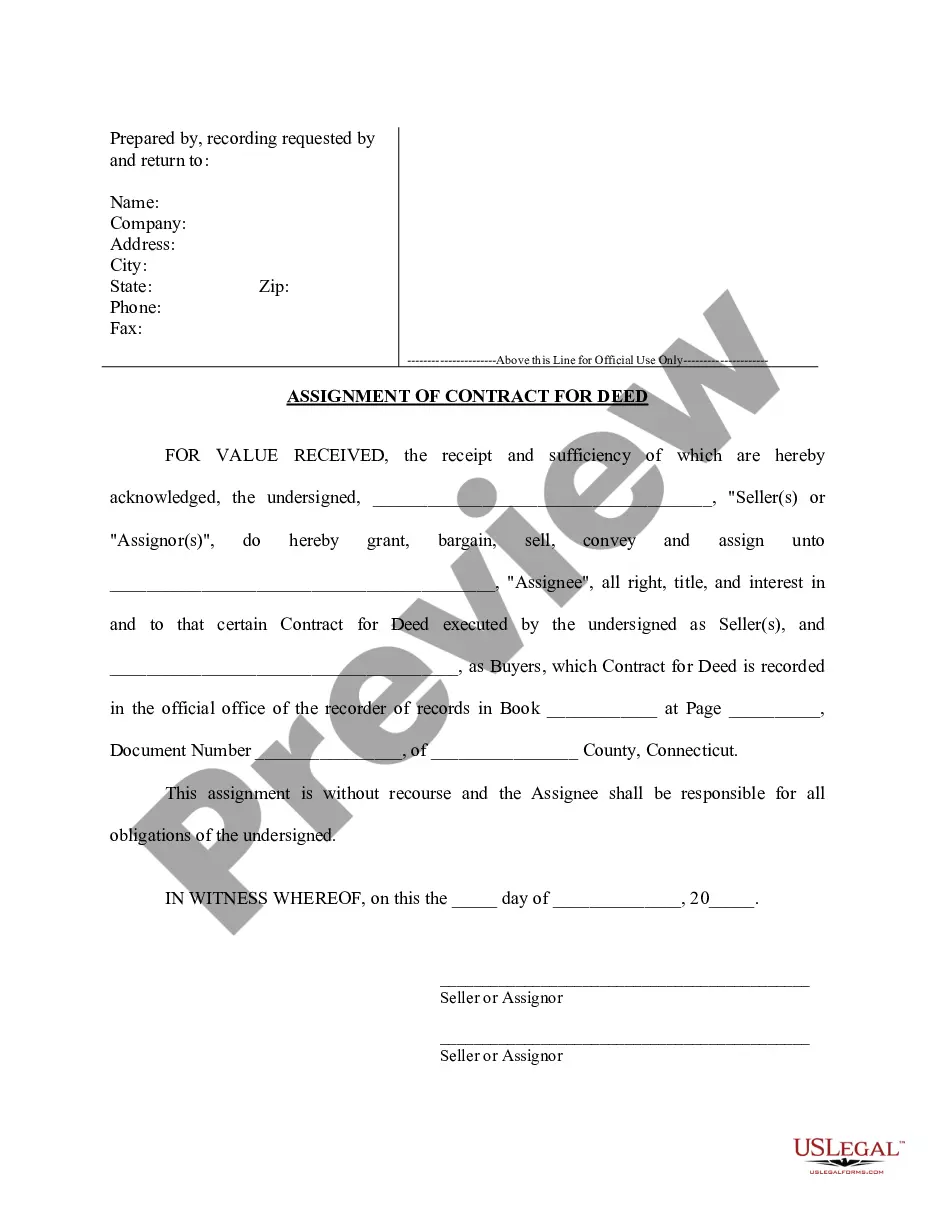
Connecticut Assignment of Contract for Deed by Seller
About this form
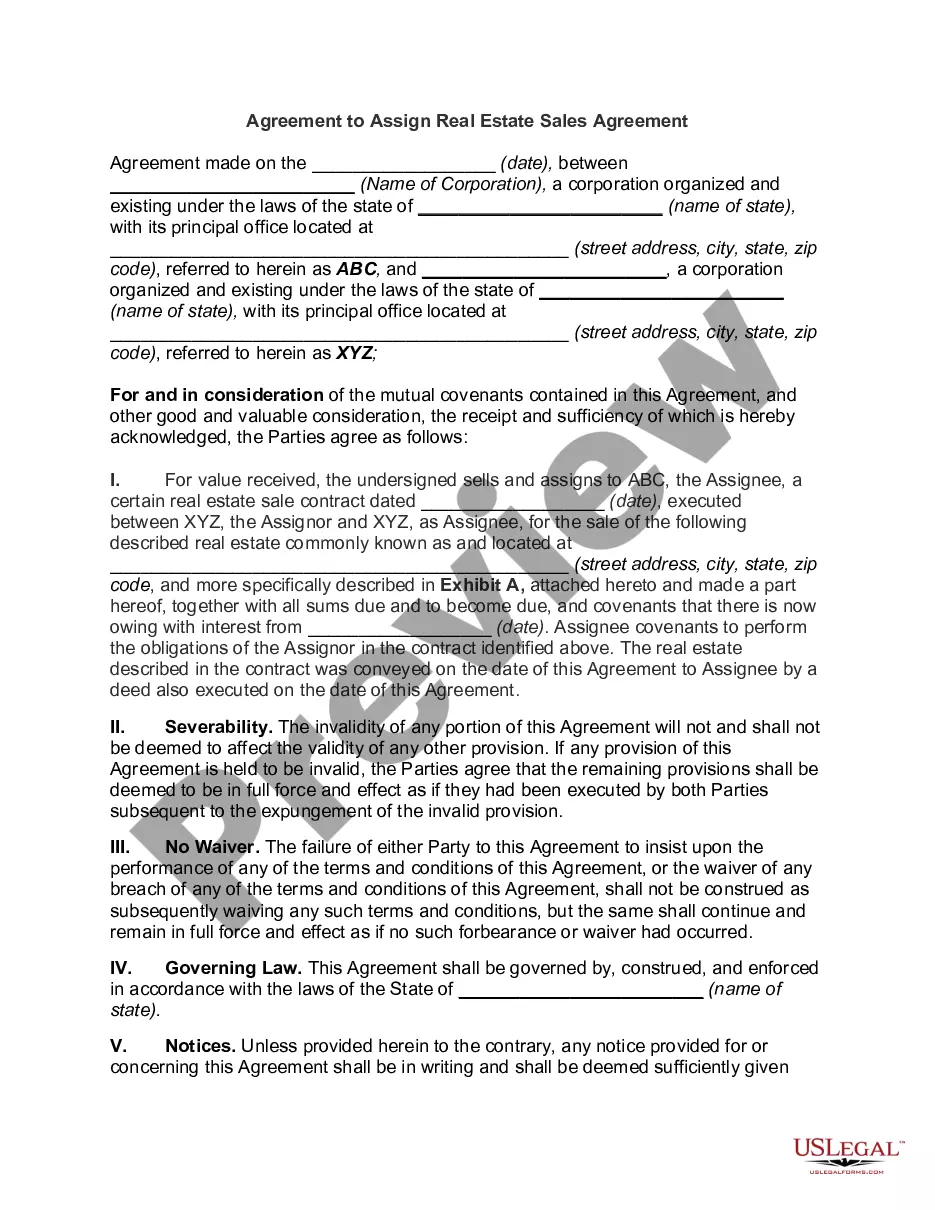
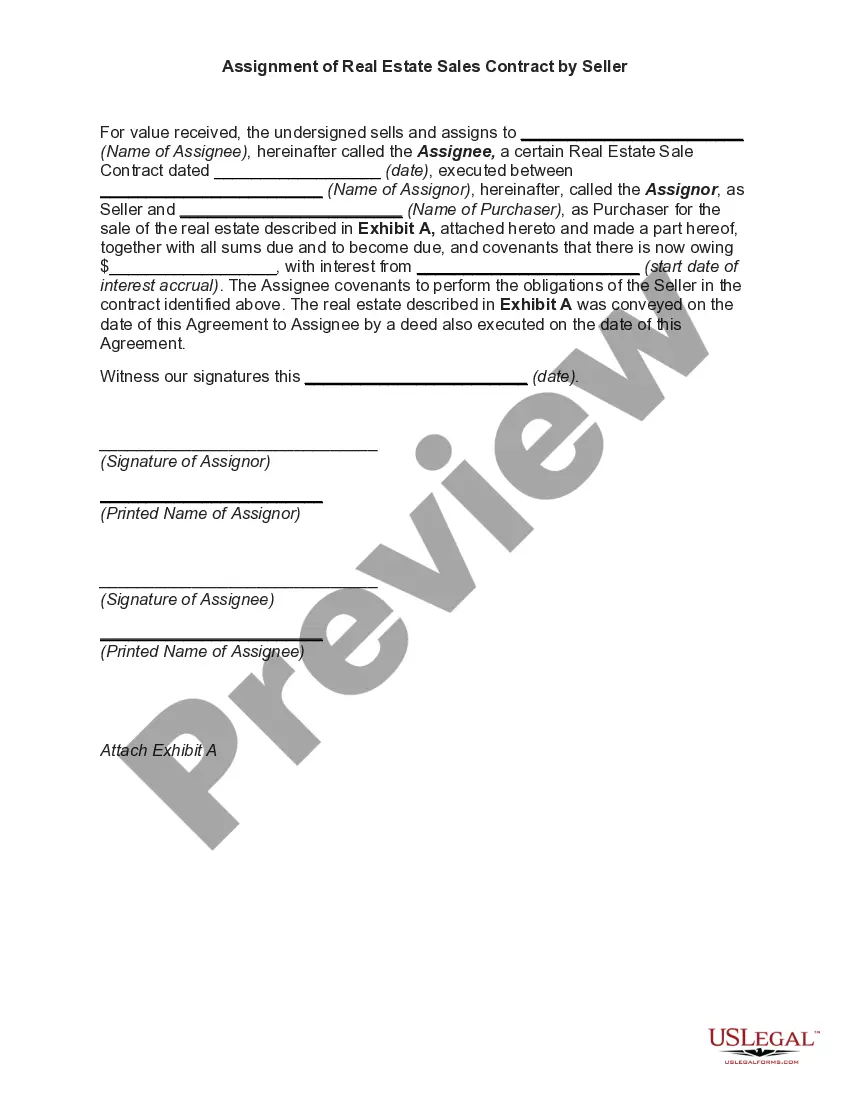
The Assignment of Contract for Deed by Seller form is a legal document that allows a seller, who has previously entered into a contract for deed, to assign that contract to a third party. This assignment means the assignee will assume the rights and obligations of the seller, allowing them to receive future payments from the buyer. Unlike other property transfer documents, this form specifically facilitates the transfer of rights under a contract for deed, potentially in exchange for cash or other benefits negotiated by the parties involved.
Key components of this form
- Identification of the seller and assignee
- Statement of the assignment and acknowledgment of obligations
- Effective date of the agreement
- Signature lines for the seller and assignee
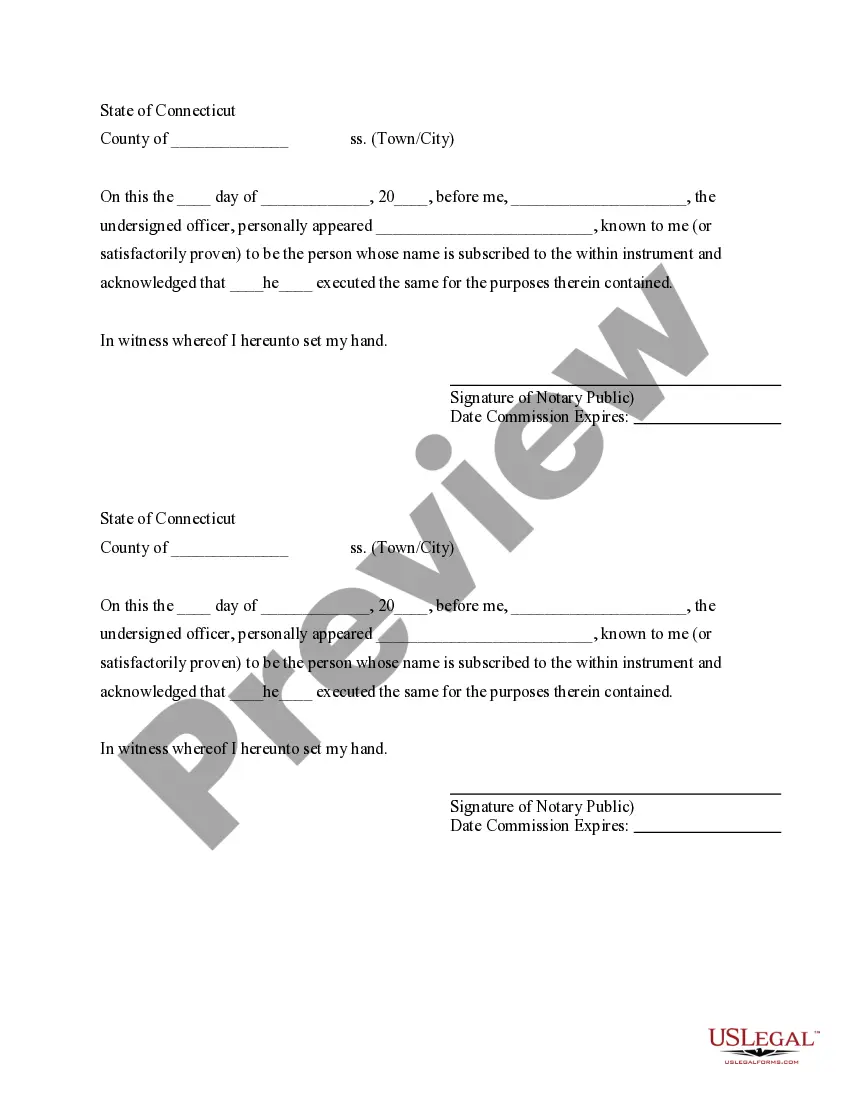
- Notarization block, if applicable in jurisdiction
When this form is needed
This form is typically used when a seller wishes to transfer their rights under a contract for deed to another party. Common scenarios include situations where a seller wants to liquidate their investment by selling the rights instead of waiting for full payment or in cases where the seller wants to exit the contract while ensuring the new assignee will continue its terms with the original buyer.
Who should use this form
- Sellers looking to assign their rights in a contract for deed
- Real estate investors wanting to transfer contracts
- Assignees who are interested in stepping into the rights of the seller
- Legal professionals assisting clients in real estate transactions
Completing this form step by step
- Identify the seller and assignee with their full legal names.
- Clearly state the terms of the assignment, including any cash payments involved.
- Enter the effective date of the assignment.
- Ensure all parties sign the document in the designated areas.
- If required, arrange for notarization to validate the document.
Does this form need to be notarized?
This form does not typically require notarization unless specified by local law. However, it is advisable to have it notarized to enhance its legality and enforceability.
Get your form ready online
Our built-in tools help you complete, sign, share, and store your documents in one place.
Make edits, fill in missing information, and update formatting in US Legal Forms—just like you would in MS Word.
Download a copy, print it, send it by email, or mail it via USPS—whatever works best for your next step.
Sign and collect signatures with our SignNow integration. Send to multiple recipients, set reminders, and more. Go Premium to unlock E-Sign.
If this form requires notarization, complete it online through a secure video call—no need to meet a notary in person or wait for an appointment.
We protect your documents and personal data by following strict security and privacy standards.

Make edits, fill in missing information, and update formatting in US Legal Forms—just like you would in MS Word.

Download a copy, print it, send it by email, or mail it via USPS—whatever works best for your next step.

Sign and collect signatures with our SignNow integration. Send to multiple recipients, set reminders, and more. Go Premium to unlock E-Sign.

If this form requires notarization, complete it online through a secure video call—no need to meet a notary in person or wait for an appointment.

We protect your documents and personal data by following strict security and privacy standards.
Avoid these common issues
- Failing to include complete legal names of parties involved.
- Not specifying terms or conditions of the assignment clearly.
- Missing signatures from either the seller or assignee.
- Not notarizing the document when required by state law.
Advantages of online completion
- Convenience of downloading the form at any time from anywhere.
- Editability allows customization to fit specific transaction needs.
- Access to forms created by licensed attorneys ensures legal reliability.
Looking for another form?
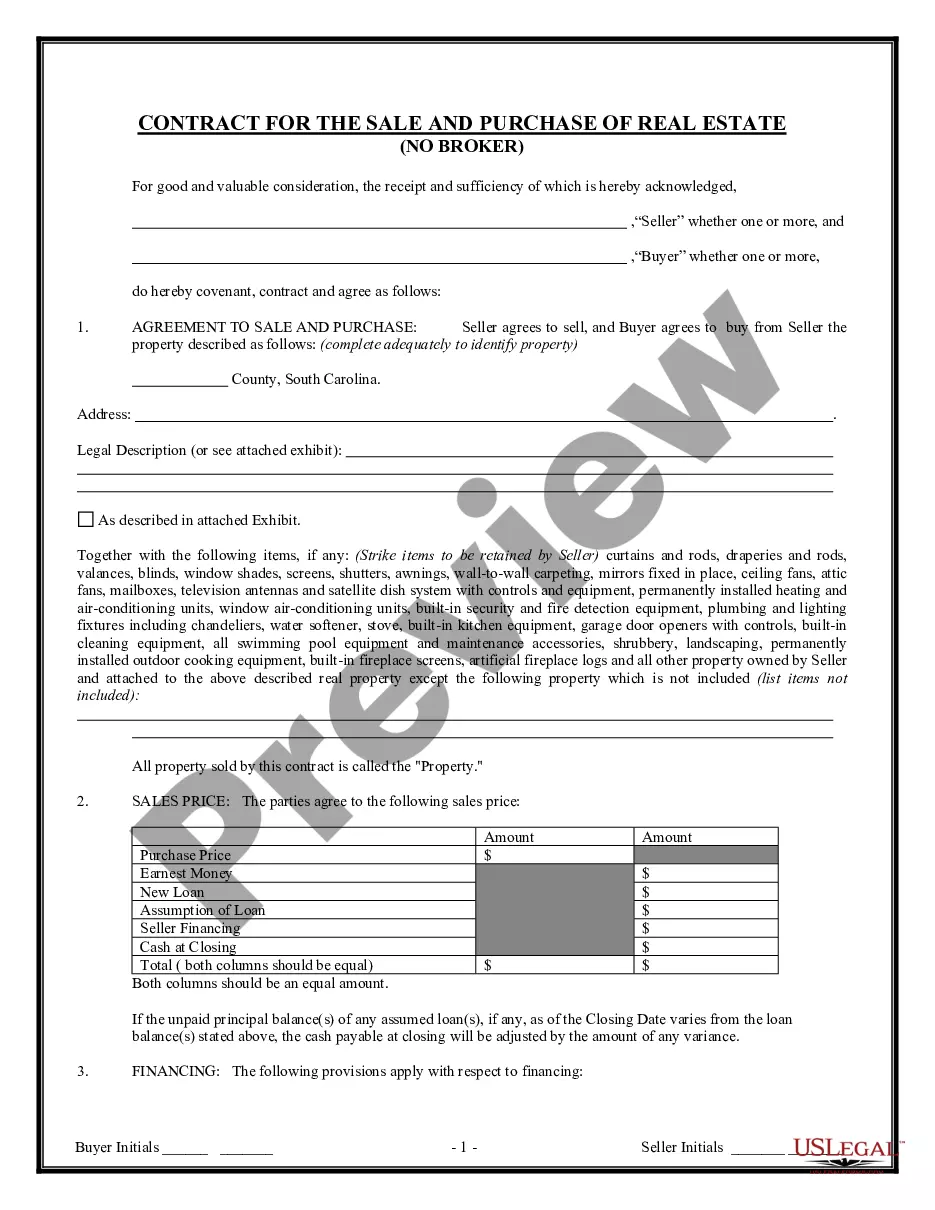
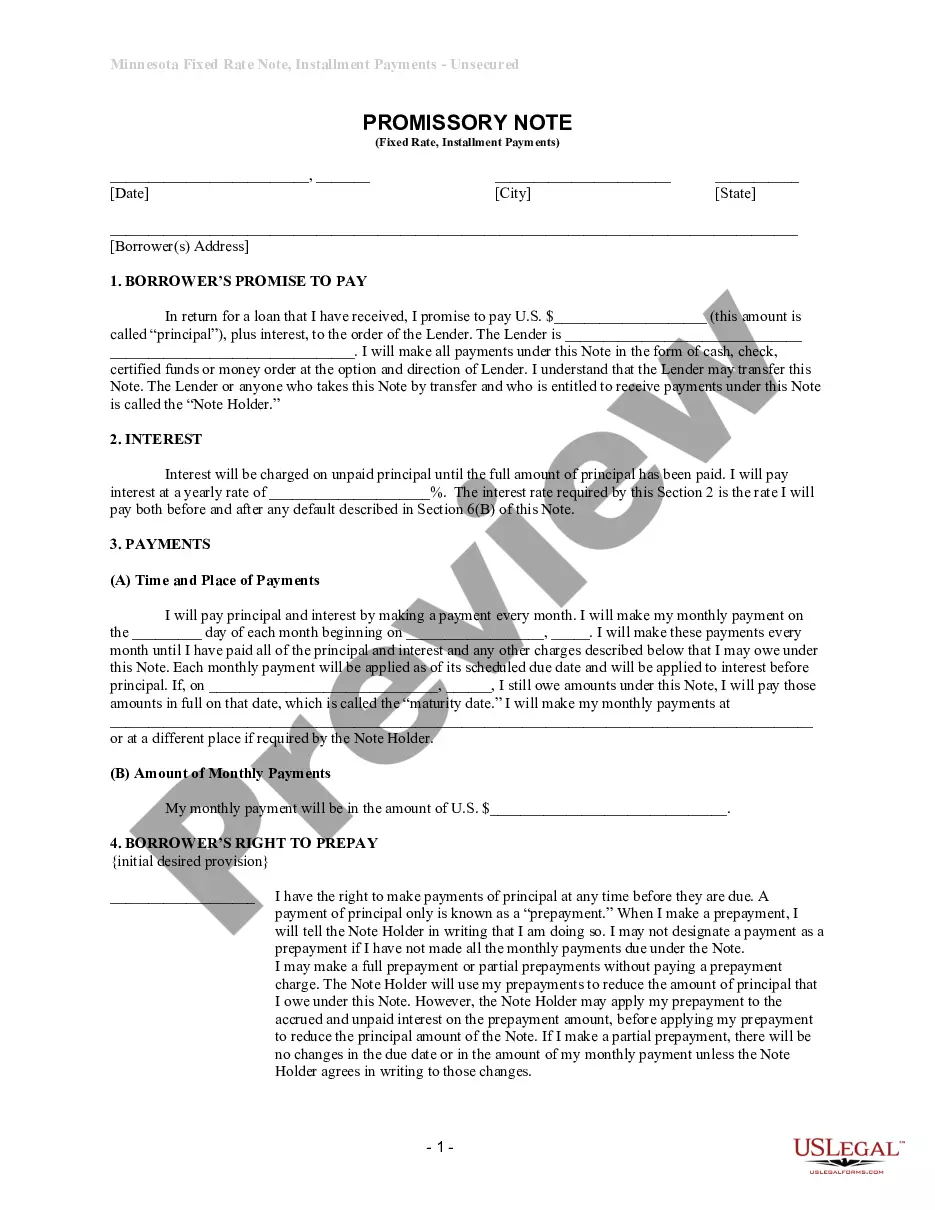
Form popularity
FAQ
To draw up a contract for a deed in Connecticut, start by gathering necessary information about the property and the parties involved. Clearly state the terms of the agreement, including payment details and any contingencies. It is also essential to include clauses regarding default and remedies. Using a service like US Legal Forms can simplify the process of creating a Connecticut Assignment of Contract for Deed by Seller, ensuring you have the proper legal framework.
To sell your house via a contract for deed, first ensure that you have a thorough understanding of the terms and conditions involved. Next, you should prepare your property and advertise it to attract potential buyers who are interested in this type of financing. Using resources from UsLegalForms can guide you through the process of structuring your agreement under the Connecticut Assignment of Contract for Deed by Seller to protect your interests.
Yes, you can sell your real estate contract, but you should first review the terms of the original contract. It's essential to ensure that the buyer qualifies for the property and can fulfill the payment terms. Because of the complexities involved, utilizing services like UsLegalForms can help you manage the Connecticut Assignment of Contract for Deed by Seller efficiently.
One significant disadvantage of a contract for deed is that sellers may face a longer wait for full payment. The buyer may also lack the motivation to maintain the property during the contract period, which can affect its value. Understanding the obligations under the Connecticut Assignment of Contract for Deed by Seller is essential, especially since sellers do not transfer the legal title until all payments are made.
Selling on a land contract carries several risks, including the potential for buyer default. If the buyer fails to make payments, you may face challenges in recovering your property. Additionally, as a seller under the Connecticut Assignment of Contract for Deed by Seller, you retain some title responsibilities until the final payment is made, which means you remain liable for property-related issues.
A contract for deed can be a beneficial option for sellers looking to expand their pool of potential buyers. It allows sellers to receive steady payments and possibly sell property quickly, even if traditional financing is not accessible for some buyers. However, sellers must understand their responsibilities and risks associated with the Connecticut Assignment of Contract for Deed by Seller to ensure a smooth transaction.
To record a contract for a deed, you need to file the contract with your local county recorder's office. Ensure that you provide the necessary details, including the names of both parties, property description, and payment terms. Recording protects your rights as a seller under the Connecticut Assignment of Contract for Deed by Seller, making it a public record. Always follow local regulations regarding any required forms or fees.
Yes, the seller must agree to the assignment of contract to ensure the transfer of rights and obligations is legitimate. Without the seller’s consent, the contract may not be enforceable. Open communication about this process is crucial, as it helps in clarifying any terms or conditions. When dealing with a Connecticut Assignment of Contract for Deed by Seller, always seek mutual agreement to avoid future disputes.
Generally, anyone who holds the rights to a contract can assign it, assuming the contract permits assignments. This includes sellers, buyers, or even intermediaries. It is important to understand the stipulations of the contract regarding assignments. For clear guidance, consulting resources from US Legal Forms can be beneficial.
A seller can change the terms of a contract, but both parties must agree to these amendments. This usually involves drafting a formal addendum to the original contract. Changes should be documented clearly to avoid misunderstandings later. Utilizing services like US Legal Forms can facilitate this process and ensure legal compliance.