Colorado Notice of Assignment of Contract for Deed
Understanding this form
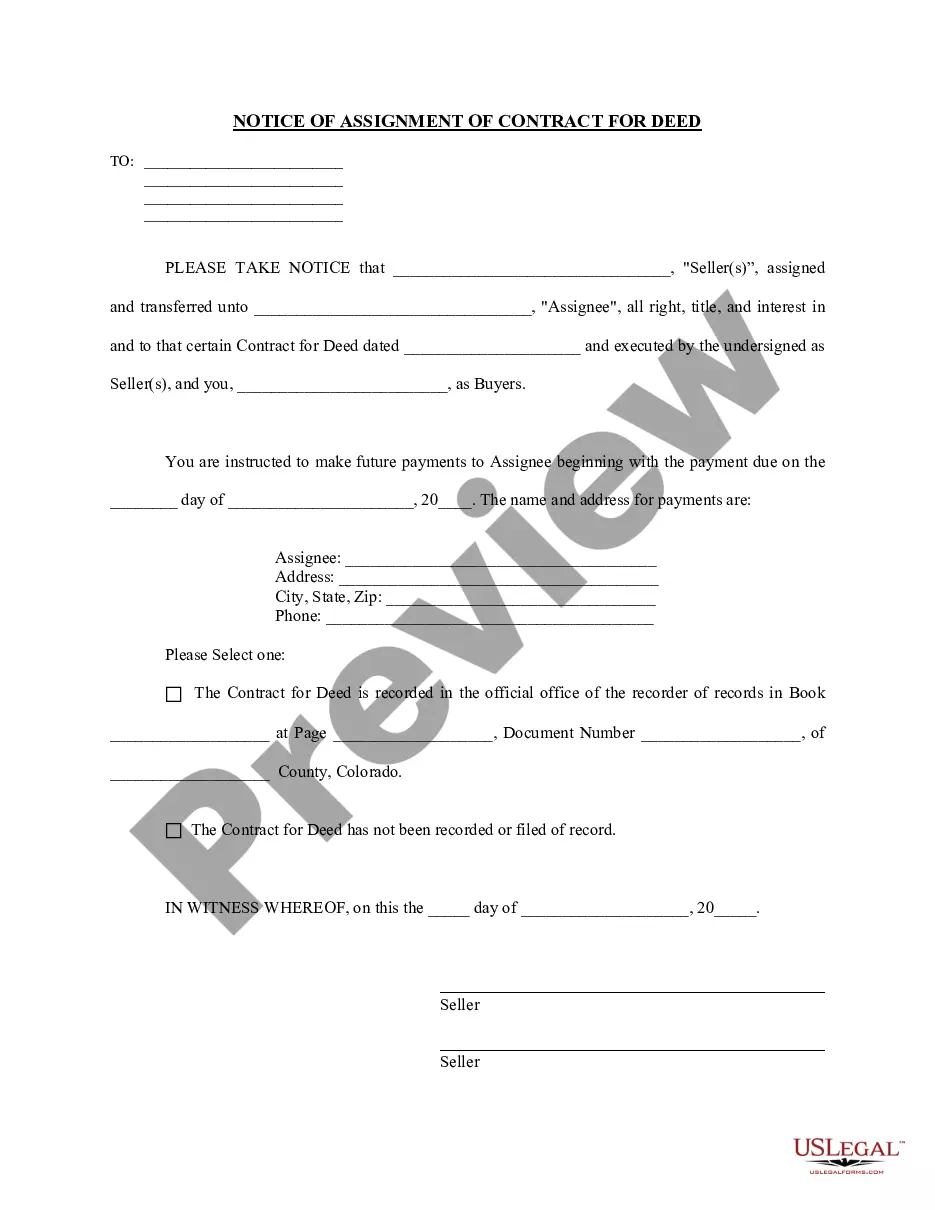
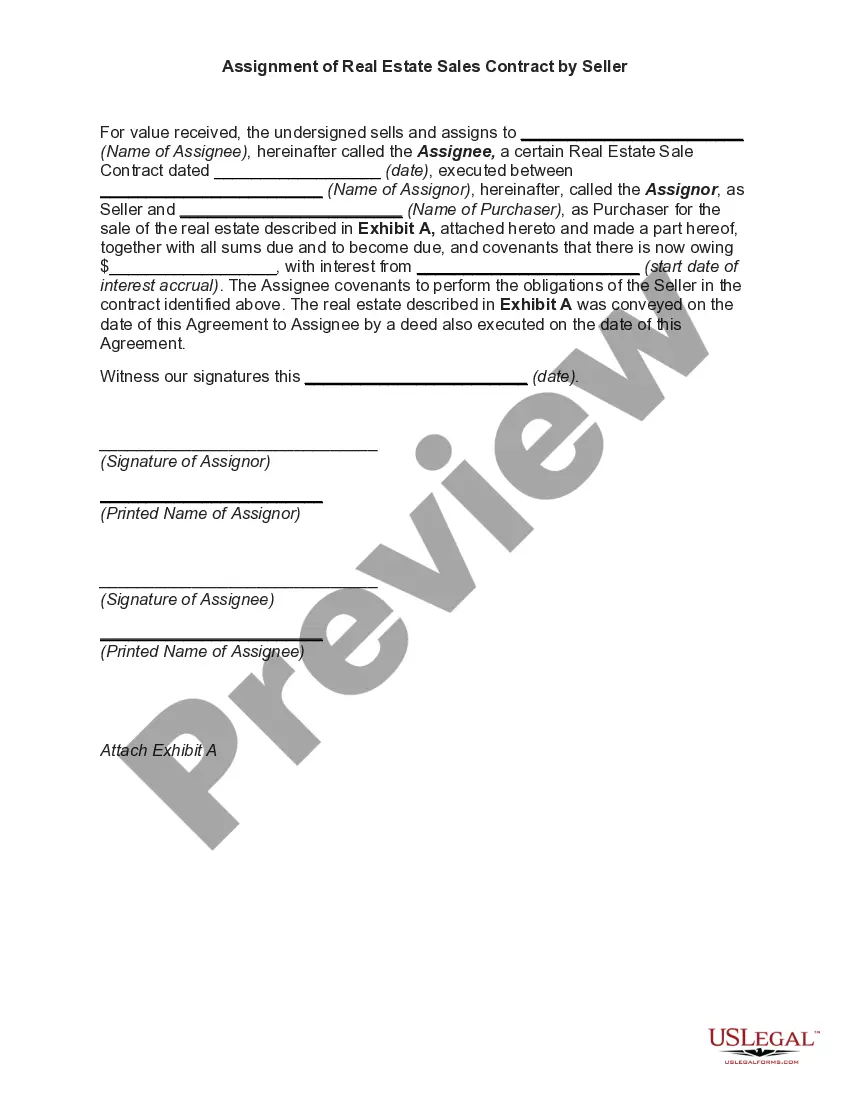
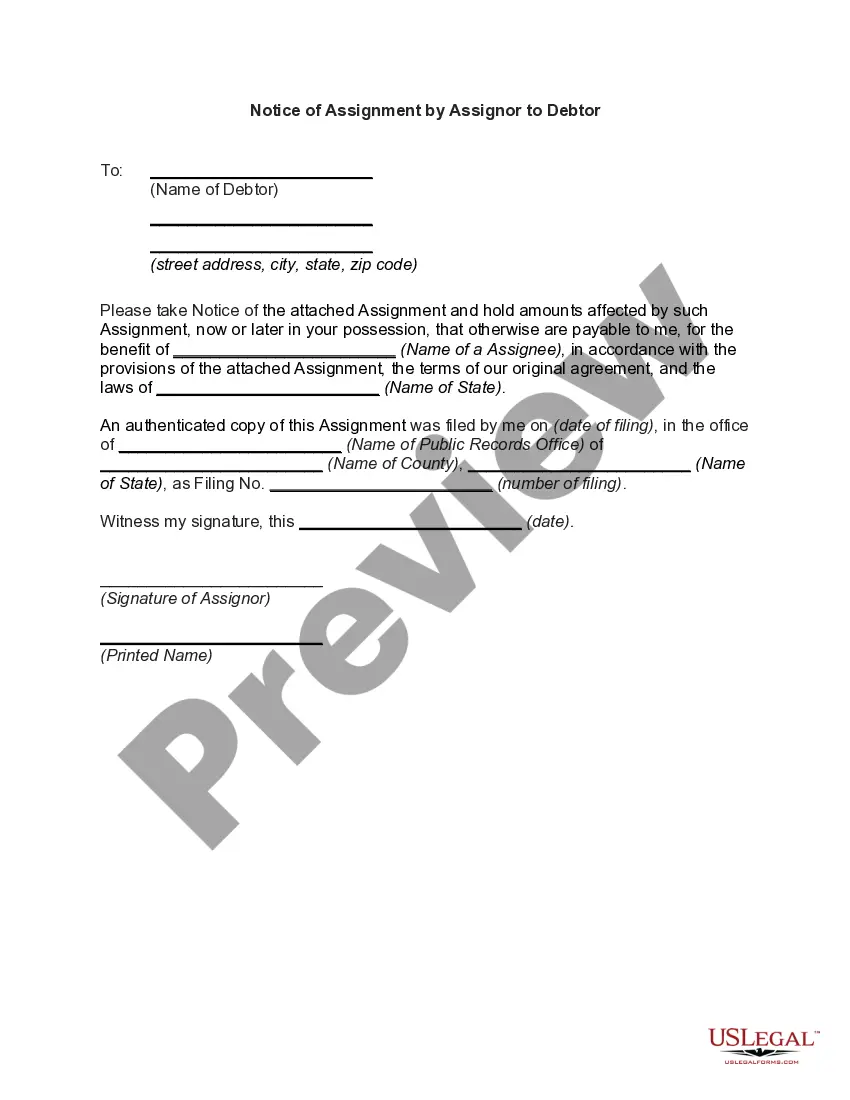
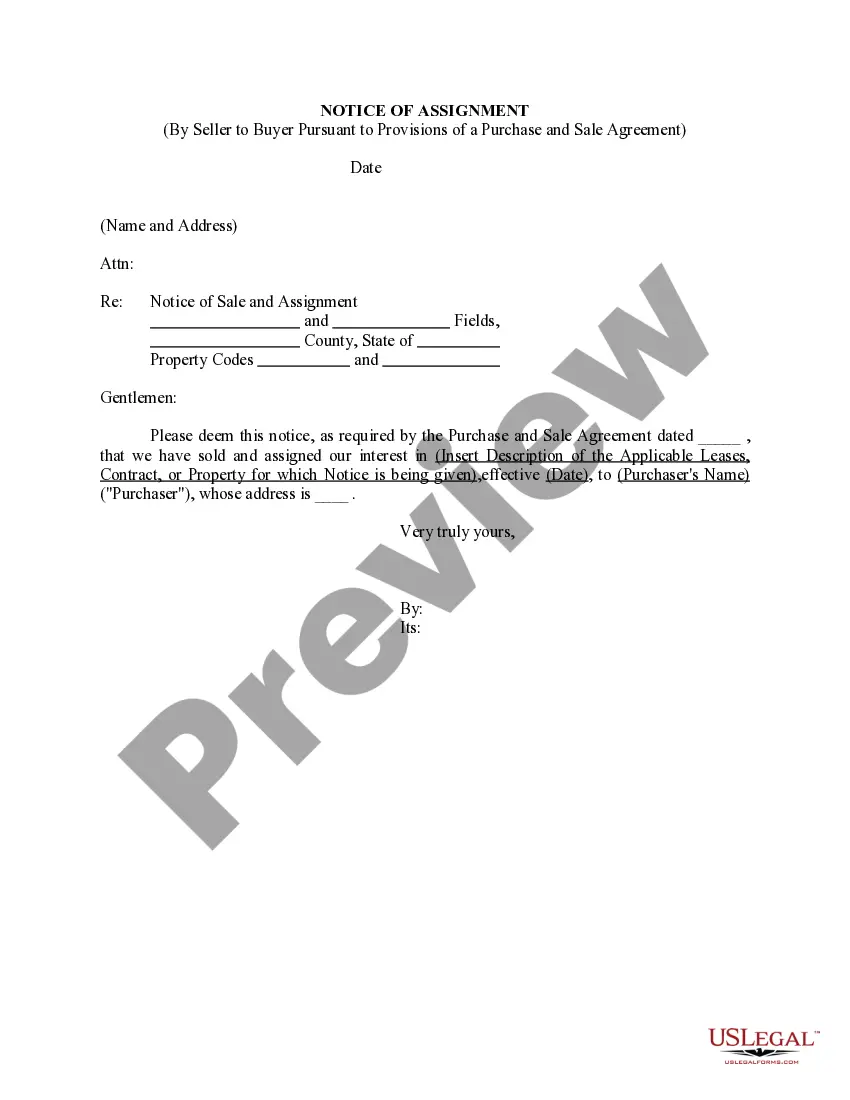
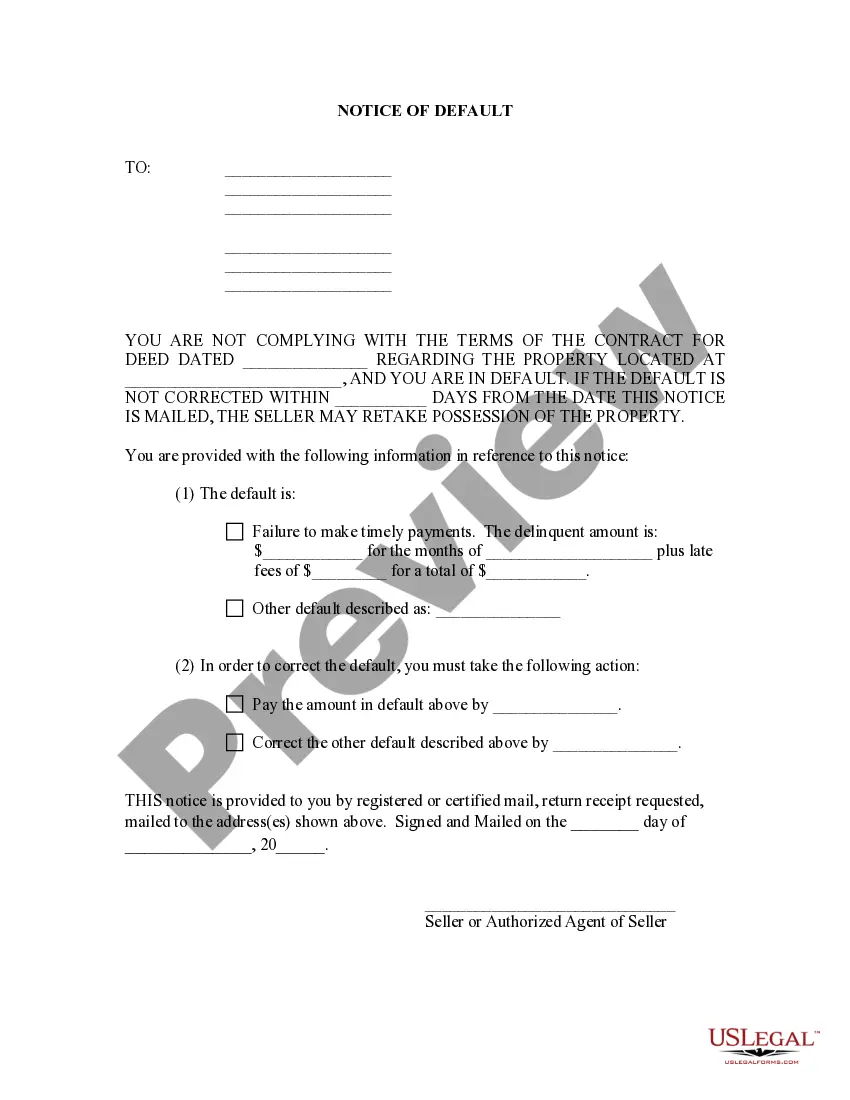
The Notice of Assignment of Contract for Deed is a legal document used by a Seller to inform Buyer(s) that the Seller has transferred their rights and obligations under a contract for deed to a third party. This notice ensures that payments are made to the new party, clarifying the transaction's legality and helping prevent disputes. Unlike other notices, this specific document is crucial for acknowledging the change in the party to whom payments should be directed.
Main sections of this form
- Identification of the Seller and Buyer(s).
- Details of the original contract for deed.
- Information about the third party receiving the assignment.
- Date of the notice and signature lines for the Seller.
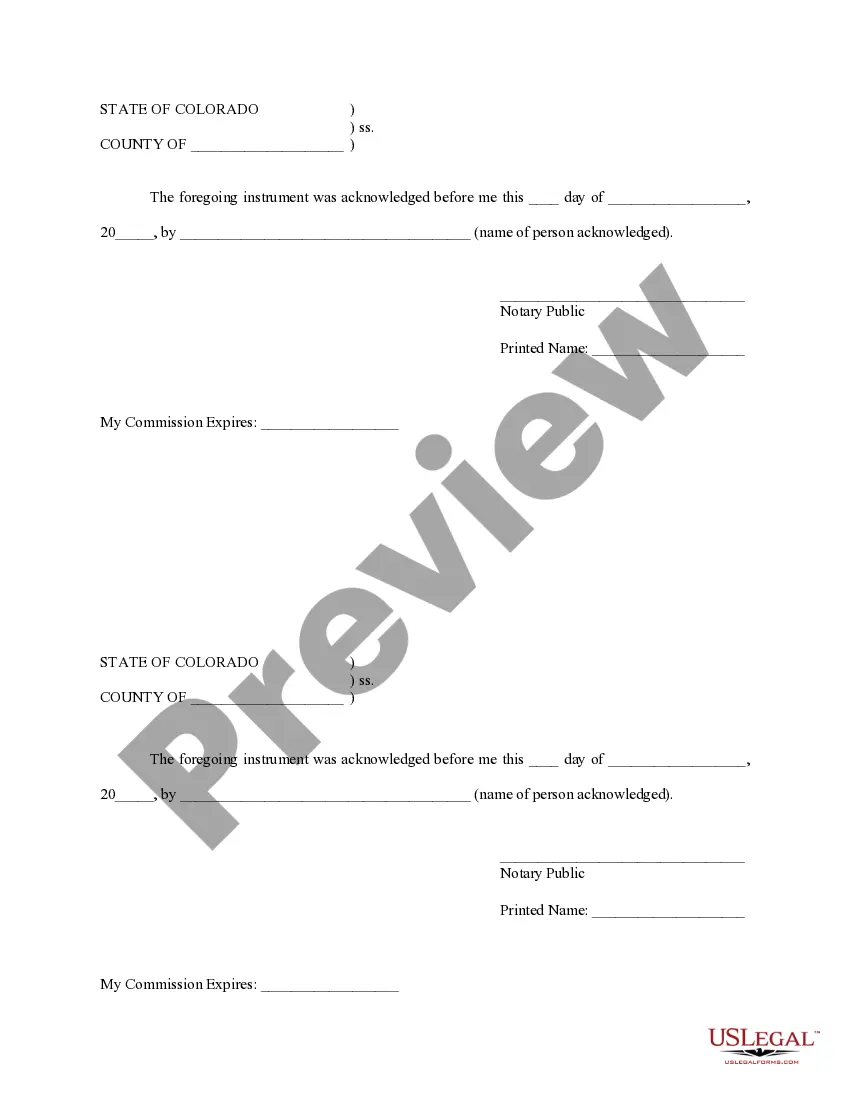
- Notarization section to verify authenticity.


When to use this form
This form should be used when a Seller has assigned their contract for deed to another party. It is typically applicable in situations where the Seller intends to step out of the agreement and needs to notify the Buyer(s) about the reassignment of obligations and rights, ensuring that future payments are directed to the correct party.
Who needs this form
- Any Seller who has entered into a contract for deed.
- Buyers who are notified of an assignment regarding their contract.
- Attorneys handling real estate transactions involving contract assignments.
How to prepare this document
- Identify all parties involved, including the Seller, Buyer(s), and the third party receiving the assignment.
- Provide details about the original contract for deed, including its date and principal terms.
- Clearly state the name and address of the third party to whom the contract is assigned.
- Enter the date of the notice.
- Have the Seller sign the document in front of a notary public.
Is notarization required?
To make this form legally binding, it must be notarized. Our online notarization service, powered by Notarize, lets you verify and sign documents remotely through an encrypted video session.
Get your form ready online
Our built-in tools help you complete, sign, share, and store your documents in one place.
Make edits, fill in missing information, and update formatting in US Legal Forms—just like you would in MS Word.
Download a copy, print it, send it by email, or mail it via USPS—whatever works best for your next step.
Sign and collect signatures with our SignNow integration. Send to multiple recipients, set reminders, and more. Go Premium to unlock E-Sign.
If this form requires notarization, complete it online through a secure video call—no need to meet a notary in person or wait for an appointment.
We protect your documents and personal data by following strict security and privacy standards.

Make edits, fill in missing information, and update formatting in US Legal Forms—just like you would in MS Word.

Download a copy, print it, send it by email, or mail it via USPS—whatever works best for your next step.

Sign and collect signatures with our SignNow integration. Send to multiple recipients, set reminders, and more. Go Premium to unlock E-Sign.

If this form requires notarization, complete it online through a secure video call—no need to meet a notary in person or wait for an appointment.

We protect your documents and personal data by following strict security and privacy standards.
Typical mistakes to avoid
- Failing to include all necessary parties involved in the contract assignment.
- Not providing adequate details about the original contract for deed.
- Neglecting to have the document notarized, rendering it invalid.
- Using incorrect dates, which can create confusion regarding the assignment timeline.
Advantages of online completion
- Convenience of downloading the form instantly from any location.
- Editable fields allowing users to tailor the document to their specific needs.
- Access to attorney-reviewed templates ensuring legal compliance.
Key takeaways
- The Notice of Assignment of Contract for Deed informs all parties of the new payment arrangements.
- This form must be notarized to ensure its legal enforceability.
- Using a professionally drafted form can help avoid common legal pitfalls in property transactions.
Looking for another form?

Form popularity
FAQ
The primary difference between a deed of assignment and a deed of transfer lies in their purpose: a deed of assignment allows for the transfer of rights and obligations, while a deed of transfer formally changes ownership of property. When dealing with the Colorado Notice of Assignment of Contract for Deed, it’s essential to know which deed applies to your situation. Reliable resources like USLegalForms can clarify these distinctions.
An assignment of deed refers to the transfer of ownership rights to a property through a legal document. It is crucial when dealing with the Colorado Notice of Assignment of Contract for Deed as it formalizes the transfer of rights. Understanding this concept can help buyers and sellers navigate the complexities of property transactions with confidence.
A deed of Assignment of agreement is a legal document that allows one party to transfer their rights and obligations under a contract to another party. This is particularly important in real estate transactions involving the Colorado Notice of Assignment of Contract for Deed. Understanding this deed is vital for ensuring a smooth transfer process, and specialized templates can be accessed via USLegalForms.
Drafting a deed of assignment requires clear identification of the parties involved and a detailed description of the property. You should also reference the Colorado Notice of Assignment of Contract for Deed to specify any agreements made. Utilizing templates from USLegalForms can streamline this process and ensure that you include all necessary elements.
In some cases, a buyer can back out of an Assignment contract, but it often depends on the terms outlined within the contract. If the contract does not permit withdrawal or if there are penalties for doing so, the buyer may face legal repercussions. It's advisable to review the contract thoroughly, and if necessary, consult with legal experts or platforms like USLegalForms for support.
Yes, you can draft your own deed, including the Colorado Notice of Assignment of Contract for Deed. However, it's essential to understand the local laws and requirements to ensure your document is valid. Many individuals prefer to use services like USLegalForms to access templates and legal guidance. This approach helps avoid common pitfalls and ensures compliance.
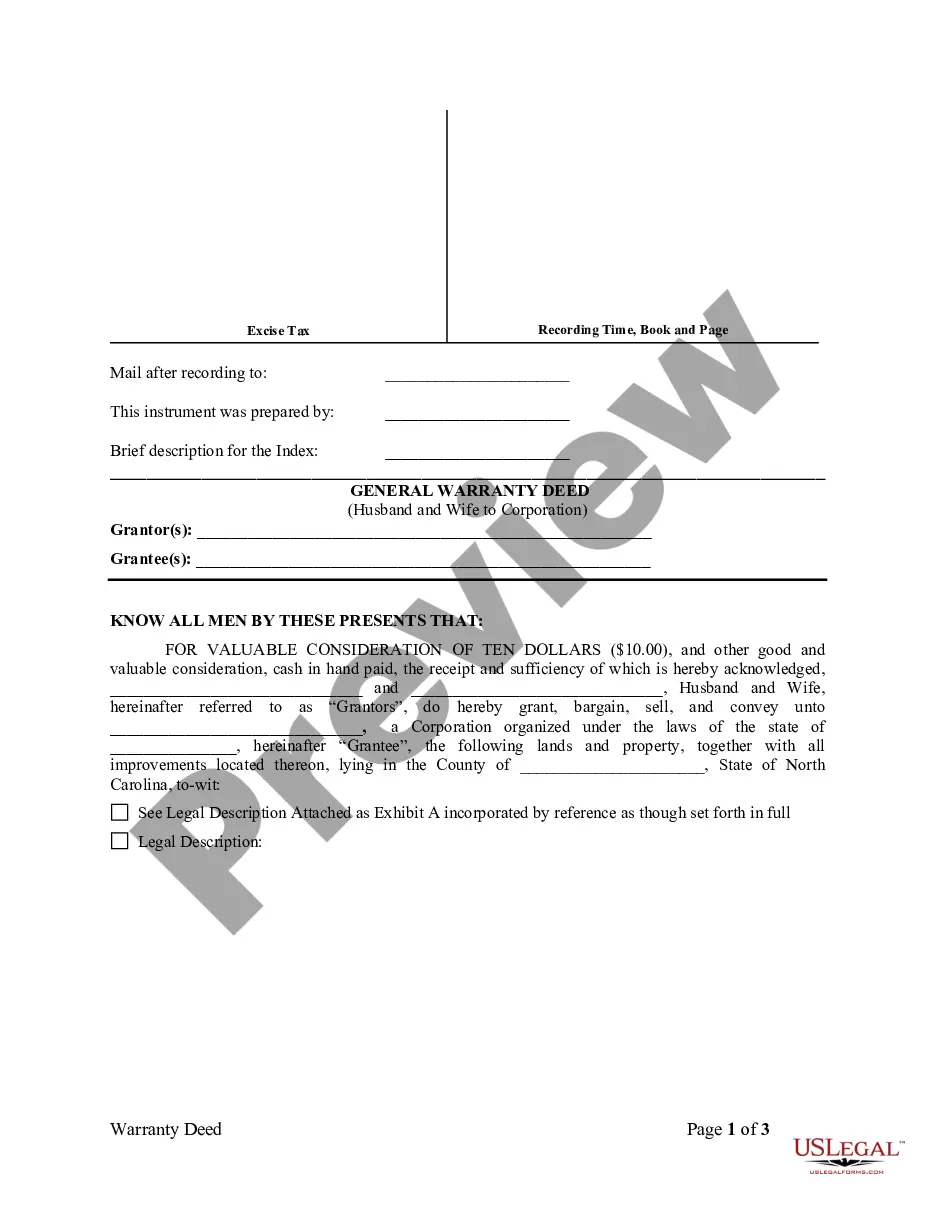
To transfer property to a family member in Colorado, you need to prepare the appropriate deed—a quit claim deed is commonly used for such transactions. After drafting the deed with accurate information, sign it before a notary and file it with your county’s office. Be mindful to include a Colorado Notice of Assignment of Contract for Deed if you are dealing with a contract situation, as this will protect both parties throughout the transfer.
A deed of assignment of a contract transfers the rights and obligations of a contract from one party to another. This type of deed is especially relevant in real estate transactions, such as when dealing with a contract for deed. Utilizing a Colorado Notice of Assignment of Contract for Deed helps clarify responsibilities and ensures all parties are in agreement regarding the terms and expectations.
The best way to transfer property title between family members often depends on your specific situation and relationship dynamics. Generally, using a quit claim deed is a straightforward option, as it allows you to transfer interest without warranties. Moreover, if the property has a contract for deed, you should provide a Colorado Notice of Assignment of Contract for Deed for clarity and protection against future claims.
To transfer a property title to a family member in Colorado, you can use a deed, such as a warranty deed or a quit claim deed. Begin by preparing the deed with the correct property information and the details of the recipient. Once completed, sign the deed in front of a notary and file it with the county clerk and recorder. Remember to consider the implications of a Colorado Notice of Assignment of Contract for Deed if there’s a contract involved.