California General Notice of Default for Contract for Deed
What is this form?
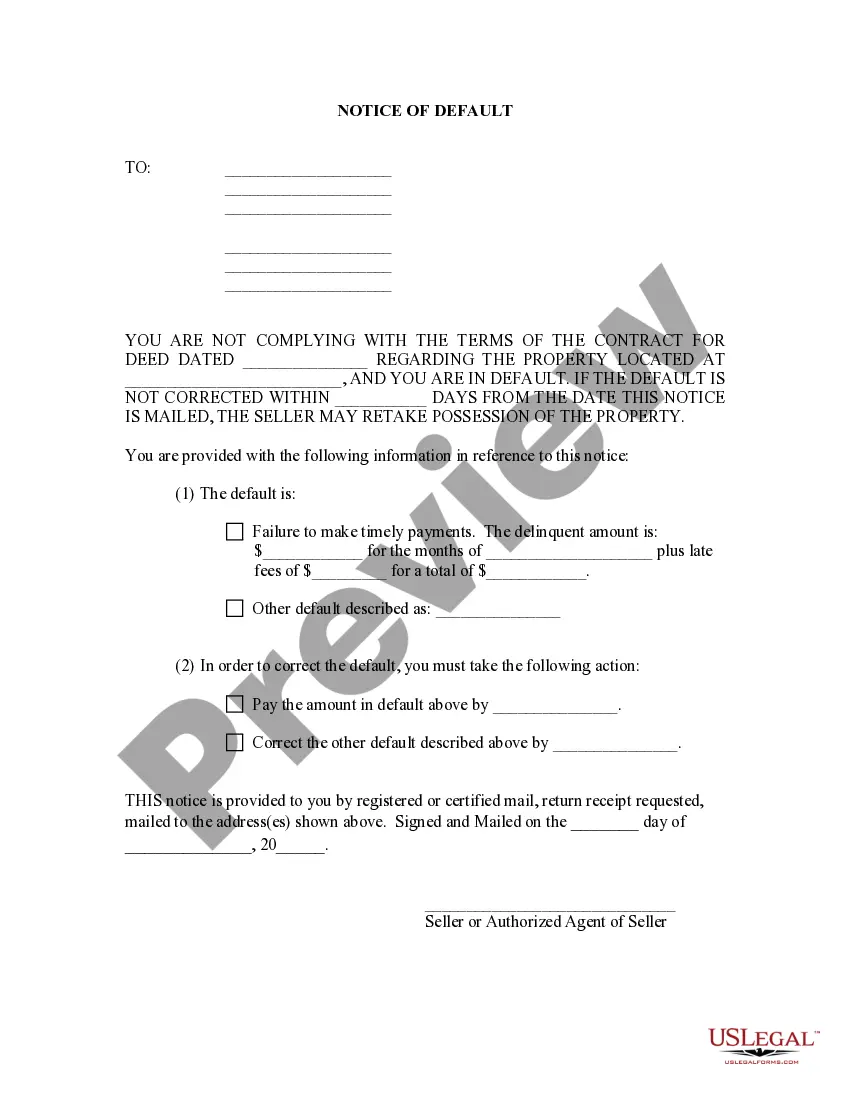
The General Notice of Default for Contract for Deed is a legal document used by a Seller to inform a Purchaser of a default in their contract for deed. This form specifies the reasons for the default, outlines the necessary actions to remedy the situation, and warns of potential consequences if corrective actions are not taken. This notice differs from other default notices by being specifically tailored for contracts involving seller financing through a deed.
Key components of this form
- Identification of the parties involved in the contract.
- Description of the default, including reasons and the amount owed.
- Notification of the time period allowed to correct the default.
- Details on the actions required to remedy the default.
- Signature and mailing information to provide proof of delivery.
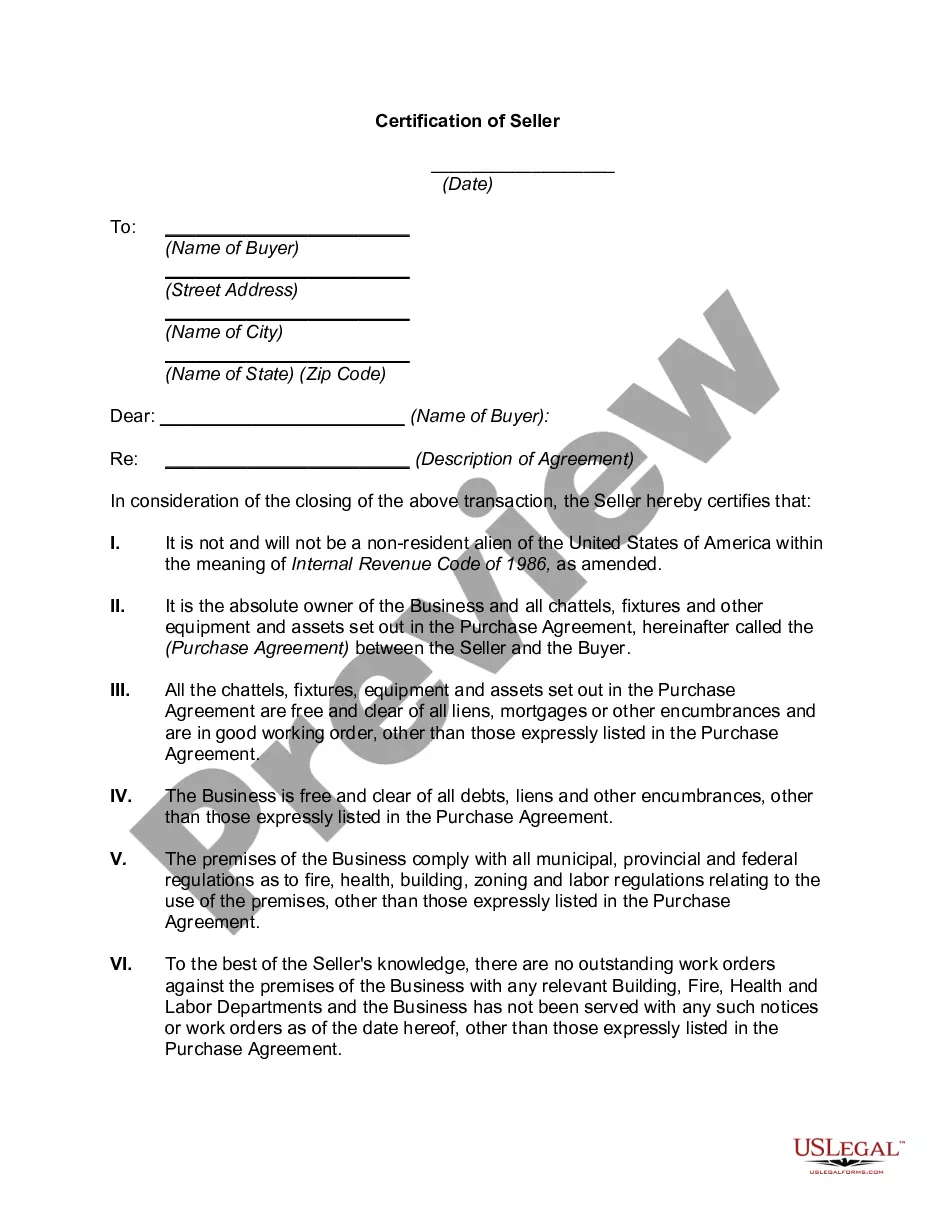
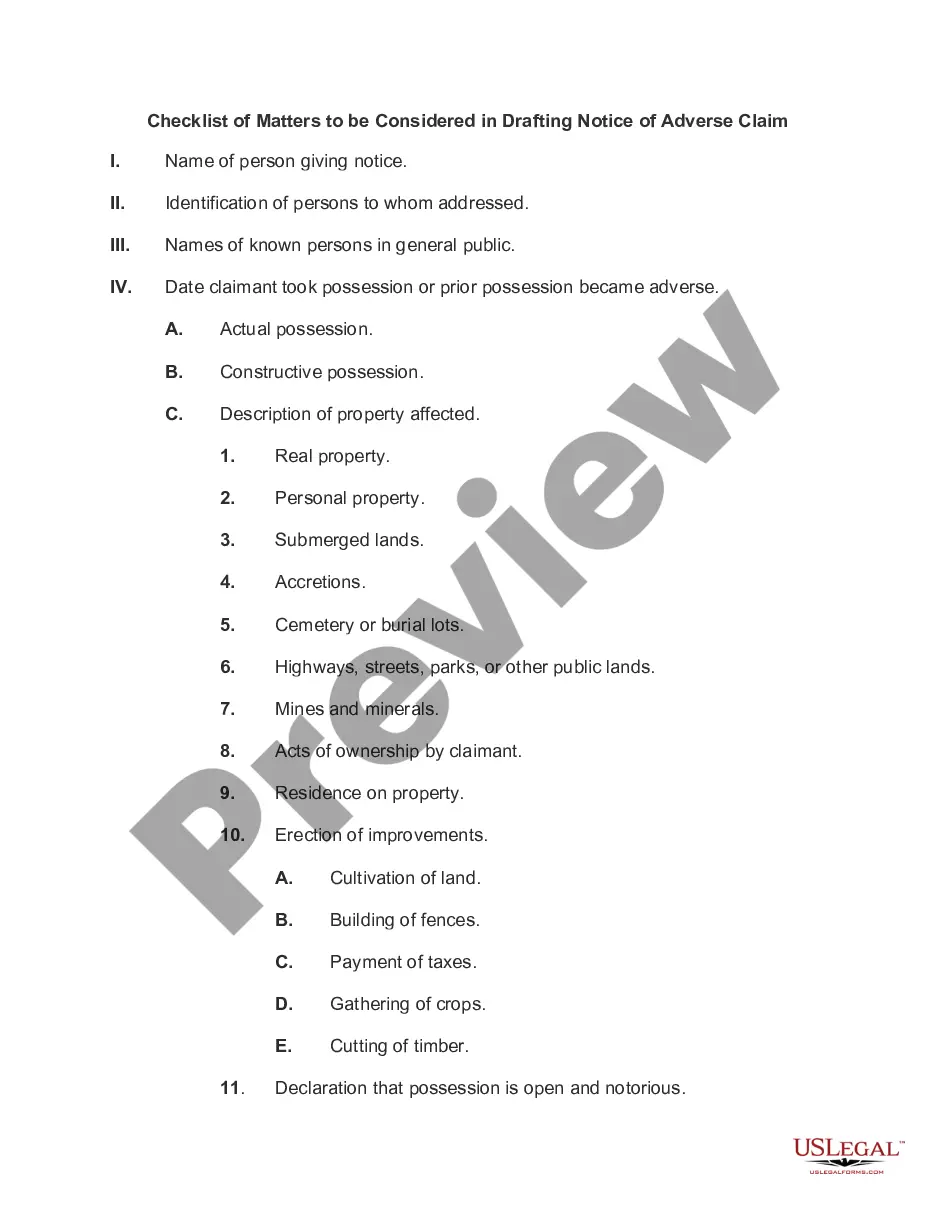
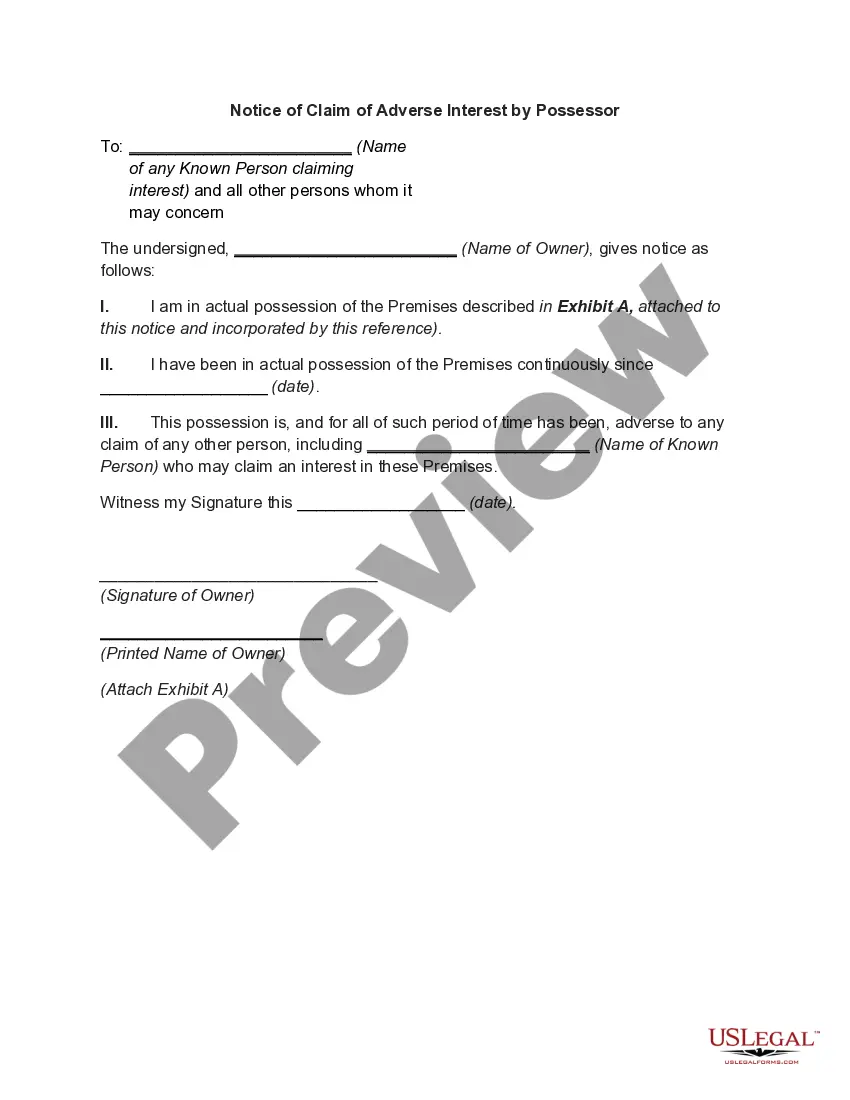
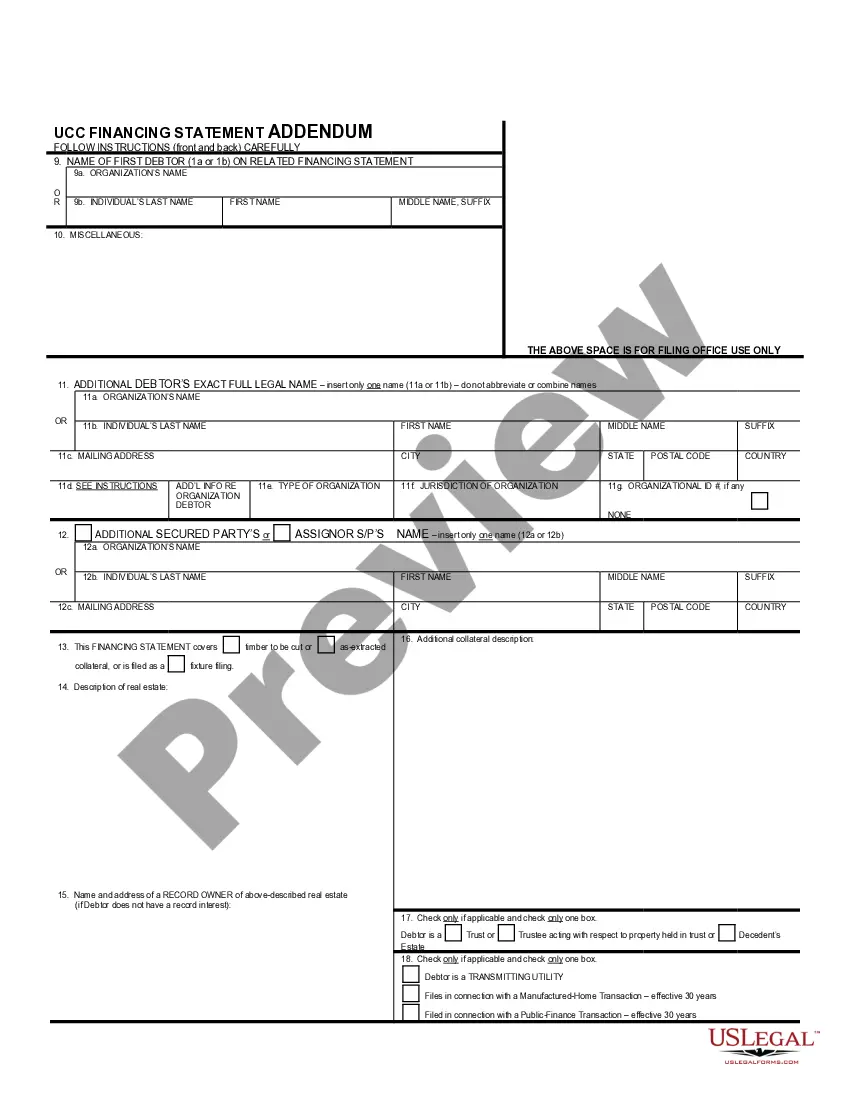
Common use cases
This form should be used when a Seller has identified that a Purchaser is not complying with the terms of a contract for deed. Common scenarios include late payments, failure to maintain property, or other breaches of contract. It serves as a formal notice to instigate corrective action from the Purchaser to avoid further legal proceedings.
Who this form is for
This form is intended for use by:
- Property Sellers who have entered into a contract for deed.
- Purchasers who need to be formally notified of defaults in their payment or contractual obligations.
- Real estate agents and legal representatives assisting in property transactions.
Instructions for completing this form
- Identify the parties by filling in the Seller and Purchaserâs names and addresses.
- Specify the date of the original contract for deed.
- Detail the specific reasons for the default, including failure to make payments or other breaches.
- Indicate the amount due, including any late fees.
- Clearly outline the actions required to cure the default and the deadline for these actions.
- Sign and date the notice before mailing it to the Purchaser.
Is notarization required?
This form does not typically require notarization unless specified by local law. However, it's advised to check your specific jurisdiction's requirements to ensure compliance.
Get your form ready online
Our built-in tools help you complete, sign, share, and store your documents in one place.
Make edits, fill in missing information, and update formatting in US Legal Forms—just like you would in MS Word.
Download a copy, print it, send it by email, or mail it via USPS—whatever works best for your next step.
Sign and collect signatures with our SignNow integration. Send to multiple recipients, set reminders, and more. Go Premium to unlock E-Sign.
If this form requires notarization, complete it online through a secure video call—no need to meet a notary in person or wait for an appointment.
We protect your documents and personal data by following strict security and privacy standards.

Make edits, fill in missing information, and update formatting in US Legal Forms—just like you would in MS Word.

Download a copy, print it, send it by email, or mail it via USPS—whatever works best for your next step.

Sign and collect signatures with our SignNow integration. Send to multiple recipients, set reminders, and more. Go Premium to unlock E-Sign.

If this form requires notarization, complete it online through a secure video call—no need to meet a notary in person or wait for an appointment.

We protect your documents and personal data by following strict security and privacy standards.
Common mistakes to avoid
- Failing to include specific details about the default.
- Not providing a clear deadline for correcting the default.
- Neglecting to send the notice via certified mail for proof of delivery.
- Missing signatures or dates on the notice.
Benefits of completing this form online
- Convenient access to a legally vetted template that simplifies the process.
- Customizable fields that allow for specific details to be easily integrated.
- Easily downloadable for prompt use without having to draft the notice from scratch.
Legal use & context
- The notice serves as an essential step in the legal process of addressing defaults.
- Proper completion and delivery of this form are crucial for future legal proceedings if the default is not resolved.
Summary of main points
- This form is vital for formalizing defaults in a contract for deed.
- Clarity and precision in detailing the default and the remedy process are essential.
- Utilizing this form can prevent misunderstandings and legal disputes down the line.
Looking for another form?
Form popularity
FAQ
A request to enter default packet in California is a collection of documents submitted to the court asking to declare a defendant in default for failing to respond to a lawsuit. This packet typically includes a request form, proof of service, and supporting documentation. If you are handling matters concerning the California General Notice of Default for Contract for Deed, having this packet ready is essential for advancing your case. USLegalForms offers resources and templates that streamline creating this packet, making the process easier for you.
In California, you generally have six months to file a motion to set aside a default judgment. This period starts from the date the judgment is entered. Acting quickly is crucial, especially when dealing with matters related to the California General Notice of Default for Contract for Deed. Consider seeking assistance from legal professionals or resources like USLegalForms to navigate this process effectively.
Filing a Notice of Default in California requires you to prepare and record the proper documentation with the county recorder's office. This document serves to notify all parties involved of the default status of a contract. Make sure your Notice reflects the California General Notice of Default for Contract for Deed to guarantee compliance with state regulations. Utilizing platforms like USLegalForms simplifies this process with user-friendly templates and step-by-step instructions.
To file a default in California, you must complete the appropriate forms and submit them to the court where the original case was filed. The filing must include necessary documents that demonstrate the default, such as payments missed and communication attempts made. Using the California General Notice of Default for Contract for Deed can help clarify the terms and ensure you follow the correct procedures. You may also choose to access resources like USLegalForms for guidance and templates.
To write a notice of default letter, begin with your contact information and the date, followed by the recipient's information. Include a clear statement of the reason for the default and cite relevant terms from the contract. Finally, outline what actions the recipient can take to resolve the matter, making it easy for them to understand their options moving forward.
A default letter typically includes clear headings and formatted sections that outline essential details. It states the nature of the default, including relevant dates and amounts owed. Additionally, there may be instructions or a timeframe for rectifying the situation. Formatting helps ensure that the critical information stands out for easy comprehension.
Writing a default notice involves clarity and conciseness. Start by addressing the recipient and stating the purpose of the notice. Clearly explain the default conditions, the obligations unmet, and offer a timeframe for resolution. This clear communication keeps the recipient informed about their options and the potential consequences of inaction.
To draft a notice of default, begin with clear identification of the parties involved and the specific terms of the agreement. Next, specify the reasons for the default and the necessary actions required to remedy the situation. Include a deadline for compliance and state potential consequences of inaction. Consulting a legal resource can provide templates or guidance tailored to California's requirements.
When a default notice is issued, it signals that the borrower has not adhered to the terms of the contract. The borrower typically receives a timeline to correct the default by making necessary payments or addressing the breach. Failure to act may lead to foreclosure proceedings, significantly impacting the borrower's financial standing. Staying informed and proactive is crucial during this time.
Yes, in California, a notice of default must be recorded to officially document the default status. Recording the notice makes it a matter of public record, allowing all interested parties to be informed. This step is essential in the process leading to foreclosure. Ensure you understand this requirement if you face default.