Arizona Notice of Default on Residential Lease
What is this form?
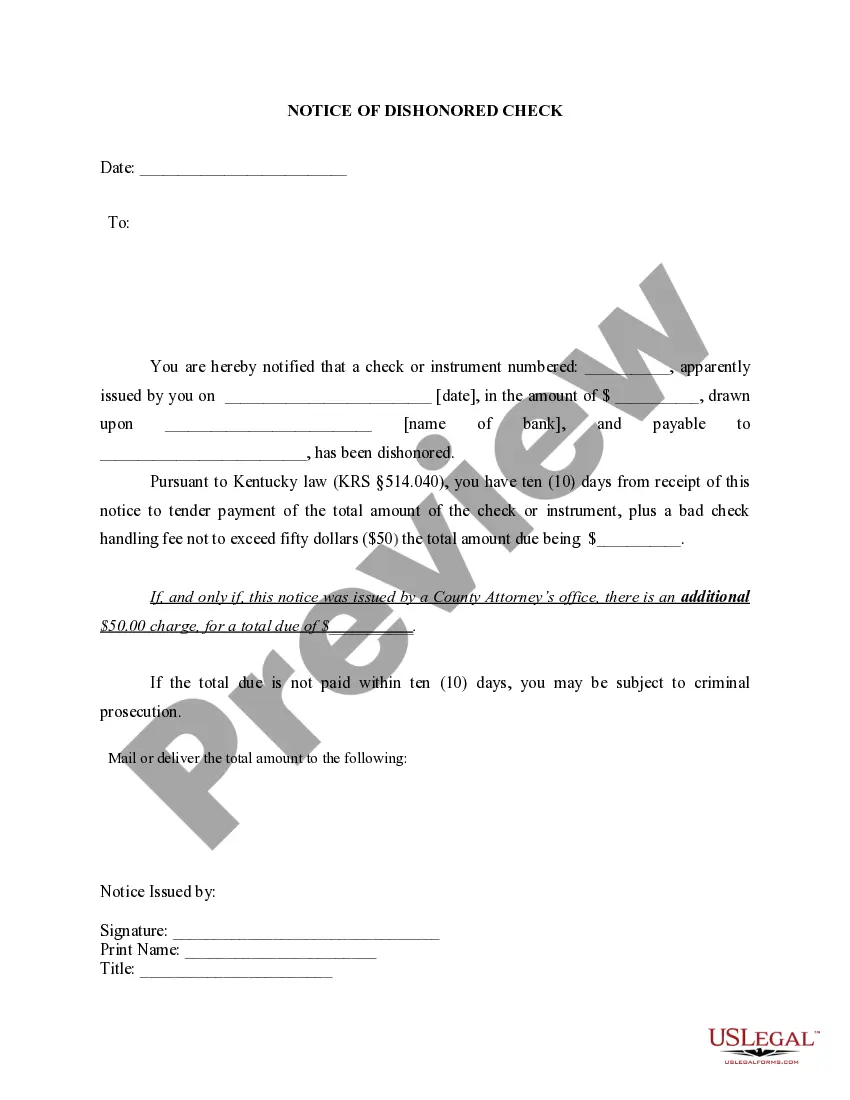
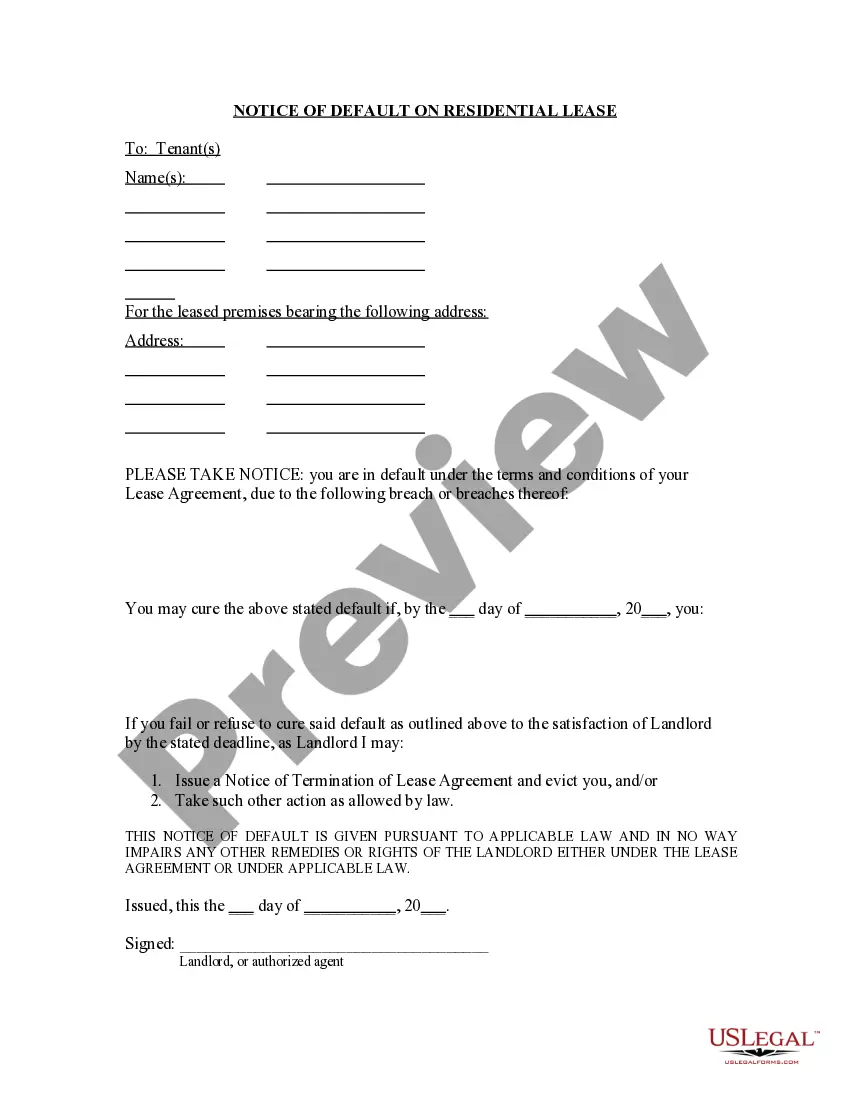
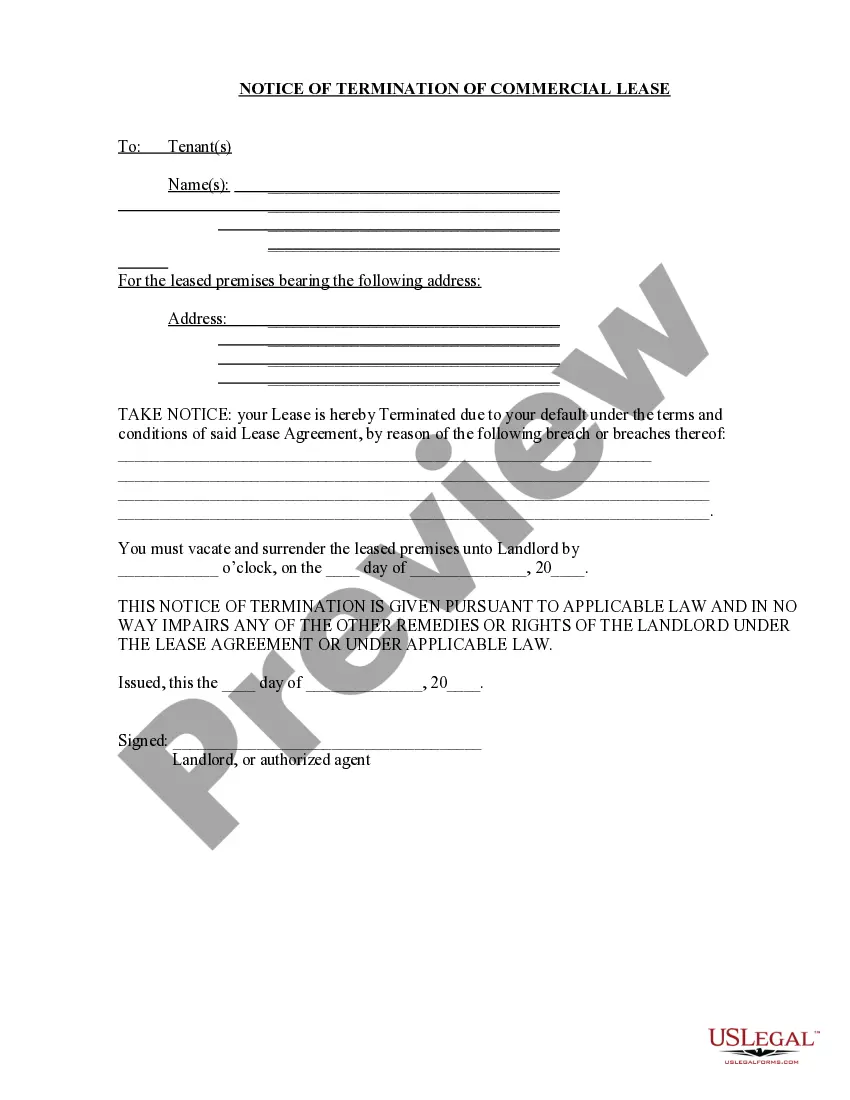
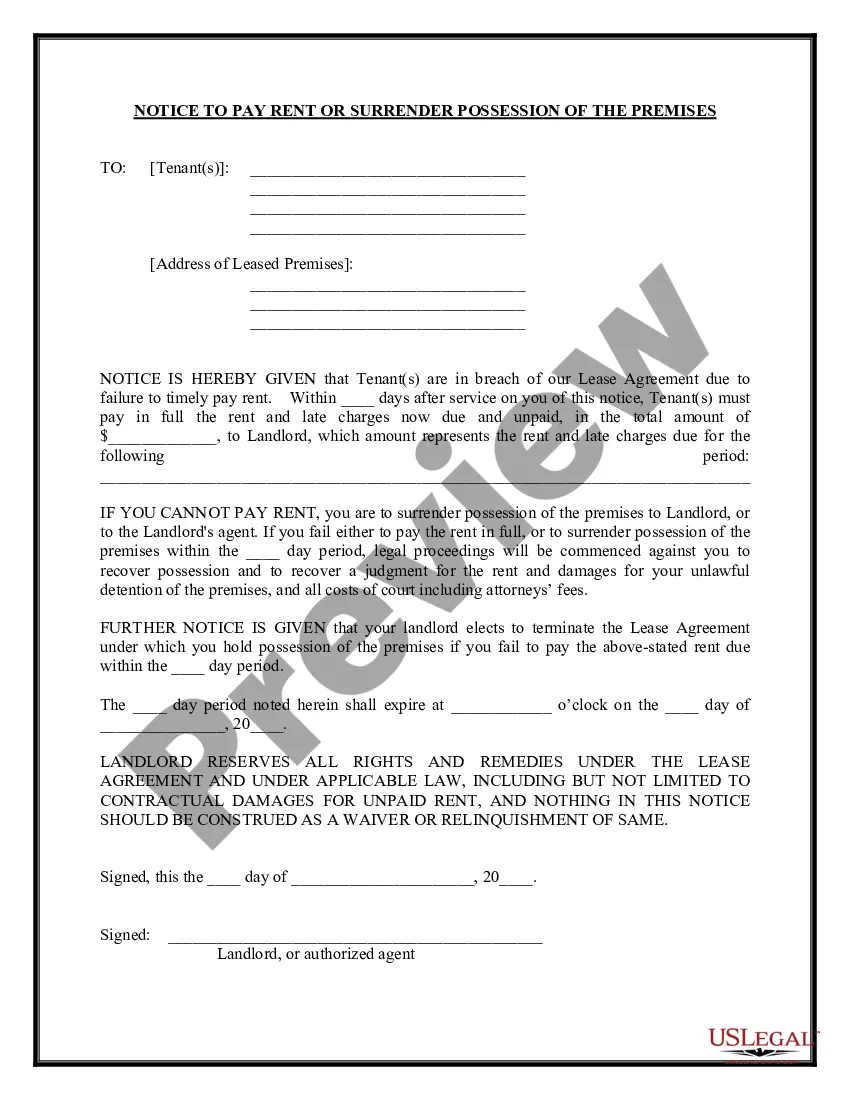
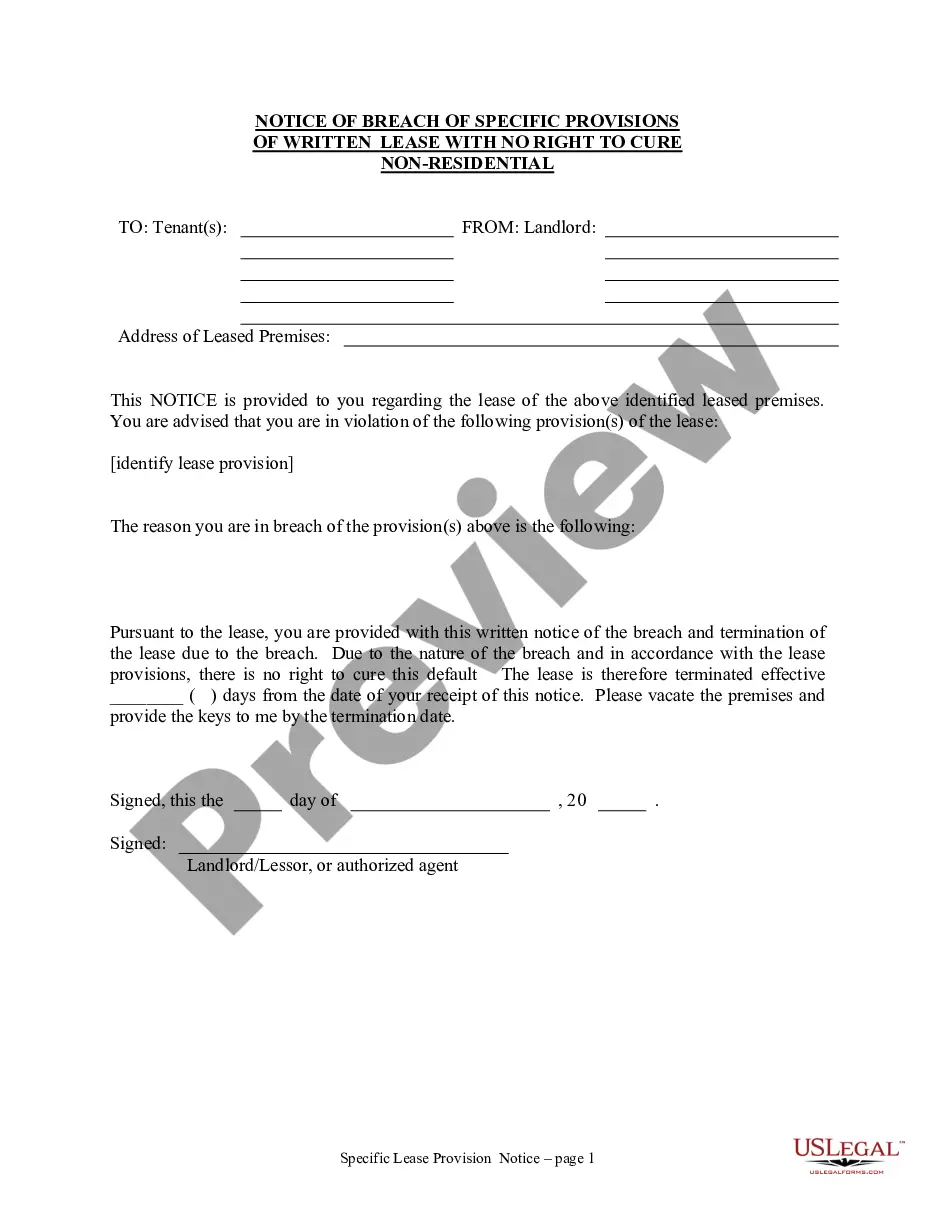
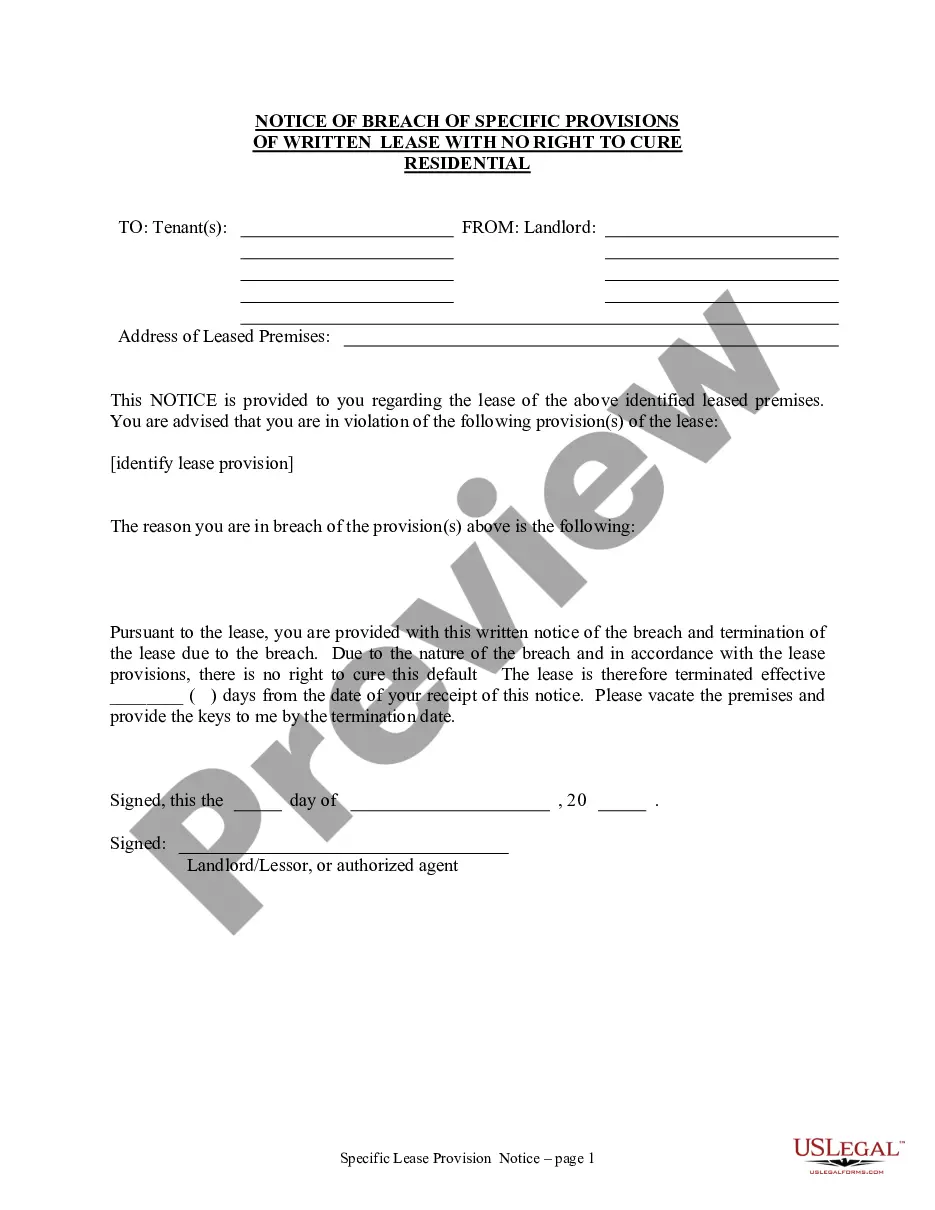
The Notice of Default on Residential Lease is a legal document issued by a landlord to notify a tenant that they have failed to meet their lease obligations, typically related to the timely payment of rent. This form specifies the reasons for the default and provides a deadline for the tenant to remedy the situation. It acts as a formal notice before further actions, such as eviction, can be taken, distinguishing it from other landlord-tenant forms that may address different issues or circumstances of lease violations.
Key components of this form
- Identification of the tenant and landlord.
- Specific reasons for the default.
- Deadline date provided for the tenant to cure the default.
- Statement regarding potential eviction and other actions permitted by law.
- Signature line for the landlord or authorized agent.

Situations where this form applies
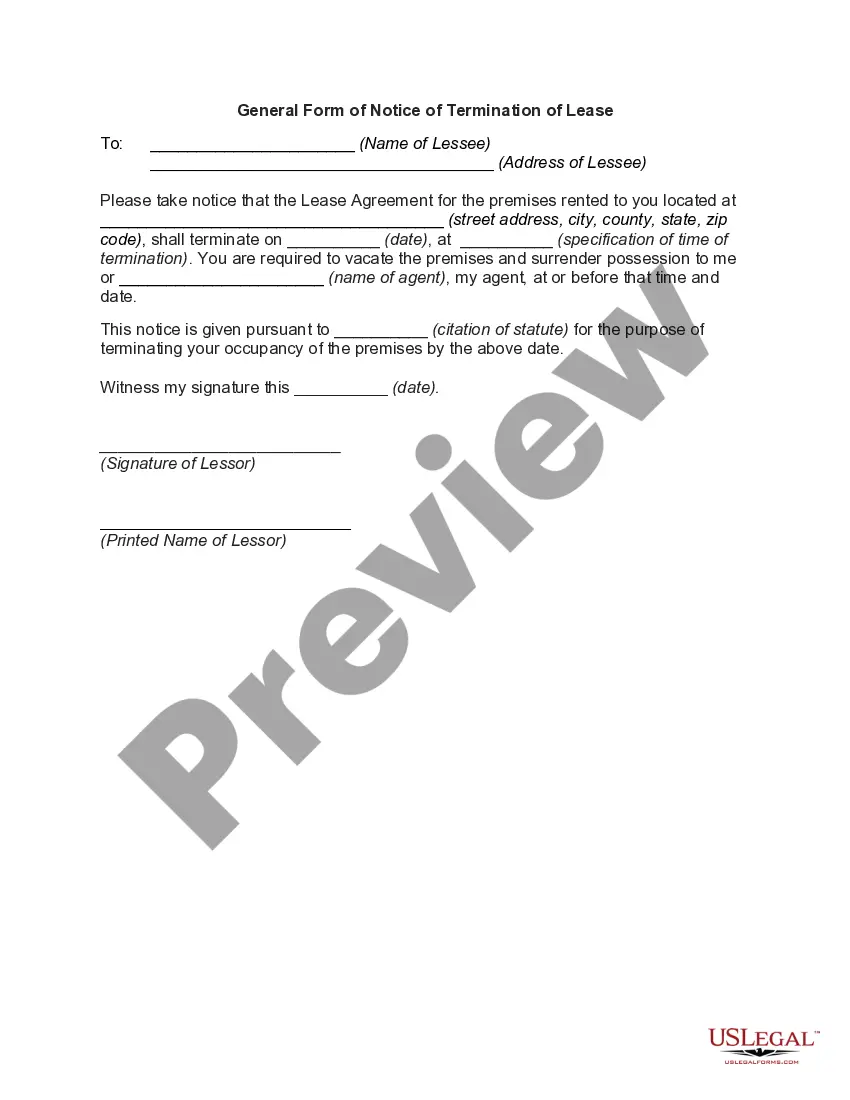
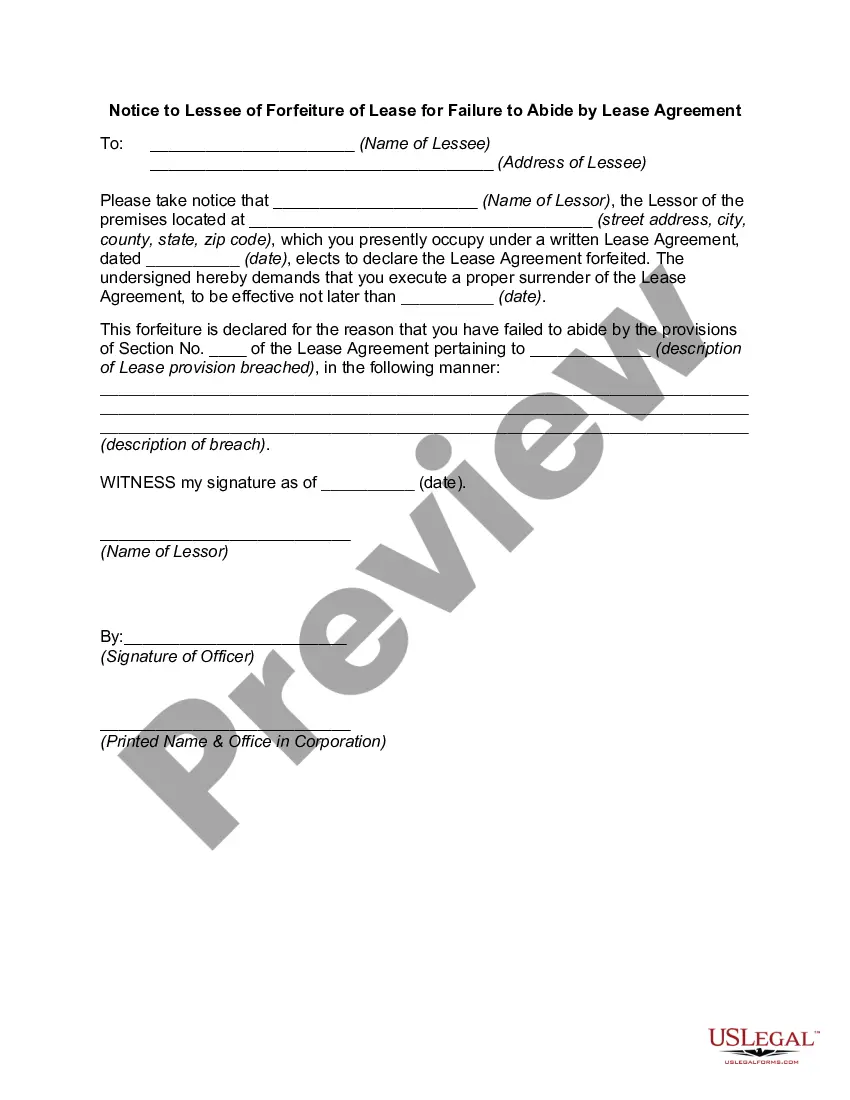
This form should be used when a tenant has failed to pay rent or has violated other lease terms. It serves as a formal notice that allows the tenant a specified period to rectify the problem to avoid eviction. Using this form is a necessary step in the legal process before a landlord can begin eviction proceedings or take other legal actions regarding the lease.
Intended users of this form
- Landlords who have tenants that are not complying with the lease terms.
- Property managers acting on behalf of landlords.
- Real estate professionals involved in rental agreements.
Instructions for completing this form
- Identify the parties involved by entering the landlord's and tenant's names.
- Clearly specify the reasons for the default in the designated section.
- Enter the deadline date by which the tenant needs to cure the default.
- Sign the document as the landlord or authorized agent.
- Provide a date for when the notice is issued.
Does this document require notarization?
Notarization is not commonly needed for this form. However, certain documents or local rules may make it necessary. Our notarization service, powered by Notarize, allows you to finalize it securely online anytime, day or night.
Get your form ready online
Our built-in tools help you complete, sign, share, and store your documents in one place.
Make edits, fill in missing information, and update formatting in US Legal Forms—just like you would in MS Word.
Download a copy, print it, send it by email, or mail it via USPS—whatever works best for your next step.
Sign and collect signatures with our SignNow integration. Send to multiple recipients, set reminders, and more. Go Premium to unlock E-Sign.
If this form requires notarization, complete it online through a secure video call—no need to meet a notary in person or wait for an appointment.
We protect your documents and personal data by following strict security and privacy standards.

Make edits, fill in missing information, and update formatting in US Legal Forms—just like you would in MS Word.

Download a copy, print it, send it by email, or mail it via USPS—whatever works best for your next step.

Sign and collect signatures with our SignNow integration. Send to multiple recipients, set reminders, and more. Go Premium to unlock E-Sign.

If this form requires notarization, complete it online through a secure video call—no need to meet a notary in person or wait for an appointment.

We protect your documents and personal data by following strict security and privacy standards.
Common mistakes
- Failing to specify the exact reasons for default.
- Not providing an adequate deadline for the tenant to cure the default.
- Omitting signatures from required parties.
- Not checking local laws for specific requirements related to the notice.
Why complete this form online
- Immediate access to professionally drafted legal forms.
- Editable format to customize the notice per individual circumstances.
- Convenient download options available at any time, from anywhere.
- Confidence in compliance with legal standards and country-specific requirements.
Legal use & context
- Notice of Default informs tenants of their lease violations and is a prerequisite for eviction proceedings.
- Proper use of this form can help landlords protect their rights and enforce lease agreements legally.
- Failure to comply with legal notice requirements may hinder enforcement options for landlords.
Quick recap
- The Notice of Default on Residential Lease is essential for notifying tenants of lease violations.
- It allows landlords to set a deadline for tenants to cure defaults.
- Using this form correctly is crucial for potential eviction proceedings.
Looking for another form?
Form popularity
FAQ
In Arizona, tenants are generally expected to provide notice before vacating a rental property. However, tenants may leave without notice only in specific situations, such as unsafe living conditions. It's important to understand the implications of leaving without notice, especially in regard to the Arizona Notice of Default on Residential Lease, as it could impact future rental references.
A 30-day notice in Arizona is a written notification from the landlord to the tenant, informing them of the intention to terminate the lease. This notice gives the tenant a full month to vacate the property, which is beneficial for both parties. Whether due to the lease ending or a need to address lease violations, understanding this notice is part of managing an Arizona Notice of Default on Residential Lease.
The notice period a landlord must give in Arizona varies depending on the situation. For most lease violations, a common period is 30 days. However, if you are addressing issues related to non-payment, the notice may be reduced to 5 days. Knowing the rules around the Arizona Notice of Default on Residential Lease helps landlords manage their responsibilities effectively.
In Arizona, email can be considered a form of written notice if both parties have agreed to it in their lease agreement. However, traditional methods, such as mailing a physical letter or delivering it in person, remain the safest forms of communication. Tenants and landlords must be clear on what constitutes written notice in their specific agreements, especially regarding the terms of the Arizona Notice of Default on Residential Lease.
In Arizona, a landlord is not required to provide 60 days notice specifically at the end of a lease, unless stated in the lease agreement itself. However, giving a notice about the intention to not renew a lease is common practice to allow tenants to prepare. It's beneficial for landlords to understand the Arizona Notice of Default on Residential Lease to enhance communication with tenants and avoid misunderstandings.
In Arizona, a landlord must provide a written notice to the tenant before initiating the eviction process. Generally, this notice period is five days for non-payment of rent. If the tenant has violated another part of the lease agreement, the notice period may be 10 days or even 30 days, depending on the issue. Understanding the Arizona Notice of Default on Residential Lease is crucial to ensuring that both landlords and tenants comply with state rules.
An Arizona landlord must provide at least 48 hours written notice before entering a tenant's unit for routine maintenance. This notice helps protect tenant privacy and ensures transparency in the landlord-tenant relationship. Adhering to this requirement is vital for landlords to avoid potential disputes and uphold tenants' rights.
In Arizona, landlords cannot engage in illegal eviction tactics, such as changing locks without proper notice or shutting off utilities to force a tenant out. Additionally, landlords must respect their tenants' rights to privacy and cannot enter the property without giving appropriate notice. Understanding these restrictions is essential for both landlords and tenants to maintain a fair rental process.
The new law for renters in Arizona focuses on enhancing tenant protections, including stricter requirements for landlords regarding notices and evictions. This law aims to provide tenants with greater security and clear communication, especially concerning overdue payments and lease violations. Keeping abreast of these changes is critical for tenants to understand their rights and responsibilities.
ARS Section 33-1343 outlines the legal procedures for terminating a residential lease in Arizona. This section addresses different grounds for termination and provides a clear pathway for landlords and tenants. Familiarity with this section can assist individuals in handling disputes over lease agreements and notices, including the Arizona Notice of Default on Residential Lease.