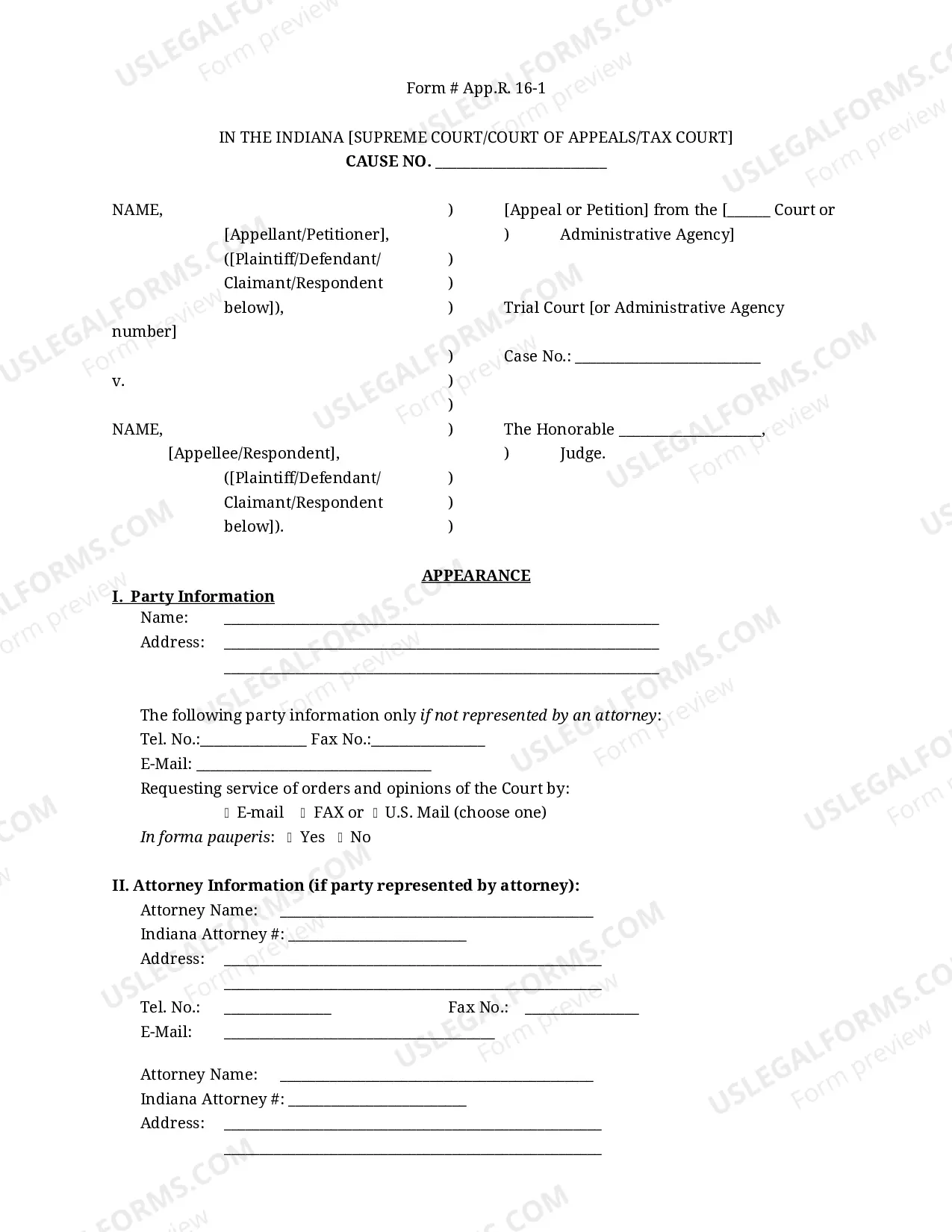
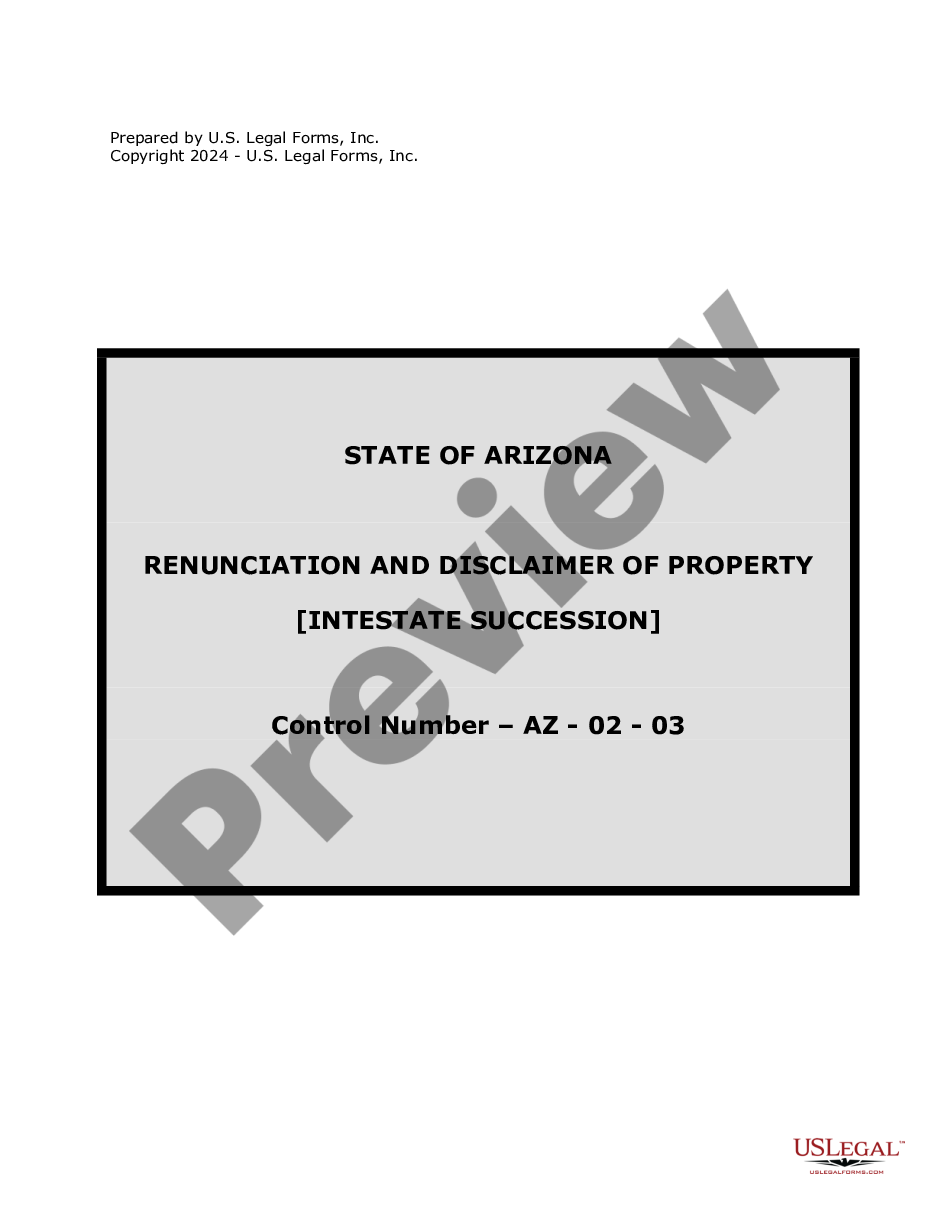
Arizona Renunciation and Disclaimer of Property from Will by Testate
What is this form?
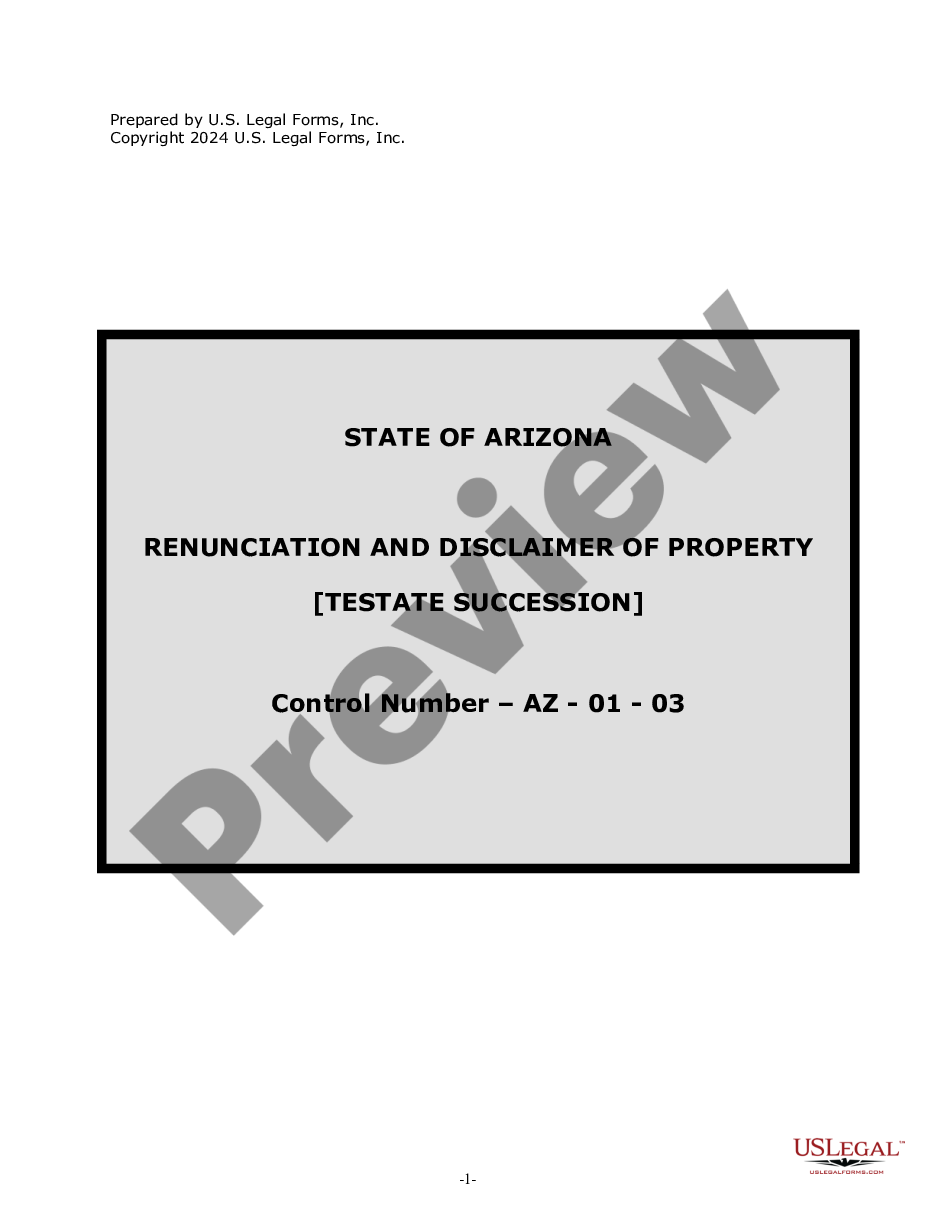
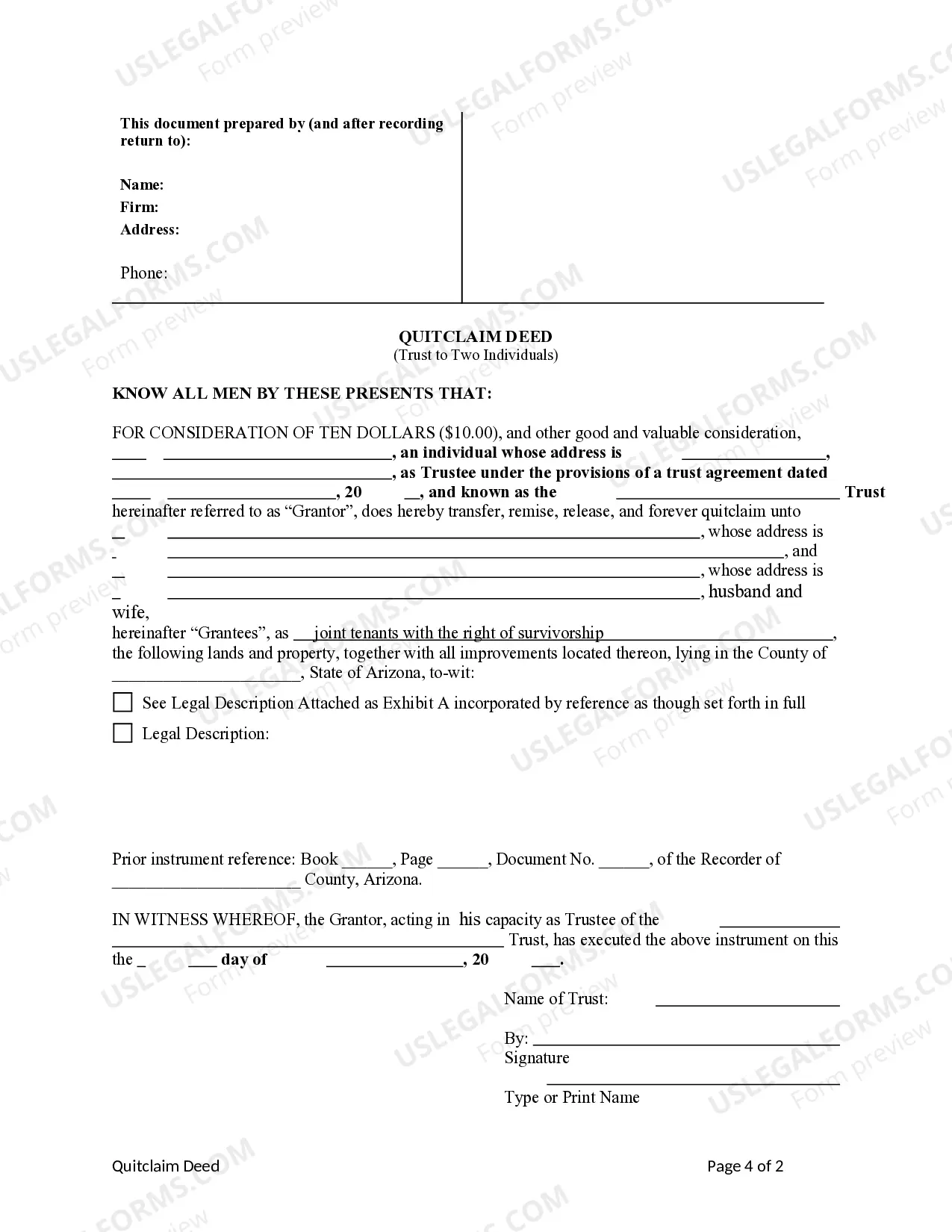
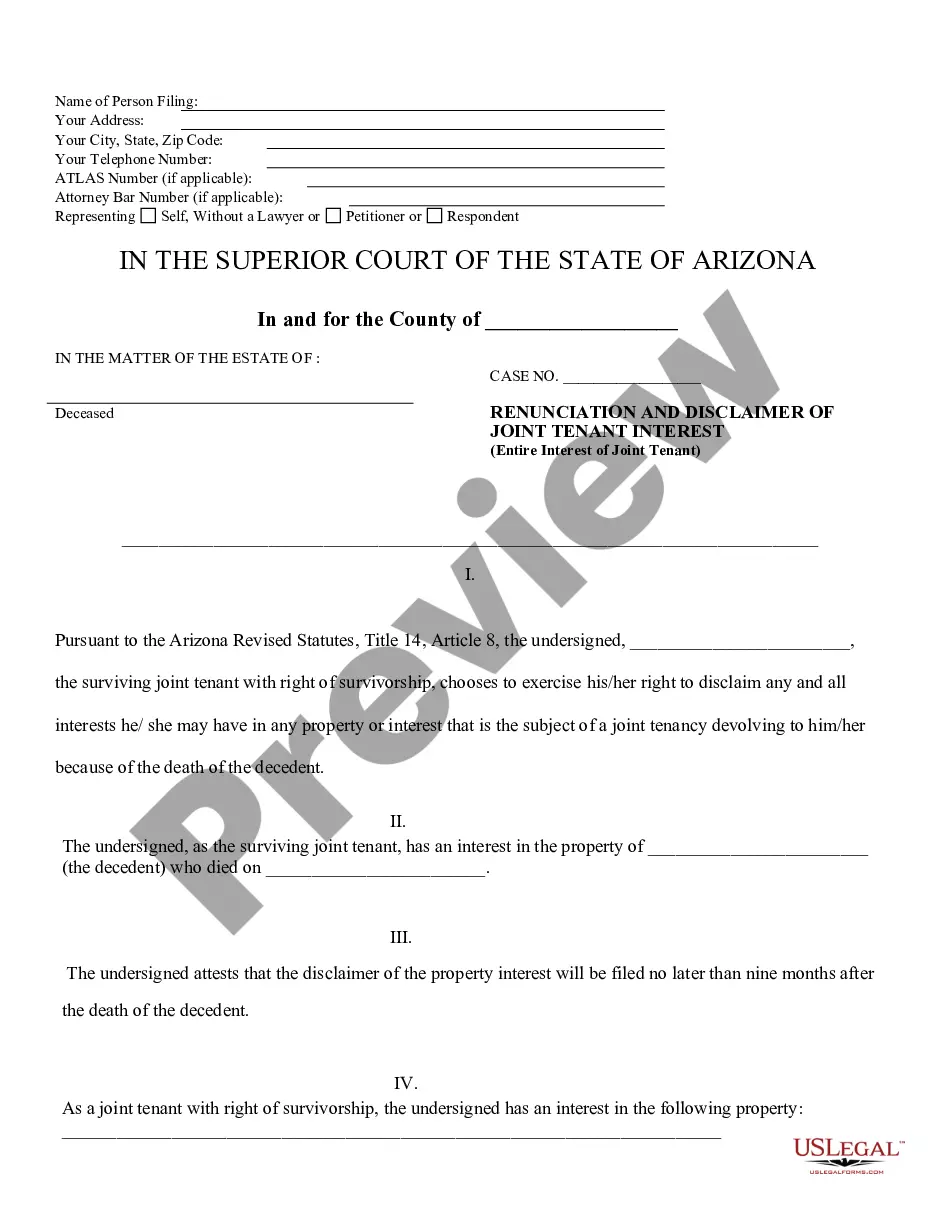
The Arizona Renunciation and Disclaimer of Property from Will by Testate is a legal document that allows a beneficiary to formally renounce and disclaim an inherited property interest received through a will. This form is particularly important for individuals who do not wish to accept a portion or all of the property entitled to them under the decedent's last will and testament. It serves as a formal process to ensure that the property interest is redirected according to Arizona state law, differing from other forms by its specific focus on disclaiming property from a will.
Form components explained
- Identification of the beneficiary and the decedent.
- Details of the property being disclaimed.
- Certification that the disclaimer will be filed within nine months after the decedent's death.
- Renunciation of any interest in the specified property according to Arizona law.
- Acknowledgment and verification section for notarization.

When to use this form
This form should be used when a beneficiary has received an inheritance through a will but wishes to decline the property for personal reasons, such as tax implications or financial considerations. It is applicable within a specific timeframe, as disclaimers must be filed no later than nine months after the decedent's death to be legally valid.
Who this form is for
- Beneficiaries who are named in a decedent's will but do not wish to accept their inheritance.
- Individuals seeking to disclaim property for tax or personal reasons.
- Trustees or estate representatives who need to manage the distribution of property in compliance with Arizona law.
How to complete this form
- Identify the parties involved: the beneficiary and the decedent.
- Specify the property being disclaimed by referencing the details in the will.
- Enter the date of death of the decedent and the related estate case number.
- Complete the acknowledgement section, ensuring it is signed by a notary if necessary.
- File the form within nine months of the decedent's passing to comply with Arizona law.
Notarization guidance
To make this form legally binding, it must be notarized. Our online notarization service, powered by Notarize, lets you verify and sign documents remotely through an encrypted video session.
Get your form ready online
Our built-in tools help you complete, sign, share, and store your documents in one place.
Make edits, fill in missing information, and update formatting in US Legal Forms—just like you would in MS Word.
Download a copy, print it, send it by email, or mail it via USPS—whatever works best for your next step.
Sign and collect signatures with our SignNow integration. Send to multiple recipients, set reminders, and more. Go Premium to unlock E-Sign.
If this form requires notarization, complete it online through a secure video call—no need to meet a notary in person or wait for an appointment.
We protect your documents and personal data by following strict security and privacy standards.

Make edits, fill in missing information, and update formatting in US Legal Forms—just like you would in MS Word.

Download a copy, print it, send it by email, or mail it via USPS—whatever works best for your next step.

Sign and collect signatures with our SignNow integration. Send to multiple recipients, set reminders, and more. Go Premium to unlock E-Sign.

If this form requires notarization, complete it online through a secure video call—no need to meet a notary in person or wait for an appointment.

We protect your documents and personal data by following strict security and privacy standards.
Mistakes to watch out for
- Failing to file the disclaimer within the required nine-month timeframe.
- Not providing complete and accurate information about the decedent and the property.
- Overlooking the need for notarization if required.
Why use this form online
- Convenience of completing the form from home without needing to visit an attorney.
- Editable format allows you to fill in details easily and accurately.
- Access to reliable forms drafted by licensed attorneys that comply with state laws.
Looking for another form?
Form popularity
FAQ
If you refuse to accept an inheritance, you will not be responsible for inheritance taxes, but you'll have no say in who receives the assets in your place. The bequest passes either to the contingent beneficiary listed in the will or, if that person died without a will, according to your state's laws of intestacy.
Disclaim the asset within nine months of the death of the assets' original owner (one exception: if a minor beneficiary wishes to disclaim, the disclaimer cannot take place until after the minor reaches the age of majority, at which time they will have nine months to disclaim the assets).
Yes, a fiduciary can disclaim an interest in property if the will, trust or power of attorney gives the fiduciary that authority or if the appropriate probate court authorizes the disclaimer.The primary reason an executor or trustee might disclaim property passing to an estate or trust is to save death taxes.
Put the disclaimer in writing. Deliver the disclaimer to the person in control of the estate usually the executor or trustee. Complete the disclaimer within nine months of the death of the person leaving the property. Do not accept any benefit from the property you're disclaiming.
The deadline can be anywhere from three to nine months, depending on state law, but it can run simultaneously with the inventory period in some states. The executor is then granted another period of time to decide whether claims are valid and whether they should or should not be paid.
The answer is yes. The technical term is "disclaiming" it. If you are considering disclaiming an inheritance, you need to understand the effect of your refusalknown as the "disclaimer"and the procedure you must follow to ensure that it is considered qualified under federal and state law.
Disclaim Inheritance, DefinitionDisclaiming means that you give up your rights to receive the inheritance. If you choose to do so, whatever assets you were meant to receive would be passed along to the next beneficiary in line.
Put the disclaimer in writing. Deliver the disclaimer to the person in control of the estate usually the executor or trustee. Complete the disclaimer within nine months of the death of the person leaving the property.
The beneficiary can disclaim only a portion of an inherited IRA or asset, allowing some to flow to the contingent beneficiary(s). Partial disclaiming is either a specific dollar or percentage amount as of the date of death.The balance will go to the next beneficiary(s).