Arkansas Residential Rental Lease Agreement
Understanding this form
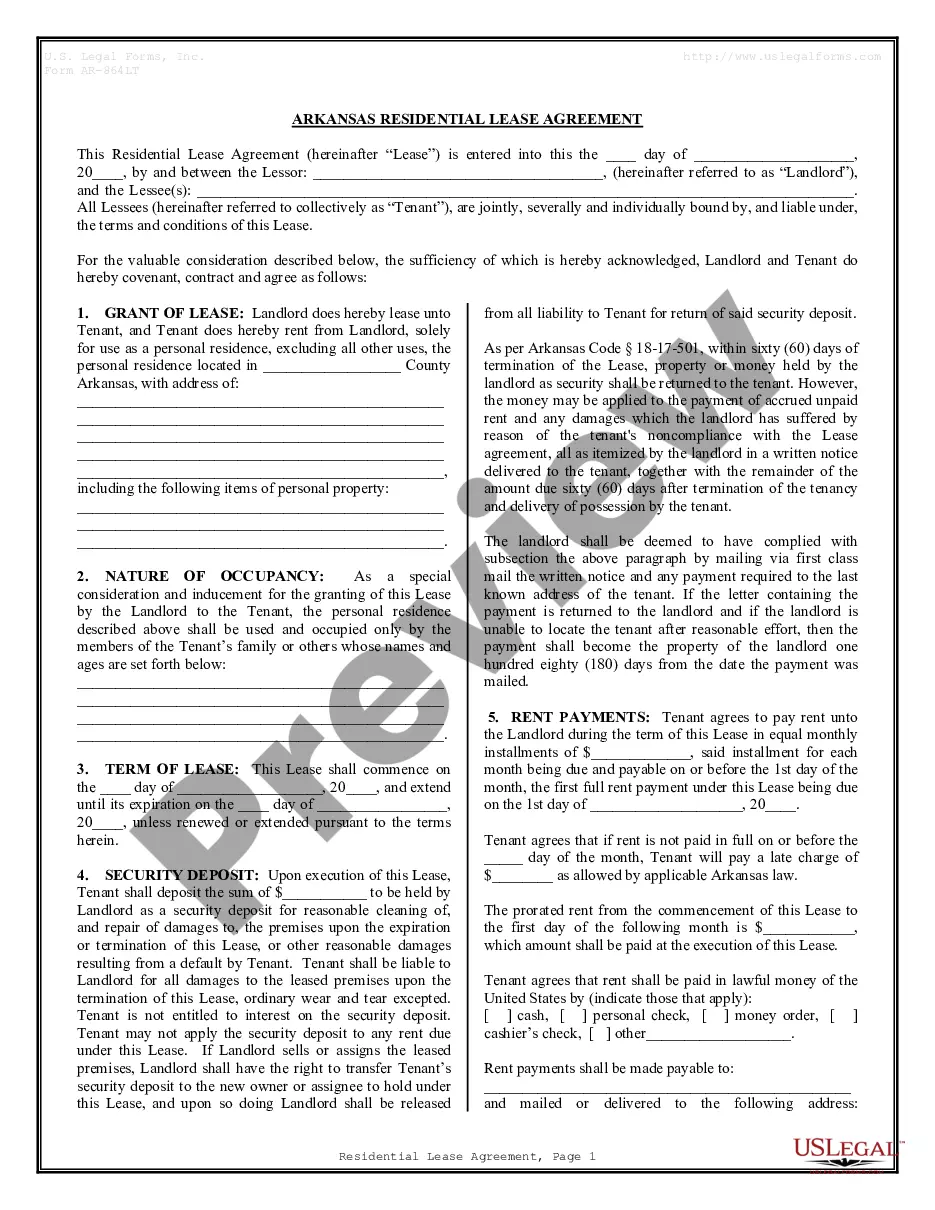
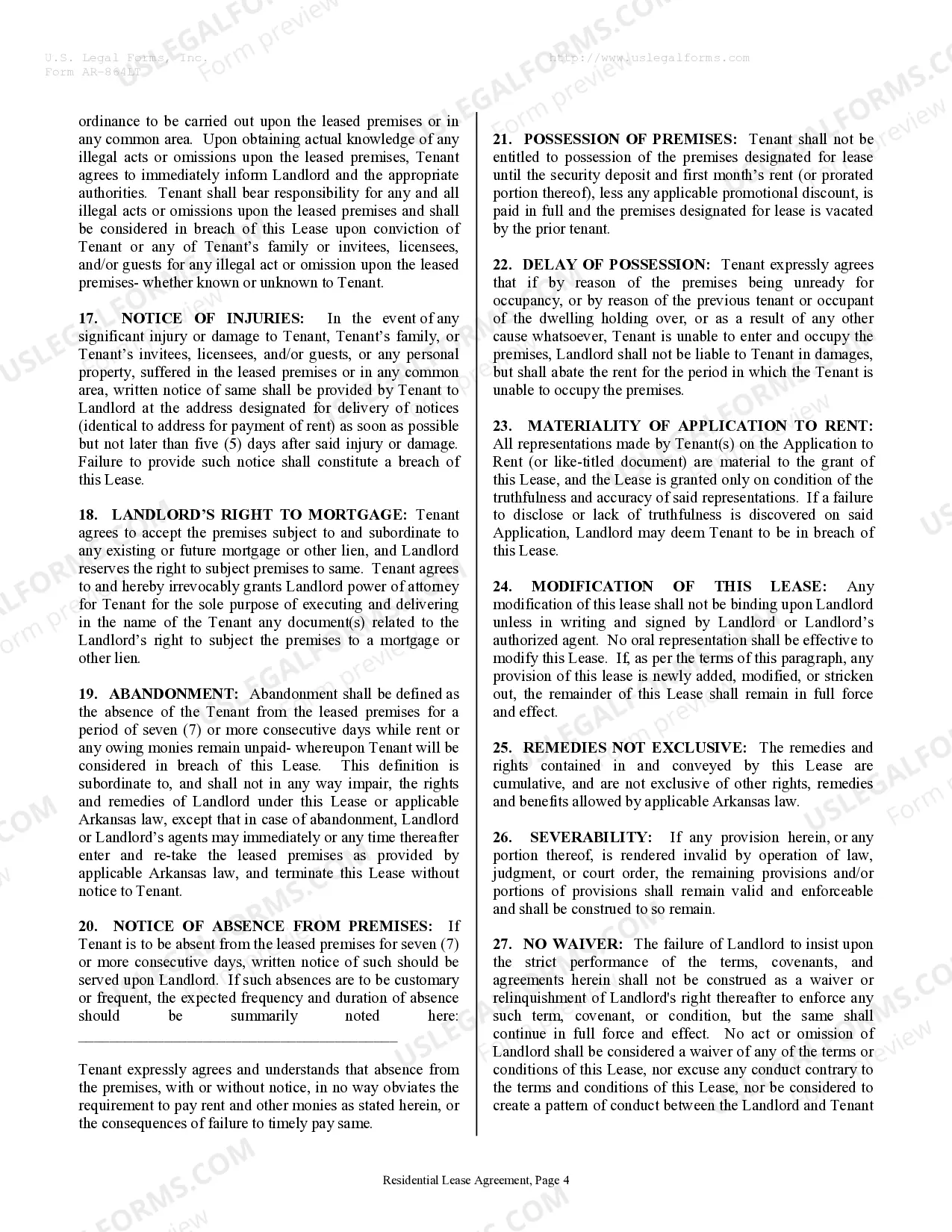
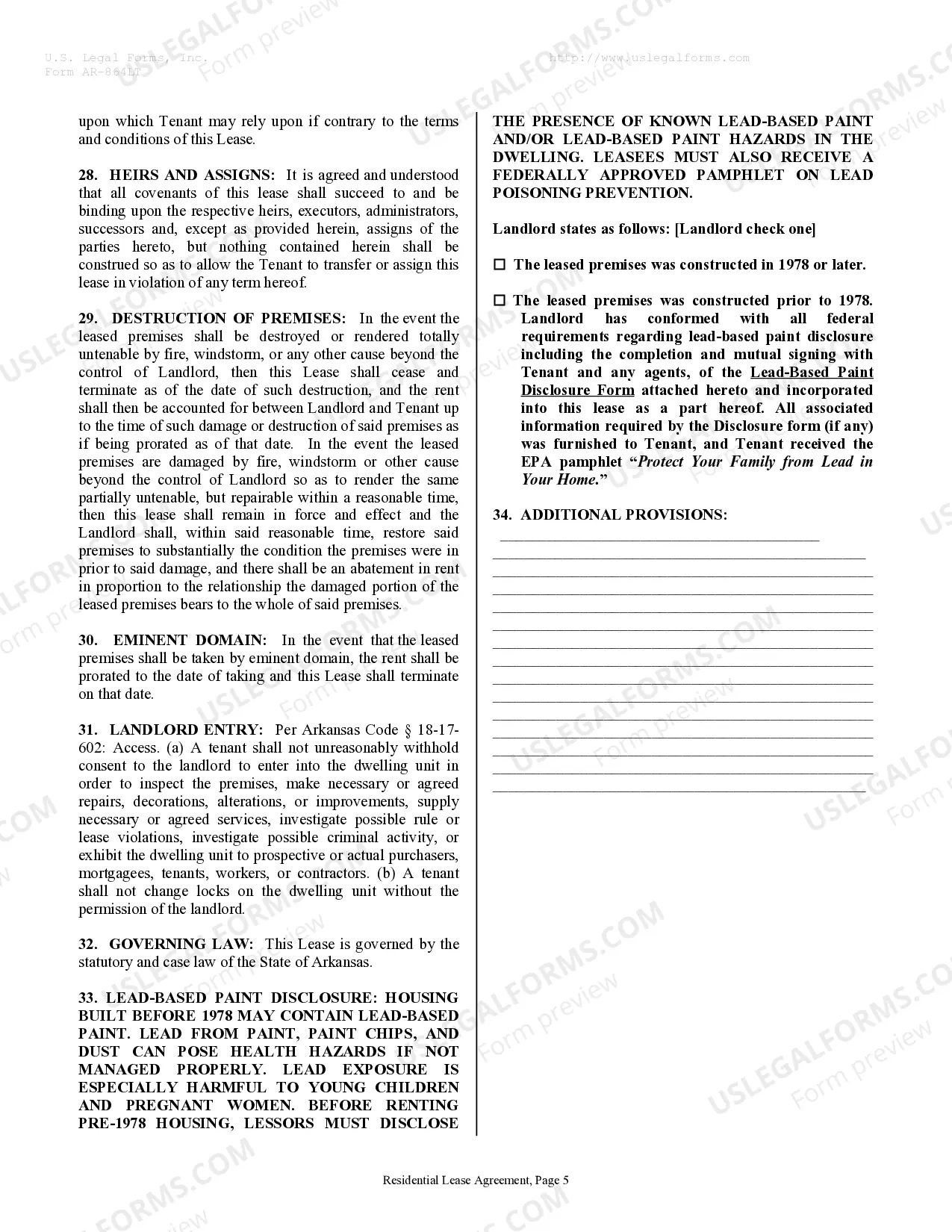
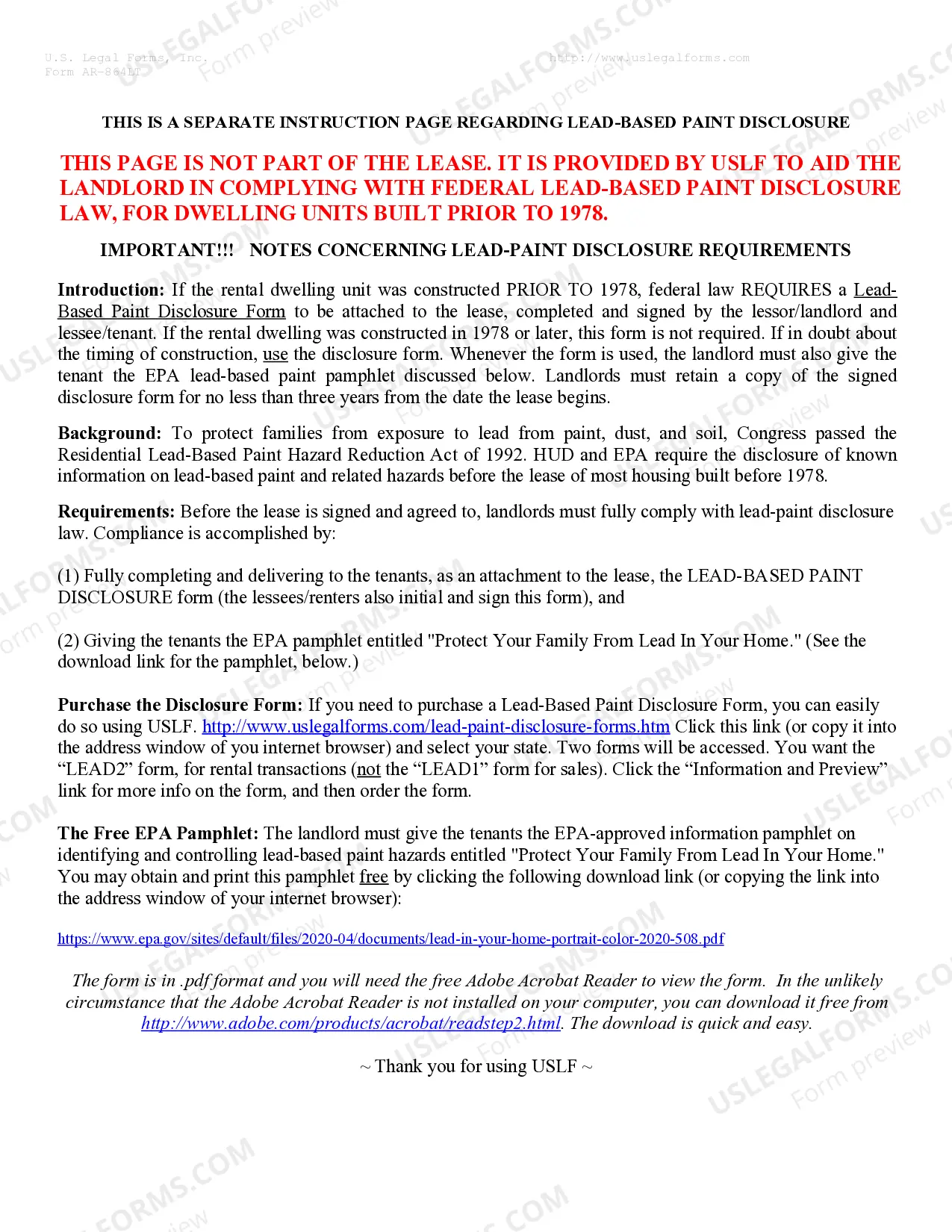
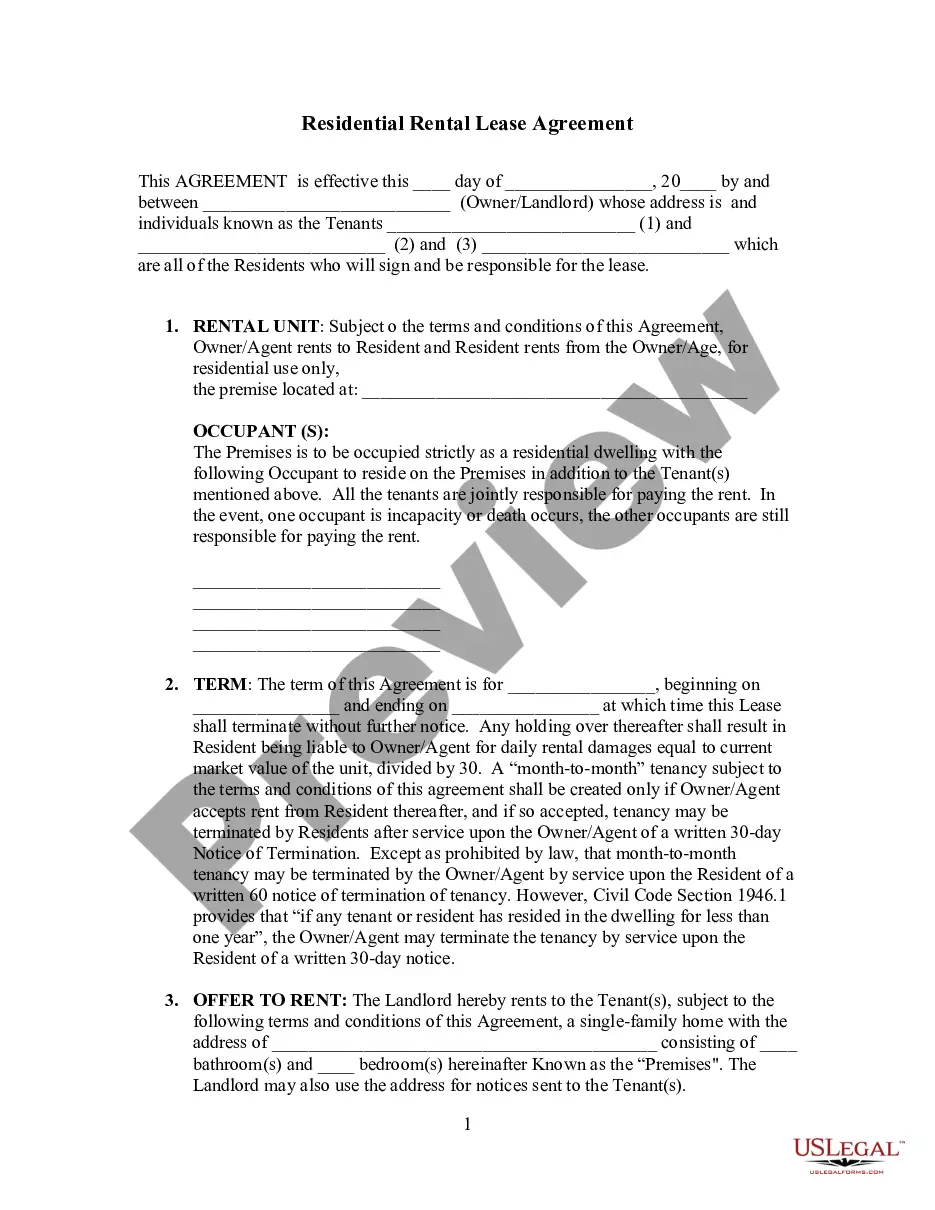
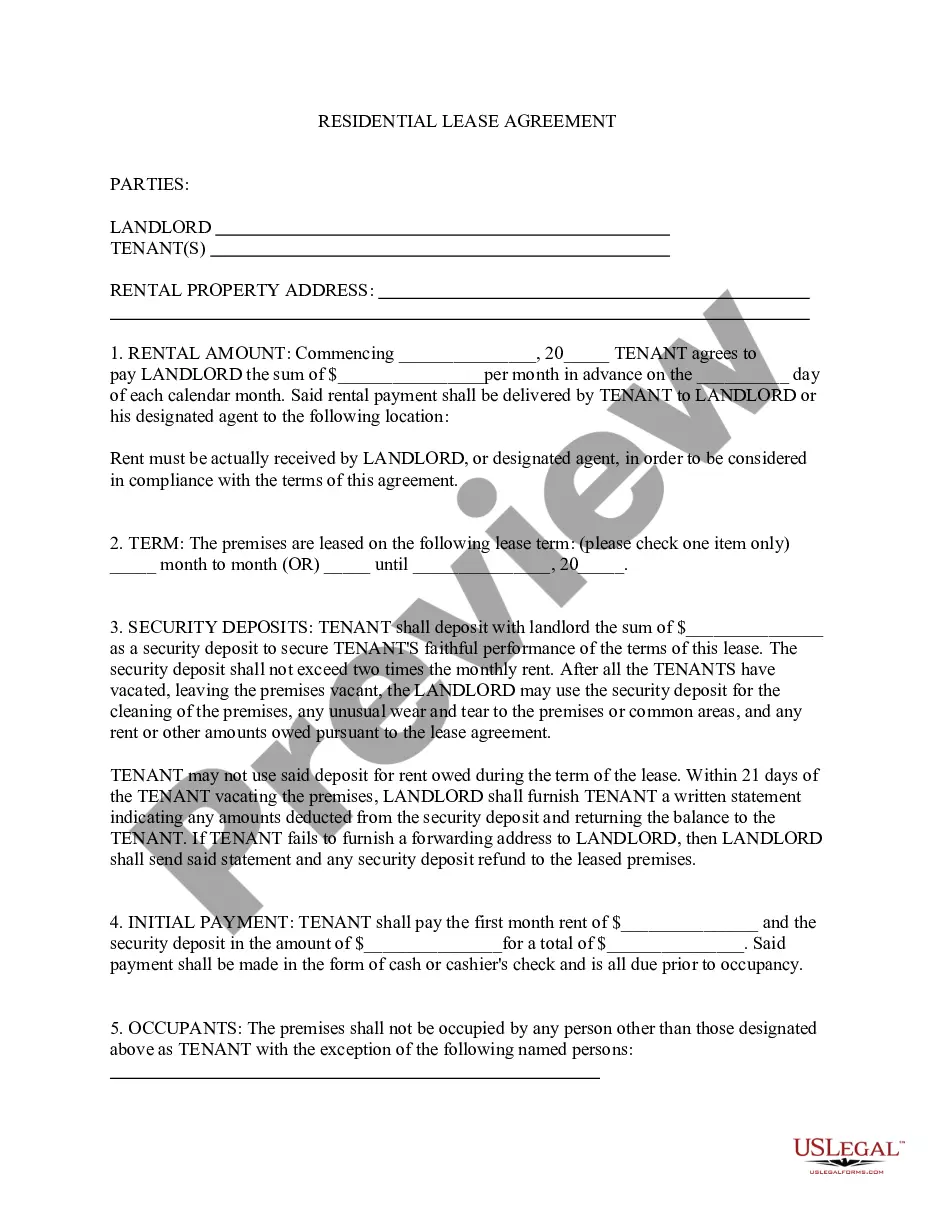
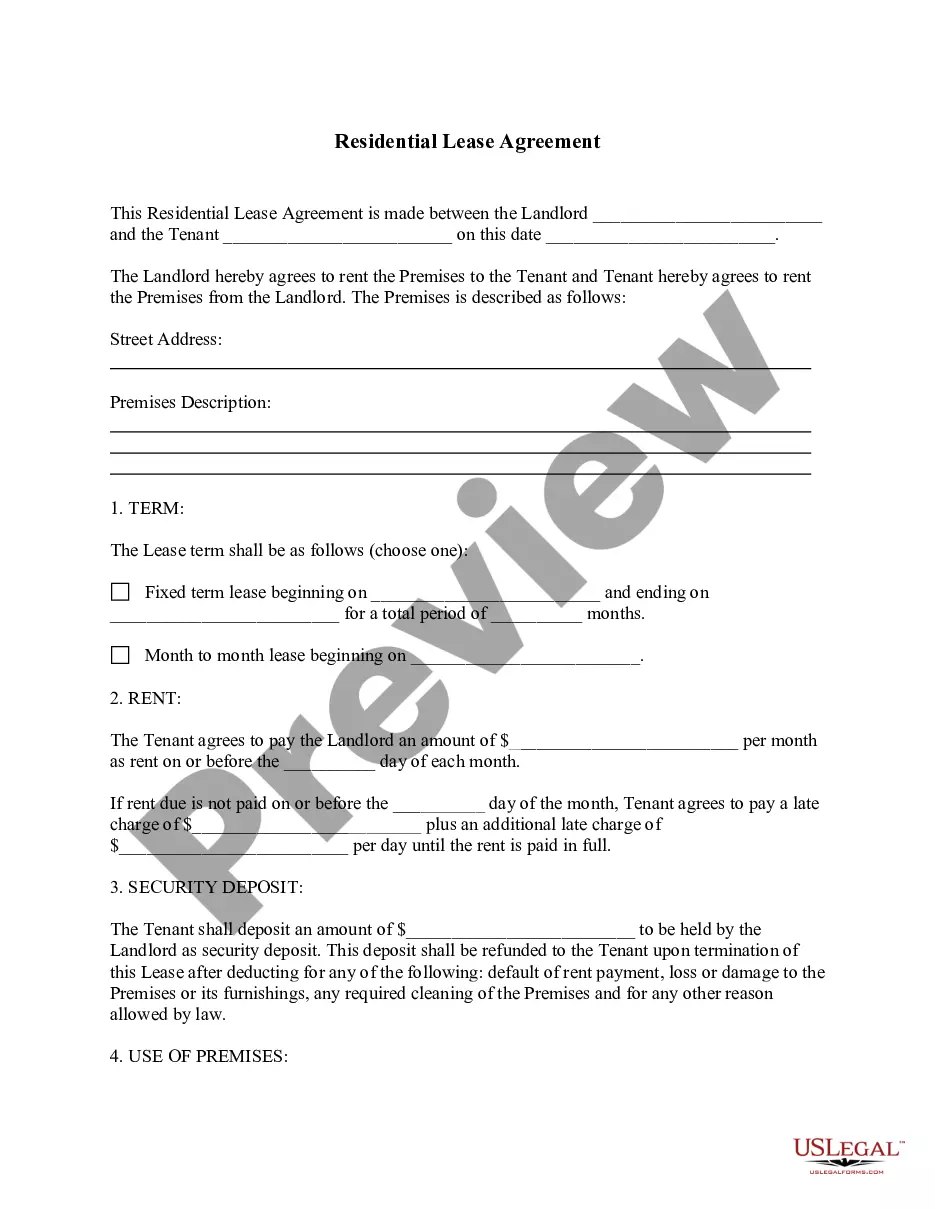
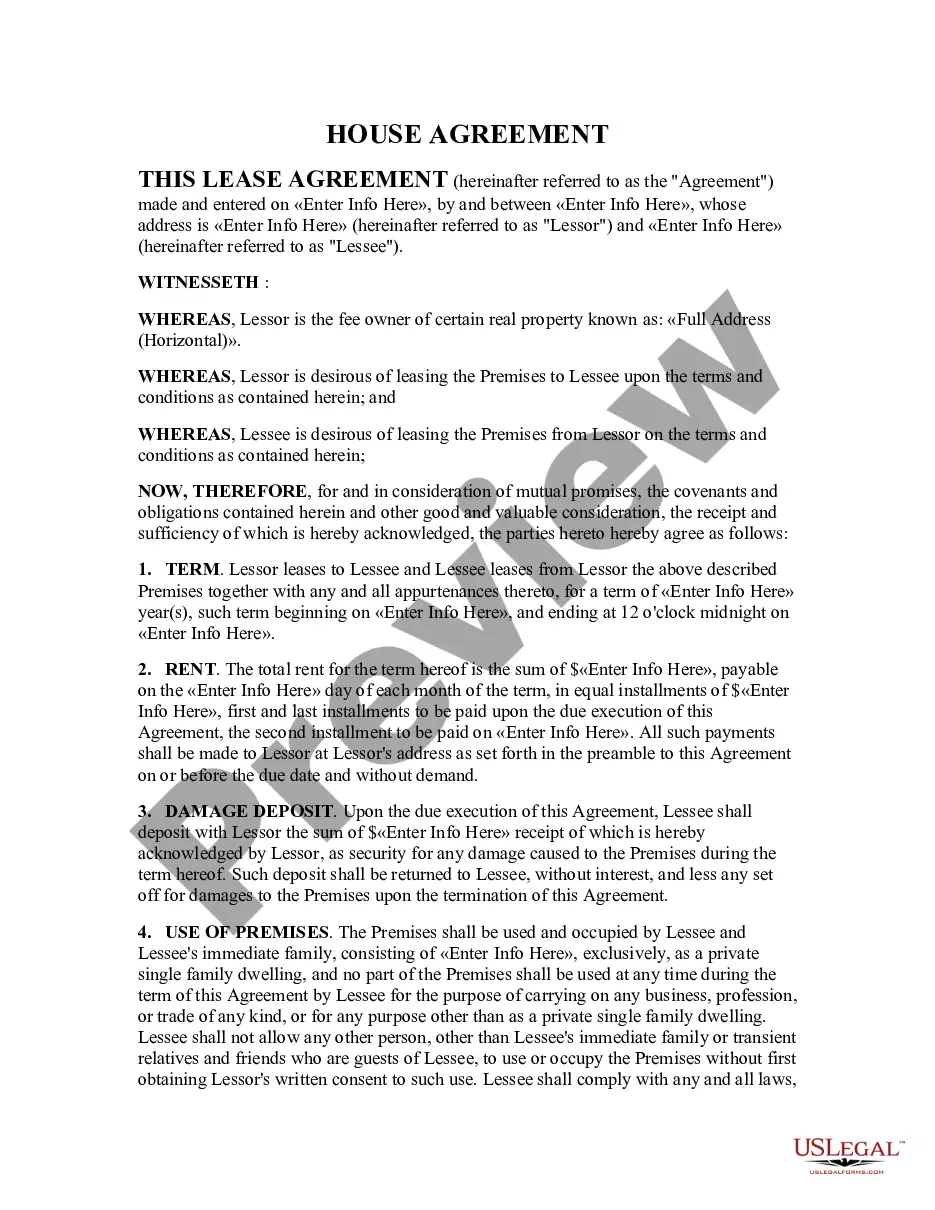
The Residential Rental Lease Agreement is a legal document used between landlords and tenants for renting residential property. It outlines the terms and conditions of the lease, including payment details, responsibilities of each party, and rules governing the tenancy. This rental lease agreement is specific to Arkansas and is suitable for medium to long-term rentals, helping both parties clarify their rights and obligations.
Main sections of this form
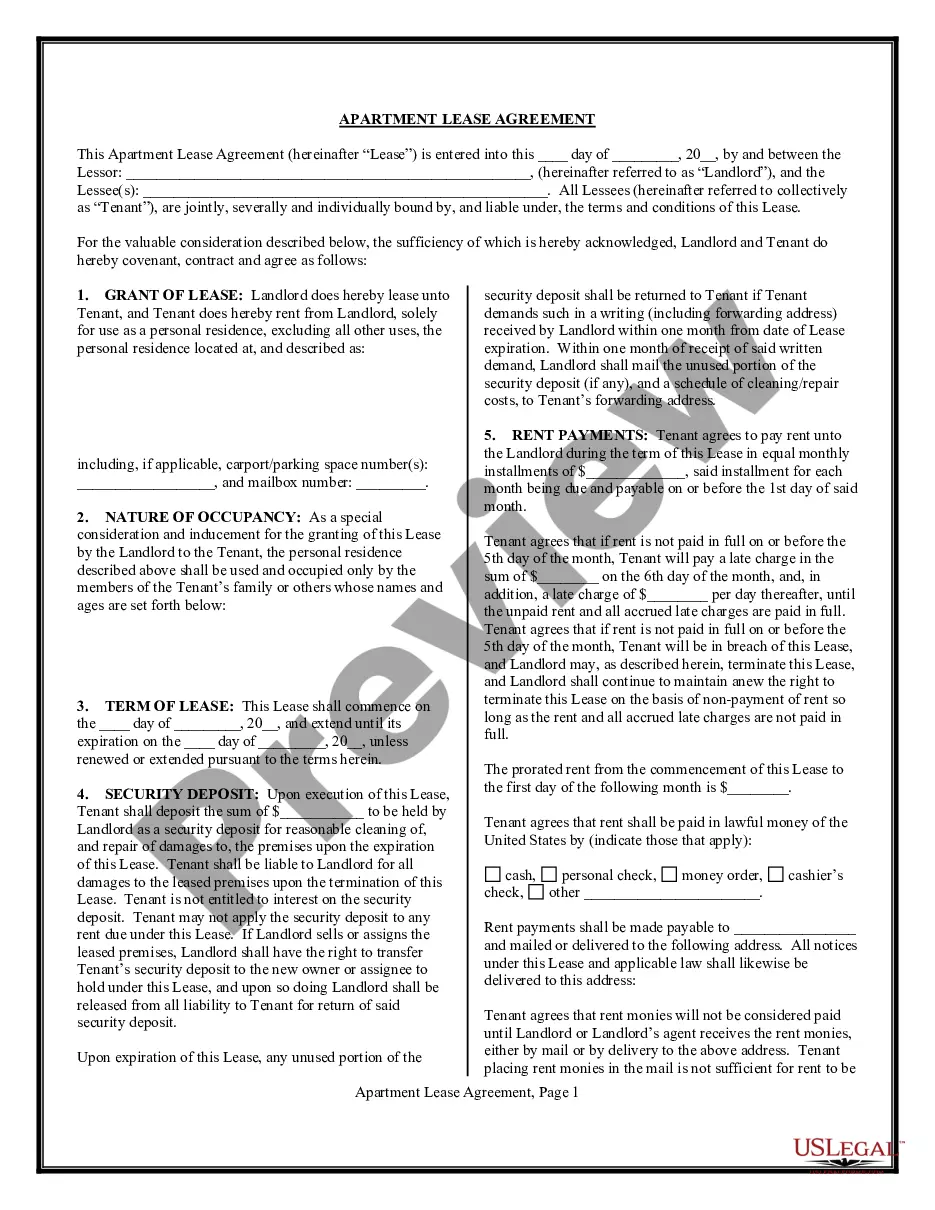
- Grant of Lease: Establishes the rental property and its intended use.
- Term of Lease: Specifies the duration of the rental agreement.
- Security Deposit: Details the amount required and stipulations for its return.
- Rent Payments: Outlines the rent amount, due dates, and payment methods.
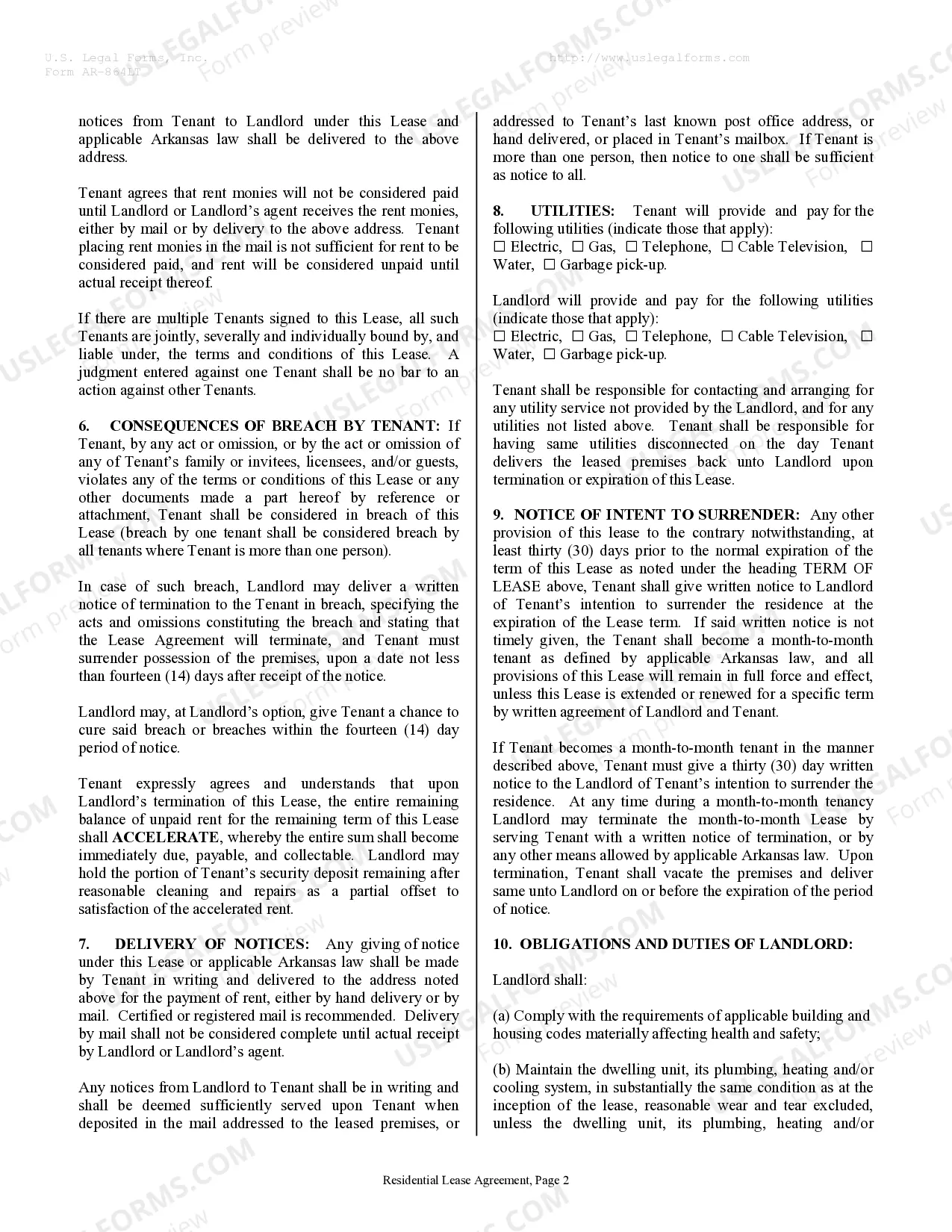
- Consequences of Breach: Describes the penalties for violating lease terms.
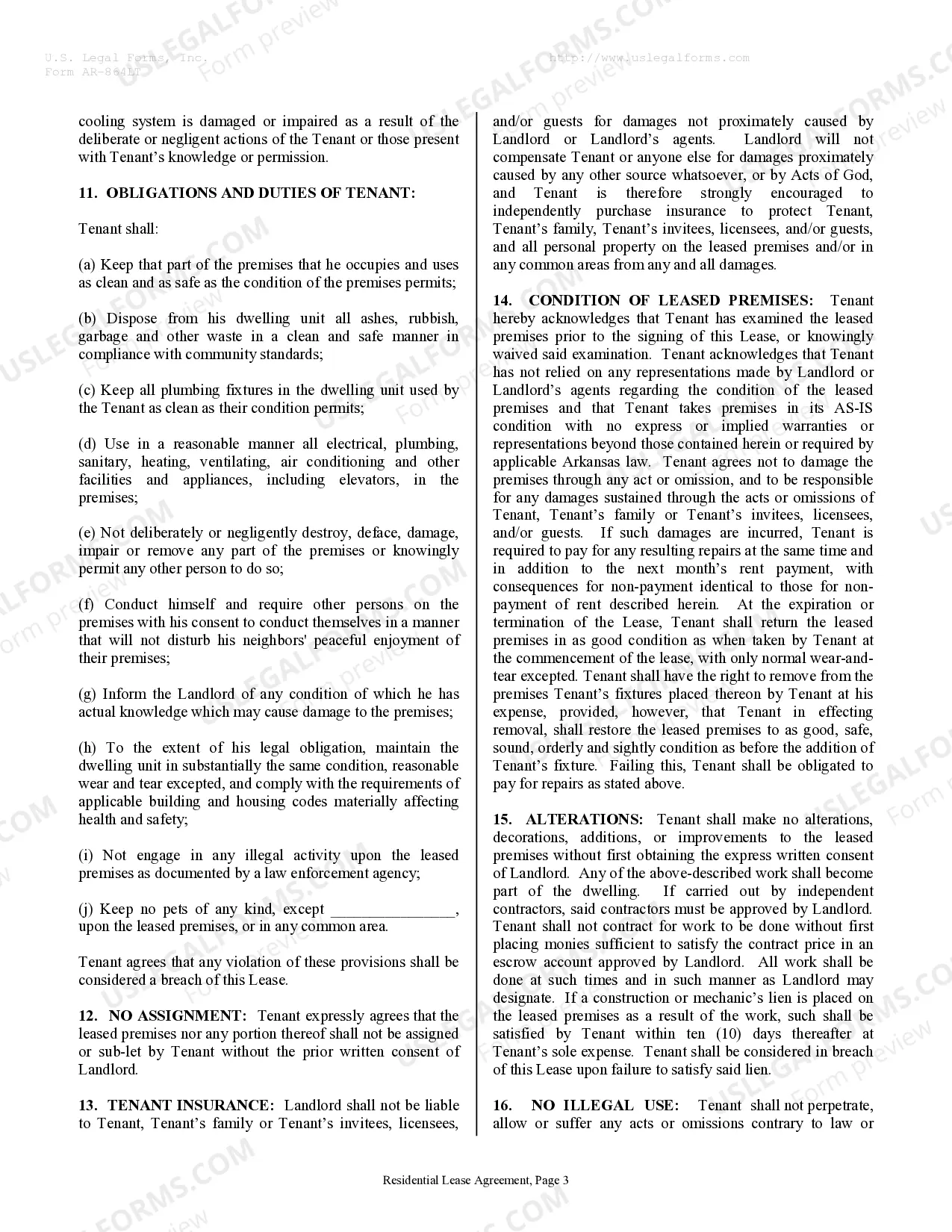
- Obligations and Duties of Landlord and Tenant: Lists responsibilities for repair and maintenance.
When to use this document
This form should be used when a landlord and tenant agree to rent a residential property for a specified term, such as one year or six months. Use this agreement to formalize the rental conditions, clarify expectations, and provide legal protections for both parties. It is ideal in situations where you need a clear record of the terms to prevent misunderstandings.
Who can use this document
- Landlords renting out residential properties seeking legal protection.
- Tenants looking for a formal agreement to ensure their rights are recognized.
- Property management companies overseeing multiple rental properties.
- Individuals unfamiliar with rental laws requiring a structured lease format.
How to complete this form
- Identify the parties involved: Fill in the names and addresses of the landlord and tenant.
- Specify the property: Enter the complete address of the rental property.
- Enter the lease term: Indicate the start and end dates of the lease.
- Detail security deposit and rent: State the security deposit amount and monthly rent due along with payment deadlines.
- Review obligations: Ensure both parties understand their responsibilities as outlined in the agreement.
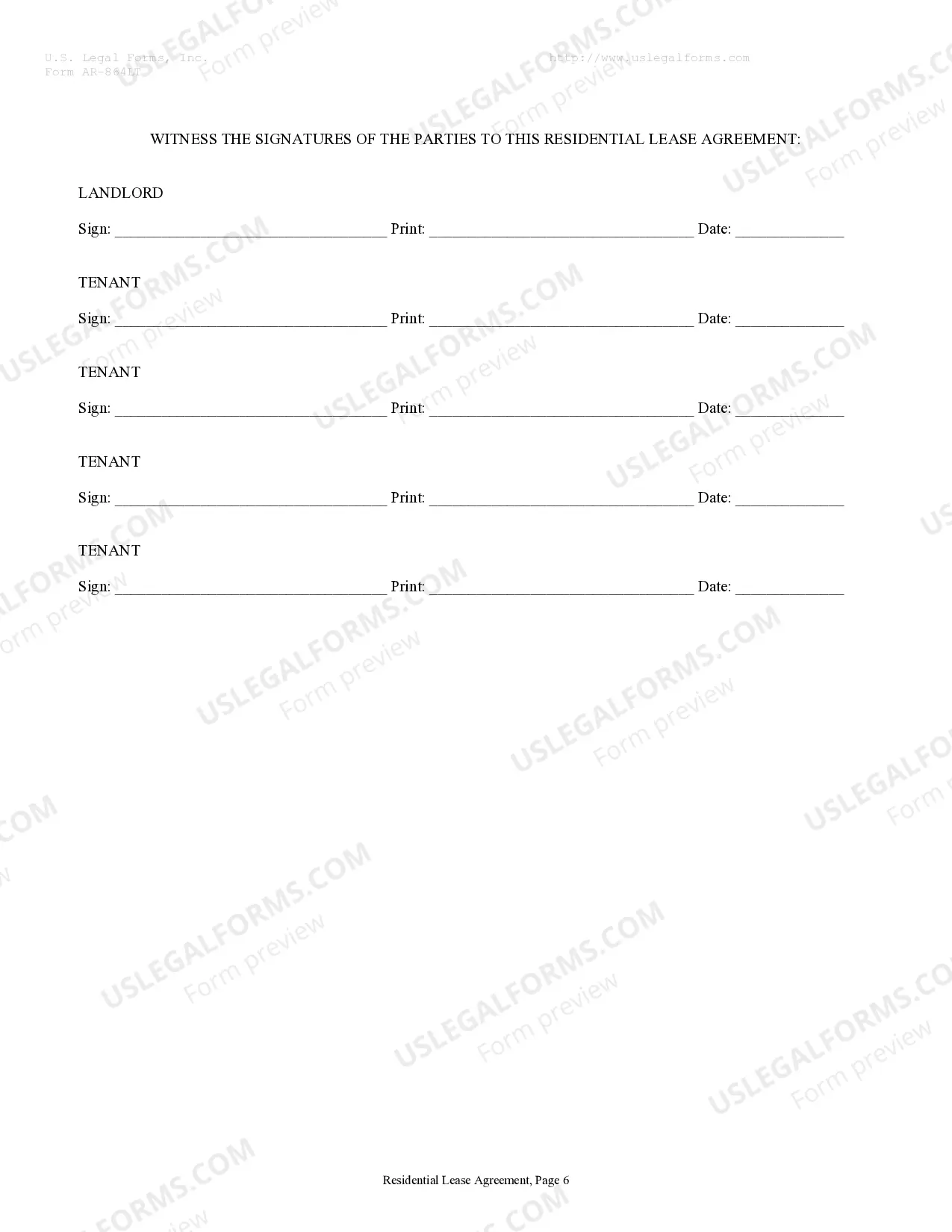
- Sign the document: Both landlord and tenant must sign and date the lease to make it legally binding.
Does this document require notarization?
Notarization is not commonly needed for this form. However, certain documents or local rules may make it necessary. Our notarization service, powered by Notarize, allows you to finalize it securely online anytime, day or night.
Get your form ready online
Our built-in tools help you complete, sign, share, and store your documents in one place.
Make edits, fill in missing information, and update formatting in US Legal Forms—just like you would in MS Word.
Download a copy, print it, send it by email, or mail it via USPS—whatever works best for your next step.
Sign and collect signatures with our SignNow integration. Send to multiple recipients, set reminders, and more. Go Premium to unlock E-Sign.
If this form requires notarization, complete it online through a secure video call—no need to meet a notary in person or wait for an appointment.
We protect your documents and personal data by following strict security and privacy standards.
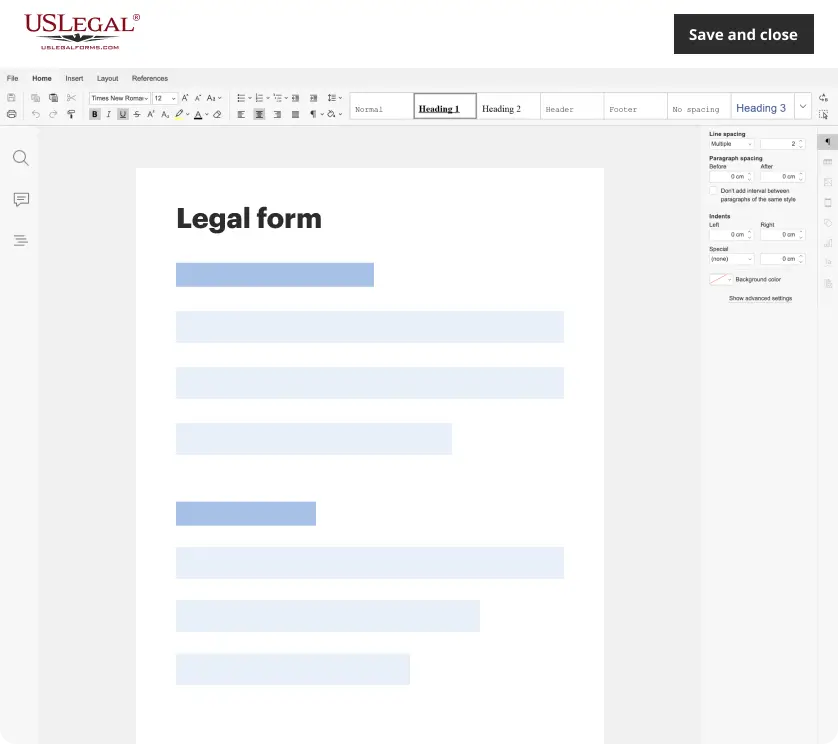
Make edits, fill in missing information, and update formatting in US Legal Forms—just like you would in MS Word.
Download a copy, print it, send it by email, or mail it via USPS—whatever works best for your next step.
Sign and collect signatures with our SignNow integration. Send to multiple recipients, set reminders, and more. Go Premium to unlock E-Sign.

If this form requires notarization, complete it online through a secure video call—no need to meet a notary in person or wait for an appointment.
We protect your documents and personal data by following strict security and privacy standards.
Avoid these common issues
- Failing to specify the complete address of the rental property.
- Not detailing the security deposit conditions.
- Omitting important dates, such as the lease term start and end.
- Not having all parties sign the agreement.
- Neglecting to clarify responsibilities regarding repairs and maintenance.
Why use this form online
- Convenient access from any location, allowing for easy completion and customization.
- Editable fields enable landlords to adapt the agreement as needed.
- Compliant with state laws, ensuring legal protection for both parties.
- Instant availability, reducing delays associated with traditional paperwork.
- No need for an in-person meeting, simplifying the process for both parties.
Legal use & context
- This lease agreement is enforceable in Arkansas and adheres to local housing laws.
- Both parties must adhere to the terms once signed; noncompliance can lead to legal actions.
- The lease clarifies the rights and obligations, minimizing disputes between landlords and tenants.
What to keep in mind
- The Residential Rental Lease Agreement is essential for defining expectations between landlords and tenants.
- It includes crucial terms such as rent, duration, and security deposit specifics.
- Using this form helps ensure legal compliance and protects both parties' interests.
- Proper completion avoids common mistakes that could lead to misunderstandings.
Looking for another form?
Form popularity
FAQ
If an Arkansas Residential Rental Lease Agreement is not notarized, it can still be valid and enforceable. The essential requirement is that both parties agree to the terms and sign the document. However, lack of notarization may lead to challenges in proving the authenticity of signatures if a dispute arises, so it might be wise to consider this aspect during the signing process.
No, a residential lease agreement in Arkansas does not require notarization to be valid. This means that both parties can sign the Arkansas Residential Rental Lease Agreement without needing a notary present. However, notarization can help ensure that both parties fulfill their obligations and can be useful in case of any legal disputes.
In Arkansas, a residential lease agreement does not need to be notarized to be legally binding. However, having the Arkansas Residential Rental Lease Agreement notarized can provide an extra layer of security and validity. It's beneficial to consider notarization if disputes may arise or if you simply want a record of the signing process.
You can obtain an Arkansas Residential Rental Lease Agreement through various online platforms, including uslegalforms. This website offers customizable lease agreement templates that comply with Arkansas state laws. By using their services, you ensure that your lease is legally sound and meets your specific needs as a landlord or tenant.
The most common lease used in residential rentals is the Arkansas Residential Rental Lease Agreement. This agreement clearly outlines the rights and responsibilities of both landlords and tenants, making it an essential tool for a successful rental experience. It covers important aspects such as rent payment, maintenance responsibilities, and lease duration. Utilizing the Arkansas Residential Rental Lease Agreement helps ensure that both parties have a clear understanding, reducing the likelihood of disputes.
To become a landlord in Arkansas, first, prepare your rental property and familiarize yourself with local laws, including tenant rights and responsibilities. Next, create a solid Arkansas Residential Rental Lease Agreement that outlines the terms of the lease. Finally, advertise your property and screen potential tenants to find the best fit.
Yes, you can create your own lease agreement as long as it meets Arkansas state laws and covers essential elements like rent, duration, and responsibilities. However, using a service like USLegalForms can simplify this process by providing templates specifically tailored for Arkansas Residential Rental Lease Agreements, ensuring compliance and clarity.
To become a landlord, you typically need a thorough understanding of rental laws, property management skills, and necessary documentation, like an Arkansas Residential Rental Lease Agreement. Moreover, having reliable insurance and preparing your property for tenants are essential steps in the process of becoming a successful landlord.
Whether landlords need a business license in Arkansas varies by local jurisdiction. While some areas require it to operate rental properties, others do not. Always check with your local office to understand the rules and include any required information in your Arkansas Residential Rental Lease Agreement.
Landlords in Arkansas must provide proper notice before entering a rental property. Typically, a 24-hour notice is required, unless there's an emergency. It’s essential to reflect these entry laws in your Arkansas Residential Rental Lease Agreement to maintain a transparent relationship with your tenants.