Arkansas Letter from Tenant to Landlord containing Notice to landlord to withdraw retaliatory rent increase
About this form
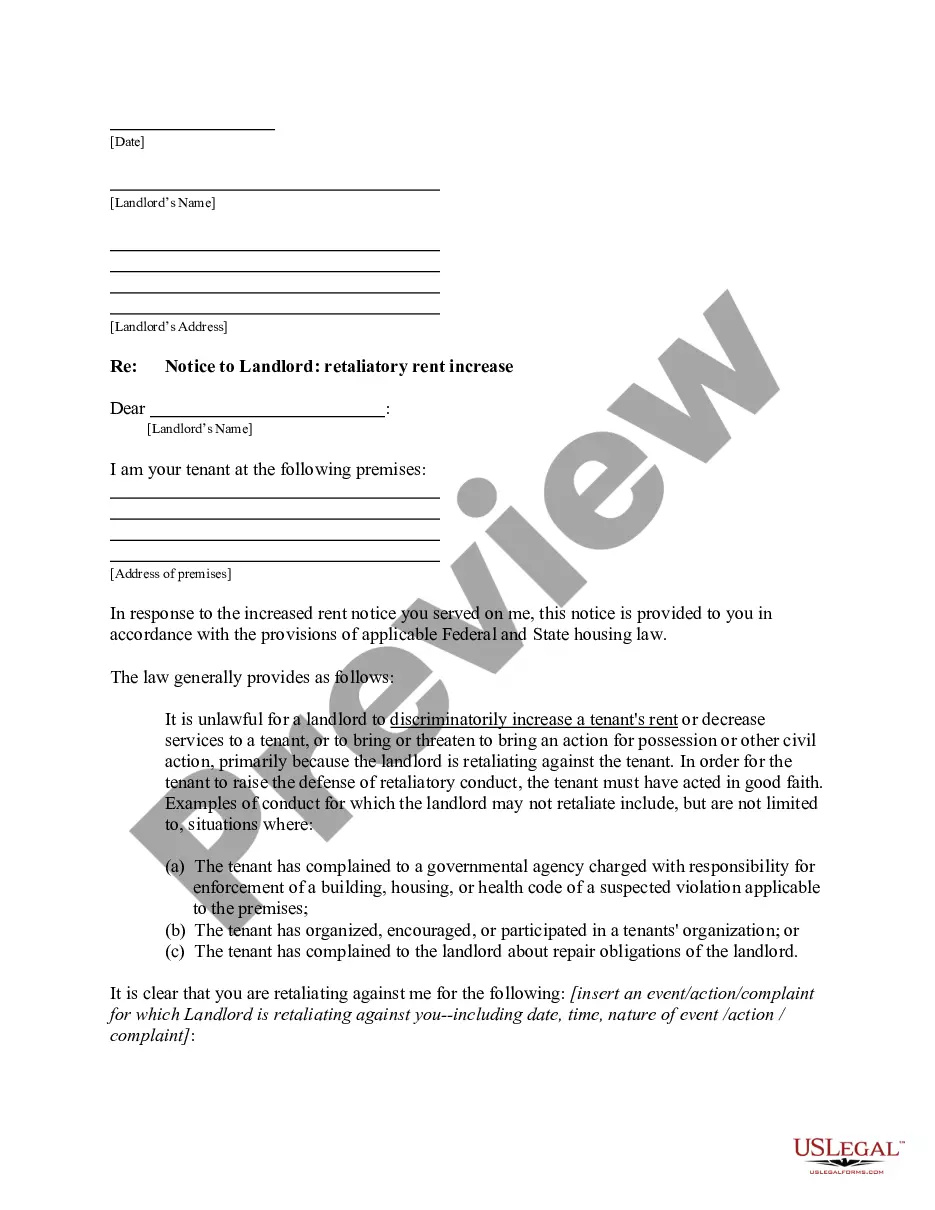
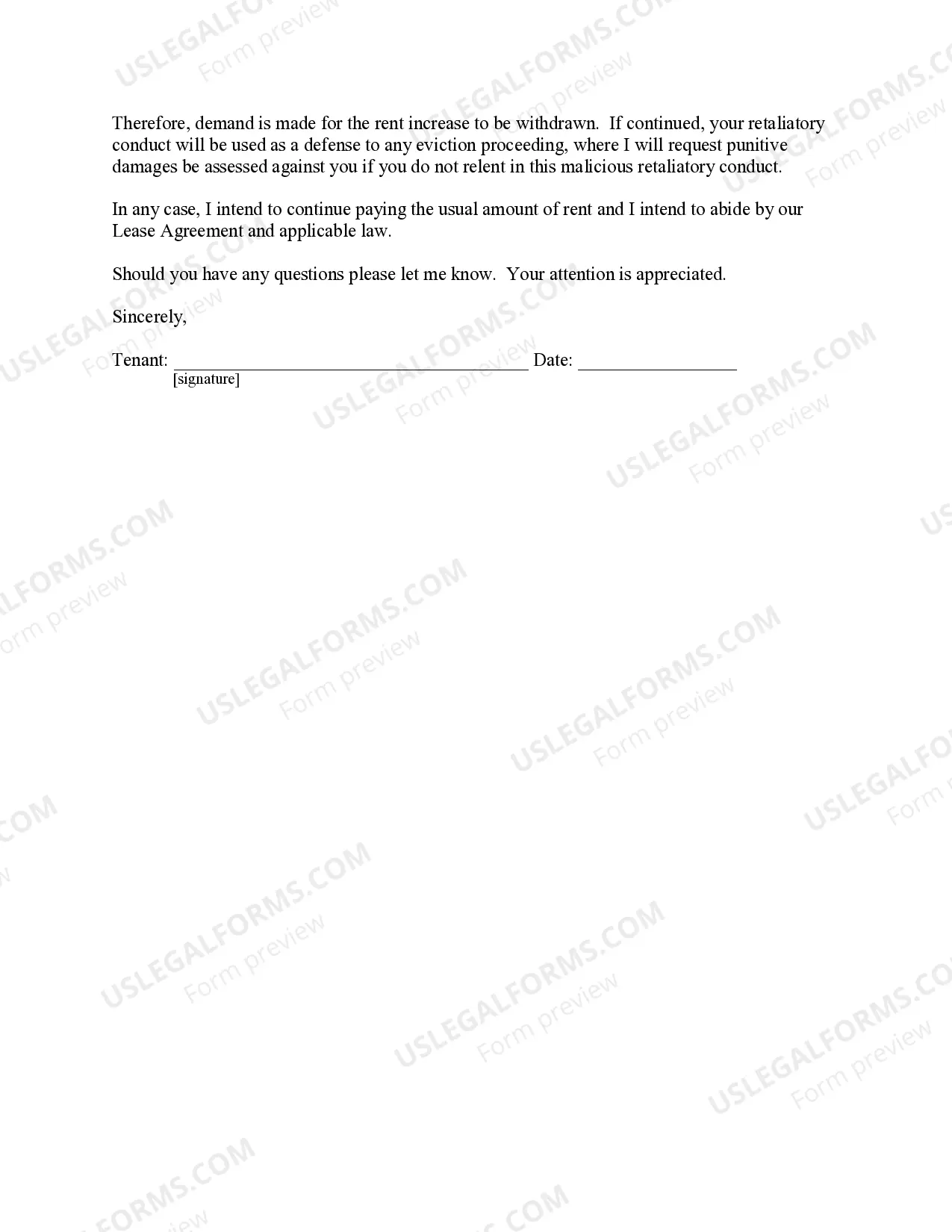
This Letter from Tenant to Landlord containing Notice to landlord to withdraw retaliatory rent increase is a formal document that informs a landlord that their rent increase may be unlawful due to retaliation against the tenant. This form is crucial for tenants who wish to assert their rights under housing laws, as it helps clarify that discriminatory rent increases, particularly in response to tenant complaints or actions, are prohibited. Unlike other rental agreements or notices, this letter specifically addresses the issue of retaliatory rent increases, making it an essential tool for tenant protection.
Key parts of this document
- A statement informing the landlord of the retaliatory nature of the rent increase.
- Confirmation of the tenant's intention to continue paying the usual rent amount.
- Background information on tenant rights concerning retaliation.
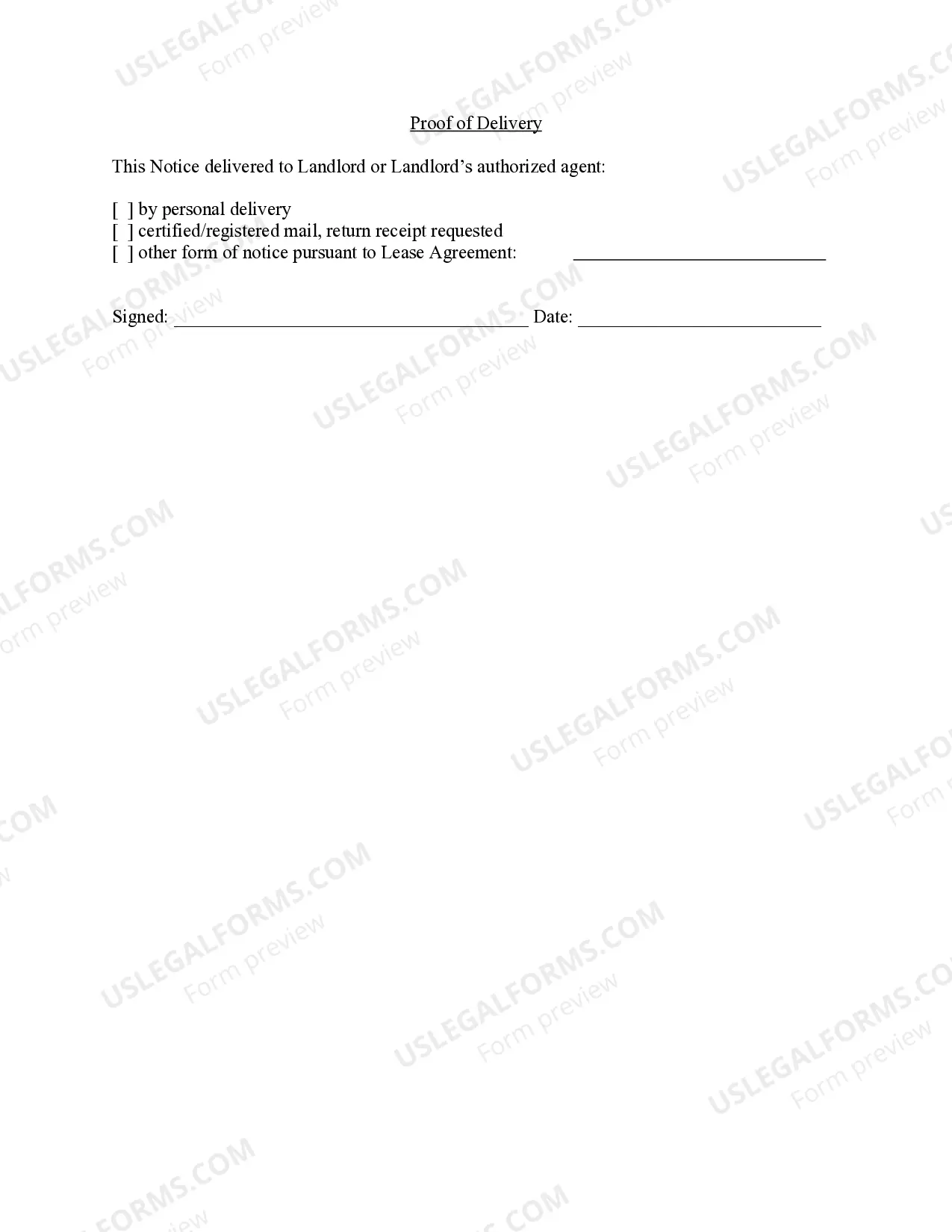
- Space for both tenant and landlord signatures to acknowledge receipt.
- Date of notice to document when the letter was sent.

When to use this form
This form should be used when a tenant receives a rent increase that they believe is in retaliation for complaints made about the property or landlord. Common scenarios include instances where the tenant has reported health code violations, requested repairs, or engaged in tenant organizing. Using this letter can help the tenant assert their rights and potentially prevent the landlord from enforcing the illegal rent increase.
Intended users of this form
- Tenants who have experienced a rent increase following a complaint to the landlord.
- Individuals involved in tenant organizations who may face retaliatory actions.
- Renters who want to protect their rights under state housing laws.
How to complete this form
- Identify the parties involved: fill in the tenant's and landlord's names and addresses.
- State the reason for the notice: explain the context of the retaliatory rent increase.
- Confirm your intention: indicate that you will continue paying your usual rent.
- Sign and date the letter: ensure both parties acknowledge the letterâs receipt.
- Keep a copy for your records: keep it as evidence of your notification to the landlord.
Notarization requirements for this form
This form does not typically require notarization unless specified by local law. However, it is always advisable to check state-specific regulations to confirm compliance.
Get your form ready online
Our built-in tools help you complete, sign, share, and store your documents in one place.
Make edits, fill in missing information, and update formatting in US Legal Forms—just like you would in MS Word.
Download a copy, print it, send it by email, or mail it via USPS—whatever works best for your next step.
Sign and collect signatures with our SignNow integration. Send to multiple recipients, set reminders, and more. Go Premium to unlock E-Sign.
If this form requires notarization, complete it online through a secure video call—no need to meet a notary in person or wait for an appointment.
We protect your documents and personal data by following strict security and privacy standards.

Make edits, fill in missing information, and update formatting in US Legal Forms—just like you would in MS Word.

Download a copy, print it, send it by email, or mail it via USPS—whatever works best for your next step.

Sign and collect signatures with our SignNow integration. Send to multiple recipients, set reminders, and more. Go Premium to unlock E-Sign.

If this form requires notarization, complete it online through a secure video call—no need to meet a notary in person or wait for an appointment.

We protect your documents and personal data by following strict security and privacy standards.
Avoid these common issues
- Neglecting to include specific details about the rent increase or the reasons for it.
- Failing to sign or date the letter, which can weaken its validity.
- Not making a copy of the letter for personal records.
- Using vague language that does not clearly indicate the retaliatory nature of the increase.
Benefits of using this form online
- Convenience of downloading and printing the form instantly.
- Editability allows tailored customization to fit individual situations.
- Reliability of professionally drafted templates by licensed attorneys.
- This form helps tenants document their claims against retaliatory actions by landlords.
- It is advisable to retain a copy for your records after sending it to your landlord.
- Understanding your stateâs specific legal context is crucial for enforceability.
Looking for another form?

Form popularity
FAQ
When informing your landlord that you're leaving, it’s best to do so in writing. Clearly express your intention to vacate the property, along with your planned move-out date. Including a mention about final arrangements, like inspecting the apartment, can help ease the process for both parties.
A notification letter to your landlord should be straightforward and include essential information such as your name, address, and the purpose of the letter. Clearly state the issue or request you wish to communicate, ensuring it's easy to understand. Keeping the tone professional and polite can help foster good relations moving forward.
To write a letter telling your landlord you're moving out, begin with a formal tone and provide the necessary details, such as your address and move-out date. Specify any requests for a final walkthrough and address the return of your security deposit. Clarity and politeness in your communication facilitate a positive exit.
In a letter informing your landlord that you're leaving, start by clearly stating your intent to vacate the property. Make sure to include the specific date you plan to move out, and mention any plans for a final walkthrough. This helps ensure a smooth transition and allows for any necessary arrangements regarding your security deposit.
To notify your landlord that you won't be renewing your lease, write a direct and concise letter. Include your date of notice, property address, and the statement indicating your decision not to renew. Providing a brief explanation is helpful, and make sure to follow any provided notice period in your lease agreement.
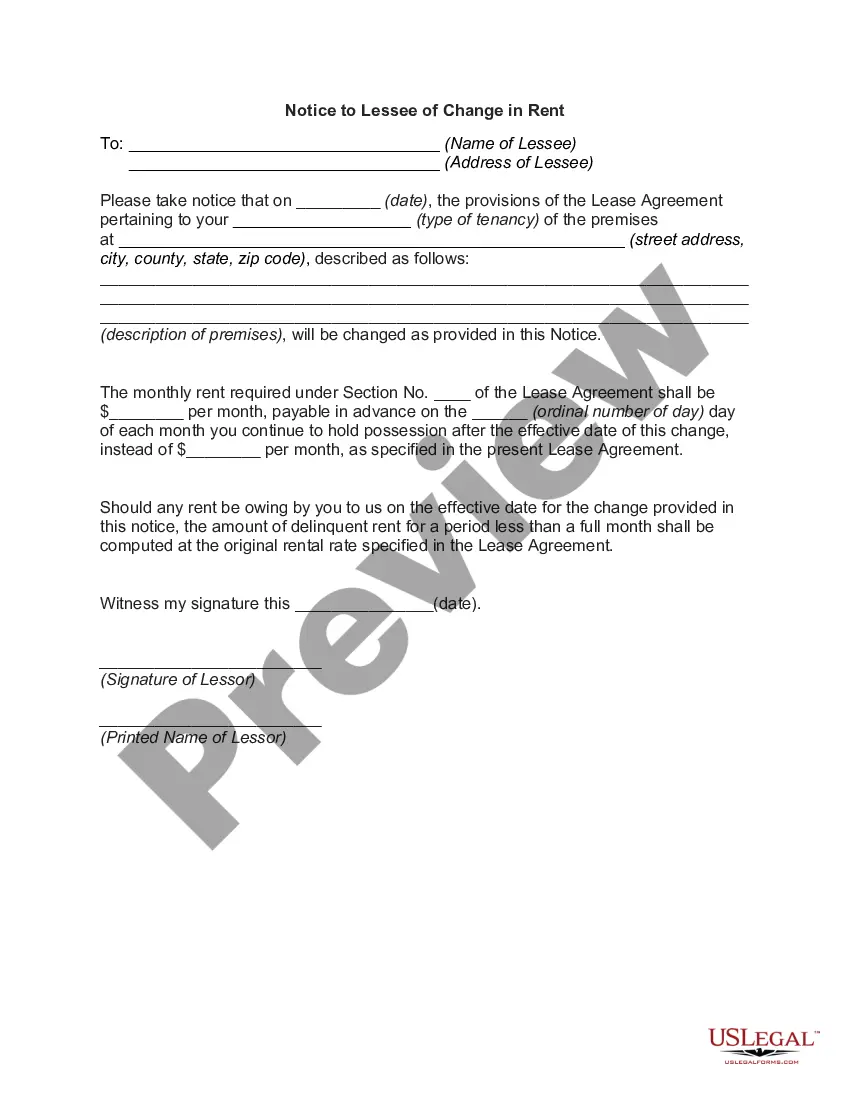
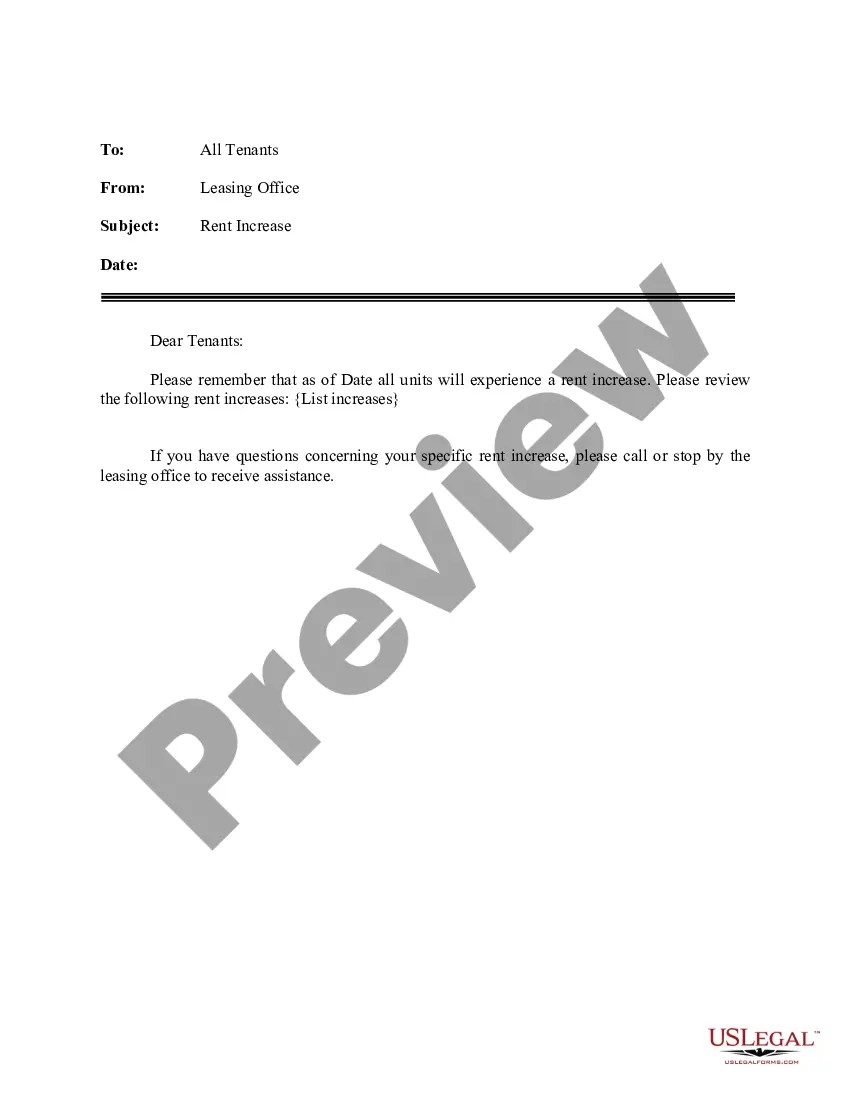
To explain a rent increase to a tenant, start with a clear, polite explanation of the reasons behind the increase. In your letter, specify the new rental amount and the effective date, while referencing any market conditions or property improvements that justify the rise. Ensuring transparency will help maintain a positive relationship with your tenant.
When drafting a letter to request a rent reduction, include your address, a date, and the landlord's information at the top. Clearly state your request for a rent reduction, providing valid reasons, such as personal financial challenges or a decline in property value. Make your appeal respectful and offer to discuss the matter further to reach an understanding.
An example of an Arkansas Letter from Tenant to Landlord containing Notice to landlord to withdraw retaliatory rent increase may include a formal greeting, a clear statement of the issue at hand, and a request for resolution. In this letter, the tenant can outline the reasons for the notice and specify the unwanted rent increase. It’s important to express the intent to resolve the situation amicably.
To write a formal complaint letter to your landlord, format your letter professionally, addressing it properly. Clearly state the issue and any relevant details, such as dates and conversations. If you fear retaliation, consider mentioning the Arkansas Letter from Tenant to Landlord containing Notice to landlord to withdraw retaliatory rent increase within your complaint to assert your position confidently.
Unfair eviction occurs when a landlord removes a tenant from their rental unit without just cause or in violation of local laws. This could include retaliatory actions taken against a tenant who has complained about living conditions. If you believe you are facing unfair eviction, preparing an Arkansas Letter from Tenant to Landlord containing Notice to landlord to withdraw retaliatory rent increase can be an important step in defending your rights.