Arkansas Warranty Deed from Individual to a Trust
What is this form?
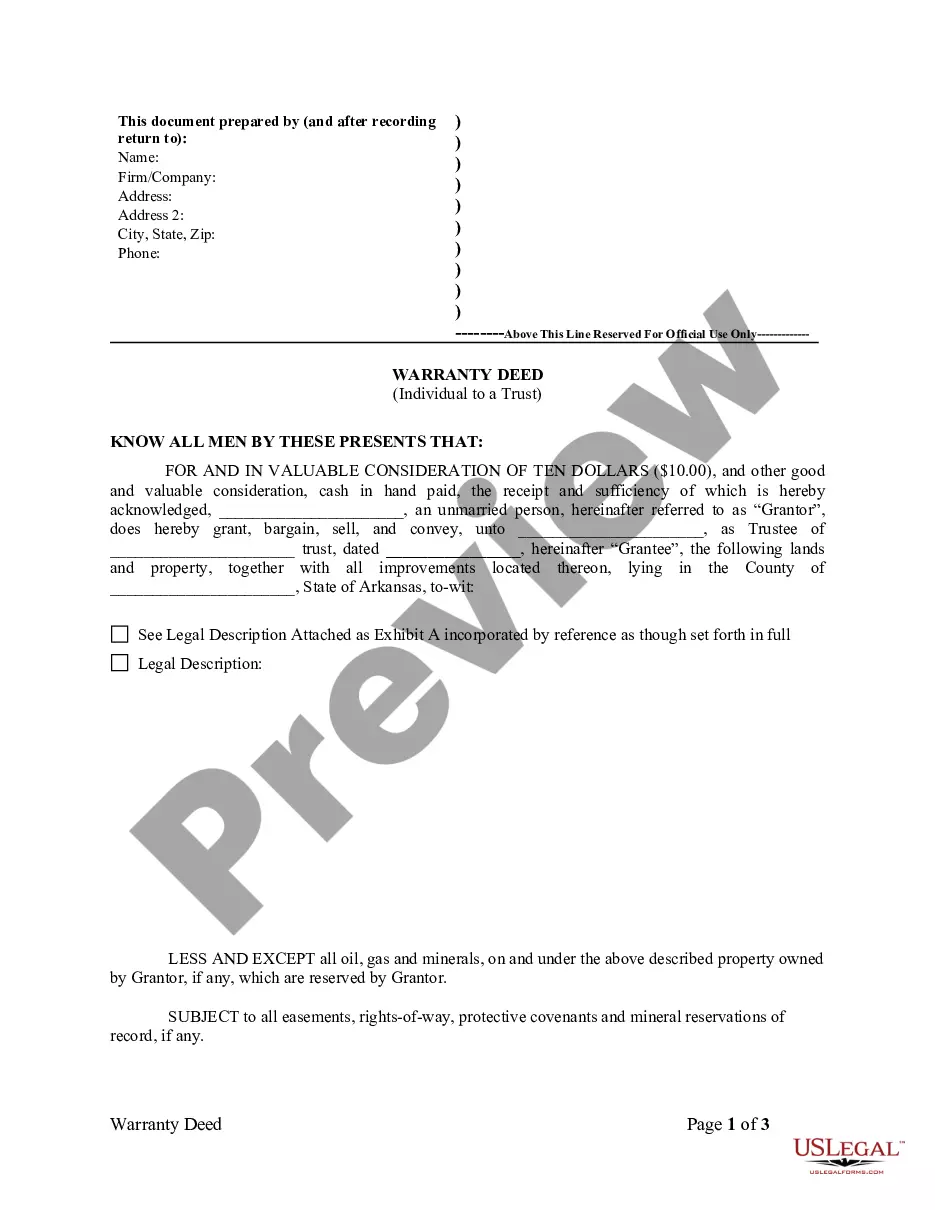
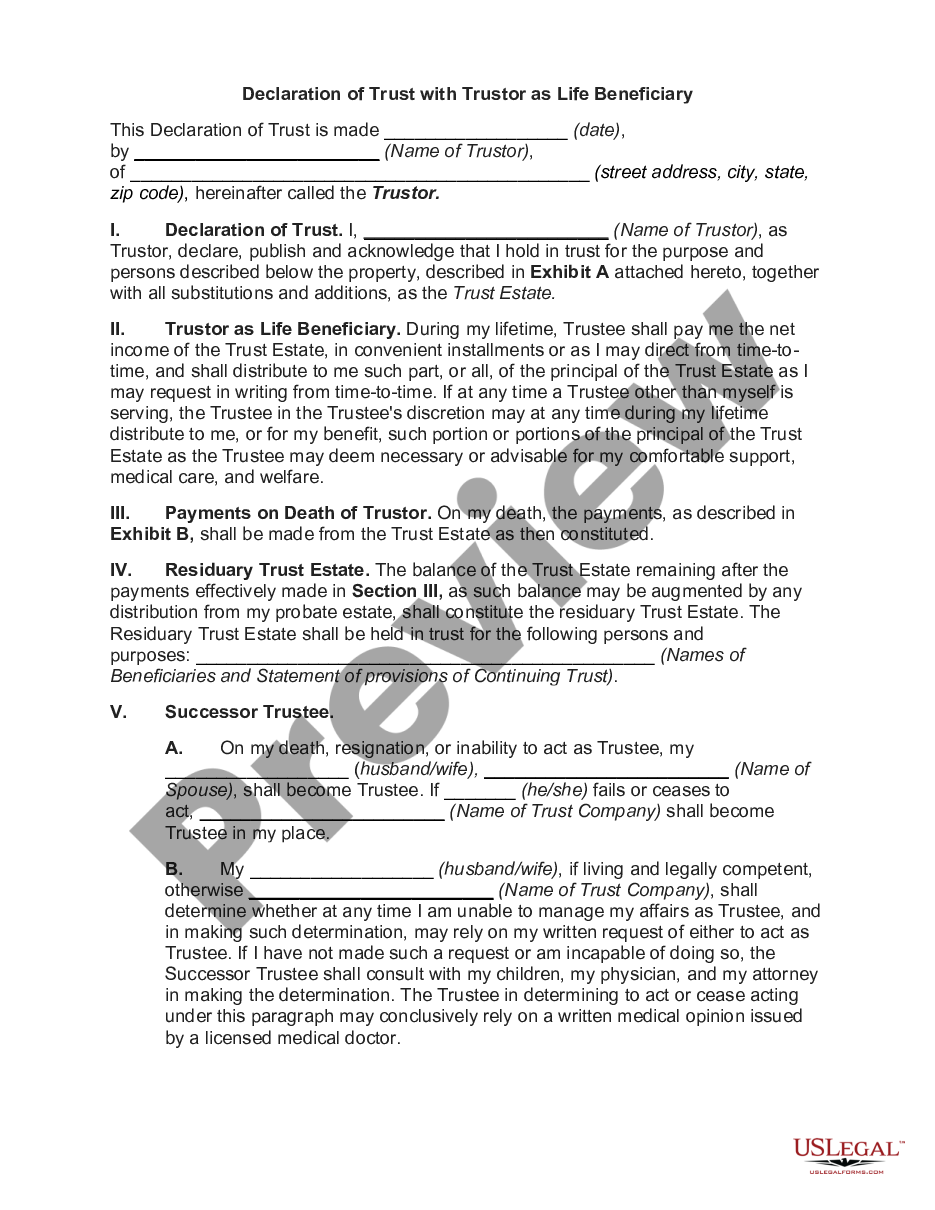
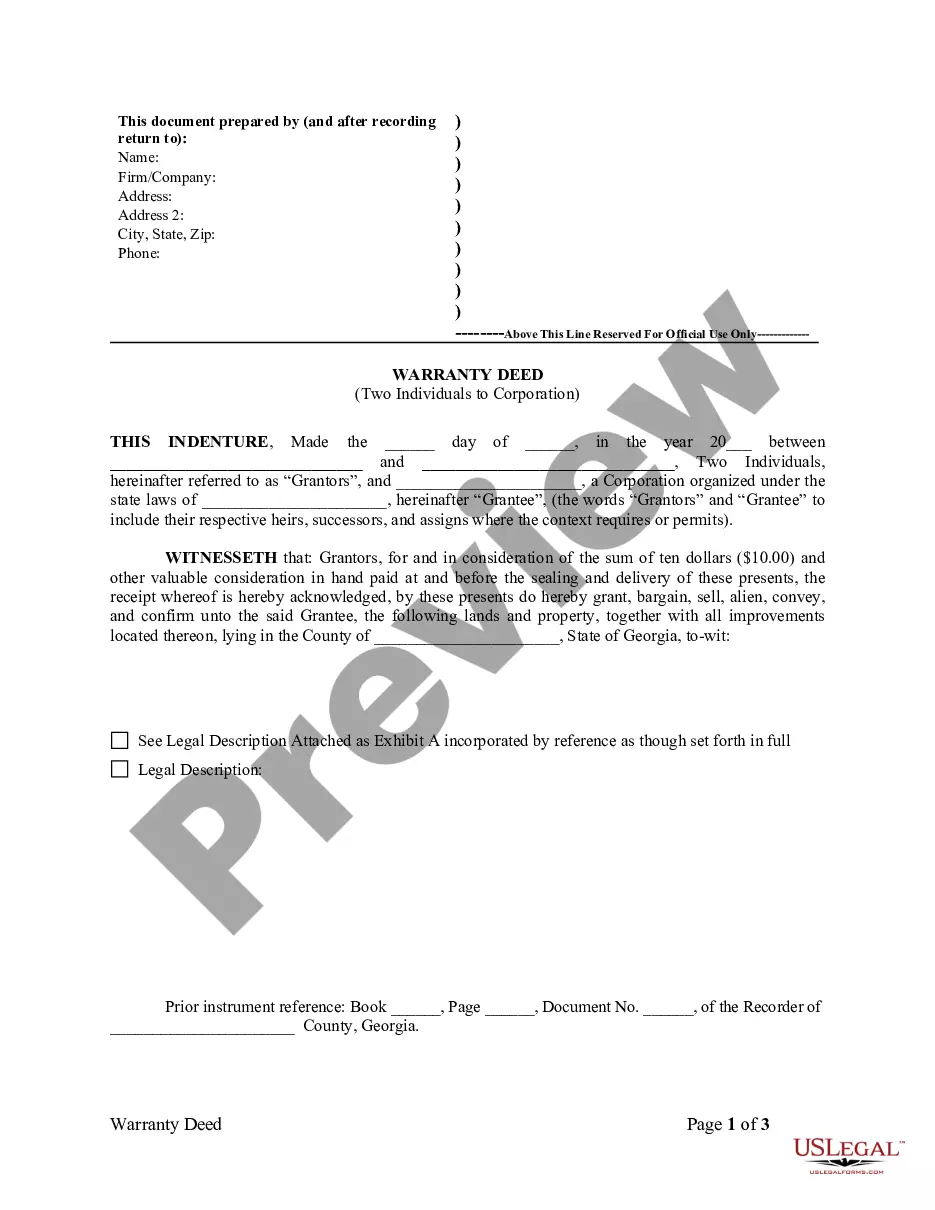
The Warranty Deed from Individual to a Trust is a legal document that transfers ownership of real property from an individual grantor to a trust. This form offers legal certainty by ensuring the grantor warrants the property title and conveys it free from encumbrances, except for specified reservations. Unlike other deeds, this document specifically pertains to transfers involving trusts, establishing a clearer chain of title for estate planning purposes.
What’s included in this form
- Identification of the grantor (individual) and grantee (trust).
- Description of the property being transferred.
- Reservation clause for oil, gas, and minerals if applicable.
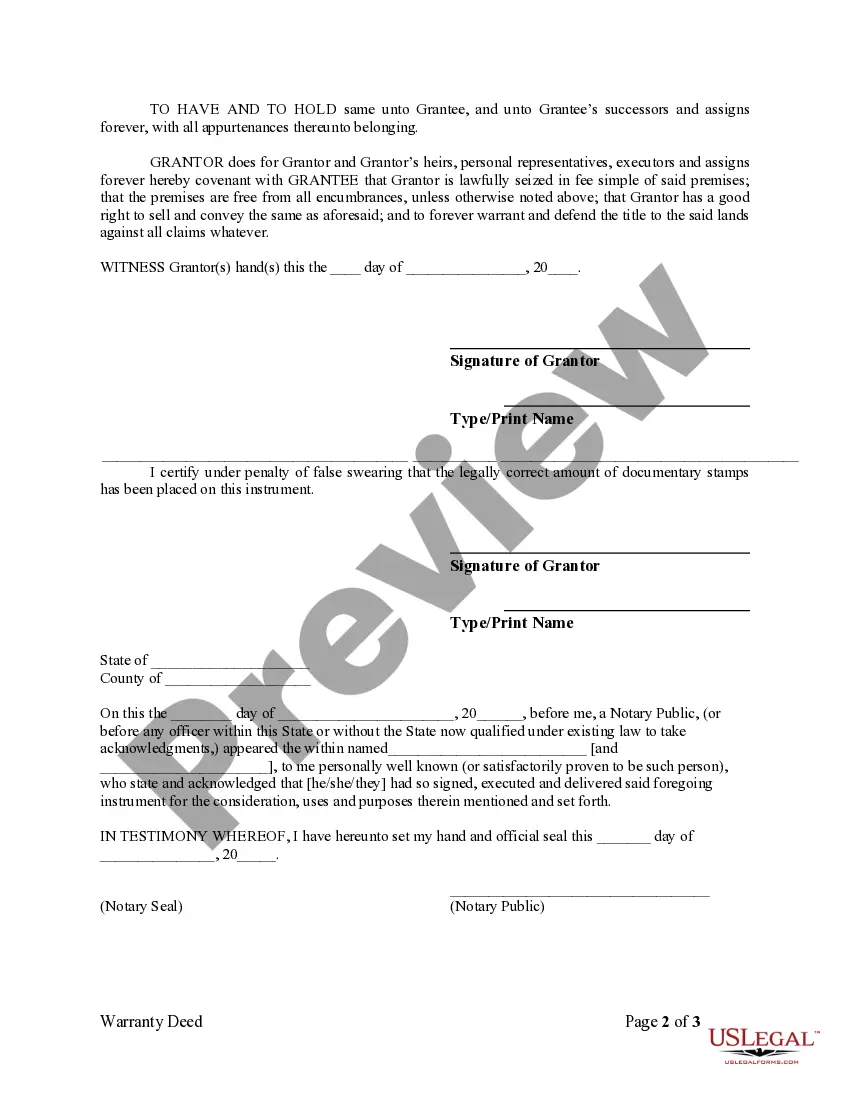
- Covenant ensuring the grantor is lawfully seized of the property.
- Signatures of the grantor and a notary public.





Situations where this form applies
This form is typically used when an individual wishes to transfer property into a trust for purposes such as estate planning, asset protection, or managing property for beneficiaries. It is particularly useful when the grantor wants to ensure the property is managed according to trust terms and maintained as part of the grantor's overall estate plan.
Who can use this document
This form is intended for:
- Individuals wishing to transfer their real property into a trust.
- Trustees managing the assets of a trust on behalf of beneficiaries.
- Estate planners and financial advisors assisting clients with property transfers.
How to complete this form
- Identify and include the full names of the grantor and the trust as the grantee.
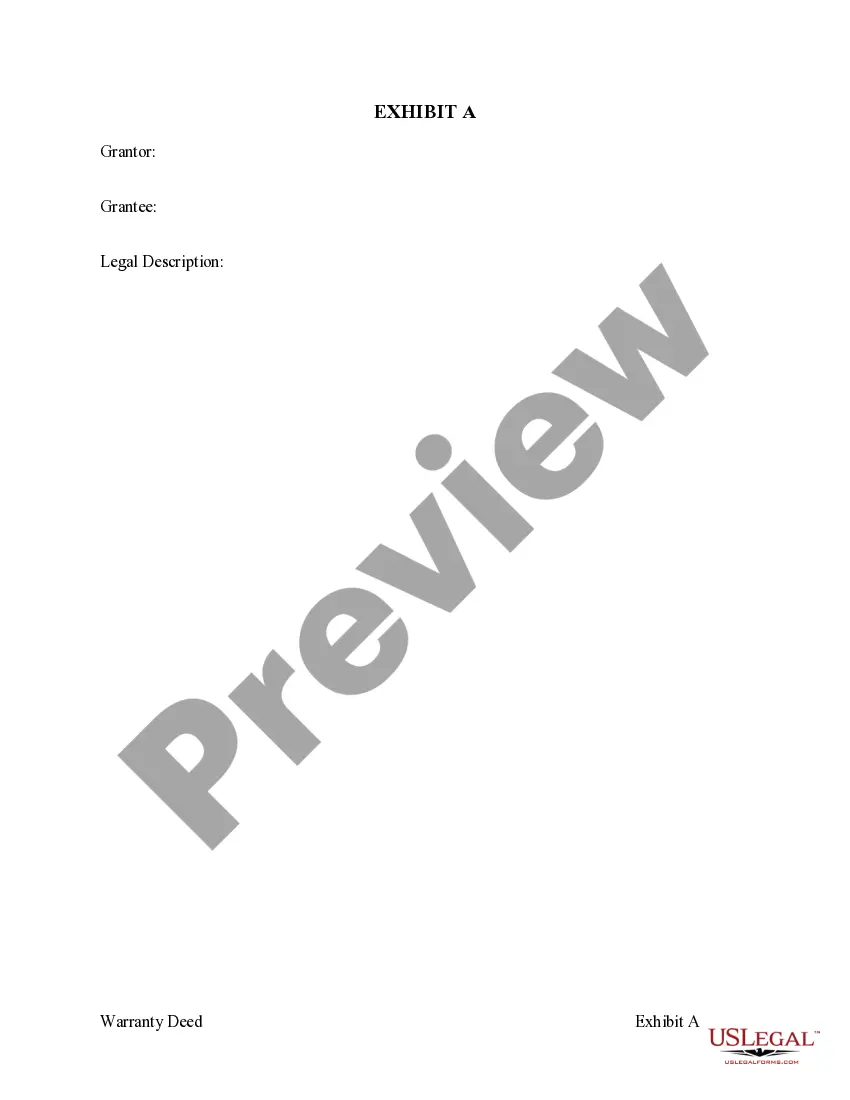
- Clearly describe the property being transferred, including its legal description.
- Specify any reservations, such as rights to oil, gas, and minerals.
- Sign the deed in the presence of a notary public.
- Ensure the date of signing and all required witness information is filled in accurately.
Notarization requirements for this form
Yes, this form must be notarized to be legally valid. Proper notarization ensures that the identities of the signing parties are verified, adding an important layer of protection against fraud. US Legal Forms offers integrated online notarization services, allowing you to complete this process securely and conveniently from anywhere at any time.
Get your form ready online
Our built-in tools help you complete, sign, share, and store your documents in one place.
Make edits, fill in missing information, and update formatting in US Legal Forms—just like you would in MS Word.
Download a copy, print it, send it by email, or mail it via USPS—whatever works best for your next step.
Sign and collect signatures with our SignNow integration. Send to multiple recipients, set reminders, and more. Go Premium to unlock E-Sign.
If this form requires notarization, complete it online through a secure video call—no need to meet a notary in person or wait for an appointment.
We protect your documents and personal data by following strict security and privacy standards.
Make edits, fill in missing information, and update formatting in US Legal Forms—just like you would in MS Word.
Download a copy, print it, send it by email, or mail it via USPS—whatever works best for your next step.
Sign and collect signatures with our SignNow integration. Send to multiple recipients, set reminders, and more. Go Premium to unlock E-Sign.

If this form requires notarization, complete it online through a secure video call—no need to meet a notary in person or wait for an appointment.

We protect your documents and personal data by following strict security and privacy standards.
Common mistakes
- Failing to include the complete legal description of the property.
- Not specifying any encumbrances or reservations clearly.
- Omitting signatures or failing to notarize the document.
- Incorrectly identifying the trust or the grantor before transferring property.
Benefits of completing this form online
- Convenient access to legal documents anytime and anywhere.
- Easy to edit and customize based on your specific needs.
- Assurance that forms are drafted by licensed attorneys who understand legal standards.
Key takeaways
- A Warranty Deed from Individual to a Trust transfers real property into a trust with legal protections.
- This form should be signed in front of a notary public to ensure its validity.
- Understanding and specifying reserved rights, such as mineral rights, is crucial.
- It is essential to properly identify all parties involved in the transaction.
Looking for another form?

Form popularity
FAQ
In Arkansas, it is not mandatory for an attorney to prepare a deed; however, consulting one is highly recommended. An attorney can ensure that your Arkansas Warranty Deed from Individual to a Trust complies with all legal requirements, protecting you from future issues. While many individuals manage the process independently, having professional guidance can provide peace of mind and clarity.
The easiest way to transfer ownership of a house often involves using an Arkansas Warranty Deed from Individual to a Trust. This process allows for a straightforward and legally recognized transfer of ownership. You can simplify this process by using platforms like uslegalforms, which guide you in creating the necessary legal documents efficiently.
Transferring a property title to a family member in Arkansas typically involves completing a warranty deed, such as an Arkansas Warranty Deed from Individual to a Trust. This deed must be signed by the current owner and should clearly state the recipient's details. Once completed, you will need to file this deed with your county clerk to finalize the transfer.
To record a warranty deed in Arkansas, you need to go to your local county clerk's office. First, ensure that the deed is properly completed and signed. You will then submit the deed along with any required fees. Remember, for transactions involving an Arkansas Warranty Deed from Individual to a Trust, clear documentation is vital to prevent future disputes.
Transferring assets into a trust generally starts with identifying the assets you want to include. You need to execute the appropriate legal documents, such as an Arkansas Warranty Deed from Individual to a Trust for real estate. This action legally changes ownership, making the trust the new owner of the assets. After doing this, you should ensure that all relevant documents are updated to reflect the trust ownership.
Putting a house in a trust in Arkansas involves several steps. First, draft a trust agreement that specifies your intentions and the trust's beneficiaries. Following that, you must prepare an Arkansas Warranty Deed from Individual to a Trust to transfer the property. Once the deed is signed and recorded, your house will be held in trust, providing you with various benefits.
To put your house in a trust in Arkansas, start by creating a trust document. This document outlines the terms of the trust and names the trustee who will manage the property. Next, you will need to execute an Arkansas Warranty Deed from Individual to a Trust, transferring ownership of the house. Finally, record the deed with the county clerk's office to make the transfer official.
Yes, a warranty deed can be transferred from one party to another. When you execute an Arkansas Warranty Deed from Individual to a Trust, you are effectively transferring ownership rights, which includes the responsibility for any related obligations. It’s important to follow the legal procedures for such transfers to ensure all parties have the proper documentation. If you need assistance with this process, consider using platforms like uslegalforms to guide you through the necessary steps.
Transferring accounts to a trust begins by contacting your financial institutions to inform them of your trust. You will likely need to provide the trust documents to establish the trust's authority. Each institution may have different procedures, but generally, this process involves changing the account title to include the trust, securing your investments for future management under the trust's terms.
Assets are moved into a trust through a process known as funding the trust. This involves transferring titles and ownership documents to reflect the trust as the new owner. For real property, this often means executing deeds, such as an Arkansas Warranty Deed from Individual to a Trust, and updating accounts to list the trust as the registrant. It’s crucial to follow these steps to ensure that all assets are managed per the trust's terms.