Alabama Owner's or Seller's Affidavit of No Liens
What is this form?
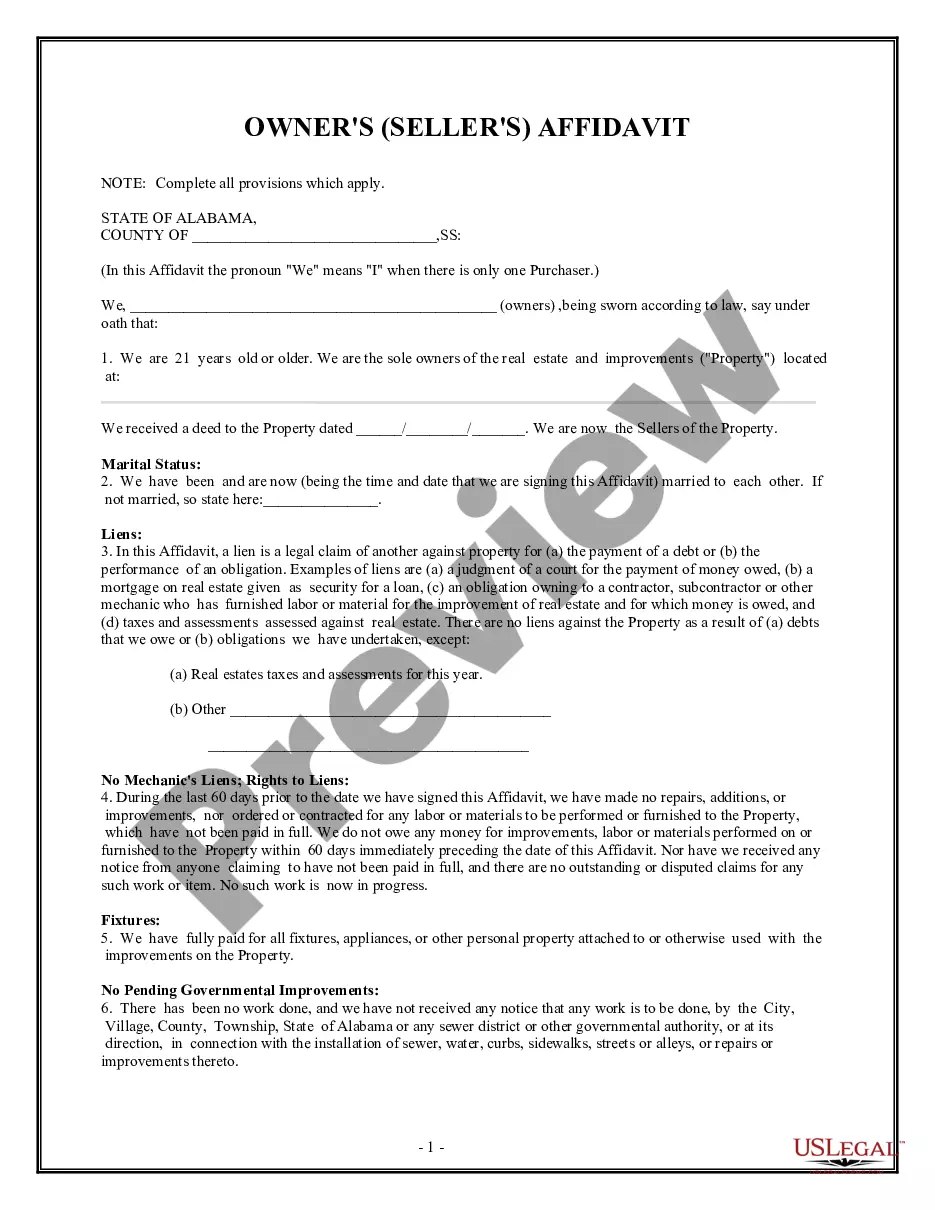
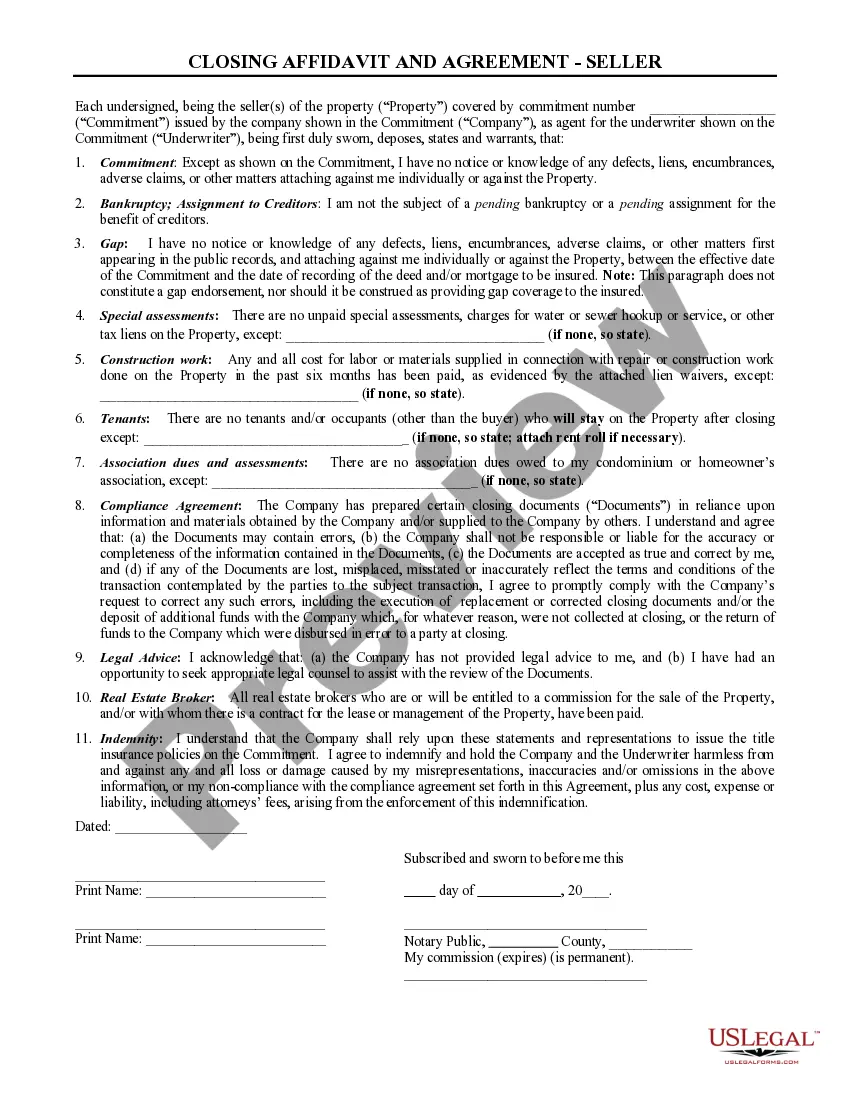
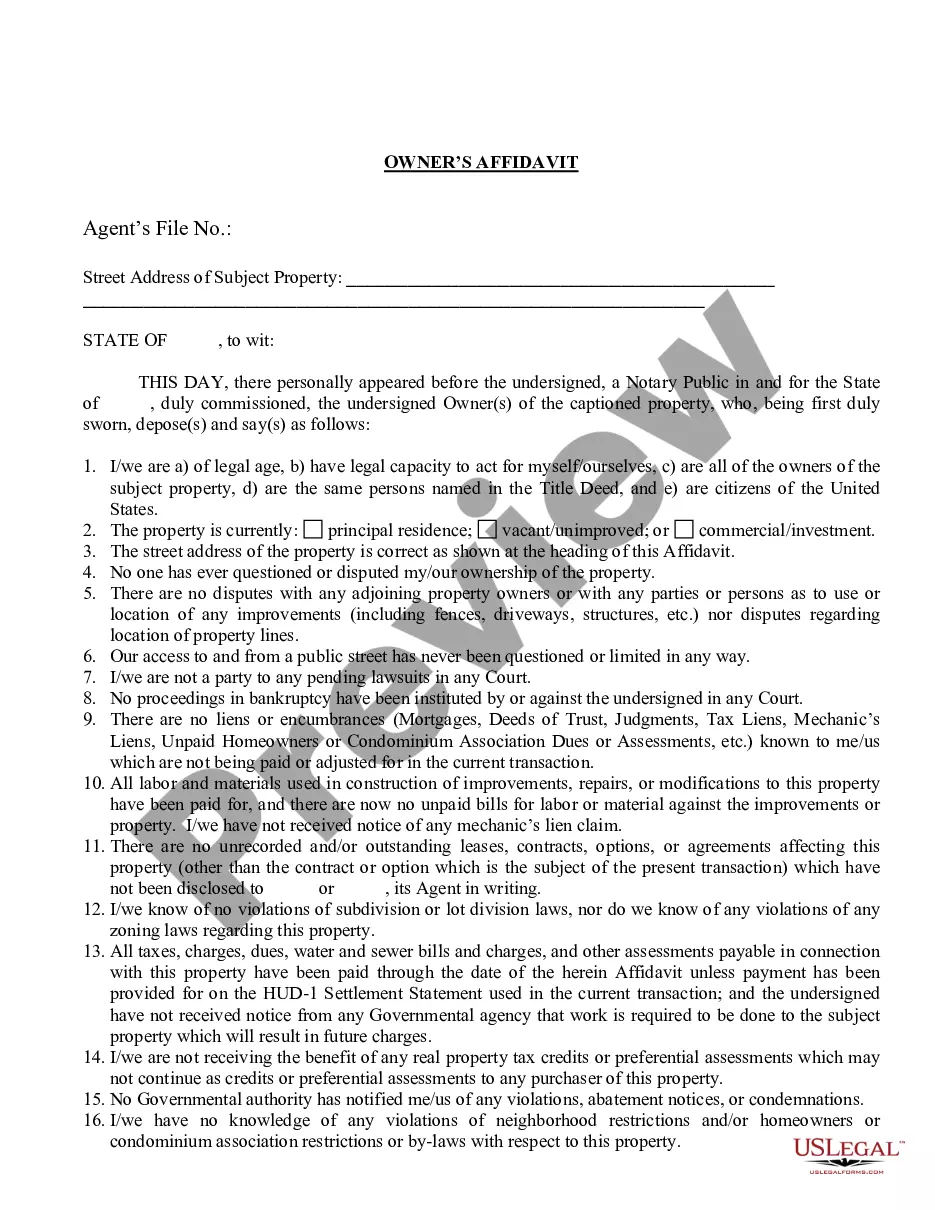
The Owner's Affidavit of No Liens is a legal document used by sellers to confirm that the property they are selling is free from any liens. This affidavit serves to assure the buyer and involved lenders that no debts or claims exist against the property, ensuring a clear title. By completing this form, sellers communicate essential details about the propertyâs status and help facilitate a smooth closing process.
Form components explained
- Seller's information, including names and marital status.
- Property description and ownership certification.
- Disclosure of any existing liens or obligations related to the property.
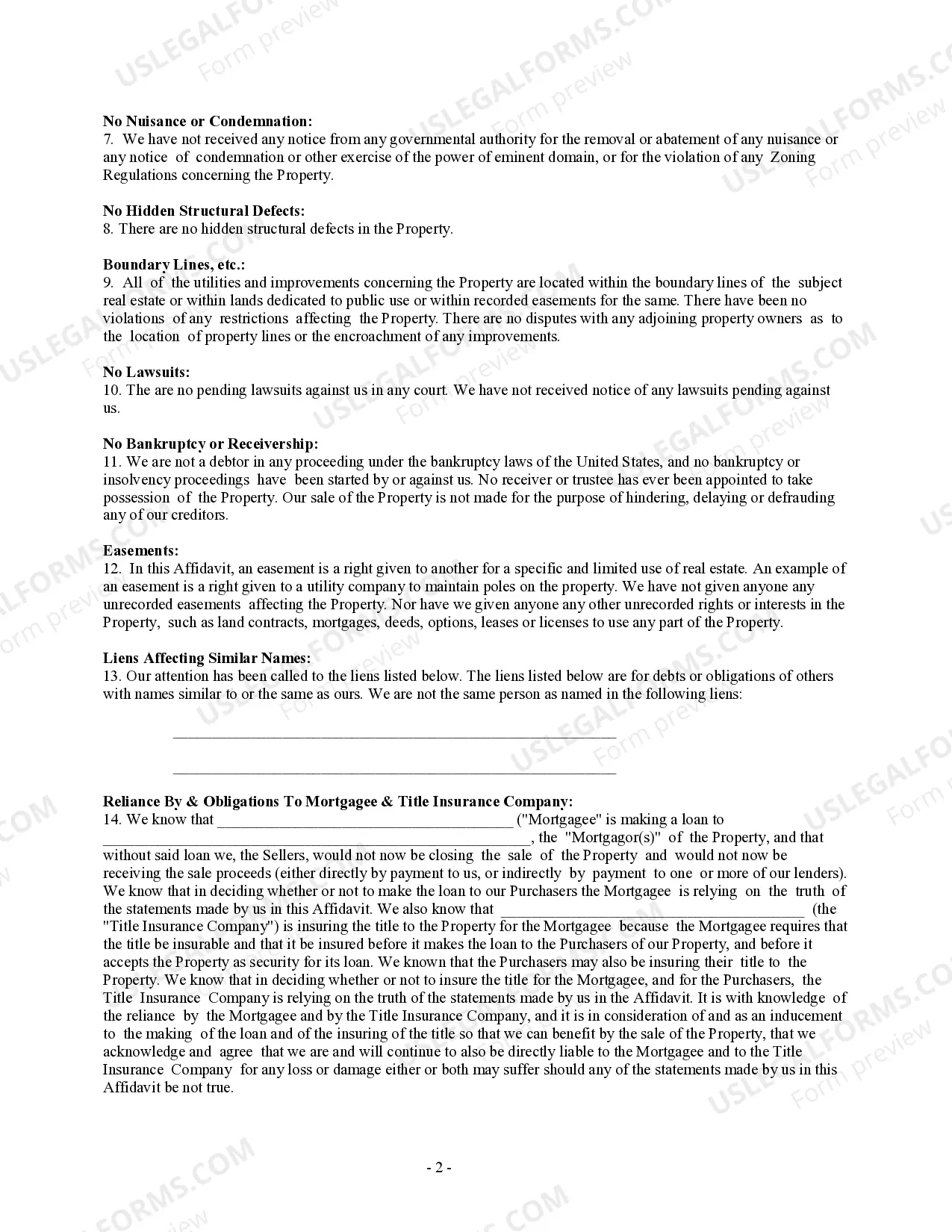
- Confirmation that no mechanic liens or pending lawsuits are associated with the property.
- Assurance of the absence of hidden structural defects or disputes with neighboring property owners.
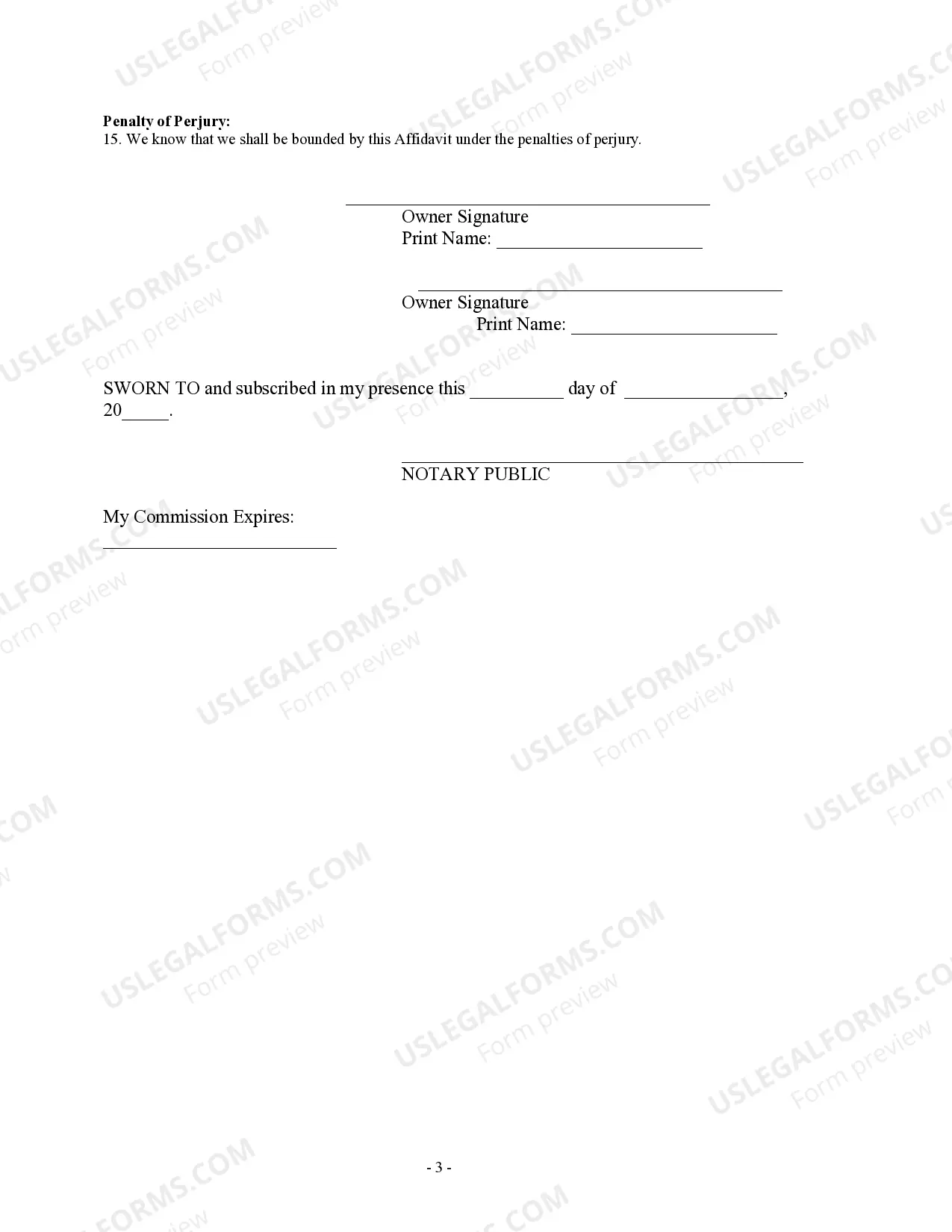
- Notarization section to validate the affidavit.

Common use cases
This form is used during real estate transactions, primarily at the closing stage. Sellers should use the Owner's Affidavit of No Liens when they are preparing to finalize the sale of their property. It is especially important if the buyer is obtaining financing, as lenders will require confirmation that the property is free from liens or other claims that could affect their security interest.
Who this form is for
- Individuals selling real estate directly to a buyer.
- Homeowners who have owned their property without any applicable liens or claims.
- Married couples selling property they own together.
Completing this form step by step
- Identify all parties involved, including sellers and property owners.
- Provide detailed information about the property being sold, including its legal description.
- Confirm that you are not aware of any existing liens by reviewing your financial obligations.
- Sign the affidavit in the presence of a notary public to validate it.
- Store the notarized affidavit with your closing documents for reference.
Notarization requirements for this form
Notarization is required for this form to take effect. Our online notarization service, powered by Notarize, lets you verify and sign documents remotely through an encrypted video session, available 24/7.
Get your form ready online
Our built-in tools help you complete, sign, share, and store your documents in one place.
Make edits, fill in missing information, and update formatting in US Legal Forms—just like you would in MS Word.
Download a copy, print it, send it by email, or mail it via USPS—whatever works best for your next step.
Sign and collect signatures with our SignNow integration. Send to multiple recipients, set reminders, and more. Go Premium to unlock E-Sign.
If this form requires notarization, complete it online through a secure video call—no need to meet a notary in person or wait for an appointment.
We protect your documents and personal data by following strict security and privacy standards.
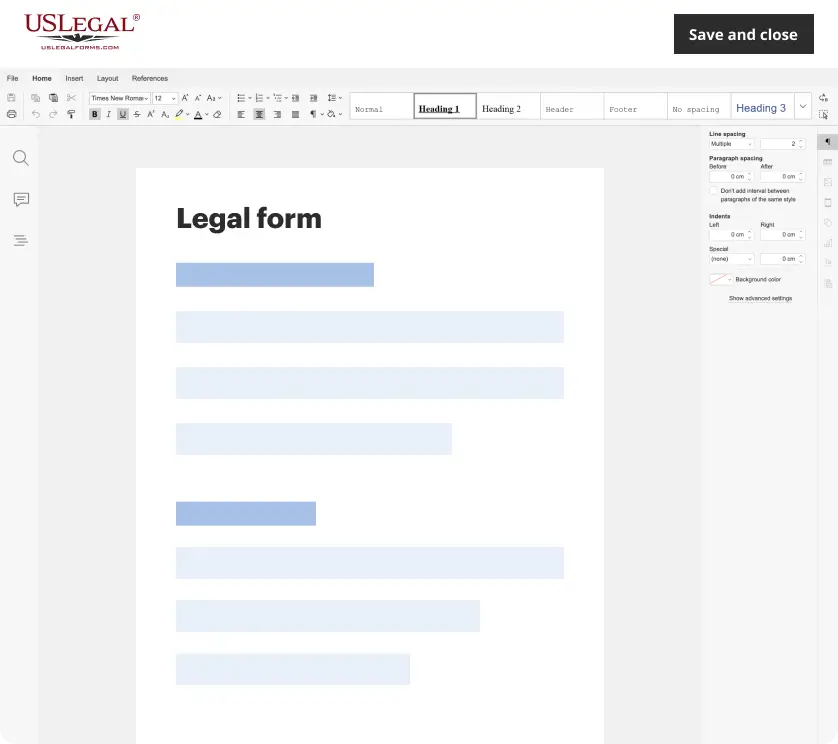
Make edits, fill in missing information, and update formatting in US Legal Forms—just like you would in MS Word.
Download a copy, print it, send it by email, or mail it via USPS—whatever works best for your next step.
Sign and collect signatures with our SignNow integration. Send to multiple recipients, set reminders, and more. Go Premium to unlock E-Sign.

If this form requires notarization, complete it online through a secure video call—no need to meet a notary in person or wait for an appointment.
We protect your documents and personal data by following strict security and privacy standards.
Common mistakes
- Failing to accurately disclose existing liens or obligations.
- Not having the document notarized, if required.
- Omitting important details about the property description or ownership.
Benefits of completing this form online
- Convenient access to a legally vetted template that saves time.
- Editability allows customization for specific seller needs.
- Ensures compliance with current legal standards to minimize risks.
Legal use & context
- This affidavit serves as an assurance for the buyer and lender about the propertyâs status.
- It legally binds the seller to the truthfulness of the statements made under penalty of perjury.
- The document aids in clear title transfer and can alleviate potential disputes post-sale.
Summary of main points
- The Owner's Affidavit of No Liens certifies that a property is free of liens.
- This form is critical for smooth real estate transactions to assure all parties involved.
- Notarization is necessary to validate the document.
Looking for another form?
Form popularity
FAQ
A simple estate with just a few, easy-to-find assets may be all wrapped up in six to eight months. A more complicated affair may take three years or more to fully settle.
By Stephanie Kurose, J.D. Closing a person's estate after they die can often be a long, detailed process. This includes paying off debts, filing final tax returns, and, finally, distributing the estate's assets according to the wishes of the deceased.
Notify all creditors. File tax returns and pay final taxes. File the final accounting with the probate court. Distribute remaining assets to beneficiaries. File a closing statement with the court.
If an estate is not properly probated and closed in a timely manner, there may be a number of consequences that can jeopardize the estate: The statute of limitations for creditors' claims is extended. Assets may lose value or be lost altogether. The state may claim the assets.
When the Estate Closes An executor cannot simply gather assets, pay bills and expenses and then distribute the remaining assets to the beneficiaries. She needs court approval for closing the estate, and in most states, this involves giving a full accounting of everything on which she spent money.
If an estate is not properly probated and closed in a timely manner, there may be a number of consequences that can jeopardize the estate: The statute of limitations for creditors' claims is extended. Assets may lose value or be lost altogether. The state may claim the assets.
File the Will and Probate Petition. Secure Personal Property. Appraise and Insure Valuable Assets. Cancel Personal Accounts. Determine Cash Needs. Remove Estate Tax Lien. Determine Location of Assets and Secure "Date of Death Values" Submit Probate Inventory.
Closing the bank account typically is the last step after the court or beneficiaries have approved the executor's accounting and the estate is ready to close. There may be a few final bills requiring payment, such as compensation to the executor for her services.
An executor acts until the estate administration is completed or if they resign, die or are removed for cause.
If no one moves to open or settle an estate, all assets in the estate could be lost, instead of being distributed to loved ones or other beneficiaries. Probate is not an automatic process. When a loved one dies, a family member or other interested party must petition the probate court to open an estate.