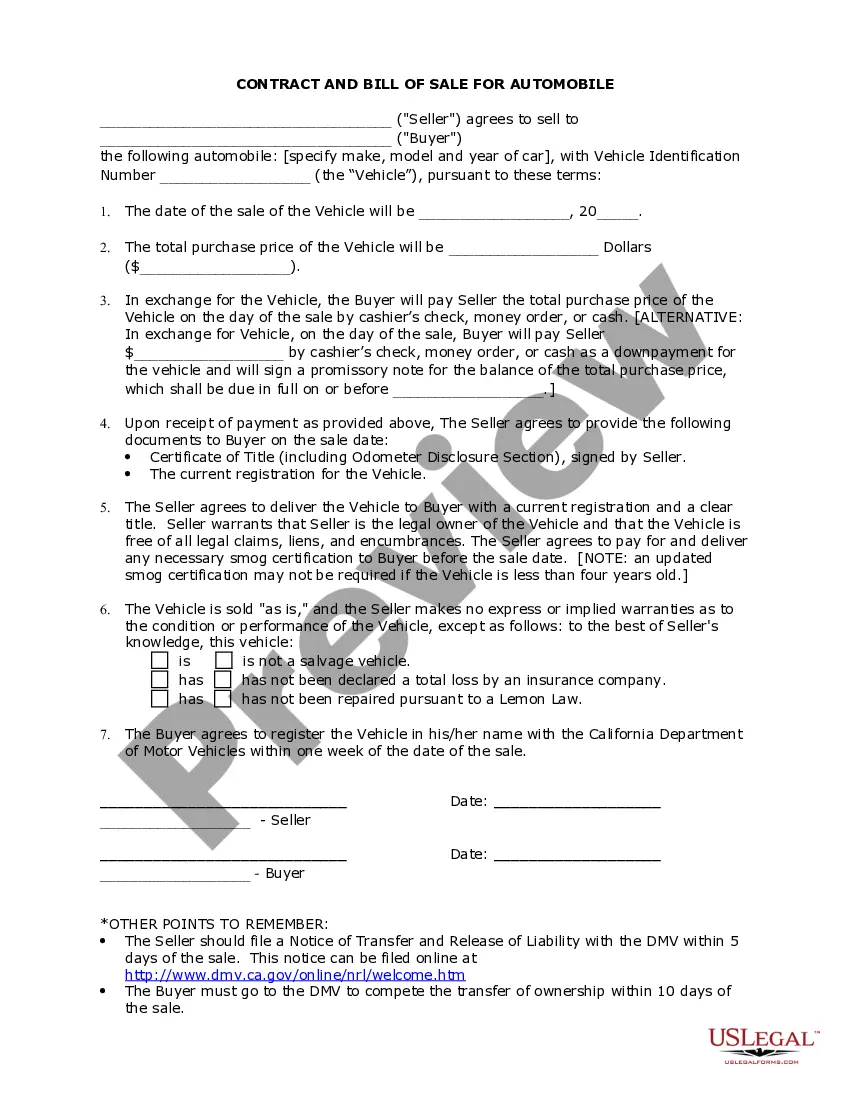
Alaska Landlord Tenant Sublease Package
What this form package covers
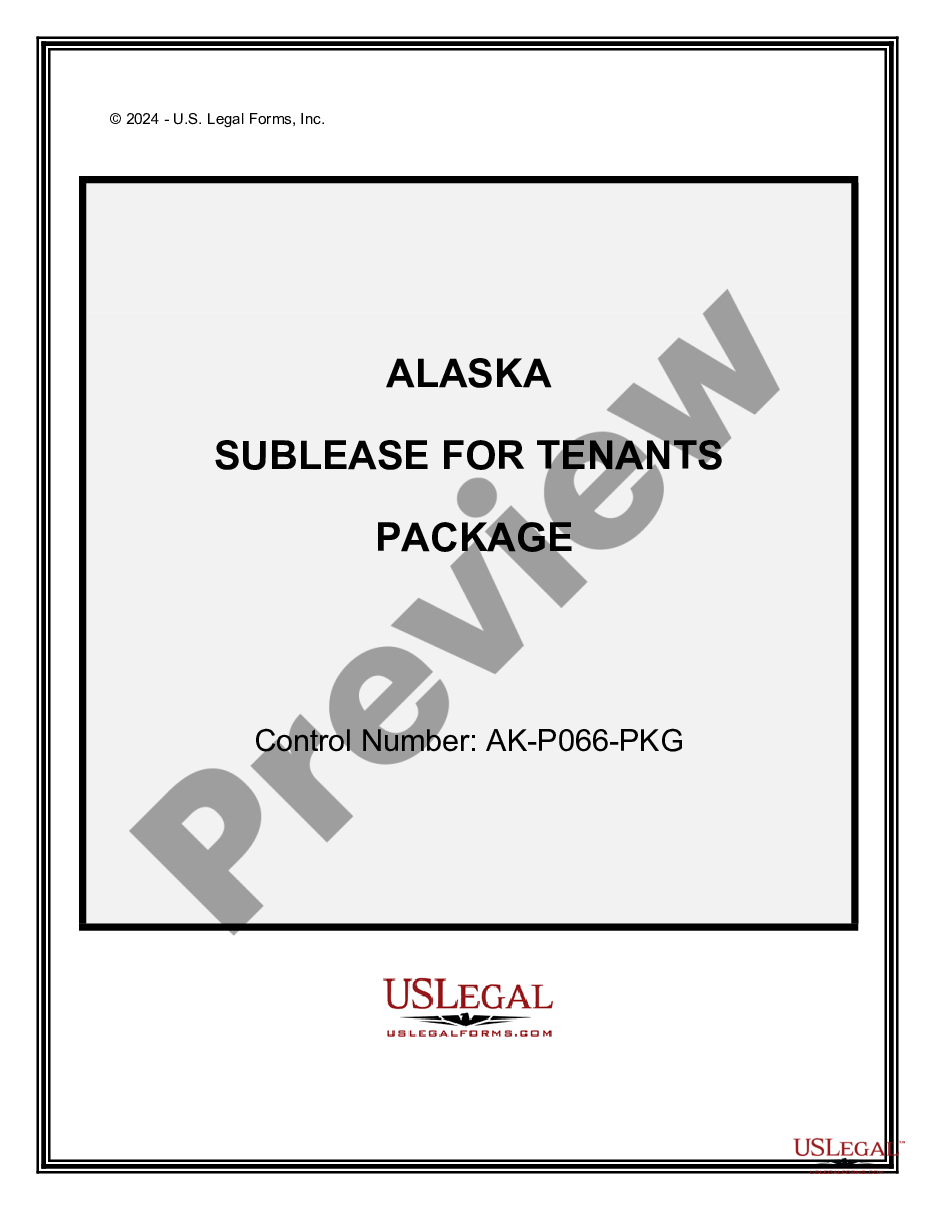
The Alaska Landlord Tenant Sublease Package provides essential legal documents to facilitate the subleasing process. This package is tailored to meet the needs of landlords, tenants, and subtenants, addressing the legal issues that can arise during a sublease. Unlike other form packages, it specifically includes state-specific documents that are vital for ensuring compliance with Alaska's rental laws.
Forms you’ll find in this package
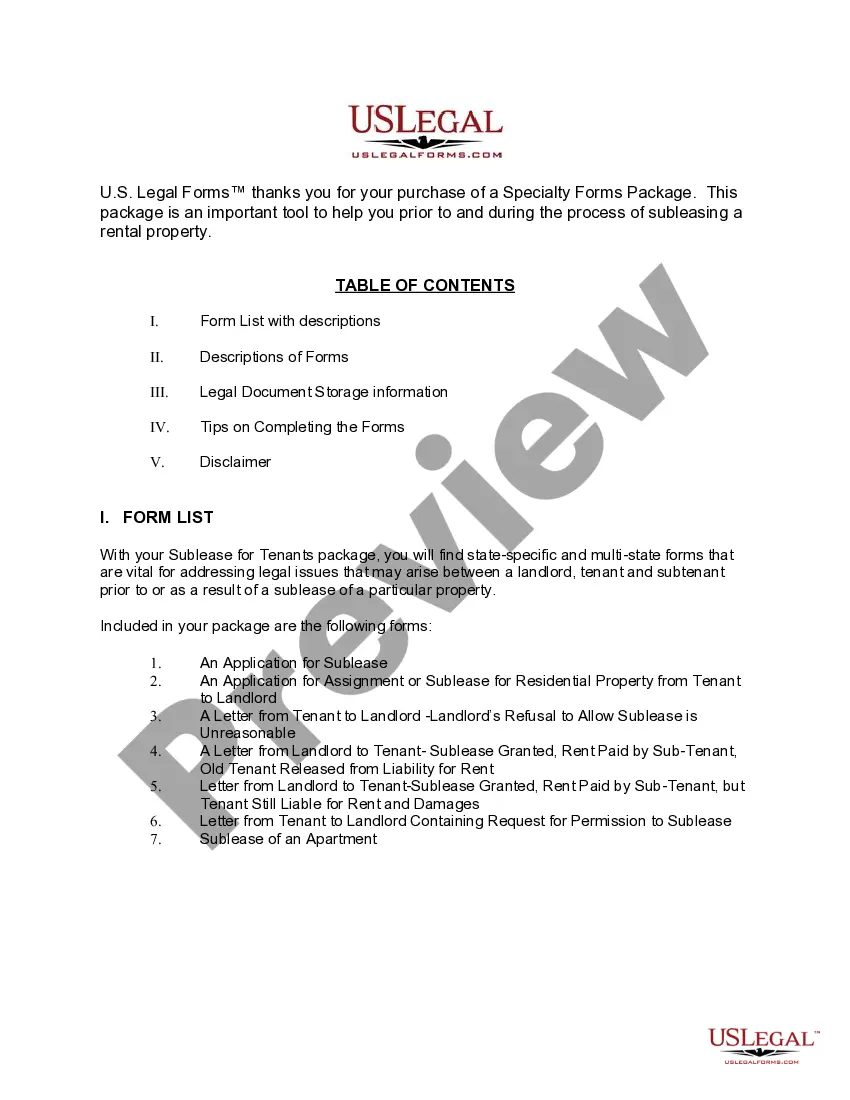
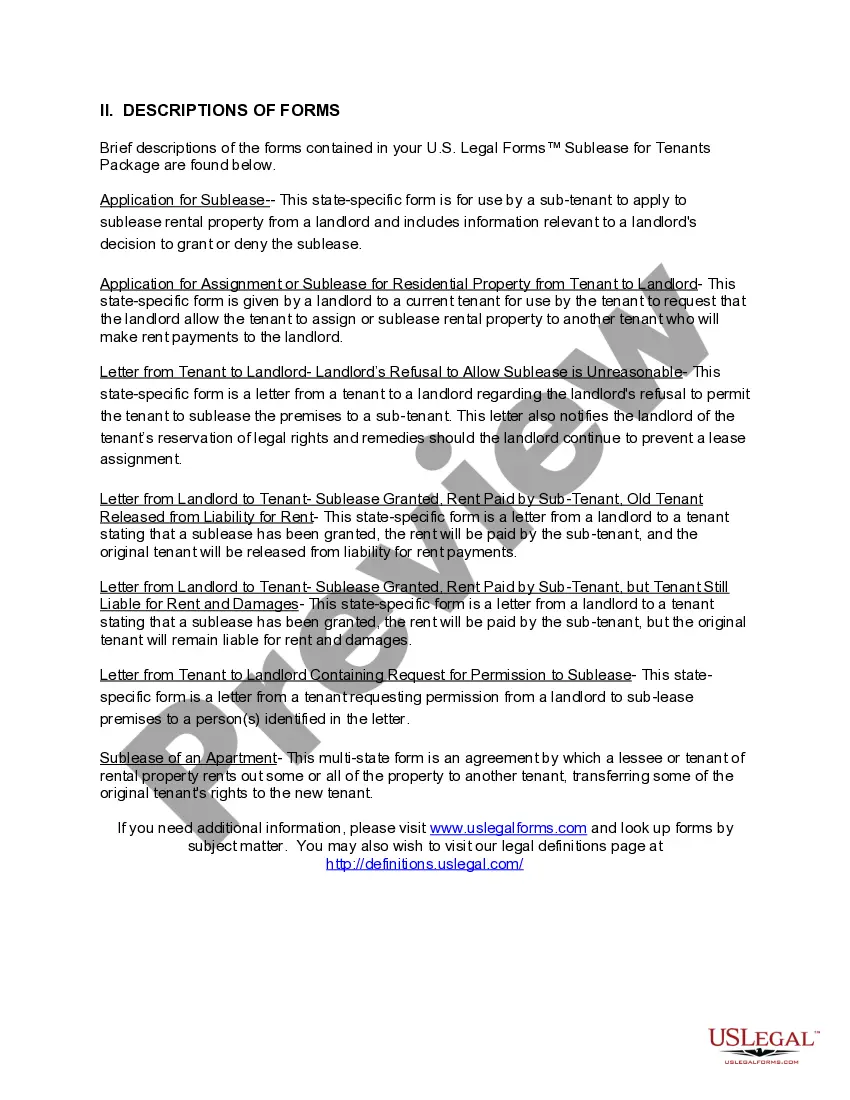
- Letter from Tenant to Landlord containing Request for permission to sublease
- Letter from Landlord to Tenant that Sublease granted - Rent Paid by Subtenant, but Tenant Still Liable for Rent and Damages
- Letter from Landlord to Tenant that Sublease granted - Rent Paid by Subtenant, Old Tenant Released from Liability for Rent
- Letter from Tenant to Landlord about Landlord's refusal to allow sublease is unreasonable
- Application for Assignment or SubLease for Residential property from Tenant to Landlord
- Application for Sublease
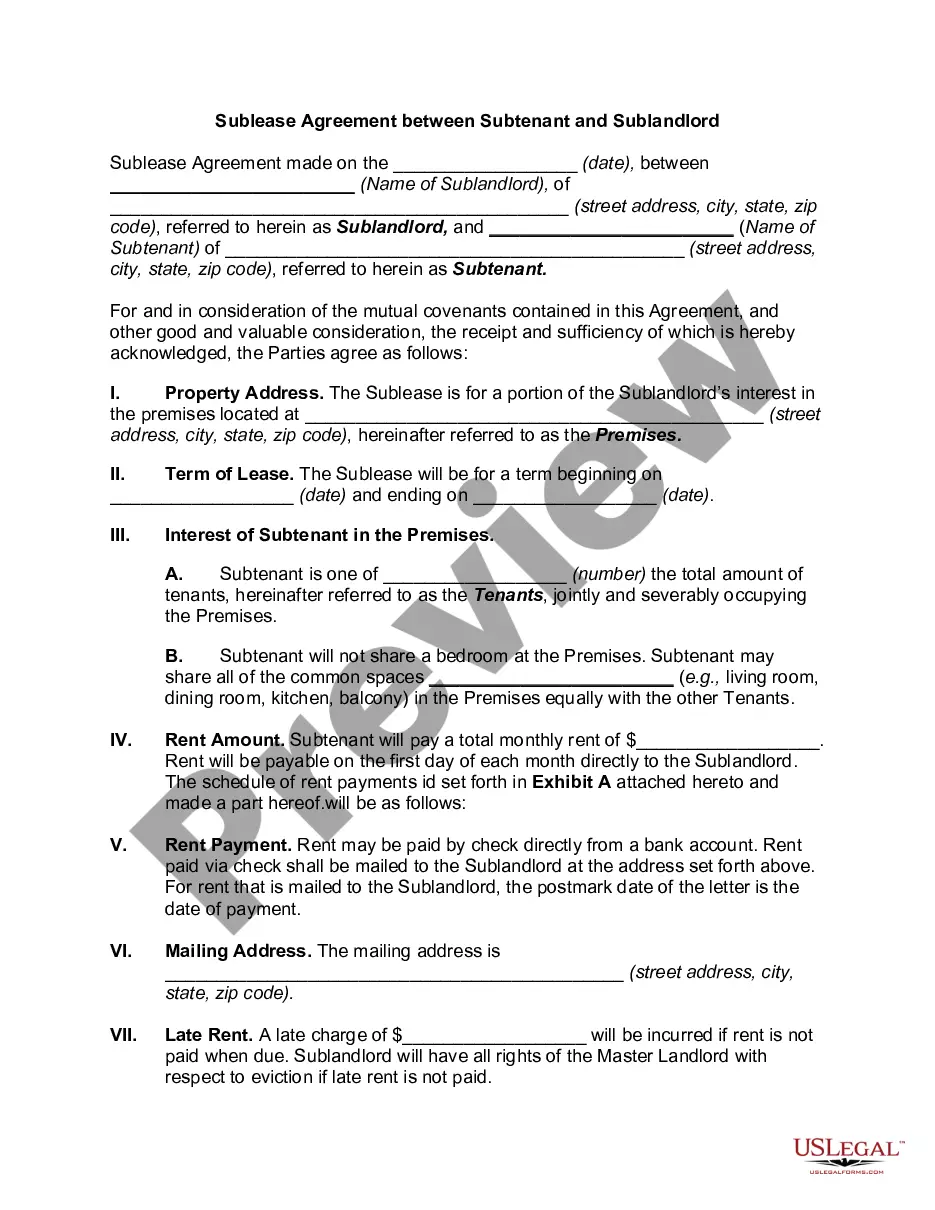
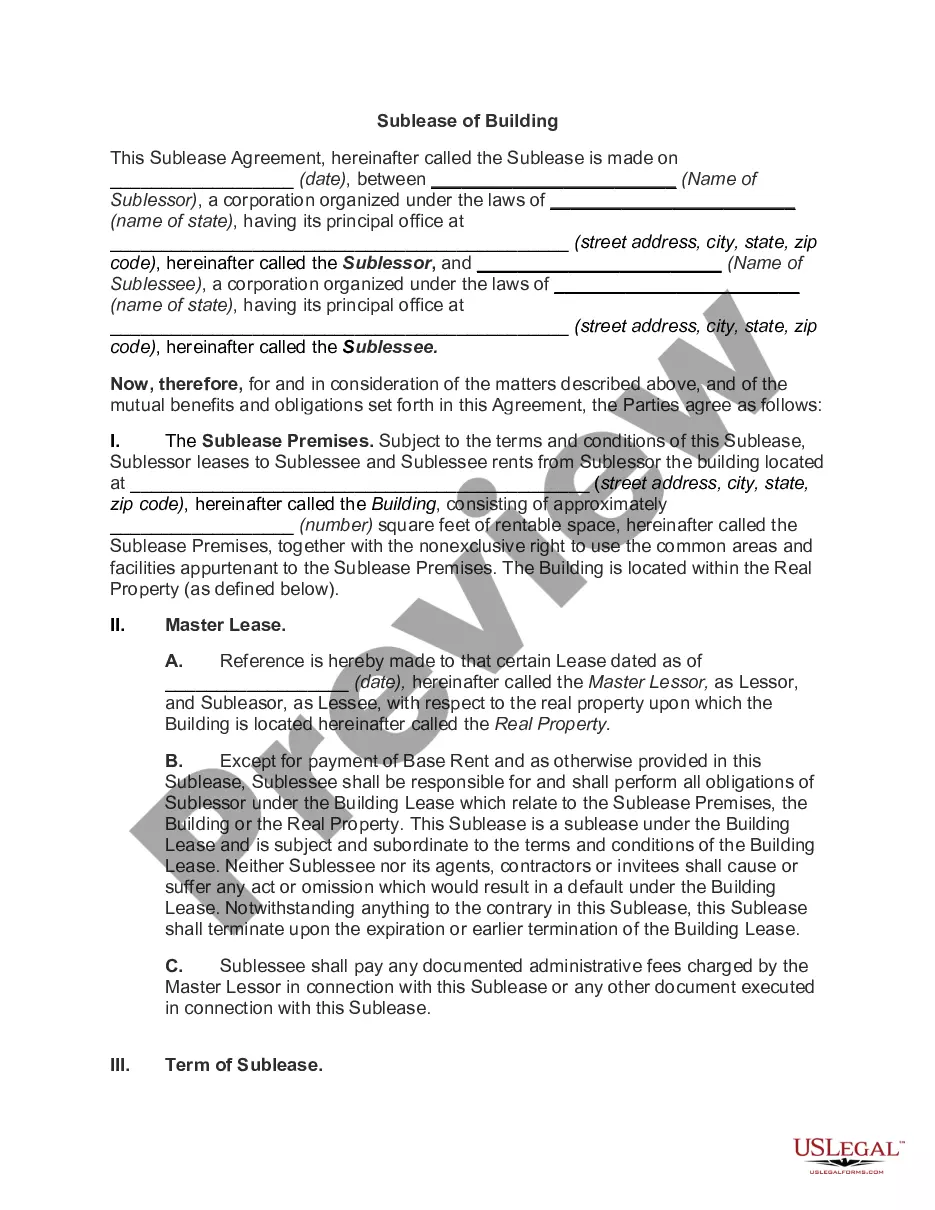
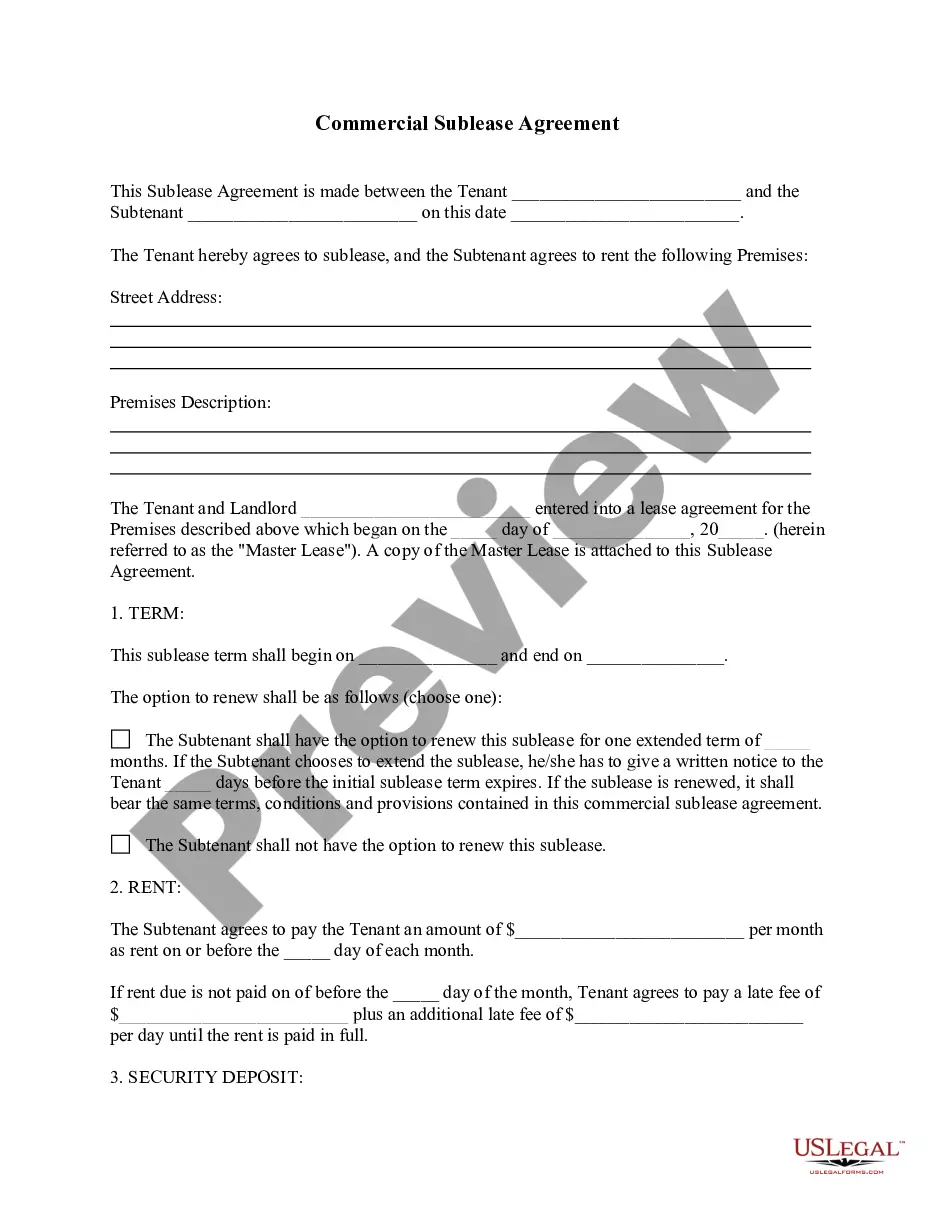
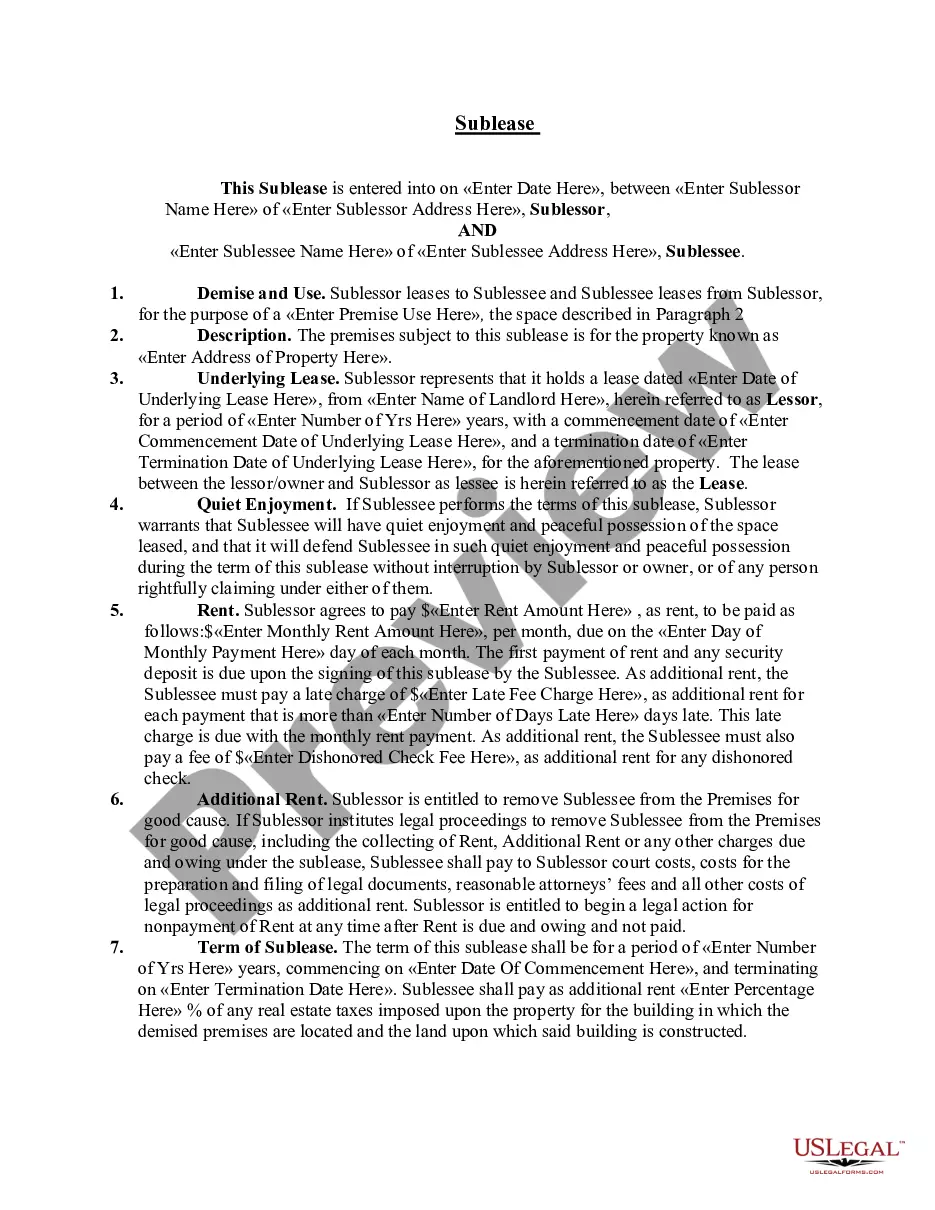
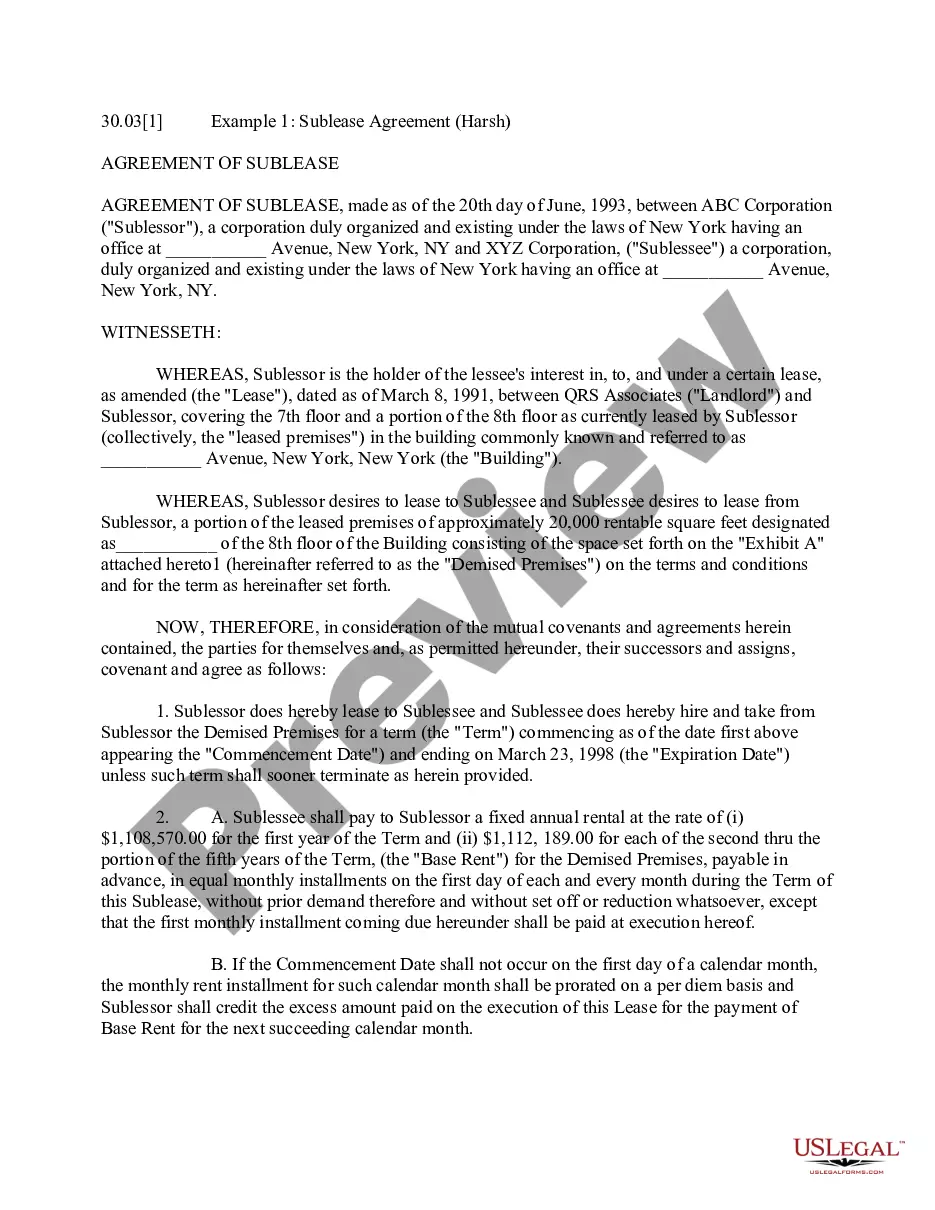
- Sublease of an Apartment - Real Estate Rental
When this form package is needed
This package is useful in various scenarios, including:
- When a tenant wants to sublease their rental apartment to someone else.
- When a landlord needs formal documents to approve or refuse a sublease request.
- When a situation arises requiring clarity on tenant and landlord rights regarding subleasing.
- When a tenant or landlord wishes to document agreements and communications related to the sublease.
Who needs this form package
- Tenants seeking to sublease their rental property.
- Landlords who need to manage sublease requests from their tenants.
- Subtenants looking for formal agreements to secure their rental arrangement.
- Individuals unfamiliar with subleasing laws in Alaska but needing to navigate the process effectively.
Completing these forms step by step
- Review all included forms carefully to understand your rights and responsibilities.
- Identify the parties involved in the sublease: the original tenant, subtenant, and landlord.
- Fill out the required forms, providing all relevant details such as dates, rent amounts, and contact information.
- Gather any necessary documentation to support your application for subleasing.
- Send completed forms to the landlord for approval and retain copies for your records.
Do documents in this package require notarization?
Notarization is not commonly needed for forms in this package. However, if your state’s laws require it, our notarization service, powered by Notarize, allows you to finalize documents online 24/7 without in-person visits.
Get your form ready online
Our built-in tools help you complete, sign, share, and store your documents in one place.
Make edits, fill in missing information, and update formatting in US Legal Forms—just like you would in MS Word.
Download a copy, print it, send it by email, or mail it via USPS—whatever works best for your next step.
Sign and collect signatures with our SignNow integration. Send to multiple recipients, set reminders, and more. Go Premium to unlock E-Sign.
If this form requires notarization, complete it online through a secure video call—no need to meet a notary in person or wait for an appointment.
We protect your documents and personal data by following strict security and privacy standards.

Make edits, fill in missing information, and update formatting in US Legal Forms—just like you would in MS Word.

Download a copy, print it, send it by email, or mail it via USPS—whatever works best for your next step.

Sign and collect signatures with our SignNow integration. Send to multiple recipients, set reminders, and more. Go Premium to unlock E-Sign.

If this form requires notarization, complete it online through a secure video call—no need to meet a notary in person or wait for an appointment.

We protect your documents and personal data by following strict security and privacy standards.
Common mistakes to avoid
- Failing to get written approval from the landlord before subleasing.
- Leaving out important information on sublease forms, which can lead to legal complications.
- Not understanding the responsibilities that remain with the original tenant after subleasing.
- Overlooking local laws regarding rent payments and liability in a sublease agreement.
Advantages of online completion
- Convenience: Download and complete forms at your own pace.
- Editability: Forms can be filled out digitally for clarity.
- Reliability: Each document is drafted by licensed attorneys to meet legal standards.
Quick recap
- This form package facilitates the subleasing process between landlords, tenants, and subtenants in Alaska.
- It includes essential documents to streamline legal compliance.
- Proper completion and storage of these forms can prevent future legal disputes.
Looking for another form?



Form popularity
FAQ
When there is no lease agreement (like in the case of weekly rentals), you can instead use the Alaska Notice to Vacate to inform the other party in advance that you wish to end the tenancy agreement and vacate the premises.
If a court finds you guilty of the first offence of unlawful subletting, you can be fined in the magistrates' court.At the magistrates' court, you can get up to six months in prison or a fine, or both. At the Crown Court the maximum penalty is imprisonment for two years or a fine, or both.
Give as much notice to your landlord as you can. Show prospective tenants around while you're still there and sell the place hard. Try to find replacement tenants yourself.
The landlord cannot unreasonably refuse to give consent. Usually, the only reason the landlord can refuse consent is if the sub-tenancy would result in overcrowding of the premises or a breach of the tenancy agreement with the head-tenant.
Why Is Subletting Not Allowed At Some Properties? The most common reason for not allowing subletting at a property is the increased risk of financial loss, property damage, or misleading tenants. Adding more tenants or switching tenants through a sublease during a tenancy adds work and risk for the landlord.
The landlord cannot refuse the assignment or sublet unless there is a good reason, such as the proposed tenant's inability to pay the rent or problematic behavior of this tenant. This is the case no matter what your lease or the building rules say.
If a tenant is subletting without consent, it's likely they will have broken terms in their tenancy agreement. This breach of contract means that the landlord can take action to evict them from their home. Possession proceedings can be started quickly, but it's important to follow the correct legal process.
A subtenant is not a cotenant and does not have a direct relationship with your landlord. As their landlord, you can (and should) require them to pay rent directly to you and evict them if they fail to follow through. This differs from a cotenant, who can be evicted only by your landlord.
A sublease is a legally binding contract made between a tenant and a new tenant (also known as a subtenant or a sublessee).Usually, the first tenant must get consent from the landlord before he/she is allowed to sublease the premises.