Alaska General Durable Power of Attorney for Property and Finances or Financial Effective Immediately
What this document covers
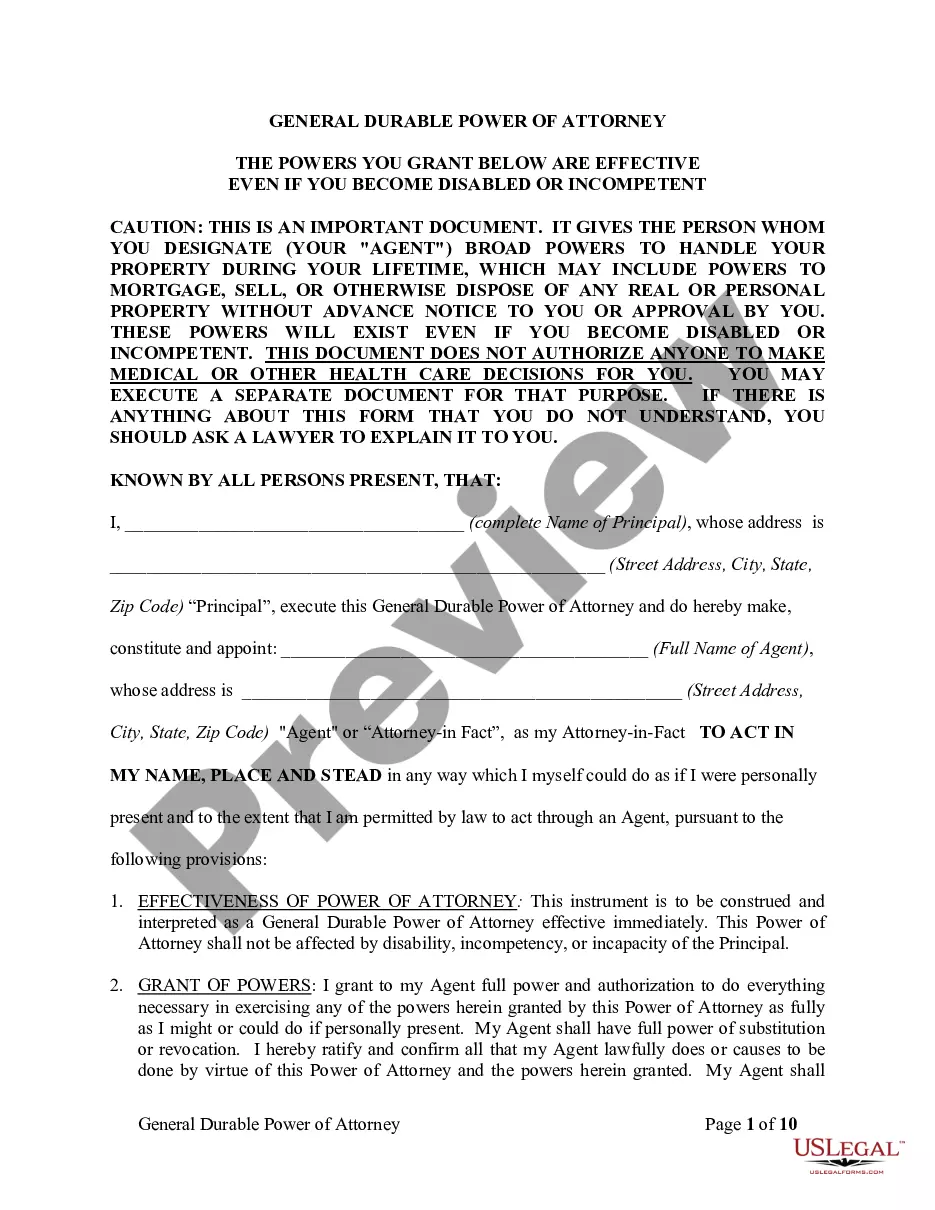
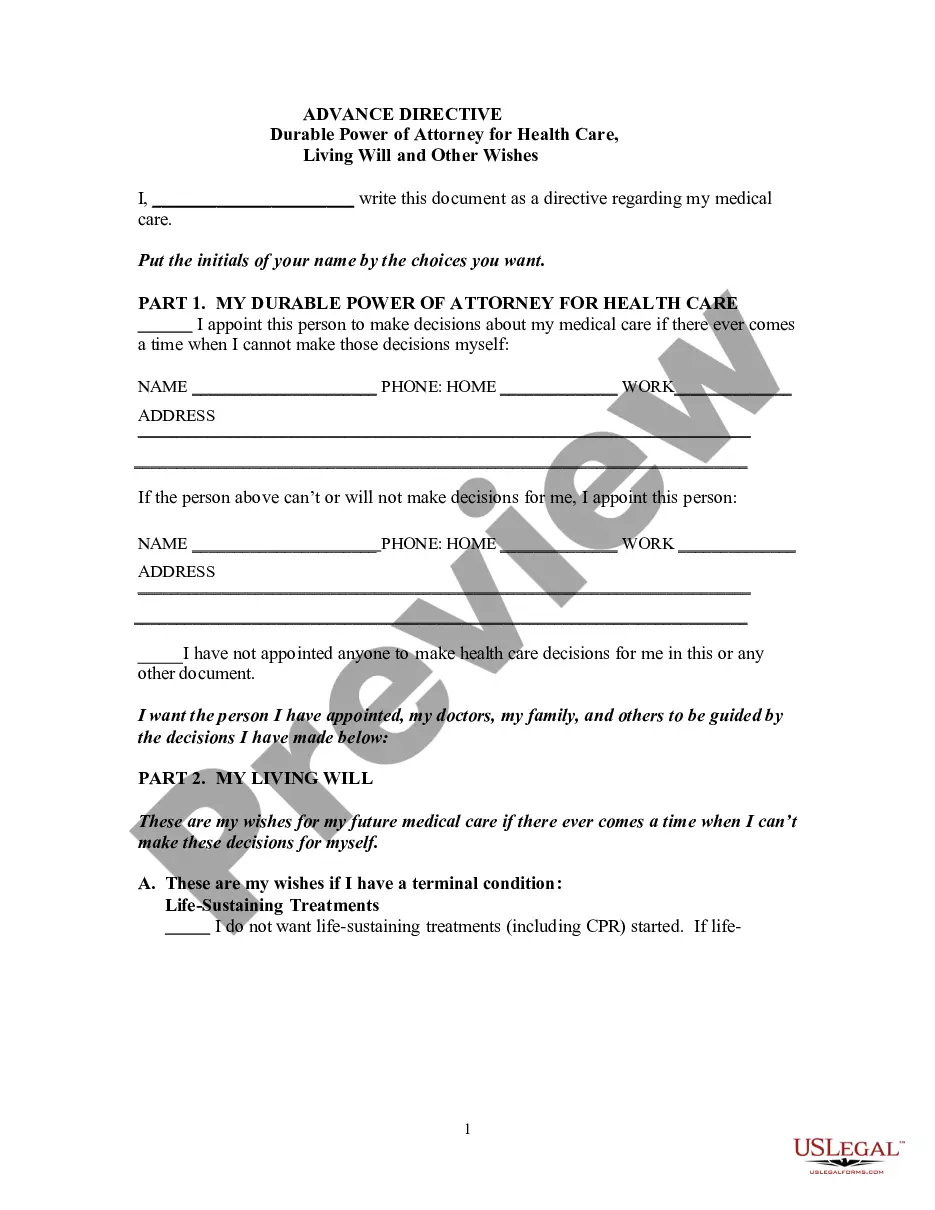
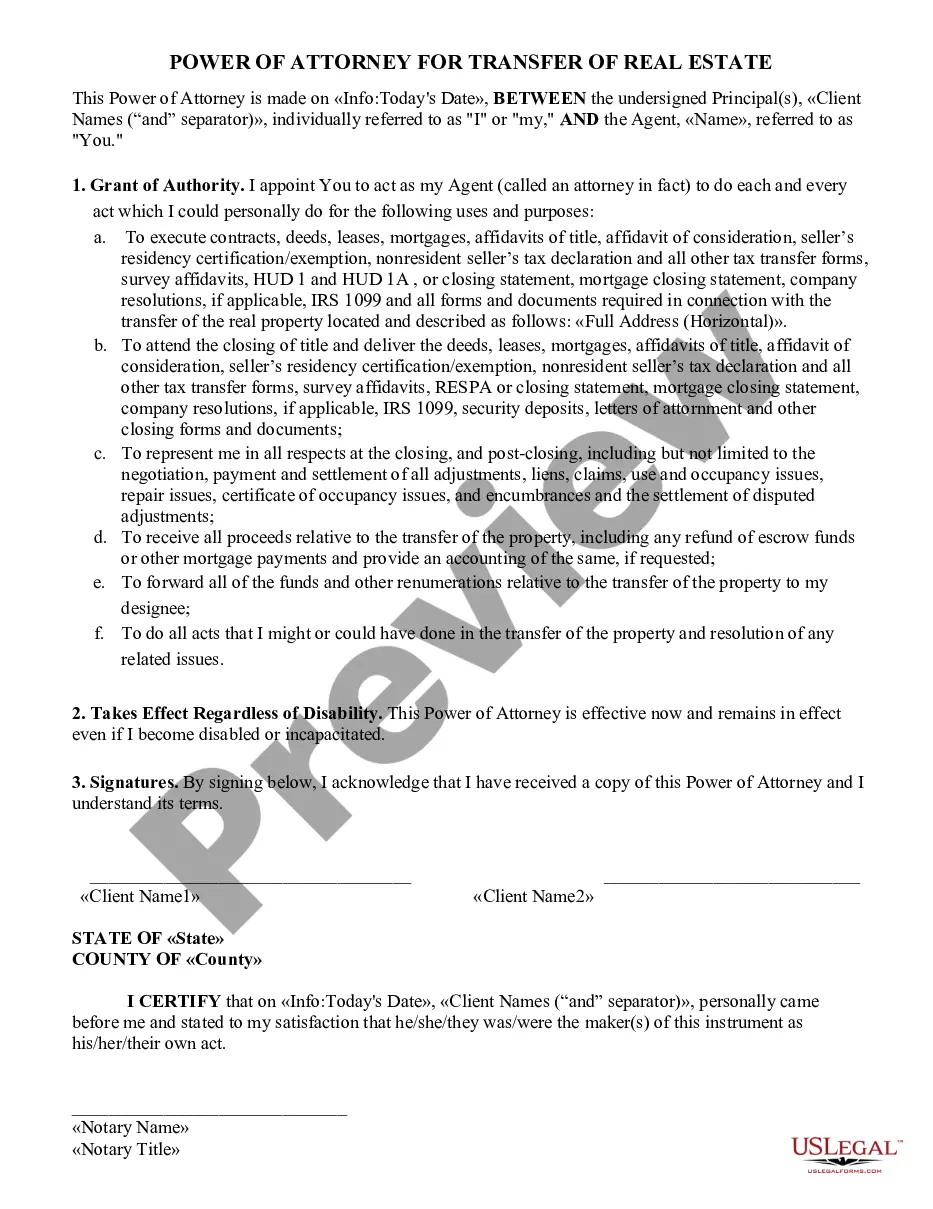
The General Durable Power of Attorney for Property and Finances, also known as Durable POA, is a legal document that allows you to appoint an agent to manage your property and financial affairs immediately. Unlike other powers of attorney, this document remains effective even if you become disabled or incapacitated. It is important to note that this power of attorney does not cover health care decisions, which must be addressed in a separate document.
Key components of this form
- Principal and Agent Identification: The document requires the names and addresses of the principal (the person granting authority) and the agent (the person receiving authority).
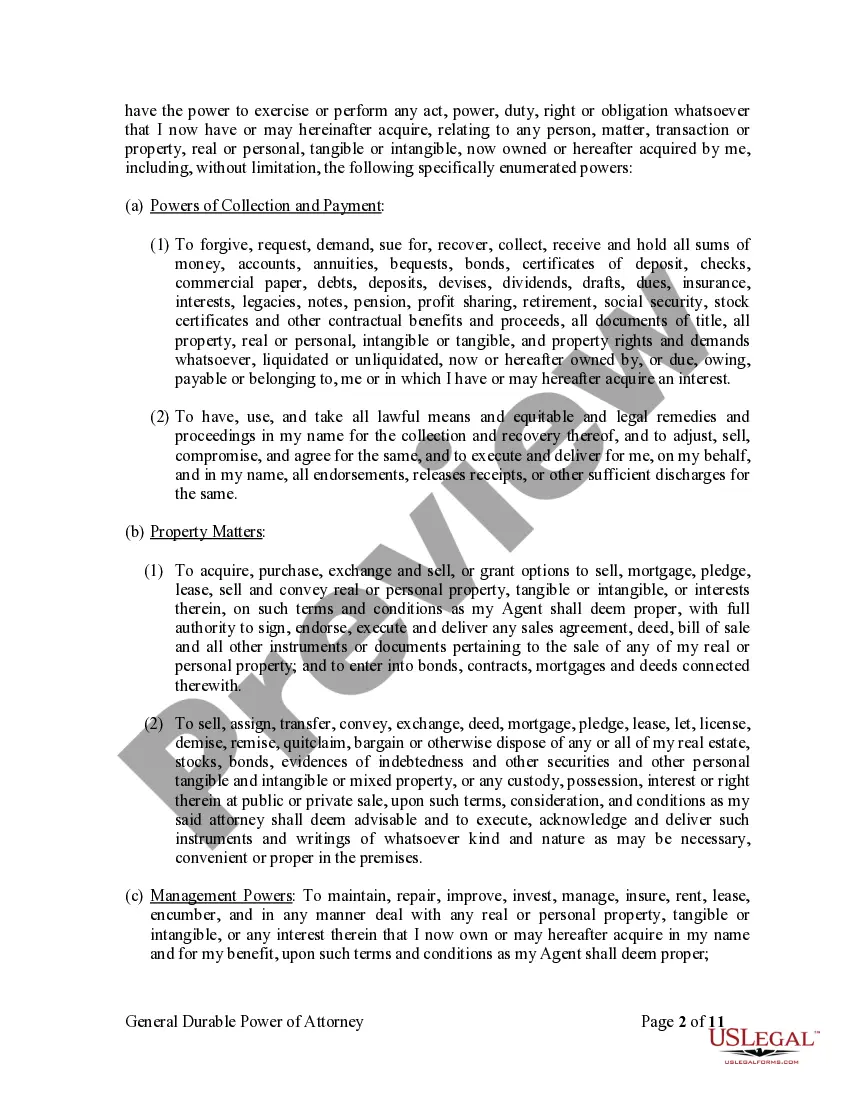
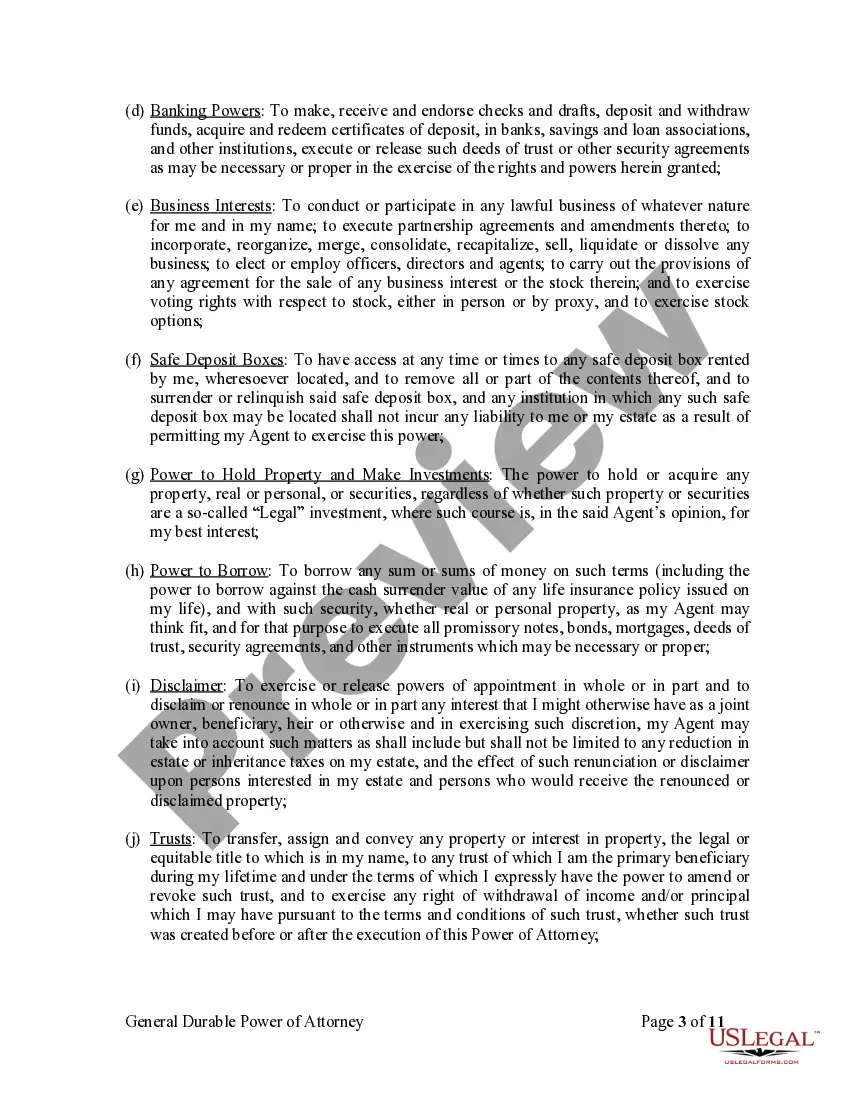
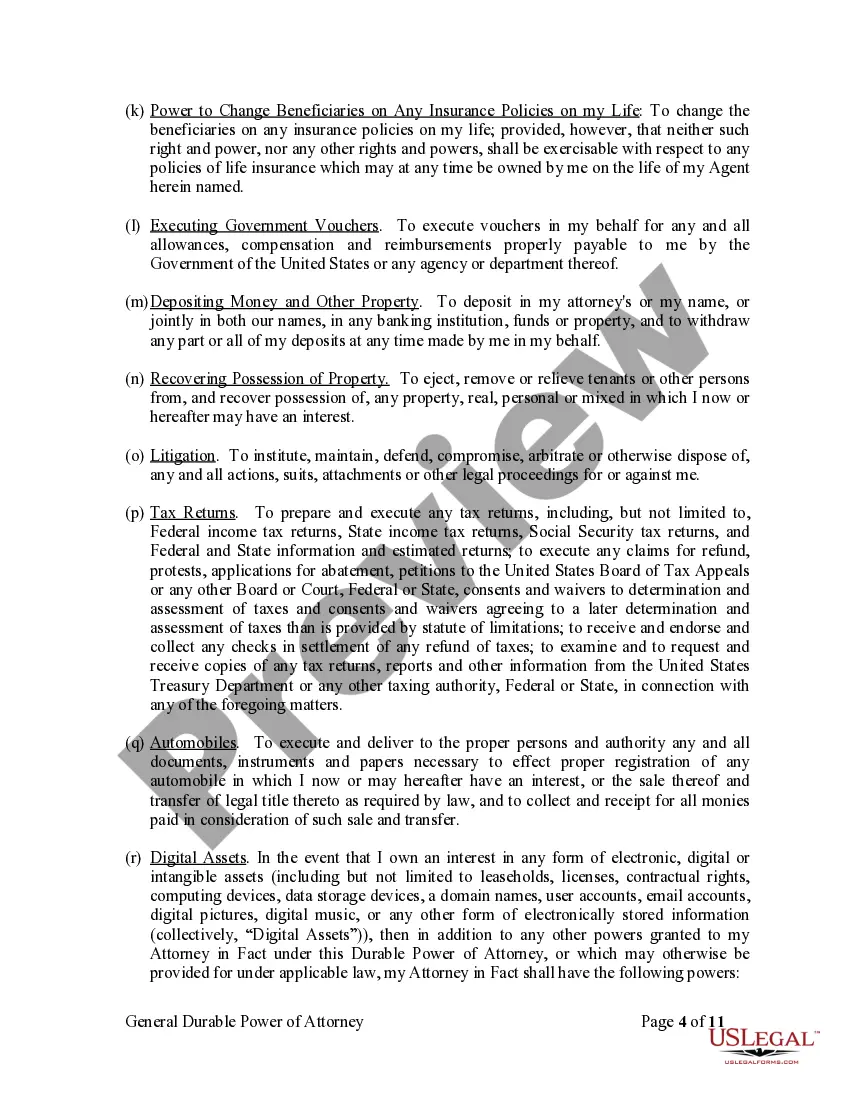
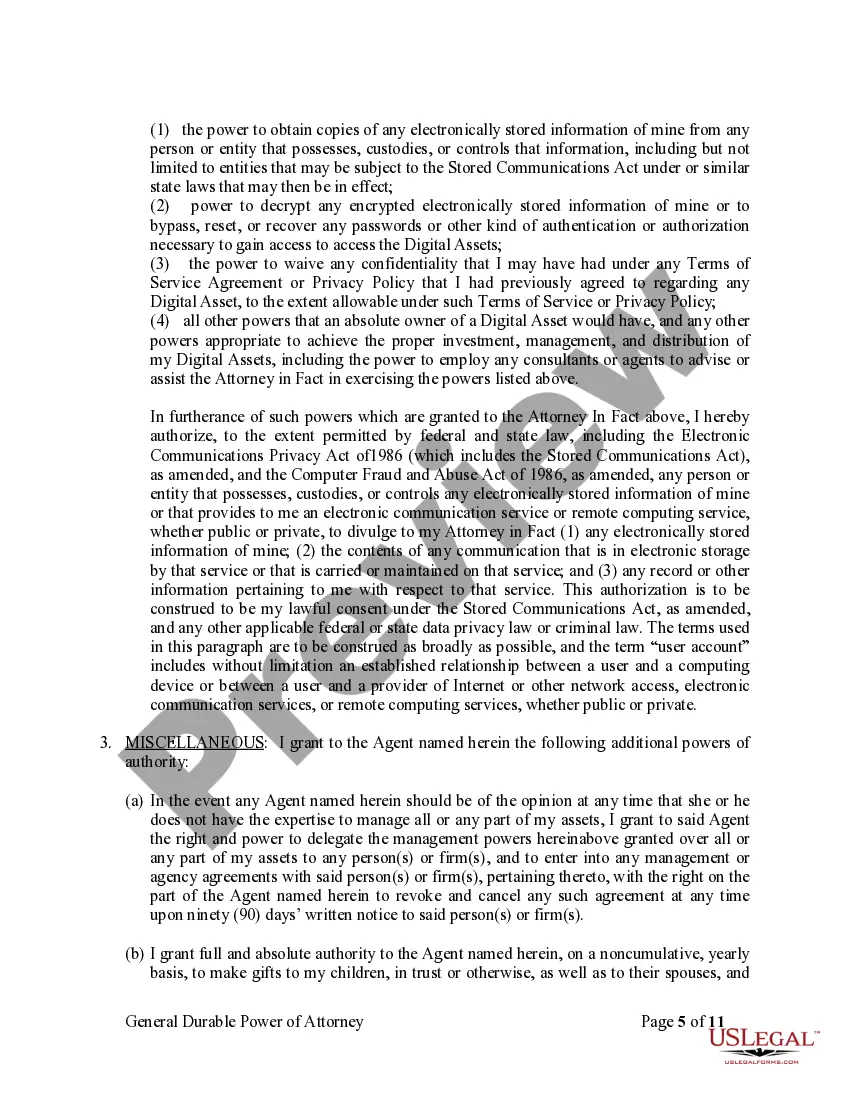
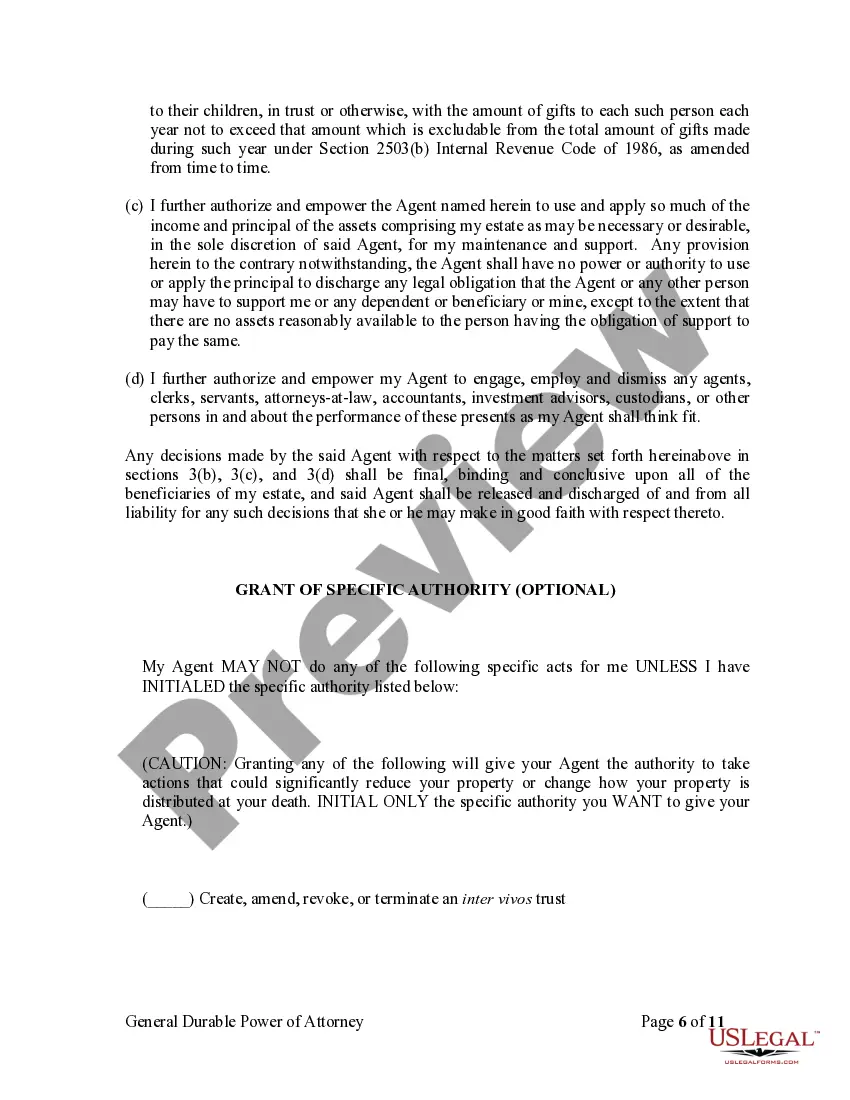
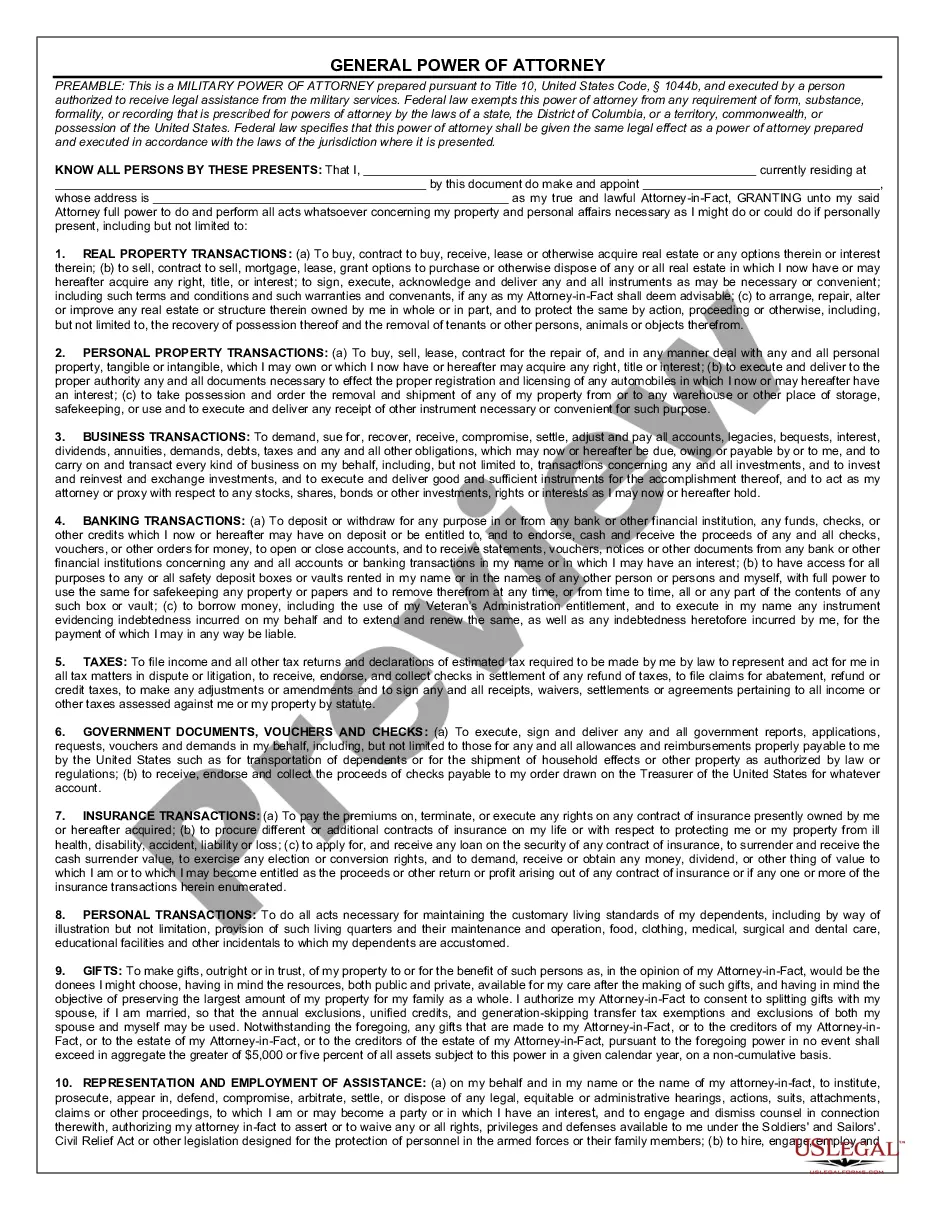
- Powers Granted: A broad range of powers related to property, finances, and business management can be granted to the agent.
- Durability Clause: Specifies that the powers granted remain in effect even if the principal becomes disabled.
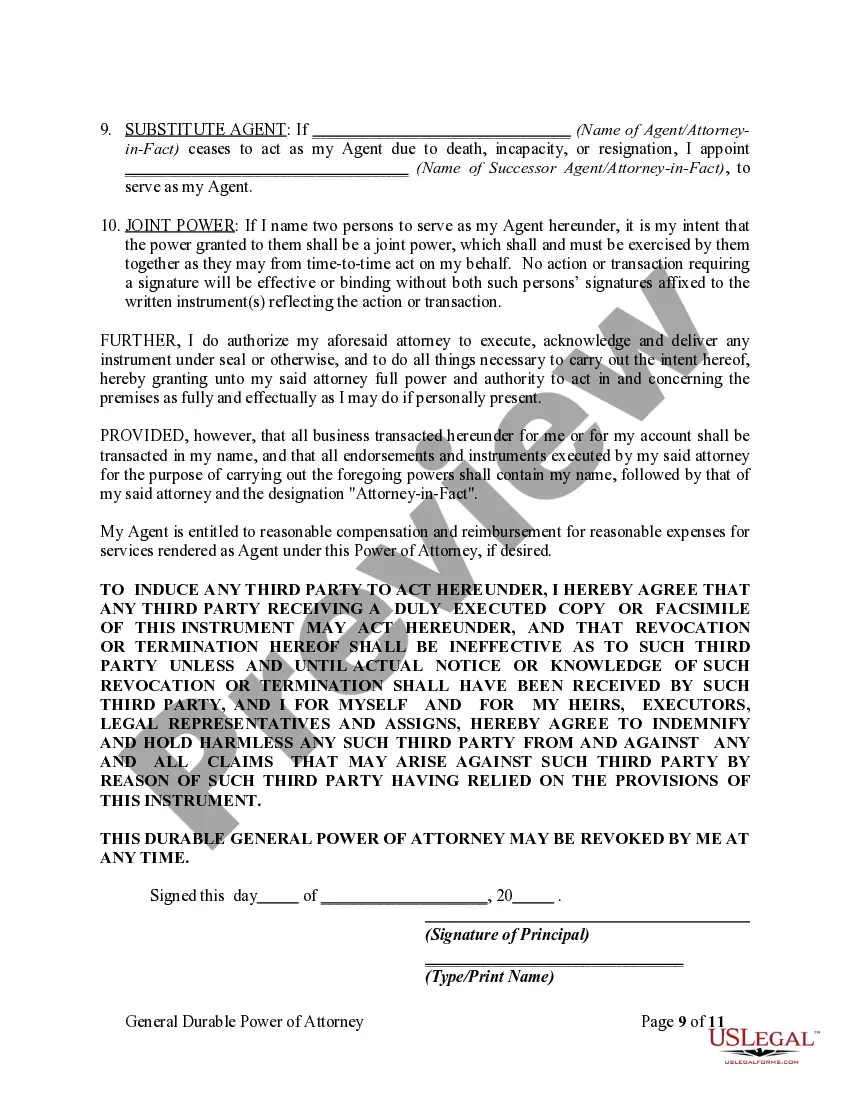
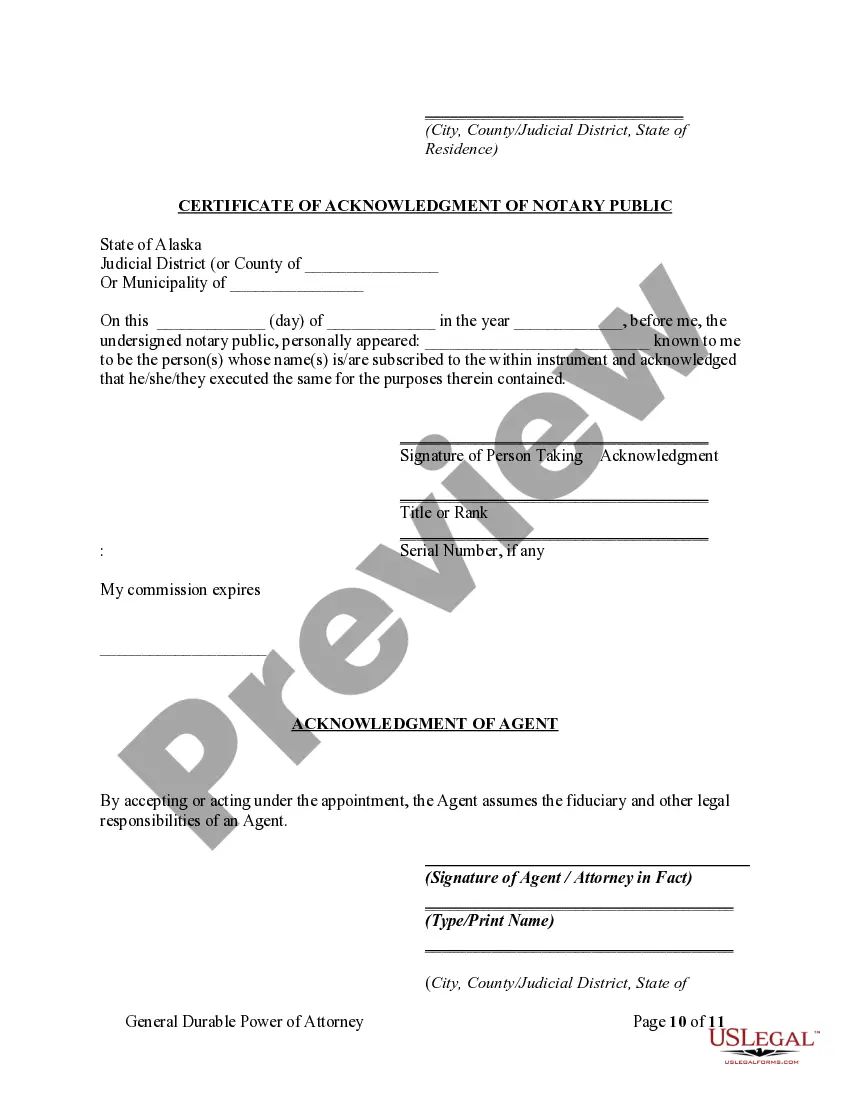
- Signature Section: The principal must sign the document for it to be legally binding.
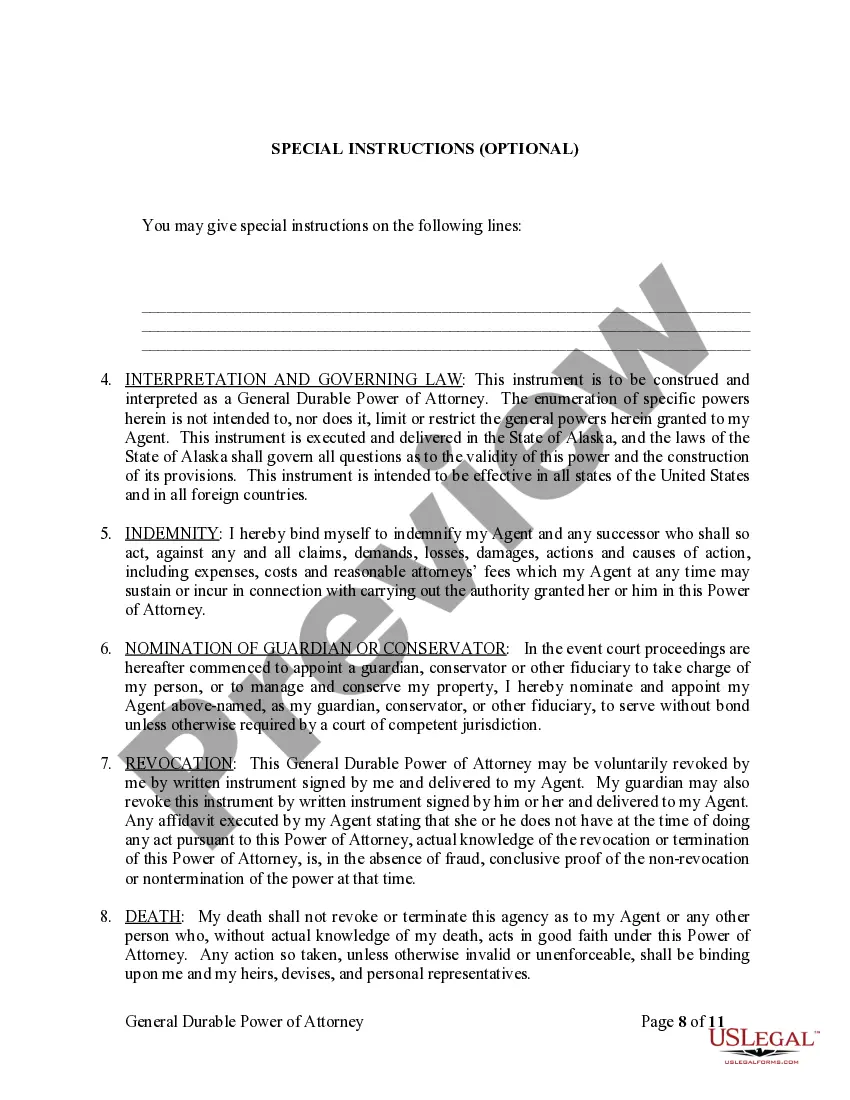
- Revocation Terms: Outlines how the power of attorney can be revoked or altered.
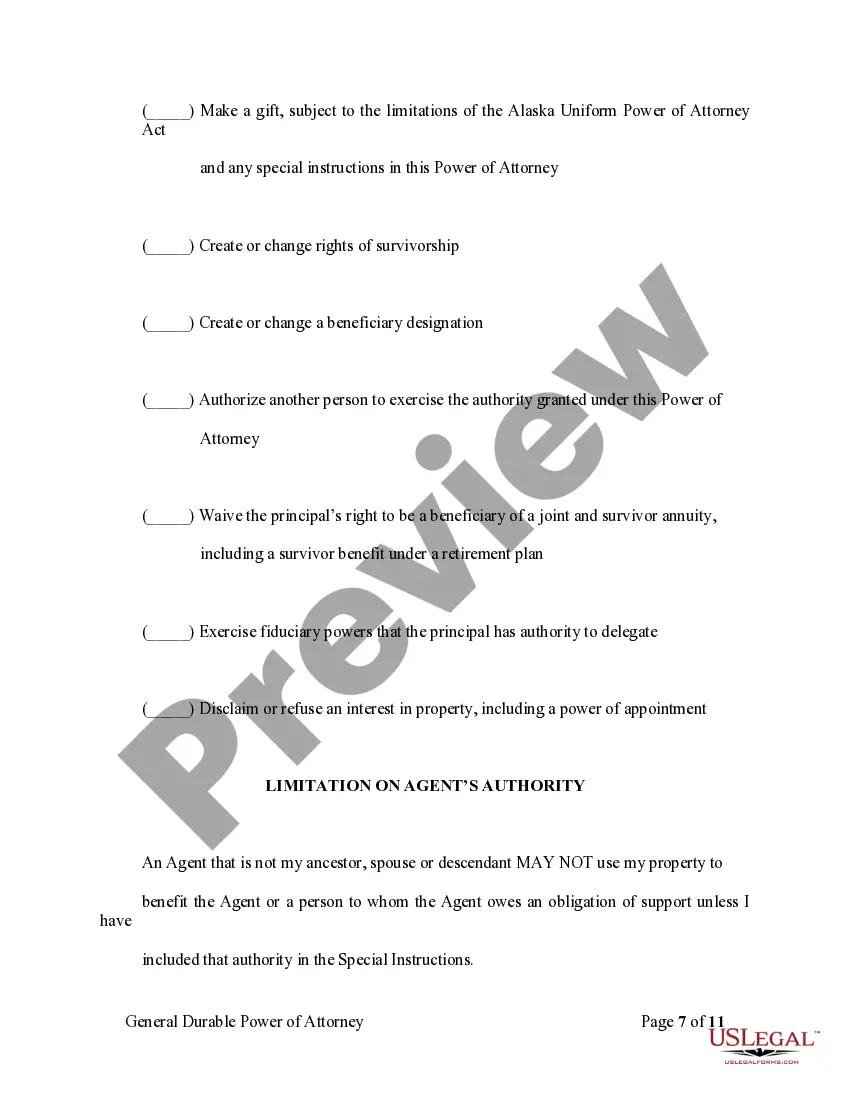
- Special Instructions: Allows the principal to place specific limitations or assignments on the agent's authority.

When this form is needed
This form is typically used in situations where you need someone to manage financial decisions on your behalf, especially if you anticipate being unavailable or unable to manage these matters yourself due to disability or incapacity. Common scenarios include prolonged travel, serious illness, or aging when the ability to manage financial affairs might diminish.
Who this form is for
Eligible Users
- Individuals looking to establish a durable power of attorney for their finances.
- People who anticipate the potential for physical or mental incapacity.
- Those wanting to ensure their financial matters are managed according to their wishes.
- Residents of states that recognize this form of power of attorney.
How to complete this form
Steps to Complete
- Identify the parties: Fill in your full legal name and address as the principal, and provide the same for your chosen agent.
- Specify the powers: Clearly state the powers you wish to grant your agent by checking the appropriate sections in the document.
- Review and initial any special instructions: If there are specific authorities you want to limit or grant, initial those sections.
- Sign the document: The principal must sign the document in the presence of any required witnesses or notary, if applicable.
- Provide copies: Distribute copies to your agent and keep one for your records.
Does this form need to be notarized?
This form does not typically require notarization unless specified by local law. It is advisable to check your state laws regarding notarization to ensure the form's validity.
Get your form ready online
Our built-in tools help you complete, sign, share, and store your documents in one place.
Make edits, fill in missing information, and update formatting in US Legal Forms—just like you would in MS Word.
Download a copy, print it, send it by email, or mail it via USPS—whatever works best for your next step.
Sign and collect signatures with our SignNow integration. Send to multiple recipients, set reminders, and more. Go Premium to unlock E-Sign.
If this form requires notarization, complete it online through a secure video call—no need to meet a notary in person or wait for an appointment.
We protect your documents and personal data by following strict security and privacy standards.

Make edits, fill in missing information, and update formatting in US Legal Forms—just like you would in MS Word.

Download a copy, print it, send it by email, or mail it via USPS—whatever works best for your next step.

Sign and collect signatures with our SignNow integration. Send to multiple recipients, set reminders, and more. Go Premium to unlock E-Sign.

If this form requires notarization, complete it online through a secure video call—no need to meet a notary in person or wait for an appointment.

We protect your documents and personal data by following strict security and privacy standards.
Common mistakes to avoid
Common Mistakes
- Not specifying the agent's powers clearly, leading to potential misunderstandings.
- Failing to sign the document, rendering it invalid.
- Not considering the need for a separate health care power of attorney.
- Overlooking the state-specific laws that may influence the form's enforceability.
Why complete this form online
Benefits of Using This Form Online
- Quick access to legal documents without the need for in-person meetings.
- Editability allows you to tailor the document to fit your specific needs easily.
- Reliable and compliant with state laws to reduce the risk of errors.
- Convenience of downloading and storing your documents securely.
Legal use & context include:
- This power of attorney remains effective even if the principal becomes disabled.
- The document cannot authorize medical decisions; a separate healthcare directive is needed for that.
- Usage may vary based on specific state laws and requirements; always consult legal counsel for complex situations.
Quick recap
Key Takeaways
- The General Durable Power of Attorney for Property and Finances allows for immediate and continuous management of financial affairs.
- It remains in effect even if you become disabled, ensuring your financial interests are protected.
- Health care decisions are not included in this document and require a separate arrangement.
- Clear communication of powers and limitations is essential to prevent misunderstandings.
Looking for another form?

Form popularity
FAQ
It’s a General Durable Power of Attorney for Property and Finances that lets you appoint an agent to manage your property, finances, and business affairs. It takes effect immediately and remains in effect if you become disabled. It does not cover health care decisions, which require a separate document. The form includes sections for identification, powers granted, durability, signature, revocation, and special instructions.
Yes. A durable POA is designed to continue after the principal becomes incapacitated because the document includes a durability clause. A non-durable or standard POA typically ends if the principal cannot manage affairs. This Alaska form explicitly provides ongoing authority for property and finances even if the principal is disabled, while excluding health care decisions.
A durable power of attorney is a document that keeps the agent’s authority over your affairs even if you become incapacitated. This form is a durable POA for property and finances with immediate effect and does not grant health care powers, which must be addressed in a separate document.
This form describes a signature section that makes the document legally binding when the principal signs. It does not specify notarization within the text; Alaska execution requirements can vary, so consult a licensed attorney to ensure proper execution under applicable rules.
Because it grants broad powers over property, finances, and business matters, the agent could misuse authority if safeguards aren’t used. The form helps by allowing Special Instructions to limit authority and by providing a Revocation Terms section to end the POA if needed.
This form includes a Durability Clause that keeps the agent’s authority in place even if the principal becomes disabled, ensuring continued management of finances and property. It also requires identification of the principal and agent, defines the powers granted, and provides revocation terms and optional special instructions.