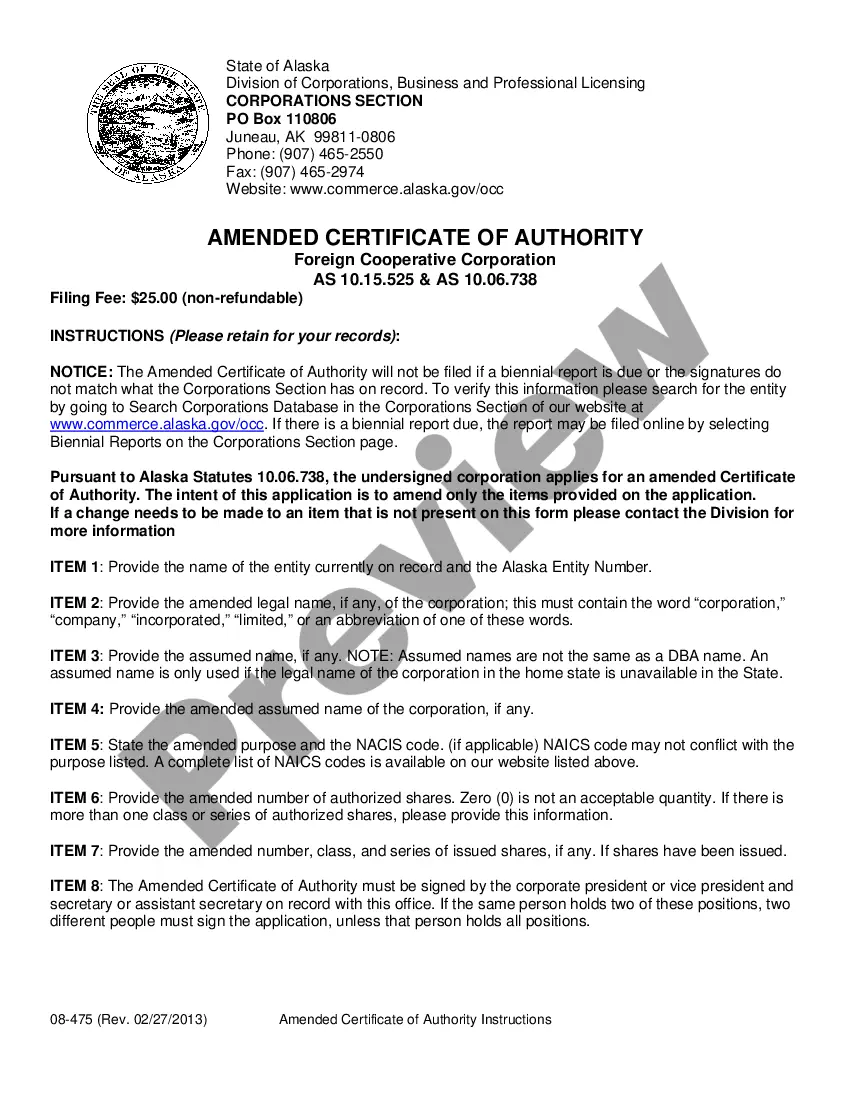
Alaska Assignment of Contract for Deed by Seller
Understanding this form
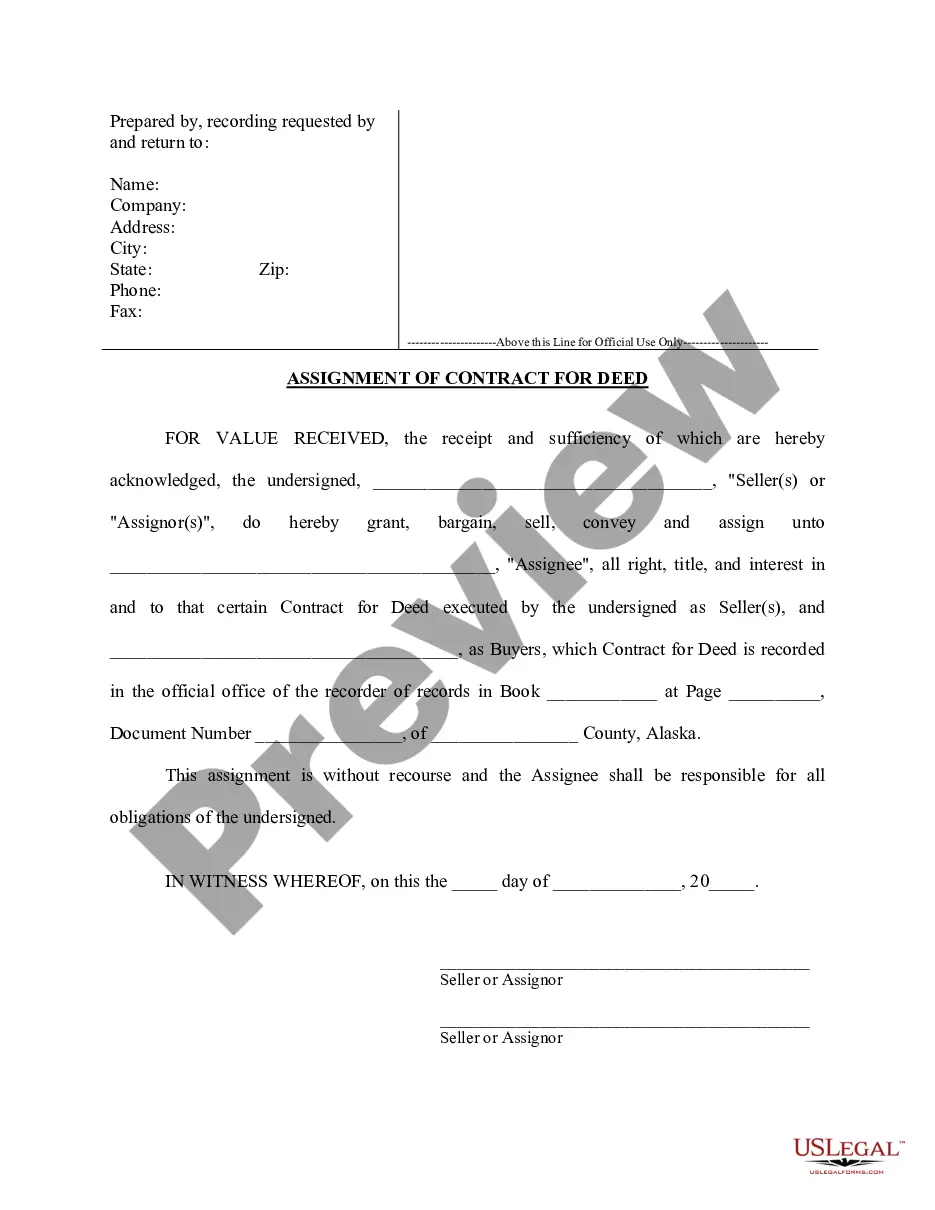
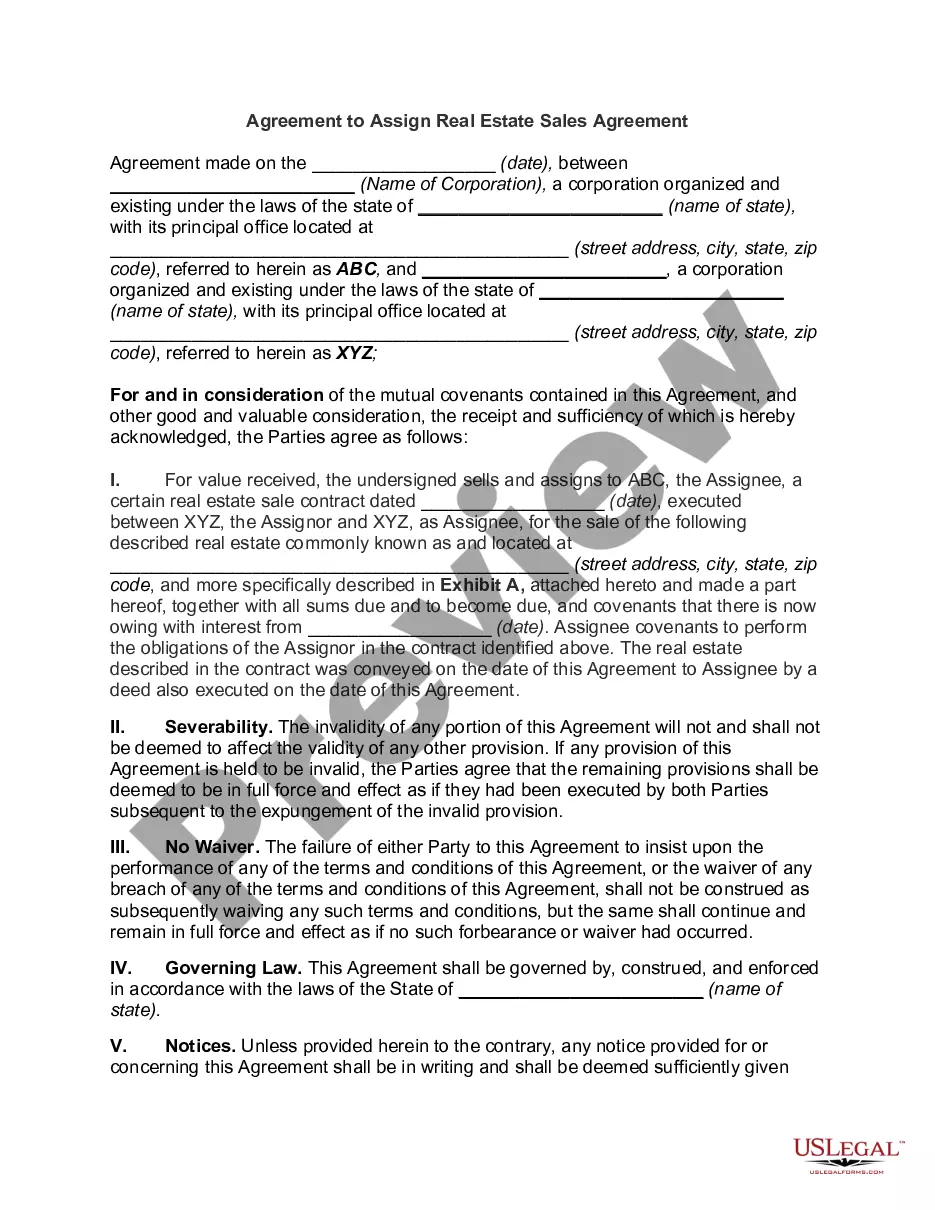
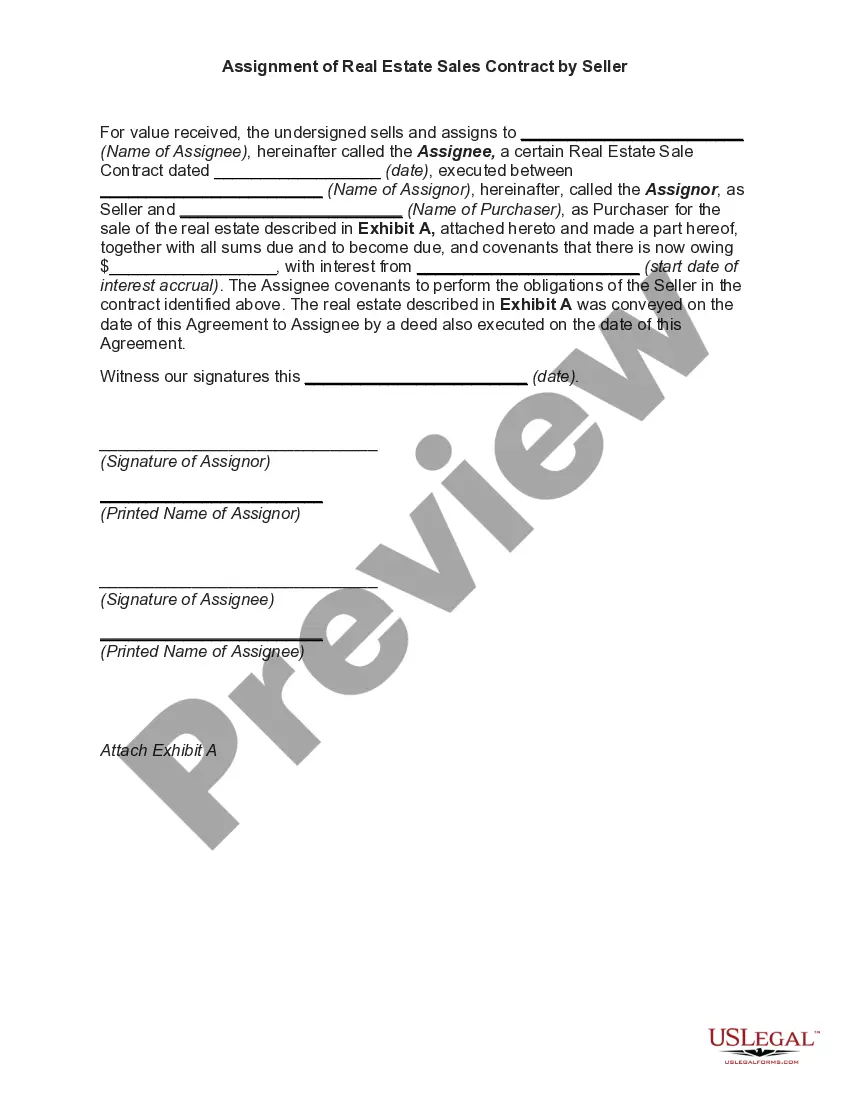
The Assignment of Contract for Deed by Seller is a legal document that enables a seller to transfer their rights and obligations under a contract for deed to a third party. This form is specifically designed for sellers looking to assign their contract, often in exchange for a reduced cash amount. Unlike a traditional property sale, the assignee effectively steps into the seller's role, receiving future payments from the purchaser and possibly taking on the responsibility of transferring the property as well.
Form components explained
- Identification of the seller and the assignee
- Confirmation that the assignment is without recourse
- Specification of obligations assumed by the assignee
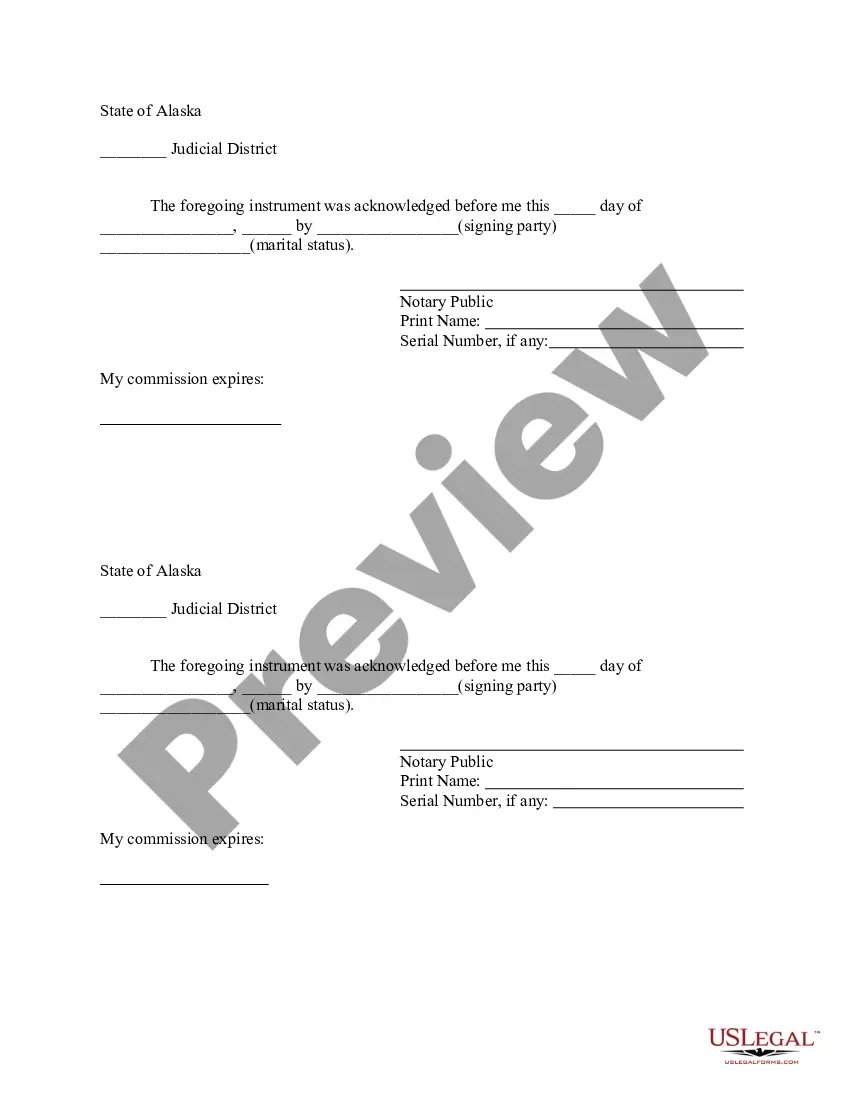
- Date of acknowledgment before a notary public
- Signature fields for all parties involved
When to use this document
This form is applicable when a seller who has entered into a contract for deed wishes to transfer their rights to another party. It is particularly useful in scenarios where the seller needs immediate cash or is unable to fulfill the contract obligations themselves but still wants to ensure that the purchaser receives the property and payments continue uninterrupted.
Who this form is for
- Sellers looking to assign their contract for deed
- Bargain hunters interested in acquiring discounted real estate contracts
- Real estate investors seeking to buy contractual rights
- Individuals involved in property transactions that involve deferred payments
Steps to complete this form
- Identify the seller and the assignee by entering their full names.
- Specify the terms of the assignment, including any obligations accepted by the assignee.
- Fill in the date of the assignment and sign the document in the presence of a notary.
- Ensure that any conditions or terms regarding property transfer are noted clearly, if applicable.
- Complete any required notary witnessing, making sure all signatures are completed in accordance with Alaska law.
Is notarization required?
This document requires notarization to meet legal standards. US Legal Forms provides secure online notarization powered by Notarize, allowing you to complete the process through a verified video call, available 24/7.
Get your form ready online
Our built-in tools help you complete, sign, share, and store your documents in one place.
Make edits, fill in missing information, and update formatting in US Legal Forms—just like you would in MS Word.
Download a copy, print it, send it by email, or mail it via USPS—whatever works best for your next step.
Sign and collect signatures with our SignNow integration. Send to multiple recipients, set reminders, and more. Go Premium to unlock E-Sign.
If this form requires notarization, complete it online through a secure video call—no need to meet a notary in person or wait for an appointment.
We protect your documents and personal data by following strict security and privacy standards.

Make edits, fill in missing information, and update formatting in US Legal Forms—just like you would in MS Word.

Download a copy, print it, send it by email, or mail it via USPS—whatever works best for your next step.

Sign and collect signatures with our SignNow integration. Send to multiple recipients, set reminders, and more. Go Premium to unlock E-Sign.

If this form requires notarization, complete it online through a secure video call—no need to meet a notary in person or wait for an appointment.

We protect your documents and personal data by following strict security and privacy standards.
Common mistakes to avoid
- Failing to properly identify all parties involved in the agreement.
- Omitting important details regarding the obligations of the assignee.
- Not having the document notarized when required.
- Forgetting to specify the property details clearly.
Why complete this form online
- Convenience of downloading and filling the form at your own pace.
- Editable templates allow for easy customization to fit specific needs.
- Access to expert-drafted content by licensed attorneys.
- Fast and secure process for legal document preparation without the need for face-to-face meetings.
Key takeaways
- The Assignment of Contract for Deed by Seller allows for the transfer of contractual rights to a third party.
- Notarization is required for the form to be legally effective.
- Ensure all details regarding the property and parties are clearly stated to avoid disputes.
Looking for another form?
Form popularity
FAQ
Usually the contract requires the buyer to make payments over time with interest payable on the unpaid balance. Once a buyer pays all of the payments called for under the contract, the owner transfers to the buyer a deed to the property.
A contract for deed is a legal agreement for the sale of property in which a buyer takes possession and makes payments directly to the seller, but the seller holds the title until the full payment is made.
Contract for Deed Seller Financing. A contract for deed is used by some sellers who finance the sale of their homes. Seller's Ownership Liability. Buyer Default Risk. Seller Performance. Property Liens Could Hinder Purchase.
A contract for deed is a legal agreement for the sale of property in which a buyer takes possession and makes payments directly to the seller, but the seller holds the title until the full payment is made.
Purchase price. Down payment. Interest rate. Number of monthly installments. Responsibilities of the buyer and seller. Legal remedies for the seller if the buyer does not make payments.
A contract for deed is an agreement for buying property without going to a mortgage lender. The buyer agrees to pay the seller monthly payments, and the deed is turned over to the buyer when all payments have been made.
A disadvantage to the seller is that a contract for deed is frequently characterized by a low down payment and the purchase price is paid in installments instead of one lump sum.The legal fees and time frame for this process will be more extensive than a standard Power of Sale foreclosure.
The buyer must record the contract for deed with the county recorder where the land is located within four months after the contract is signed. Contracts for deed must provide the legal name of the buyer and the buyer's address.
Other benefits include: no loan qualifying, low or flexible down payment, favorable interest rates and flexible terms, and a quicker settlement. The biggest risk when buying a home contract for deed is that you really don?t have a legal claim to the property until you have paid off the entire purchase price.