Attorney Real Estate States
Description

Get your form ready online
Our built-in tools help you complete, sign, share, and store your documents in one place.
Make edits, fill in missing information, and update formatting in US Legal Forms—just like you would in MS Word.
Download a copy, print it, send it by email, or mail it via USPS—whatever works best for your next step.
Sign and collect signatures with our SignNow integration. Send to multiple recipients, set reminders, and more. Go Premium to unlock E-Sign.
If this form requires notarization, complete it online through a secure video call—no need to meet a notary in person or wait for an appointment.
We protect your documents and personal data by following strict security and privacy standards.

Make edits, fill in missing information, and update formatting in US Legal Forms—just like you would in MS Word.

Download a copy, print it, send it by email, or mail it via USPS—whatever works best for your next step.

Sign and collect signatures with our SignNow integration. Send to multiple recipients, set reminders, and more. Go Premium to unlock E-Sign.

If this form requires notarization, complete it online through a secure video call—no need to meet a notary in person or wait for an appointment.

We protect your documents and personal data by following strict security and privacy standards.
Looking for another form?
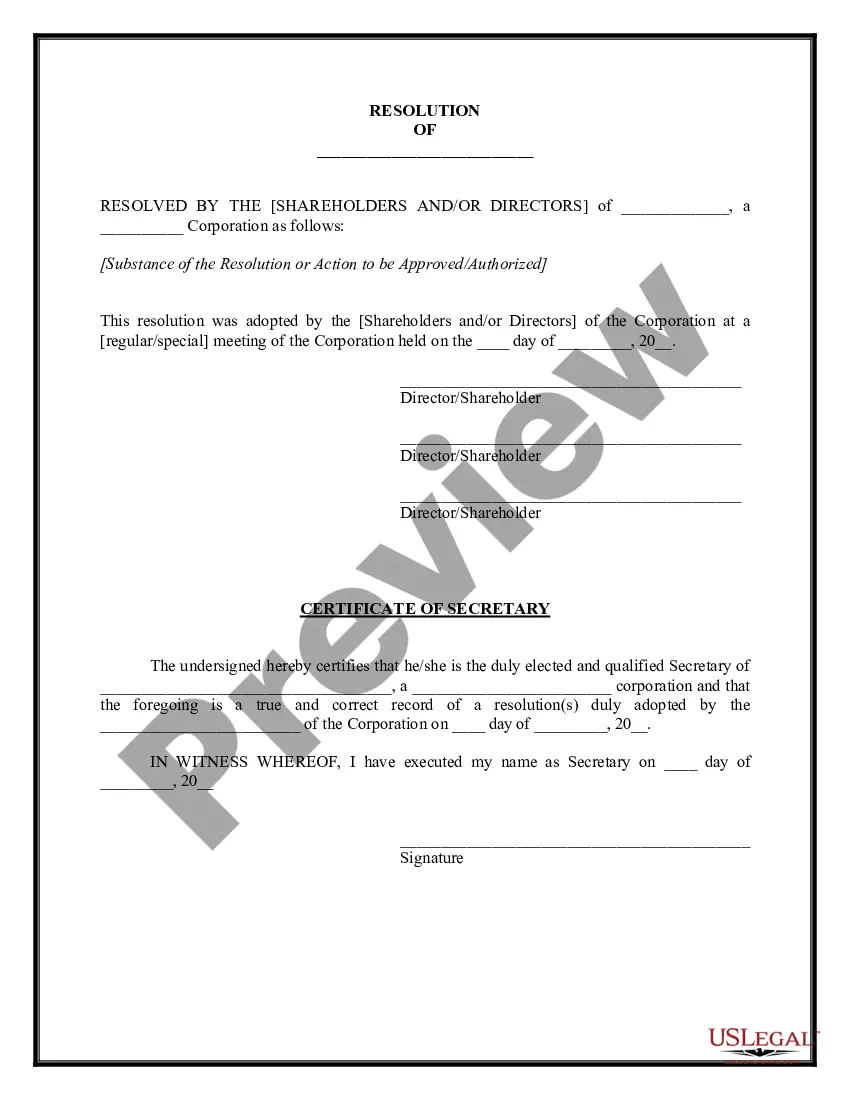




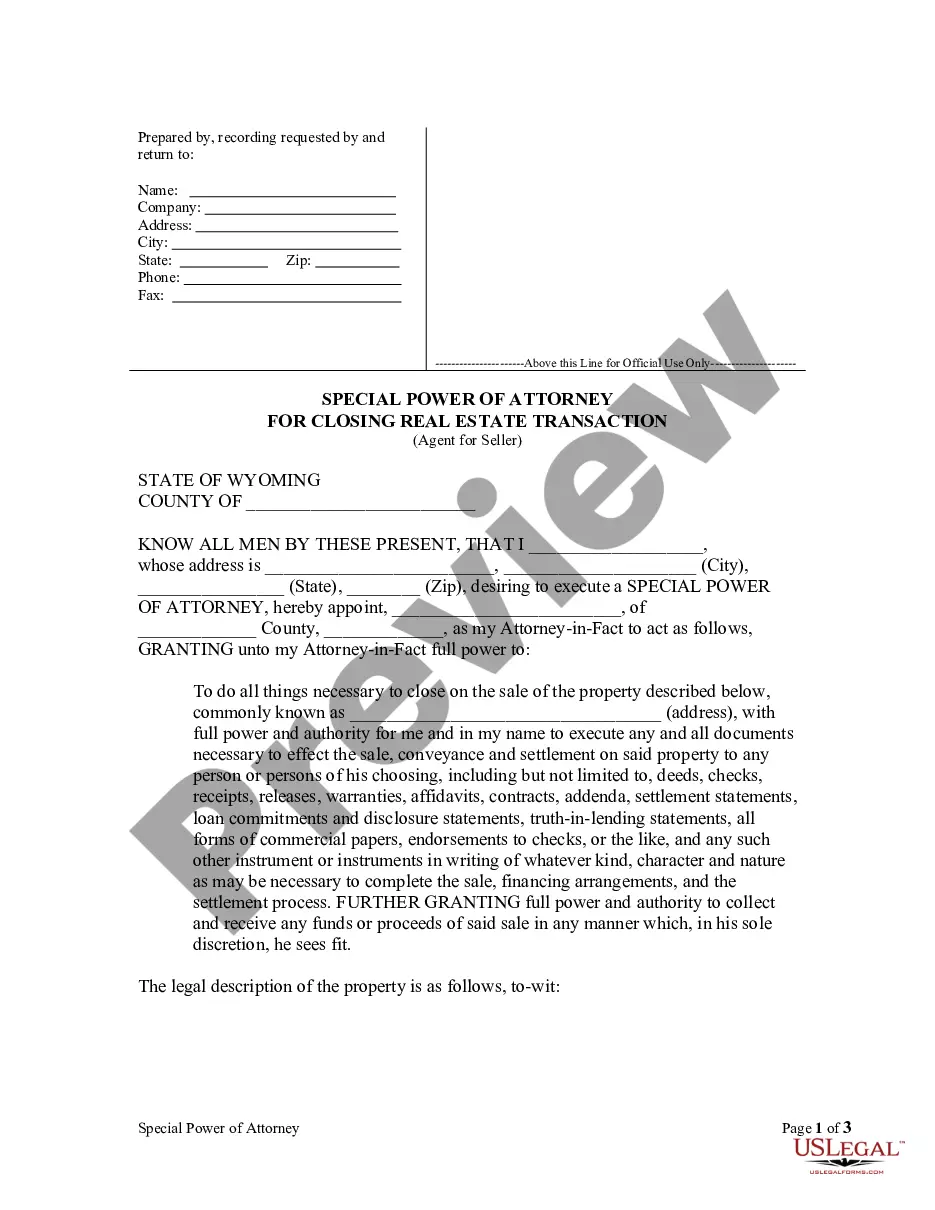
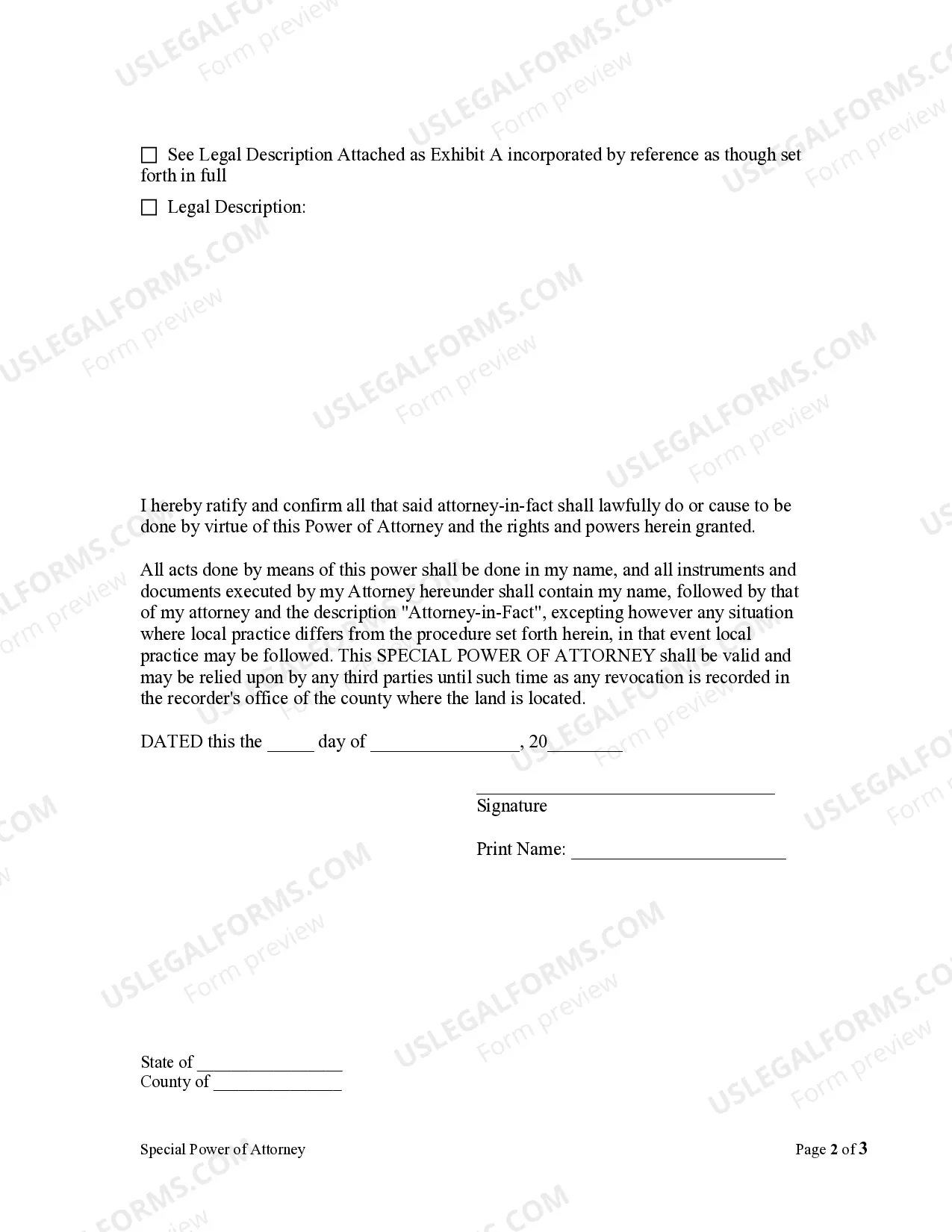
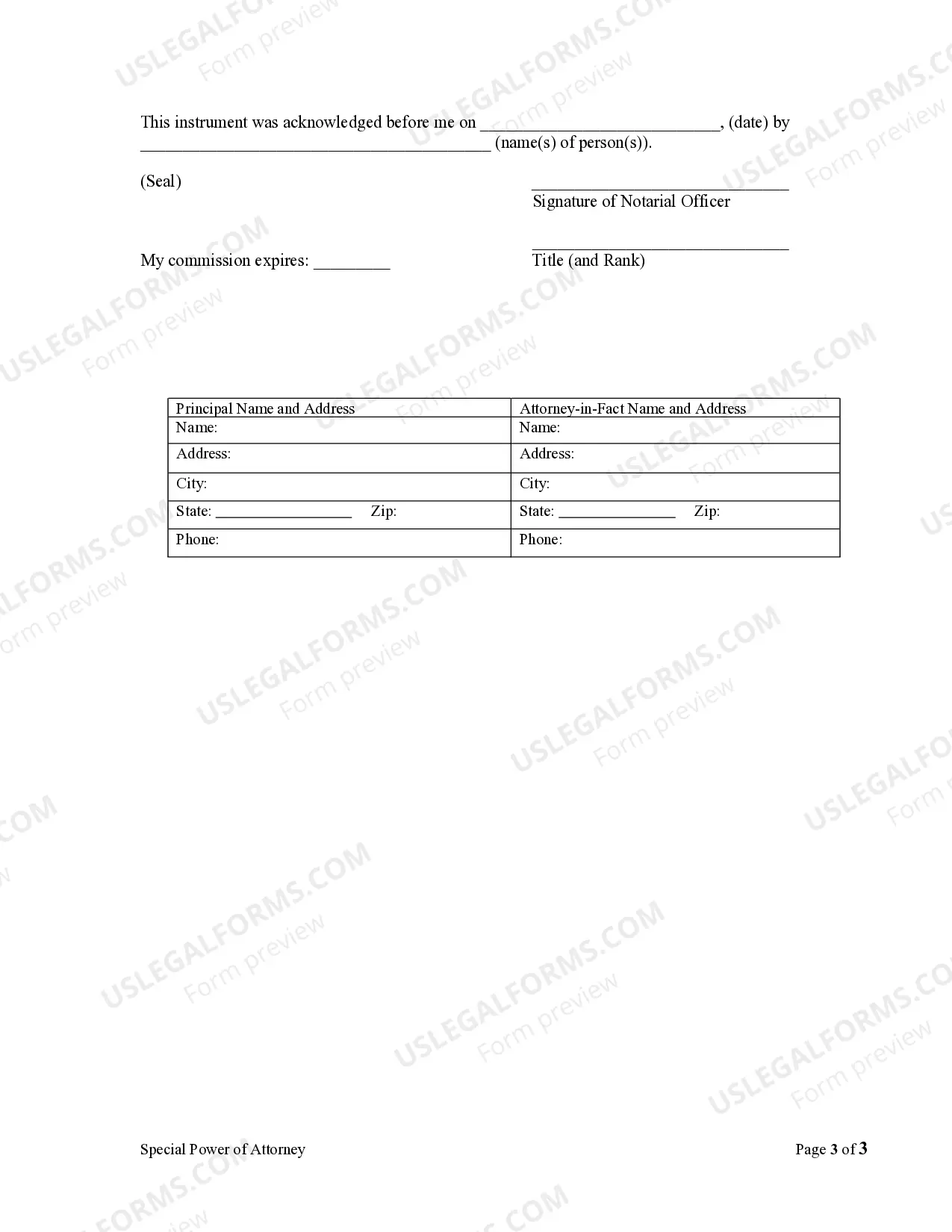
How to fill out Wyoming Special Or Limited Power Of Attorney For Real Estate Sales Transaction By Seller?
- Log in to your US Legal Forms account or create a new one if you are a first-time user.
- Review the form descriptions in Preview mode to select one that matches your specific requirements and adheres to your local jurisdiction.
- If needed, use the Search tab to find additional templates that may better fit your needs.
- Once you find the appropriate document, click on the Buy Now button to select your desired subscription plan.
- Complete your purchase with credit card information or PayPal to access the form.
- Download the form to your device, allowing you to fill it out at your convenience and retrieve it anytime from the My Forms section.
By leveraging US Legal Forms, you can save time, reduce stress, and ensure your legal documents are accurate and compliant. The platform offers not only an extensive collection of forms but also access to premium experts who can assist you as needed.
Take the first step towards seamless legal documentation today. Explore US Legal Forms and empower yourself with the resources you need!
Form popularity
FAQ
Whether you need an attorney for real estate closing largely depends on whether you are in an attorney state or a title state. In attorney real estate states, having legal guidance is often necessary and advisable to navigate the complexities involved. Even in title states, hiring an attorney can offer peace of mind and clarity. Platforms like USLegalForms can assist you in understanding the legal requirements and help you create the necessary documents for your closing.
Title states include areas like Texas, California, and Michigan, where title companies handle most aspects of real estate transactions. In these states, buyers typically do not need an attorney present at closing, as title companies manage the process efficiently. Knowing whether you are in an attorney real estate state or a title state is crucial for ensuring that you meet legal requirements and protect your investment. Always check your state's specific laws and processes to stay informed.
Florida operates as a hybrid state, which means that both title companies and attorneys play significant roles in real estate transactions. While many buyers rely on title companies for closings, having an attorney can provide additional legal safeguards and advice. Therefore, if you’re navigating real estate in Florida, consider your options and decide how to best protect your interests in this dynamic legal landscape. An attorney can be especially helpful in addressing specific concerns.
In attorney real estate states, an attorney must be present during the closing process to review documents and ensure compliance with state laws. On the other hand, title states primarily rely on title companies to facilitate real estate transactions. This difference impacts how transactions are conducted, who handles the paperwork, and often, how much you might spend on closing costs. Understanding whether your state requires an attorney can simplify your real estate journey.
Whether a real estate attorney is required depends on the state in which the transaction occurs. Some states necessitate attorney involvement, while others allow transactions to proceed without legal representation. Engaging a real estate attorney, even in non-mandatory states, can offer added security and guidance. It is beneficial to consult with a knowledgeable attorney familiar with local laws to ensure a smooth process.
There are 22 states commonly recognized as attorney states for real estate transactions. This means that closing processes in these regions typically involve a licensed attorney overseeing important legal matters. This can provide peace of mind to buyers and sellers, knowing that their interests are protected. If you are dealing in attorney real estate states, consider reaching out to uslegalforms for expert assistance.
Currently, about 20 states in the U.S. require a real estate attorney for property transactions. These attorney real estate states often emphasize legal oversight to protect all parties involved. The specific requirements can vary greatly among states, so it's crucial to understand local rules when engaging in a real estate transaction. Consulting with a qualified attorney can provide clarity and ensure compliance.
In title states, such as Illinois and Texas, a real estate closing can occur without an attorney's involvement, relying instead on title companies to handle the process. Conversely, attorney states, which include New York and Massachusetts, require a lawyer's participation in the transaction. Understanding these distinctions helps property buyers and sellers navigate the legal landscape effectively, especially in attorney real estate states.
Yes, Massachusetts mandates the involvement of a real estate attorney for certain transactions. In this state, an attorney must oversee the closing process and review all documents. This requirement helps protect buyers and sellers during property transactions and ensures compliance with state laws. Therefore, hiring an attorney familiar with Massachusetts real estate laws is vital.
A real estate lawyer typically must be licensed in the state where they practice. Laws vary significantly from state to state, and an attorney must be familiar with local regulations. This means you may need to consult with a lawyer who specializes in attorney real estate states for accurate guidance. Always verify their credentials and state-specific experience.