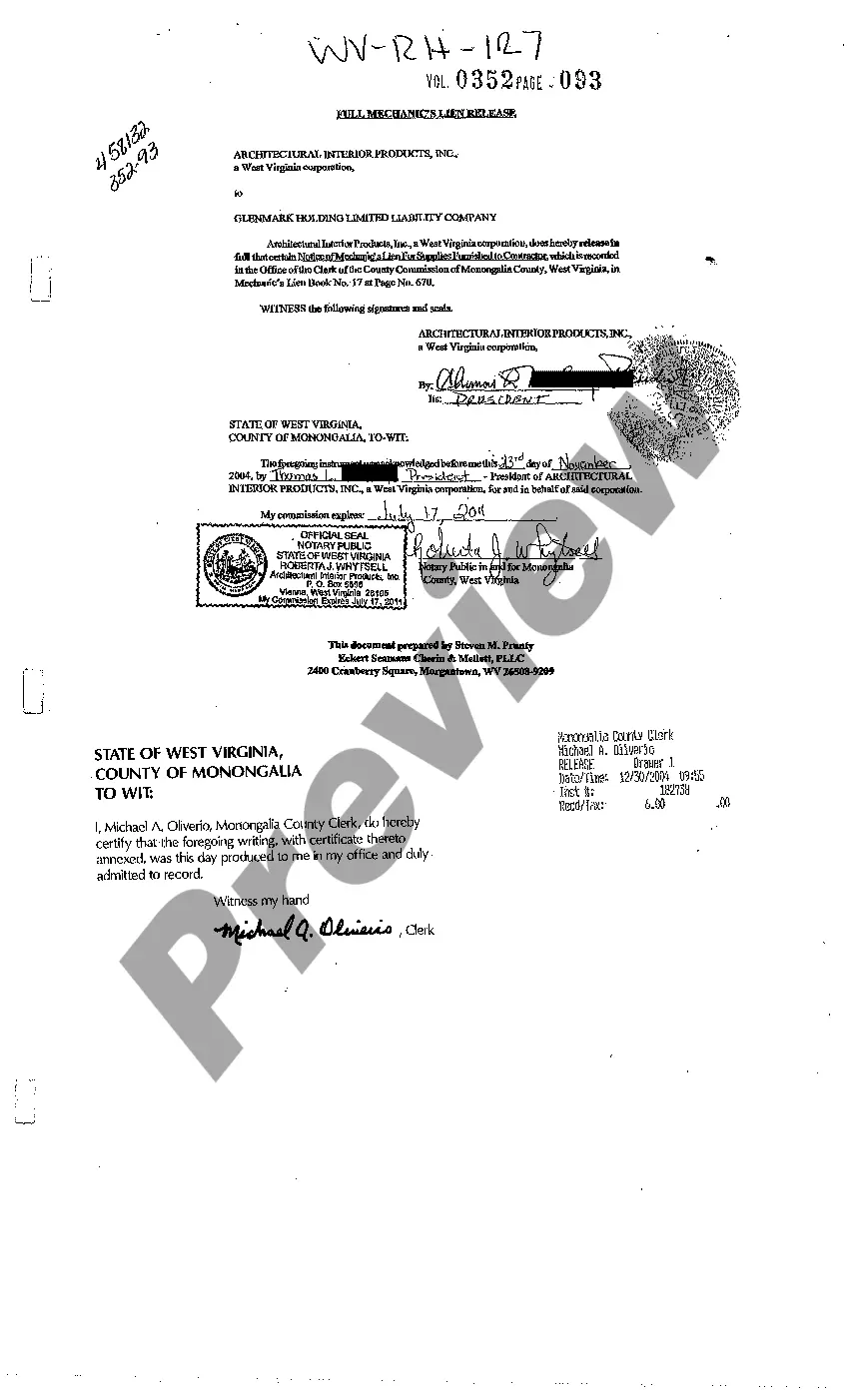
Virginia Lien Waiver
Description
Form popularity
FAQ
When writing a waiver application related to a Virginia lien waiver, start by stating the purpose of the waiver clearly. Then, provide necessary details, such as the type of lien, reasons for the waiver, and any supporting documentation. Keeping your application concise yet thorough will help facilitate the approval process, so take your time to present your case logically.
To fill out a waiver form effectively, start with all required information at hand, such as contract details and payment amounts. Follow the form's structure, entering data as specified in each section. If using a template from uslegalforms, you will find guidance and tips to help ensure you complete the Virginia lien waiver correctly and efficiently.
Filling out a Virginia lien waiver requires careful attention to details. Begin by entering the names of the parties and any identifiers like property addresses. Next, include the amount being waived and a brief description of the project or services, ensuring all information is accurate to prevent legal complications.
An example of a Virginia lien waiver might involve a contractor waiving their right to file a lien after receiving payment for completed work. This document typically outlines the services rendered, payment details, and indicates that the contractor will not pursue a lien for the specified amount. Providing clear examples not only helps to understand the concept, but it also demonstrates how lien waivers operate in practical scenarios.
To write a good Virginia lien waiver, start by clearly identifying the parties involved. Include essential details like the project description, the amount waived, and any relevant dates. It is vital to ensure that the waiver is straightforward and unambiguous, as this reduces the chance of disputes later.
A lien in Virginia is generally valid for five years after it has been created, provided no action is taken to extend it. If the debt remains unpaid, the creditor can seek to renew the lien before the expiration. It is crucial for property owners to be aware of their rights and obligations regarding liens. A Virginia lien waiver can expedite the resolution of these issues, ultimately protecting your interests.
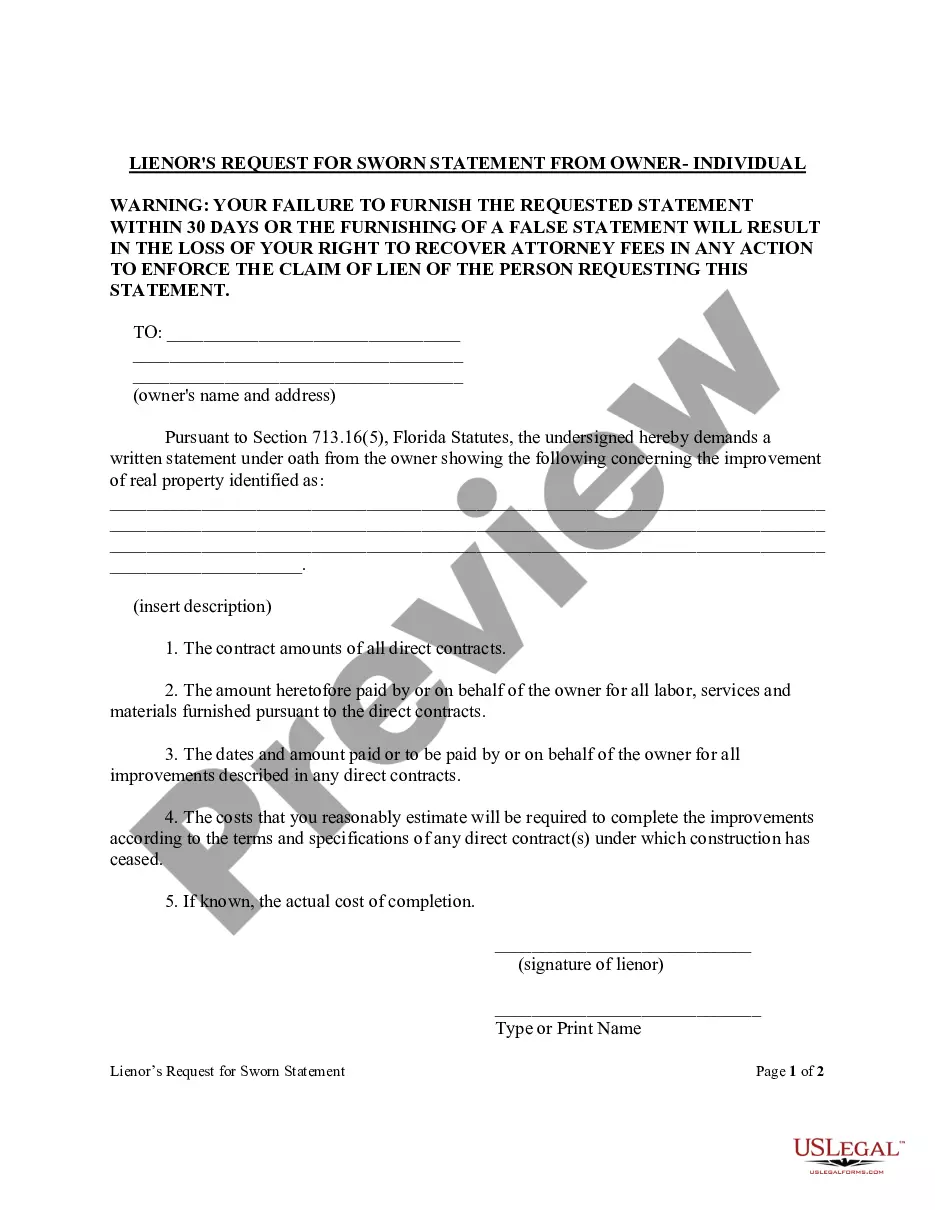
Yes, Virginia recognizes statutory lien waivers, which can help simplify the lien process. These waivers allow contractors and subcontractors to waive their right to file a lien under certain conditions. Using a Virginia lien waiver ensures protection for both property owners and service providers, making it easier to clear any potential claims. You can find helpful resources on uslegalforms to help you navigate these waivers.
Yes, you can sell a house with a lien on it in Virginia, but it may complicate the process. Typically, the lien must be disclosed to potential buyers and may need to be settled before the sale can proceed. Sellers often choose to negotiate with the lienholder to resolve the lien as part of the sale. A Virginia lien waiver can assist in clarifying these terms for all involved parties.
In Virginia, a lien can remain on a property for a maximum of five years if it remains unpaid. After this period, the lien may become dormant unless the creditor takes action to extend it. It is essential to check the status of any liens on your property regularly. Using a Virginia lien waiver can help prevent complications by ensuring timely resolution.
To request a lien removal in Virginia, contact the lienholder and ask for a lien release. This often involves providing proof of payment or settlement. After you receive the release document, you must file it with the local court to formally remove the lien. Platforms like uslegalforms can guide you through drafting the necessary forms for a Virginia lien waiver.