Wisconsin Law For Window Tint
Description

Get your form ready online
Our built-in tools help you complete, sign, share, and store your documents in one place.
Make edits, fill in missing information, and update formatting in US Legal Forms—just like you would in MS Word.
Download a copy, print it, send it by email, or mail it via USPS—whatever works best for your next step.
Sign and collect signatures with our SignNow integration. Send to multiple recipients, set reminders, and more. Go Premium to unlock E-Sign.
If this form requires notarization, complete it online through a secure video call—no need to meet a notary in person or wait for an appointment.
We protect your documents and personal data by following strict security and privacy standards.

Make edits, fill in missing information, and update formatting in US Legal Forms—just like you would in MS Word.

Download a copy, print it, send it by email, or mail it via USPS—whatever works best for your next step.

Sign and collect signatures with our SignNow integration. Send to multiple recipients, set reminders, and more. Go Premium to unlock E-Sign.

If this form requires notarization, complete it online through a secure video call—no need to meet a notary in person or wait for an appointment.

We protect your documents and personal data by following strict security and privacy standards.
Looking for another form?










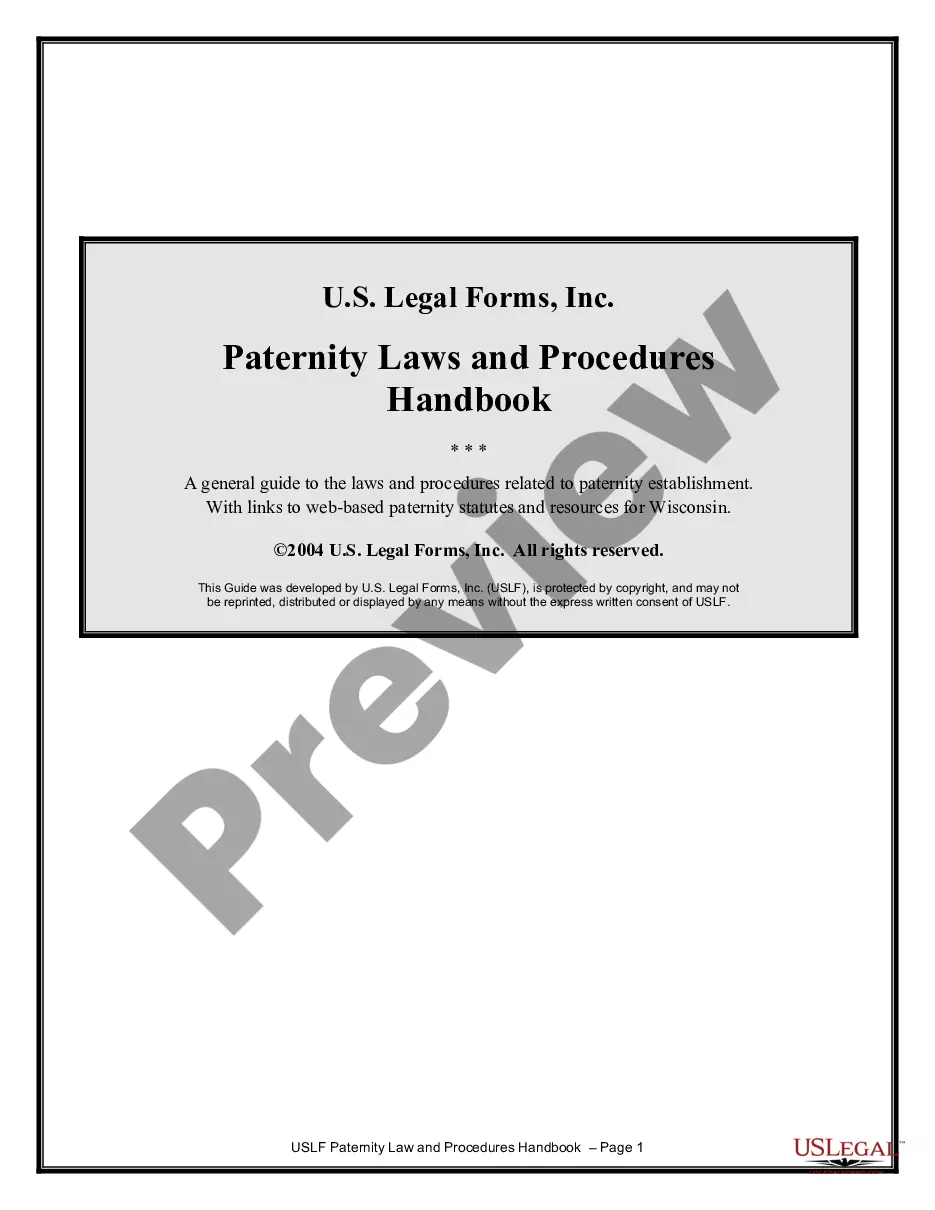
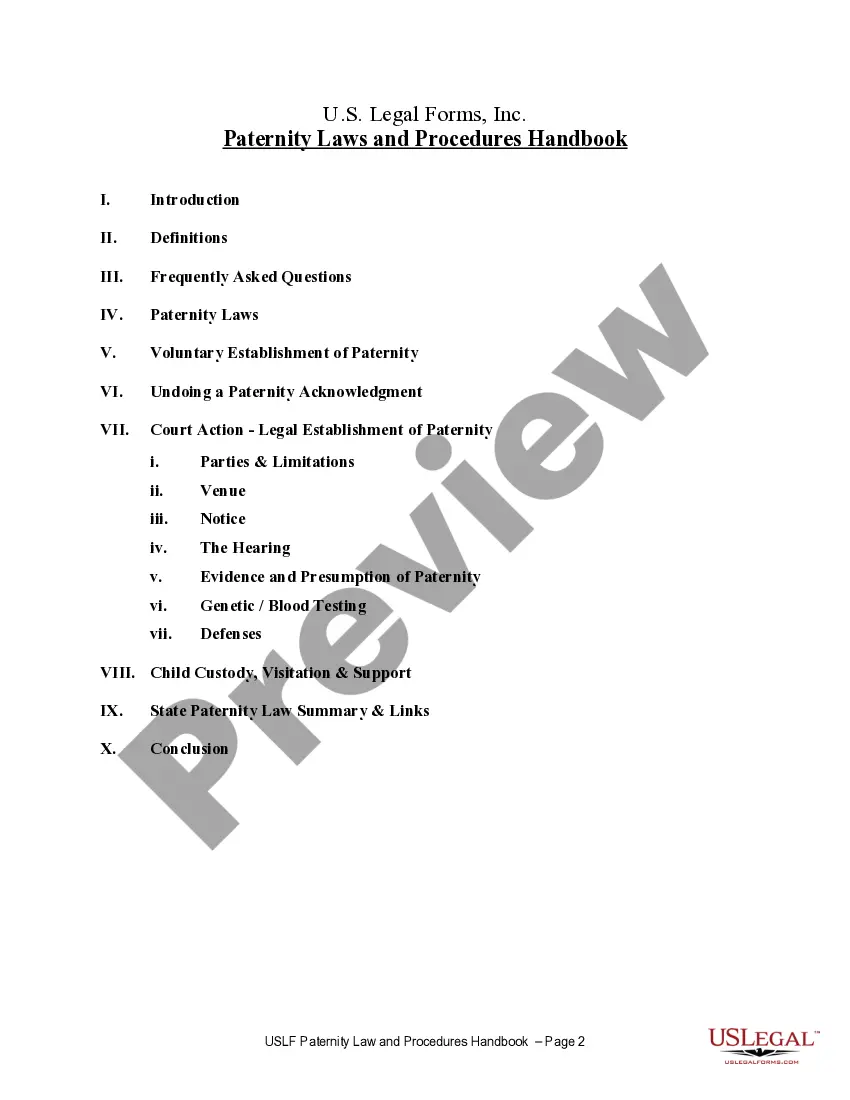
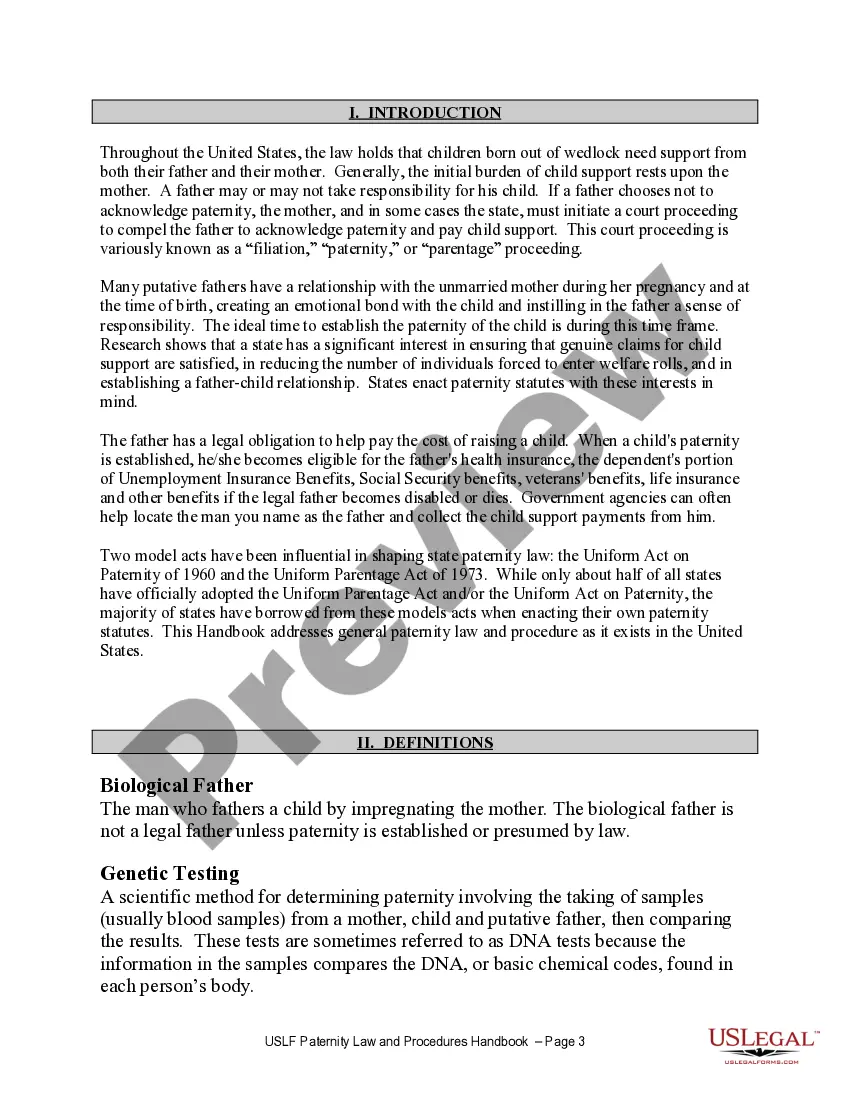
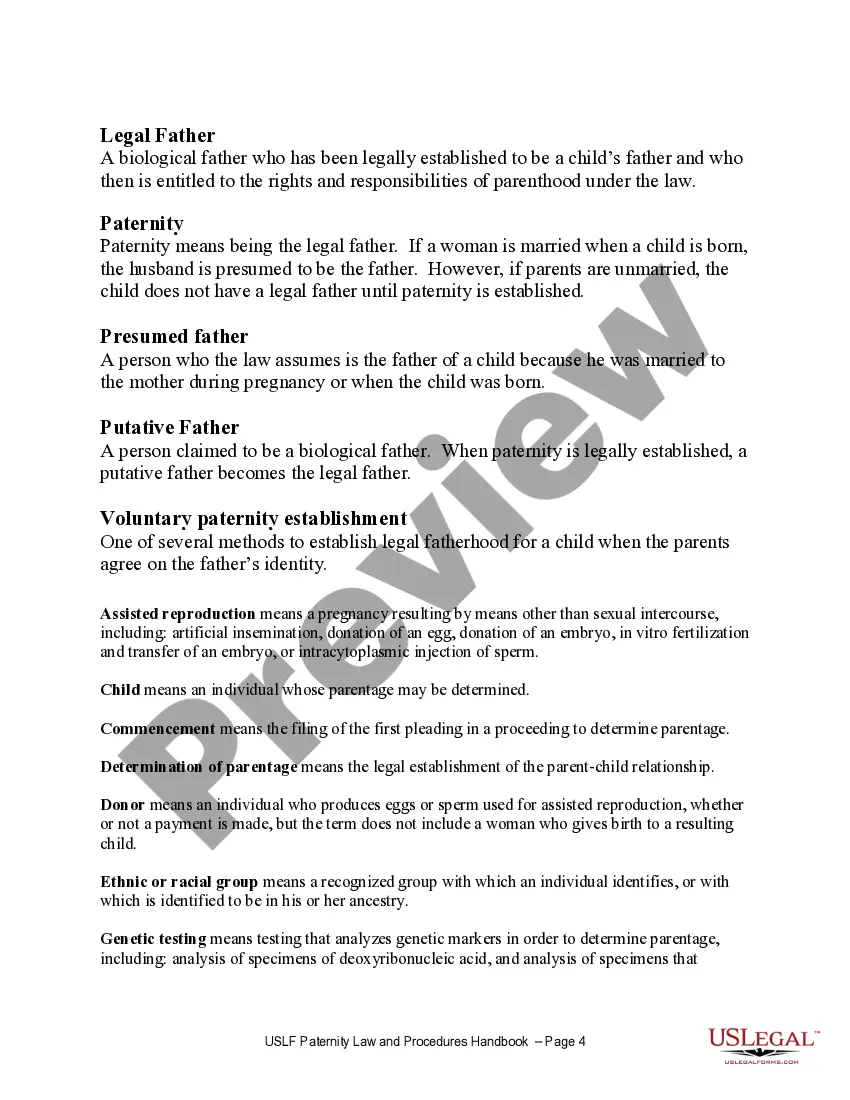
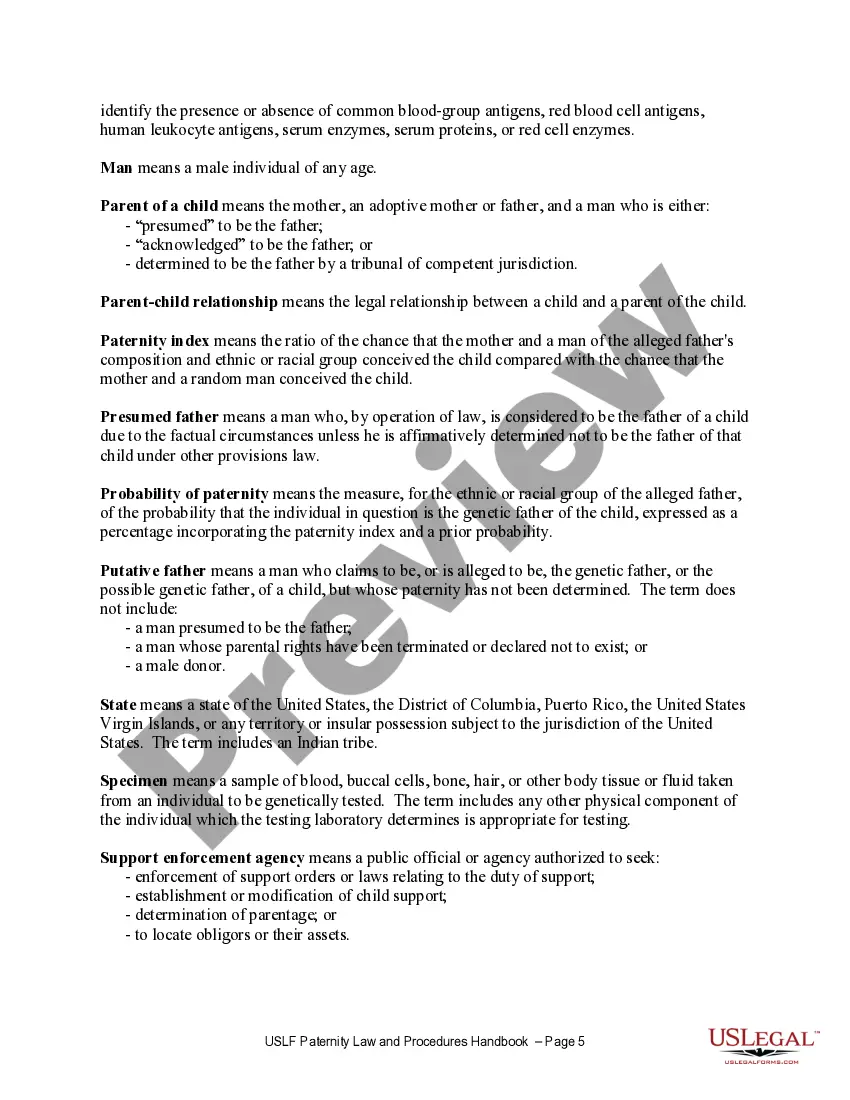
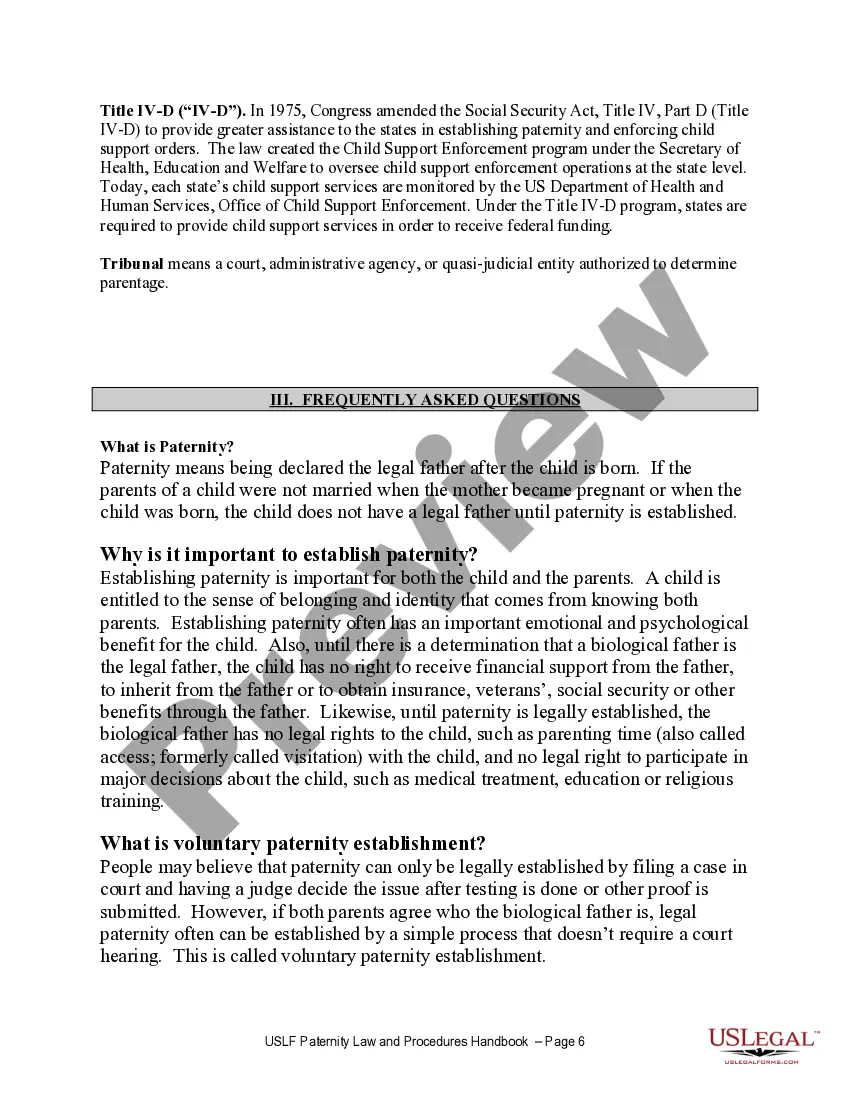
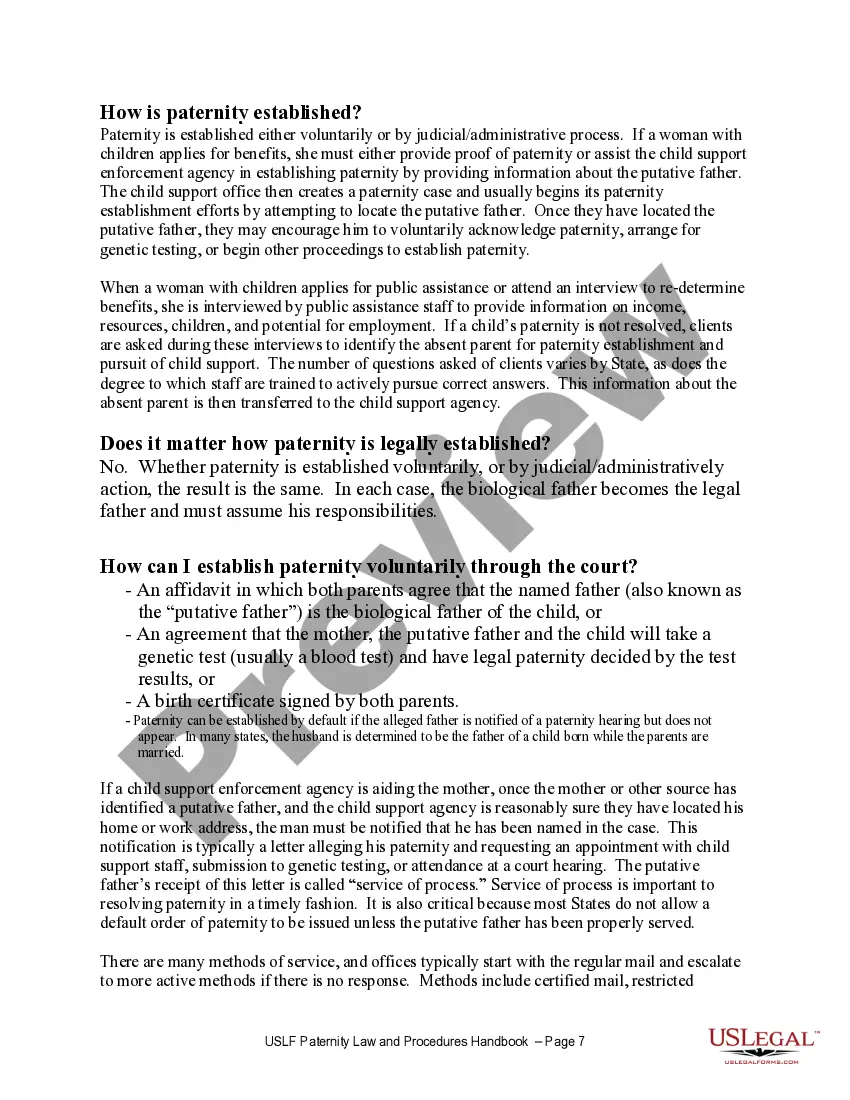
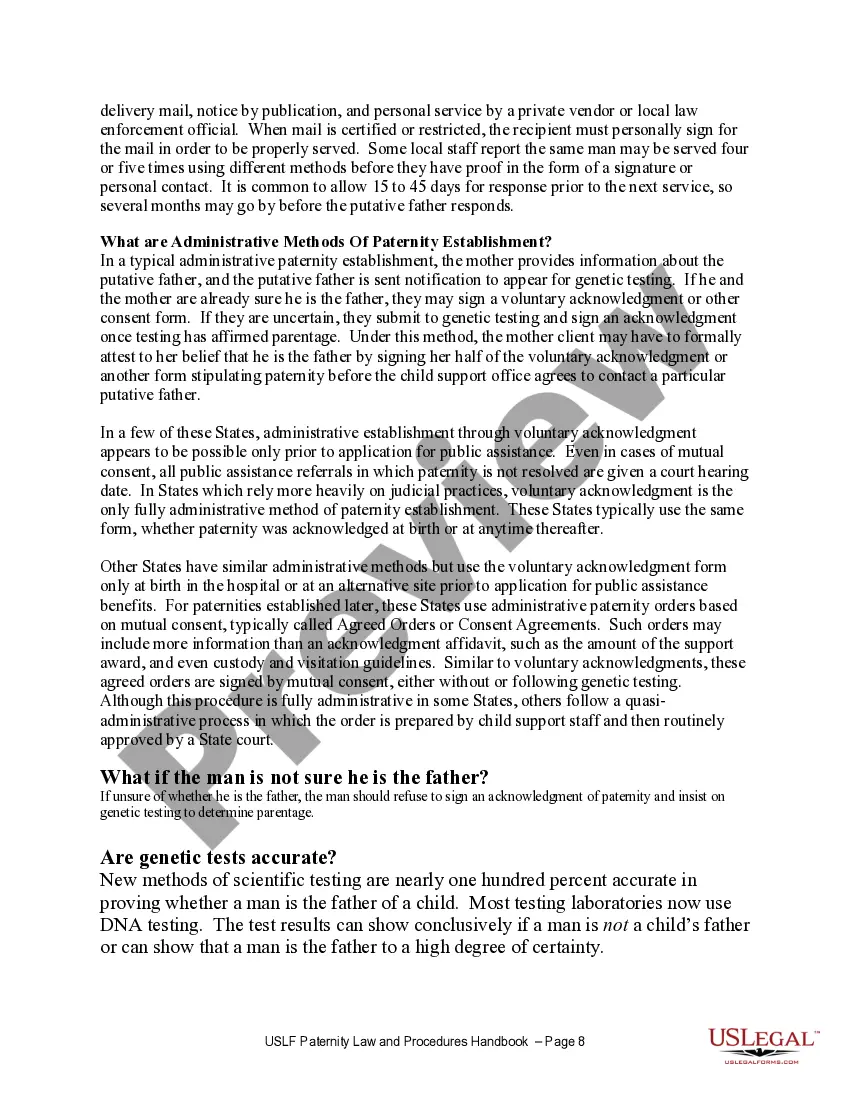
How to fill out Wisconsin Paternity Law And Procedure Handbook?
The Wisconsin Regulation For Window Tint displayed on this page is a versatile legal document crafted by experienced attorneys in accordance with federal and state laws.
For over 25 years, US Legal Forms has supplied individuals, organizations, and legal professionals with more than 85,000 authenticated, state-specific documents for any business or personal need.
Subscribe to US Legal Forms to have reliable legal templates for all of life’s situations readily available.
- Look for the document you require and examine it.
- Browse through the sample you found and preview it or read the form description to confirm it meets your needs. If it doesn’t, use the search function to find the correct one. Click Buy Now once you locate the template you want.
- Register and Log In.
- Select the subscription plan that works for you and set up an account. Use PayPal or a credit card for a quick transaction. If you already possess an account, Log In and verify your subscription to proceed.
- Obtain the editable document.
- Choose the format you prefer for your Wisconsin Regulation For Window Tint (PDF, DOCX, RTF) and download the sample to your device.
- Fill out and sign the document.
- Print the template to fill it out by hand. Alternatively, utilize an online multifunctional PDF editor to quickly and accurately complete and sign your form with an eSignature.
- Retrieve your document once more.
- Reaccess the same document whenever necessary. Open the My documents section in your account to redownload any previously downloaded forms.
Form popularity
FAQ
When comparing tints, 20% tint is darker than 35% tint. According to Wisconsin law for window tint, a lower percentage means less light passing through, resulting in increased privacy. If you desire a more concealed interior, consider going with the 20% option, but always check the state regulations.
Of course, each partner should get independent legal advice to ensure the agreement is fair. However, you can save time and money by drafting this document yourself and bringing it to your lawyer for a quick review.
A Cohabitation Agreement usually includes: Full names of you and your partner. Shared address. Move-in date. Information about both shared and separate assets and debts. Delegation of household expenses. Details of any joint accounts used to pay shared living expenses.
The agreement states what happens to the parties' property and finances should they end their relationship. As a result, the cohabitation agreement will protect the interests of both parties and avoid any potential legal conflict that could arise from a breakup.
What to include in a cohabitation agreement: Individual assets which belong to each party ? savings, investments etc. Shared assets and debts ? joint property and/or mortgages & loans. The intention of how assets and debts should be divided if the cohabiting relationship ends.
A cohabitation agreement is a legal document between unmarried couples who are living together. It sets out arrangements for finances, property and children while you're living together and if you split up, become ill or die. You can make an agreement at any time. It's good to do it before you move in together.
Technically your contract can be enforceable if it is made in writing, signed by both parties and witnessed. However, in order to ensure that your agreement is not challenged by your partner in the future, it is highly advisable that you both receive independent legal advice.
Yes, you can. Examples of situations where writing your own may make sense are if you are both young, both have no significant assets and no significant debt, and do not have any children.
Cohabiting is when a couple lives together before marriage (or civil partnership) or instead of marrying or entering into a civil partnership. If you're living with your partner, and you're not married or in a civil partnership, you're a cohabiting couple.