Limited Liability Company With The Ability To Establish Series
Description


Get your form ready online
Our built-in tools help you complete, sign, share, and store your documents in one place.
Make edits, fill in missing information, and update formatting in US Legal Forms—just like you would in MS Word.
Download a copy, print it, send it by email, or mail it via USPS—whatever works best for your next step.
Sign and collect signatures with our SignNow integration. Send to multiple recipients, set reminders, and more. Go Premium to unlock E-Sign.
If this form requires notarization, complete it online through a secure video call—no need to meet a notary in person or wait for an appointment.
We protect your documents and personal data by following strict security and privacy standards.

Make edits, fill in missing information, and update formatting in US Legal Forms—just like you would in MS Word.

Download a copy, print it, send it by email, or mail it via USPS—whatever works best for your next step.

Sign and collect signatures with our SignNow integration. Send to multiple recipients, set reminders, and more. Go Premium to unlock E-Sign.

If this form requires notarization, complete it online through a secure video call—no need to meet a notary in person or wait for an appointment.

We protect your documents and personal data by following strict security and privacy standards.
Looking for another form?

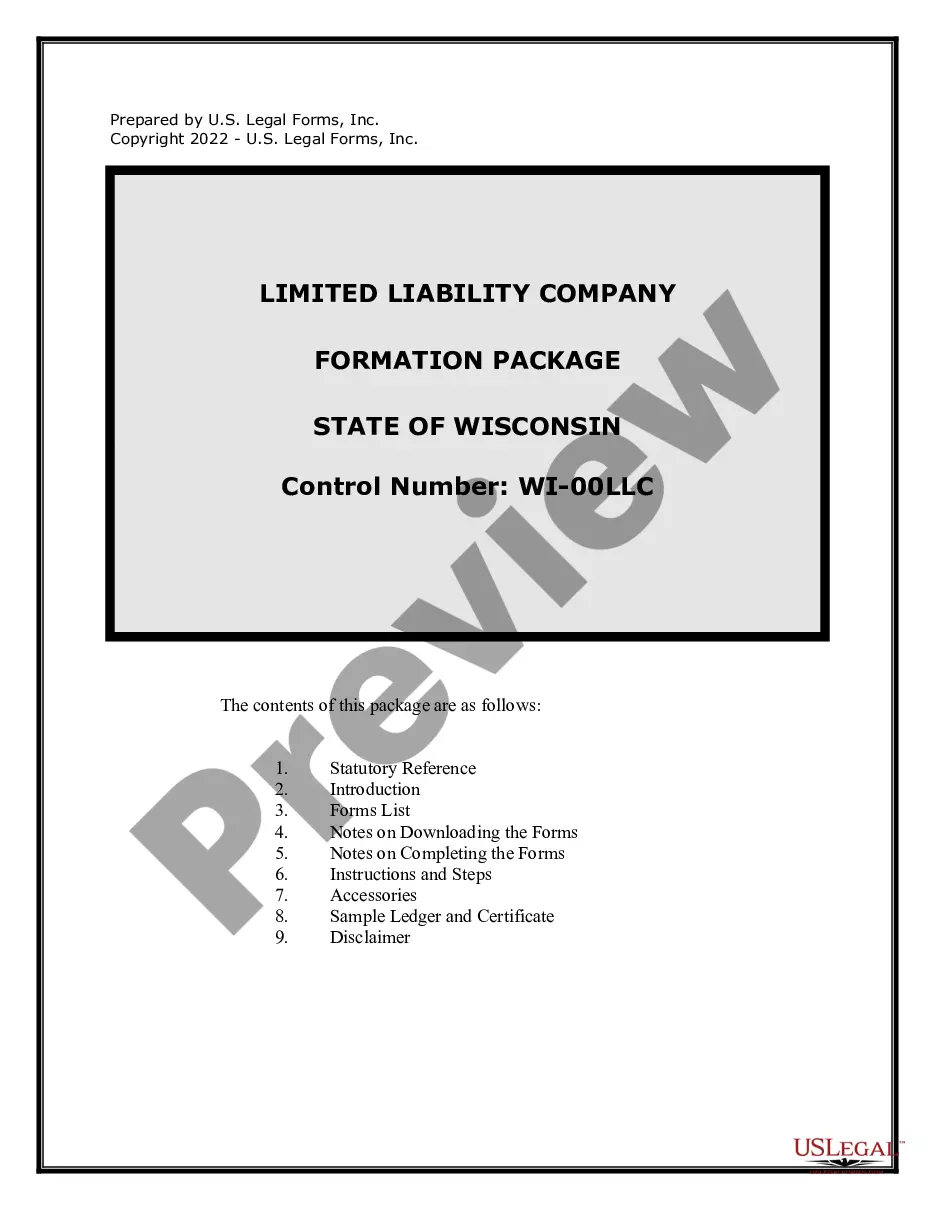
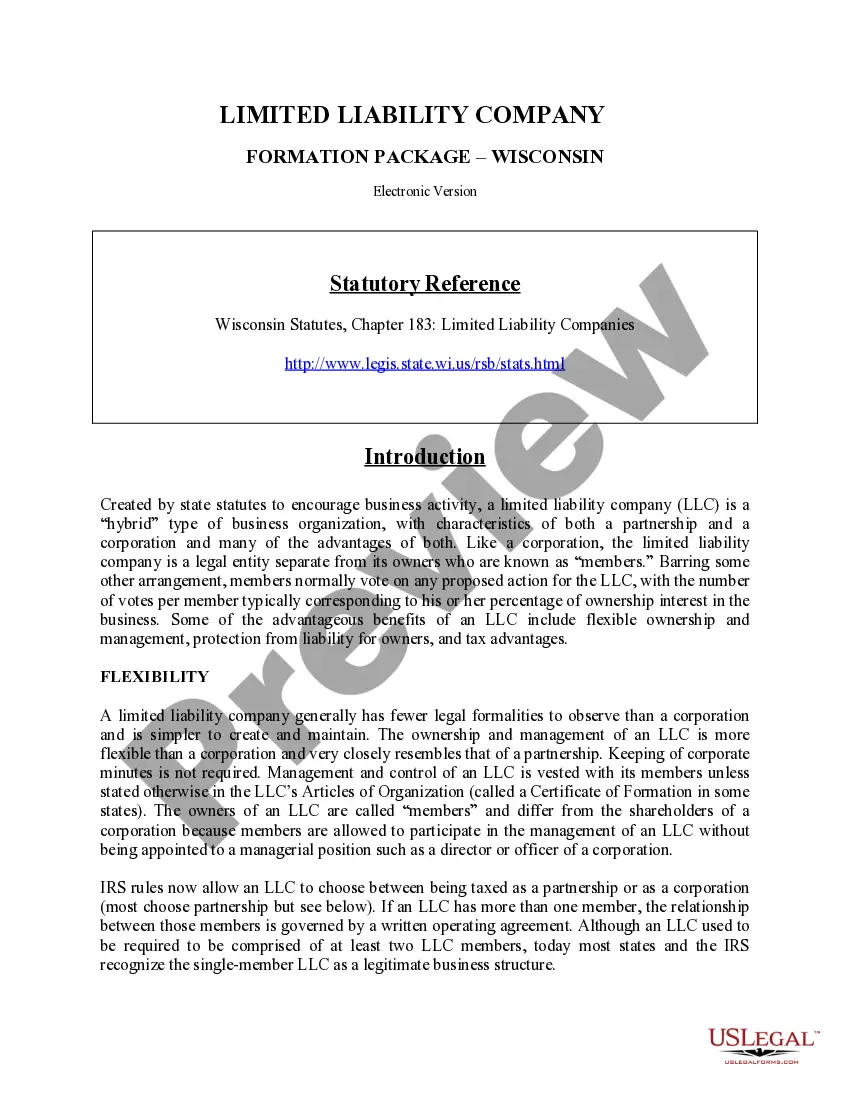
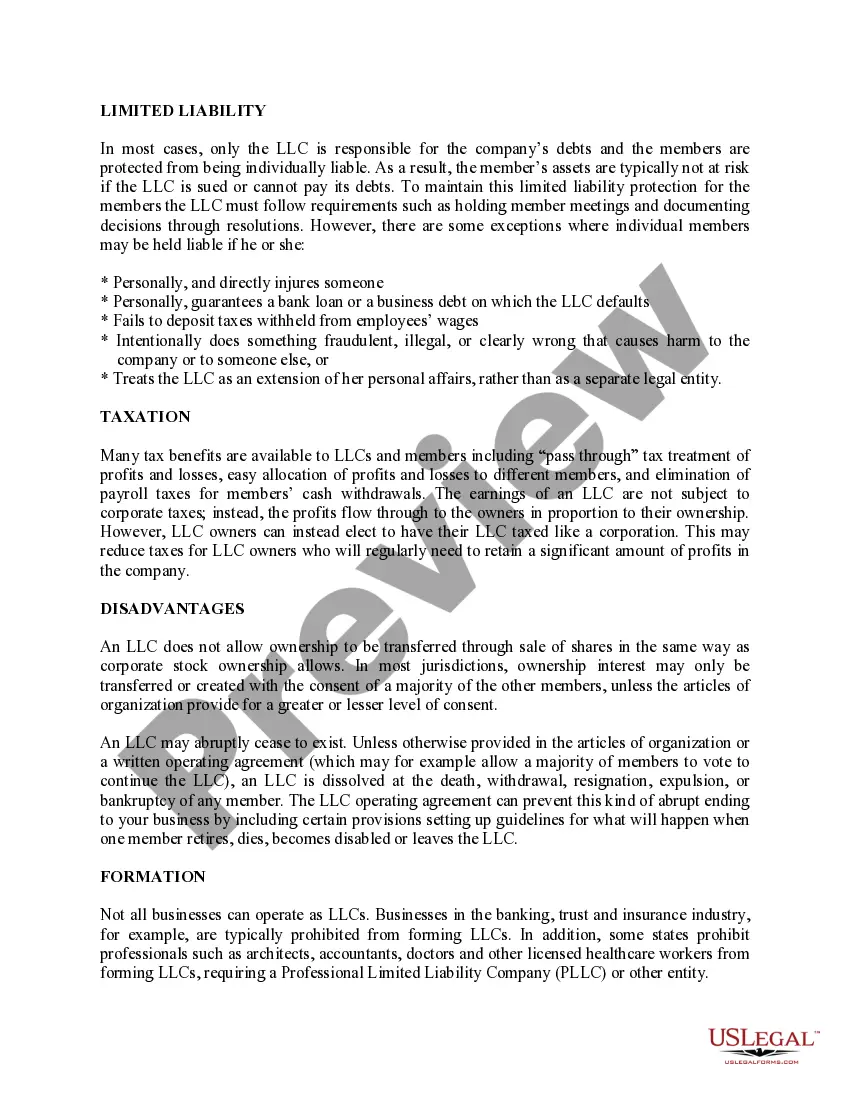
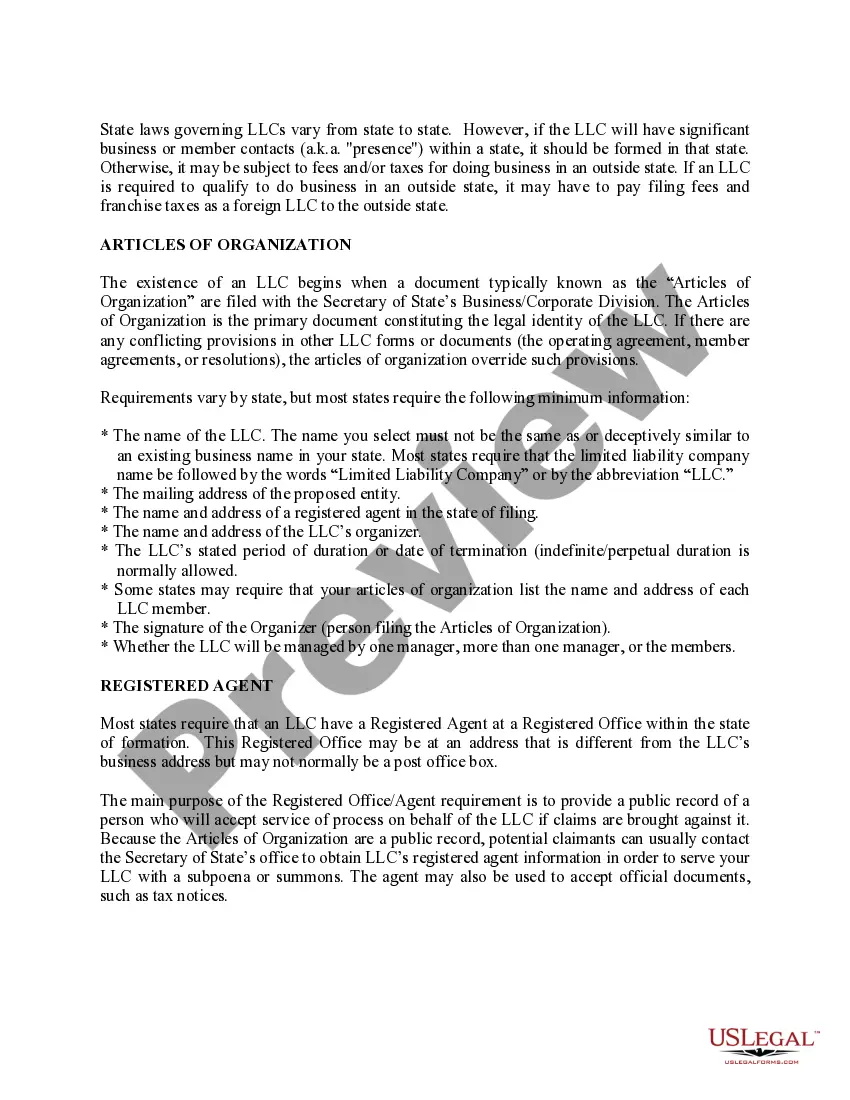
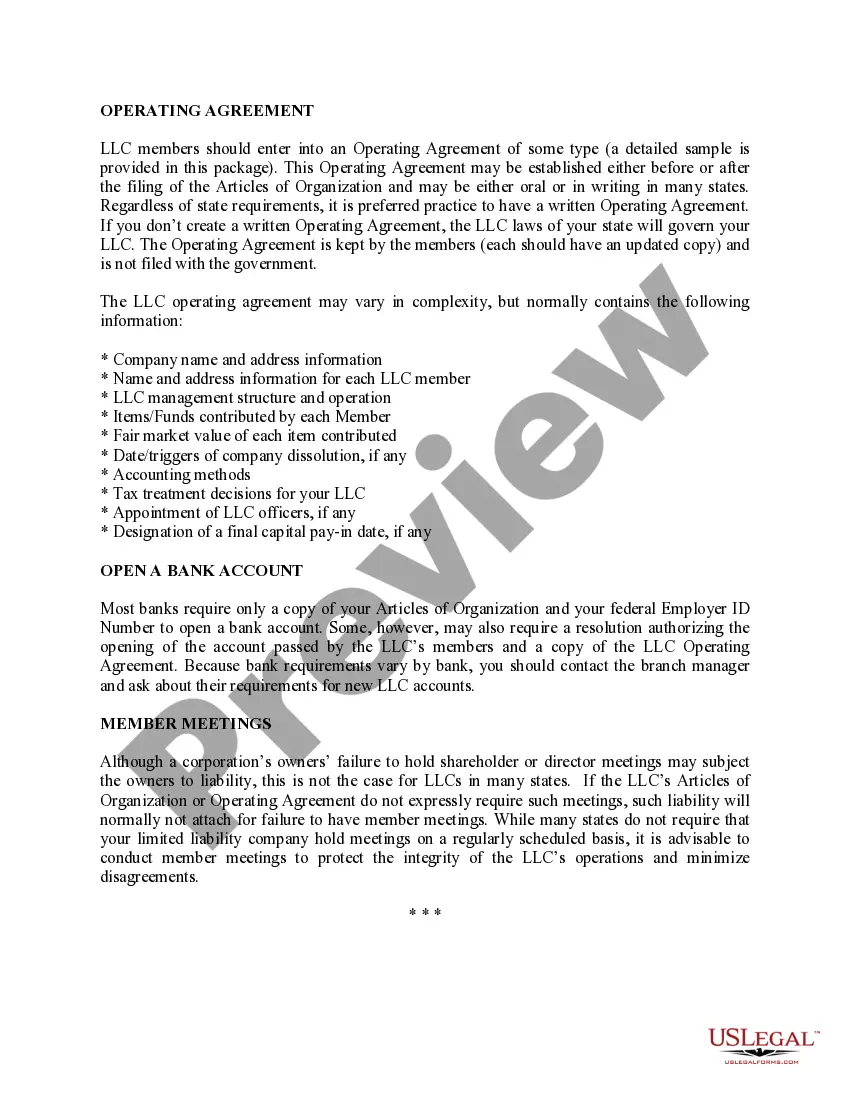
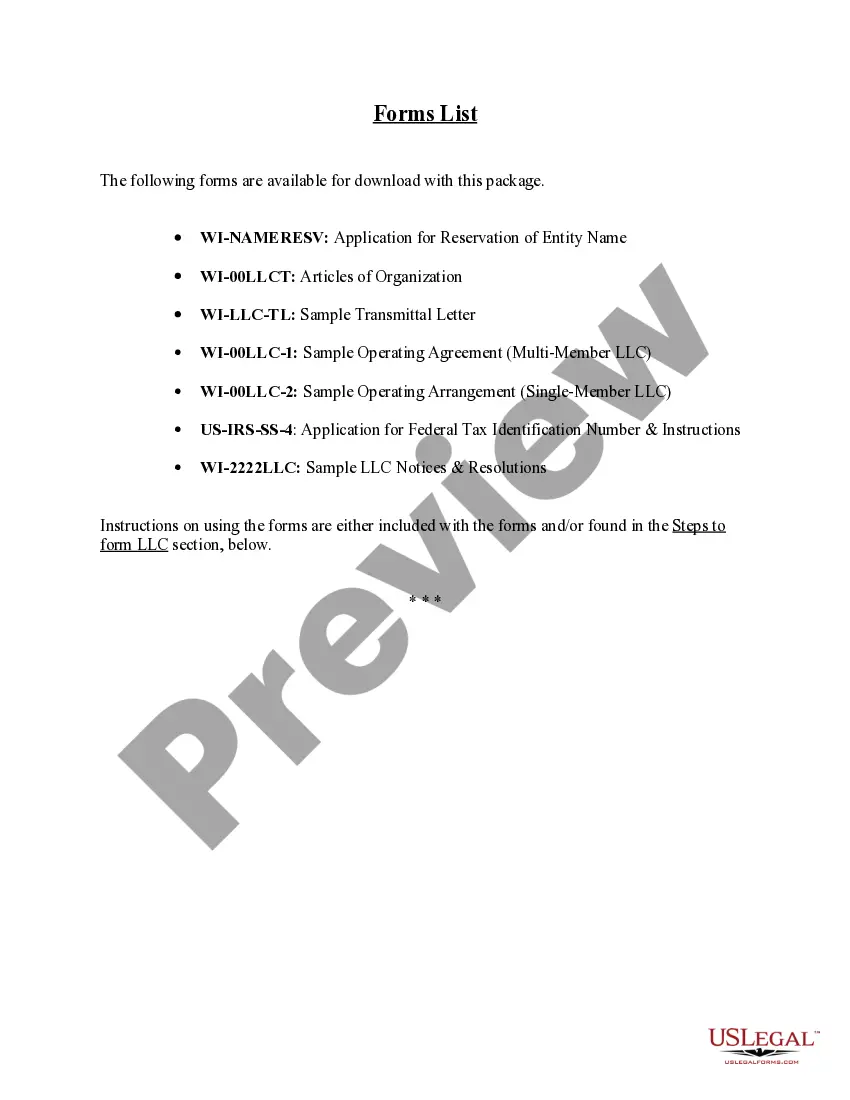
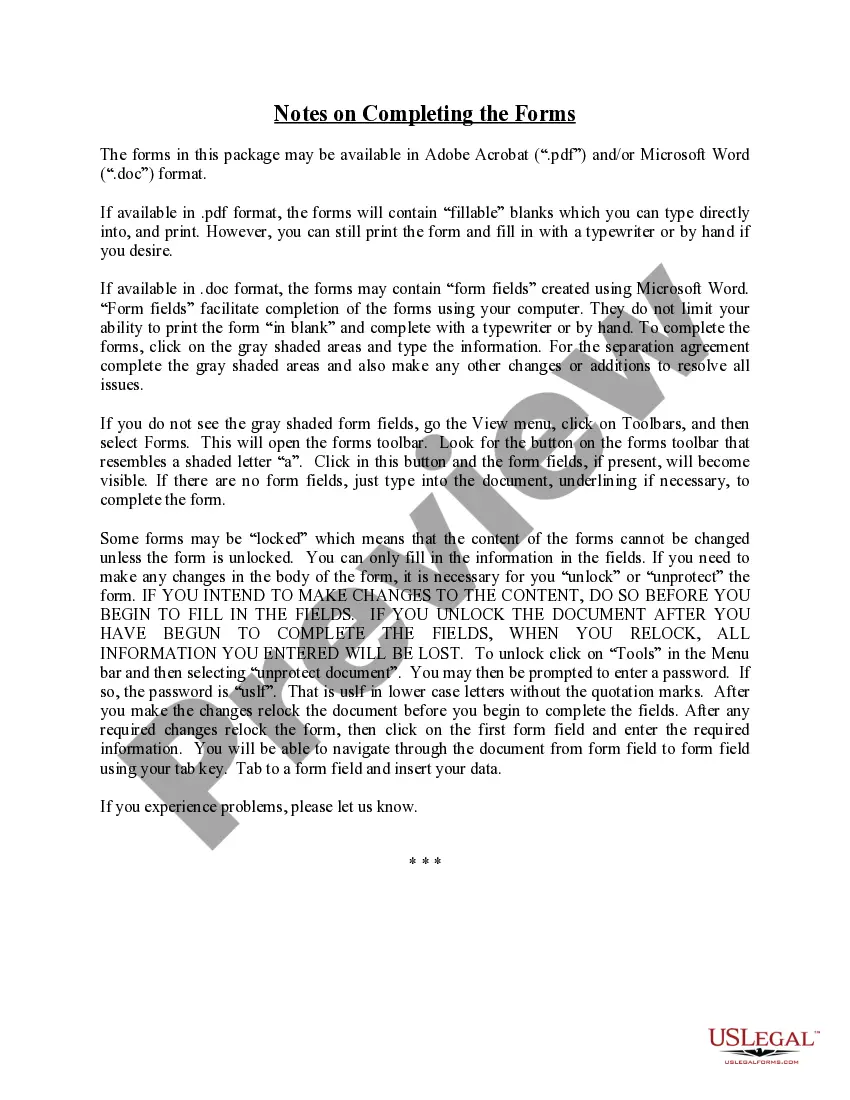
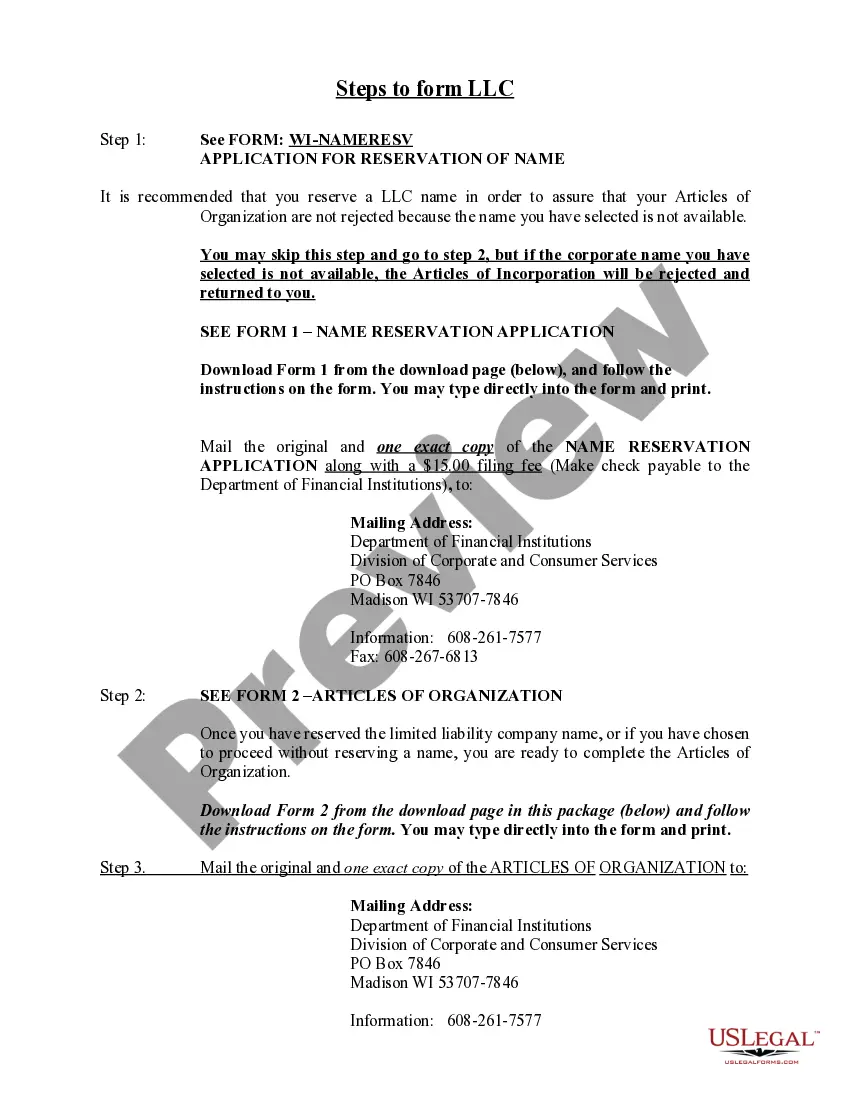
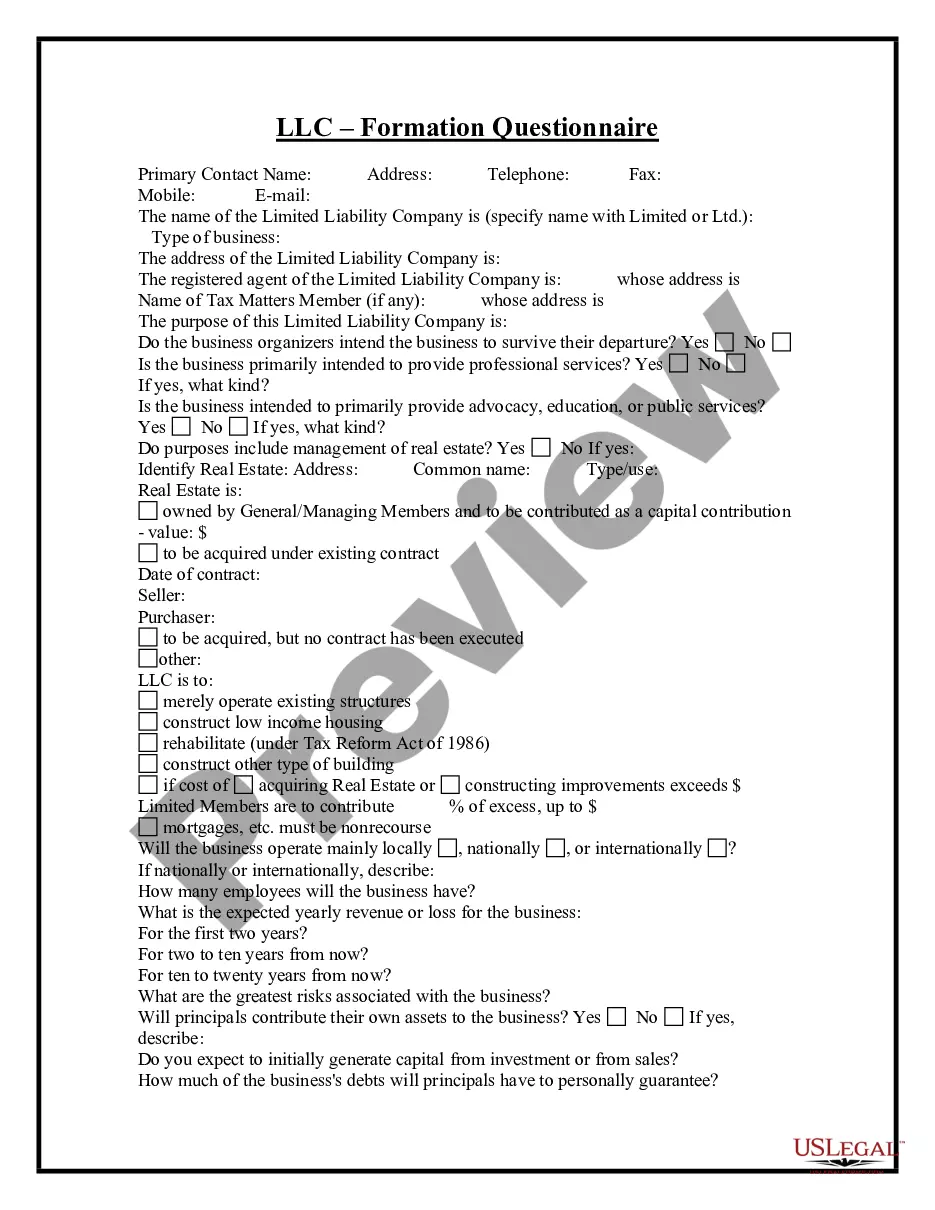
How to fill out Wisconsin Limited Liability Company LLC Formation Package?
- Log into your US Legal Forms account if you're an existing user and download the required form by clicking the Download button. Ensure your subscription is current; if not, renew it as per your plan.
- If you are new to the service, start by browsing the form descriptions. Preview the forms to check that they meet your specific needs and adhere to your local jurisdiction's requirements.
- Should you find any discrepancies, utilize the Search feature to locate additional templates that fit your criteria.
- Once you have the correct document, select the Buy Now button and choose your preferred subscription option, registering for an account to gain access to the expansive library.
- Proceed to payment by entering your credit card details or by using your PayPal account for a smooth transaction.
- After the purchase is complete, download your form onto your device. Access it anytime from the My Forms section in your profile.
In conclusion, US Legal Forms empowers individuals and attorneys to swiftly create and manage legal documents with ease. Their extensive library and expert assistance ensure that your documents are accurate and legally robust.
Start your journey today and leverage the advantages of US Legal Forms for all your legal documentation needs!
Form popularity
FAQ
Yes, each series in a series LLC typically needs its own Employer Identification Number (EIN). This requirement helps keep the assets and liabilities distinct for each series, as each one operates independently under the umbrella of the limited liability company with the ability to establish series. Obtaining an EIN for each series ensures proper tax treatment and compliance with federal regulations.
To convert your LLC to a series LLC, begin by reviewing your state’s laws regarding series LLCs, as they vary by jurisdiction. Next, you will typically need to file an amendment to your original LLC formation documents, outlining your intent to establish series. Finally, updating your operating agreement to reflect this new structure is essential, and using a platform like US Legal Forms can simplify the documentation process.
An LLC with the ability to establish series is a type of limited liability company that allows you to create multiple divisions, or 'series,' each with its own assets and liabilities. This structure provides flexibility and protects individual series from the liabilities of others, making it a smart choice for business owners wanting to compartmentalize risks. This arrangement can optimize administrative costs and streamline operations under a common entity.
Yes, you can change your LLC to a Series LLC, which is a limited liability company with the ability to establish series. This transformation allows you to create multiple separate entities under one LLC umbrella, simplifying management and protecting assets. It's important to follow your state's specific procedures for this conversion, so consulting a professional can ensure a smooth transition.
To convert your LLC into a Series LLC, start by reviewing your state laws for the necessary guidelines. Usually, it involves filing a new formation document that establishes your Series LLC and outlines its structure. Using platforms like USLegalForms can streamline this process by providing the necessary documents and guidance to help you complete your transformation effectively.
The downsides of a Series LLC can include complexity in management and potential higher costs. State laws regarding Series LLCs vary, and not all states recognize them, which could lead to confusion. Additionally, many banks and lenders may not understand this structure, making it challenging to secure financing for each series.
Yes, a Limited Liability Company with the ability to establish series can create one or more series. Each series can operate its own business and hold assets, while remaining distinct from other series within the same LLC. This structure provides flexibility and security for managing diverse business interests.
A Series LLC allows you to create multiple series under one single LLC, enabling you to segregate assets and liabilities for each series. This offers legal protections, as each series operates independently, which protects the integrity of your assets. Business owners often use this structure to manage different business lines or investment properties efficiently.
Yes, you can convert your existing Limited Liability Company into a Series LLC, but the process varies by state. It generally involves filing specific documents with your state’s business office to make the transition. It's important to consult the rules in your state to ensure compliance during this conversion process.
To get an EIN for your Limited Liability Company with the ability to establish series, you need to complete Form SS-4 with the IRS. This form will require information about your LLC’s structure and its members. After submitting the form, you can obtain your EIN online, by fax, or by mail. This EIN will help you manage your series effectively for tax purposes.