Sample Letter regarding Hearing on the Original Complaint for Claim and Delivery
Overview of this form
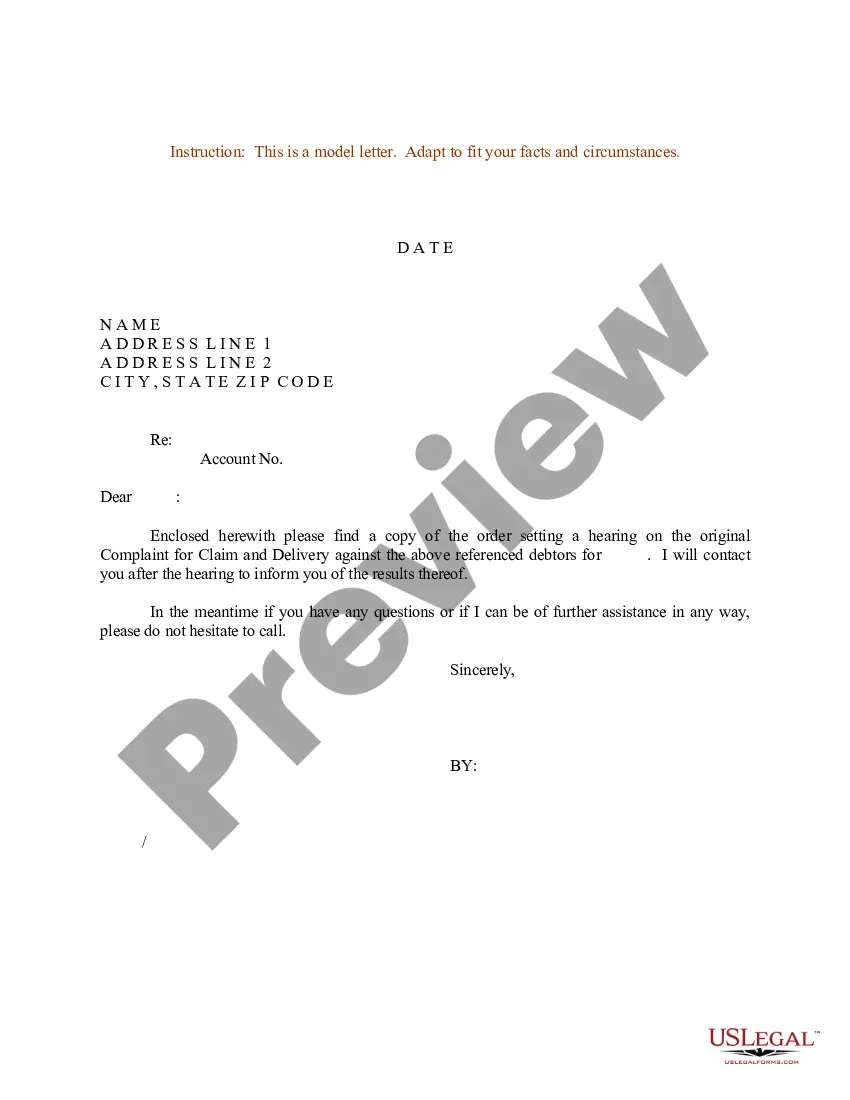
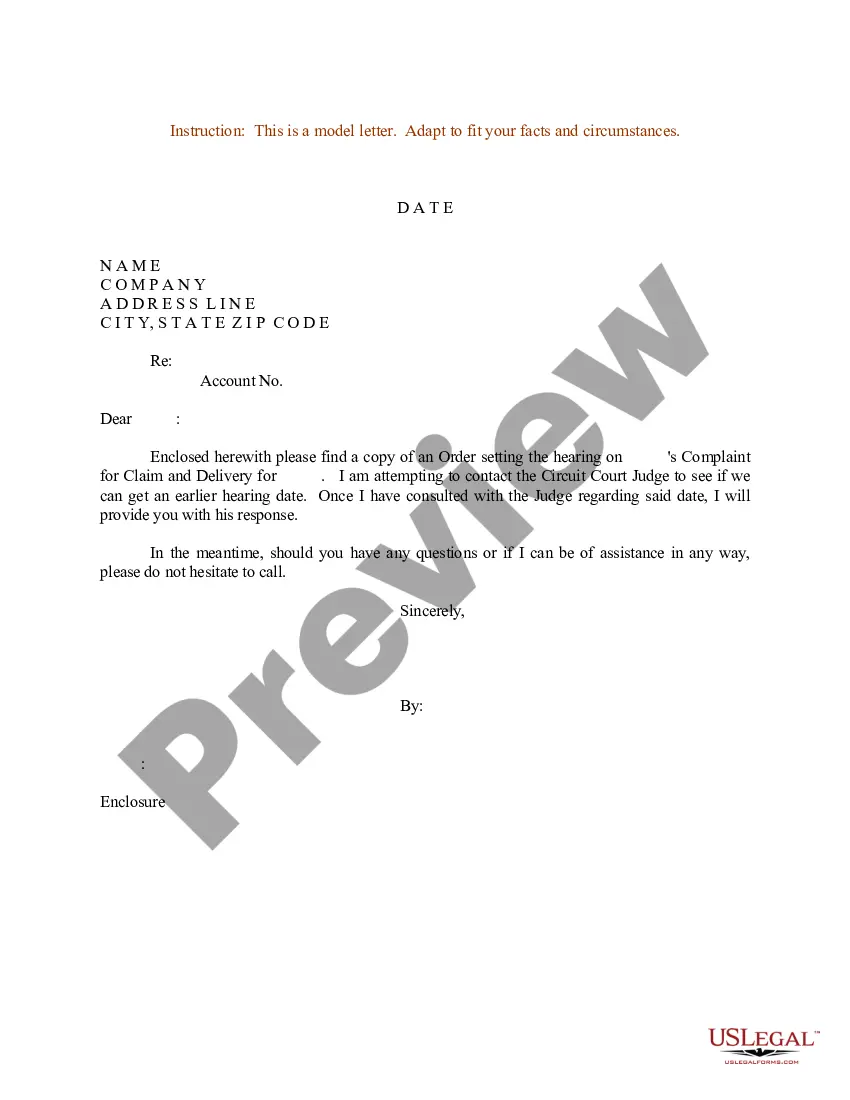
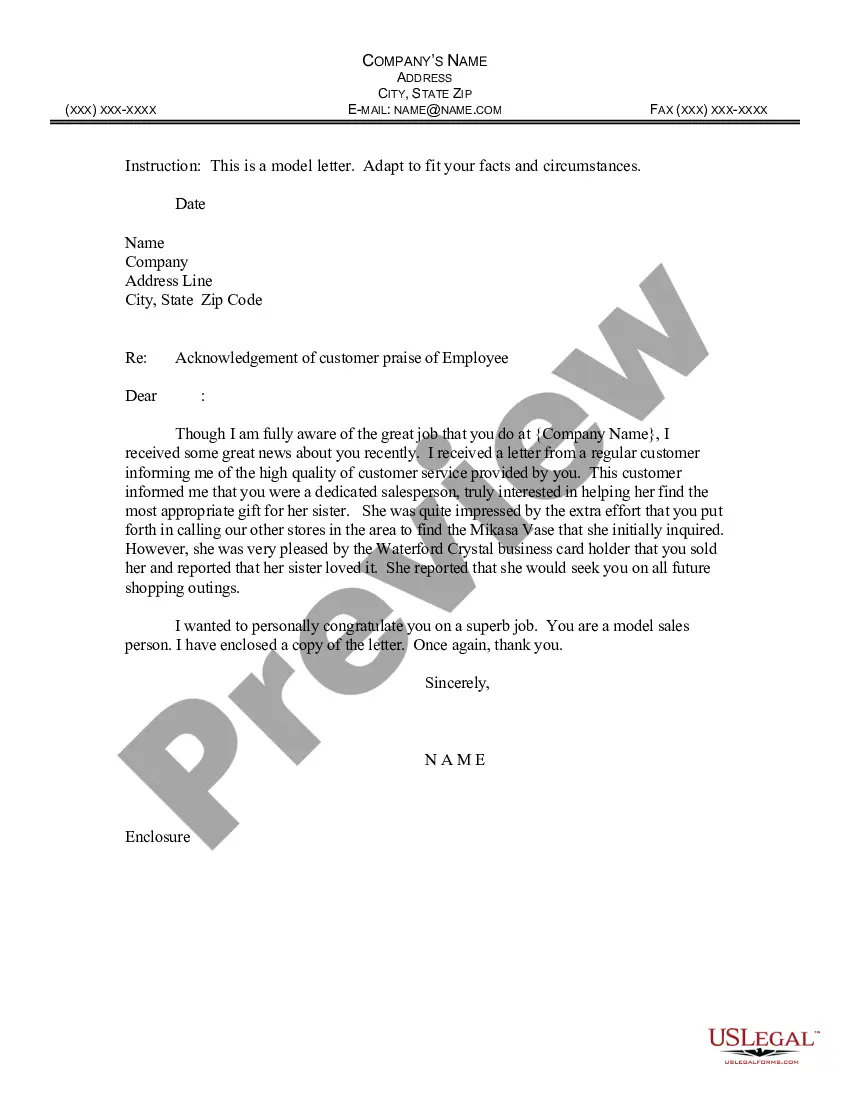
This form is a sample letter regarding the hearing on the original complaint for claim and delivery. Its primary purpose is to notify involved parties about a scheduled hearing related to the recovery of property. This letter can streamline communication between parties and ensures that all relevant details concerning the hearing are documented, differing from other legal forms which might focus solely on the complaint or other procedural matters.
Form components explained
- Date of the letter.
- Sender's name and address.
- Recipient's name and address.
- Subject line indicating the nature of the hearing.
- Details of the hearing date and time.
- Instructions for further actions or responses.
When to use this form
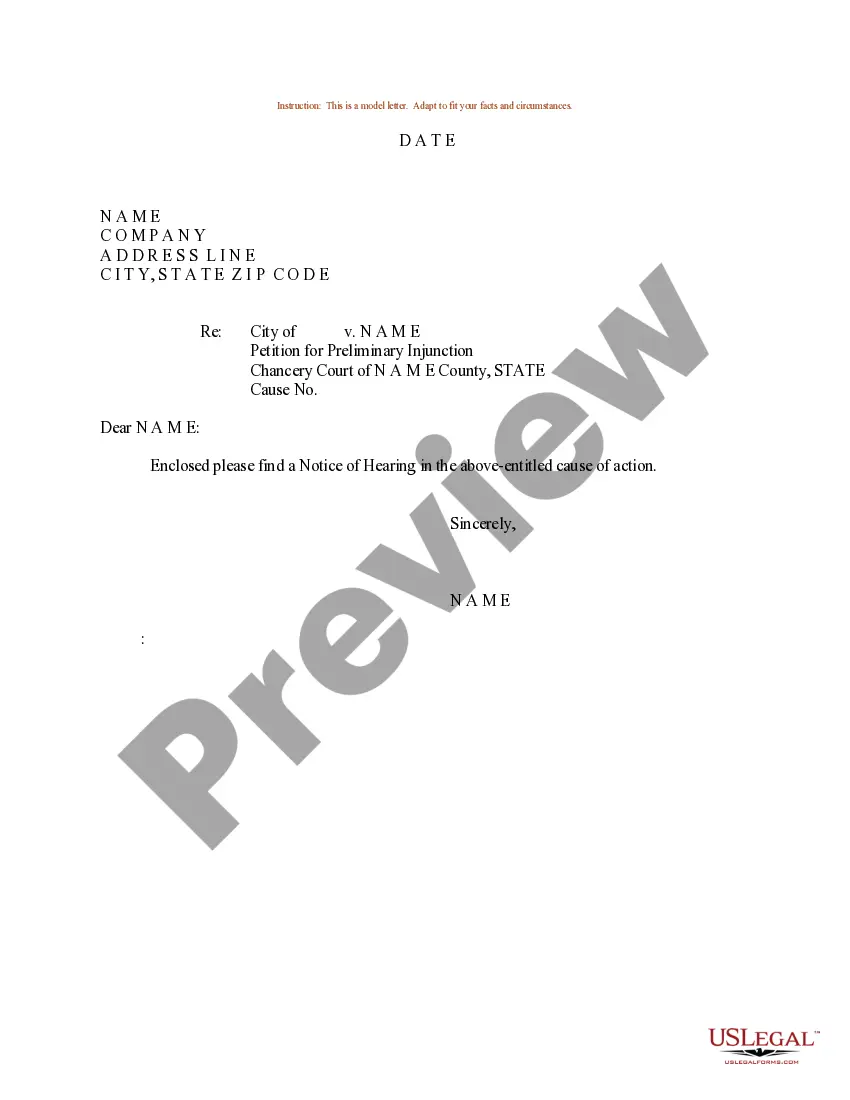
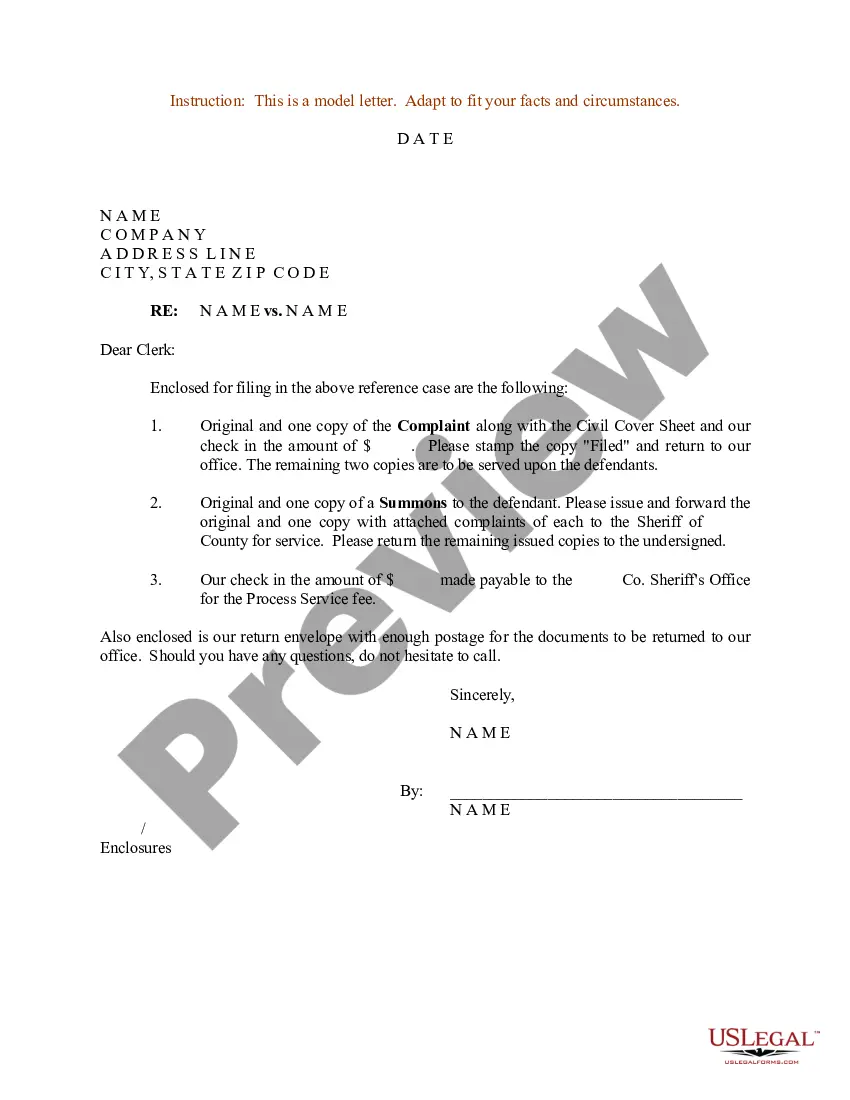
This letter should be used when a hearing has been scheduled concerning a claim and delivery case. It is beneficial to inform all parties involved about the hearing details to ensure proper attendance and preparation for legal proceedings. Scenarios might include disputes over personal property that one party seeks to retrieve through legal means.
Who can use this document
This form is intended for:
- Individuals or entities involved in a claim and delivery case.
- Legal professionals representing clients in such disputes.
- Anyone needing to formally notify other parties about a hearing related to their property.
Instructions for completing this form
- Enter the current date at the top of the letter.
- Fill in your name and address in the sender's section.
- Include the recipient's name and complete address.
- Clearly state the subject of the letter to indicate it's about the hearing.
- Provide the hearing date and time details.
- Add any necessary instructions or actions required from the recipient.
Is notarization required?
This form does not typically require notarization to be legally valid. However, some jurisdictions or document types may still require it. US Legal Forms provides secure online notarization powered by Notarize, available 24/7 for added convenience.
Get your form ready online
Our built-in tools help you complete, sign, share, and store your documents in one place.
Make edits, fill in missing information, and update formatting in US Legal Forms—just like you would in MS Word.
Download a copy, print it, send it by email, or mail it via USPS—whatever works best for your next step.
Sign and collect signatures with our SignNow integration. Send to multiple recipients, set reminders, and more. Go Premium to unlock E-Sign.
If this form requires notarization, complete it online through a secure video call—no need to meet a notary in person or wait for an appointment.
We protect your documents and personal data by following strict security and privacy standards.

Make edits, fill in missing information, and update formatting in US Legal Forms—just like you would in MS Word.

Download a copy, print it, send it by email, or mail it via USPS—whatever works best for your next step.

Sign and collect signatures with our SignNow integration. Send to multiple recipients, set reminders, and more. Go Premium to unlock E-Sign.

If this form requires notarization, complete it online through a secure video call—no need to meet a notary in person or wait for an appointment.

We protect your documents and personal data by following strict security and privacy standards.
Common mistakes
- Forgetting to include the date of the hearing.
- Neglecting to address the letter properly.
- Providing incorrect contact information for follow-up.
- Failing to sign the letter before sending it.
Why complete this form online
- Easy to edit and customize to fit your specific needs.
- Convenient access anytime, allowing you to complete it at your pace.
- Ensures that you have a professionally drafted letter ready for use.
- Reduces the risk of errors by utilizing a standardized template.
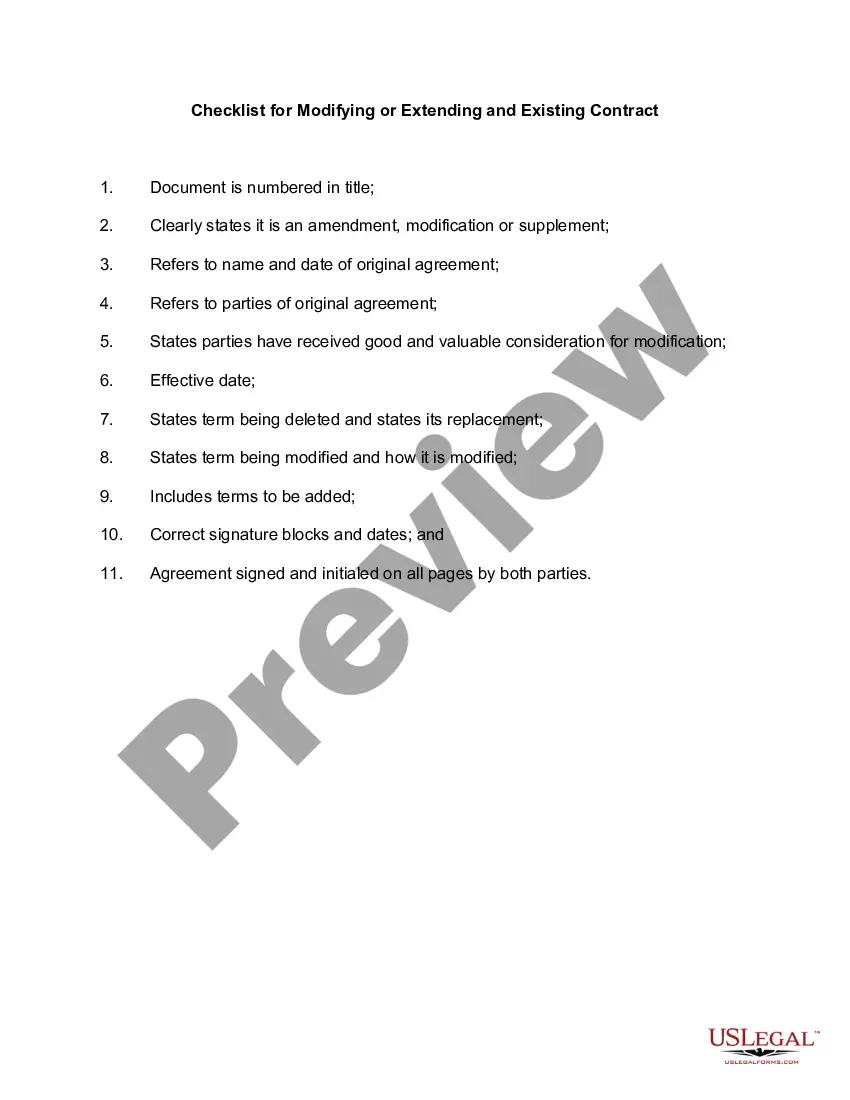
Looking for another form?
Form popularity
FAQ
Add personal information. Enter purchase details. Sign the form. Attach receipts. Submit to the management or accounting department.
At the beginning of your letter, indicate that you are making a claim and specify the type of claim you are making (e.g., an insurance claim). State the policy number, if applicable. Describe the specific circumstances or details of the claim (for example, that a product is defective or the details of an accident).
Letter date. Your full name and contact information. Injury date and location. Brief description of the incident, such as car accident or slip and fall The at-fault party's name and contact information. The at-fault party's insurance policy number, if available.
Form a policy for the expense reimbursement process. Determine what expenses employees can claim. Create a system for collecting employee expense claims. Verify the legitimacy of expenses. Pay reimbursements within a specified timeframe.
What Is Expense Reimbursement? The expense reimbursement process allows employers to pay back employees who have spent their own money for business-related expenses. When employees receive an expense reimbursement, typically they won't be required to report such payments as wages or income.
The letter should be brief and to the point. The purpose of the letter should be stated in the first sentence. It should only contain the details of the claim request and the policy number. This is not the place to complain about the mistake of the doctor for not sending the information.
: a document with information about why a person should be given money filled out an insurance claim form.
A letter of claim is a formal letter with a serious tone; it also could be a persuasive letter as it makes the reader believe that the performance or work done by you were not up to the mark. Commonly a letter of claim is used as a first step that further leads to a legal process of a claim or a personal injury.