Exchange Taxas
Description
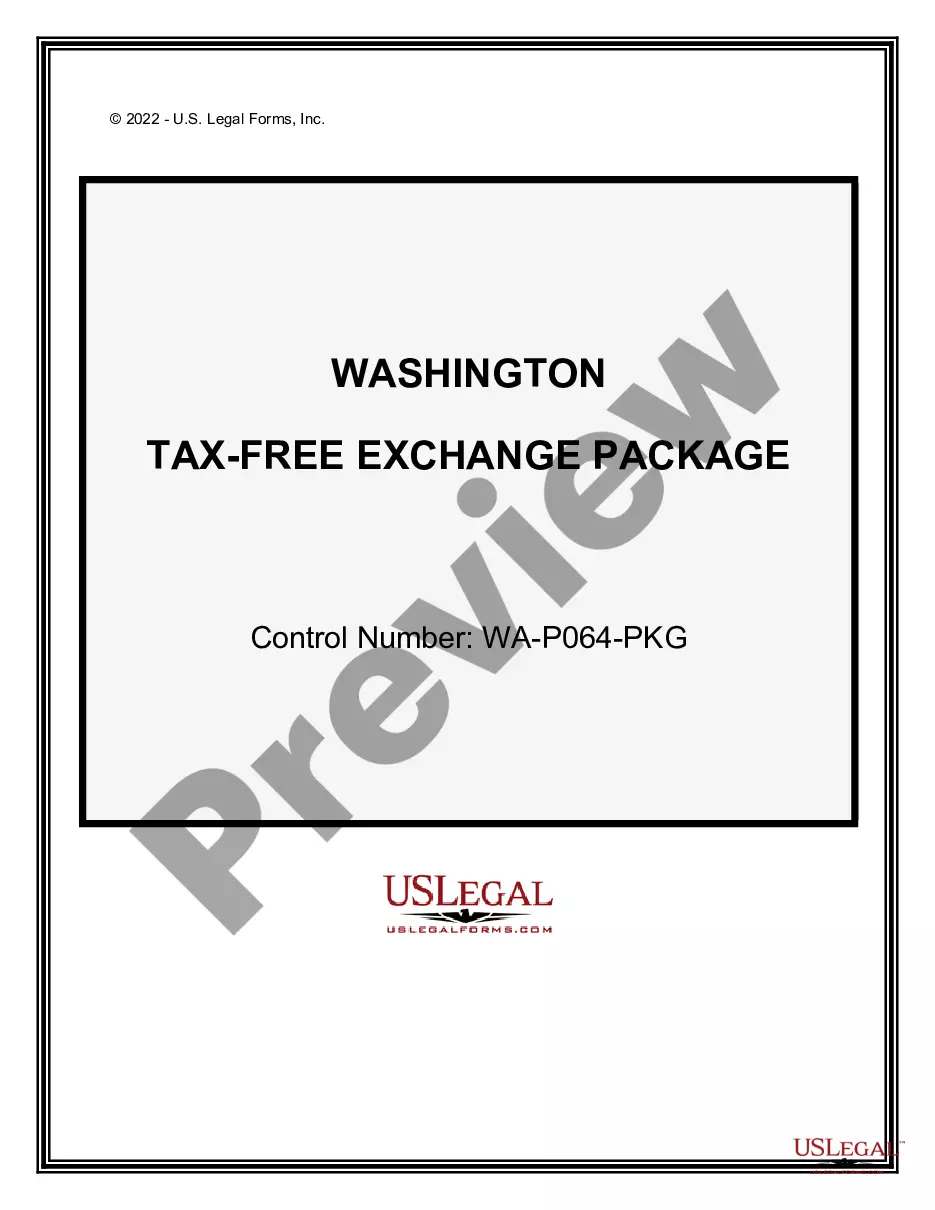
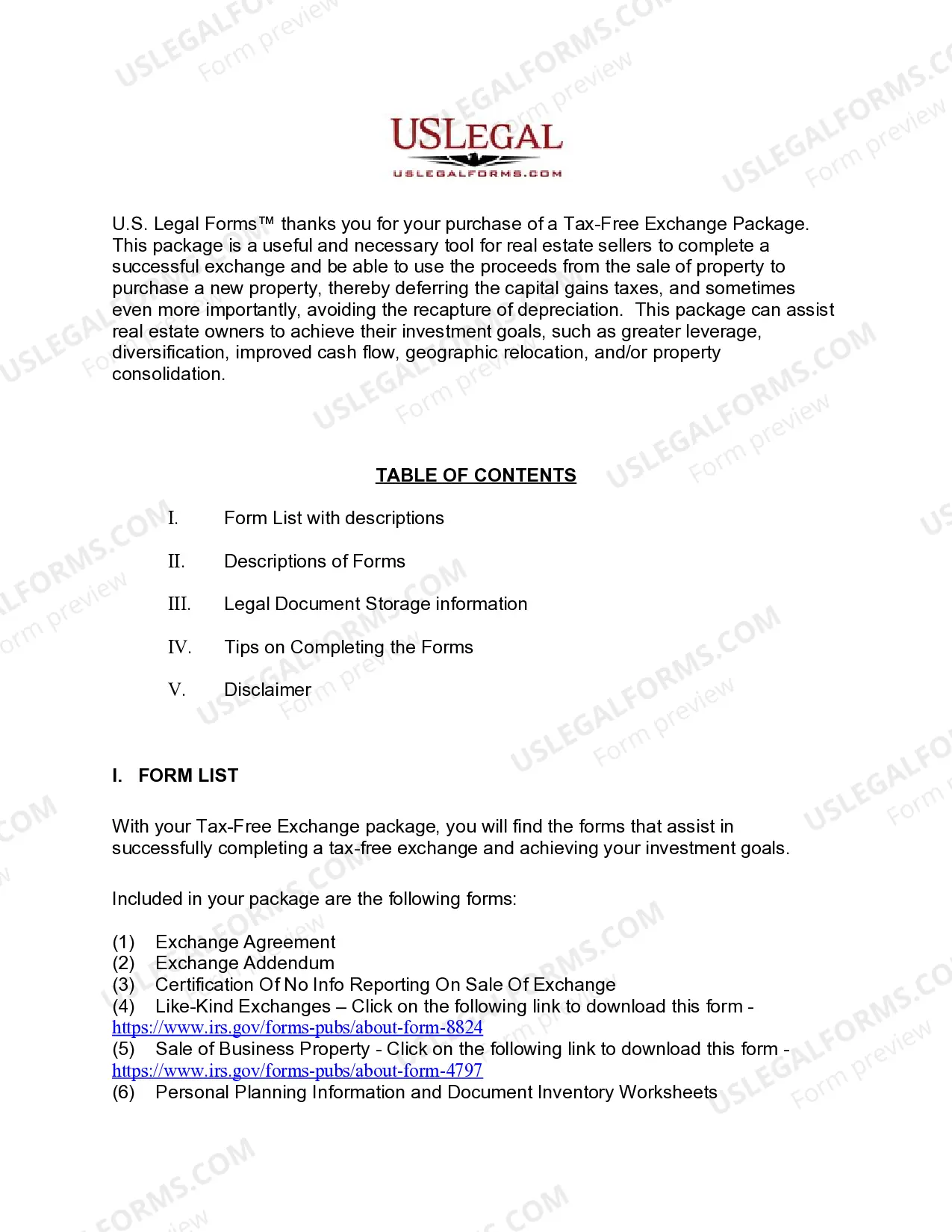




Get your form ready online
Our built-in tools help you complete, sign, share, and store your documents in one place.
Make edits, fill in missing information, and update formatting in US Legal Forms—just like you would in MS Word.
Download a copy, print it, send it by email, or mail it via USPS—whatever works best for your next step.
Sign and collect signatures with our SignNow integration. Send to multiple recipients, set reminders, and more. Go Premium to unlock E-Sign.
If this form requires notarization, complete it online through a secure video call—no need to meet a notary in person or wait for an appointment.
We protect your documents and personal data by following strict security and privacy standards.

Make edits, fill in missing information, and update formatting in US Legal Forms—just like you would in MS Word.

Download a copy, print it, send it by email, or mail it via USPS—whatever works best for your next step.

Sign and collect signatures with our SignNow integration. Send to multiple recipients, set reminders, and more. Go Premium to unlock E-Sign.

If this form requires notarization, complete it online through a secure video call—no need to meet a notary in person or wait for an appointment.

We protect your documents and personal data by following strict security and privacy standards.
Looking for another form?

How to fill out Washington Tax Free Exchange Package?
- Check the Preview mode and ensure the form you select matches your needs and local jurisdiction.
- If the form doesn’t seem right, use the Search feature to find the appropriate template that serves your purpose.
- Choose a subscription plan that fits your needs and click on the Buy Now button.
- Complete your purchase by entering your payment details, whether through credit card or PayPal.
- After payment, download your form directly to your device, ensuring easy access anytime from the My Forms section of your profile.
Utilizing US Legal Forms benefits users by providing a robust collection of forms at a competitive cost, along with access to premium expert assistance, ensuring all legal documents are completed accurately.
In conclusion, US Legal Forms empowers you to execute legal documents quickly and confidently. Start your journey today by signing up and exploring our vast library to find the forms that meet your needs.
Form popularity
FAQ
The exchange rate for $1 US varies depending on the currency exchanged, as it reflects the value of the US dollar against other currencies. Regularly updated sources provide accurate rates, vital for traders, travelers, and businesses dealing with international transactions. Understanding this exchange rate helps you make informed decisions about transfers or purchases. To ease challenges related to exchange taxas, consider exploring the solutions offered by US Legal Forms.
Calculating exchange involves converting one currency into another based on the current exchange rate. Start with the amount you want to exchange, and then multiply it by the exchange rate for the foreign currency. This simple calculation ensures you know exactly what to expect in terms of fees and profits. If you are navigating these calculations for the first time, US Legal Forms offers tools to help simplify the process and understand exchange taxas better.
The latest exchange rate indicates the current value of one currency in relation to another currency. It fluctuates based on market conditions and economic indicators, affecting international trade and travel. To know the most accurate and up-to-date exchange rates, use reliable financial platforms or services. This information is crucial for understanding the implications of exchange taxas in your financial decisions.
Foreign exchange tax refers to taxes imposed on income earned from currency exchange. When you buy or sell foreign currency, the profits you make may be subject to taxation under the laws of your country. Understanding foreign exchange tax is vital for anyone engaging in international transactions, as it impacts overall earnings. Utilizing resources like US Legal Forms can guide you in managing your foreign exchange tax obligations properly.
Filling out a 1031 exchange requires gathering all necessary information about the properties involved. You'll complete Form 8824, detailing various aspects like property descriptions and dates of the exchanges. If you want to simplify this process, consider using platforms like uslegalforms, which can help you navigate through the necessary paperwork efficiently.
For IRS reporting, you typically use the exchange rate on the date of the transaction. It’s important to document this rate carefully to comply with tax guidelines. Using accurate exchange taxas helps avoid potential issues during the reporting process.
At its core, a 1031 exchange allows you to sell one property and buy another while deferring taxes on the profits. Essentially, you swap properties without paying immediate taxes on any capital gains. To benefit from this strategy, you must meet specific IRS conditions related to timelines and property types.
To show a 1031 exchange on your tax return, you'll need to complete Form 8824. This form requires you to detail the properties exchanged and any gain deferred through the exchange. Keep in mind that properly reporting this information is critical for accuracy and compliance with exchange taxas regulations.
Yes, you can complete a 1031 exchange yourself, but it can be complex. It requires careful attention to detail and adherence to specific IRS guidelines. Many people choose to use a qualified intermediary to ensure compliance with exchange taxas and facilitate the transaction. This can save you time and minimize risks.
You may need to file Form 4797 if you report a gain from the sale of the property involved in a 1031 exchange. This form is used to report the sale or exchange of business property, including properties that have undergone a like-kind exchange. Overall, filing is essential to ensure your compliance with the IRS regarding exchange taxas.