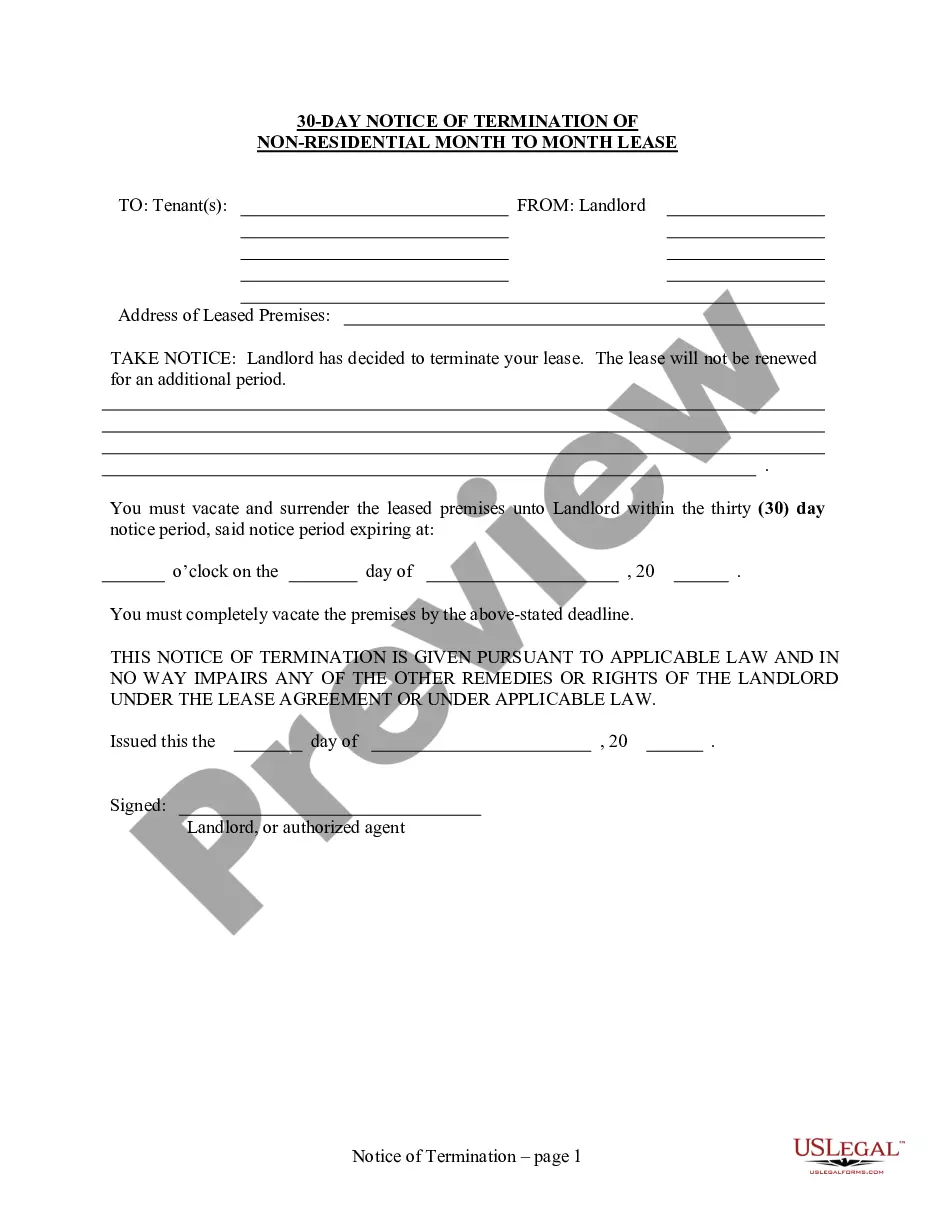
Notice From Landlord To Tenant Termination For Failure To Pay Rent
Description
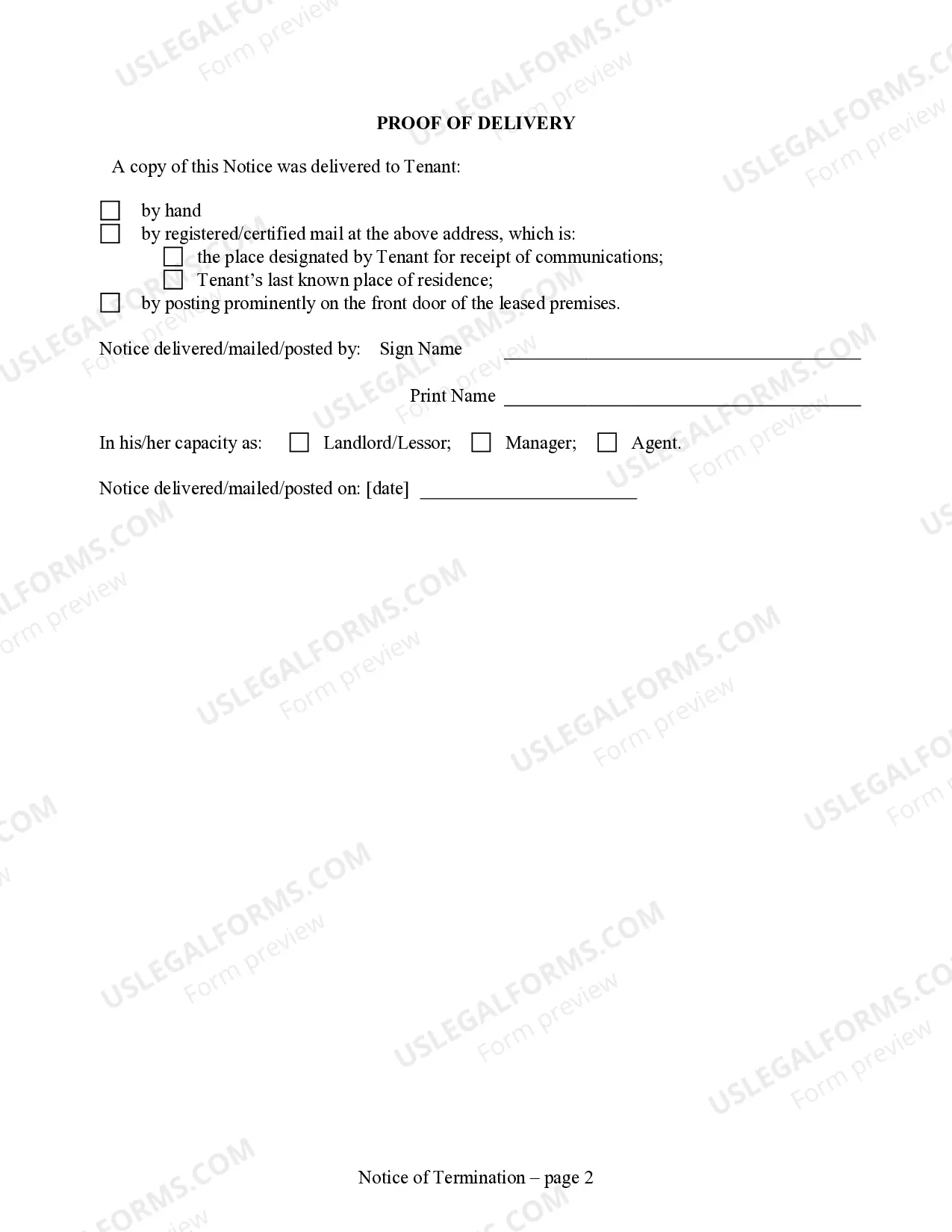

Get your form ready online
Our built-in tools help you complete, sign, share, and store your documents in one place.
Make edits, fill in missing information, and update formatting in US Legal Forms—just like you would in MS Word.
Download a copy, print it, send it by email, or mail it via USPS—whatever works best for your next step.
Sign and collect signatures with our SignNow integration. Send to multiple recipients, set reminders, and more. Go Premium to unlock E-Sign.
If this form requires notarization, complete it online through a secure video call—no need to meet a notary in person or wait for an appointment.
We protect your documents and personal data by following strict security and privacy standards.

Make edits, fill in missing information, and update formatting in US Legal Forms—just like you would in MS Word.

Download a copy, print it, send it by email, or mail it via USPS—whatever works best for your next step.

Sign and collect signatures with our SignNow integration. Send to multiple recipients, set reminders, and more. Go Premium to unlock E-Sign.

If this form requires notarization, complete it online through a secure video call—no need to meet a notary in person or wait for an appointment.

We protect your documents and personal data by following strict security and privacy standards.
Looking for another form?
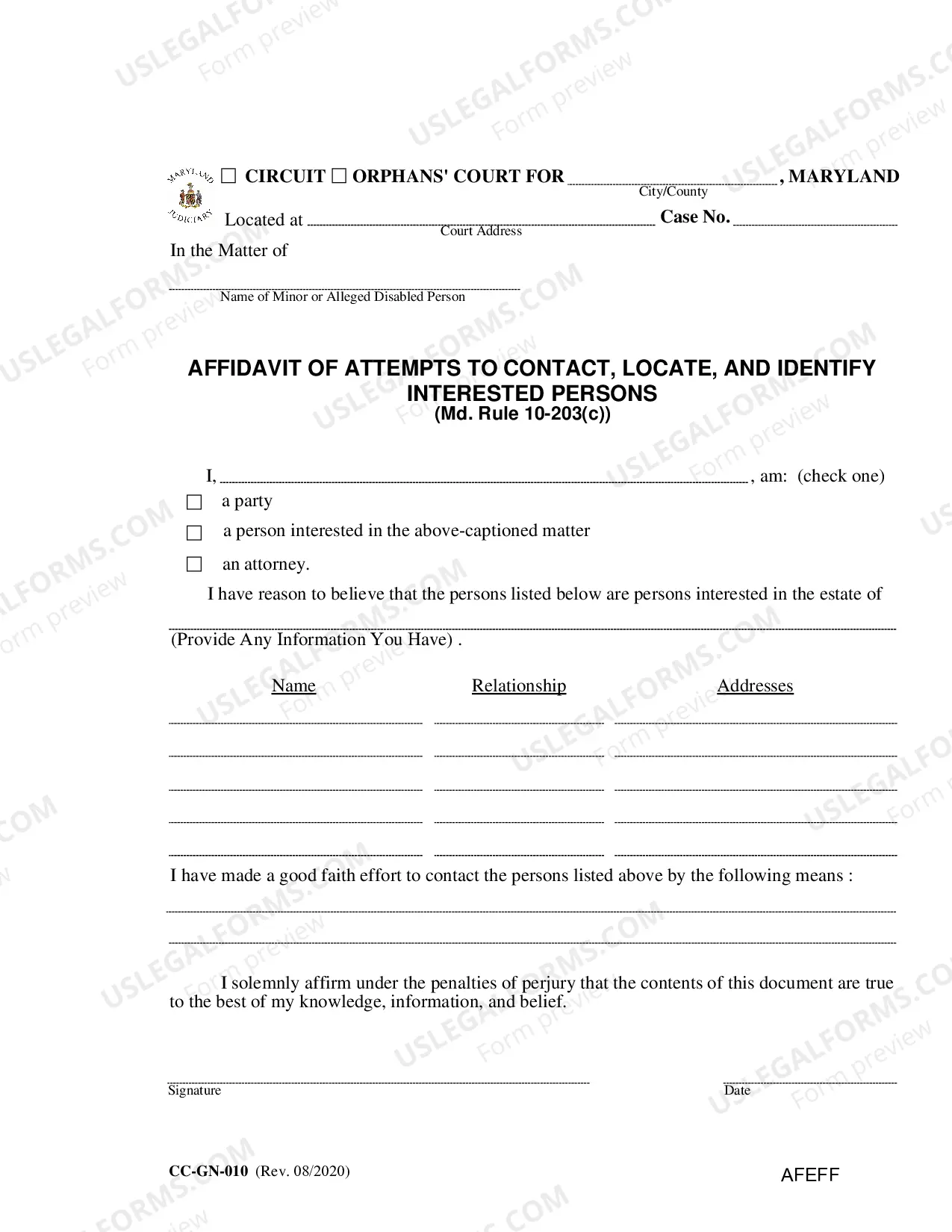
How to fill out Washington 30 Day Notice To Terminate Month To Month Tenancy - Nonresidential From Landlord To Tenant?
- If you have used US Legal Forms before, log in to your account and download the appropriate document after ensuring your subscription is current.
- For first-time users, start by browsing the extensive library. Check the Preview mode and ensure the form aligns with your specific state requirements.
- If necessary, utilize the Search function to find additional templates that suit your needs. Once you identify the right one, proceed to the next step.
- Click the Buy Now button, select your subscription plan, and create an account to access the vast resources available.
- Enter your payment details or choose to check out via PayPal to finalize your purchase.
- Download the completed template and save it on your device. You can later find it in the My Forms section of your profile.
US Legal Forms offers a robust selection of over 85,000 customizable legal documents, ensuring you can find what you need efficiently.
With access to expert assistance, you can confidently complete your forms, ensuring compliance with legal standards. Start your process today and take control of your rental agreements.
Form popularity
FAQ
When responding to a termination notice from your tenant, review the notice carefully. Assess whether the tenant has fulfilled their obligations; if not, consider discussing the matter to resolve it amicably. Communicating openly can sometimes lead to a mutually beneficial solution. If necessary, seek legal advice to understand your rights and obligations.
No, a notice of termination of tenancy is not the same as an eviction. Rather, it serves as a formal warning to the tenant, notifying them of the potential for eviction due to issues like nonpayment of rent. This notice gives tenants time to rectify the situation before the landlord takes further legal action. Understanding this distinction can help tenants respond appropriately.