Limited Liability Company With Example
Description

Get your form ready online
Our built-in tools help you complete, sign, share, and store your documents in one place.
Make edits, fill in missing information, and update formatting in US Legal Forms—just like you would in MS Word.
Download a copy, print it, send it by email, or mail it via USPS—whatever works best for your next step.
Sign and collect signatures with our SignNow integration. Send to multiple recipients, set reminders, and more. Go Premium to unlock E-Sign.
If this form requires notarization, complete it online through a secure video call—no need to meet a notary in person or wait for an appointment.
We protect your documents and personal data by following strict security and privacy standards.

Make edits, fill in missing information, and update formatting in US Legal Forms—just like you would in MS Word.

Download a copy, print it, send it by email, or mail it via USPS—whatever works best for your next step.

Sign and collect signatures with our SignNow integration. Send to multiple recipients, set reminders, and more. Go Premium to unlock E-Sign.

If this form requires notarization, complete it online through a secure video call—no need to meet a notary in person or wait for an appointment.

We protect your documents and personal data by following strict security and privacy standards.
Looking for another form?








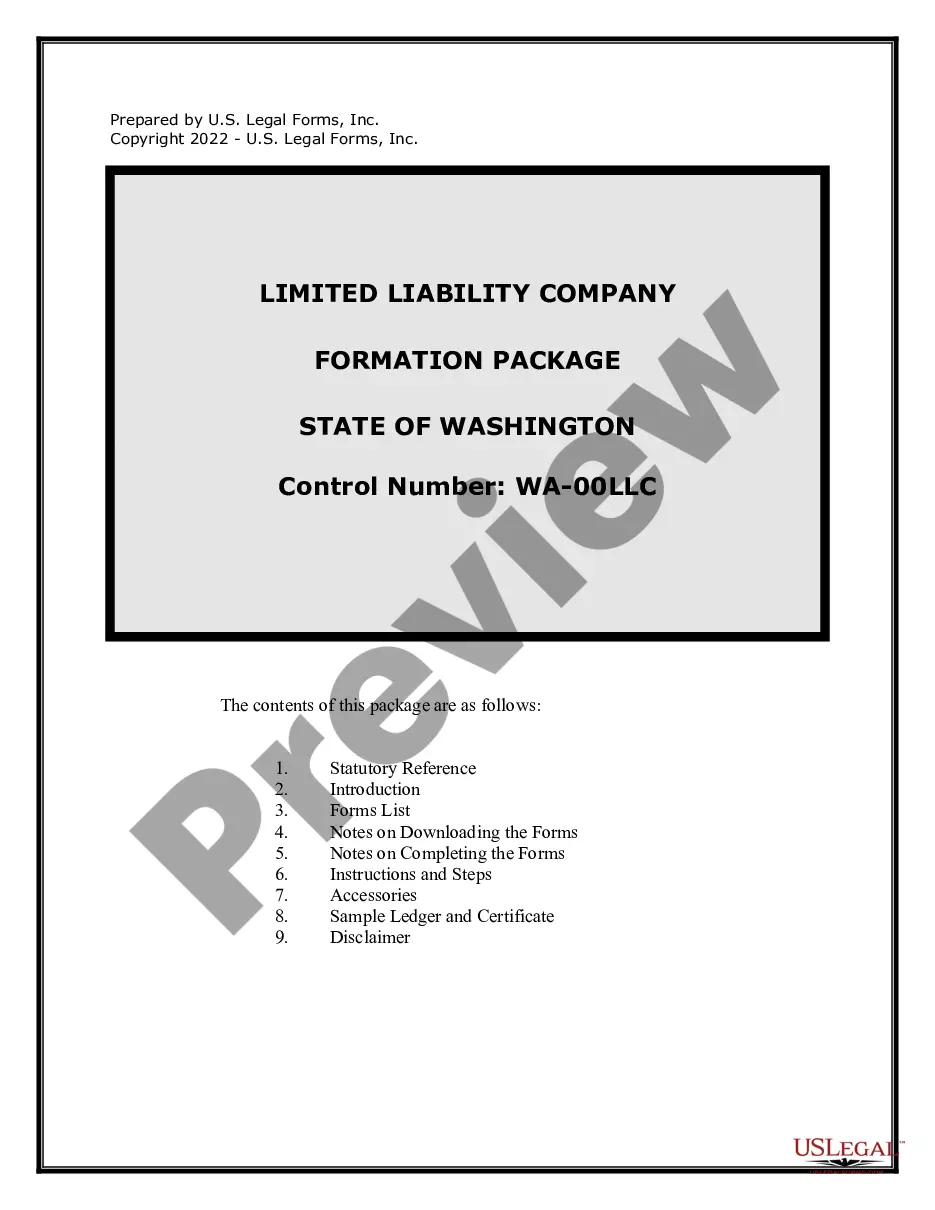
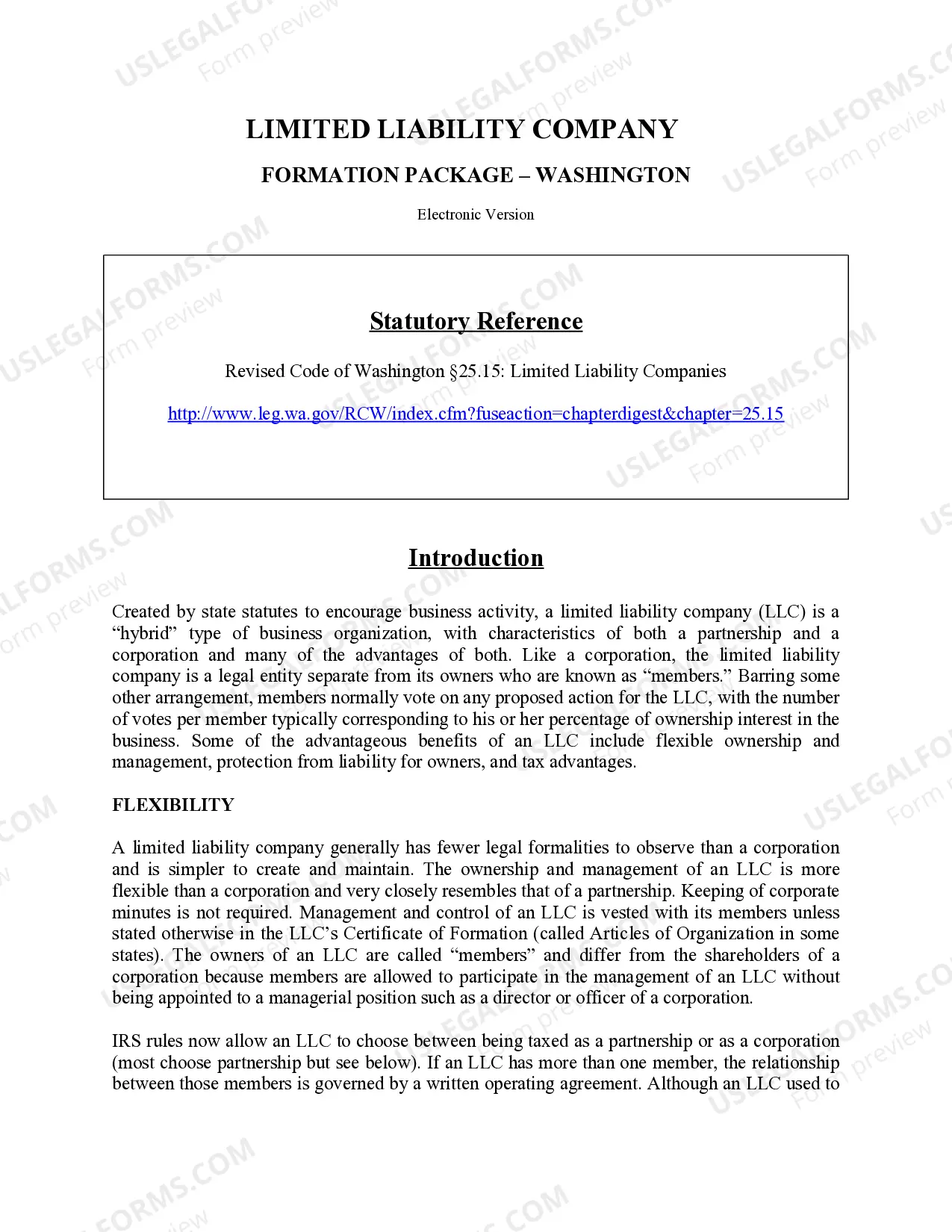
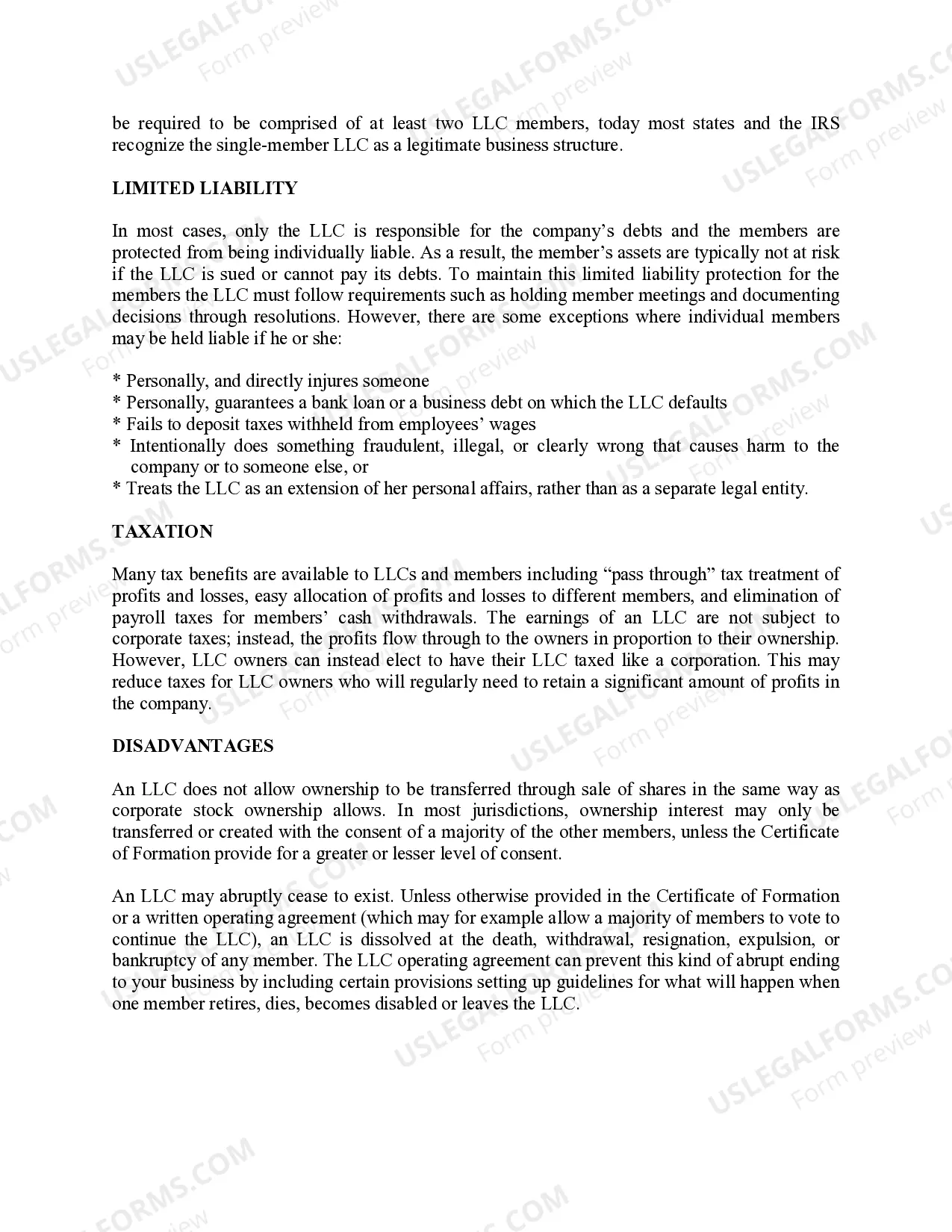
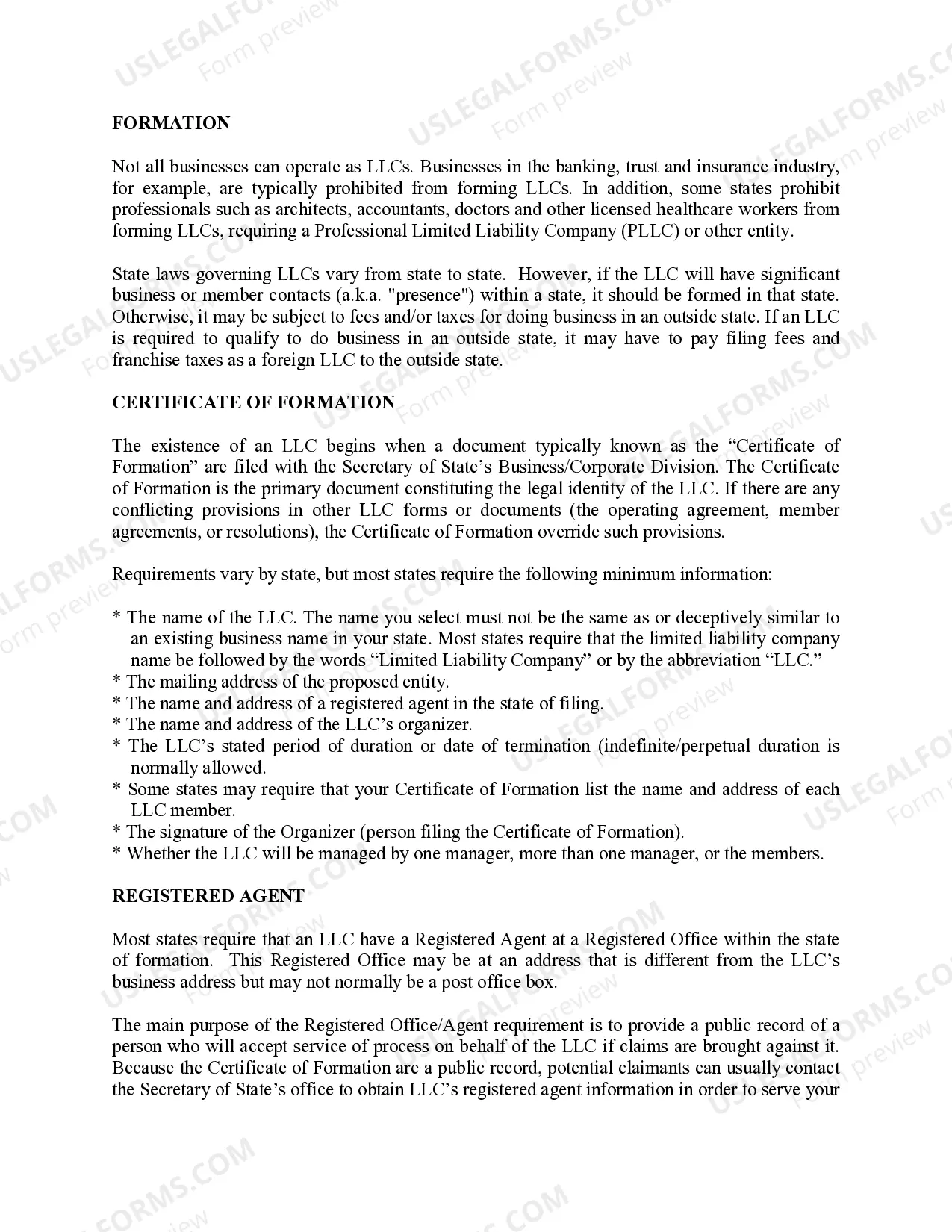
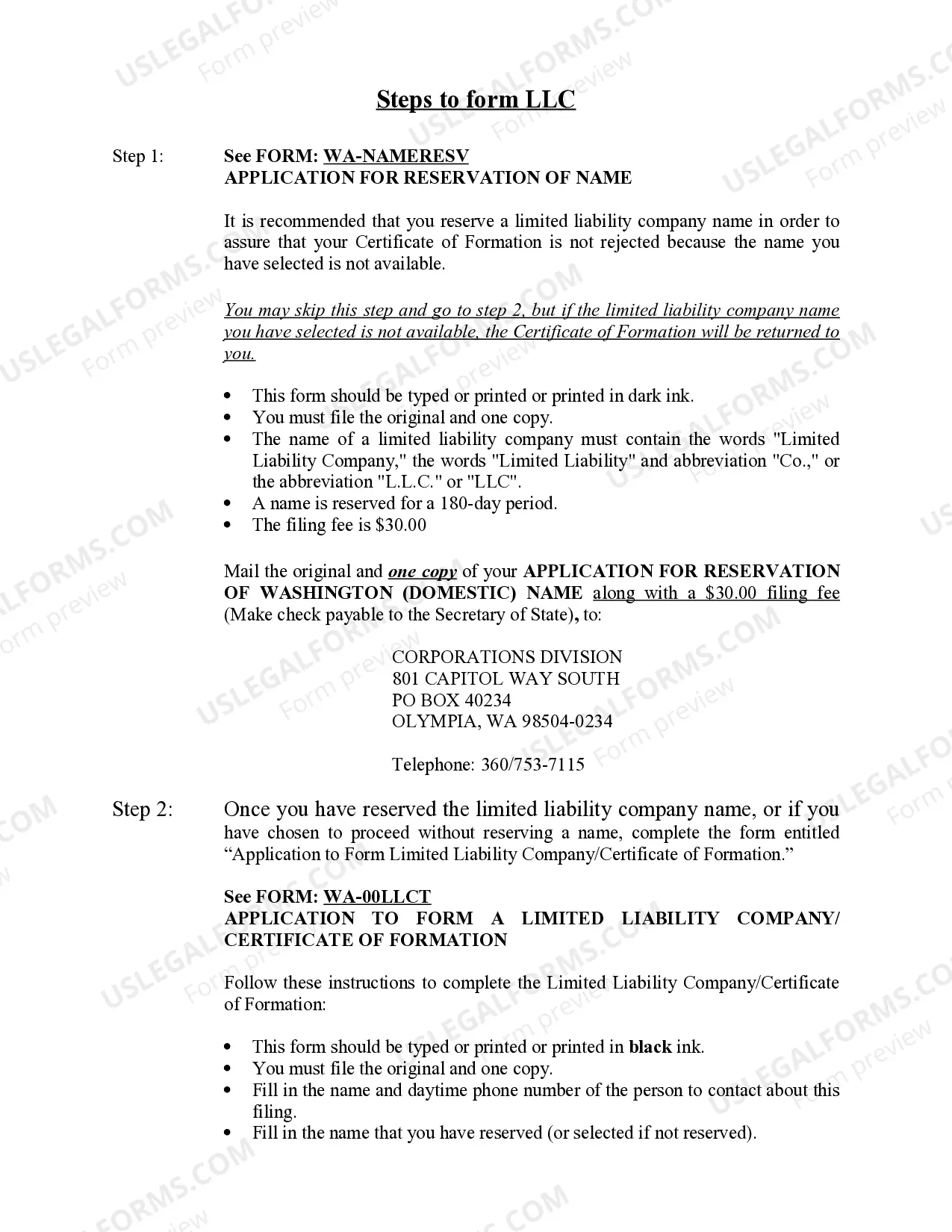
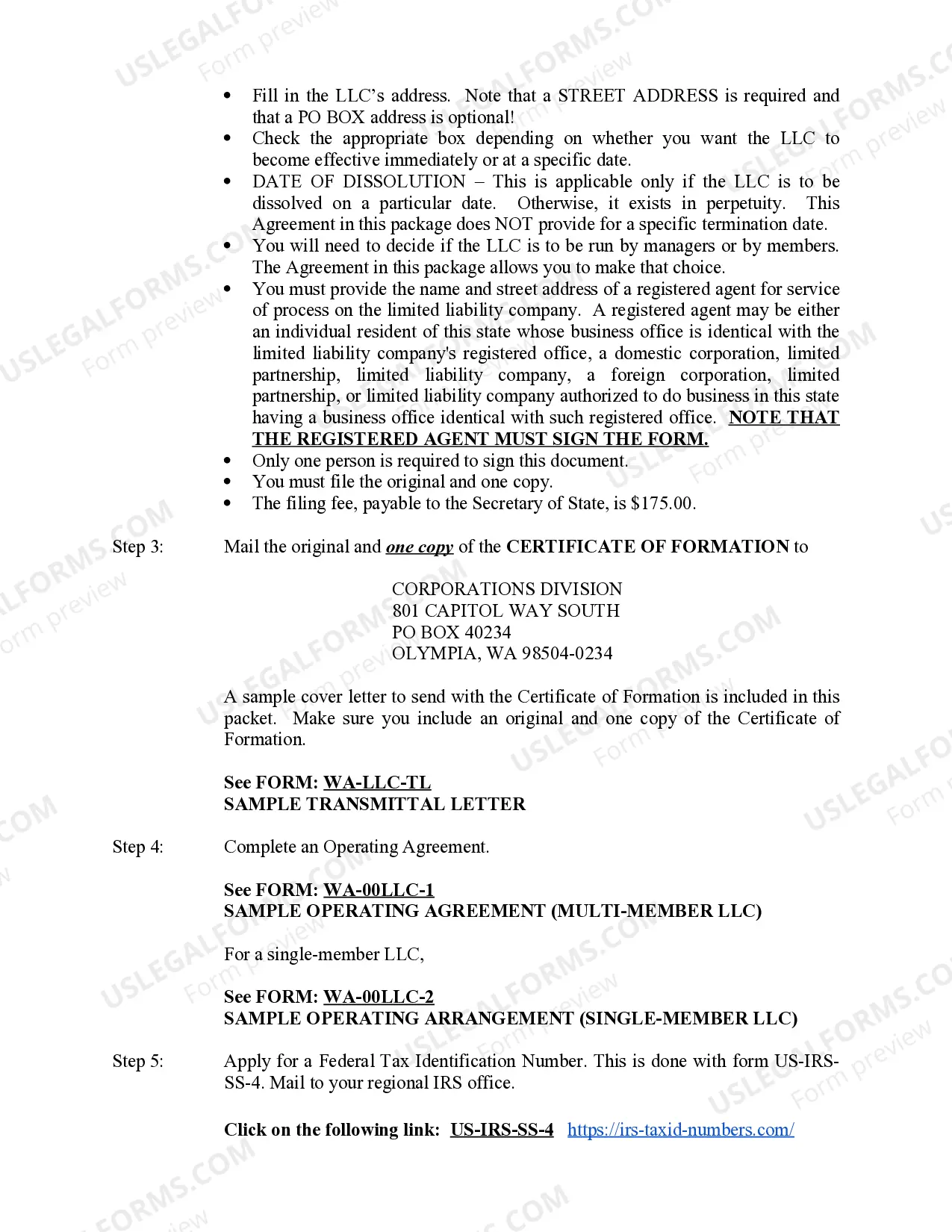
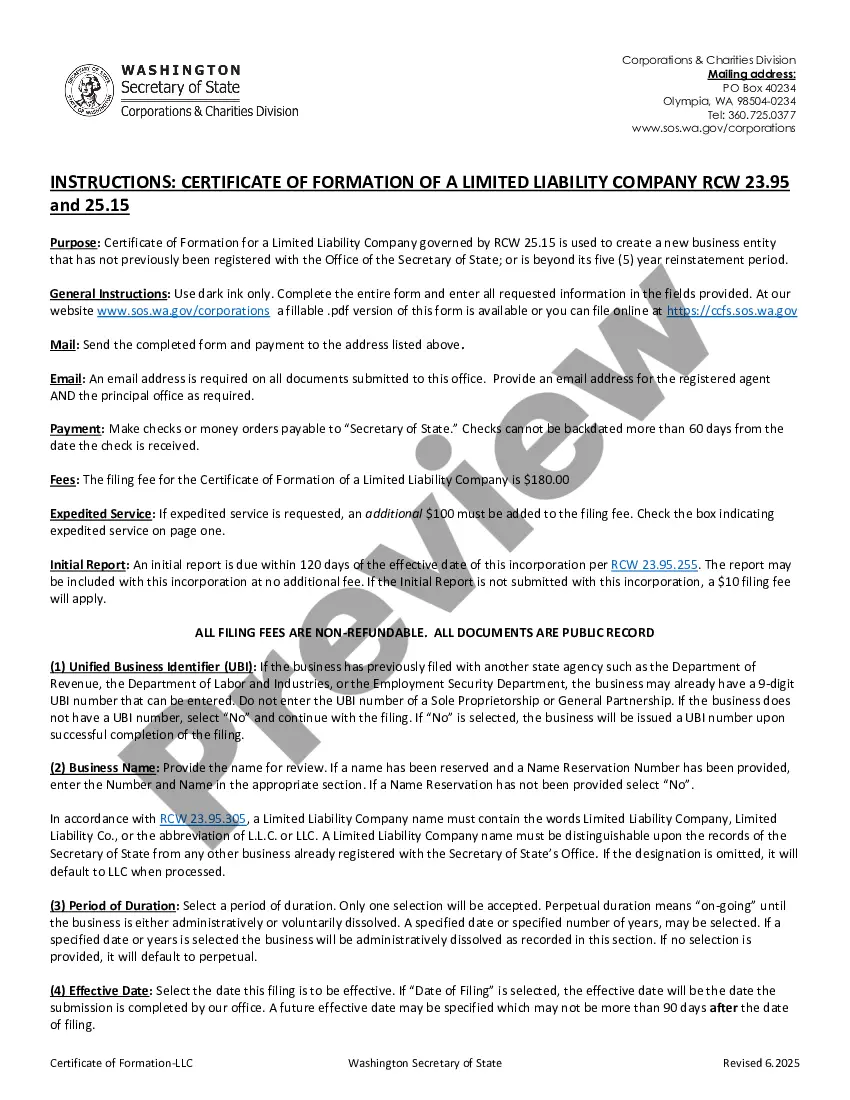
How to fill out Washington Limited Liability Company LLC Formation Package?
- Log in to your US Legal Forms account if you're an existing user to quickly access and download necessary templates. Ensure your subscription is active; if it’s not, renew it as needed.
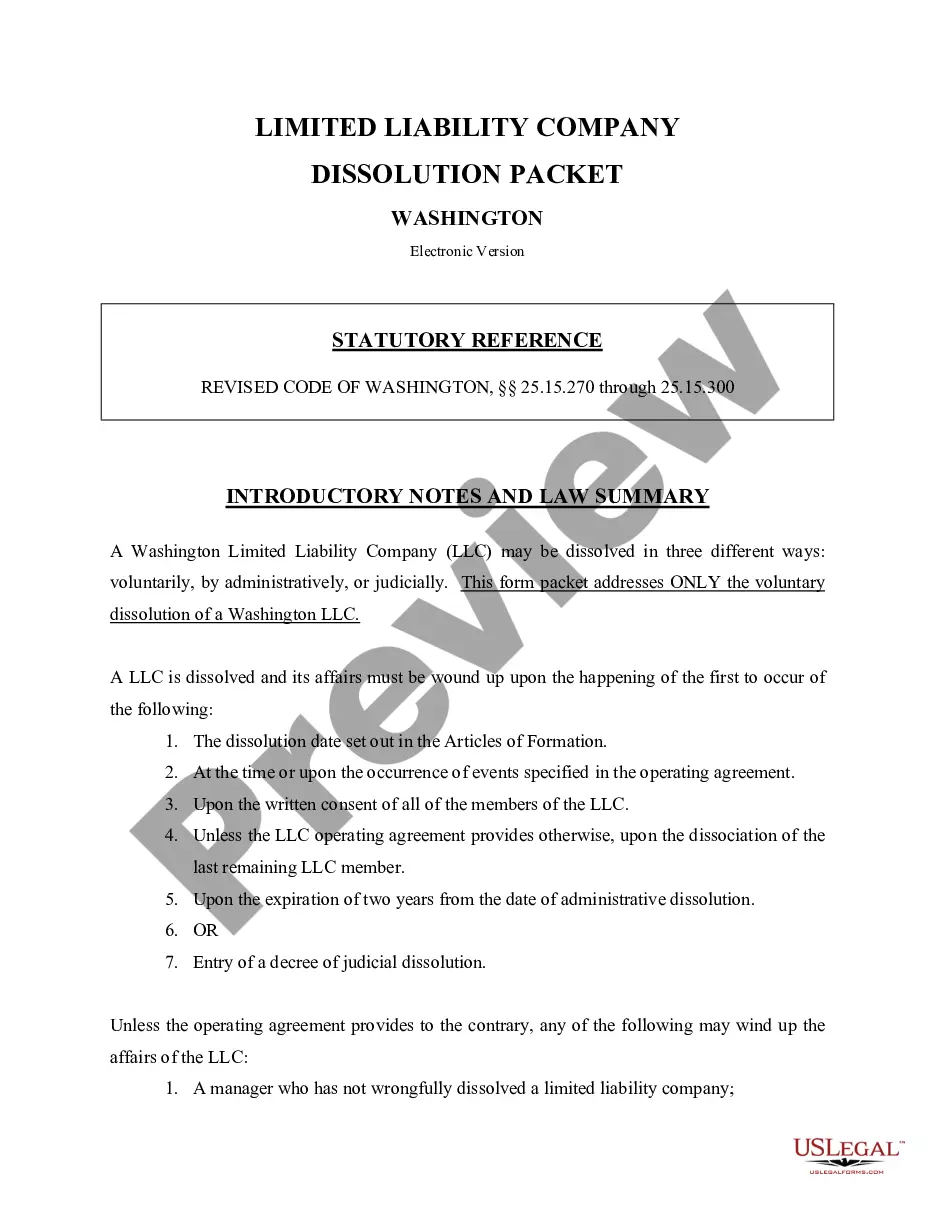
- For first-time users, start by checking the Preview mode and form description to ensure the selected document meets your requirements and complies with local regulations.
- If there's any inconsistency in the form you selected, utilize the Search tab to find the correct template that fits your needs.
- Once you've found the right document, click on the Buy Now button, then select your preferred subscription plan and register an account for library access.
- Complete your purchase by entering your credit card information or using your PayPal account to finalize your subscription.
- Download the form to your device for completion, and access it anytime through the My Forms section of your profile.
In conclusion, utilizing US Legal Forms to create your LLC not only streamlines your legal process but also provides access to a vast collection of over 85,000 forms. This can improve the accuracy and legal validity of your documents.
Start your journey towards forming a Limited Liability Company today by visiting US Legal Forms for the right tools and resources!
Form popularity
FAQ
To write an LLC example, start by introducing the business name and its purpose. For instance, 'Gourmet Treats, LLC offers artisan snacks while ensuring the owner’s personal assets are safeguarded.' This showcases how the limited liability company operates while effectively illustrating its legal advantages. Using clear and direct language helps communicate the value proposition of forming an LLC.
When writing about an LLC, always use the abbreviation 'LLC' after the company name, ensuring it is clearly associated with the business. For example, ‘XYZ Solutions, LLC’ follows the standard naming conventions. Including 'limited liability company' in your materials supports understanding and emphasizes legal protection. This small detail can enhance clarity in business documentation and communications.
Writing an LLC example involves outlining the basic features and benefits of this business structure. You might say, 'ABC Enterprises, LLC is a limited liability company that protects its owner from personal liability issues.' Clearly stating the benefits, such as asset protection and tax flexibility, helps illustrate the value of an LLC. This approach not only defines the LLC but also engages potential business owners.
Creating a limited liability company is straightforward and can be done independently. First, choose a unique business name that complies with your state's rules. Next, file Articles of Organization with your state’s business filing agency. Don’t forget to create an operating agreement to outline management and ownership structure. Websites like uslegalforms can guide you through these steps effectively.
A limited liability company, or LLC, is a business structure that combines the benefits of both corporations and partnerships. For instance, imagine a small online retail business owned by a single person. This owner can form an LLC to protect their personal assets while enjoying flexibility in management and taxation. An example of a successful LLC would be local food delivery services that limit liability while providing great customer service.
Failing to file taxes for your limited liability company can lead to serious consequences. You may face penalties, interest on unpaid taxes, or even legal action from the IRS. Additionally, your LLC's status may be jeopardized, resulting in losing your limited liability protection. To avoid these issues, consider consulting with a tax professional who can help you stay compliant.
To write a limited liability company, you start by selecting a unique name that meets your state's requirements. Next, draft the Articles of Organization, which outline basic information about your LLC. Platforms like US Legal Forms provide templates to simplify this process. Be sure to include details such as your LLC's purpose, registered agent, and management structure.
Technically, you can form a limited liability company and not engage in any business activities. However, it is important to maintain compliance with state regulations, such as filing annual reports and paying any fees. Doing nothing with your LLC can still keep you accountable, so consider the implications. Keeping your LLC inactive might lead to unnecessary costs or complications.
Yes, you can file your limited liability company separately from other entities you own. Each LLC needs its own set of tax filings and documents to comply with state and federal regulations. Using US Legal Forms can help you easily find and fill out the forms you need to file your LLC correctly. Keeping records separate will simplify your accounting process.
A single owner LLC is classified as a disregarded entity for tax purposes. This means that you will report your business income on your personal tax return, using Schedule C. It's important to track your income and expenses accurately to simplify this process. Seeking help from a tax professional can further ensure you meet all your obligations.