Limited Business
Description

Get your form ready online
Our built-in tools help you complete, sign, share, and store your documents in one place.
Make edits, fill in missing information, and update formatting in US Legal Forms—just like you would in MS Word.
Download a copy, print it, send it by email, or mail it via USPS—whatever works best for your next step.
Sign and collect signatures with our SignNow integration. Send to multiple recipients, set reminders, and more. Go Premium to unlock E-Sign.
If this form requires notarization, complete it online through a secure video call—no need to meet a notary in person or wait for an appointment.
We protect your documents and personal data by following strict security and privacy standards.

Make edits, fill in missing information, and update formatting in US Legal Forms—just like you would in MS Word.

Download a copy, print it, send it by email, or mail it via USPS—whatever works best for your next step.

Sign and collect signatures with our SignNow integration. Send to multiple recipients, set reminders, and more. Go Premium to unlock E-Sign.

If this form requires notarization, complete it online through a secure video call—no need to meet a notary in person or wait for an appointment.

We protect your documents and personal data by following strict security and privacy standards.
Looking for another form?






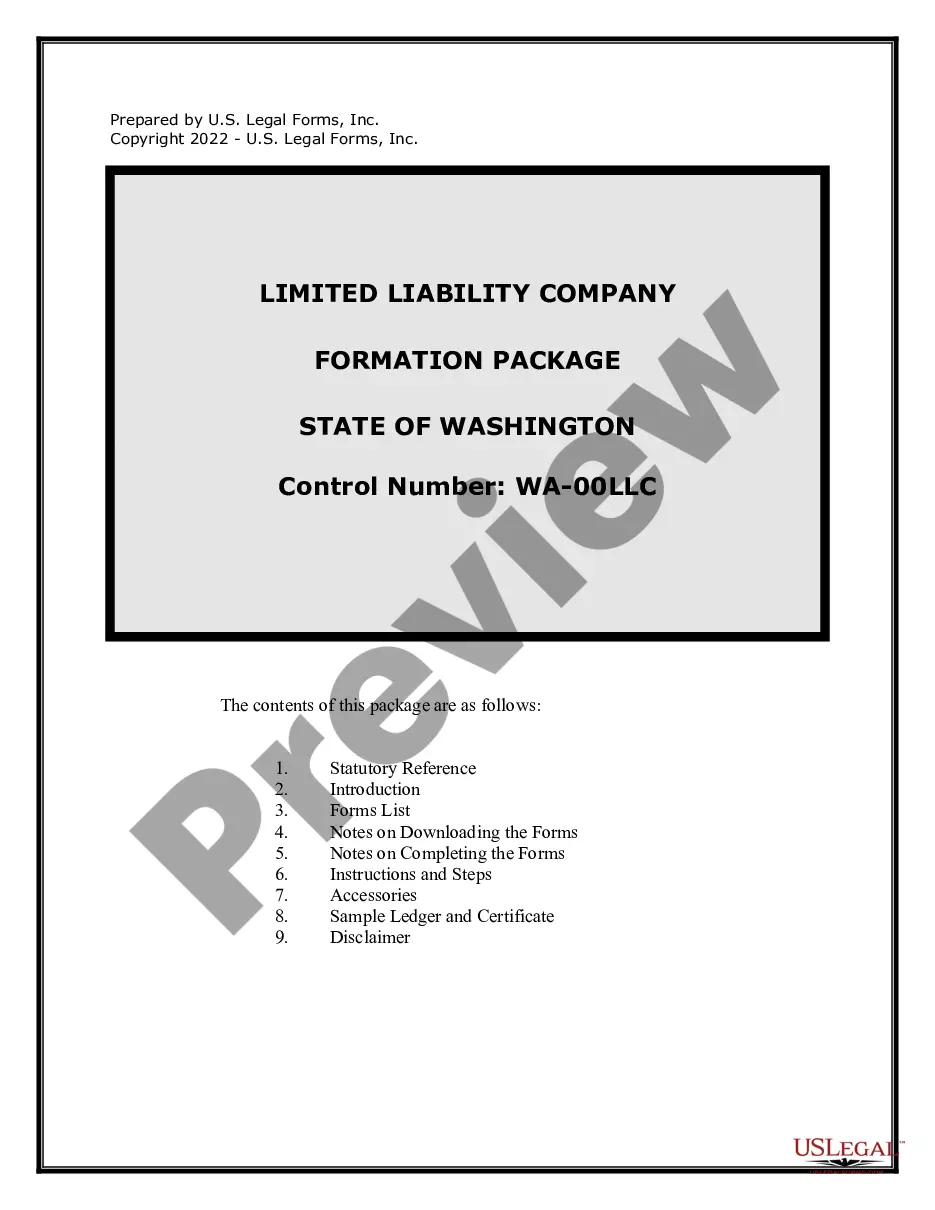
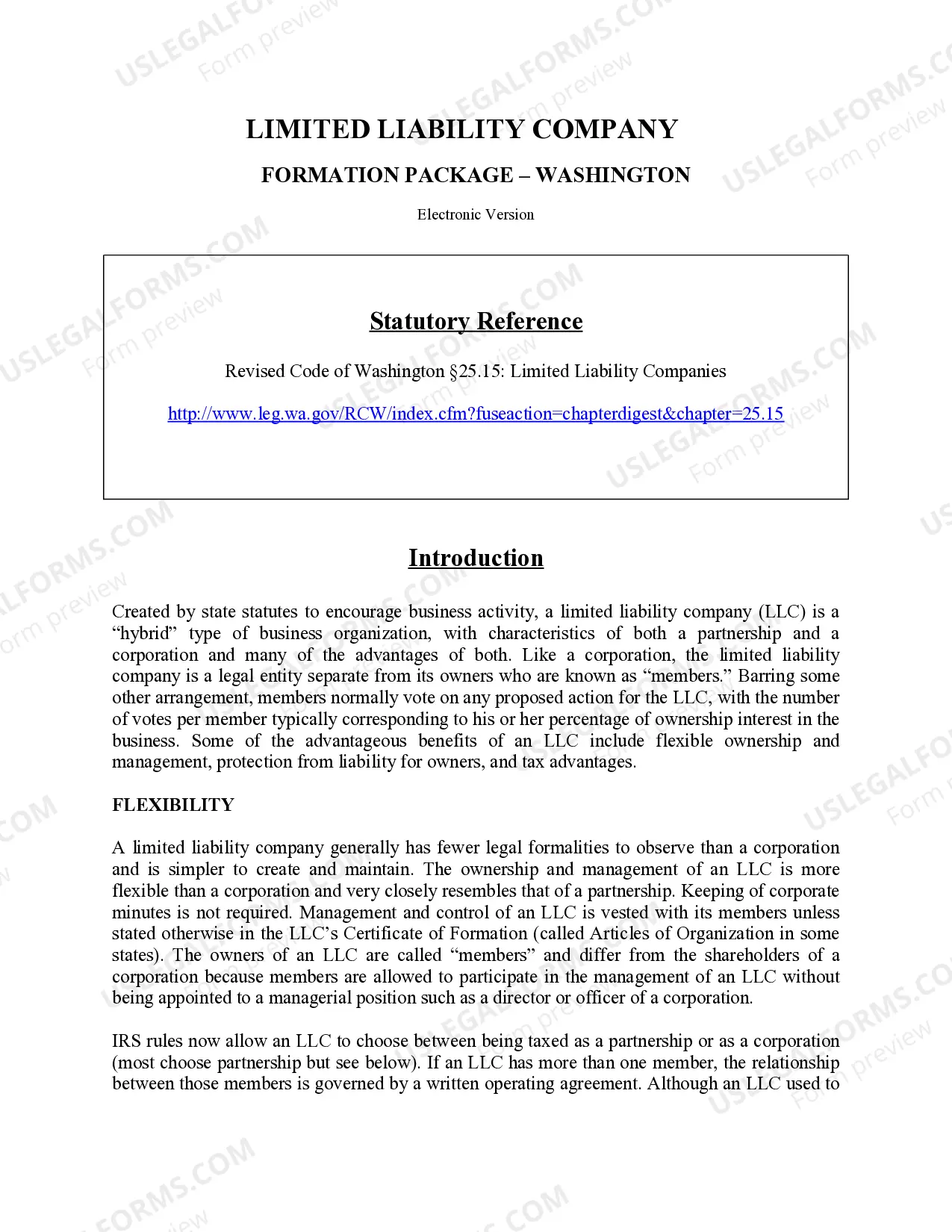
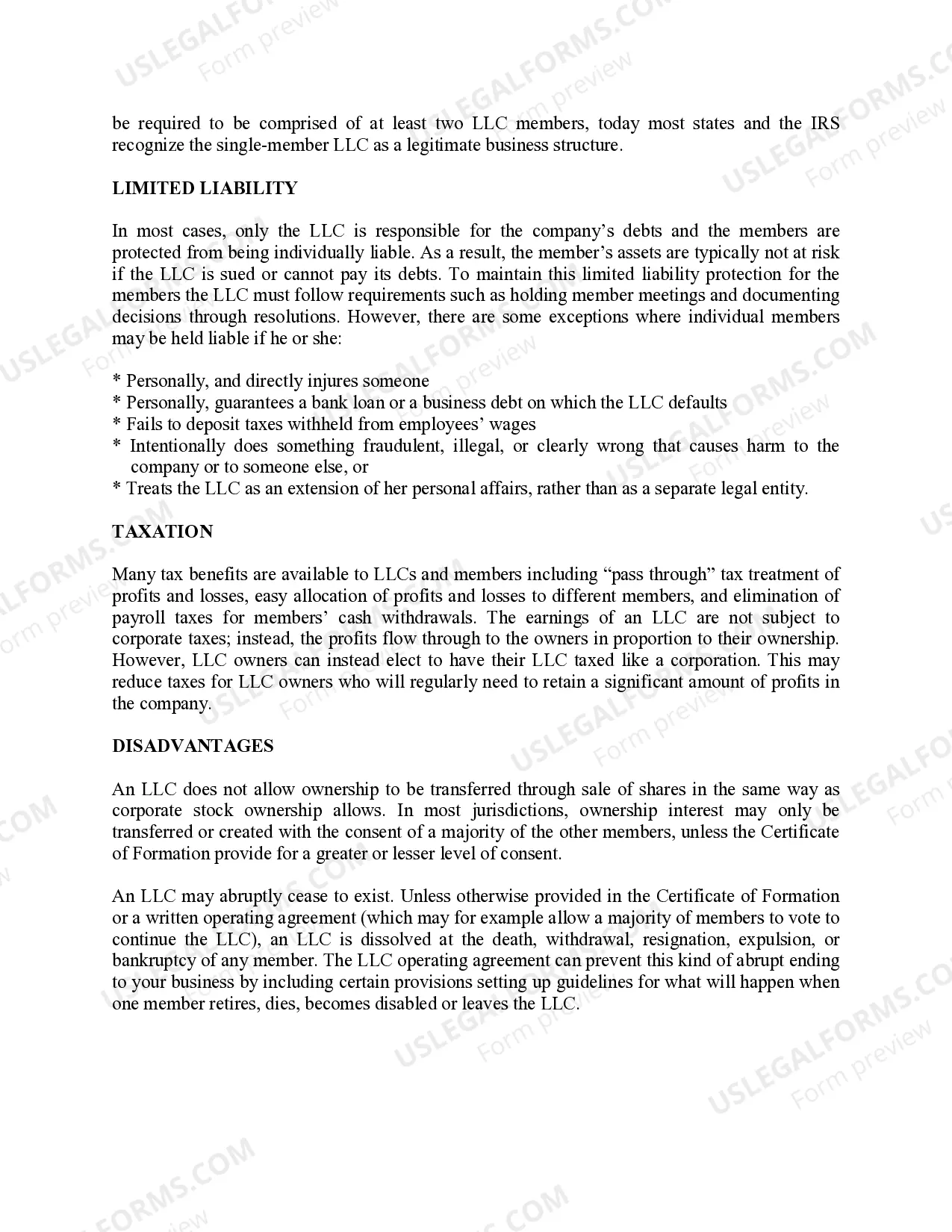
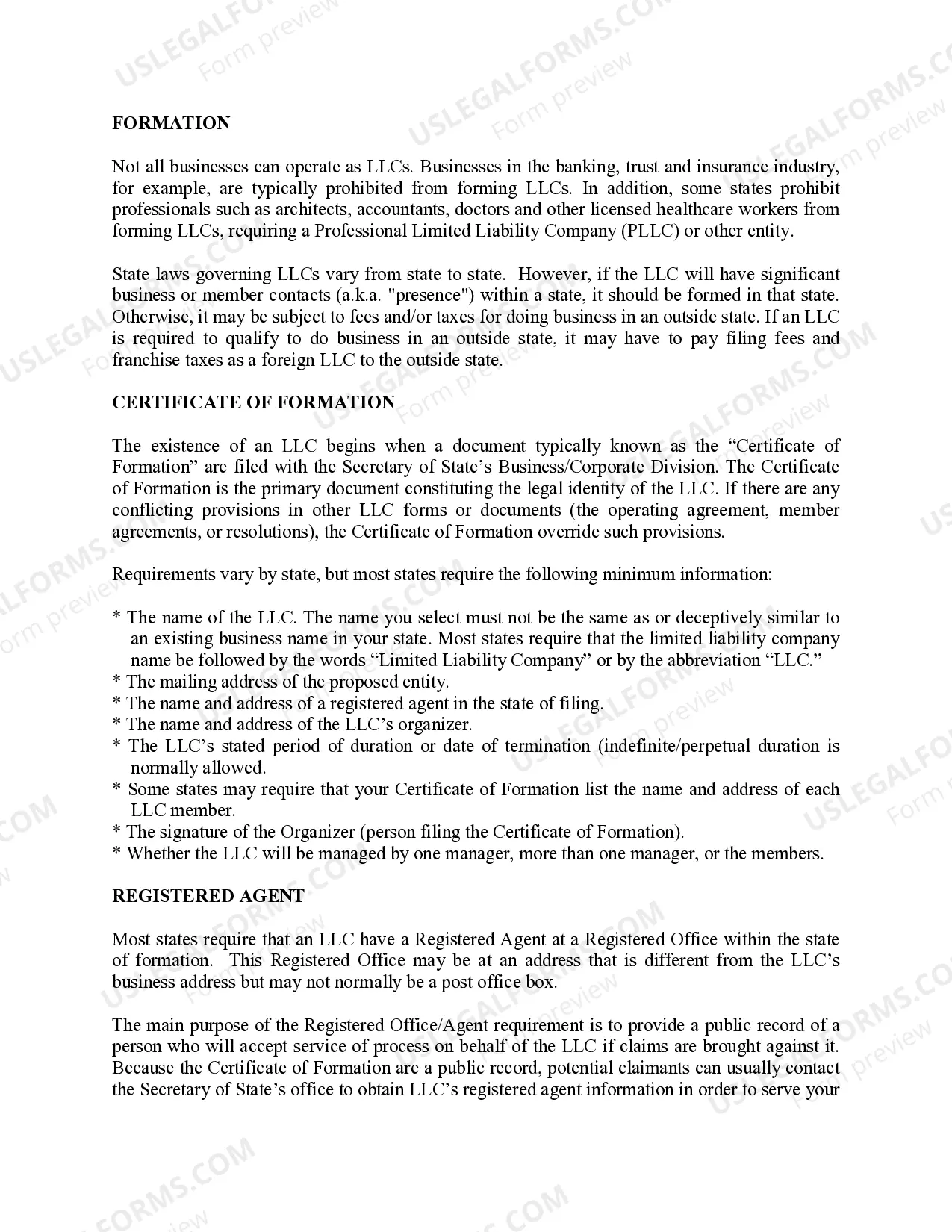
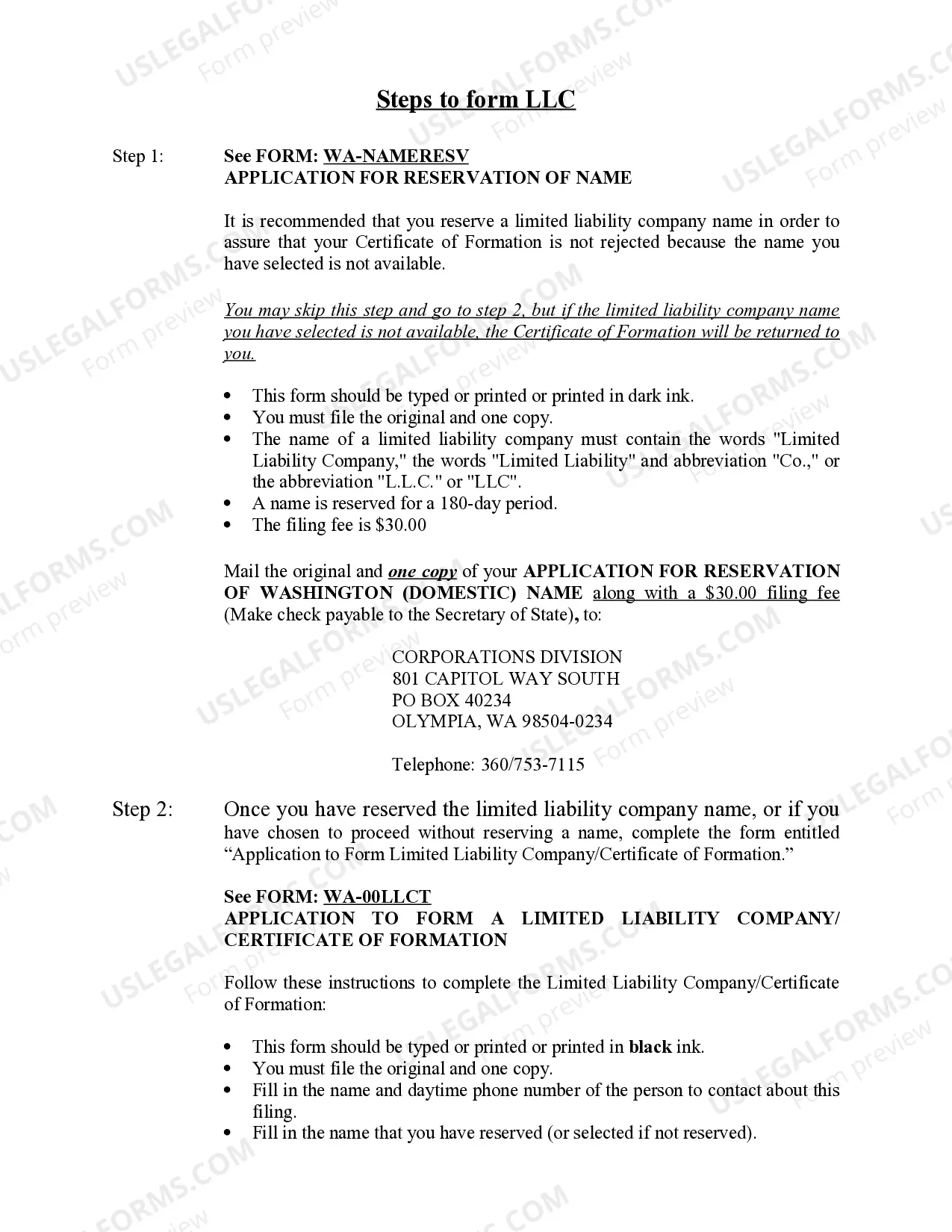
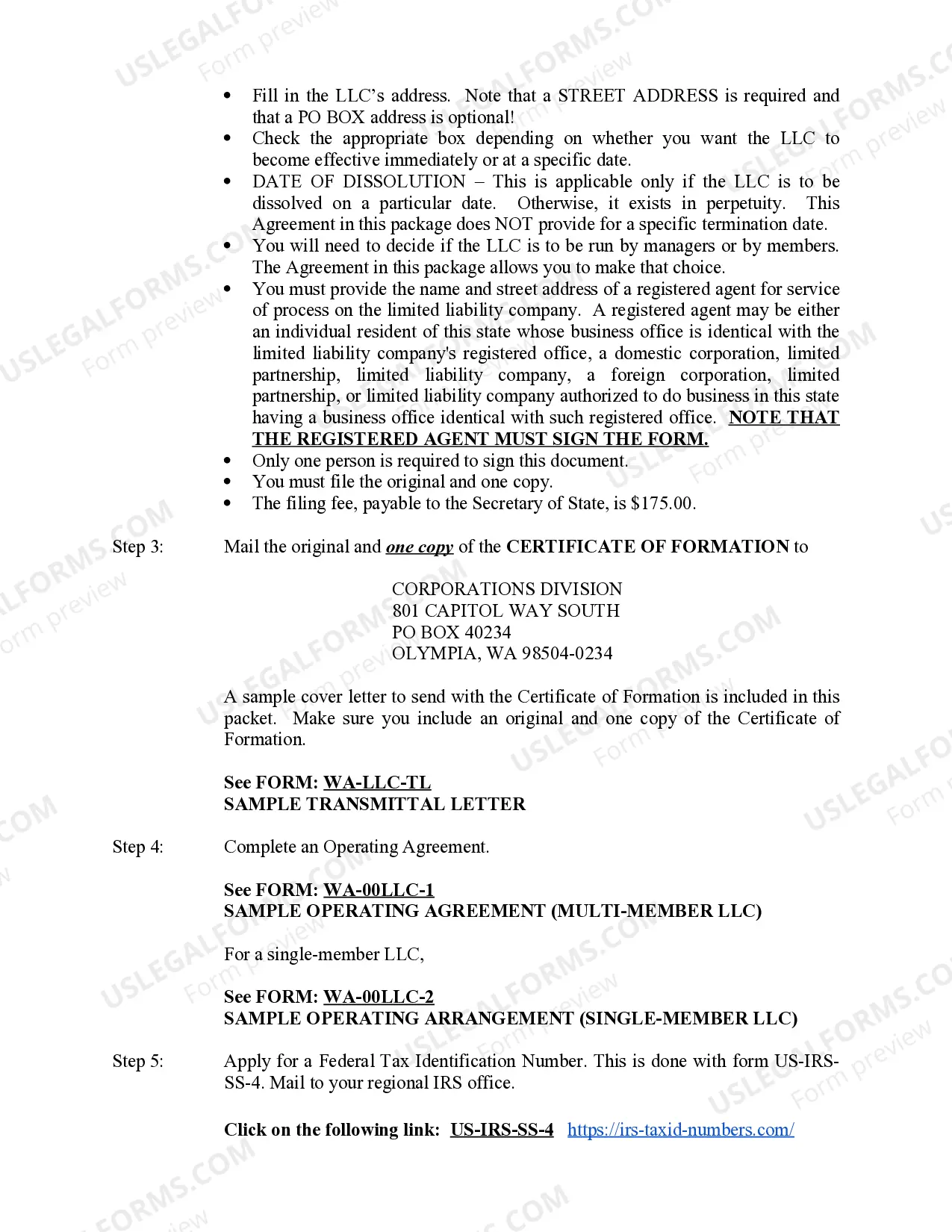
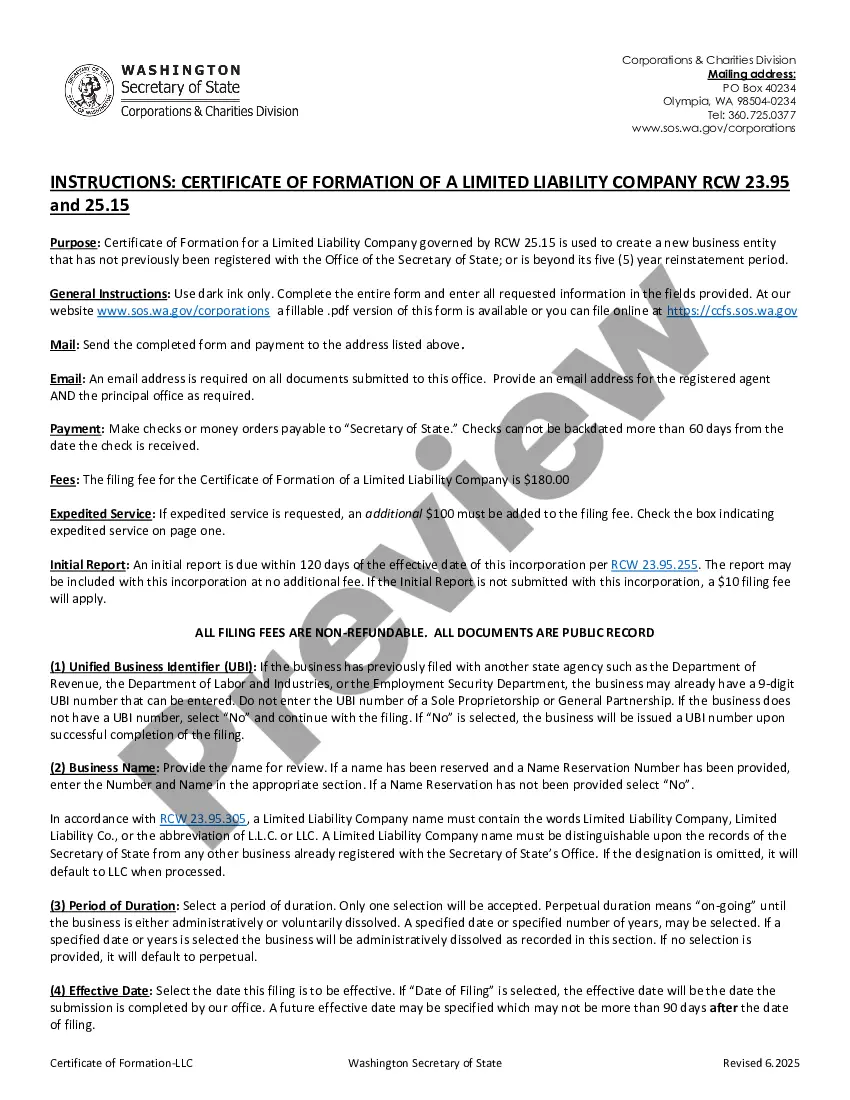
How to fill out Washington Limited Liability Company LLC Formation Package?
- Log in to your account if you're a returning user and ensure your subscription is active. If not, consider renewing it.
- For first-time users, browse our extensive library and utilize the Preview mode to find the right form that aligns with your local jurisdiction.
- If you need a different template, use the Search feature to locate the correct document.
- After selecting the appropriate form, click on the Buy Now button and choose a subscription plan that fits your needs. You'll need to register for an account for full access.
- Complete your purchase by entering your payment details using a credit card or your PayPal account.
- Finally, download the form and save it to your device. You can easily access it later in the My Forms section of your account.
By following these steps, you can efficiently gather all legal documents needed for your limited business. US Legal Forms empowers you to handle your legal paperwork efficiently.
Start your journey today and ensure your business is legally compliant with the right forms!
Form popularity
FAQ
The preference between an LTD (limited company) and an LLC (limited liability company) depends on your business goals and location. An LLC generally offers more flexibility in operations and fewer restrictions, making it user-friendly for smaller businesses. In contrast, an LTD is often more suitable for larger entities with more complex structures. Evaluating the specifics of your limited business will guide you toward the better option.
While a private limited company and an LLC share some similarities, they are not exactly the same. A private limited company, often used in international contexts, restricts ownership to a small group of individuals, similar to an LLC. However, the regulations and taxation policies may differ depending on the jurisdiction. Understanding these differences is crucial when deciding on the right limited business structure for your needs.
An example of a limited liability company includes a small family bakery that seeks to protect its owners from personal liability. With a limited liability company, the owners are not personally responsible for the debts and liabilities of the business. This structure grants them the freedom to operate the bakery while minimizing risk. Given these features, a limited liability company is an excellent choice for aspiring entrepreneurs.
A limited business typically refers to structures like limited liability companies or limited partnerships. These entities protect owners and investors from personal liability, ensuring that their financial risk is limited to their investment in the company. This structure is ideal for those looking to safeguard personal assets while engaging in business operations. Choosing the right limited business structure can set a strong foundation for success.
A limited partnership offers unique benefits compared to an LLC, especially in terms of flexibility. You retain control over your business while enjoying limited liability protection for limited partners. This structure often attracts investors who prefer not to participate in day-to-day operations. Ultimately, choosing a limited partnership enables you to manage your limited business efficiently.
Typically, you file your LLC and personal taxes separately unless your LLC is a single-member entity treated as a disregarded entity. In such cases, the LLC's income and expenses are reported on your personal tax return. It’s crucial to keep both sets of records organized for accurate reporting. Our resources can help you navigate the complexities of filing in both cases.
You should report all income, even amounts under $600. The IRS requires you to declare any income earned from your limited business activities. This ensures compliance and helps you build a clear financial history. Our platform provides guidance on how to approach income reporting effectively.
The IRS requires you to report all business income, but if you earn $400 or more, you must file a return. If you earn less than that, reporting is still advised for accuracy. This applies to all forms of income your limited business might generate. Our services can help clarify what to include in your income reports.
A small business can earn up to $400 without incurring tax liability. However, income above this threshold requires you to file a tax return. It is essential to understand this limit to manage your limited business finances effectively. You can explore our platform for tools designed to help you grasp your tax obligations better.
Yes, you still need to report your earnings, even if they are under $500. The IRS expects you to account for all income streams to maintain accurate financial records. Keeping track of even small amounts helps you in filing taxes and managing your limited business effectively. Our platform can assist you in maintaining clear records for reporting purposes.