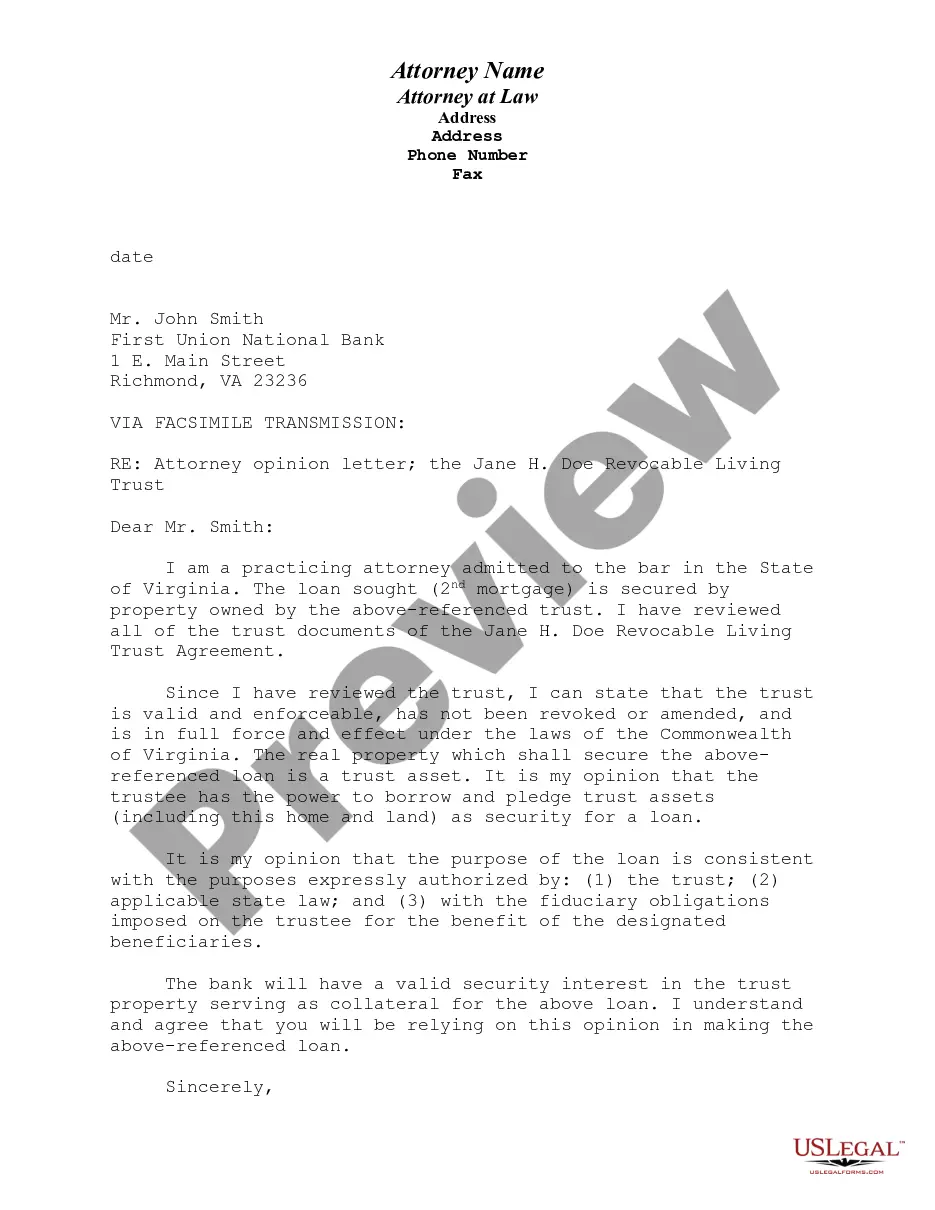
Attorney Opinion Letter For Trust
Description
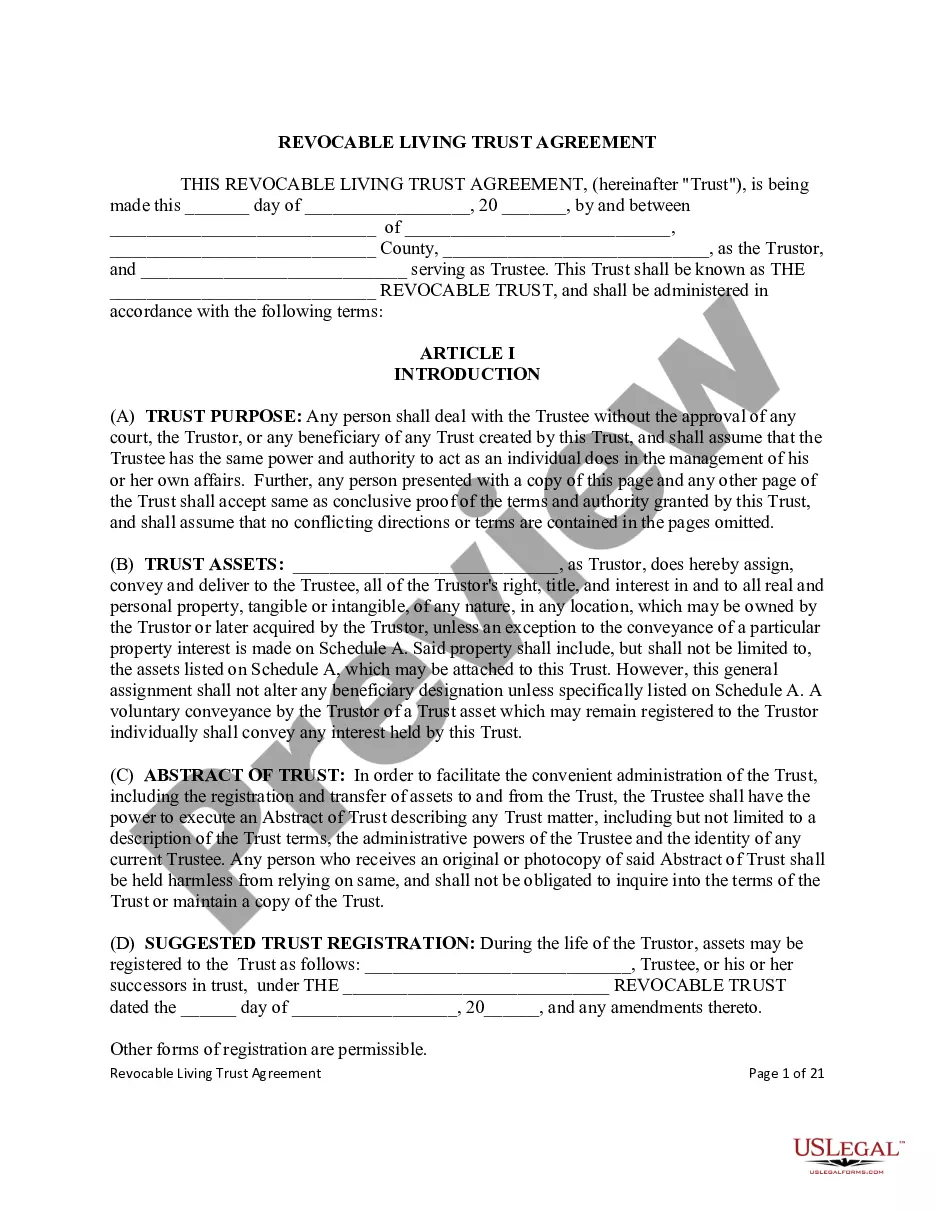
Get your form ready online
Our built-in tools help you complete, sign, share, and store your documents in one place.
Make edits, fill in missing information, and update formatting in US Legal Forms—just like you would in MS Word.
Download a copy, print it, send it by email, or mail it via USPS—whatever works best for your next step.
Sign and collect signatures with our SignNow integration. Send to multiple recipients, set reminders, and more. Go Premium to unlock E-Sign.
If this form requires notarization, complete it online through a secure video call—no need to meet a notary in person or wait for an appointment.
We protect your documents and personal data by following strict security and privacy standards.

Make edits, fill in missing information, and update formatting in US Legal Forms—just like you would in MS Word.

Download a copy, print it, send it by email, or mail it via USPS—whatever works best for your next step.

Sign and collect signatures with our SignNow integration. Send to multiple recipients, set reminders, and more. Go Premium to unlock E-Sign.

If this form requires notarization, complete it online through a secure video call—no need to meet a notary in person or wait for an appointment.

We protect your documents and personal data by following strict security and privacy standards.
Looking for another form?
How to fill out Virginia Attorney Opinion Letter Regarding Revocable Living Trust?
Obtaining legal document examples that comply with federal and local statutes is vital, and the web provides many alternatives to select from.
However, what is the purpose of spending time looking for the suitable Attorney Opinion Letter For Trust example online if the US Legal Forms online database already compiles such templates in one location.
US Legal Forms is the largest digital legal repository with more than 85,000 editable templates created by attorneys for any business and personal situation.
Peruse the template using the Preview feature or consult the text outline to confirm it fulfills your specifications.
- They are easy to navigate with all documents categorized by state and intended use.
- Our experts stay informed on legal changes, ensuring your documentation remains current and compliant when obtaining an Attorney Opinion Letter For Trust from our site.
- Acquiring an Attorney Opinion Letter For Trust is quick and straightforward for both existing and new users.
- If you have an account with an active subscription, Log In and save the document sample you need in your chosen format.
- If you are unfamiliar with our site, follow the steps below.
Form popularity
FAQ
Fannie Mae and Freddie Mac typically do not allow attorney opinion letters for trust in transactions involving properties that are not financed by a conventional mortgage. These include transactions financed through a government program, such as FHA or VA loans. In these cases, other forms of legal documentation may be required to ensure compliance with regulations. If you have questions about your specific situation, consider consulting a qualified attorney.
A material fact in real estate refers to any information that could significantly impact the buyer's decision to purchase the property or affect its value.
Material Facts. Sellers must disclose latent defects, because they are considered ?material? ? meaning, they affect the home's sale price and play a role in whether a buyer would decide to purchase a home. Material facts differ from material defects, in that they don't necessarily have to be disclosed.
At common law, a seller must disclose any known latent defects. Examples of latent defects include, but are not limited to excessively high radon levels in a home, a hidden mold infestation, or hidden structural damage impacting the integrity of a home.
Dealers and salespeople have an obligation to disclose all ?material facts? about the vehicle, even if the customer does not ask. A material fact is information that might affect the customer's decision to purchase or lease the vehicle if he or she knew about it.
Examples of established Material Facts are: that the property was the site of a murder or other major crime; combustible cladding or asbestos being located on or in the property; prior use of the property as an illicit drug laboratory; and.