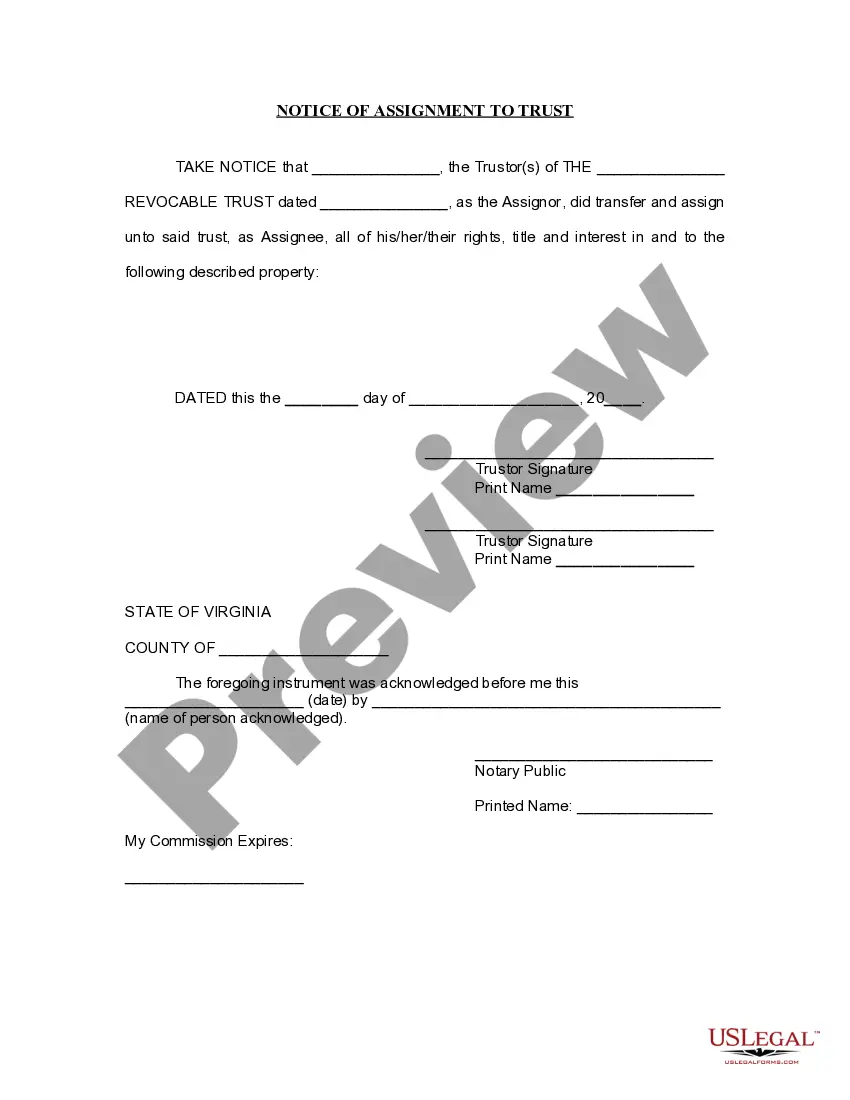
Virginia Trust And Estate Attorneys
Description
Get your form ready online
Our built-in tools help you complete, sign, share, and store your documents in one place.
Make edits, fill in missing information, and update formatting in US Legal Forms—just like you would in MS Word.
Download a copy, print it, send it by email, or mail it via USPS—whatever works best for your next step.
Sign and collect signatures with our SignNow integration. Send to multiple recipients, set reminders, and more. Go Premium to unlock E-Sign.
If this form requires notarization, complete it online through a secure video call—no need to meet a notary in person or wait for an appointment.
We protect your documents and personal data by following strict security and privacy standards.

Make edits, fill in missing information, and update formatting in US Legal Forms—just like you would in MS Word.

Download a copy, print it, send it by email, or mail it via USPS—whatever works best for your next step.

Sign and collect signatures with our SignNow integration. Send to multiple recipients, set reminders, and more. Go Premium to unlock E-Sign.

If this form requires notarization, complete it online through a secure video call—no need to meet a notary in person or wait for an appointment.

We protect your documents and personal data by following strict security and privacy standards.
Looking for another form?








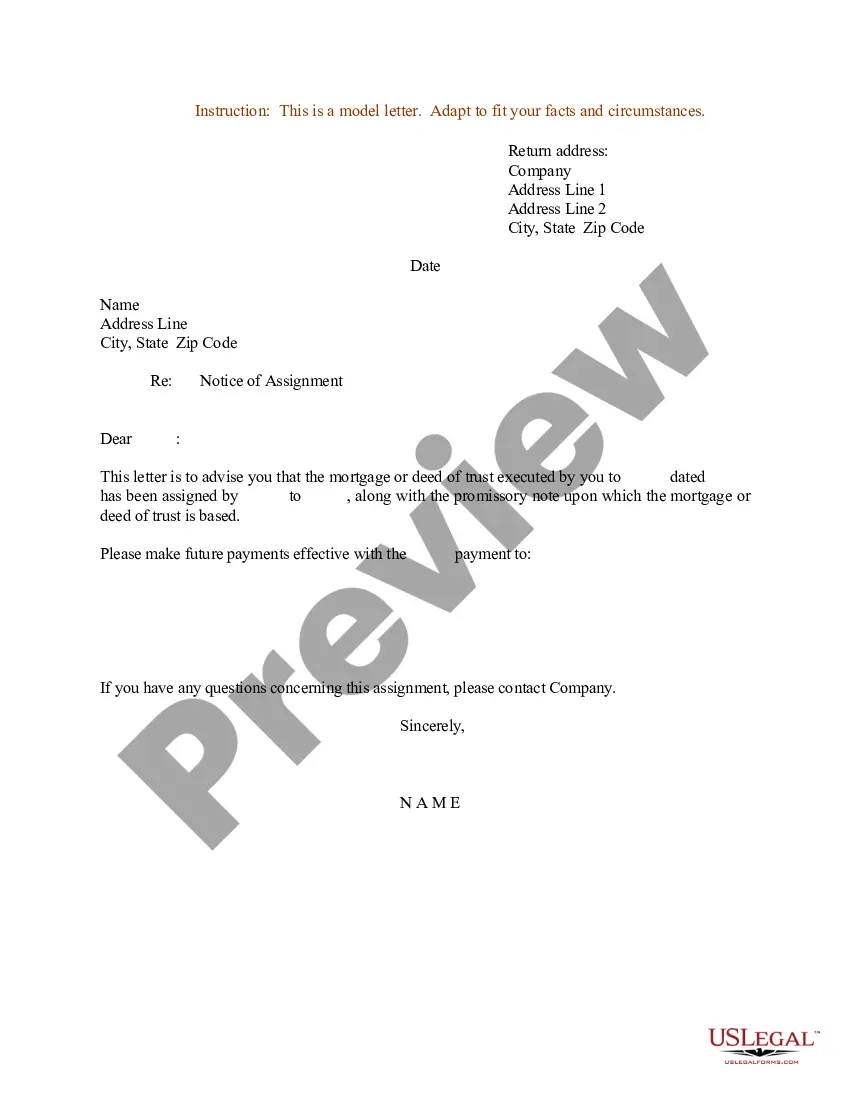
How to fill out Virginia Notice Of Assignment To Living Trust?
Legal administration may be daunting, even for seasoned professionals.
When you are seeking a Virginia Trust And Estate Attorneys and lack the time to search for the correct and current version, the processes can be overwhelming.
US Legal Forms meets all of your requirements, from personal to business documentation, all in one location.
Leverage innovative tools to finalize and manage your Virginia Trust And Estate Attorneys.
Here are the actions to follow after locating the form you need: Confirm it is the correct form by previewing it and reviewing its details.
- Access a valuable collection of articles, guidelines, and resources pertinent to your situation and needs.
- Save effort and time sourcing the documents you require, and utilize US Legal Forms’ enhanced search and Review tool to locate Virginia Trust And Estate Attorneys and obtain it.
- If you possess a membership, Log Into your US Legal Forms account, search for the form, and download it.
- Check your My documents tab to review the documents you have previously saved and to manage your folders as needed.
- If it is your first experience with US Legal Forms, create a complimentary account and gain unlimited access to all benefits of the library.
- Utilize an effective web form library that can transform the way anyone manages these circumstances.
- US Legal Forms stands out as a leading provider in online legal documents, offering over 85,000 state-specific legal forms readily accessible to you.
- Access state- or county-specific legal and business forms.
Form popularity
FAQ
In Virginia, certain assets can pass outside of probate. These include assets held in joint tenancy, life insurance policies with designated beneficiaries, and retirement accounts. Furthermore, items like vehicles can also be transferred without going through probate under specific conditions. Virginia trust and estate attorneys can guide you through understanding these exemptions to help streamline your estate planning.
Given the various steps involved, the timeline for an executor to settle an estate in Virginia can range widely, usually from several months to over a year, depending on the size and complexity of the estate, the clarity of the will, and whether or not the probate process is contested.
To make a living trust in Virginia, you: Choose whether to make an individual or shared trust. Decide what property to include in the trust. Choose a successor trustee. Decide who will be the trust's beneficiaries?that is, who will get the trust property. Create the trust document.
In Virginia, any estate valued at greater than $50,000 at the time of the owner's passing must go through the probate procedure.
Anyone can make a trust in Virginia as long as they follow the requirements as listed in the statute. The settlor must have the proper mental capacity and must intend to create the trust. Furthermore, the settlor must name a beneficiary for the trust and a trustee to manage it.
Creating a living trust in Virginia occurs when you create a written trust document and sign it in the presence of a notary. The trust is not official until you transfer assets into it. A living trust can offer a variety of benefits that may appeal to you. Consider what is best for you.