Trust Trustee And Beneficiary
Description
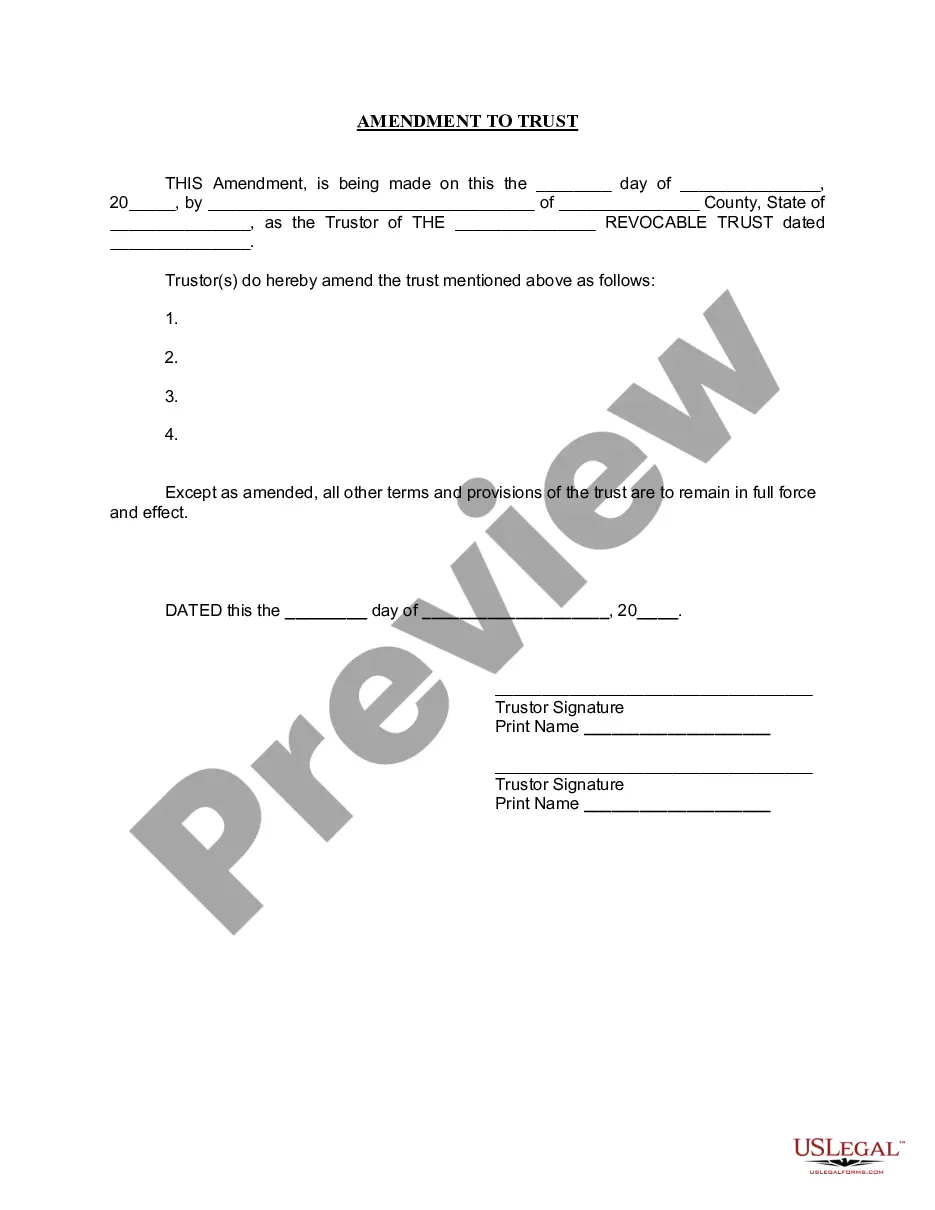
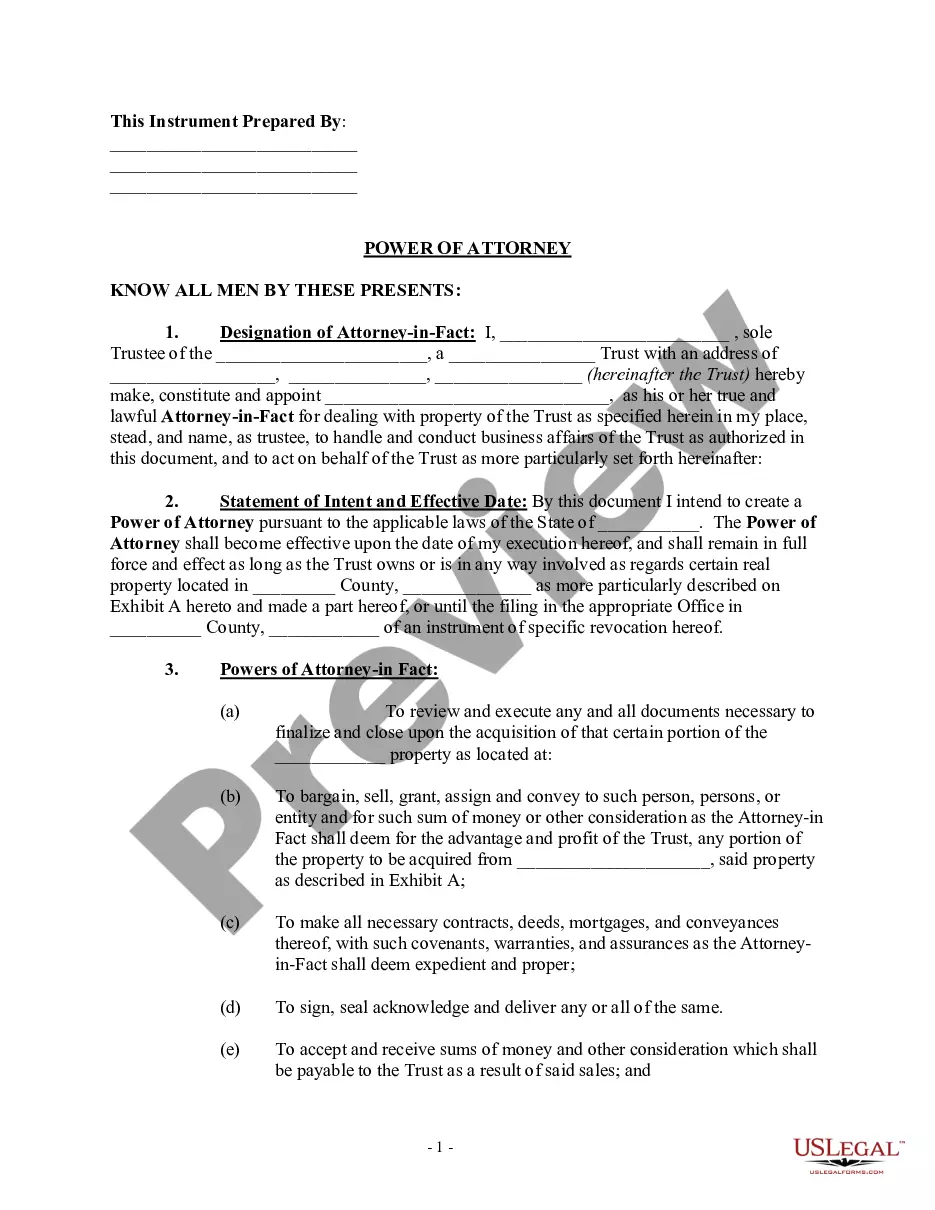

Get your form ready online
Our built-in tools help you complete, sign, share, and store your documents in one place.
Make edits, fill in missing information, and update formatting in US Legal Forms—just like you would in MS Word.
Download a copy, print it, send it by email, or mail it via USPS—whatever works best for your next step.
Sign and collect signatures with our SignNow integration. Send to multiple recipients, set reminders, and more. Go Premium to unlock E-Sign.
If this form requires notarization, complete it online through a secure video call—no need to meet a notary in person or wait for an appointment.
We protect your documents and personal data by following strict security and privacy standards.

Make edits, fill in missing information, and update formatting in US Legal Forms—just like you would in MS Word.

Download a copy, print it, send it by email, or mail it via USPS—whatever works best for your next step.

Sign and collect signatures with our SignNow integration. Send to multiple recipients, set reminders, and more. Go Premium to unlock E-Sign.

If this form requires notarization, complete it online through a secure video call—no need to meet a notary in person or wait for an appointment.

We protect your documents and personal data by following strict security and privacy standards.
Looking for another form?



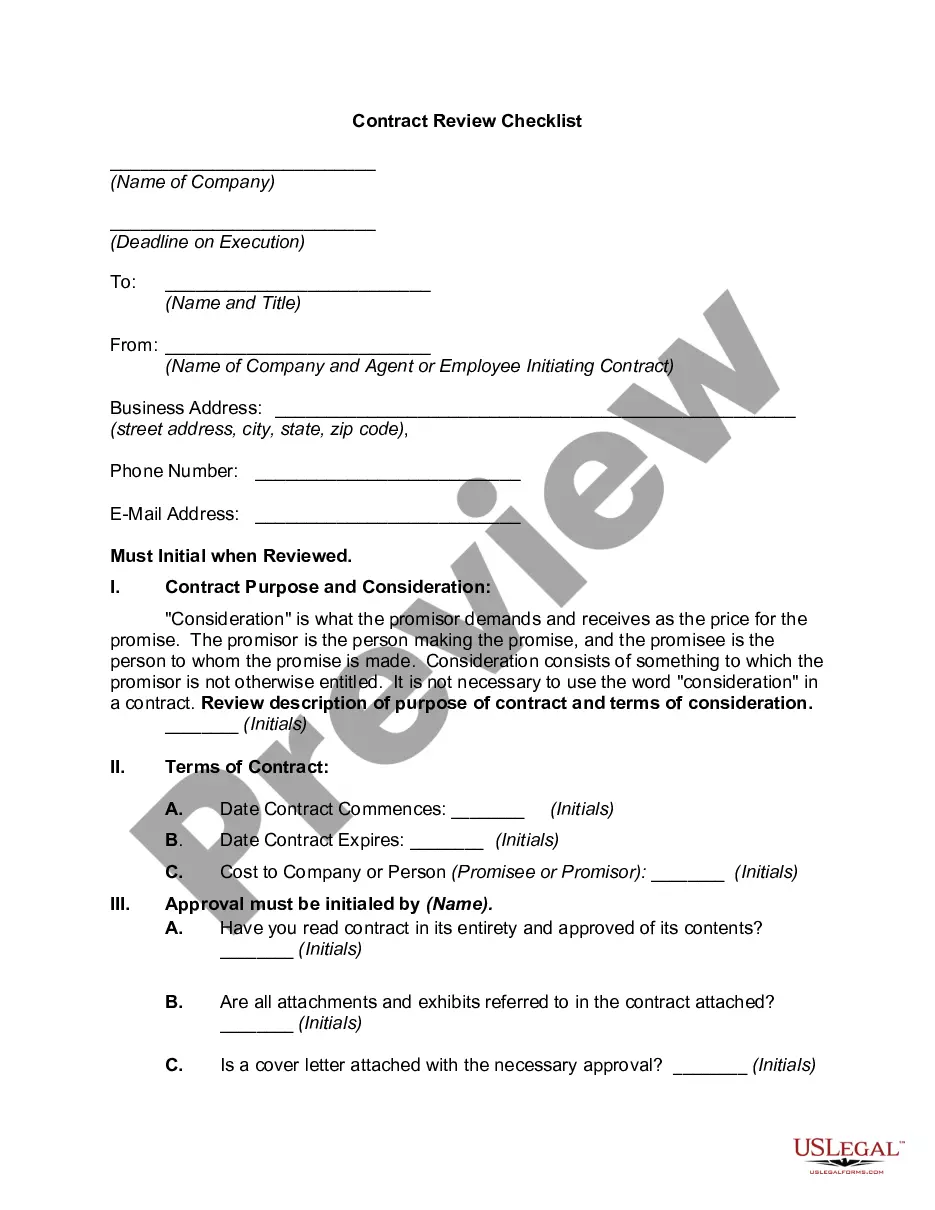




How to fill out Virginia Amendment To Living Trust?
- Log into your existing US Legal Forms account to access your documents. Ensure your subscription is active for uninterrupted service.
- If you're a new user, start by reviewing the form descriptions and preview mode on the US Legal Forms website. Identify the correct form that matches your needs and adheres to your local jurisdiction.
- Use the search function if you can't find the desired template right away. Adjust your search criteria to locate the necessary forms specific to trust management.
- Proceed to purchase the selected document by clicking the Buy Now button and choosing your preferred subscription plan. Make sure to create an account for full access.
- Complete your transaction by entering your payment information, either through credit card or PayPal, to finalize the subscription.
- Download your legal form directly to your device. You can find it under the My Forms section in your account at any time for easy access and completion.
By following these simple steps, you can ensure that you have the necessary legal documents related to trust management readily available. US Legal Forms offers a robust collection of forms—more than competitors at a similar cost—along with access to premium experts for any guidance you need.
Start managing your trust documents today with US Legal Forms! Visit our site to explore the extensive library and empower your legal journey.
Form popularity
FAQ
Determining who is the trustee of a trust typically involves reviewing the trust document itself, which outlines the appointed trustee or the criteria for selection. You should consider qualities such as trustworthiness, management skills, and familiarity with the beneficiaries' needs. In some cases, the trust creator might specify a professional or an institution to serve as the trustee. By understanding the dynamics of the trust and its beneficiaries, you can make informed decisions about the ideal trust trustee and beneficiary setup.
Finding a trustee for a trust involves considering candidates who demonstrate reliability, knowledge, and financial acumen. You might start by asking family, friends, or acquaintances if they know someone suitable. Alternatively, you can explore professionals like lawyers, accountants, or financial institutions that specialize in trusts. Utilizing resources, such as US Legal Forms, can help you find comprehensive information and guides on selecting the right trust trustee for your needs.
Yes, you can be both trustee and beneficiary of a trust, but this arrangement comes with specific responsibilities and potential conflicts of interest. As the trustee, you must act in the best interest of all beneficiaries while managing the trust's assets. It is crucial to maintain clear records and transparency to avoid any misunderstandings. Consulting a legal expert can ensure that you fulfill your duties properly while safeguarding your rights as a trust trustee and beneficiary.
The best trustee for a trust often depends on the specific needs and circumstances of the trust and its beneficiaries. A trustworthy individual with experience in financial matters, legal requirements, or family dynamics can be an excellent choice. Additionally, you might consider professional trustees, such as banks or trust companies, which can bring expertise and impartiality. Ultimately, the right trust trustee and beneficiary relationship should foster a sense of security and confidence.
Filling out a beneficiary designation involves several key steps. Begin by gathering personal information for each beneficiary, such as their full name, address, and date of birth. Next, specify the percentage of assets each beneficiary will receive and ensure the designations align with your trust. Utilizing an online platform like USLegalForms can help simplify the process and ensure correctness.
To fill out a beneficiary designation form for a trust, first ensure you have your trust agreement at hand. Clearly list the beneficiaries with their full names and relationships to you. Most importantly, consult with a legal professional or use platforms like USLegalForms to ensure accuracy in your beneficiary designations as you align them with your overall estate plan.
In a typical trustee and beneficiary relationship, the trustee manages the trust's assets while the beneficiary receives benefits from those assets. For instance, if a parent creates a trust for their child's education, the parent (trustee) would handle investments and distributions while the child (beneficiary) would receive funds for tuition. This relationship establishes clear responsibilities and expectations within estate management.
It is generally wise to avoid naming individuals who may have legal issues, such as minors or people who may struggle with managing finances. Additionally, refrain from naming someone who may not be reliable or trustworthy. You want your trust trustee and beneficiary selections to ensure that your assets are handled appropriately and reach the intended recipients.
A designated beneficiary might be a family member or friend specifically named in a will or on a financial account. For example, if you name your spouse as the beneficiary of your retirement account, they are the designated beneficiary who will receive those assets upon your passing. This designation plays a crucial role in estate planning, especially when considering trusts.
Yes, a trust can override a beneficiary designation if the assets are transferred into the trust. When you establish a trust, you can specify how the assets will be distributed among the beneficiaries. If the trust agreement conflicts with a designation, the trust provisions typically take precedence.