Virginia Guardianship Forms For Indiana
Description


Get your form ready online
Our built-in tools help you complete, sign, share, and store your documents in one place.
Make edits, fill in missing information, and update formatting in US Legal Forms—just like you would in MS Word.
Download a copy, print it, send it by email, or mail it via USPS—whatever works best for your next step.
Sign and collect signatures with our SignNow integration. Send to multiple recipients, set reminders, and more. Go Premium to unlock E-Sign.
If this form requires notarization, complete it online through a secure video call—no need to meet a notary in person or wait for an appointment.
We protect your documents and personal data by following strict security and privacy standards.

Make edits, fill in missing information, and update formatting in US Legal Forms—just like you would in MS Word.

Download a copy, print it, send it by email, or mail it via USPS—whatever works best for your next step.

Sign and collect signatures with our SignNow integration. Send to multiple recipients, set reminders, and more. Go Premium to unlock E-Sign.

If this form requires notarization, complete it online through a secure video call—no need to meet a notary in person or wait for an appointment.

We protect your documents and personal data by following strict security and privacy standards.
Looking for another form?










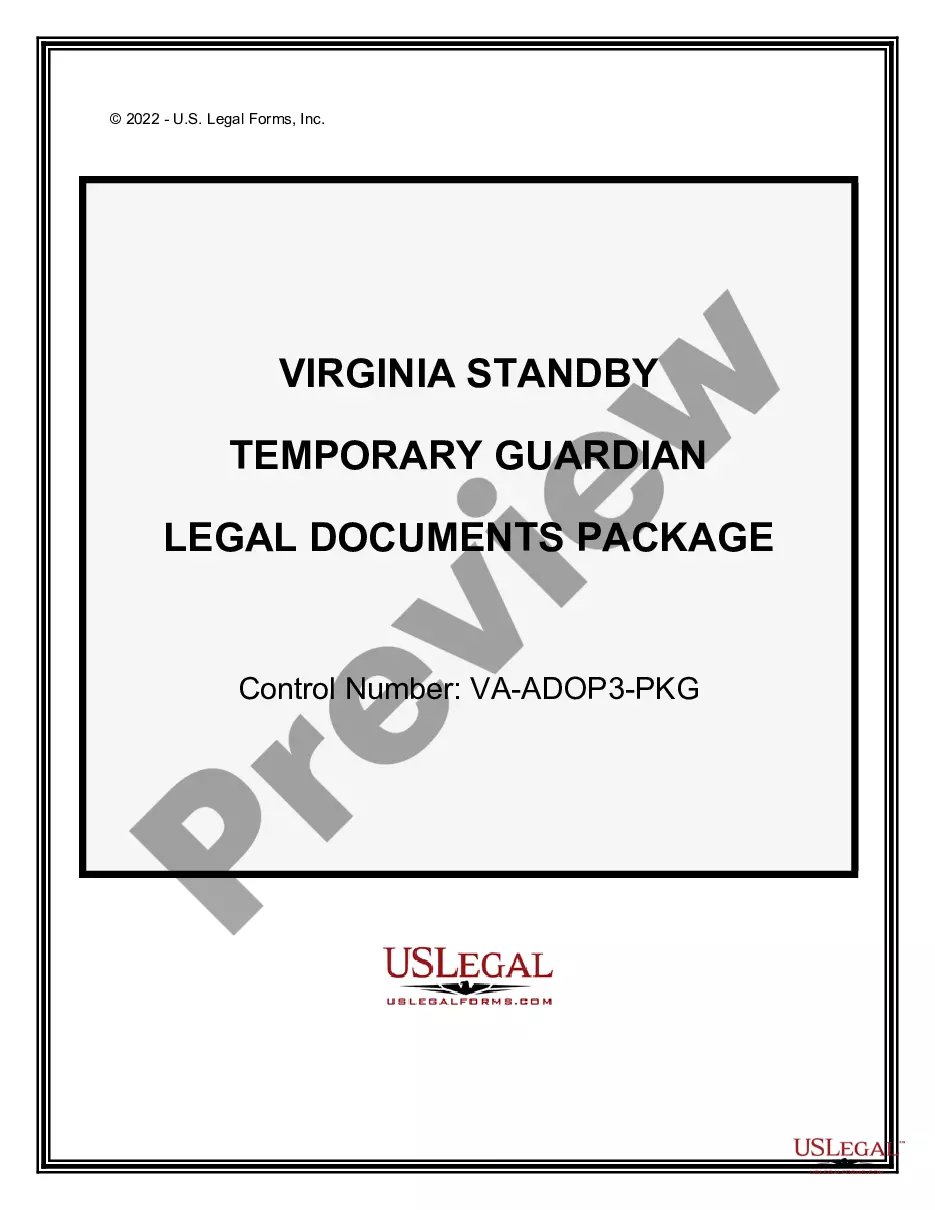
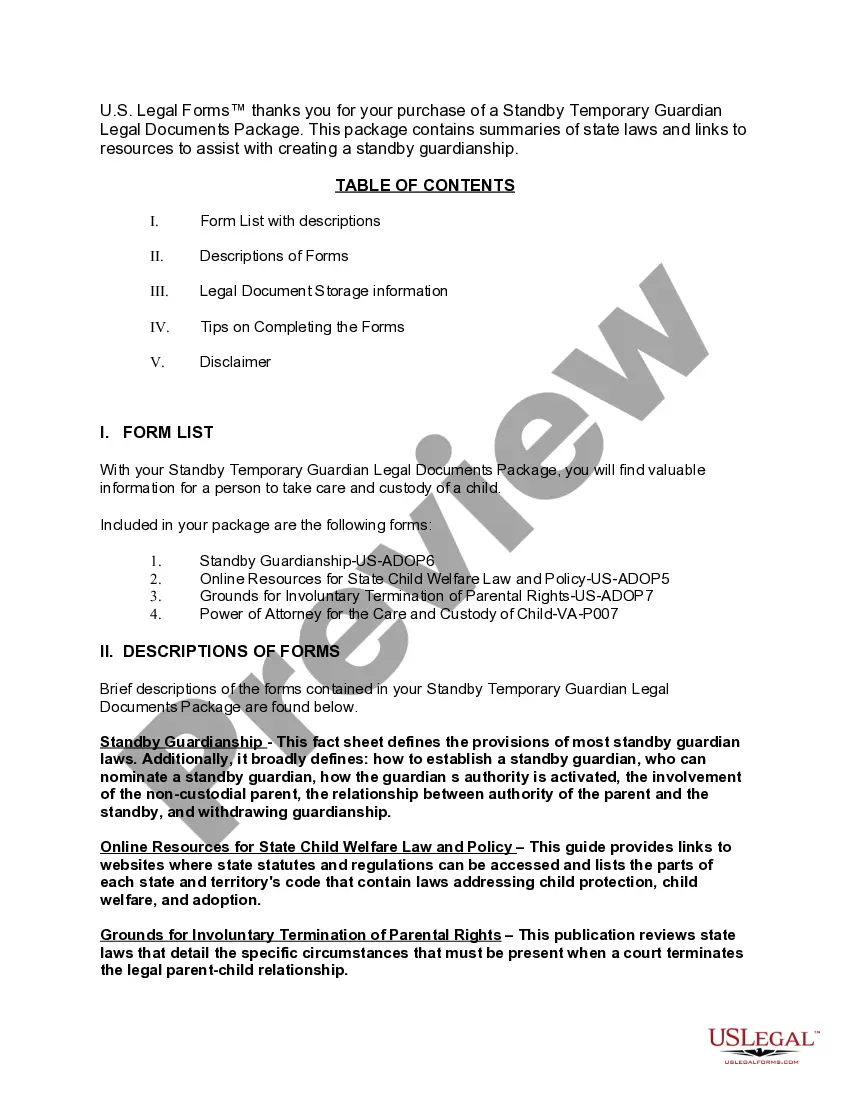
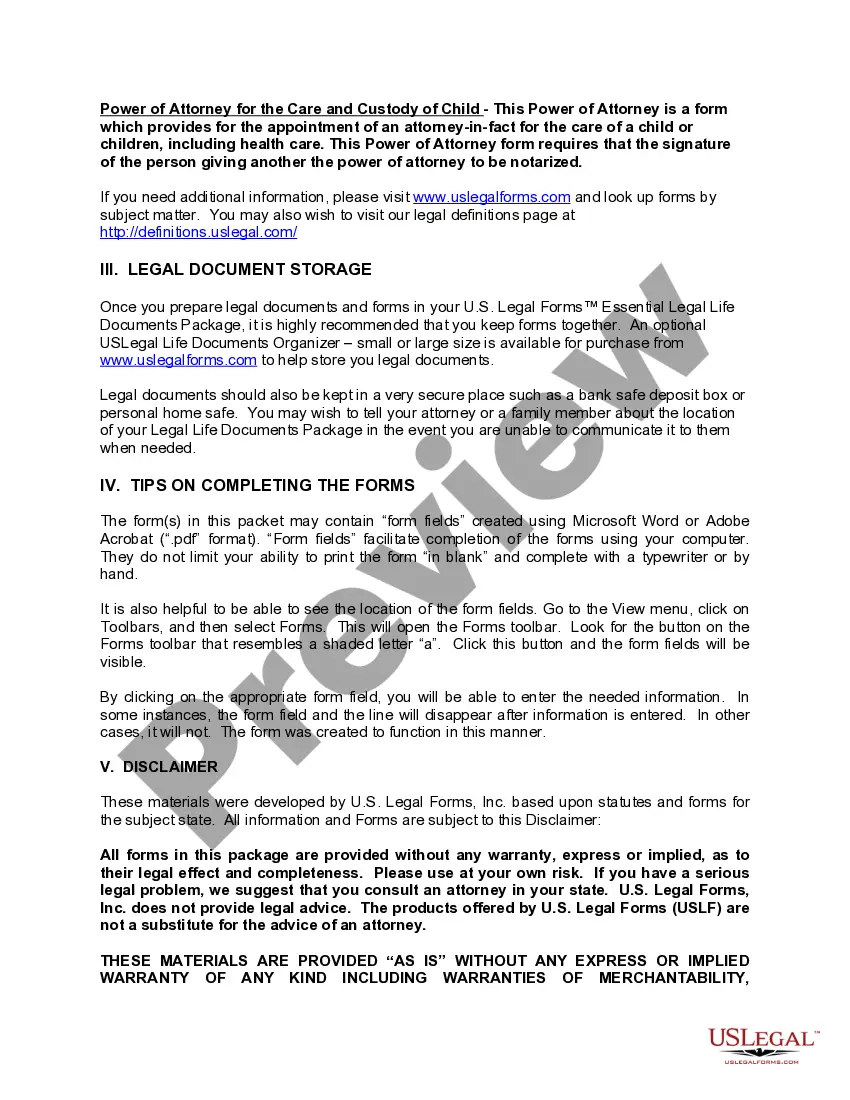
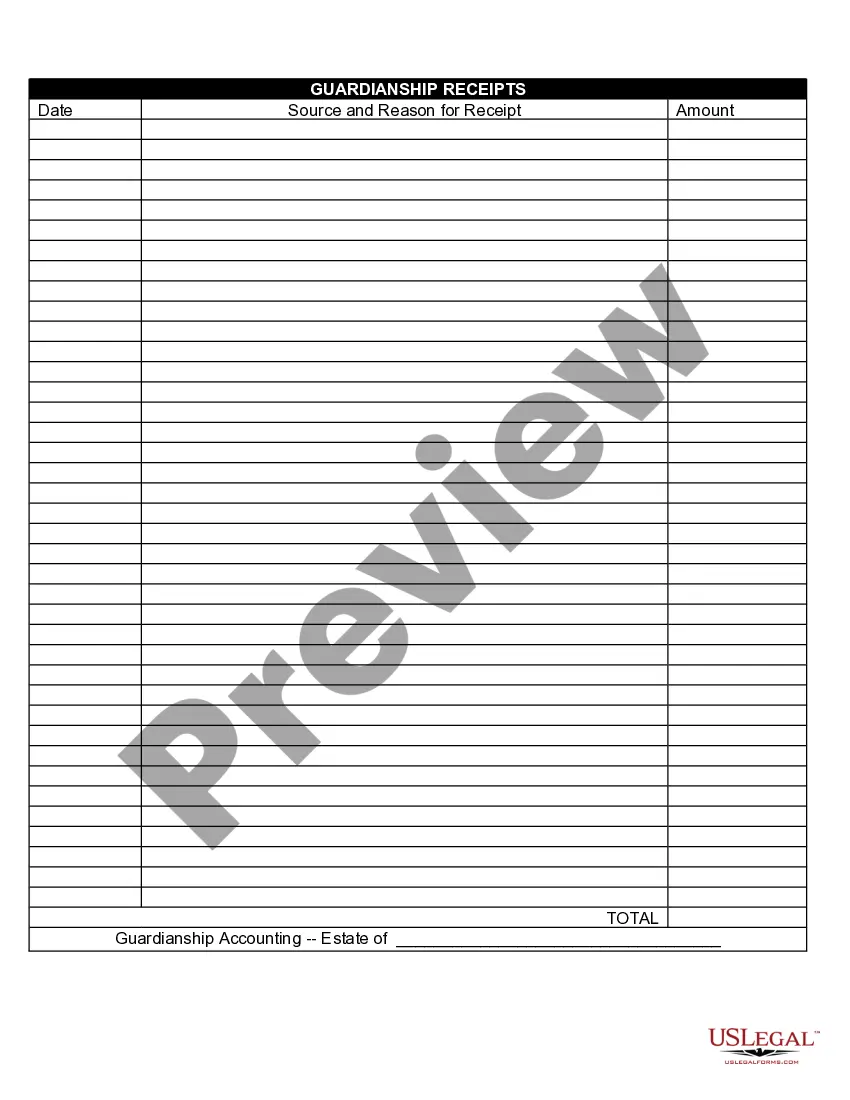
How to fill out Virginia Standby Temporary Guardian Legal Documents Package?
Whether for commercial objectives or for private issues, everyone must confront legal circumstances at some phase of their life.
Filling out legal paperwork necessitates meticulous consideration, starting from selecting the suitable form template.
With a comprehensive US Legal Forms catalog available, you don’t need to waste time searching for the suitable template across the web. Make use of the library’s intuitive navigation to find the right template for any circumstance.
- Acquire the template you require by utilizing the search feature or catalog browsing.
- Review the form’s details to ensure it aligns with your circumstances, state, and county.
- Click on the form’s preview to view it.
- If it is not the correct form, return to the search tool to locate the Virginia Guardianship Forms For Indiana template you need.
- Obtain the document once it matches your requirements.
- If you possess a US Legal Forms account, click Log in to access previously saved documents in My documents.
- If you do not have an account yet, you may receive the form by clicking Buy now.
- Select the appropriate pricing choice.
- Complete the account registration form.
- Choose your payment method: utilize a credit card or PayPal account.
- Select the file format you prefer and download the Virginia Guardianship Forms For Indiana.
- After it is downloaded, you can fill out the form using editing software or print it and complete it manually.
Form popularity
FAQ
It is always best to get an attorney, and sometimes the court will require you to have an attorney in a guardianship case. You should review the statutes on guardianship here: Indiana Code Title 29-3. Rules may be different in every county.
Petition: Any person may file a petition with a Virginia circuit court stating that a Virginia resident needs a guardian or conservator to manage some or all of his/her affairs. This person is called the petitioner. The person claimed in the petition to need a Guardian or a Conservator is called the respondent.
"Guardian" means a person appointed by the court who has the powers and duties set out in § 64.2-2019, or § 63.2-1609 if applicable, and who is responsible for the personal affairs of an incapacitated person, including responsibility for making decisions regarding the person's support, care, health, safety, ...
File a Petition for Guardianship with a court with probate jurisdiction and notify the allegedly incapacitated person, all close family members, and any person or institution having care or custody of the allegedly incapacitated person during the 60 days preceding filing of guardianship petition. Pay the filing fee.
In granting a petition under this section, the court shall recognize a guardianship or conservatorship order from the other state, including the determination of the incapacitated or protected person's incapacity and the appointment of the guardian or conservator.