Forma Trust
Description
Get your form ready online
Our built-in tools help you complete, sign, share, and store your documents in one place.
Make edits, fill in missing information, and update formatting in US Legal Forms—just like you would in MS Word.
Download a copy, print it, send it by email, or mail it via USPS—whatever works best for your next step.
Sign and collect signatures with our SignNow integration. Send to multiple recipients, set reminders, and more. Go Premium to unlock E-Sign.
If this form requires notarization, complete it online through a secure video call—no need to meet a notary in person or wait for an appointment.
We protect your documents and personal data by following strict security and privacy standards.

Make edits, fill in missing information, and update formatting in US Legal Forms—just like you would in MS Word.

Download a copy, print it, send it by email, or mail it via USPS—whatever works best for your next step.

Sign and collect signatures with our SignNow integration. Send to multiple recipients, set reminders, and more. Go Premium to unlock E-Sign.

If this form requires notarization, complete it online through a secure video call—no need to meet a notary in person or wait for an appointment.

We protect your documents and personal data by following strict security and privacy standards.
Looking for another form?
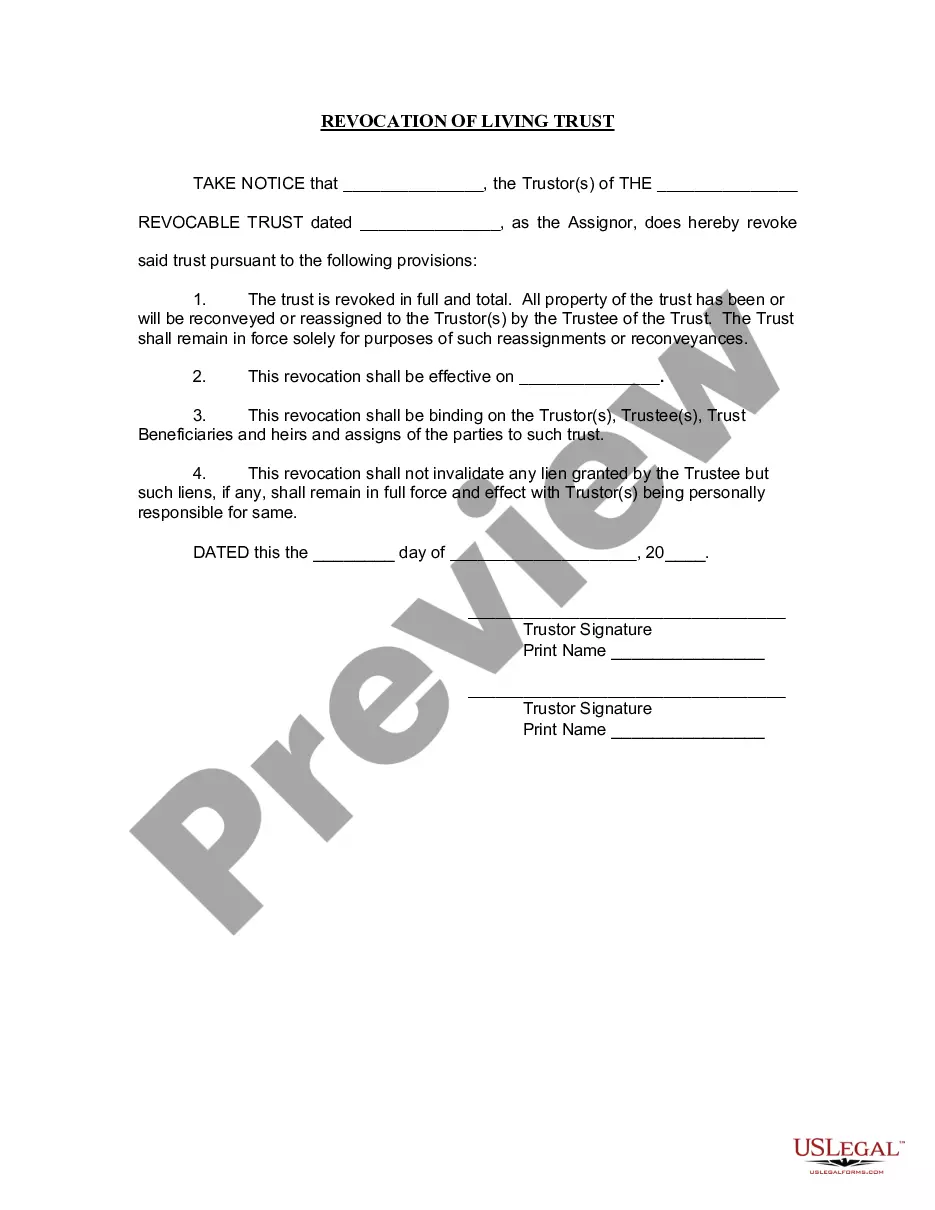
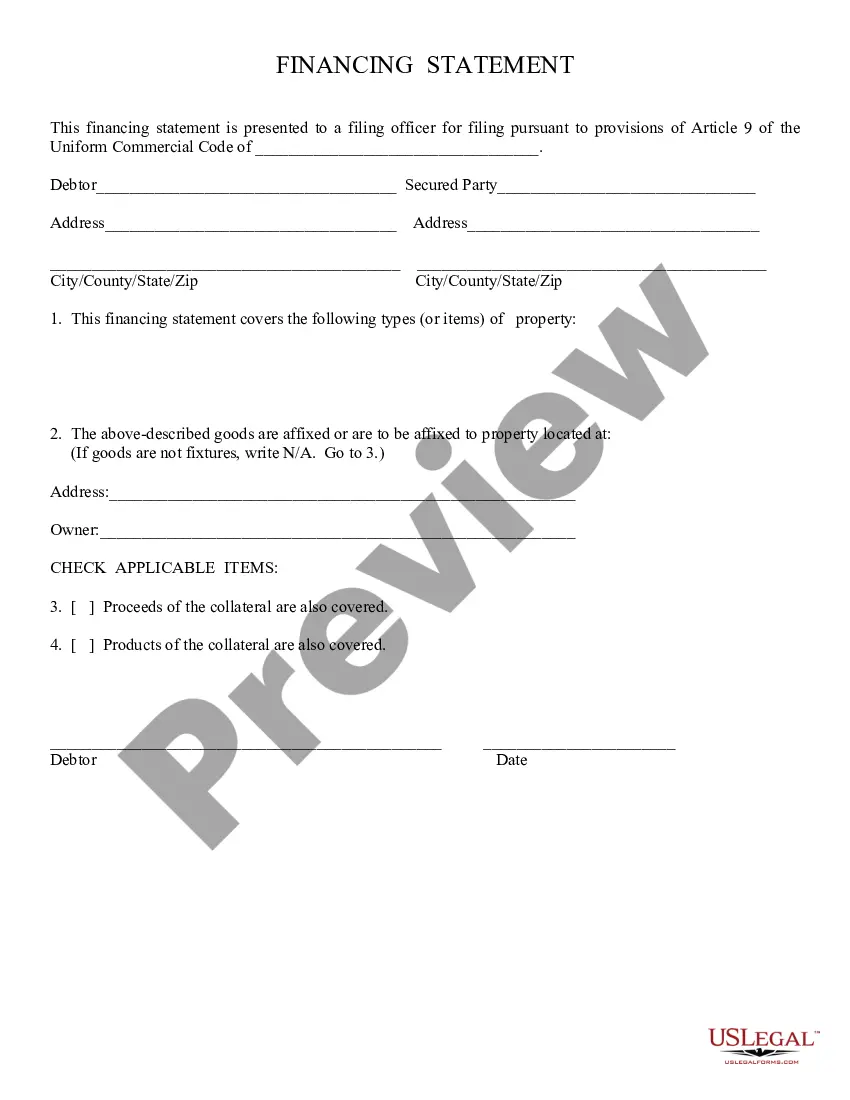
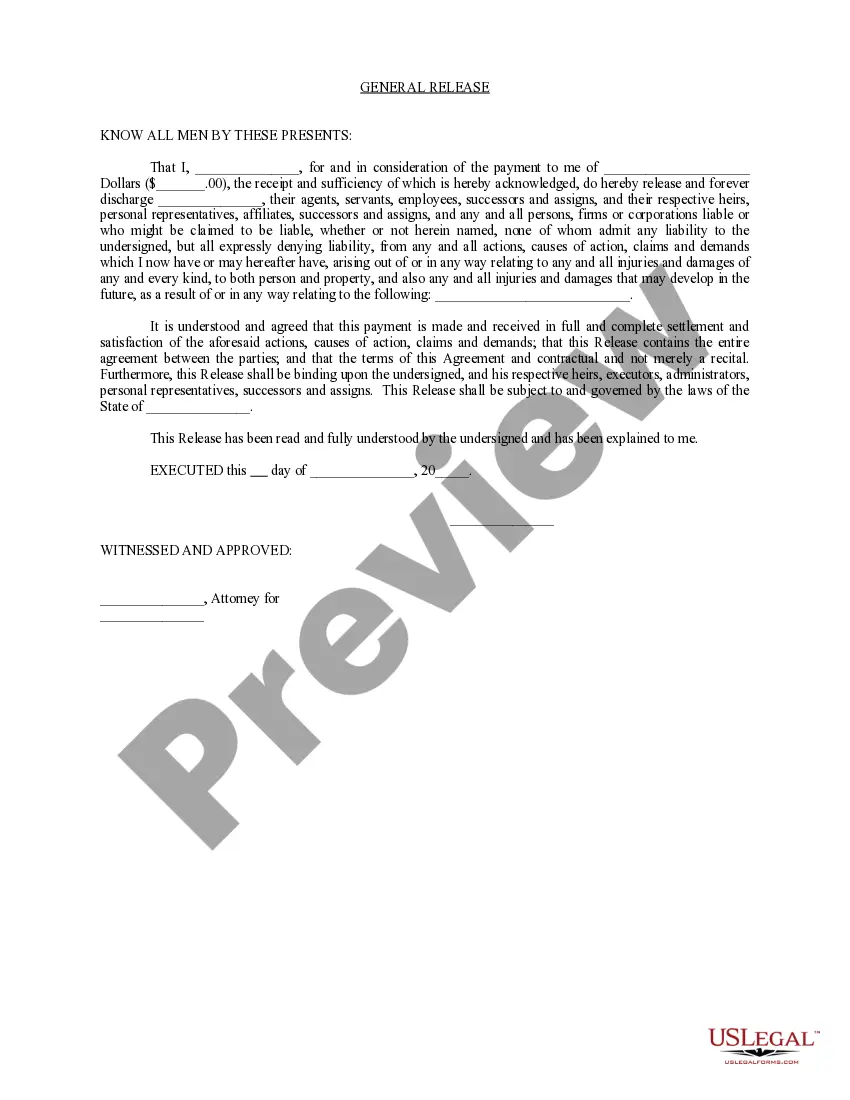
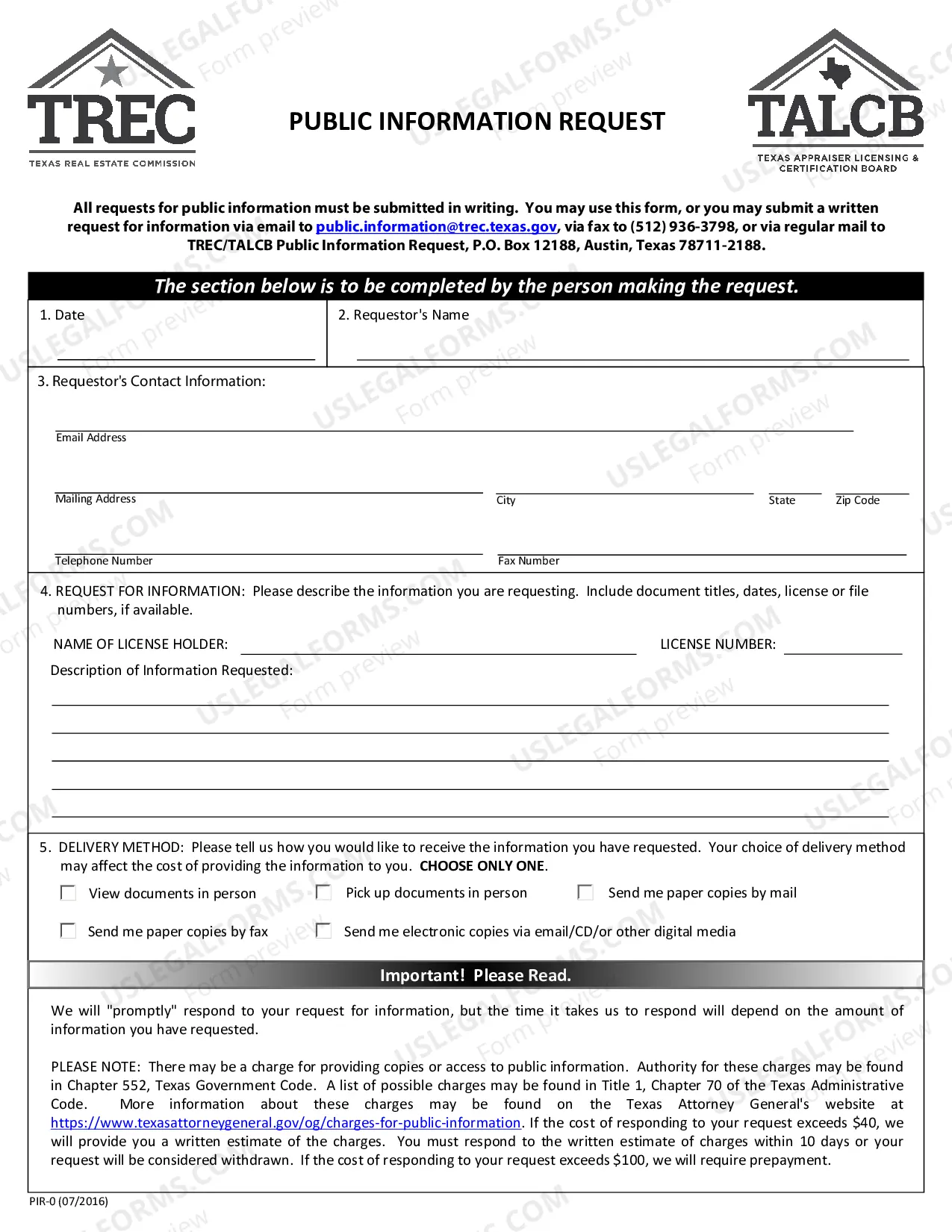
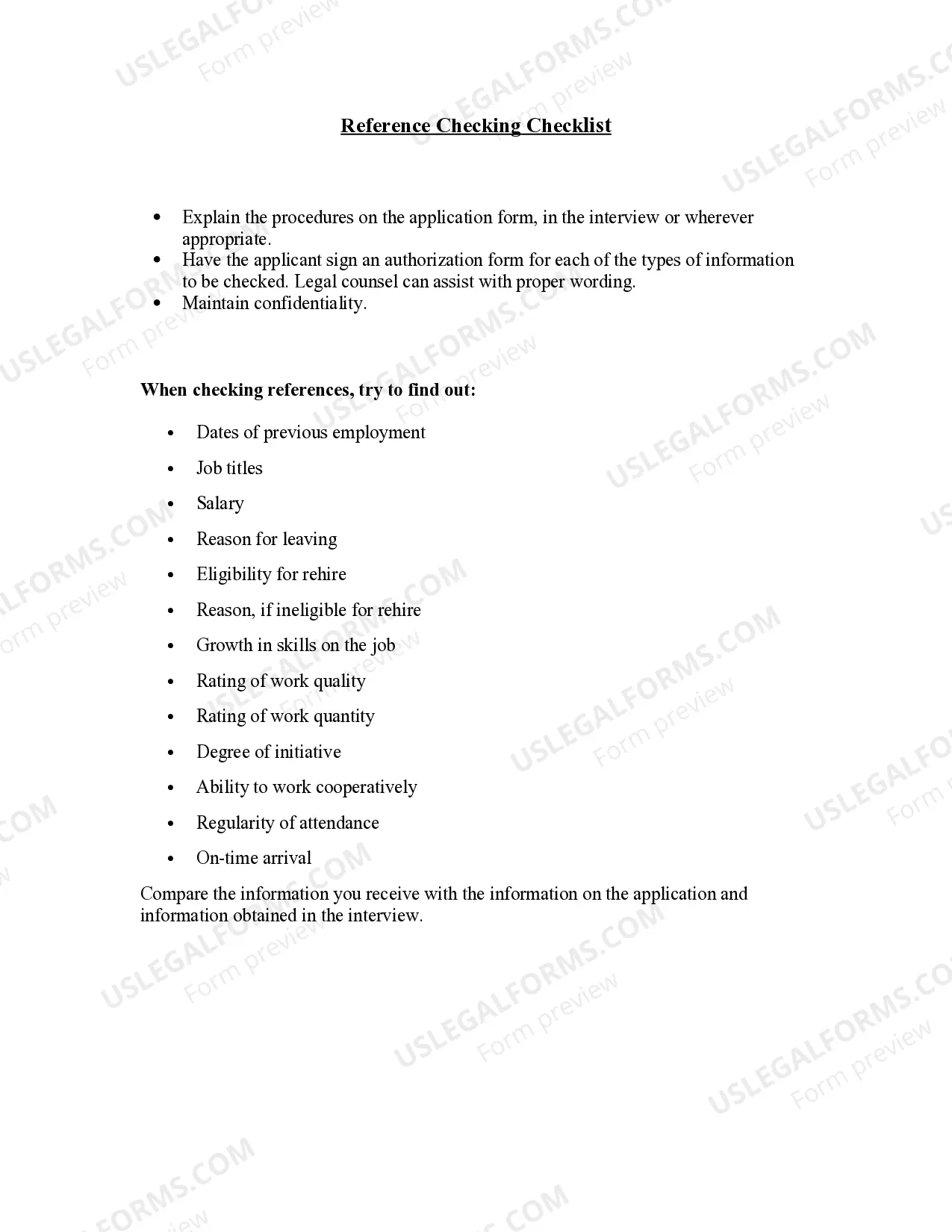
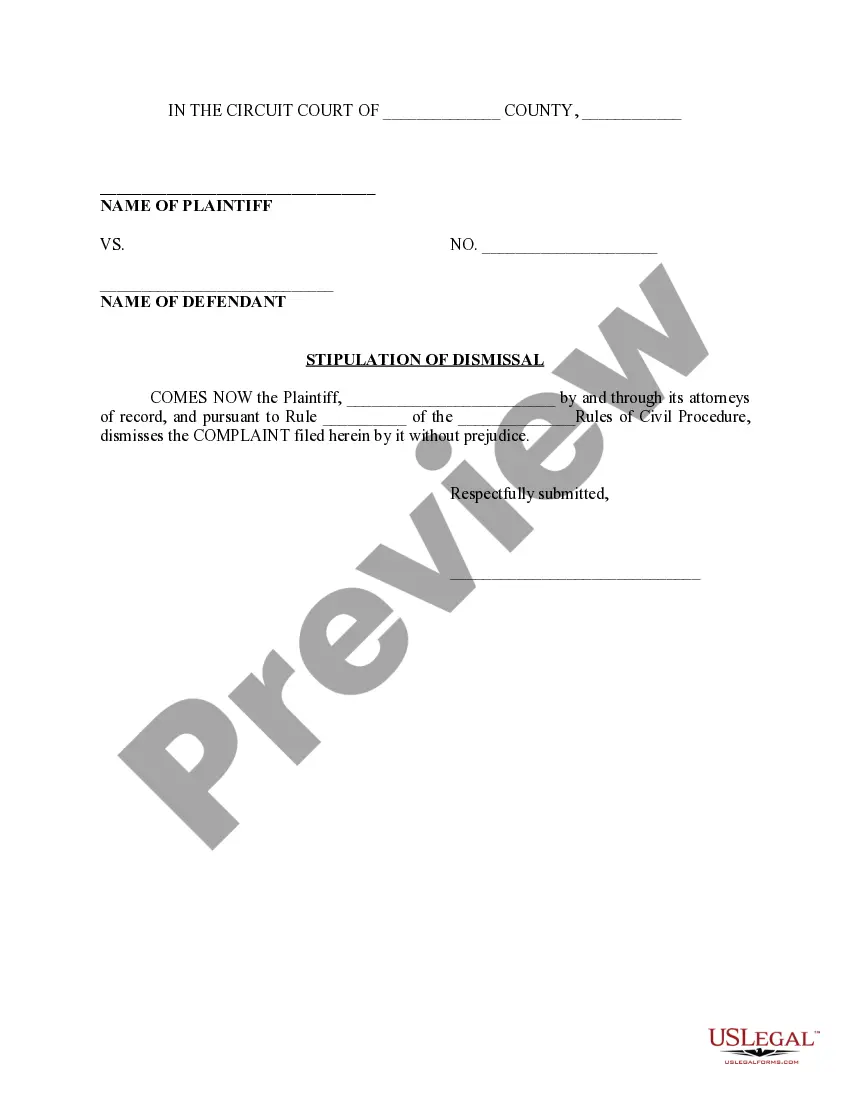
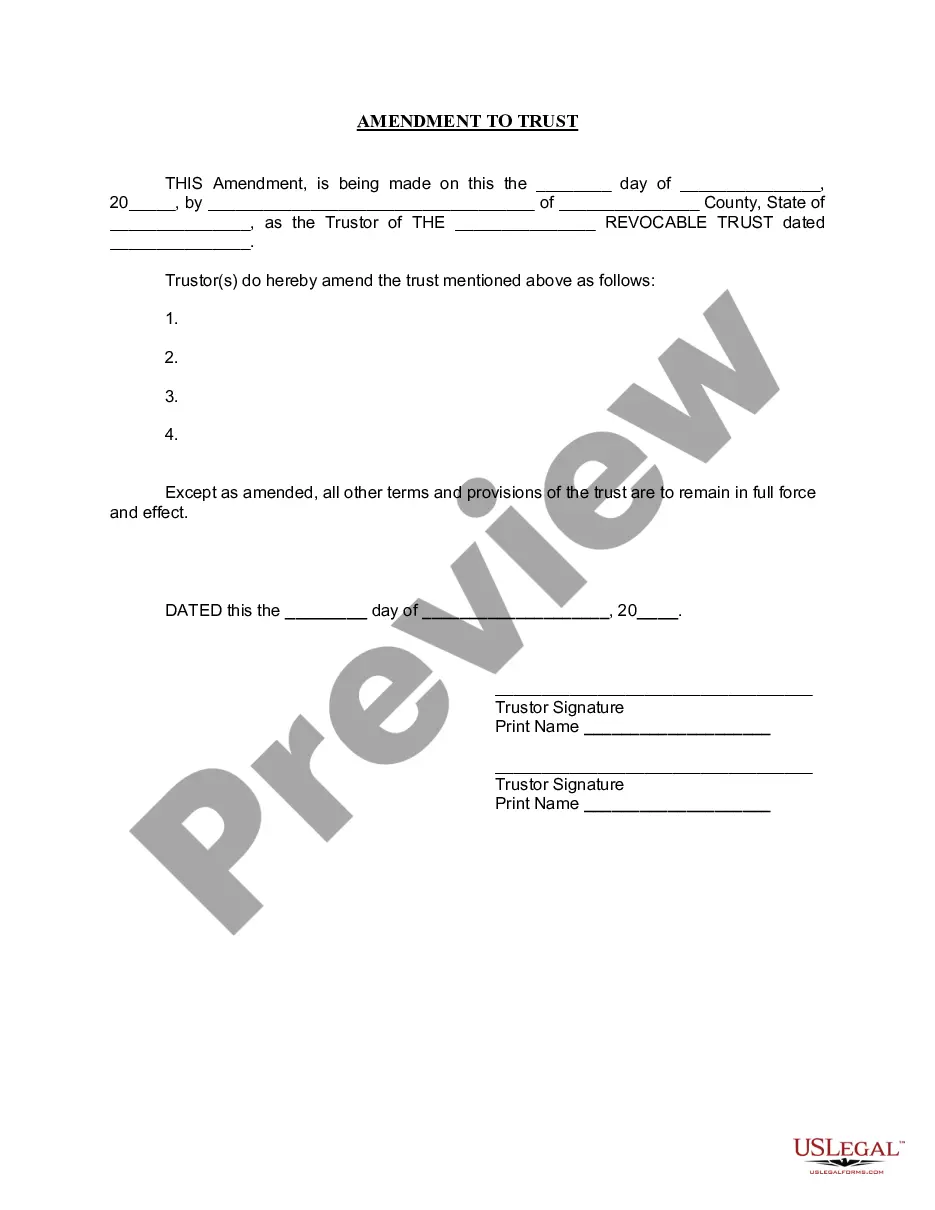
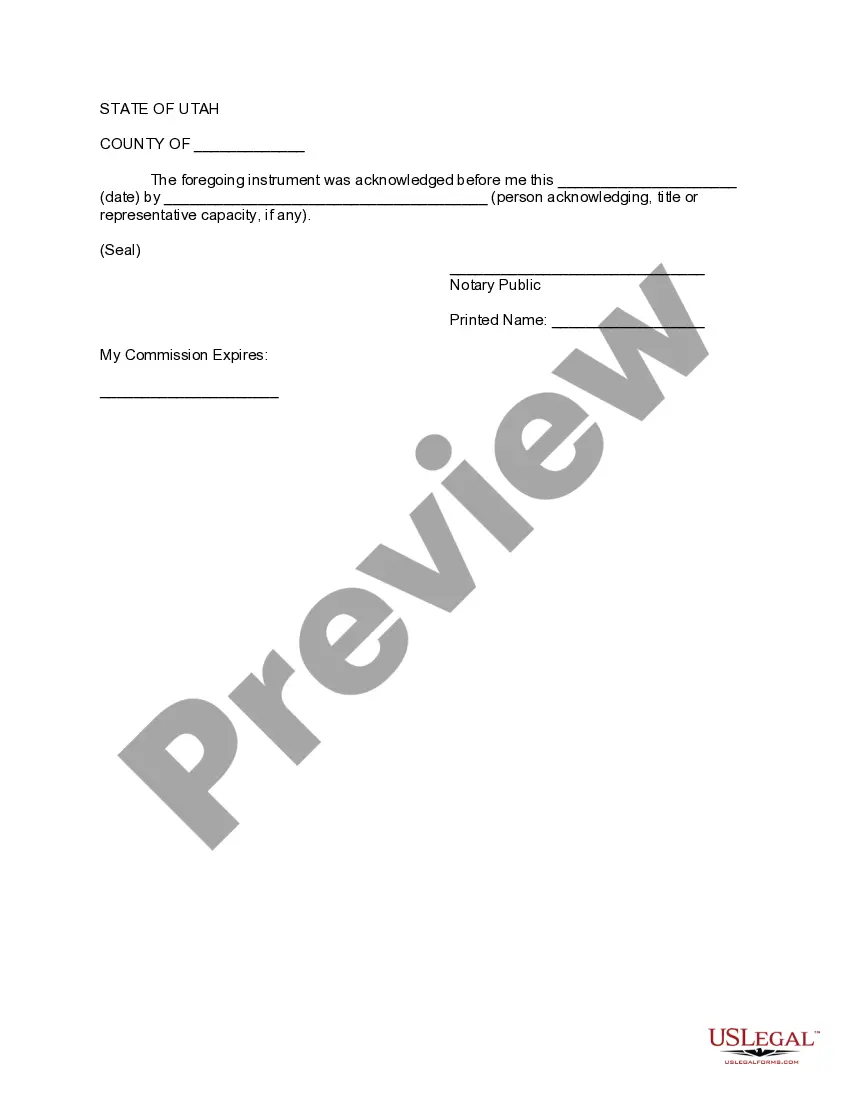
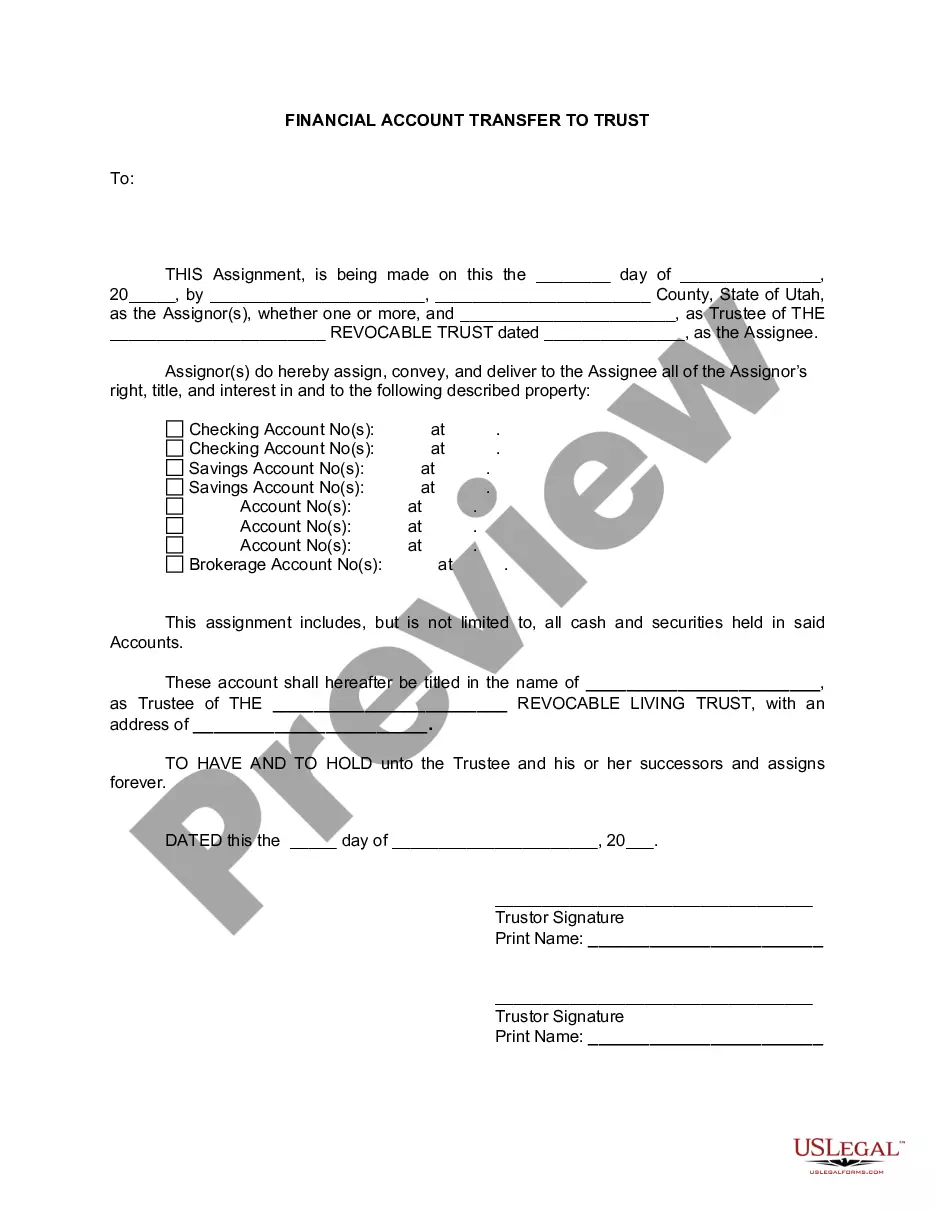
How to fill out Utah Amendment To Living Trust?
- If you're returning to US Legal Forms, log in to your account and download your required form by clicking on the Download button. Ensure your subscription is active, and renew if necessary.
- If you're a first-time user, start by reviewing the Preview mode and description of the form to confirm it meets your needs and complies with local jurisdiction laws.
- If you need a different form, utilize the Search tab to find the specific template that matches your requirements. Move forward once you find the correct one.
- Purchase the document by clicking the Buy Now button and selecting your preferred subscription plan. An account registration is required to access the library.
- Complete your purchase by entering your payment details, either through credit card or PayPal.
- Download your selected form, saving it to your device. Access it anytime later through the My Forms section in your profile.
US Legal Forms not only provides a robust collection of legal forms but also ensures users have access to premium support, making it easier to create accurate and legally sound documents.
Start using the Forma Trust service today and take full advantage of US Legal Forms' extensive resources to simplify your legal needs!
Form popularity
FAQ
Filling out a trust fund typically involves completing a trust agreement, which outlines the terms, beneficiaries, and distribution of assets. For a Forma trust, ensure that all legal requirements are met and consider using a platform such as US Legal Forms. This service simplifies paperwork and ensures compliance with state and federal laws, making the process smoother for you.
Yes, you can write off certain expenses in a Forma trust. Deductible expenses may include legal fees, tax preparation costs, and administrative expenses associated with managing the trust. Proper documentation is essential to substantiate all expense claims on your tax returns.
Form 8453 is a declaration form that allows a trustee of a Forma trust to submit electronic tax returns while verifying the information. This form serves as a signature and authorization for the electronic filing process. It ensures that the IRS receives all relevant information accurately and promptly.
If your Forma trust generates any taxable income, you will need to file IRS Form 1041. This applies whether the trust is irrevocable or revocable. Be mindful of filing deadlines and ensure all income is accurately reported to maintain compliance with tax regulations.
To file income from a Forma trust, complete IRS Form 1041 and report the trust's income, deductions, and credits. Each beneficiary may receive a Schedule K-1, which they will use to report their share of the income on their personal tax returns. It's crucial to maintain accurate records to simplify this process.
The Illinois IL 1041 form must be filed by a trustee of an estate or trust that generates income subject to tax in Illinois. This includes Forma trusts that exceed the state's income threshold. Trustees are responsible for ensuring compliance with local tax laws to avoid penalties.
Not all trusts are obligated to file a tax return. A Forma trust with taxable income must file Form 1041, while revocable living trusts typically do not need to file since income is reported on the grantor's personal tax return. However, it's wise to consult with a tax professional to clarify your specific situation.
When managing a Forma trust, the key tax forms often required include IRS Form 1041, which is the U.S. Income Tax Return for Estates and Trusts. Additionally, depending on the income sources, trustees may need to issue Schedule K-1 to beneficiaries. It's essential to review state-specific requirements, as they can vary.
The time it takes to form a Forma trust can vary depending on several factors. Generally, once you gather the necessary documents and select the trustee, establishing the trust may only take a few days to a couple of weeks. However, complexity in the trust's terms or legal requirements could extend this timeframe. Utilizing platforms like US Legal Forms can streamline this process, helping you set up your Forma trust efficiently.
To establish a valid Forma trust, you need a clear intent to create the trust, a definite beneficiary, and identifiable trust property. Additionally, you must have a competent trustee who can manage the trust responsibly. Last but not least, the trust document must follow applicable state laws. By ensuring these requirements are met, you can successfully create a Forma trust that serves your estate planning needs.