First Party Trust Vs Third Party Trust
Description
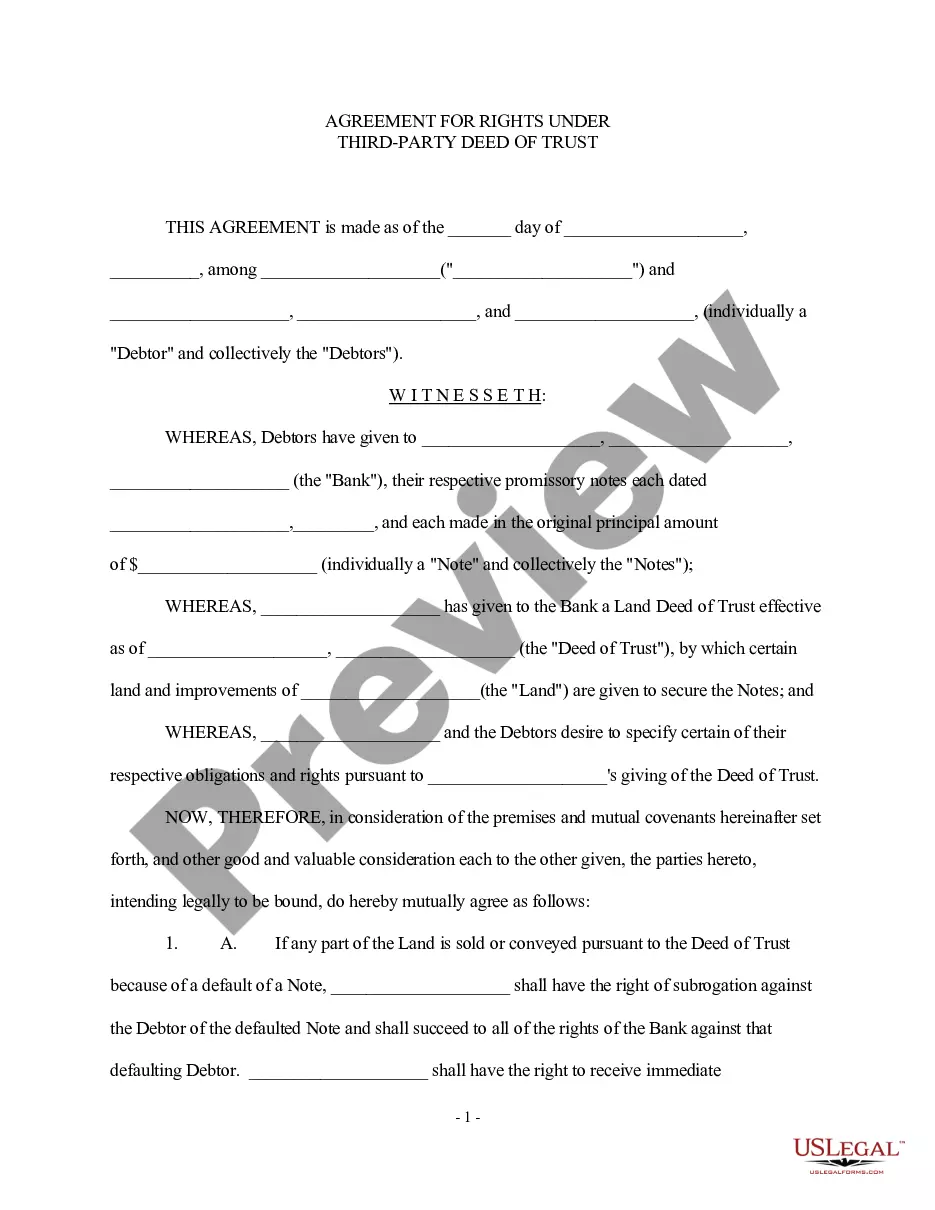
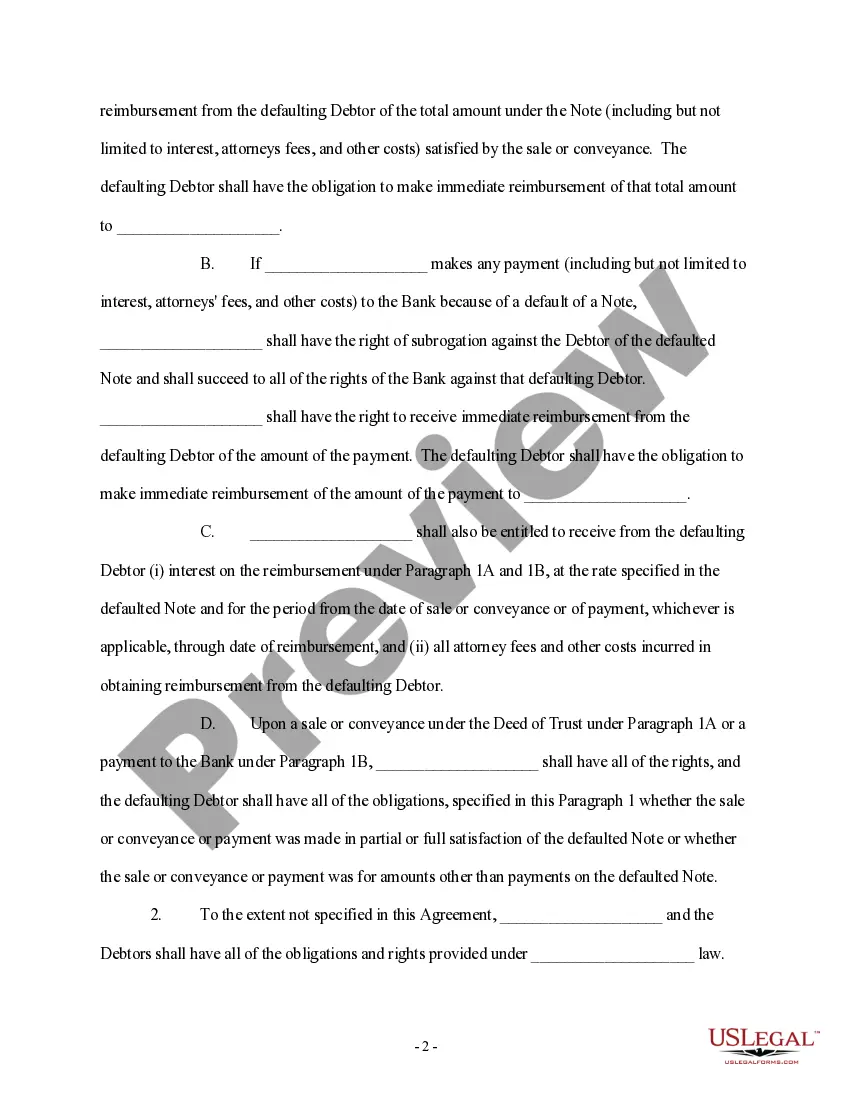
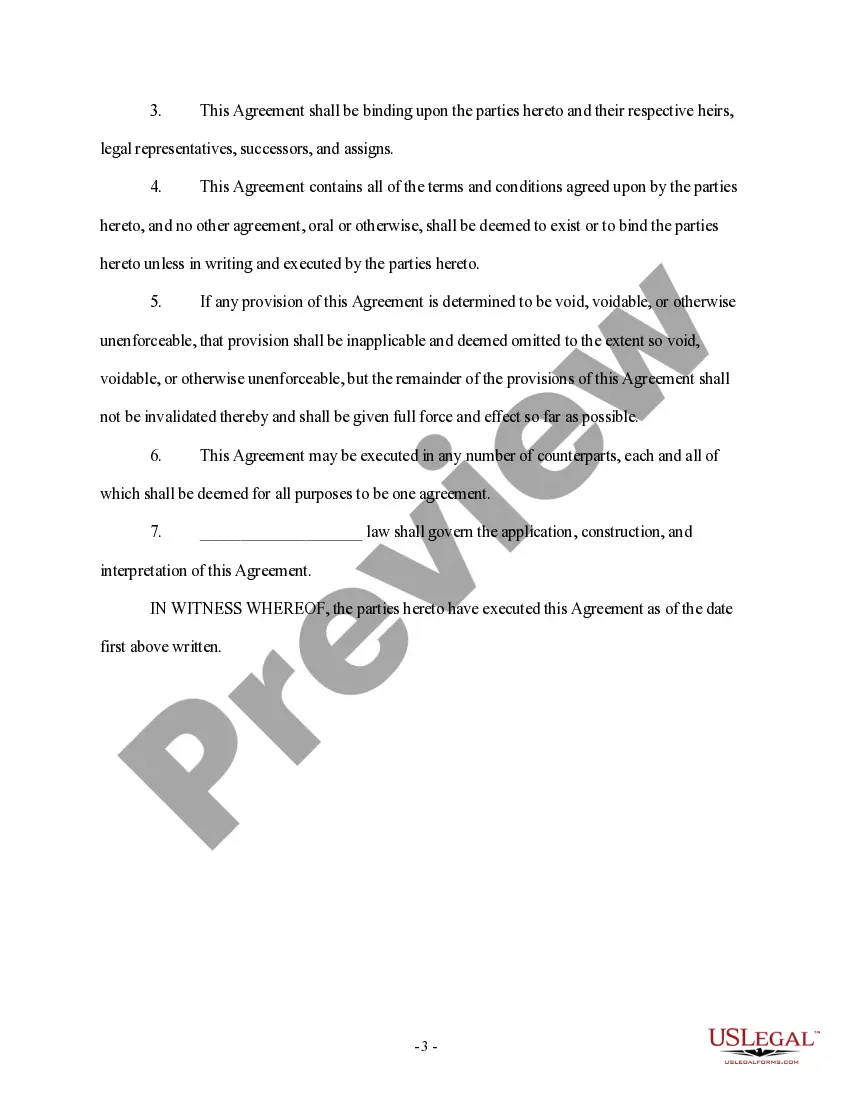
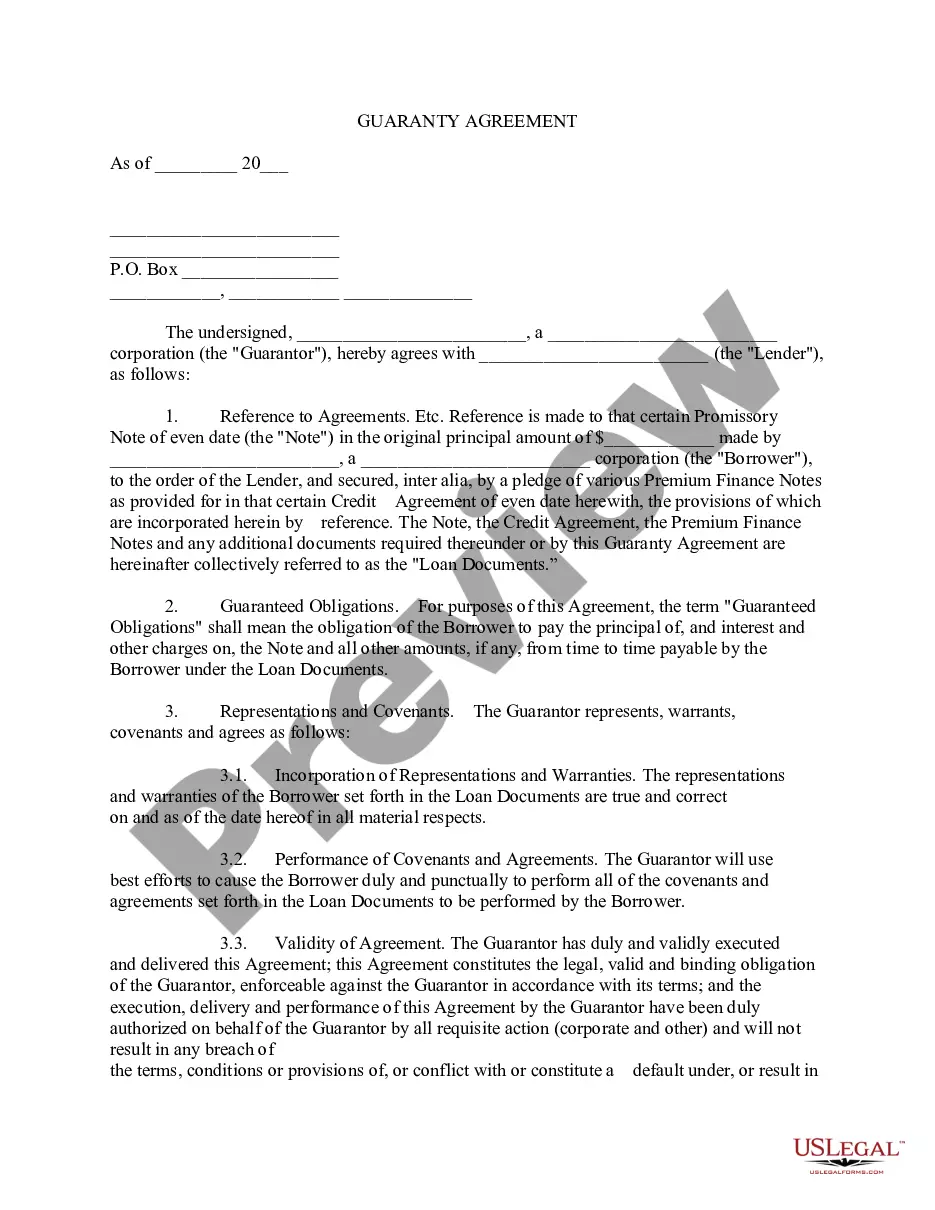
Get your form ready online
Our built-in tools help you complete, sign, share, and store your documents in one place.
Make edits, fill in missing information, and update formatting in US Legal Forms—just like you would in MS Word.
Download a copy, print it, send it by email, or mail it via USPS—whatever works best for your next step.
Sign and collect signatures with our SignNow integration. Send to multiple recipients, set reminders, and more. Go Premium to unlock E-Sign.
If this form requires notarization, complete it online through a secure video call—no need to meet a notary in person or wait for an appointment.
We protect your documents and personal data by following strict security and privacy standards.

Make edits, fill in missing information, and update formatting in US Legal Forms—just like you would in MS Word.

Download a copy, print it, send it by email, or mail it via USPS—whatever works best for your next step.

Sign and collect signatures with our SignNow integration. Send to multiple recipients, set reminders, and more. Go Premium to unlock E-Sign.

If this form requires notarization, complete it online through a secure video call—no need to meet a notary in person or wait for an appointment.

We protect your documents and personal data by following strict security and privacy standards.
Looking for another form?
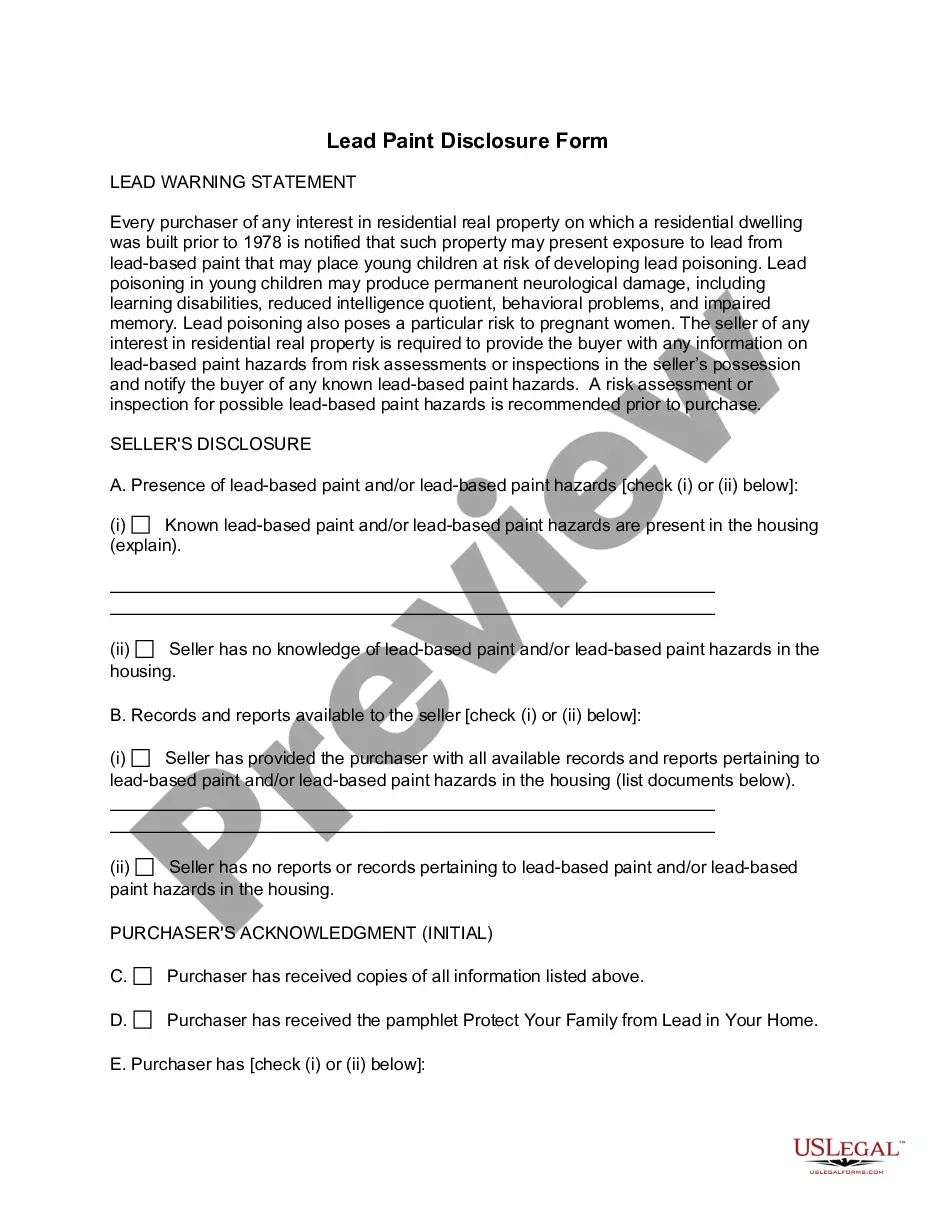





How to fill out Agreement For Rights Under Third Party Deed Of Trust?
Preparing legal documentation from the ground up can frequently feel a bit daunting.
Certain matters may require extensive research and considerable financial investment.
If you aim for a more straightforward and budget-friendly method of producing First Party Trust Vs Third Party Trust or any other documents without unnecessary complications, US Legal Forms is always available to assist you.
Our online collection of over 85,000 current legal forms covers almost every aspect of your financial, legal, and personal matters.
However, before proceeding to download the First Party Trust Vs Third Party Trust, please follow these guidelines: Check the form preview and descriptions to confirm that you have the correct form. Ensure that the form you choose complies with your state and county's regulations. Select the appropriate subscription plan to obtain the First Party Trust Vs Third Party Trust. Download the form, then fill it out, sign it, and print it. US Legal Forms boasts an impeccable reputation and more than 25 years of expertise. Join us now and make form completion a simple and efficient process!
- With just a few clicks, you can quickly obtain state- and county-compliant templates carefully organized for you by our legal experts.
- Utilize our website whenever you seek dependable services through which you can easily locate and retrieve the First Party Trust Vs Third Party Trust.
- If you are familiar with our site and have created an account previously, simply Log In to your account, choose the template, and download it immediately or access it later in the My documents section.
- Not registered yet? No problem. Registration only takes a few minutes and allows you to browse the catalog.
Form popularity
FAQ
Third-Party Special Needs Trusts are established using assets from someone other than the individual living with disabilities. Typically established by a loved one while living or through specific language in a living will specifically designating funds to be placed into a Third-Party Trust.
party trustee has no personal ties or biases that could affect their decisionmaking. This means decisions are based on the best interests of the trust and its beneficiaries rather than any personal feelings that might come into play with family members.
While first-party special needs trusts and pooled trusts hold funds that belong to the person with special needs, third-party special needs trusts, as the name implies, are funded with assets that never belonged to the trust beneficiary, and they provide several advantages over the other two types of trusts.
Unlike third-party trusts, which are funded by property owned by someone other the beneficiary, a first-party trust is used for the property of person with special needs. A person with special needs might acquire property though a: personal injury award.
What is a Third Party Trust? A Third Party Trust (also known as a Common Law Trust) is funded by the beneficiary's family and/or friends, rather than the beneficiary themselves. It can be funded either during their lifetime and/or through an estate plan.