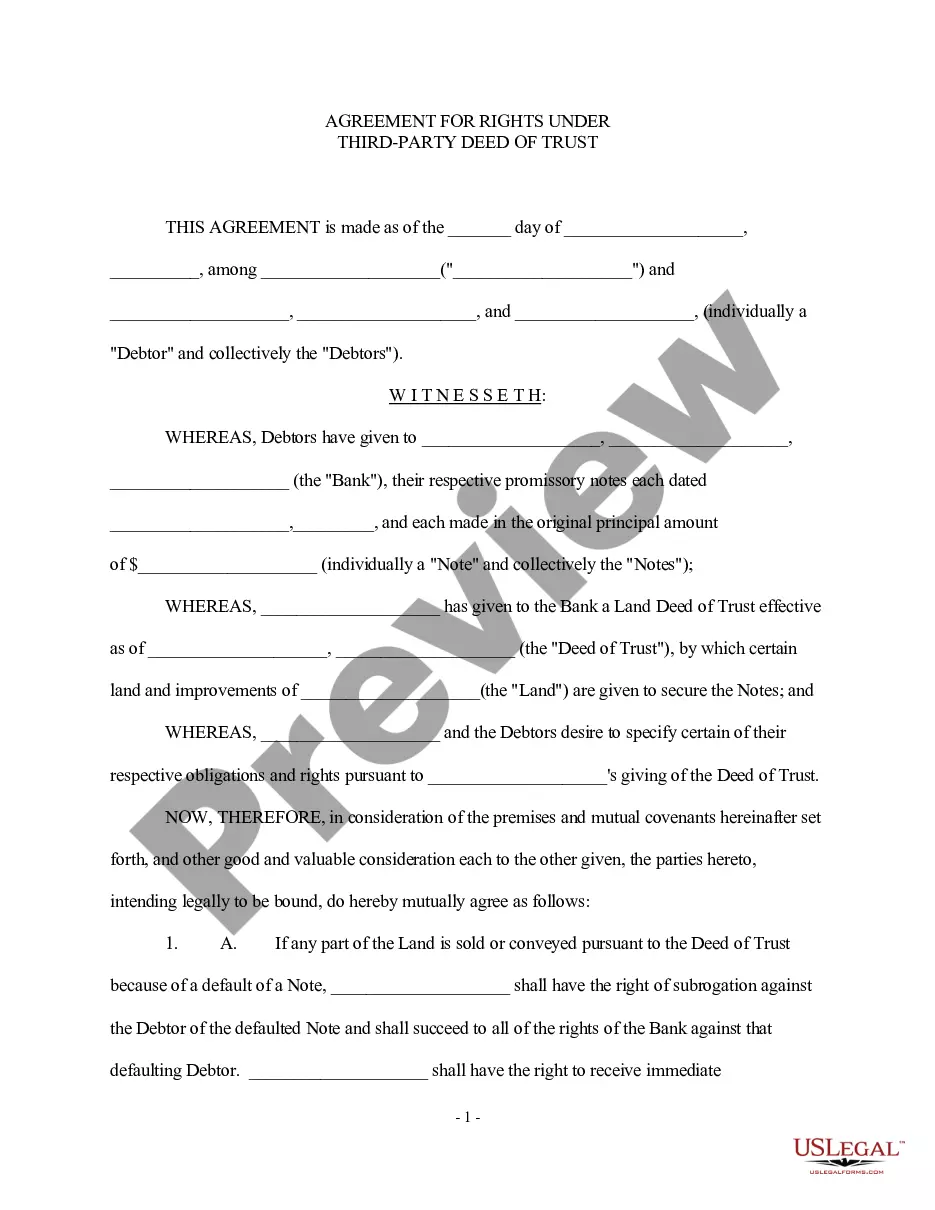
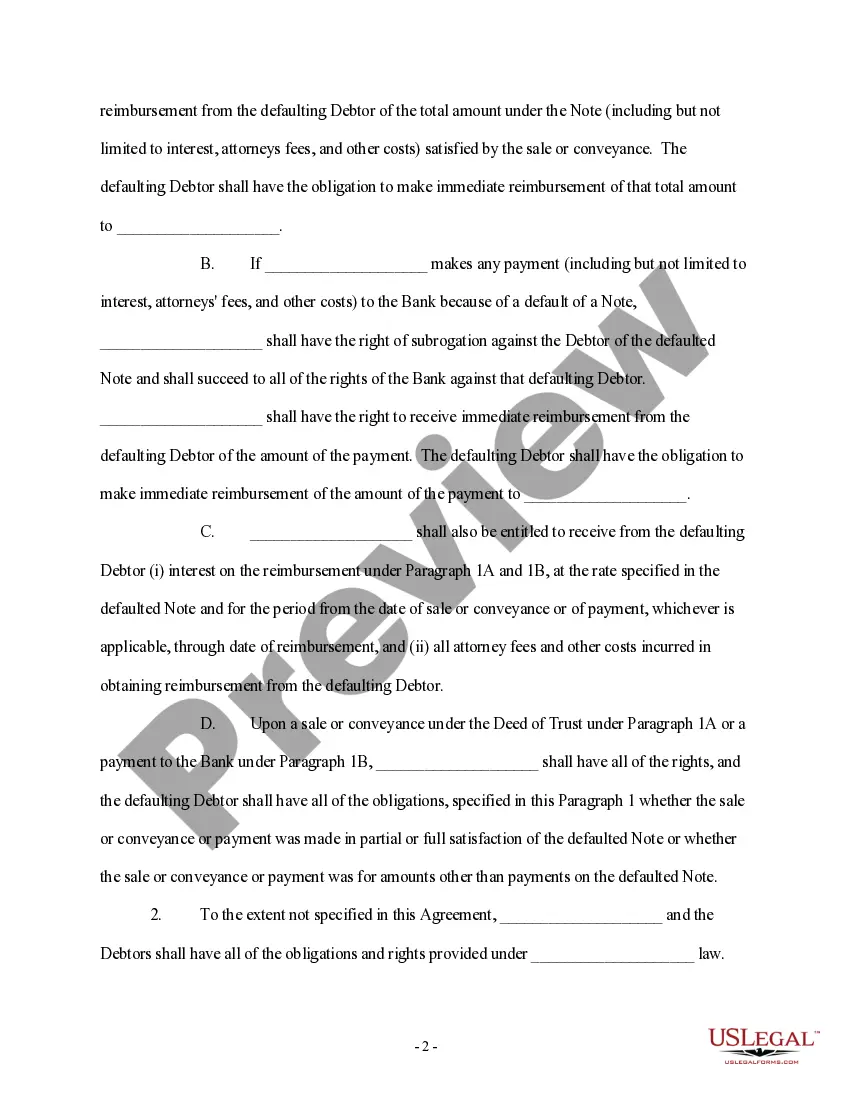
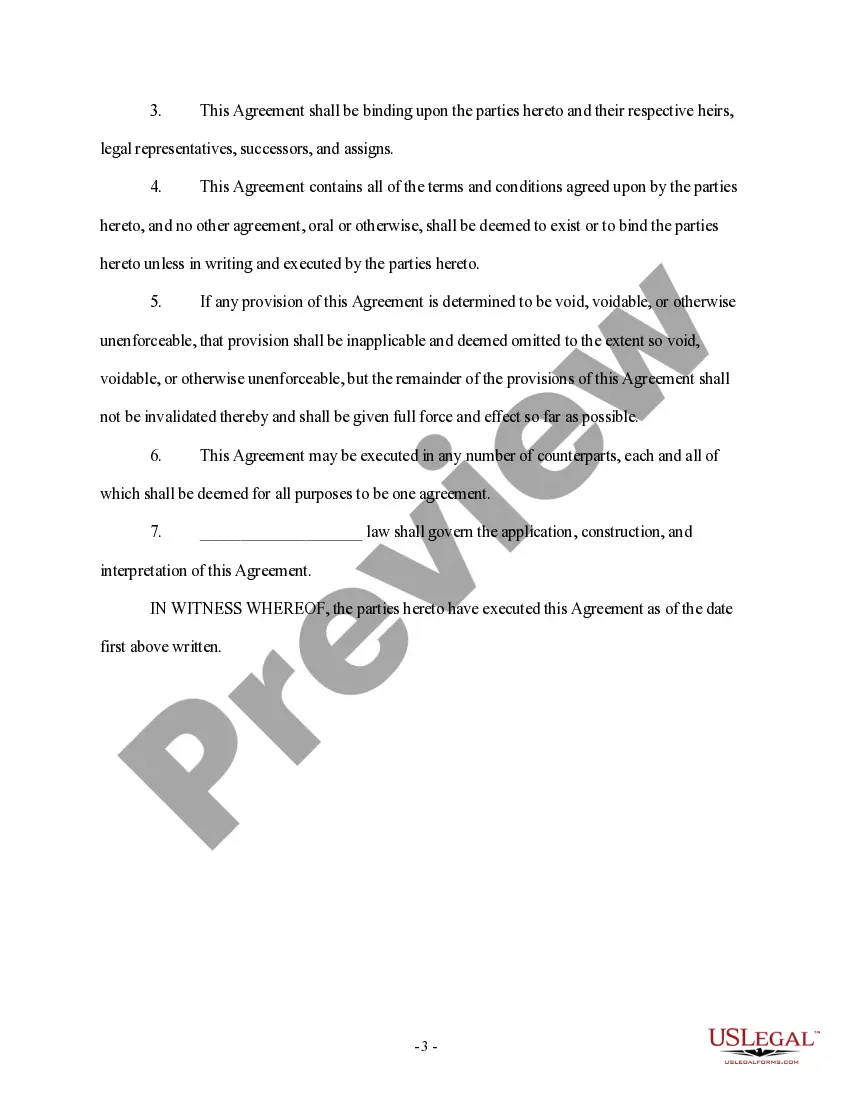
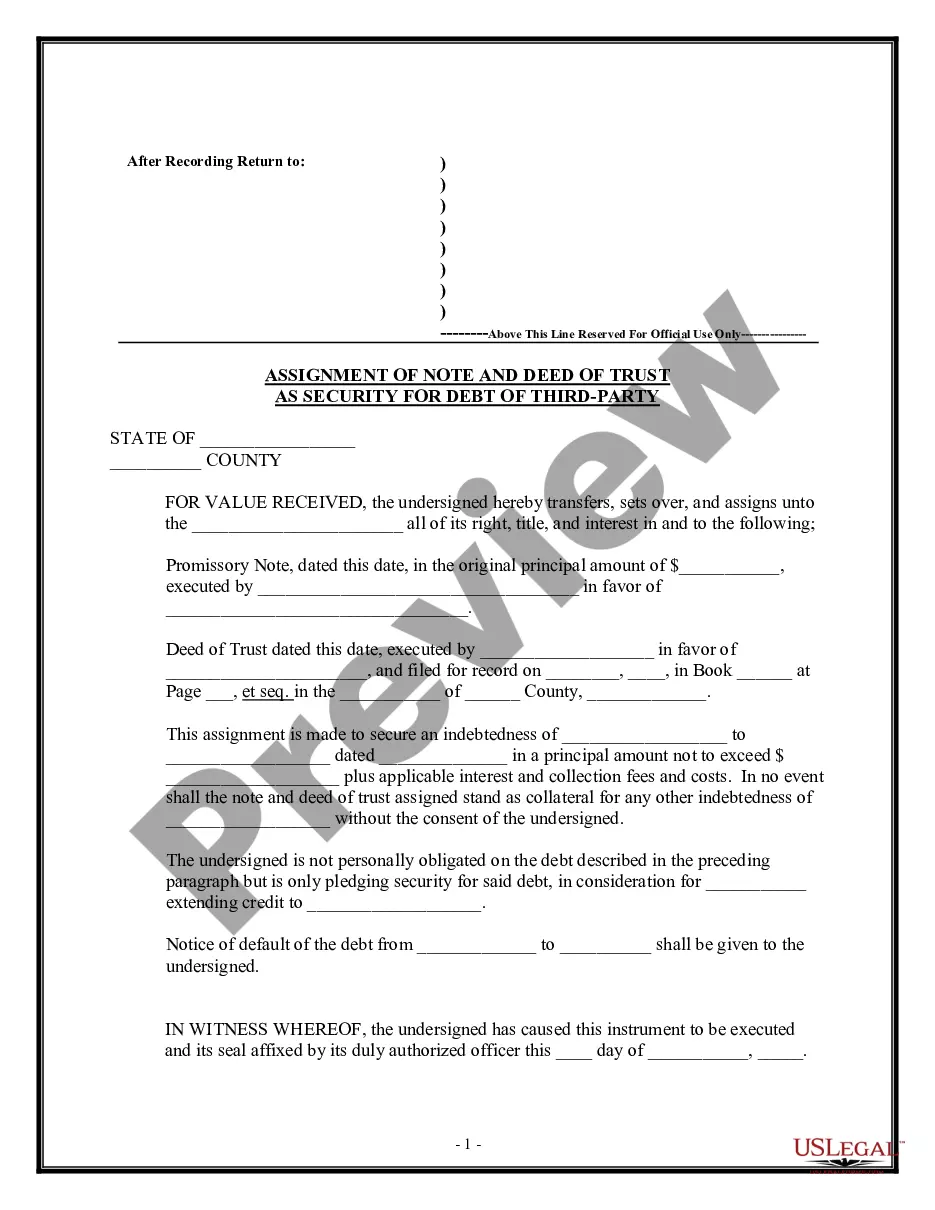
Agreement Deed Trust With Multiple Beneficiaries
Description
Get your form ready online
Our built-in tools help you complete, sign, share, and store your documents in one place.
Make edits, fill in missing information, and update formatting in US Legal Forms—just like you would in MS Word.
Download a copy, print it, send it by email, or mail it via USPS—whatever works best for your next step.
Sign and collect signatures with our SignNow integration. Send to multiple recipients, set reminders, and more. Go Premium to unlock E-Sign.
If this form requires notarization, complete it online through a secure video call—no need to meet a notary in person or wait for an appointment.
We protect your documents and personal data by following strict security and privacy standards.

Make edits, fill in missing information, and update formatting in US Legal Forms—just like you would in MS Word.

Download a copy, print it, send it by email, or mail it via USPS—whatever works best for your next step.

Sign and collect signatures with our SignNow integration. Send to multiple recipients, set reminders, and more. Go Premium to unlock E-Sign.

If this form requires notarization, complete it online through a secure video call—no need to meet a notary in person or wait for an appointment.

We protect your documents and personal data by following strict security and privacy standards.
Looking for another form?
How to fill out Agreement For Rights Under Third Party Deed Of Trust?
Handling legal documents and procedures can be a lengthy addition to your entire day.
Agreement Deed Trust With Multiple Beneficiaries and similar forms typically necessitate you to locate them and understand how to fill them out accurately.
Thus, whether you are managing financial, legal, or personal affairs, having a comprehensive and efficient online directory of forms available will greatly assist.
US Legal Forms is the premier online resource for legal templates, boasting over 85,000 state-specific forms and a variety of tools to help you complete your documents effortlessly.
Is it your first time using US Legal Forms? Register and establish your account in a few minutes, and you'll gain access to the form directory and Agreement Deed Trust With Multiple Beneficiaries. Then, follow the steps outlined below to complete your form: Ensure you have found the correct form using the Review feature and reading the form description. Choose Buy Now when ready, and select the subscription plan that suits you best. Click Download, then fill out, eSign, and print the form. US Legal Forms has 25 years of experience assisting users with their legal documents. Acquire the form you need today and simplify any process effortlessly.
- Explore the directory of relevant documents available with just a single click.
- US Legal Forms offers you state- and county-specific forms accessible for download at any time.
- Safeguard your document management processes with high-quality services that allow you to create any form within minutes without extra or hidden fees.
- Simply Log In to your account, locate Agreement Deed Trust With Multiple Beneficiaries, and obtain it immediately in the My documents section.
- You can also retrieve previously saved documents.
Form popularity
FAQ
If the class of beneficiaries does not extend to that person, you can add a beneficiary by preparing a deed of variation. However, the original trust deed may prohibit certain persons from becoming beneficiaries. In this case, you may not be able to amend the trust deed to add them.
Can a Trustee Change the Beneficiary? Trustees generally do not have the power to change the beneficiary of a trust. The right to add and remove beneficiaries is a power reserved for the grantor of the trust; when the grantor dies, their trust will usually become irrevocable.
Typically, the beneficiaries in a discretionary trust can be changed by preparing a Deed of Amendment. However, many older discretionary trust deeds fail to make it clear whether a specific person can be removed and/or appointed as a beneficiary.
If the Trustee can persuade creditors in your favour, and provide sufficient evidence that you are able to meet the monthly repayments, a second trust deed will operate in the same way as the first.
This Deed of Trust (the ?Trust Deed?) sets out the terms and conditions upon which: [Settlor Name] (the ?Settlor?), of [Settlor Address], settles that property set out in Schedule A (the ?Property?) upon [Trustee Name] (the ?Trustee?), being a Company duly registered under the laws of [state] with registered number [ ...