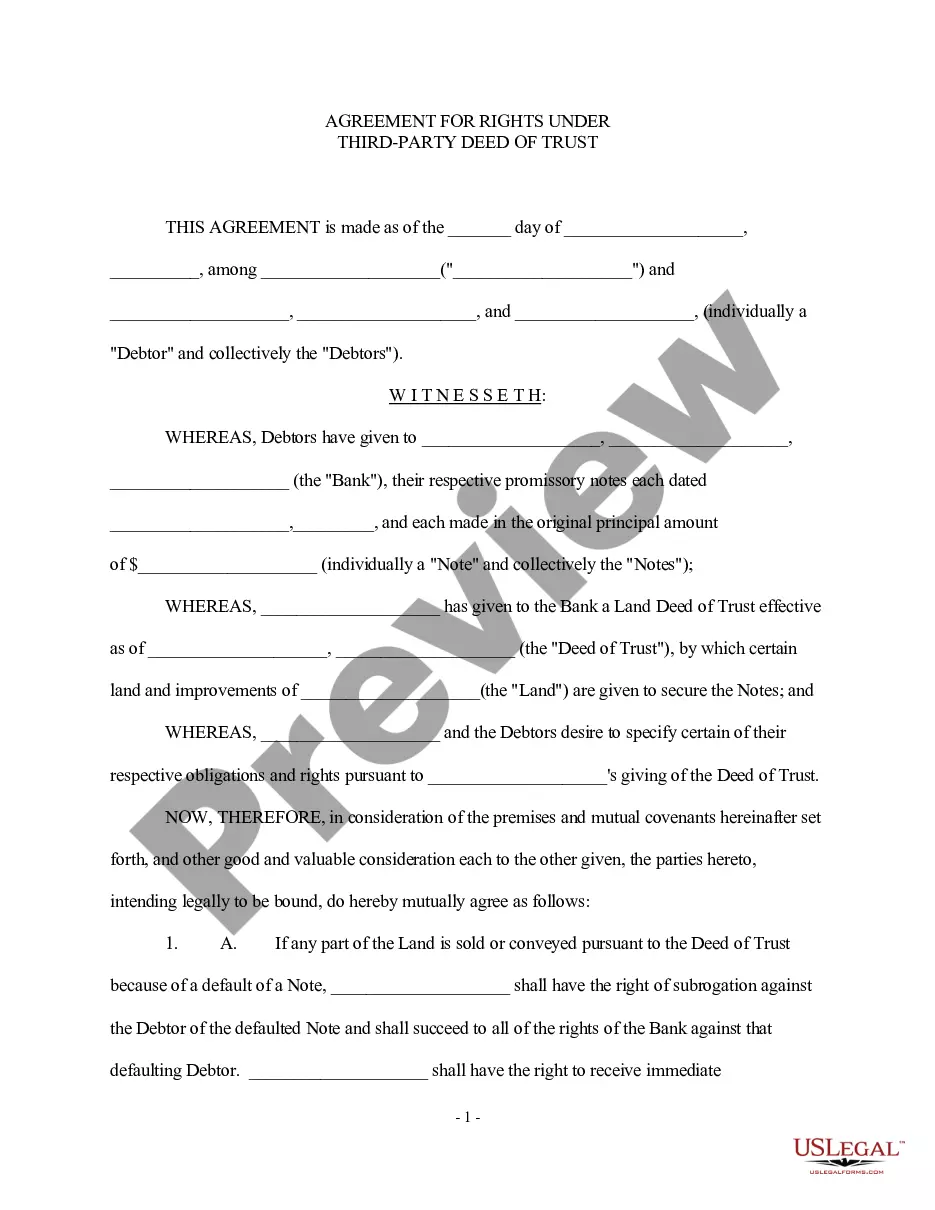
Agreement Deed Trust For Temple
Description
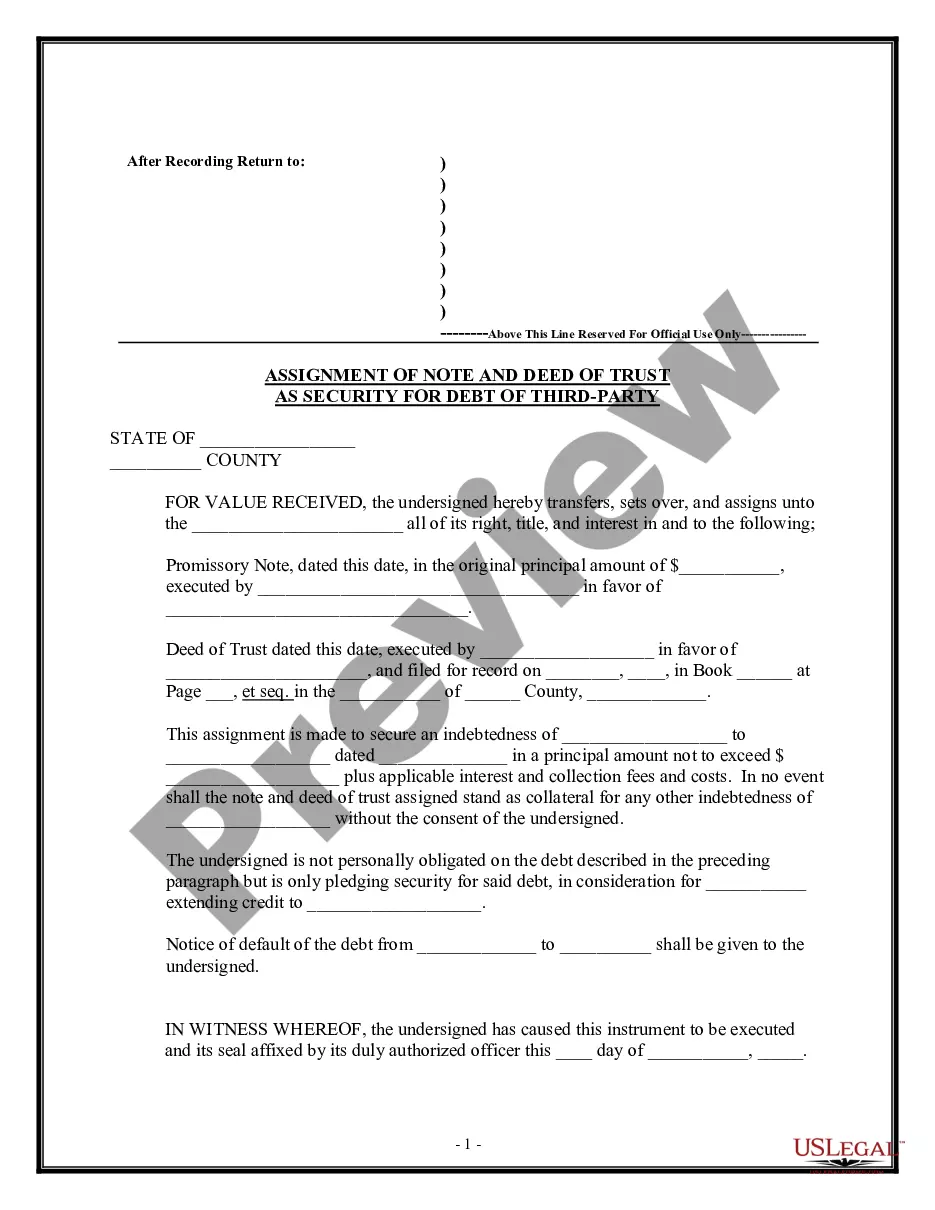
Get your form ready online
Our built-in tools help you complete, sign, share, and store your documents in one place.
Make edits, fill in missing information, and update formatting in US Legal Forms—just like you would in MS Word.
Download a copy, print it, send it by email, or mail it via USPS—whatever works best for your next step.
Sign and collect signatures with our SignNow integration. Send to multiple recipients, set reminders, and more. Go Premium to unlock E-Sign.
If this form requires notarization, complete it online through a secure video call—no need to meet a notary in person or wait for an appointment.
We protect your documents and personal data by following strict security and privacy standards.

Make edits, fill in missing information, and update formatting in US Legal Forms—just like you would in MS Word.

Download a copy, print it, send it by email, or mail it via USPS—whatever works best for your next step.

Sign and collect signatures with our SignNow integration. Send to multiple recipients, set reminders, and more. Go Premium to unlock E-Sign.

If this form requires notarization, complete it online through a secure video call—no need to meet a notary in person or wait for an appointment.

We protect your documents and personal data by following strict security and privacy standards.
Looking for another form?
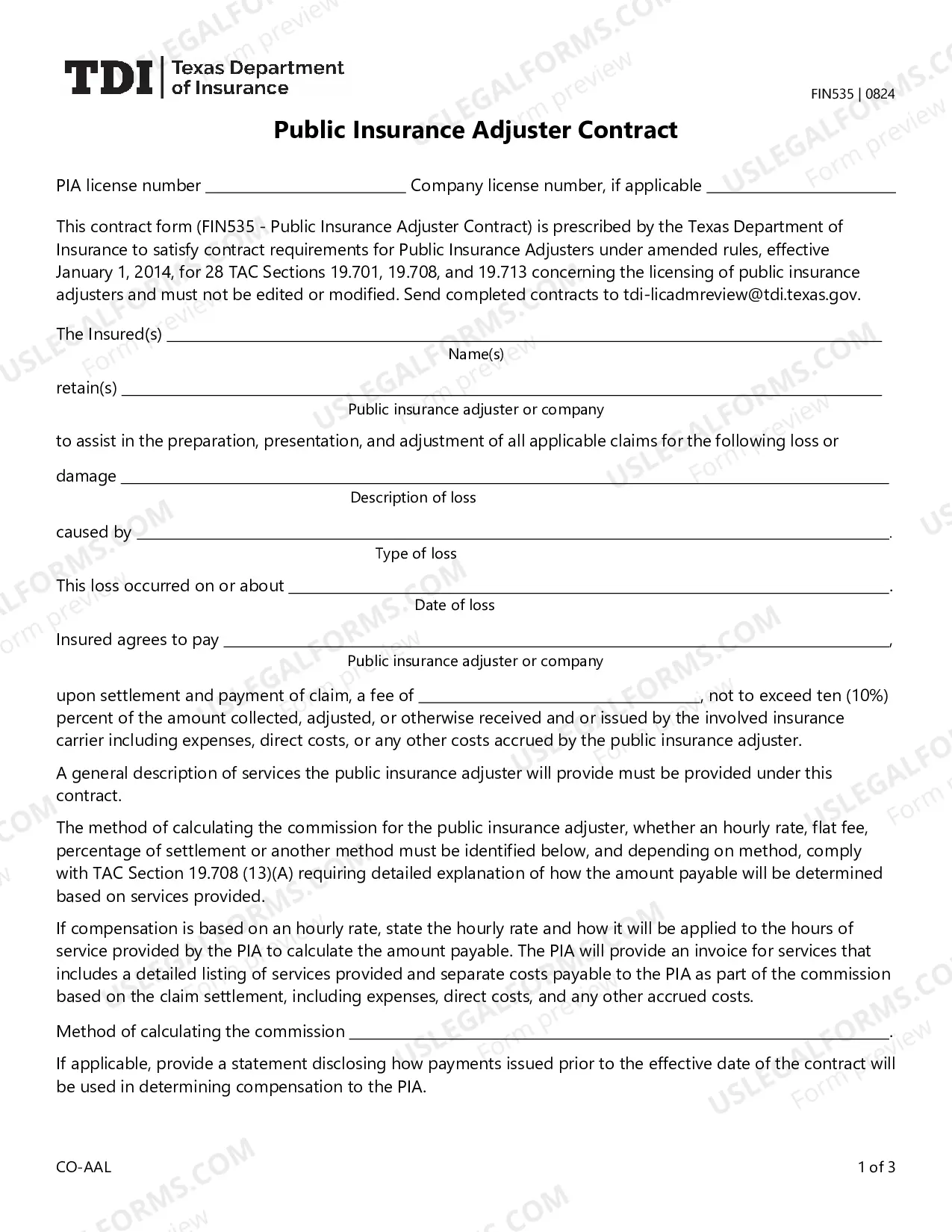









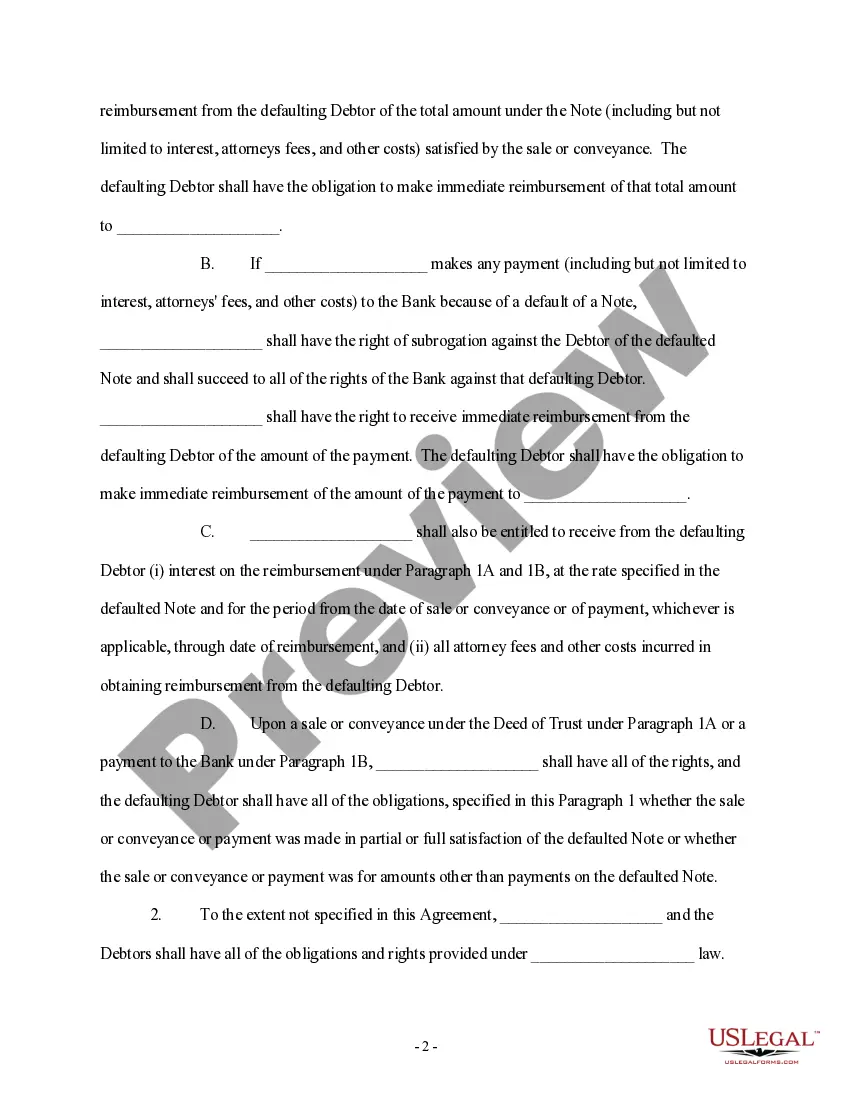
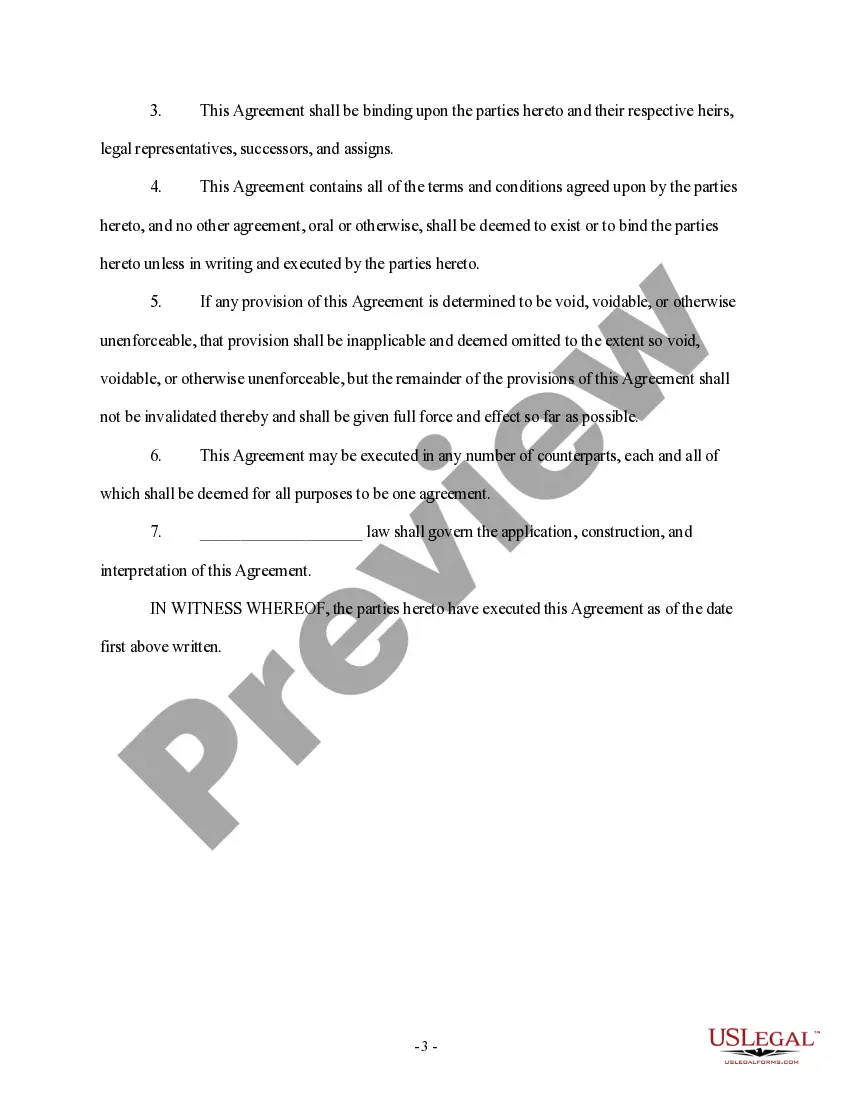
How to fill out Agreement For Rights Under Third Party Deed Of Trust?
It’s clear that you can’t become a legal authority instantly, nor can you learn how to swiftly draft Agreement Deed Trust For Temple without possessing a specialized skill set.
Creating legal documents is a lengthy procedure that demands specific training and expertise. So why not entrust the preparation of the Agreement Deed Trust For Temple to the experts.
With US Legal Forms, one of the most comprehensive legal document libraries, you can discover everything from court filings to templates for internal communication.
If you need any other template, start your search again.
Register for a free account and select a subscription plan to purchase the form. Click Buy now. Once the payment is processed, you can access the Agreement Deed Trust For Temple, complete it, print it, and send or mail it to the appropriate individuals or organizations.
- We recognize how vital compliance and adherence to federal and state regulations are.
- That’s why, on our website, all templates are location-specific and current.
- Here’s how to get started with our platform and obtain the document you require in just minutes.
- Identify the form you need by utilizing the search bar at the top of the page.
- Preview it (if this option is available) and review the supporting description to determine if Agreement Deed Trust For Temple is what you’re seeking.
Form popularity
FAQ
A simple example would be the situation in which one member of a family advances money to another and asks the second member to hold the money or to invest it for him. A more complicated example of an implied trust would be the situation in which one party provides money to another for the purchase of property.
This Deed of Trust (the ?Trust Deed?) sets out the terms and conditions upon which: [Settlor Name] (the ?Settlor?), of [Settlor Address], settles that property set out in Schedule A (the ?Property?) upon [Trustee Name] (the ?Trustee?), being a Company duly registered under the laws of [state] with registered number [ ...
Process for Temple Registration as a Trust Choose a Name: ... Decide the Authors and Trustees: ... Prepare MOA and Trust Deed: ... Printing of Trust Deed on Stamp Paper: ... Submission of Trust Deed: ... Issuance of the Certificate of Registration:
A trust deed is a legal document that sets out the rules for establishing and operating your fund. It includes such things as the fund's objectives, who can be a member and whether benefits can be paid as a lump sum or income stream.
The most common example of when a declaration of trust is used is the situation where an adult son or daughter borrows money for a deposit on a first house from his or her parents. The parents may have a mortgage already, and the terms of that mortgage prevent them from borrowing under another.