Financial Rules For Buying A House
Description
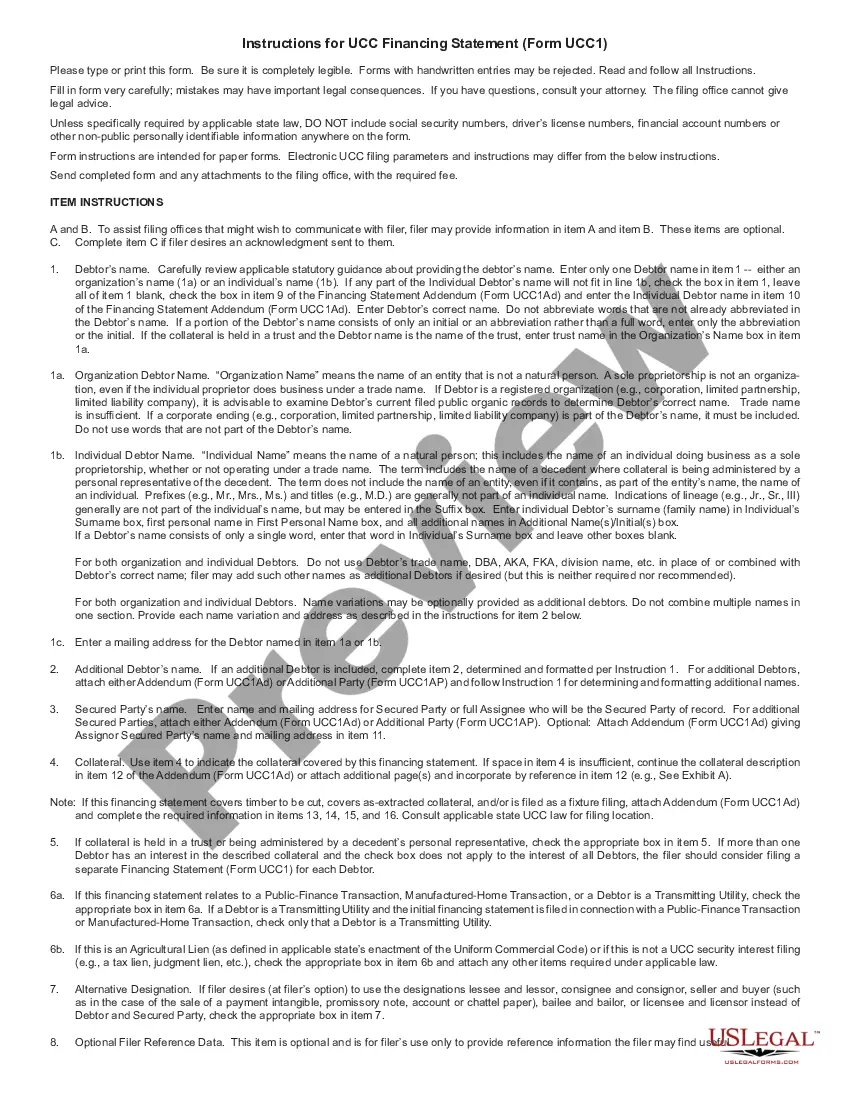
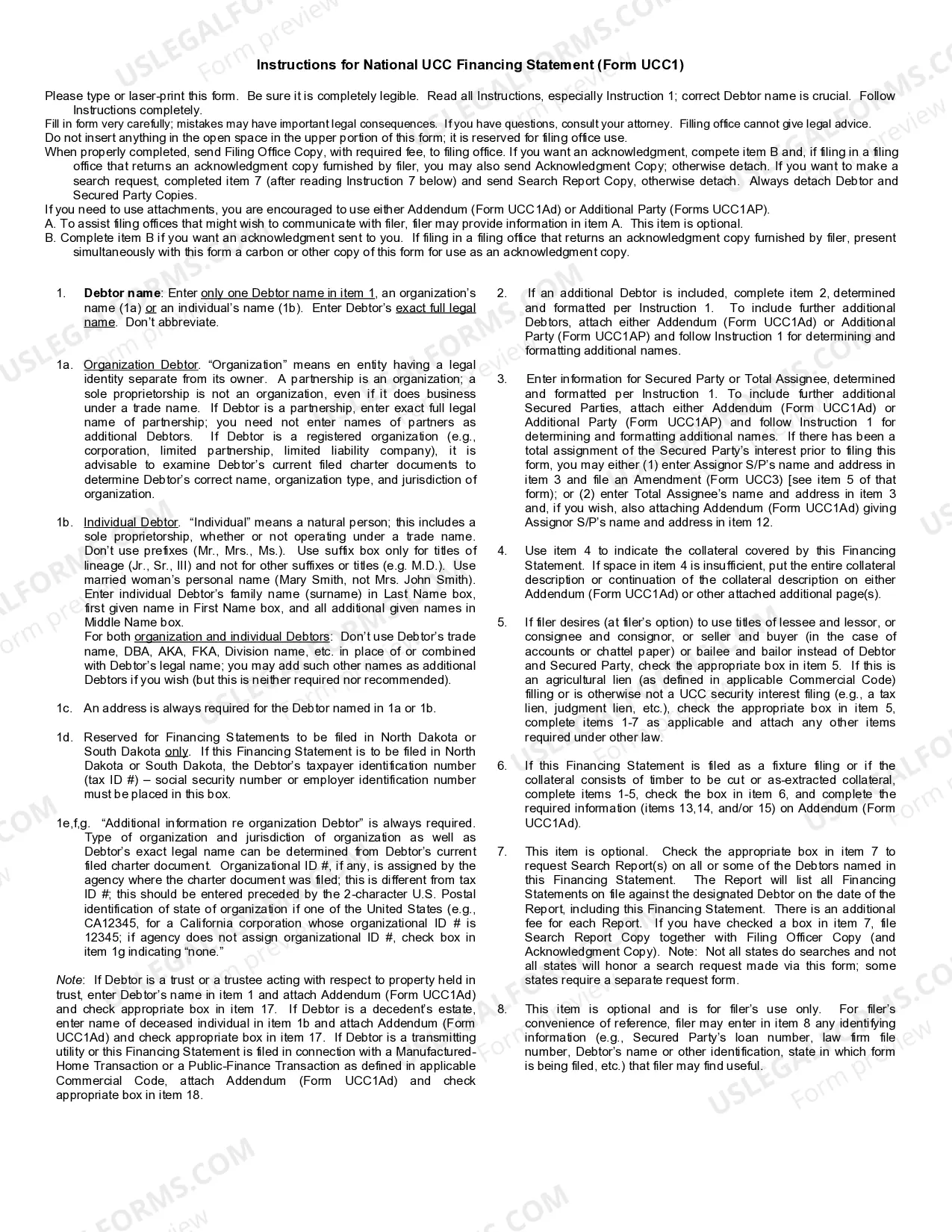
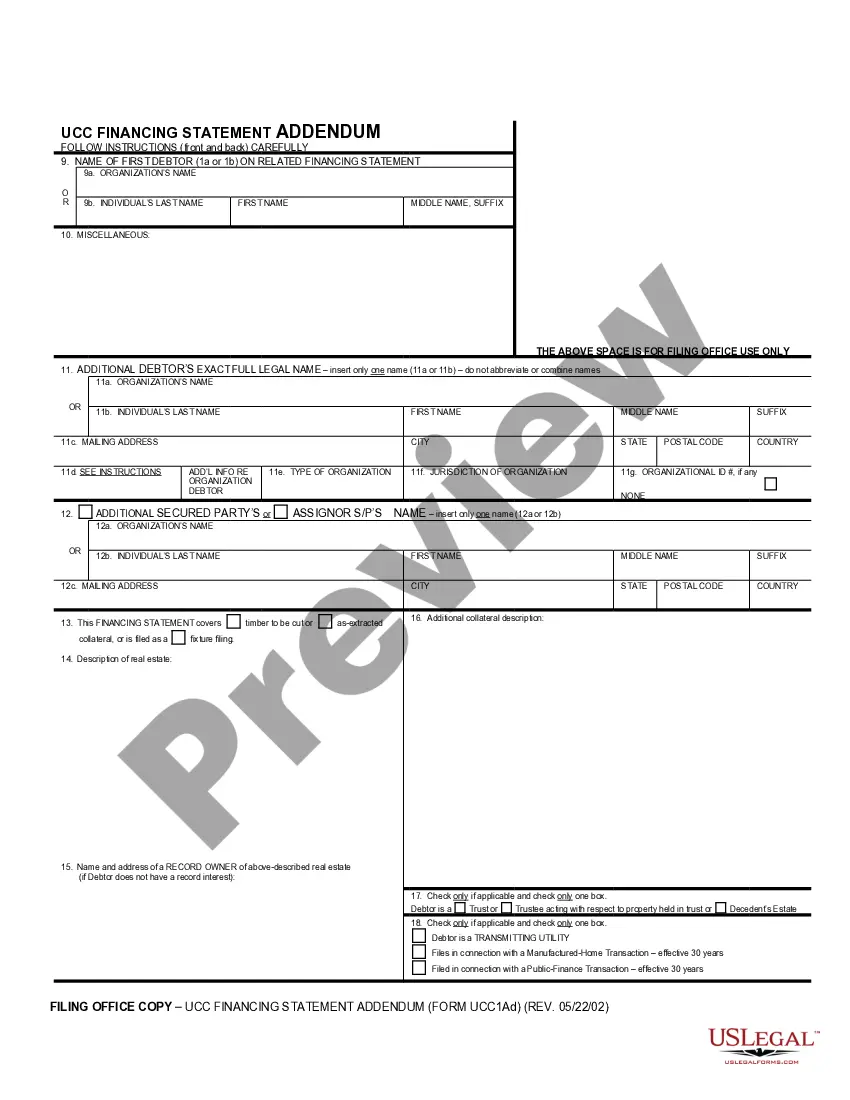

Get your form ready online
Our built-in tools help you complete, sign, share, and store your documents in one place.
Make edits, fill in missing information, and update formatting in US Legal Forms—just like you would in MS Word.
Download a copy, print it, send it by email, or mail it via USPS—whatever works best for your next step.
Sign and collect signatures with our SignNow integration. Send to multiple recipients, set reminders, and more. Go Premium to unlock E-Sign.
If this form requires notarization, complete it online through a secure video call—no need to meet a notary in person or wait for an appointment.
We protect your documents and personal data by following strict security and privacy standards.

Make edits, fill in missing information, and update formatting in US Legal Forms—just like you would in MS Word.

Download a copy, print it, send it by email, or mail it via USPS—whatever works best for your next step.

Sign and collect signatures with our SignNow integration. Send to multiple recipients, set reminders, and more. Go Premium to unlock E-Sign.

If this form requires notarization, complete it online through a secure video call—no need to meet a notary in person or wait for an appointment.

We protect your documents and personal data by following strict security and privacy standards.
Looking for another form?






How to fill out UCC1 National Financial Statement?
Whether for business objectives or for personal affairs, everyone must manage legal circumstances at some point in their life.
Completing legal documentation necessitates meticulous attention, starting from selecting the correct form template.
Once it is saved, you have the ability to complete the form using editing software or print it out and fill it in manually. With an extensive US Legal Forms catalog available, you don’t have to waste time searching for the appropriate template across the internet. Benefit from the library’s straightforward navigation to find the right form for any situation.
- Obtain the template you require by utilizing the search bar or catalog navigation.
- Review the form’s description to ensure it aligns with your circumstances, state, and region.
- Click on the form’s preview to examine it.
- If it is the incorrect document, return to the search feature to locate the Financial Rules For Buying A House sample you need.
- Download the file if it corresponds with your requirements.
- If you have a US Legal Forms account, simply click Log in to access previously saved templates in My documents.
- In case you do not have an account yet, you can acquire the form by clicking Buy now.
- Select the suitable pricing option.
- Complete the profile registration form.
- Choose your payment method: use a credit card or PayPal account.
- Select the file format you desire and download the Financial Rules For Buying A House.
Form popularity
FAQ
You should examine your income, savings (for a down payment and closing costs), and recurring debt to figure out how much house you can afford to buy. The 43% debt-to-income (DTI) ratio standard is a good guideline for being approved and being able to afford a mortgage loan.
The house you can afford on a $70,000 income will likely be between $290,000 to $360,000. However, your home-buying budget depends on quite a few financial factors ? not just your salary.
Keep in mind that these calculations do not include the cash you'll need for a down payment and closing costs. So a $300K home on a $70K salary might be possible, but would likely be a bit of a stretch.
Before buying a home, you should have at least 30% of the value of the home saved in cash. 20% is for the downpayment to avoid PMI insurance and get the lowest mortgage rate. The other 10% is for a healthy cash buffer just in case you run into financial trouble.
Ing to the 28/36 rule, you or your household should spend no more than 28% of your gross monthly income on total housing costs. You should also avoid paying more than 36% of your gross monthly income toward any debt (including your mortgage payment).