Car Lemon Law In Tennessee
Description
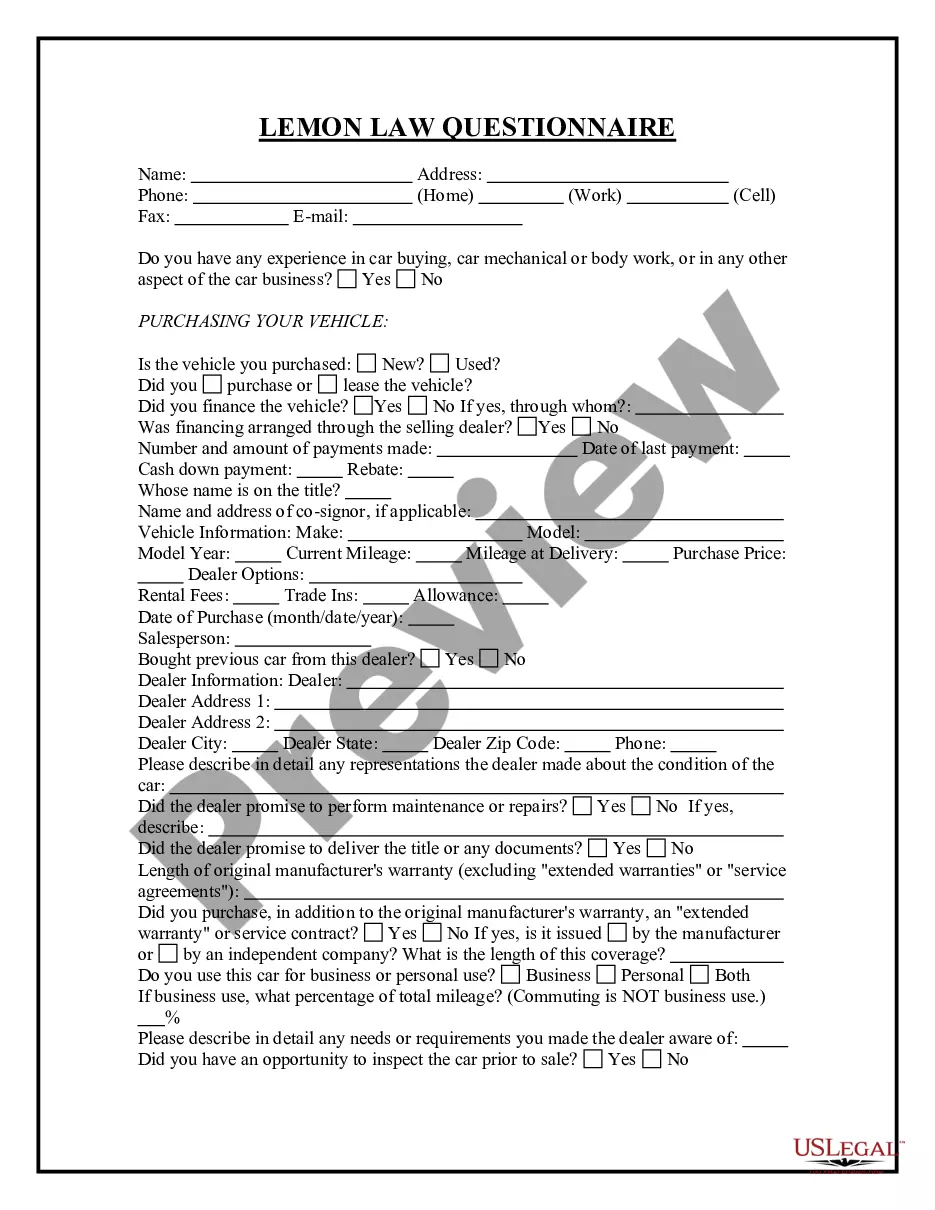
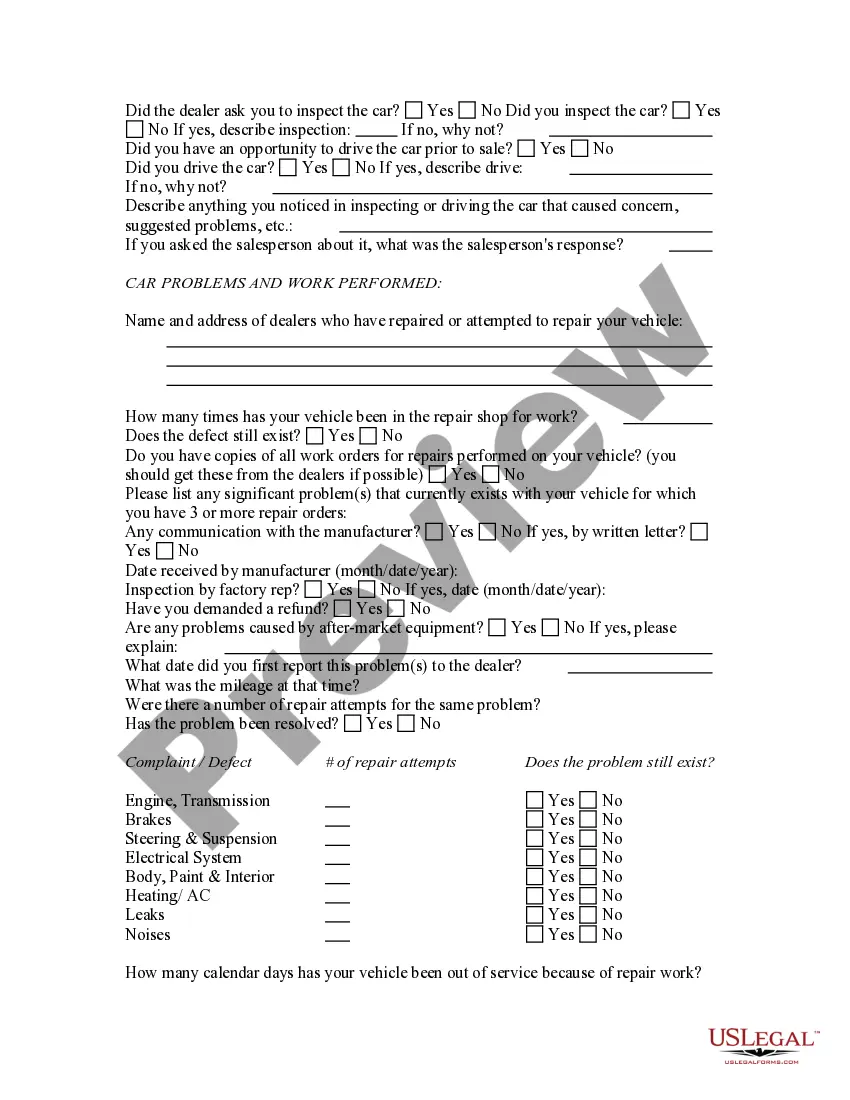
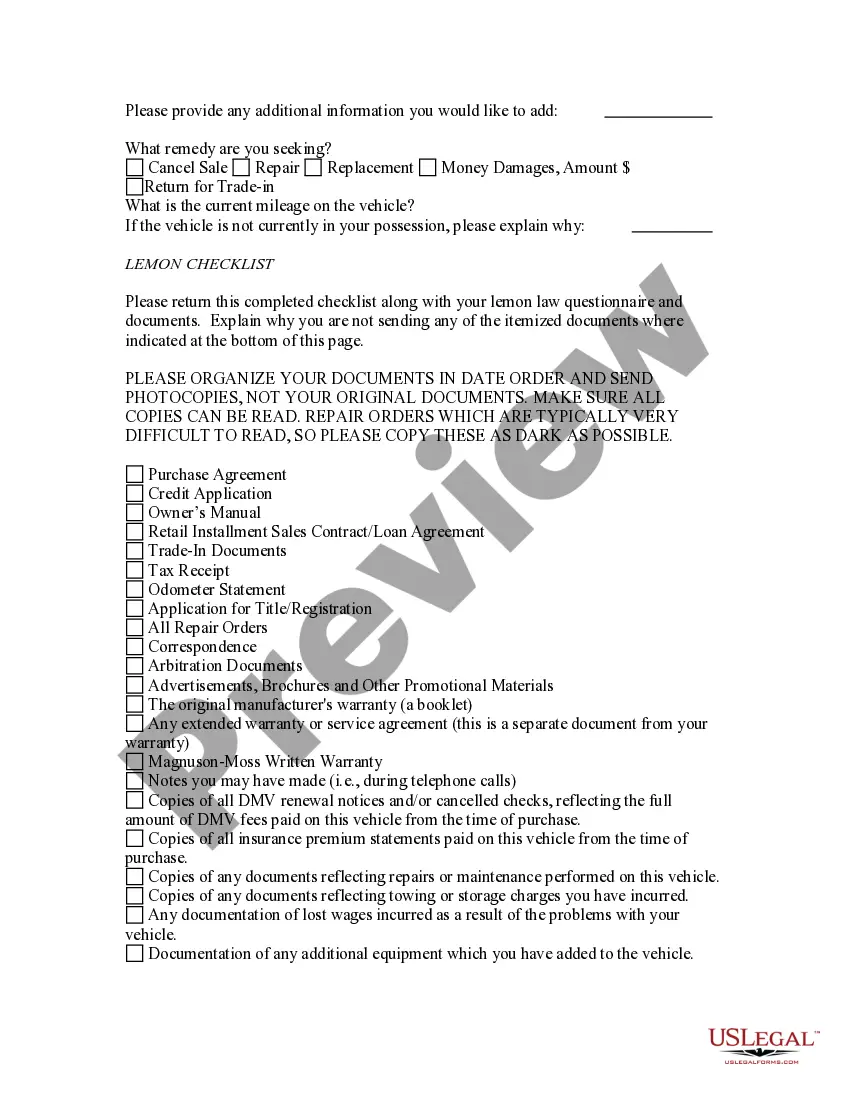
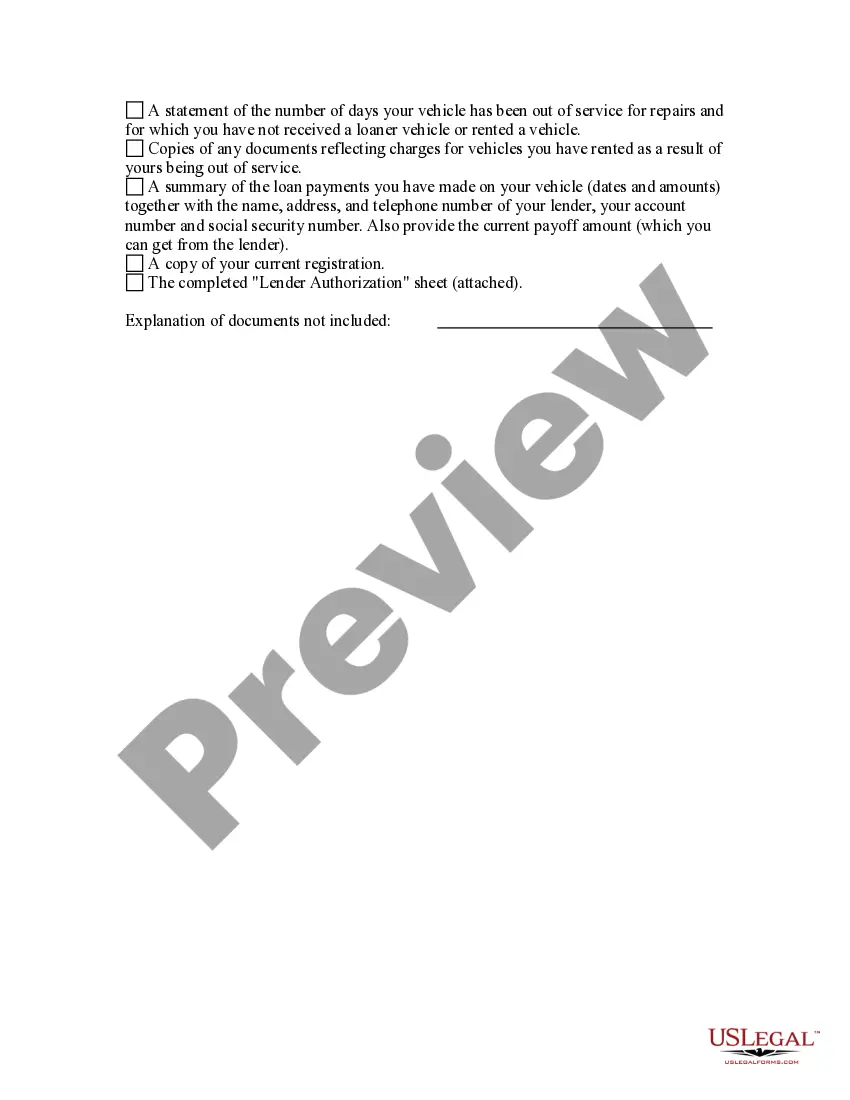
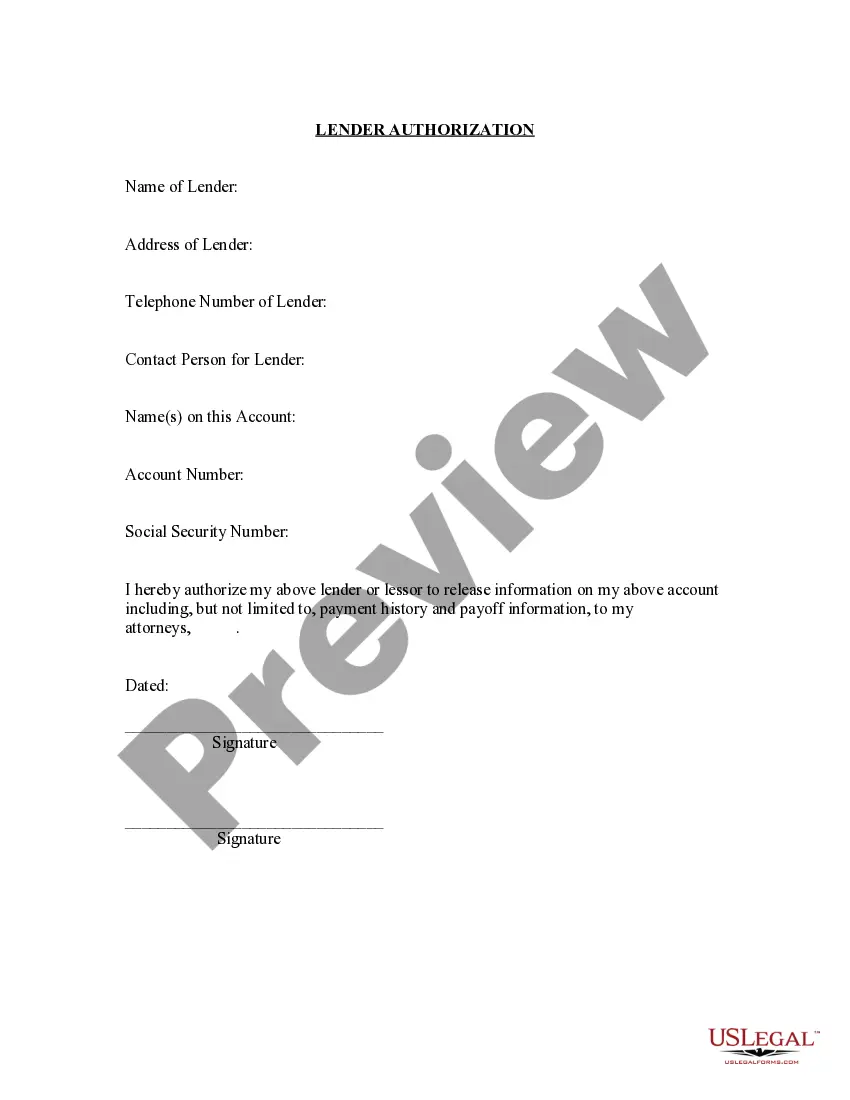
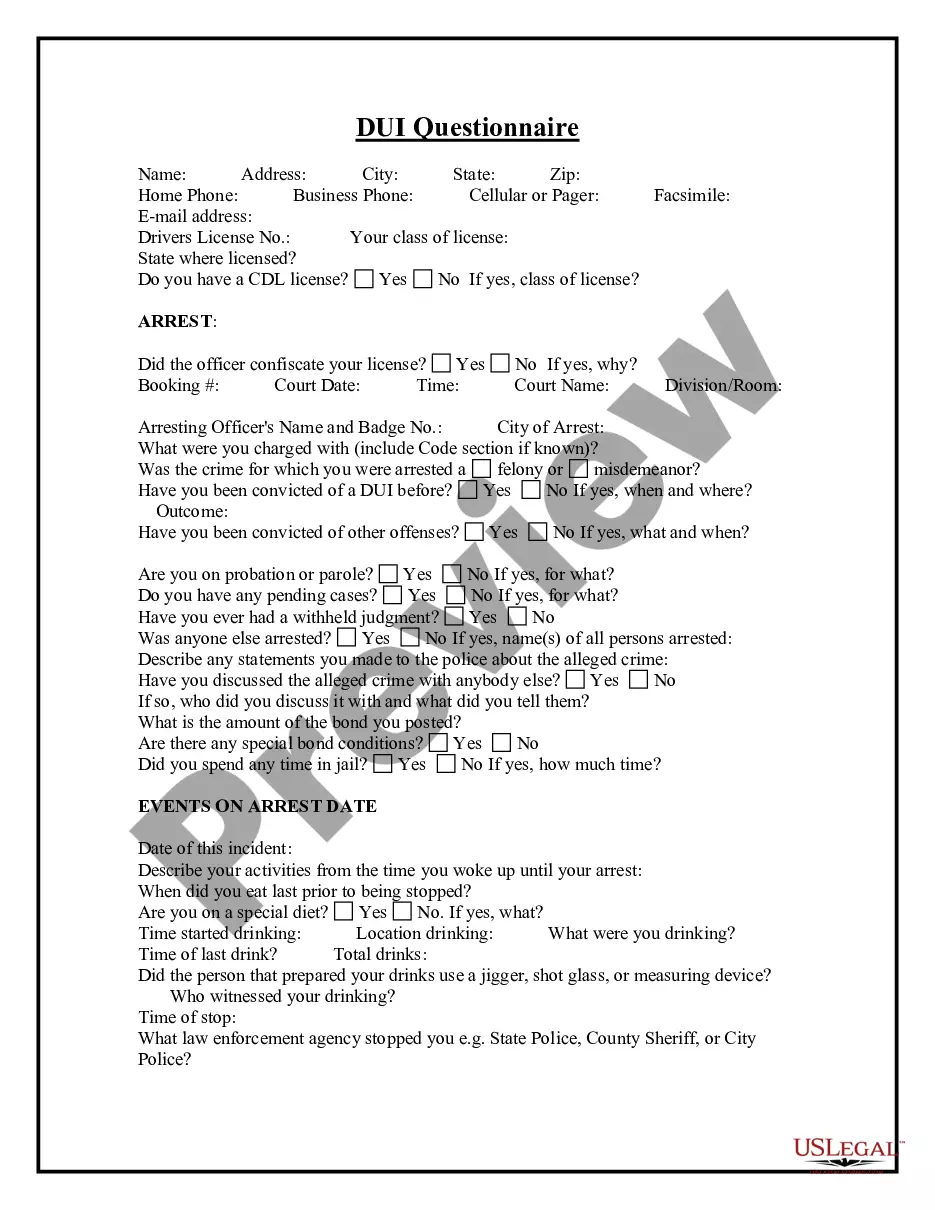
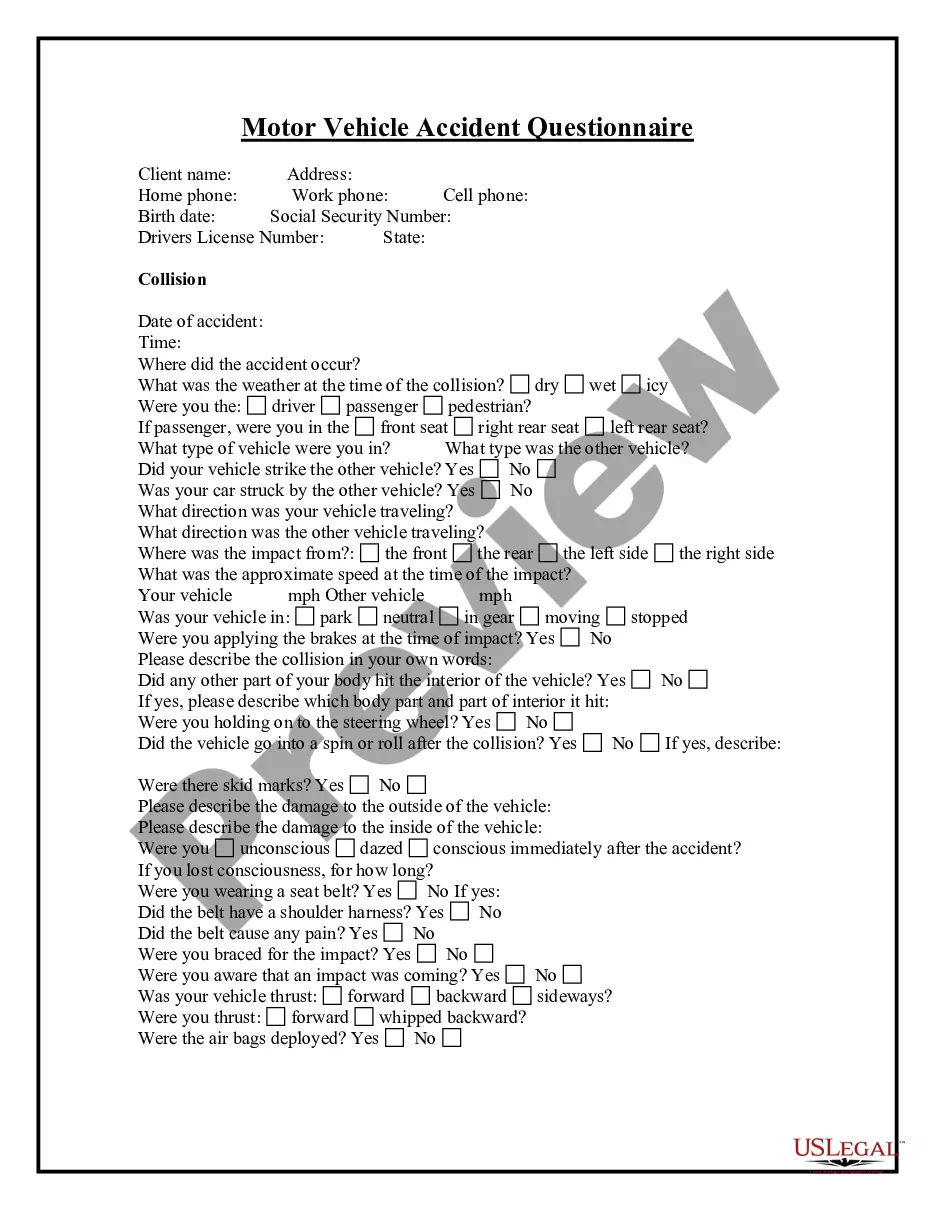
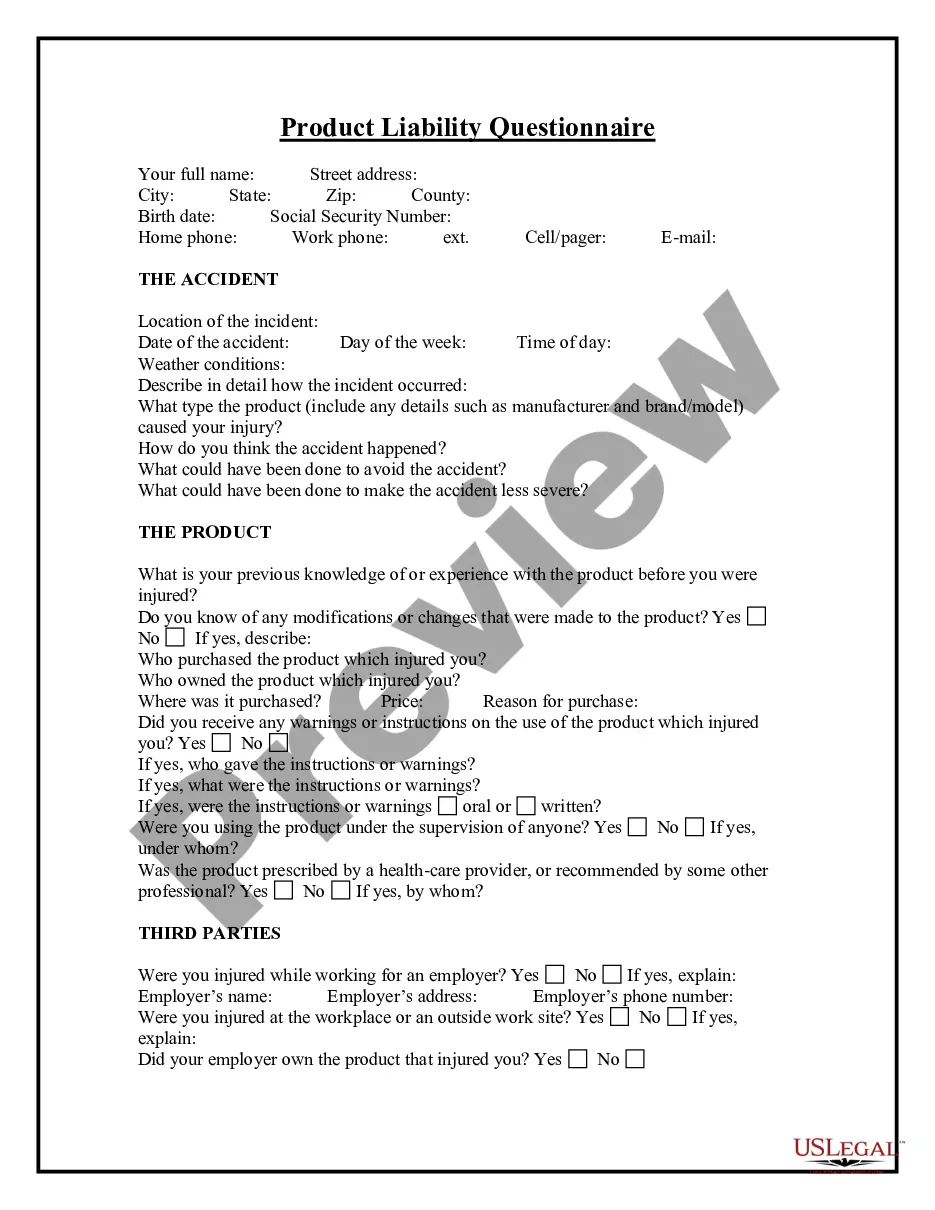
Get your form ready online
Our built-in tools help you complete, sign, share, and store your documents in one place.
Make edits, fill in missing information, and update formatting in US Legal Forms—just like you would in MS Word.
Download a copy, print it, send it by email, or mail it via USPS—whatever works best for your next step.
Sign and collect signatures with our SignNow integration. Send to multiple recipients, set reminders, and more. Go Premium to unlock E-Sign.
If this form requires notarization, complete it online through a secure video call—no need to meet a notary in person or wait for an appointment.
We protect your documents and personal data by following strict security and privacy standards.

Make edits, fill in missing information, and update formatting in US Legal Forms—just like you would in MS Word.

Download a copy, print it, send it by email, or mail it via USPS—whatever works best for your next step.

Sign and collect signatures with our SignNow integration. Send to multiple recipients, set reminders, and more. Go Premium to unlock E-Sign.

If this form requires notarization, complete it online through a secure video call—no need to meet a notary in person or wait for an appointment.

We protect your documents and personal data by following strict security and privacy standards.
Looking for another form?



How to fill out Automobile Lemon Law Questionnaire?
Utilizing legal templates that adhere to federal and state regulations is essential, and the internet provides numerous alternatives to select from.
However, what is the purpose of spending time hunting for the suitable Car Lemon Law In Tennessee template online when the US Legal Forms online repository already consolidates such templates in a single location.
US Legal Forms is the premier online legal resource, offering over 85,000 fillable documents crafted by legal professionals for any business or personal matter.
All templates found through US Legal Forms are reusable. To re-download and complete previously acquired forms, access the My documents section in your account. Experience the most comprehensive and user-friendly legal document service!
- They are user-friendly, with all forms organized by state and intended use.
- Our experts keep pace with legal updates, ensuring your documents are current and compliant when obtaining a Car Lemon Law In Tennessee from our platform.
- Acquiring a Car Lemon Law In Tennessee is fast and simple for both existing and new clients.
- If you possess an account with an active subscription, sign in and download the necessary document template in your desired format.
- If you are a newcomer to our site, adhere to the following instructions.
Form popularity
FAQ
Yes, the car lemon law in Tennessee does apply to used cars under certain conditions. If you purchased a used car that has significant defects affecting its use, safety, or value, you may qualify for protection under this law. It's essential to gather all relevant documents and evidence of the issues you've faced. Consulting with a legal professional or visiting US Legal Forms can guide you through the process.
In Tennessee, the determination of whether a car is a lemon typically involves the manufacturer or dealership, along with consumer reports and inspection results. The car lemon law in Tennessee sets forth certain criteria that define a lemon, including repeated failures to fix the same defect. If disagreements arise, legal professionals can assist in seeking a resolution. Engaging with a platform like USLegalForms can simplify accessing the necessary legal documents and guidance for your situation.
If you buy a used car and it has problems, first document the issues and any repair attempts you make. Next, refer to the car lemon law in Tennessee, which outlines your rights regarding defective vehicles. Contact the dealer to notify them of the problems and seek a resolution. If they do not respond or offer a satisfactory solution, you may consider legal action to protect your consumer rights.
Yes, you can sue a car dealership under the car lemon law in Tennessee if you find that the vehicle qualifies as a lemon. A lemon is typically defined as a car that has significant defects impacting its use or safety. If you have made reasonable attempts to have the car repaired, and the dealership has failed to resolve the issues, legal action may be your next step. Consulting with a lawyer experienced in the car lemon law in Tennessee can provide you with the guidance you need.
Yes, Tennessee does have lemon laws that apply to used cars, but these laws often come with certain conditions. To qualify for protections under the car lemon law in Tennessee, the used vehicle must meet specific criteria, such as being sold with a warranty. If you discover a defect that significantly impairs the vehicle's use, safety, or value, you may be eligible for relief under these regulations. Therefore, familiarize yourself with the details of the law for the best chances of success.
Several factors can affect a car lemon law claim in Tennessee. These include the extent of the vehicle's defects, the number of repair attempts, and any documentation you provide regarding the vehicle's issues. Additionally, how long you have owned the car and whether you allowed the manufacturer adequate time to fix the problem can also play a crucial role. Understanding these factors is essential for successfully navigating the car lemon law in Tennessee.
If a dealership sells you a bad car, you may have options depending on the circumstances and the specific issues with the vehicle. You should accurately document any problems and attempts to resolve them. Under the car lemon law in Tennessee, you might be entitled to remedies such as a refund or replacement. Familiarizing yourself with your rights is crucial, and resources like USLegalForms can assist you in navigating the legal landscape.
Yes, you can sue a dealership for selling a bad car in Tennessee if the vehicle qualifies as a lemon under state law. Typically, you would need to show that the dealership did not disclose specific issues or failed to rectify known defects after multiple repair attempts. The car lemon law in Tennessee provides a framework for seeking compensation, making it vital to document your experiences thoroughly.
In Tennessee, there is no mandated return policy for used cars. However, if you purchased the vehicle from a dealer, check if the dealership offers a return policy as part of their sales terms. Unless specified, ensure you are aware of the specifics before finalizing the deal to avoid issues with potential lemon law claims.
If you want to file a complaint against a dealership in Tennessee, start by documenting all communications and attempts to resolve your issue. Next, you can contact the Tennessee Division of Consumer Affairs or the Better Business Bureau to formally report the dealership. Utilizing resources from platforms like USLegalForms can help you prepare and submit your complaint correctly, ensuring your voice is heard.