Rent What How For Rent
Description
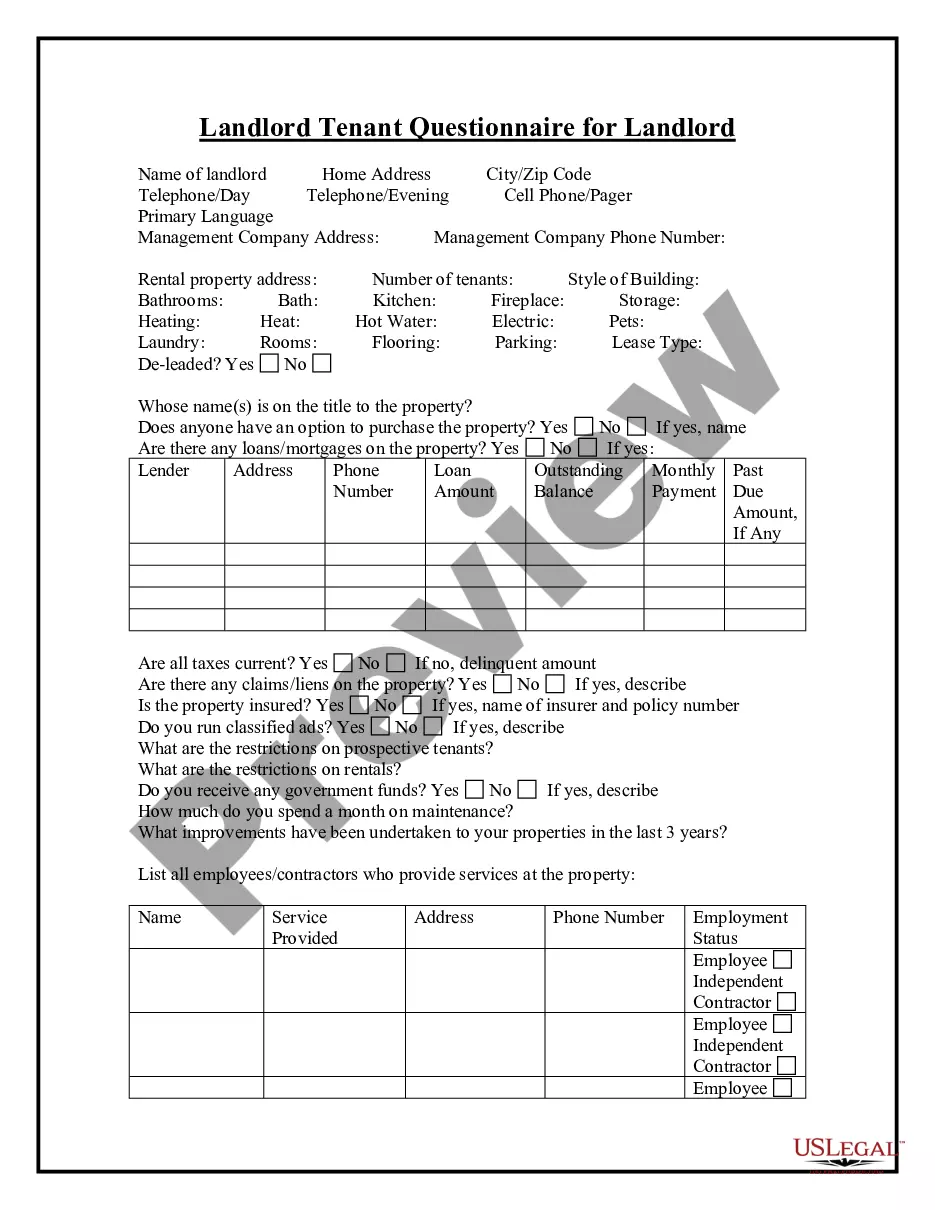
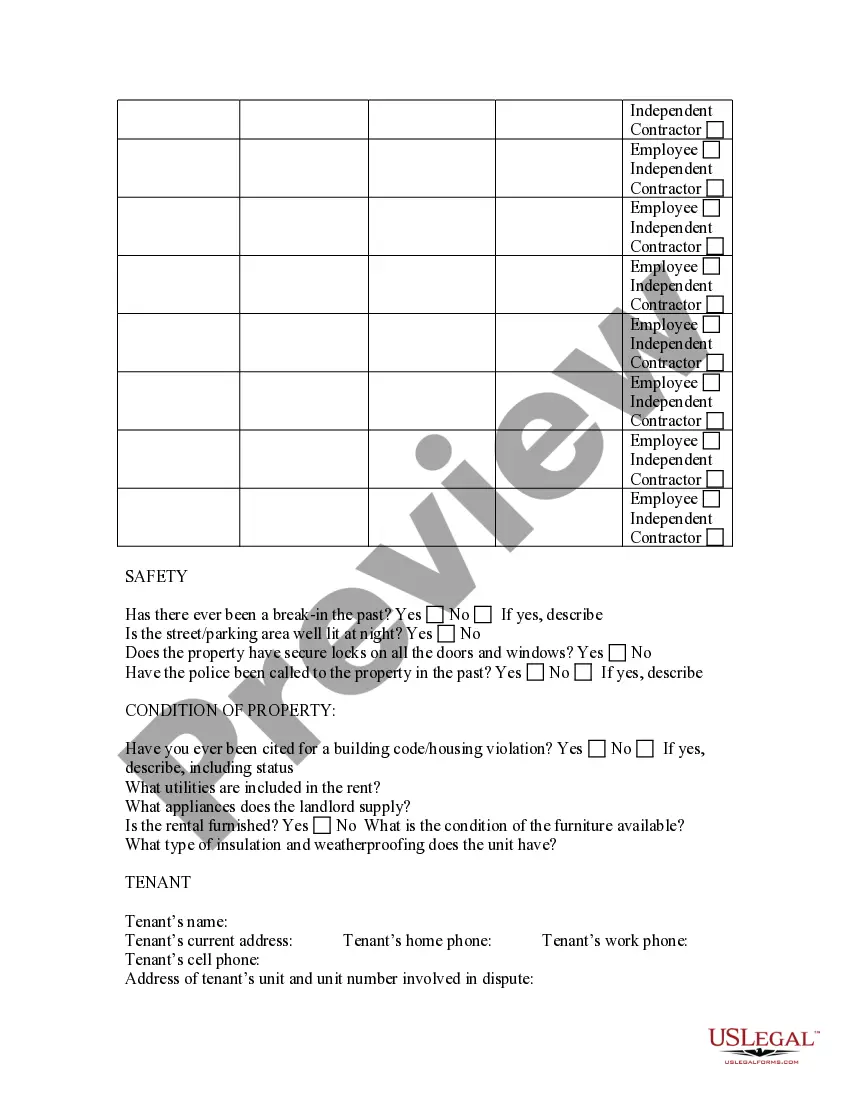
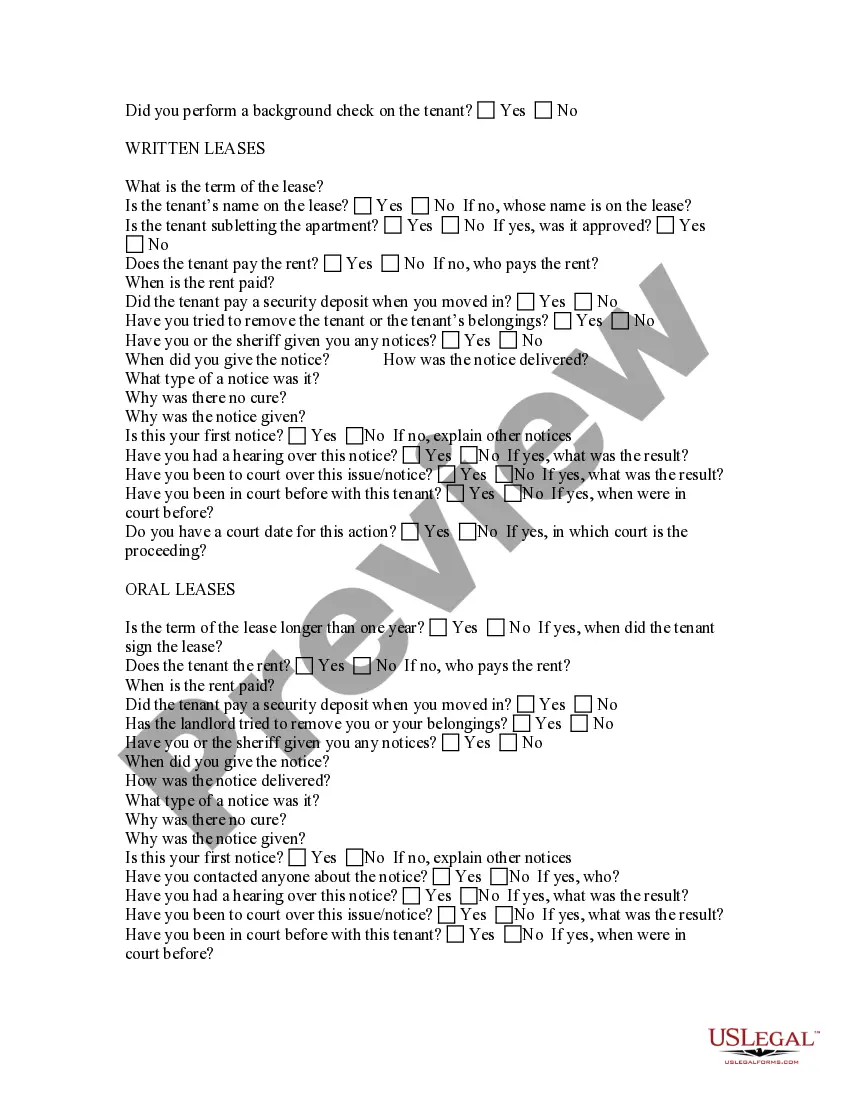
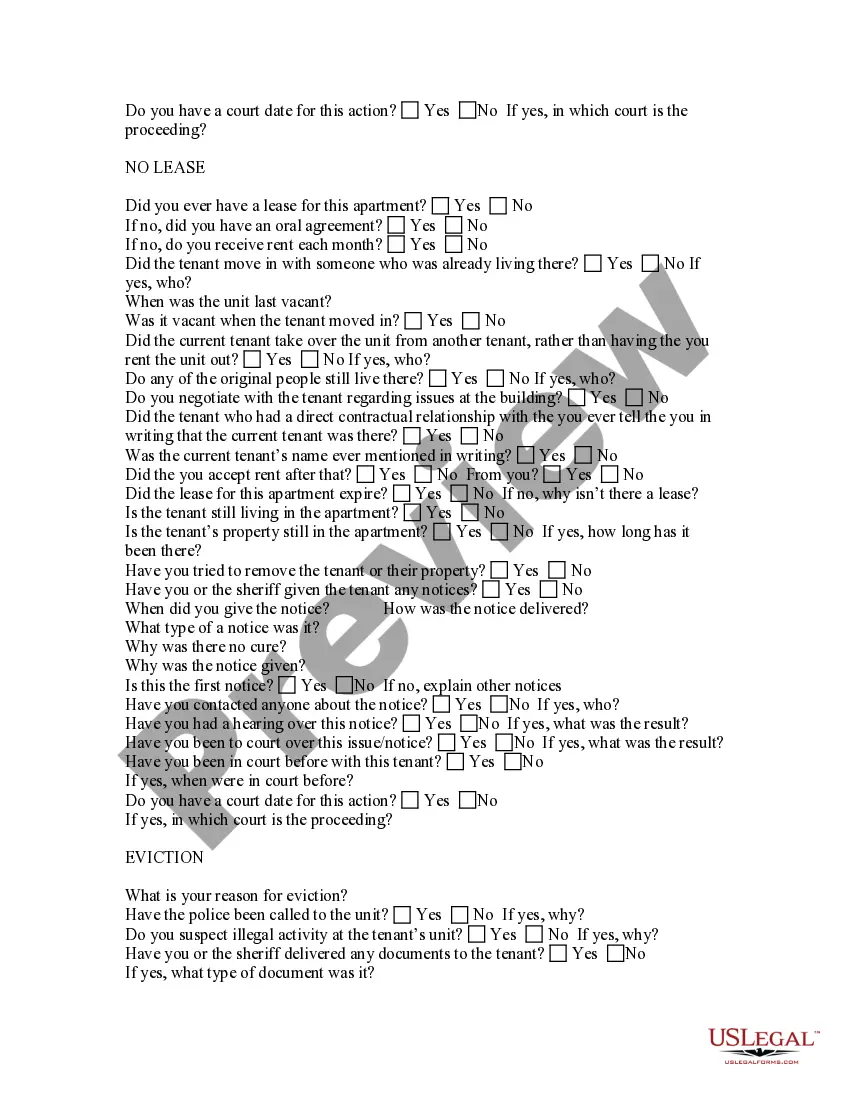
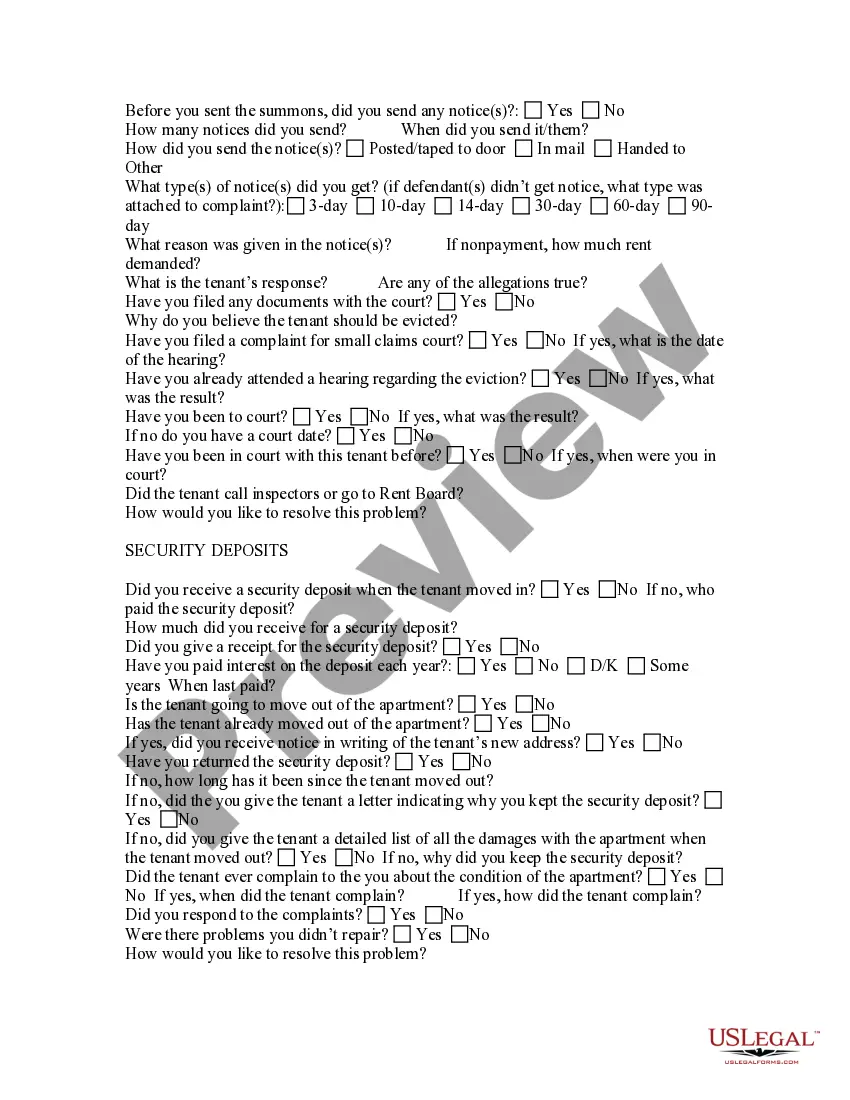
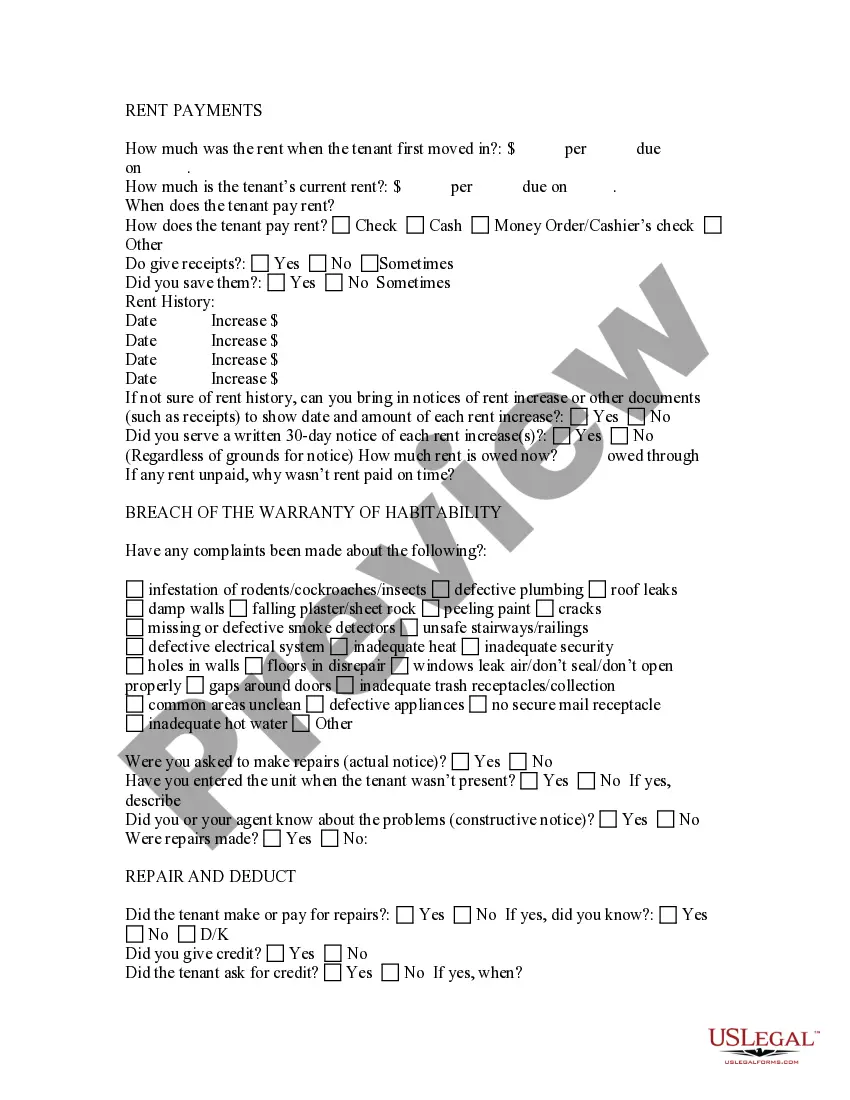
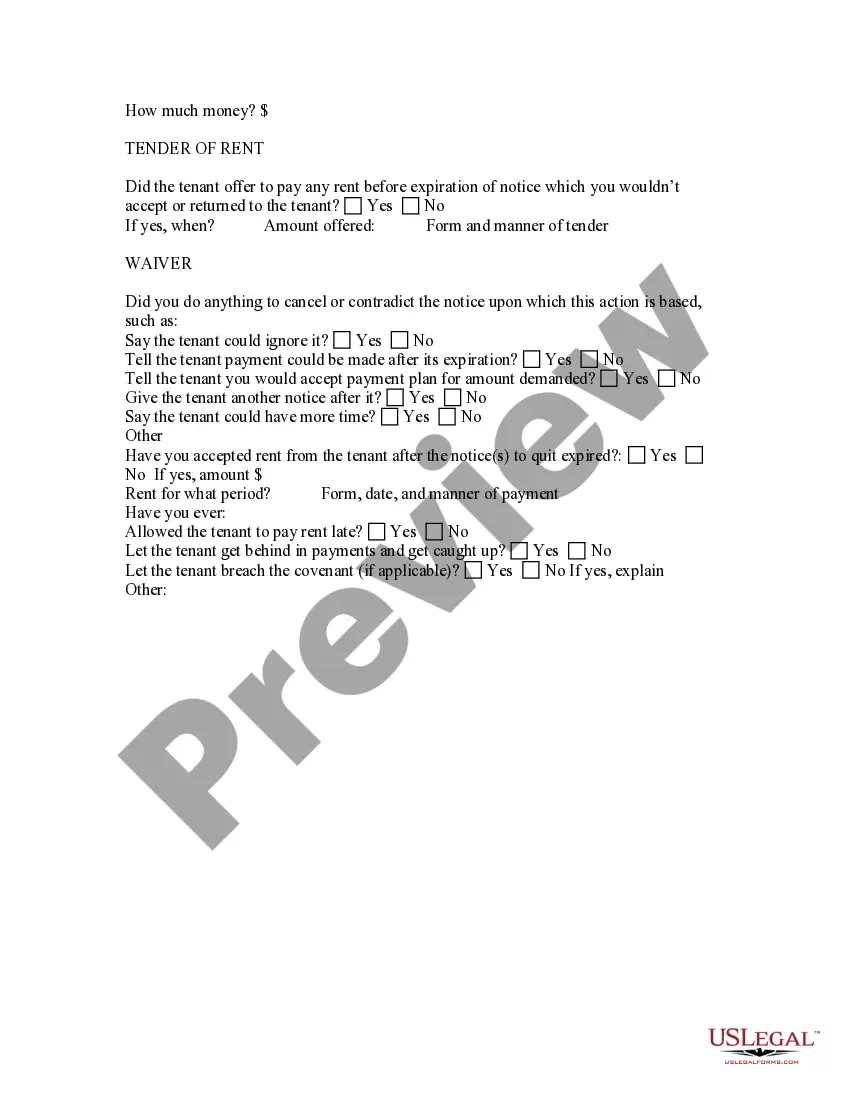
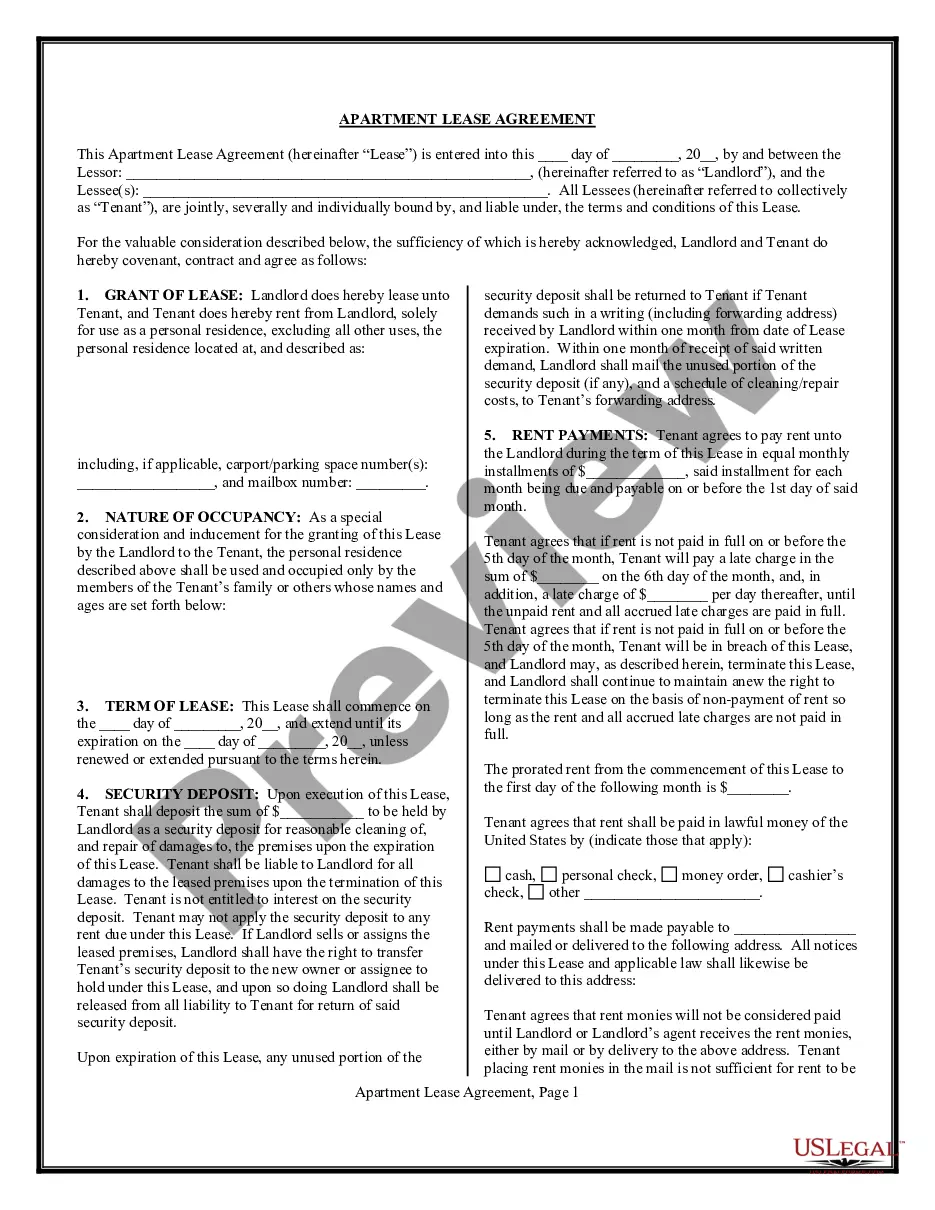
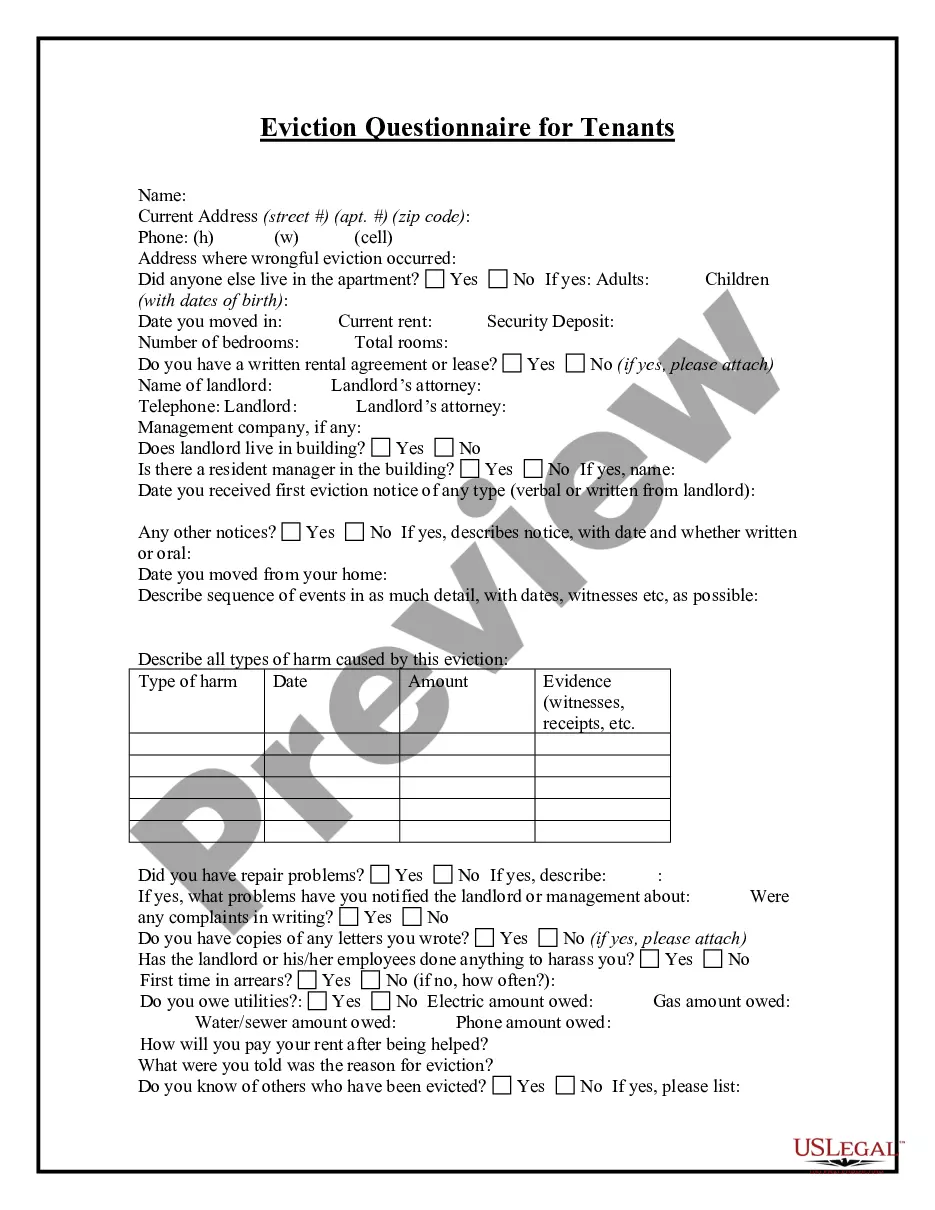
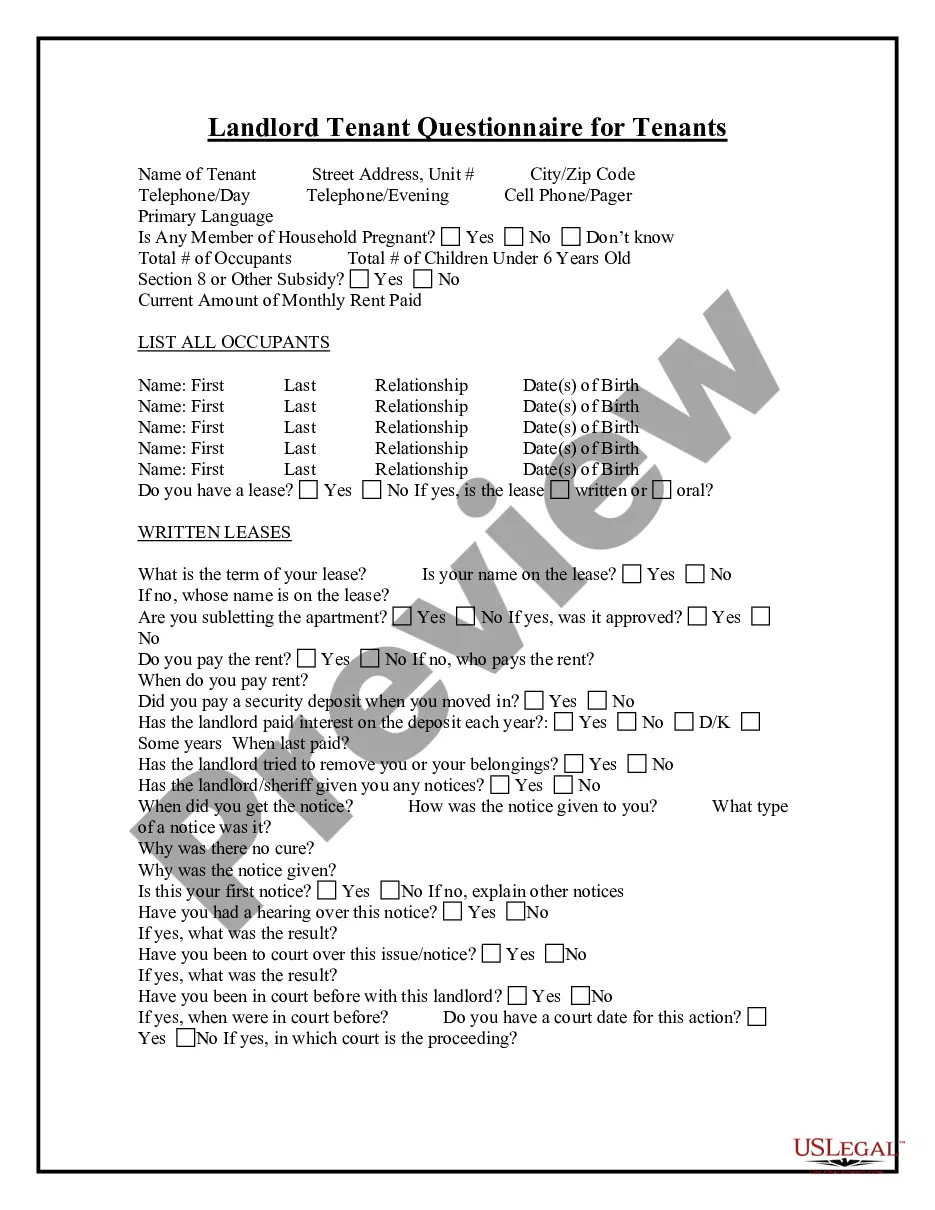
Get your form ready online
Our built-in tools help you complete, sign, share, and store your documents in one place.
Make edits, fill in missing information, and update formatting in US Legal Forms—just like you would in MS Word.
Download a copy, print it, send it by email, or mail it via USPS—whatever works best for your next step.
Sign and collect signatures with our SignNow integration. Send to multiple recipients, set reminders, and more. Go Premium to unlock E-Sign.
If this form requires notarization, complete it online through a secure video call—no need to meet a notary in person or wait for an appointment.
We protect your documents and personal data by following strict security and privacy standards.

Make edits, fill in missing information, and update formatting in US Legal Forms—just like you would in MS Word.

Download a copy, print it, send it by email, or mail it via USPS—whatever works best for your next step.

Sign and collect signatures with our SignNow integration. Send to multiple recipients, set reminders, and more. Go Premium to unlock E-Sign.

If this form requires notarization, complete it online through a secure video call—no need to meet a notary in person or wait for an appointment.

We protect your documents and personal data by following strict security and privacy standards.
Looking for another form?


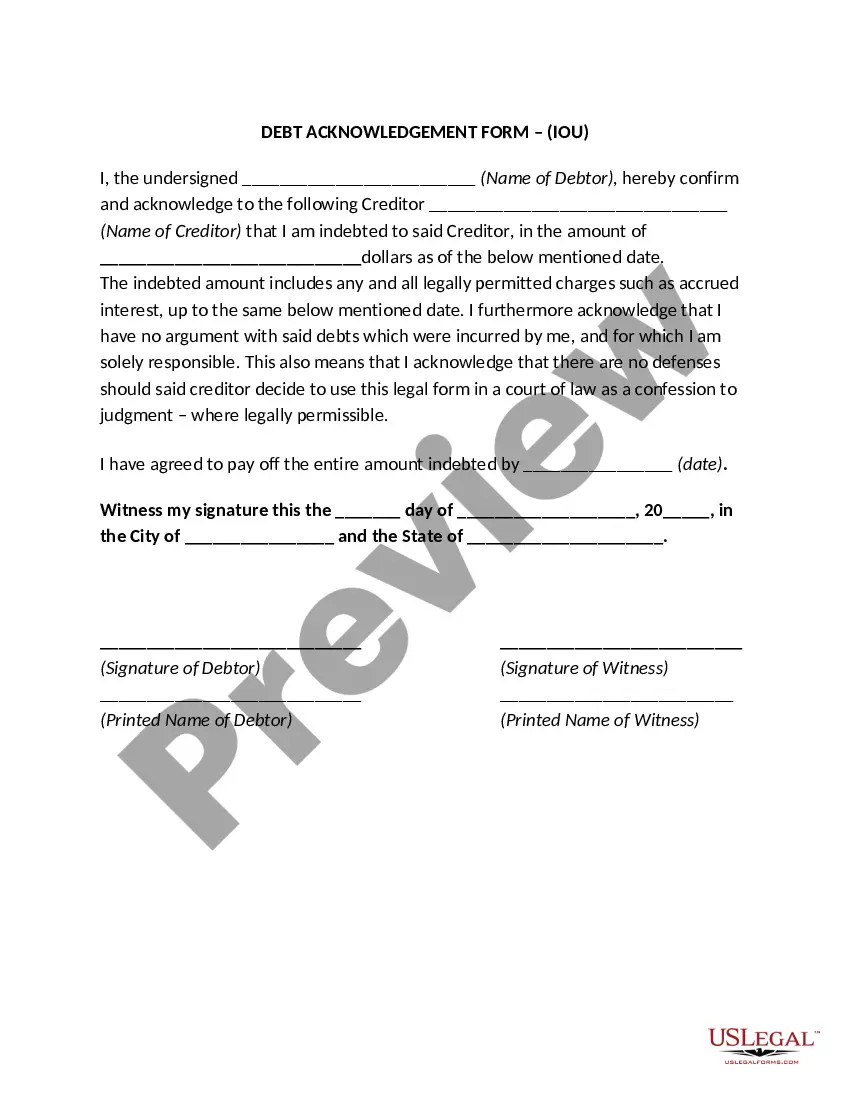


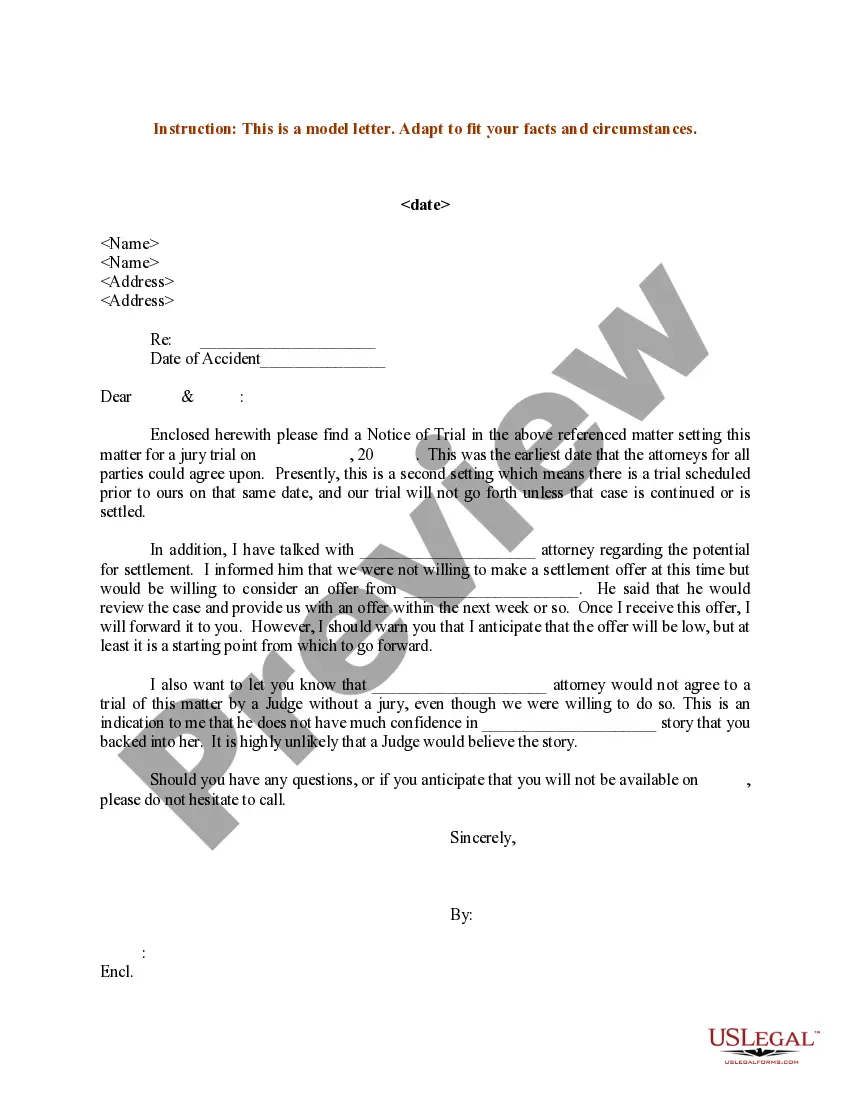

How to fill out Landlord Tenant Relationship Questionnaire For Landlords?
- If you're a returning user, log into your account and click the Download button on the desired template. Ensure your subscription is active; if expired, renew it per your payment plan.
- For first-time users, start by checking the Preview mode and form description. Verify that it's the right document for your needs and adheres to your local jurisdiction.
- Look for alternative templates if necessary. If you spot any discrepancies, utilize the Search tab to find the appropriate form and confirm it meets your requirements.
- Purchase the document by selecting your preferred subscription plan and clicking the Buy Now button. You will need to register for an account to access the full library.
- Complete your purchase by entering your credit card information or logging into your PayPal account.
- Download your form to your device, or access it anytime via the My Forms section in your profile.
Once you’ve followed these steps, you’re ready to complete your form with confidence. US Legal Forms ensures you have access to premium legal expertise for any assistance needed, fostering accuracy and security.
Start experiencing the benefits of hassle-free legal document management today by visiting US Legal Forms!
Form popularity
FAQ
To comfortably afford $2500 in rent, your monthly income should be about $8333, based on the 30% rule for rent. Ensure you apply the 50/30/20 rule to assess your entire financial picture, including savings and discretionary spending. By understanding your income needs, you can effectively manage your finances and decide how to rent what you desire.
To afford $1500 rent, your monthly income should ideally be around $5000 or higher, aligning with the 30% rent guideline. By calculating your budget using the 50/30/20 rule, you can see how much of your income should go toward rent and other expenses. This approach helps you determine if this rent fits within your financial capacity.
The 50/30/20 rule for rent suggests that you allocate 50% of your income for essential expenses, such as housing. This includes rent payments, utilities, and other necessary costs. By following this guideline, you can ensure that you are properly budgeting for rent while still having funds available for your wants and savings.
Whether $5000 a month is too much for rent depends significantly on your income and expenses. Typically, you should aim to spend no more than 30% of your monthly income on housing. To assess if this rent fits your budget, apply the 50/30/20 rule and evaluate how it impacts your financial goals and lifestyle.
The 50/30/20 rule offers a straightforward approach to budgeting. It helps balance essential expenses, personal desires, and savings, making it a practical choice for many. This method can be especially useful when calculating how much you should allocate for rent and other living costs, ensuring you maintain financial health while renting what you seek.
To calculate the 50/30/20 rule, start by determining your after-tax income. Then, allocate 50% of that income for needs such as rent, utilities, and groceries. Next, designate 30% for wants like entertainment or dining out, and finally, reserve 20% for savings or debt repayment. Using this rule can help you manage your finances effectively, particularly when you ask yourself how to rent what you need.
Recording rent income involves maintaining accurate records of payments received from tenants or rental properties. It is essential to keep detailed logs, including payment dates and amounts, for tax reporting and financial tracking. Utilizing spreadsheets or accounting software can assist in organizing this information. To simplify this process, explore tools available on US Legal Forms regarding rent what how for rent.
If you rent and wish to claim your rent on taxes, you typically must meet specific criteria based on your state. Many renters can deduct certain rental expenses if they use part of their home for business. Generally, it’s crucial to keep accurate records of payments and seek guidance on tax forms related to rent. For more detailed information, visit platforms like US Legal Forms to learn rent what how for rent.
To afford $1300 rent comfortably, your monthly income should ideally be around $4,333. This is based on the 30% rule, where rent should not exceed that percentage of your gross income. Therefore, your annual income should be approximately $52,000. Use tools or resources available on platforms like US Legal Forms to clarify your rental budget and expenses when considering rent what how for rent.
Determining if $1500 a month is too much for rent depends on your financial situation and local market. Generally, experts recommend that your rent should not exceed 30% of your income. If $1500 fits within that guideline and you’re comfortable with your budget, it may be reasonable. Ultimately, assess your needs and consider your overall expenses to make an informed decision on rent what how for rent.