Rent What How For It
Description
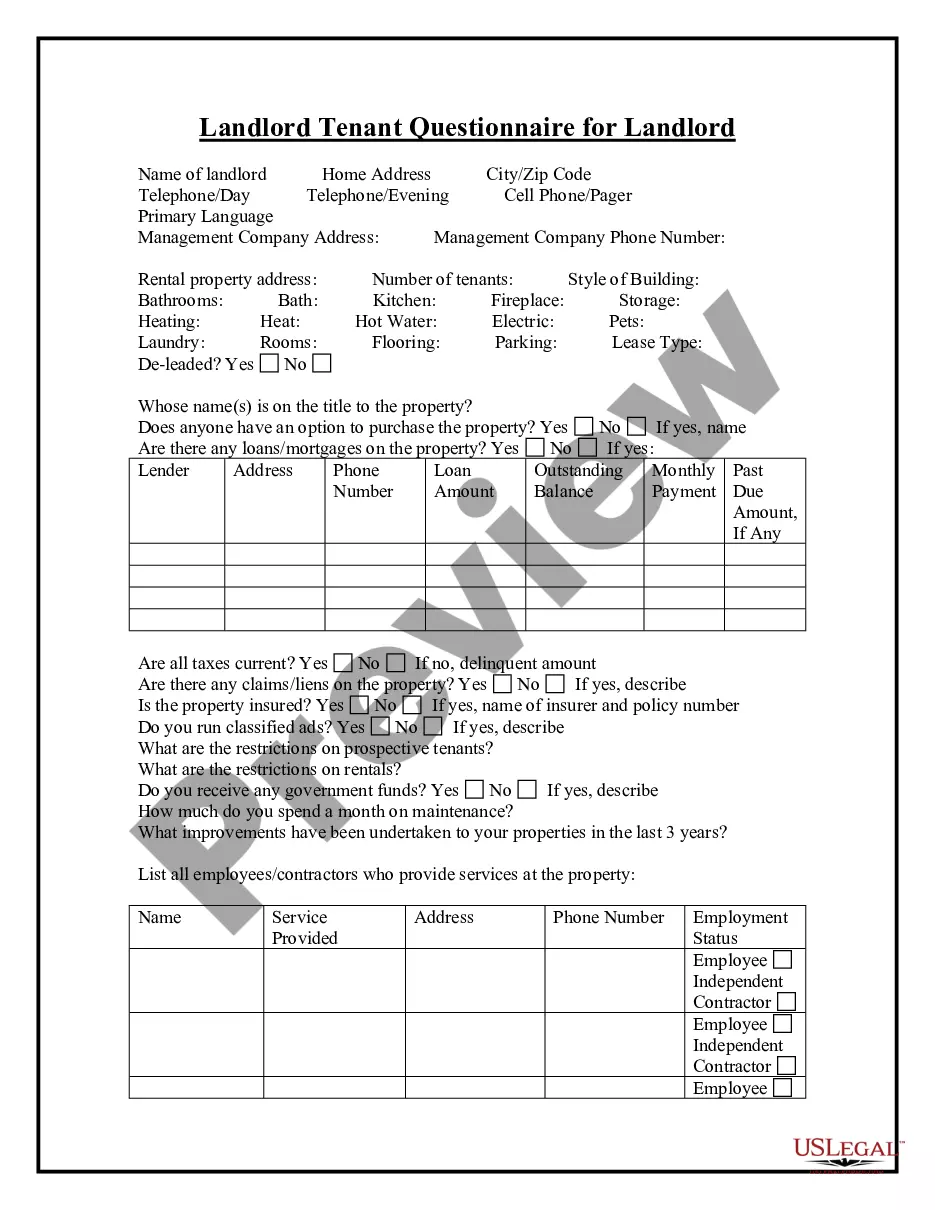
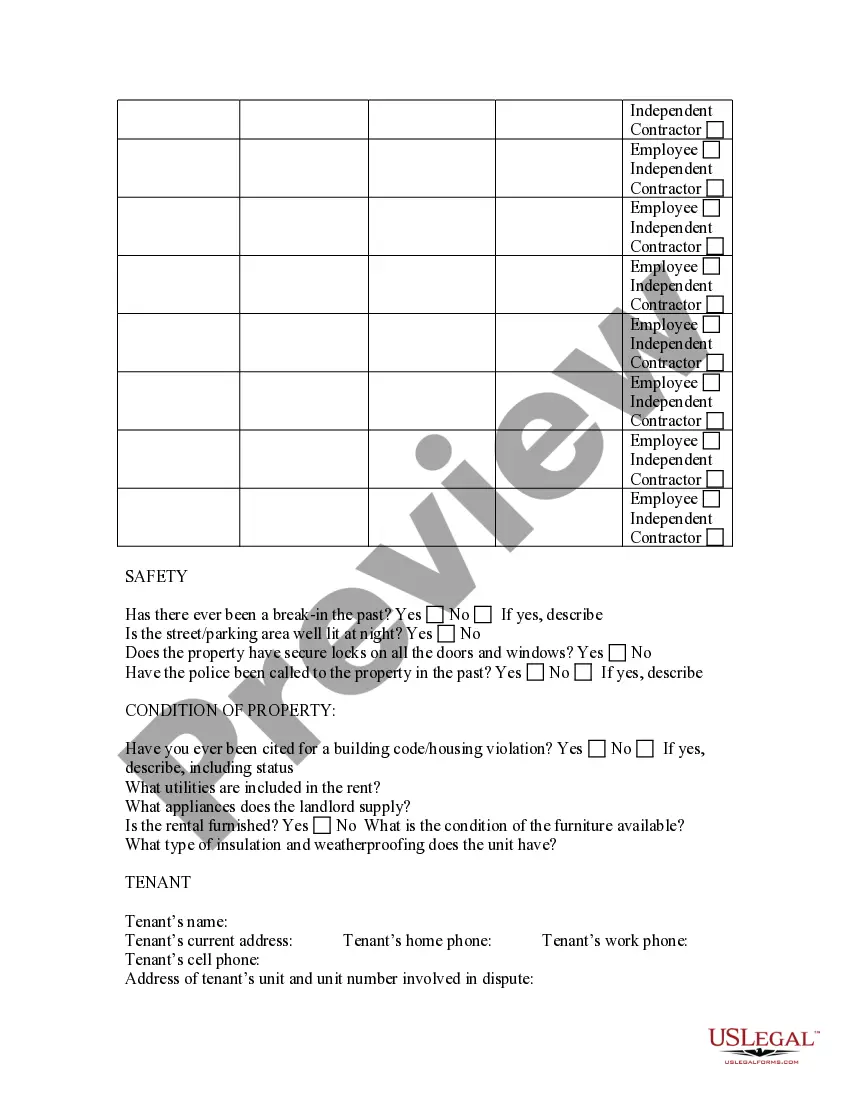
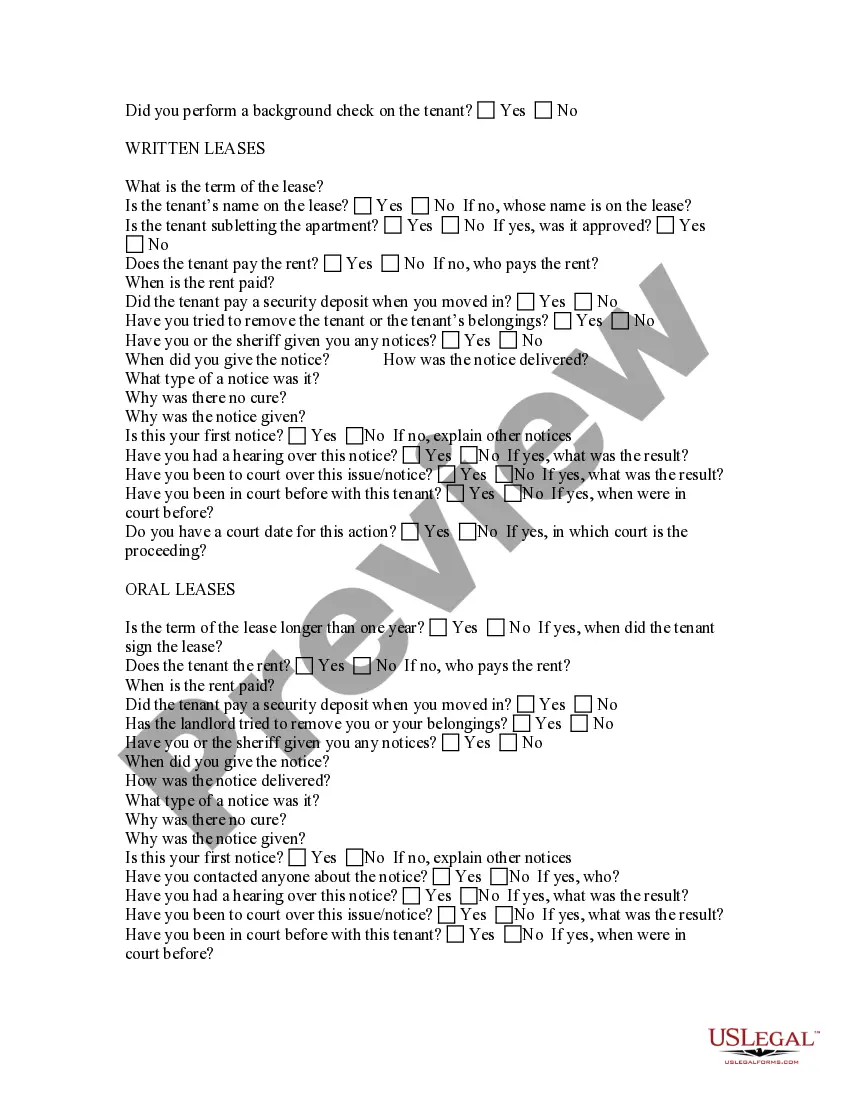
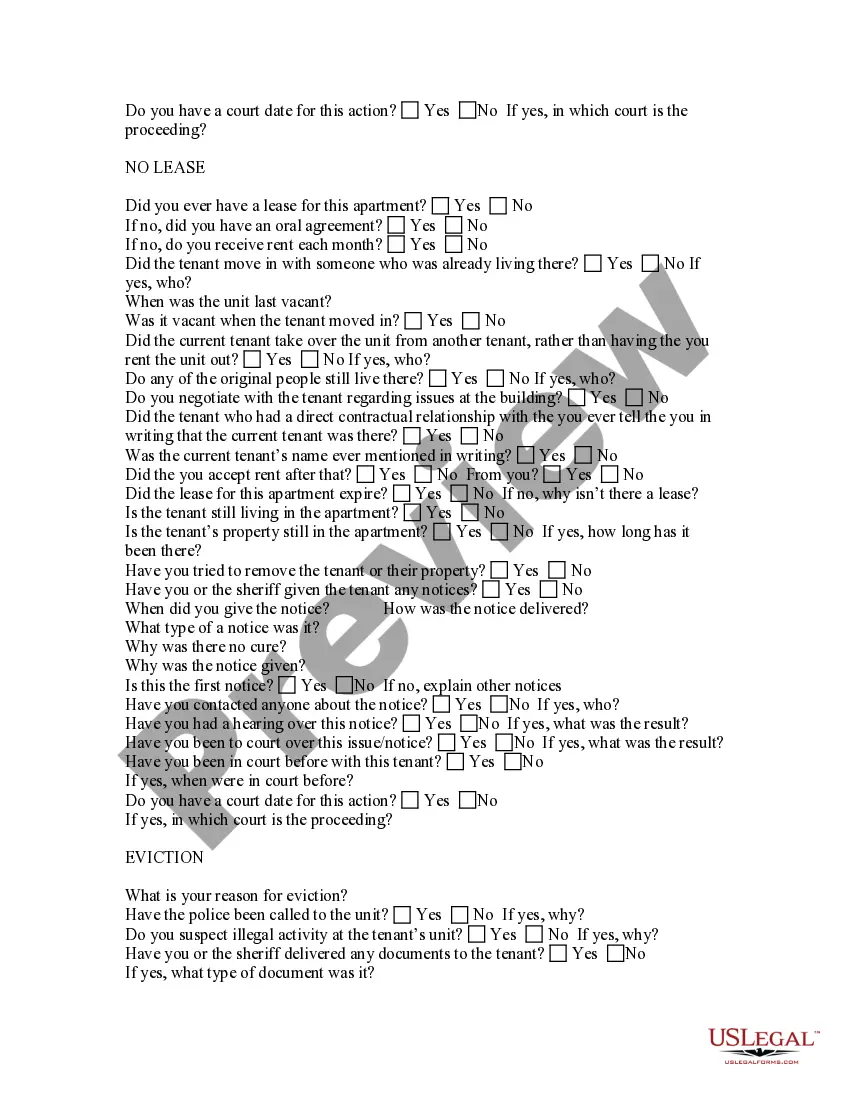
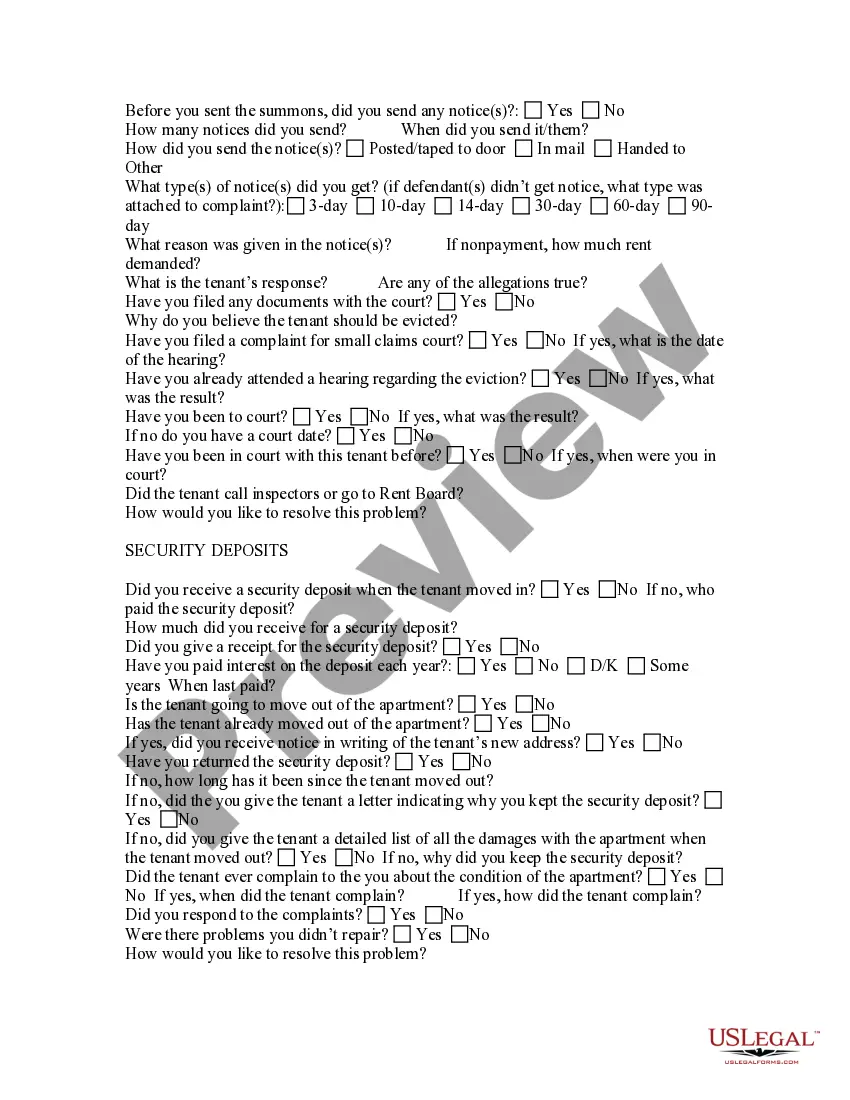
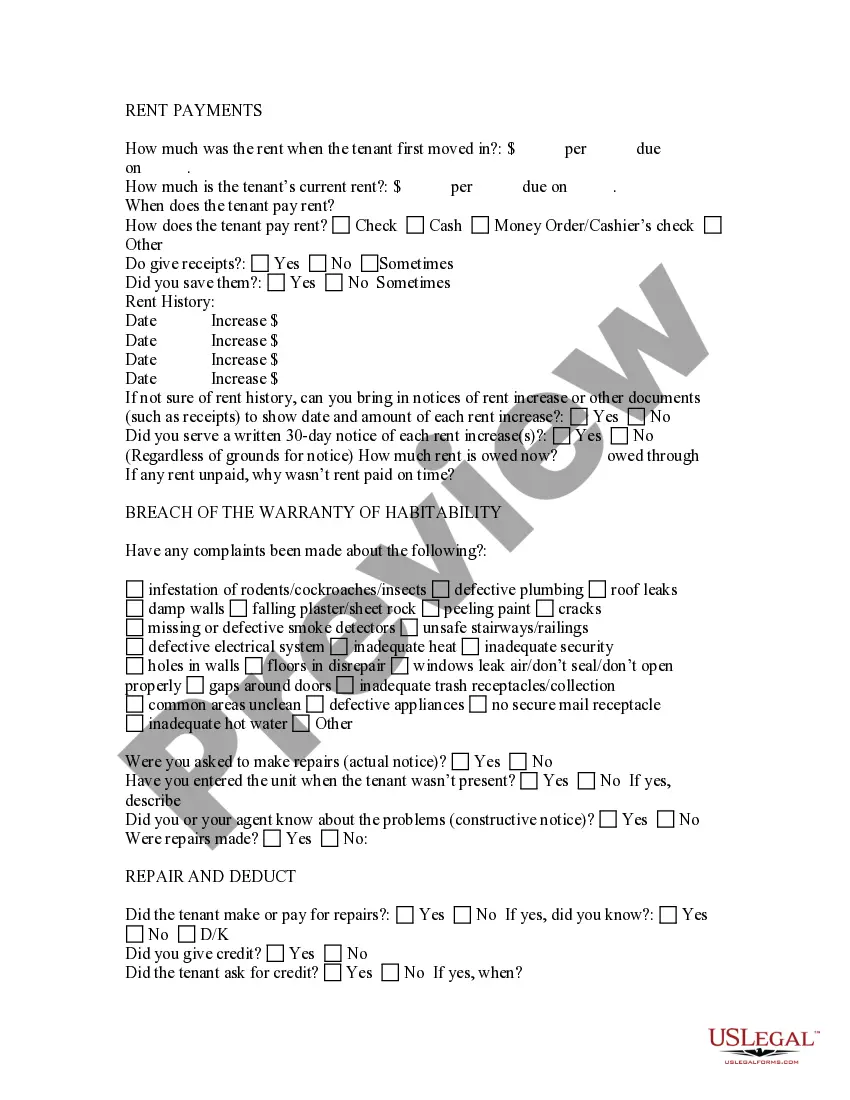
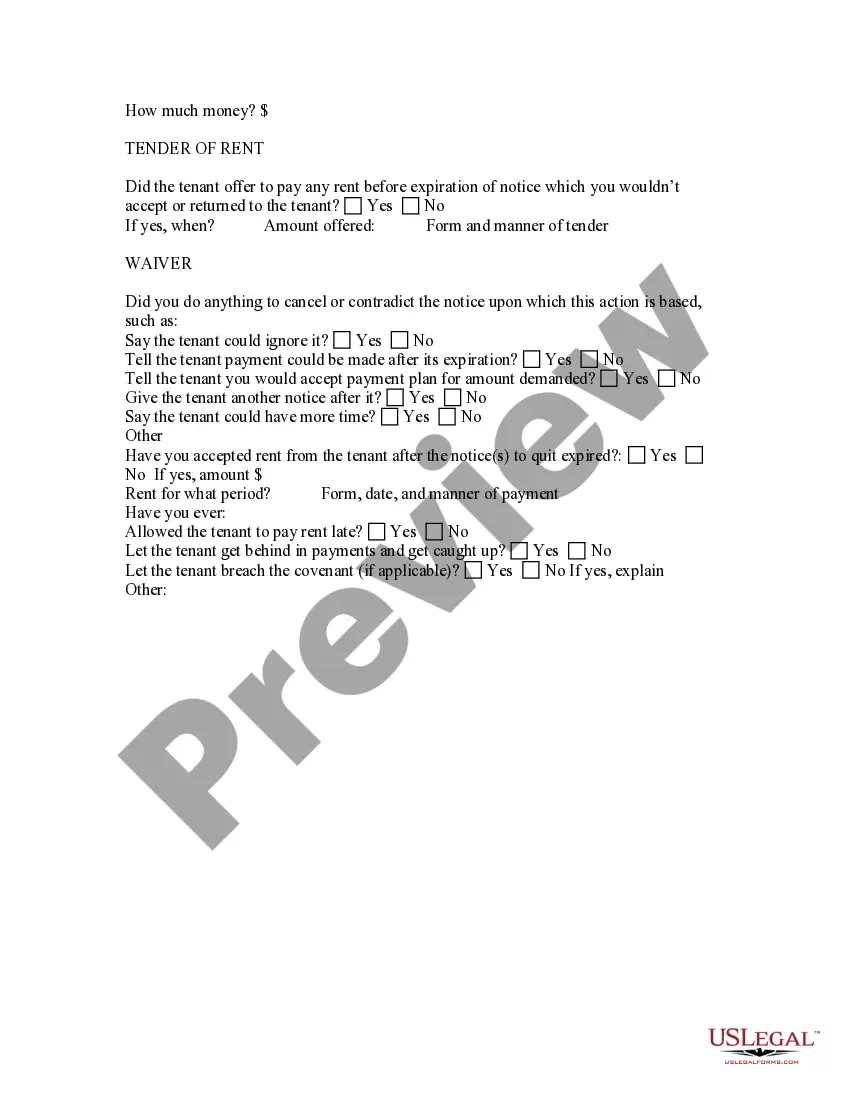
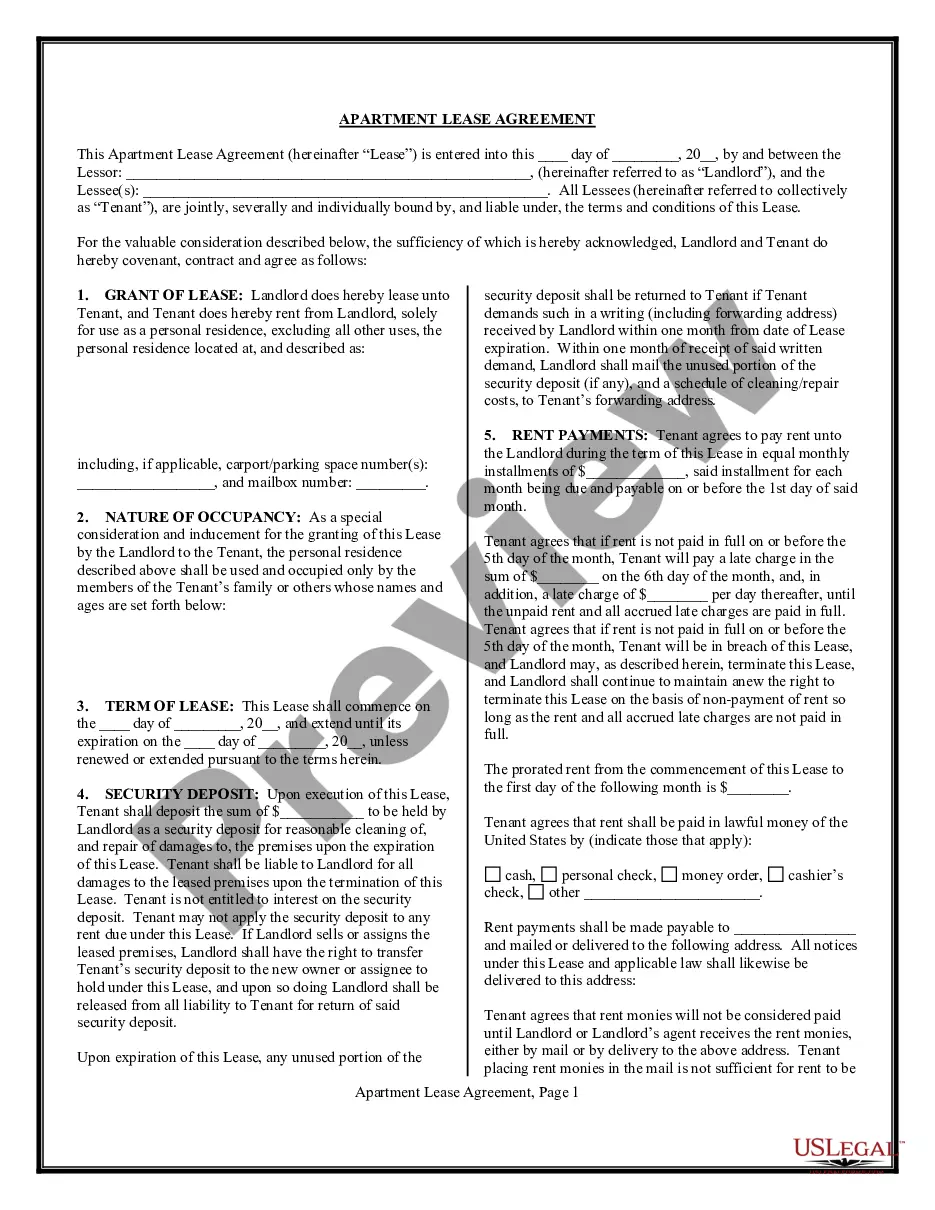
Get your form ready online
Our built-in tools help you complete, sign, share, and store your documents in one place.
Make edits, fill in missing information, and update formatting in US Legal Forms—just like you would in MS Word.
Download a copy, print it, send it by email, or mail it via USPS—whatever works best for your next step.
Sign and collect signatures with our SignNow integration. Send to multiple recipients, set reminders, and more. Go Premium to unlock E-Sign.
If this form requires notarization, complete it online through a secure video call—no need to meet a notary in person or wait for an appointment.
We protect your documents and personal data by following strict security and privacy standards.

Make edits, fill in missing information, and update formatting in US Legal Forms—just like you would in MS Word.

Download a copy, print it, send it by email, or mail it via USPS—whatever works best for your next step.

Sign and collect signatures with our SignNow integration. Send to multiple recipients, set reminders, and more. Go Premium to unlock E-Sign.

If this form requires notarization, complete it online through a secure video call—no need to meet a notary in person or wait for an appointment.

We protect your documents and personal data by following strict security and privacy standards.
Looking for another form?


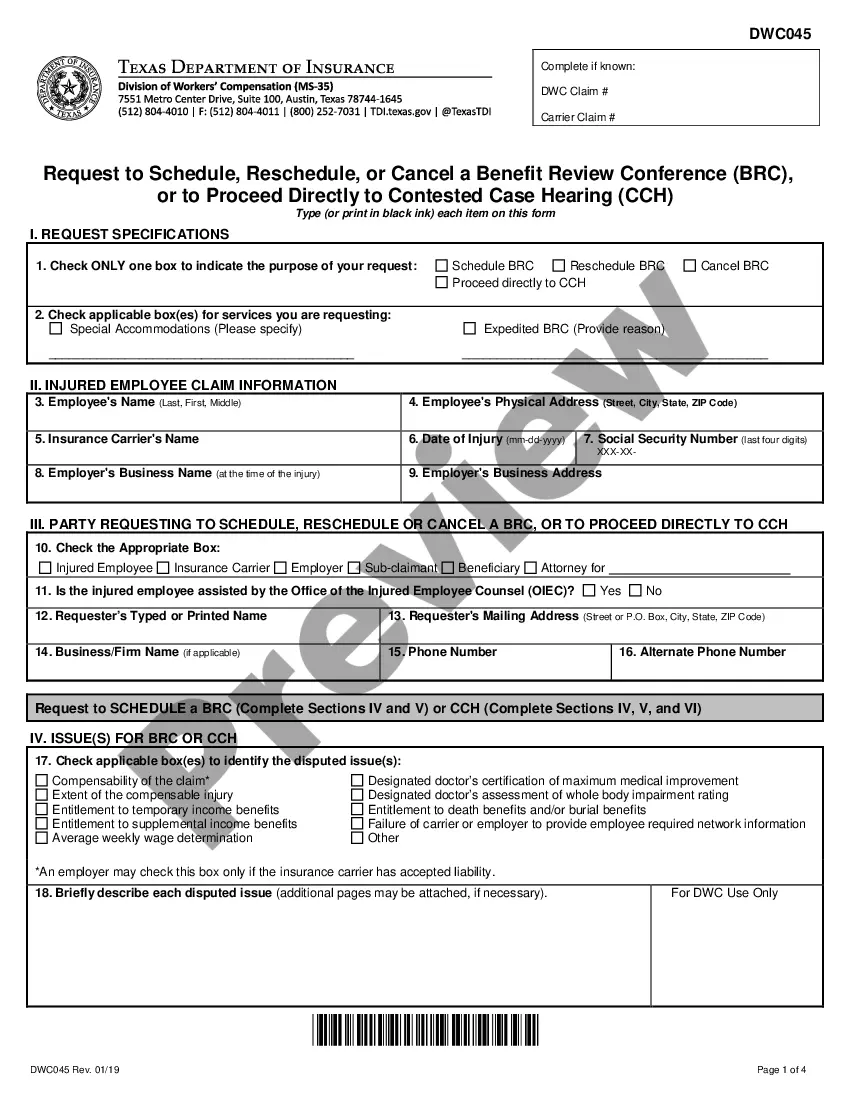







How to fill out Landlord Tenant Relationship Questionnaire For Landlords?
- Begin by logging into your US Legal Forms account. If you're a new user, create an account by registering on the website.
- Once logged in, browse through the extensive online library and preview legal forms to ensure they meet your needs.
- If the form you need isn't available, utilize the Search feature to find alternative templates that suit your specific requirements.
- Select the document you wish to rent and click on the 'Buy Now' button to choose your desired subscription plan.
- Complete the payment process by entering your credit card details or through your PayPal account.
- After your purchase, download the form to your device and access it anytime via the 'My Forms' menu in your profile.
By following these straightforward steps, you will have access to a comprehensive library of over 85,000 fillable legal forms. This ensures that you can quickly and accurately complete any legal requirement.
Start today and make your legal documentation process seamless with US Legal Forms. Why wait? Access your legal forms now!
Form popularity
FAQ
The 50/30/20 rule is a simple budgeting framework that divides your income into three categories: 50% for needs, 30% for wants, and 20% for savings or debt repayment. For rent, ideally, your housing costs should fall within the 50% category. This approach helps ensure you have enough to cover all aspects of your financial life. As you look to rent what how for it, consider using this guideline for a balanced budget.
Living on $1000 a month after paying rent can be challenging, depending on your other expenses. You must scrutinize your budget to ensure your remaining funds cover essentials like food, transportation, and healthcare. Look for ways to reduce discretionary spending to make it work. Understanding how to rent what how for it can assist you in managing your overall finances.
Determining if you can afford $1000 a month rent involves assessing your income and financial obligations. Generally, aim to keep housing costs under 30% of your monthly income. Use budgeting tools and resources to see if this expense aligns with your lifestyle. For more help, consider how to rent what how for it with tools from platforms like USLegalForms.
To afford $1000 rent comfortably, you should earn about $3,000 a month or more. This amount allows you to spend no more than 30% of your income on housing. Consider your other monthly expenses, including utilities and groceries, when calculating your budget. To truly thrive, think about how to rent what how for it.
Reporting rent to the IRS is done through your annual tax return, mainly utilizing Schedule E for rental income. Clearly outline any deductions associated with maintenance and management of the property. Consider leveraging Uslegalforms to simplify the reporting process and ensure compliance with IRS regulations.
To report rental income to the IRS, use IRS Form 1040 and attach Schedule E, detailing your rental earnings and associated expenses. Ensure that you include all sources of rental income to remain compliant. With Uslegalforms, you can find guidance on completing these forms accurately.
To claim rent on taxes, include your rental income on your tax return, itemizing any allowable expenses on Schedule E. It is essential to keep thorough documentation of all expenses incurred in managing the property. Uslegalforms can assist in preparing these documents so you can maximize your tax benefits.
Rent income is not classified as earned income but rather as passive income. This distinction is significant because it affects how you report it to the IRS. Understanding these classifications can help you effectively navigate your tax obligations related to rental properties.
Filing income from rental involves reporting the earnings on your tax return. You will typically use Schedule E to detail your rental income and expenses. Using platforms like Uslegalforms simplifies this process, guiding you through necessary steps and ensuring you capture all relevant deductions.
To show income for rent, gather documentation such as lease agreements and bank statements reflecting rent deposits. It's crucial to maintain complete records to provide a clear picture of your rental income. Additionally, software like Uslegalforms can assist you in organizing and recording this information effectively.