Contempt Law In India
Description
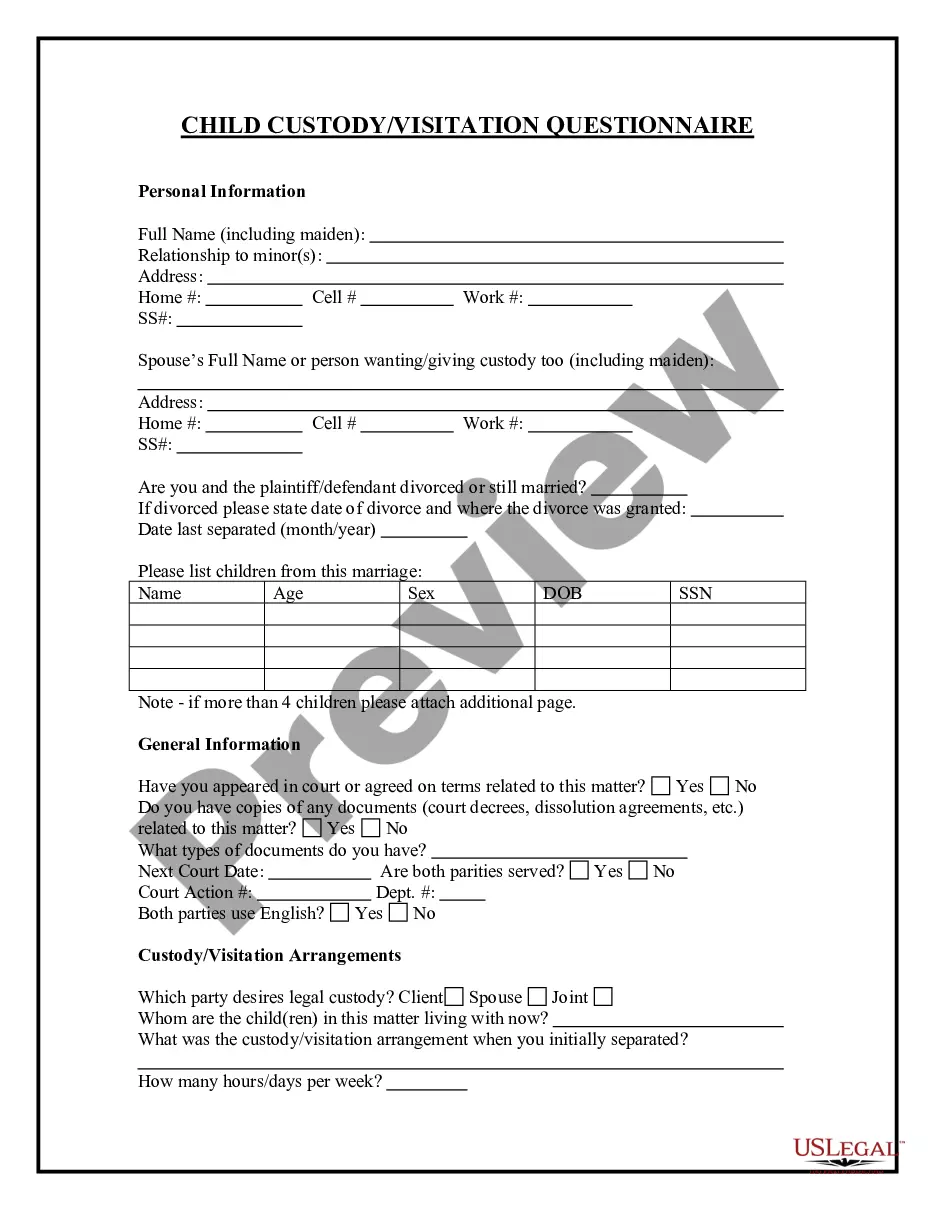
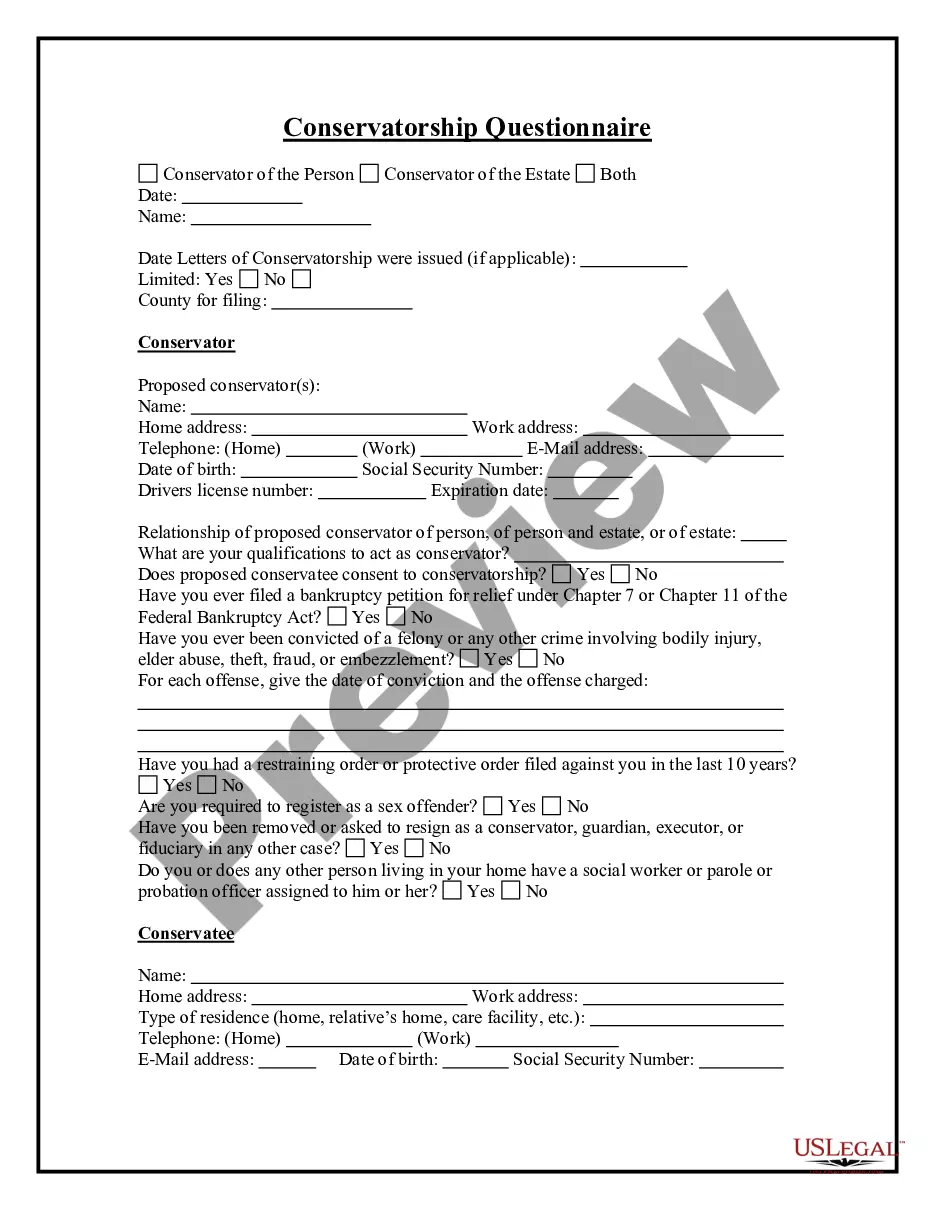
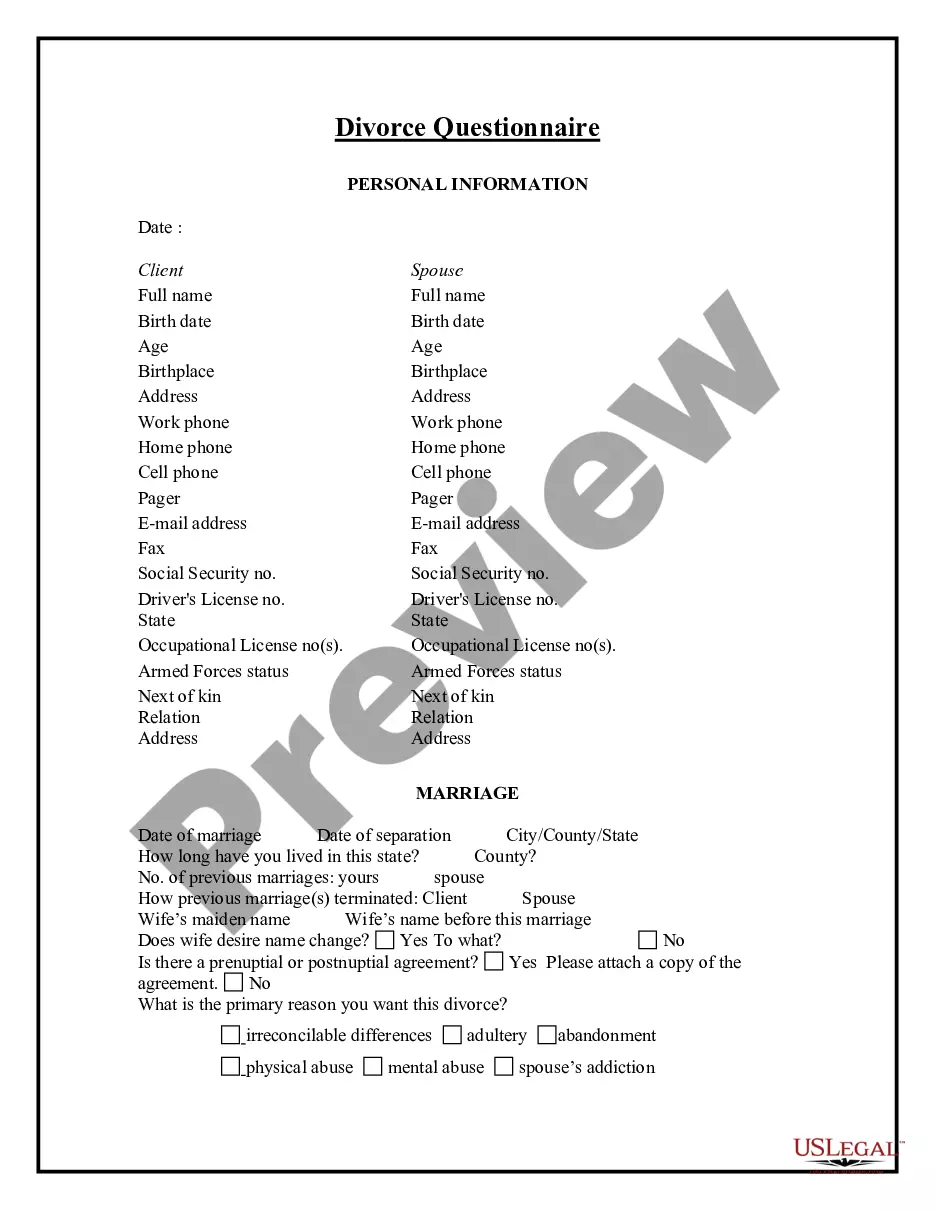
Get your form ready online
Our built-in tools help you complete, sign, share, and store your documents in one place.
Make edits, fill in missing information, and update formatting in US Legal Forms—just like you would in MS Word.
Download a copy, print it, send it by email, or mail it via USPS—whatever works best for your next step.
Sign and collect signatures with our SignNow integration. Send to multiple recipients, set reminders, and more. Go Premium to unlock E-Sign.
If this form requires notarization, complete it online through a secure video call—no need to meet a notary in person or wait for an appointment.
We protect your documents and personal data by following strict security and privacy standards.

Make edits, fill in missing information, and update formatting in US Legal Forms—just like you would in MS Word.

Download a copy, print it, send it by email, or mail it via USPS—whatever works best for your next step.

Sign and collect signatures with our SignNow integration. Send to multiple recipients, set reminders, and more. Go Premium to unlock E-Sign.

If this form requires notarization, complete it online through a secure video call—no need to meet a notary in person or wait for an appointment.

We protect your documents and personal data by following strict security and privacy standards.
Looking for another form?
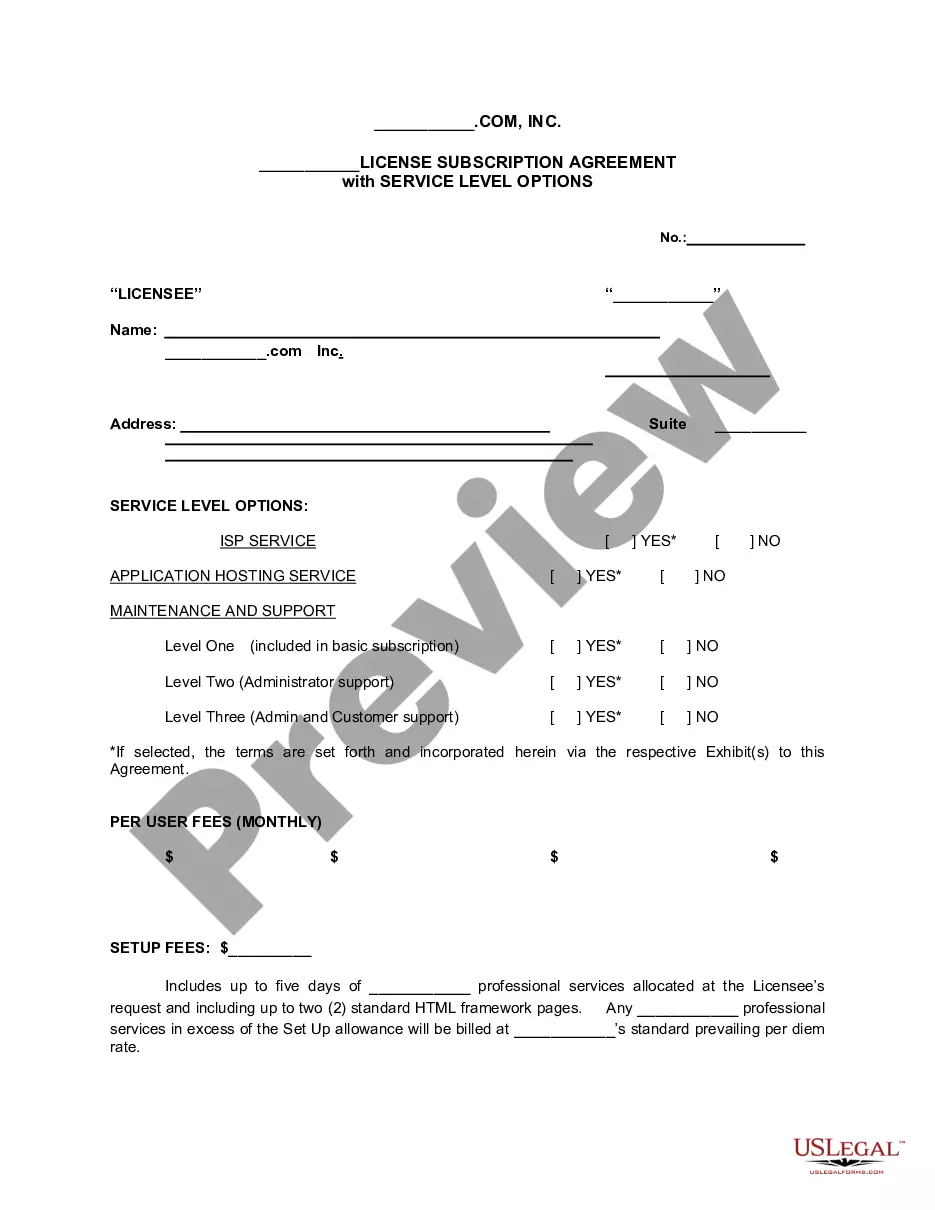





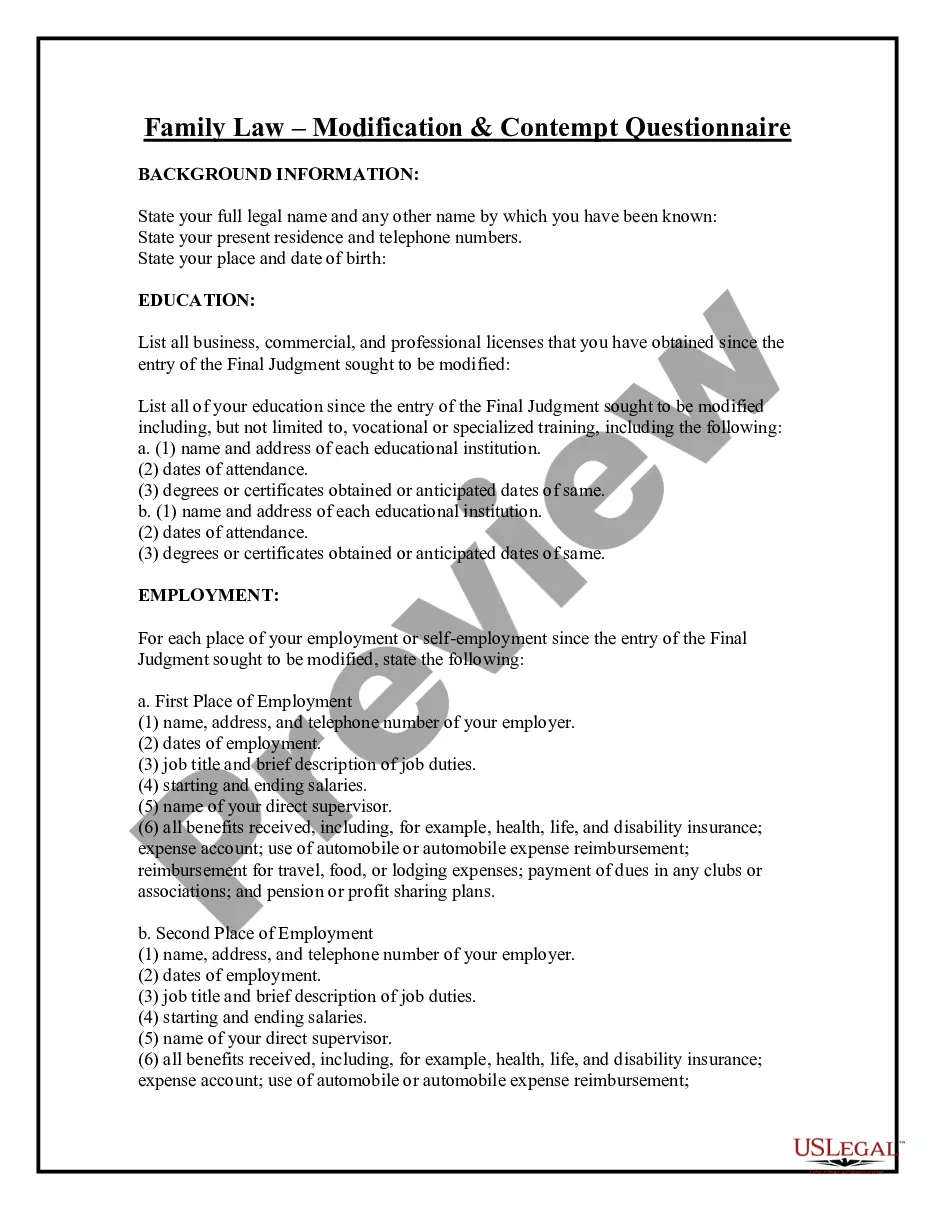
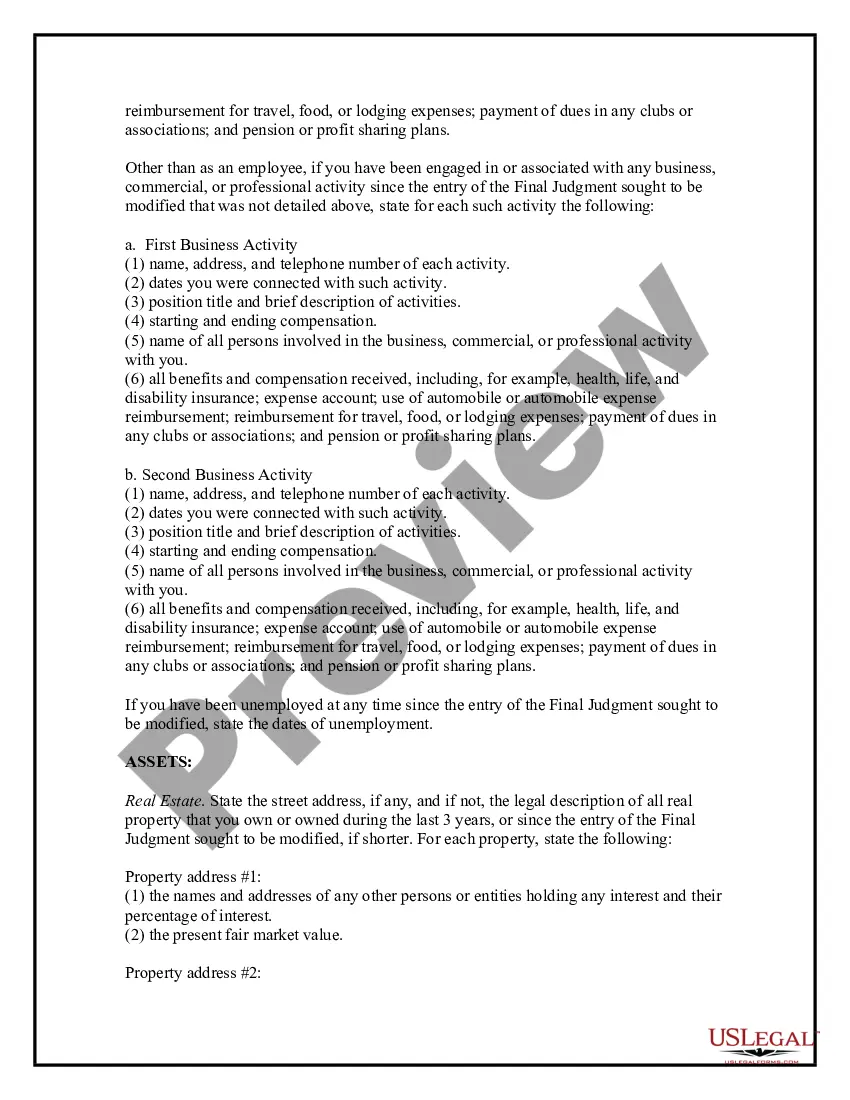
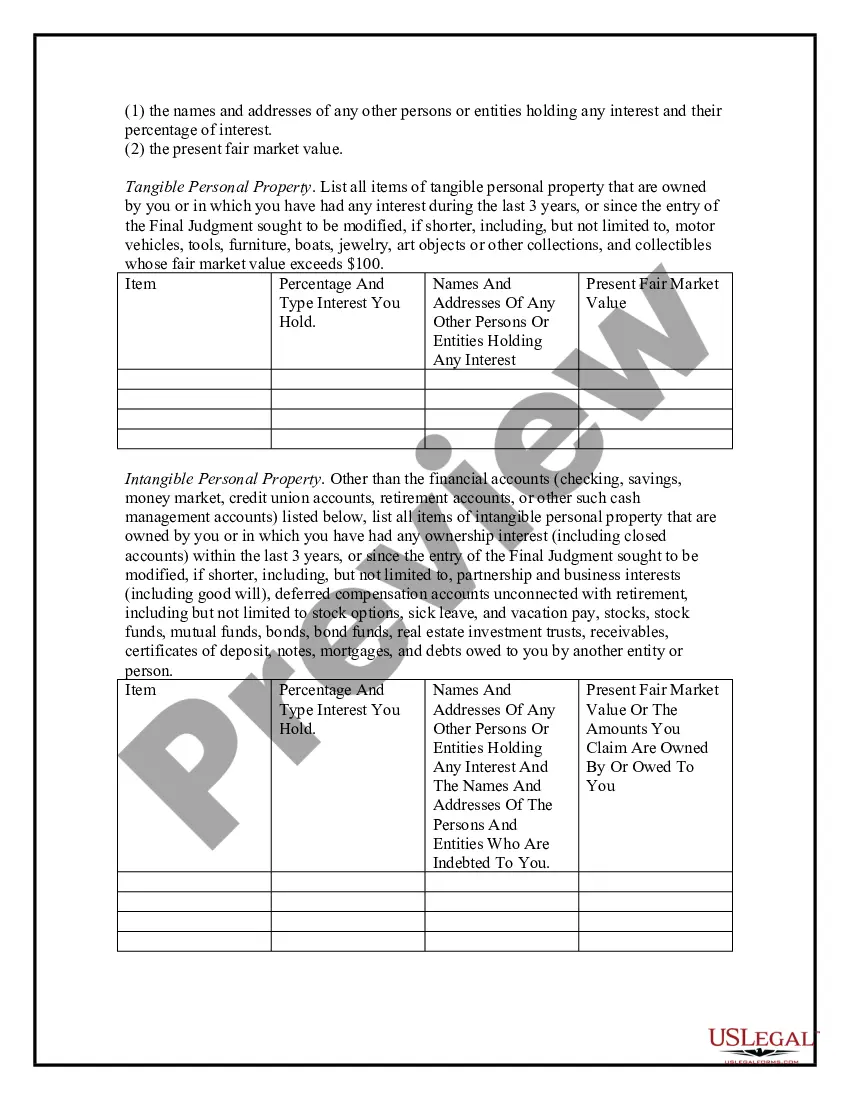
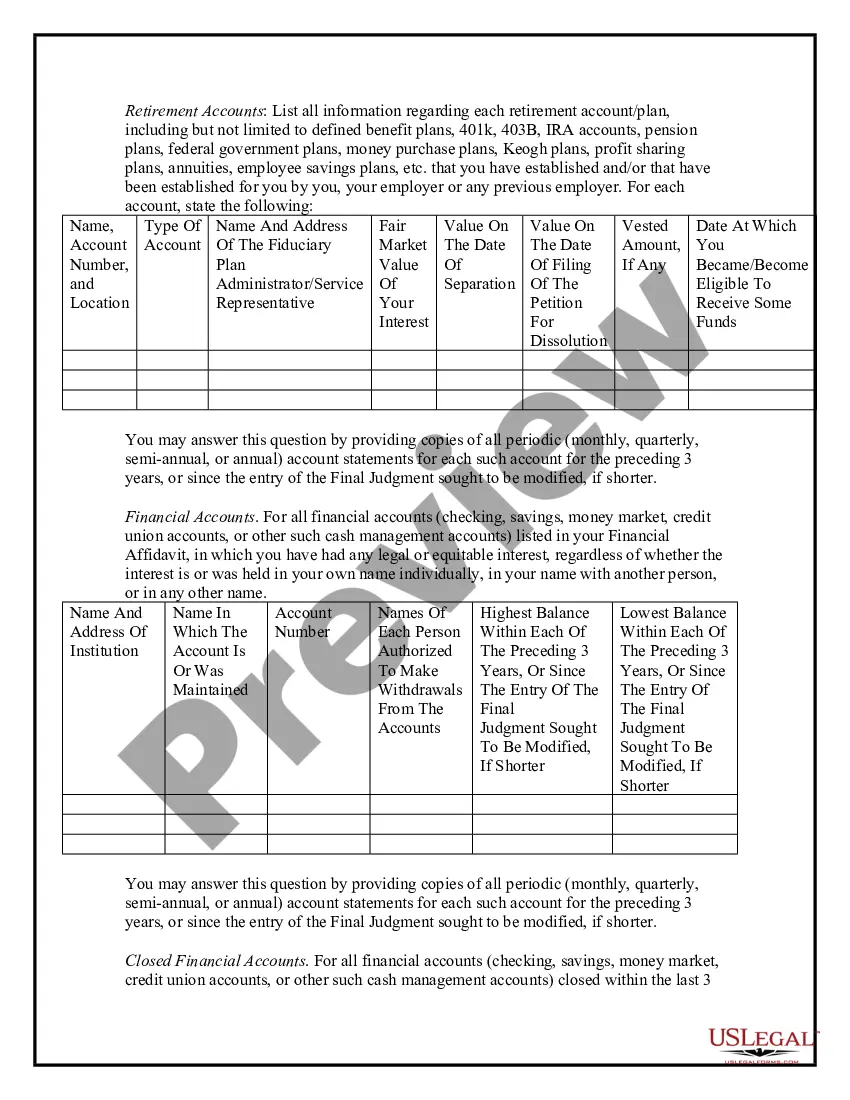
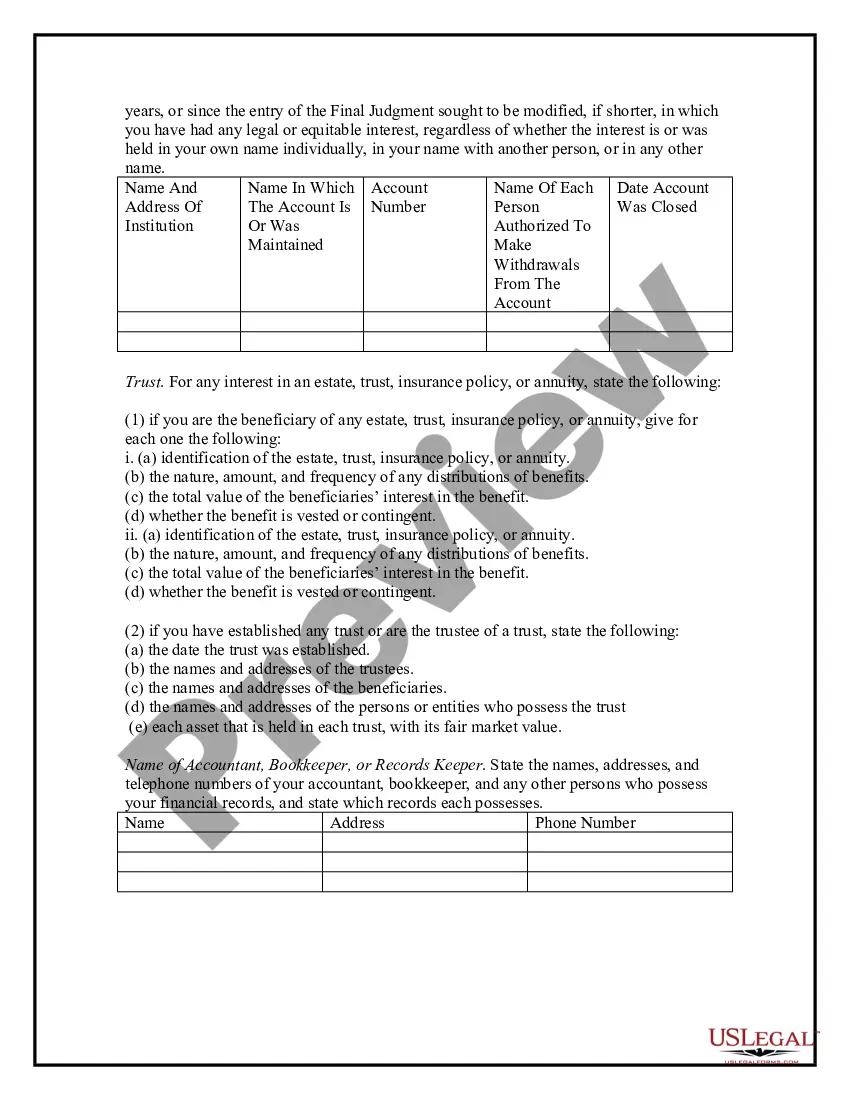
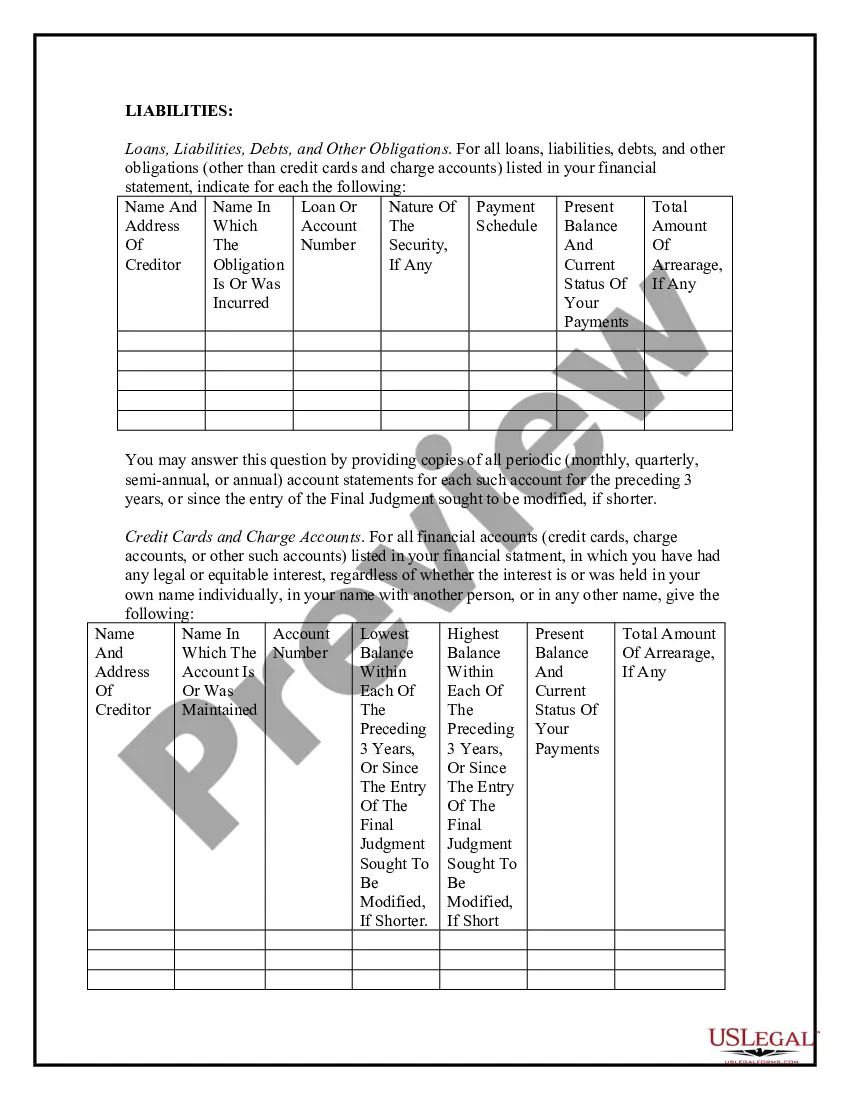
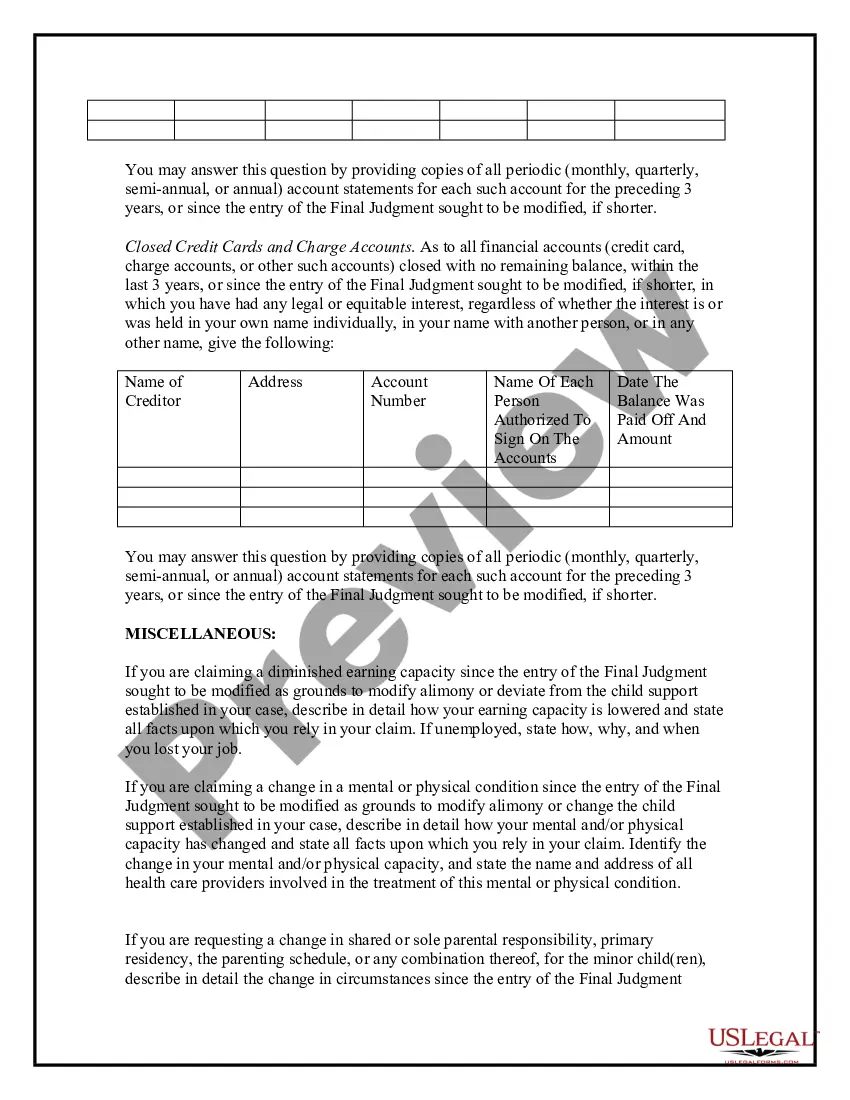
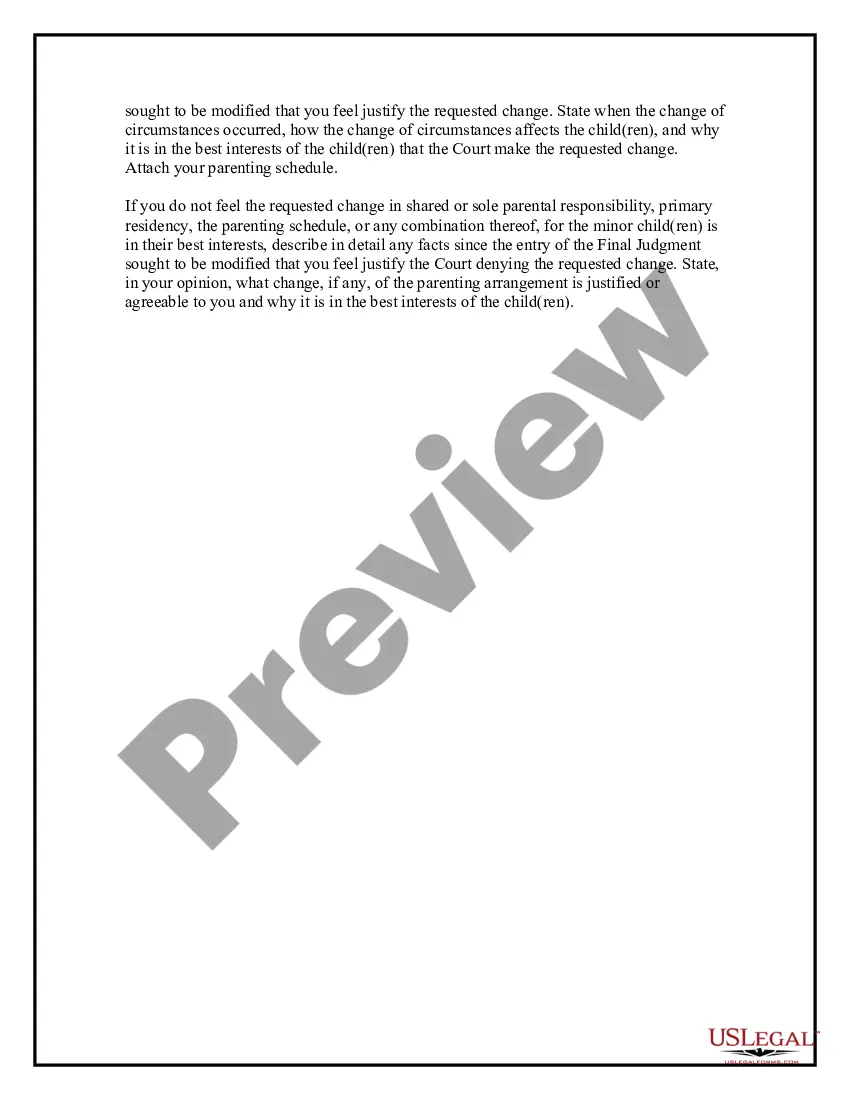
How to fill out Family Law - Modification - Contempt Questionnaire?
It’s clear that you cannot transform into a legal expert instantly, nor can you quickly learn how to draft Contempt Law In India without possessing a specialized set of abilities.
Drafting legal documents is a lengthy procedure that demands specific training and expertise. So why not delegate the formulation of the Contempt Law In India to the experts.
With US Legal Forms, one of the most comprehensive collections of legal documents, you can obtain anything from court forms to templates for office correspondence.
You can access your documents again from the My documents tab at any time. If you’re a current customer, simply Log In, and find and download the template from the same section.
Regardless of the reason for your paperwork—be it financial, legal, or personal—our website has everything you need. Explore US Legal Forms today!
- Locate the form you need by utilizing the search bar at the top of the page.
- View it (if this feature is available) and read the accompanying description to confirm whether Contempt Law In India is what you’re looking for.
- If you require a different form, initiate your search again.
- Establish a free account and select a subscription plan to purchase the form.
- Select Buy now. Once the payment is completed, you can receive the Contempt Law In India, complete it, print it, and send it by mail to the appropriate parties or organizations.
Form popularity
FAQ
While it is possible to file contempt charges without a lawyer, having legal representation can significantly enhance your case. A lawyer can help you navigate the complexities of contempt law in India, ensuring that your application meets all necessary legal standards. Utilizing platforms like uslegalforms can also provide valuable tools for preparing your case if you choose to proceed independently.
Contempt law in India encompasses legal provisions designed to maintain the authority and dignity of the judicial system. It deals primarily with actions that obstruct justice or disregard court orders. Familiarizing yourself with this law can greatly aid in understanding your rights and obligations within the legal framework.
When court orders are not followed, the court may initiate contempt proceedings, which could result in sanctions or even jail time. This enforcement mechanism is essential to uphold the authority of the court and safeguard legal processes. Therefore, adhering to court orders is paramount in the realm of contempt law in India.
The best defense against contempt of court generally involves demonstrating that you did not willfully disobey the court order. Providing evidence that shows good faith efforts to comply can be beneficial. Consulting resources like uslegalforms can help you prepare a solid defense based on your specific situation under contempt law in India.
The four types of contempt in India include civil contempt, criminal contempt, indirect contempt, and direct contempt. Civil contempt involves disobeying court orders, while criminal contempt includes actions that insult or obstruct judicial proceedings. Understanding these types is vital for navigating contempt law in India effectively.
Yes, virtually anyone can be held in contempt of court if they do not comply with a court order or disrespect court proceedings. This applies to individuals and organizations alike. Under the framework of contempt law in India, courts take violations seriously to maintain the rule of law.
Filing for contempt of court without a lawyer is possible, but it requires understanding the legal procedures involved. You can present your case by drafting a petition detailing the contempt and filing it with the relevant court. To navigate this process effectively, consider resources available through uslegalforms, which can guide you in preparing your documents.
When someone fails to listen to a court order, the court can take action by issuing a contempt notice. This may lead to penalties, financial fines, or even jail time, depending on the severity of the violation. Thus, compliance with court orders is crucial under contempt law in India.
Ignoring a court order can result in serious legal repercussions, including a contempt citation. The court may initiate actions against the individual who disregards the order, potentially leading to penalties or imprisonment. This demonstrates the importance of respecting legal directives as outlined in contempt law in India.
Failing to comply with a family court order can lead to various consequences, including being held in contempt of court. The court may impose fines, change custody arrangements, or even consider imprisonment for non-compliance. It's important to adhere to these orders to avoid complications under contempt law in India.