Copyright Application In Canada
Description
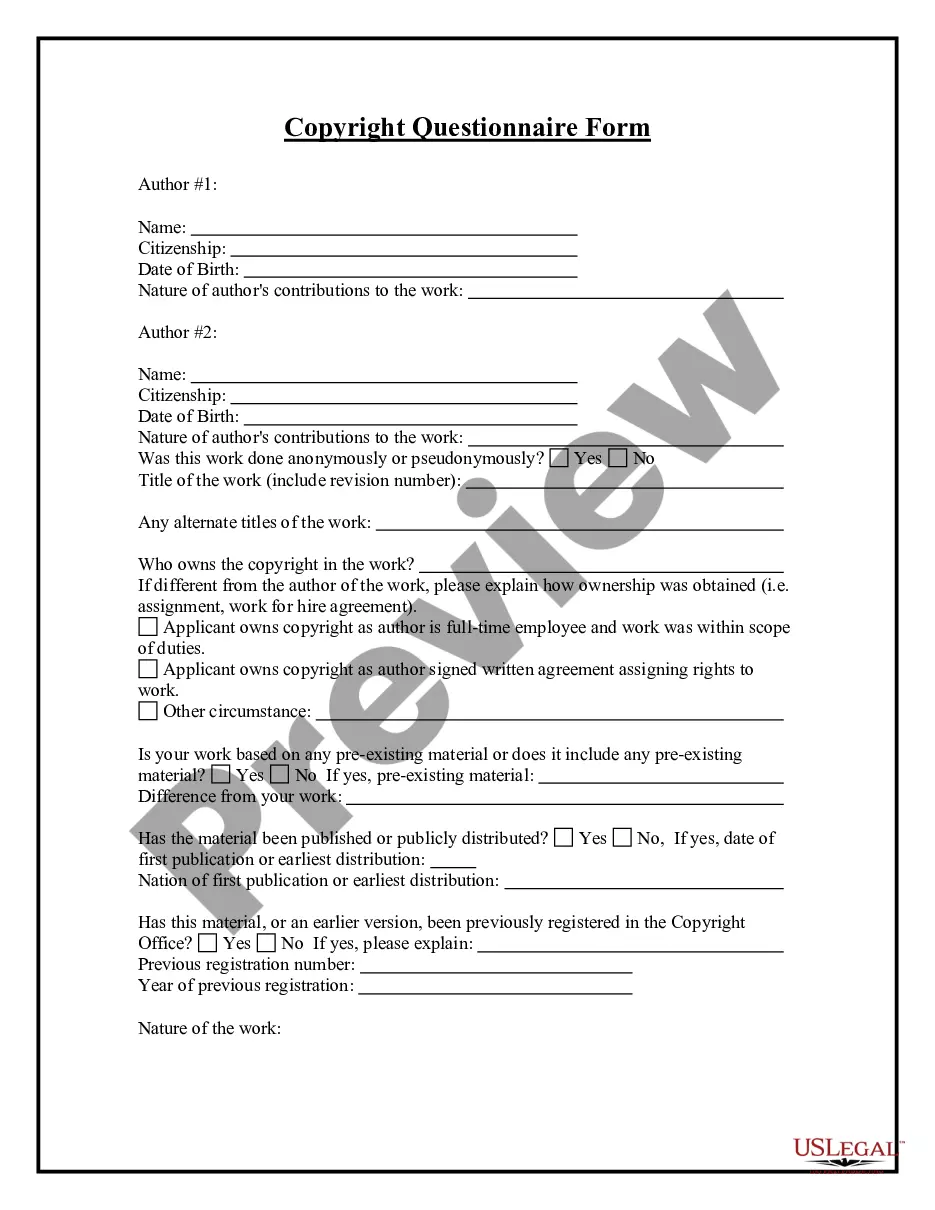
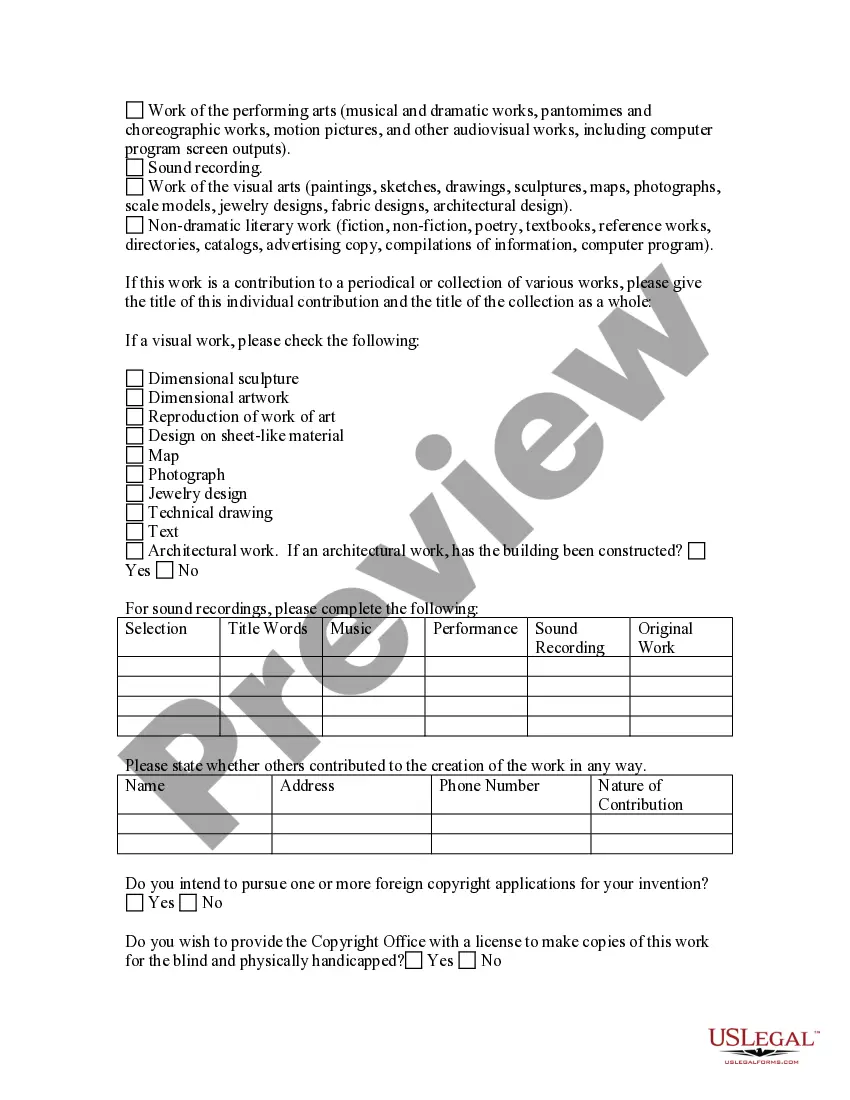
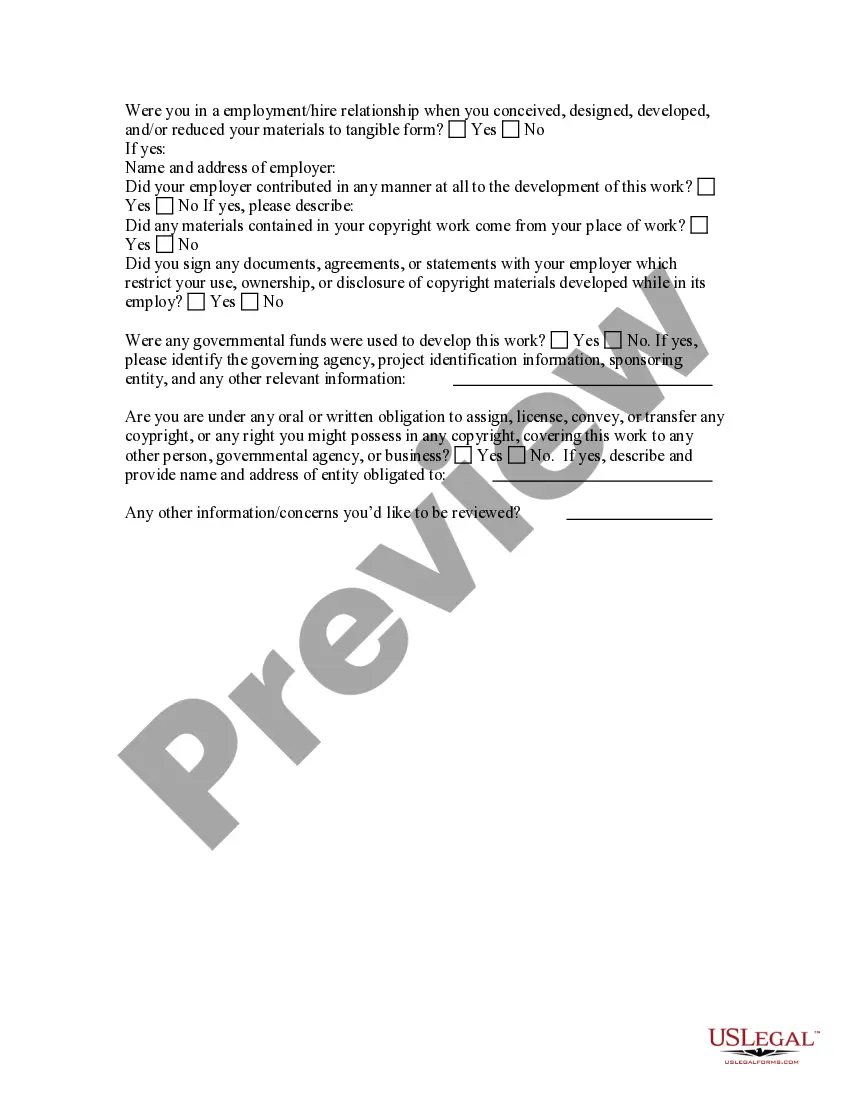
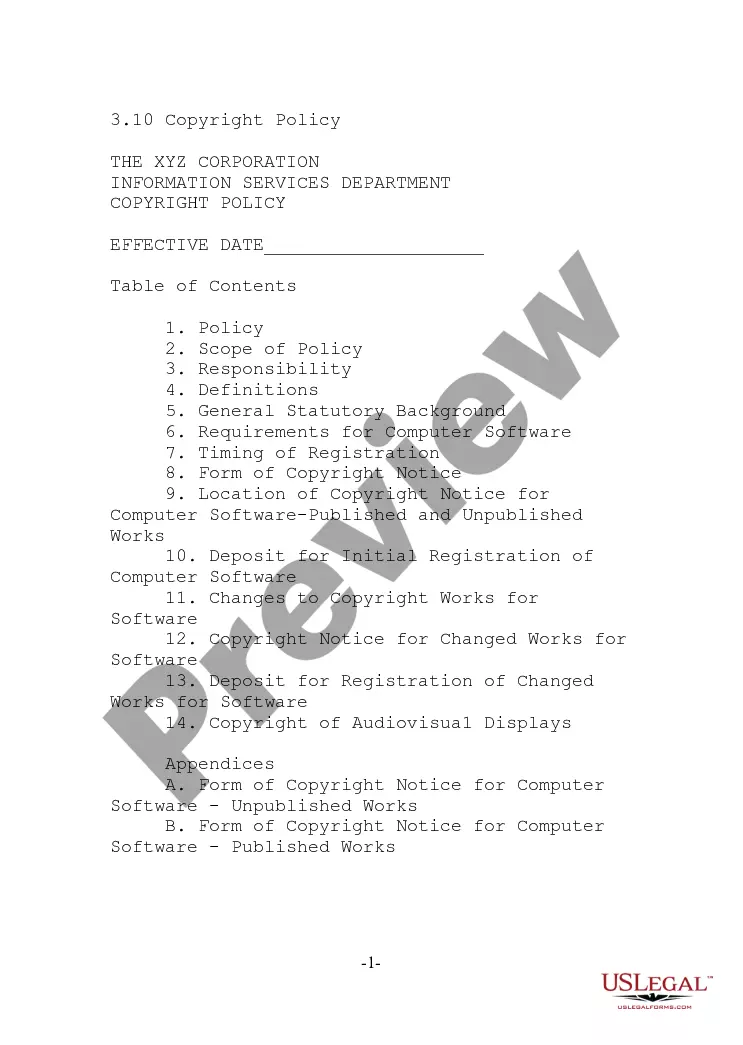
Get your form ready online
Our built-in tools help you complete, sign, share, and store your documents in one place.
Make edits, fill in missing information, and update formatting in US Legal Forms—just like you would in MS Word.
Download a copy, print it, send it by email, or mail it via USPS—whatever works best for your next step.
Sign and collect signatures with our SignNow integration. Send to multiple recipients, set reminders, and more. Go Premium to unlock E-Sign.
If this form requires notarization, complete it online through a secure video call—no need to meet a notary in person or wait for an appointment.
We protect your documents and personal data by following strict security and privacy standards.

Make edits, fill in missing information, and update formatting in US Legal Forms—just like you would in MS Word.

Download a copy, print it, send it by email, or mail it via USPS—whatever works best for your next step.

Sign and collect signatures with our SignNow integration. Send to multiple recipients, set reminders, and more. Go Premium to unlock E-Sign.

If this form requires notarization, complete it online through a secure video call—no need to meet a notary in person or wait for an appointment.

We protect your documents and personal data by following strict security and privacy standards.
Looking for another form?
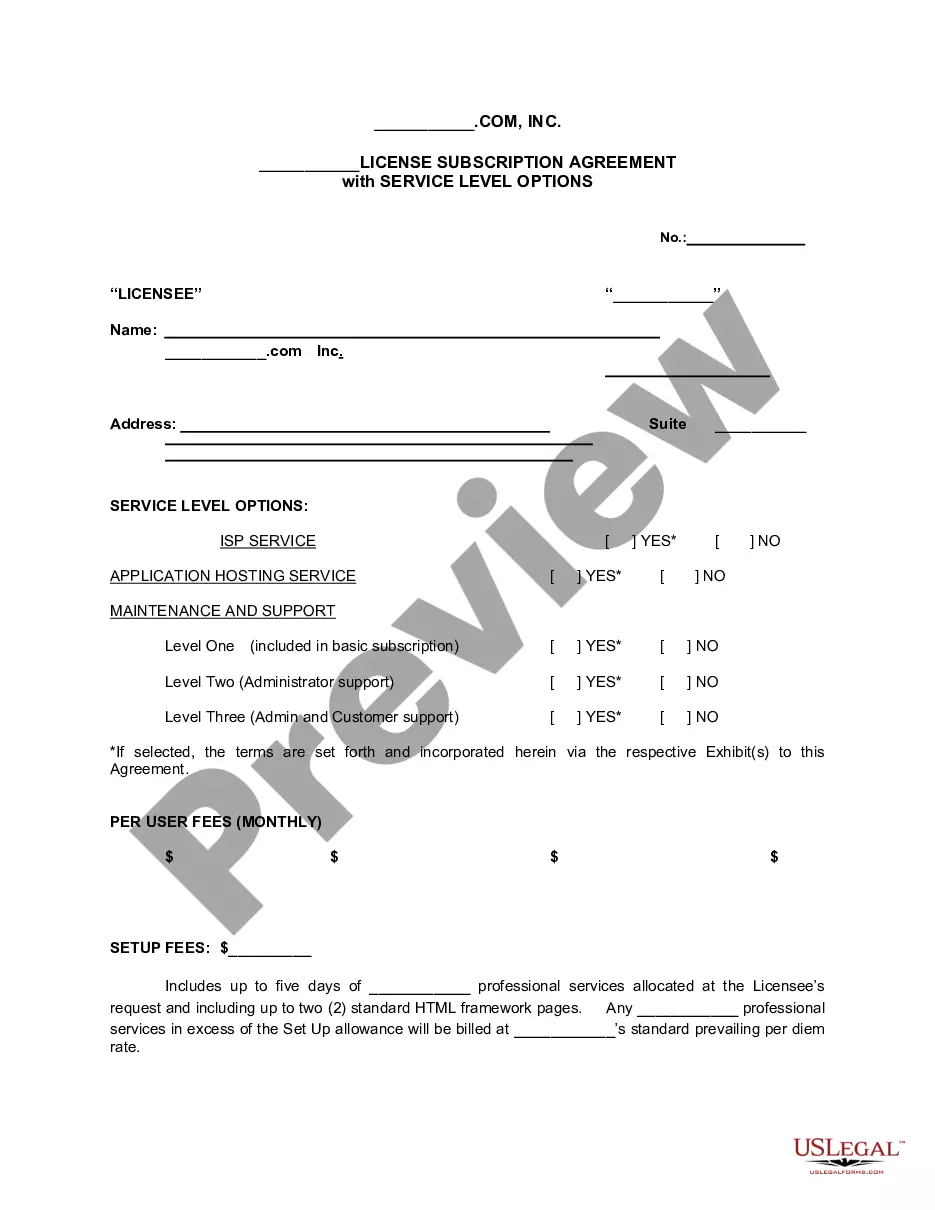


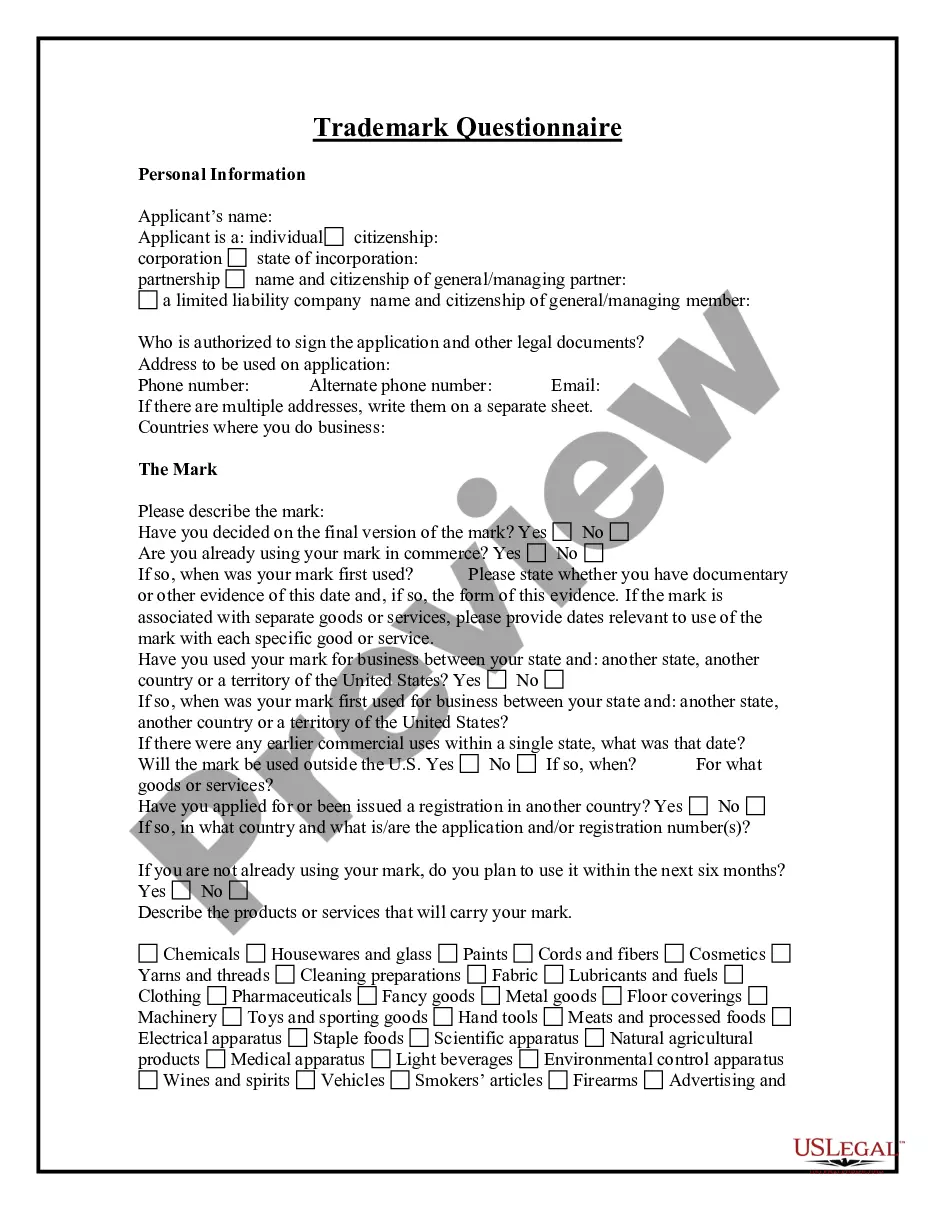
How to fill out Copyright Questionnaire?
Legal document management may be mind-boggling, even for experienced experts. When you are interested in a Copyright Application In Canada and don’t have the time to spend in search of the correct and up-to-date version, the processes may be demanding. A robust web form library can be a gamechanger for anybody who wants to deal with these situations effectively. US Legal Forms is a industry leader in online legal forms, with more than 85,000 state-specific legal forms available to you at any time.
With US Legal Forms, you may:
- Access state- or county-specific legal and organization forms. US Legal Forms handles any requirements you could have, from personal to business documents, all-in-one location.
- Utilize advanced resources to complete and deal with your Copyright Application In Canada
- Access a useful resource base of articles, guides and handbooks and materials connected to your situation and needs
Save effort and time in search of the documents you will need, and make use of US Legal Forms’ advanced search and Review tool to locate Copyright Application In Canada and download it. In case you have a monthly subscription, log in to the US Legal Forms account, look for the form, and download it. Review your My Forms tab to view the documents you previously downloaded as well as deal with your folders as you see fit.
If it is the first time with US Legal Forms, create an account and have unlimited use of all advantages of the library. Here are the steps for taking after downloading the form you need:
- Validate it is the right form by previewing it and reading its description.
- Be sure that the sample is approved in your state or county.
- Choose Buy Now once you are ready.
- Select a subscription plan.
- Pick the format you need, and Download, complete, eSign, print out and deliver your papers.
Take advantage of the US Legal Forms web library, backed with 25 years of expertise and trustworthiness. Enhance your day-to-day papers administration in to a easy and user-friendly process today.
Form popularity
FAQ
How long does registration take? Copyright registration times vary depending on the country. In Canada, we often receive a copyright registration in less than a month from the date of application. In other countries, it can take around a year from the time of filing for copyright registration to be obtained.
Application forms are available online from the Canadian Intellectual Property Office, from a CIPO Client Service Centre, or from an Innovation, Science and Economic Development Canada office.
Protection is granted automatically, without any formality, as soon as the work is created and fixed in any material form. In Canada, copyright is an exclusive federal jurisdiction and is governed by the Copyright Act.
When a person creates an original work, fixed in a tangible medium, he or she automatically owns copyright to the work. Many types of works are eligible for copyright protection, for example: Audiovisual works, such as TV shows, movies, and online videos. Sound recordings and musical compositions.
Canadians who plan to commercially distribute their copyright works generally use the Canadian Copyright Office registration system. Often, they also register in the U.S. Copyright Office where a copy of the work is mandatory, providing extra proof should the copyright owner need to pursue their rights.