Conservatorship Versus Guardianship Without Court
Description
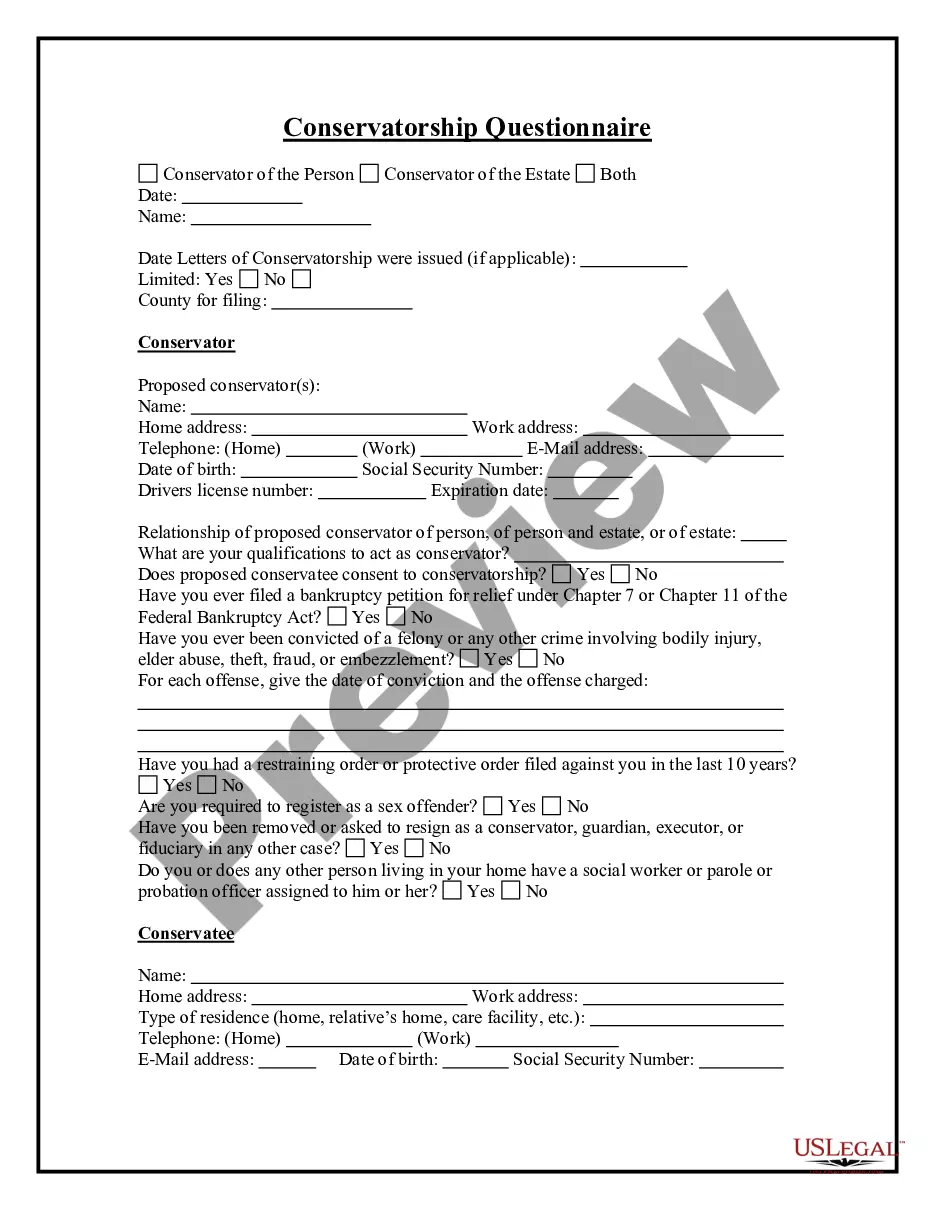
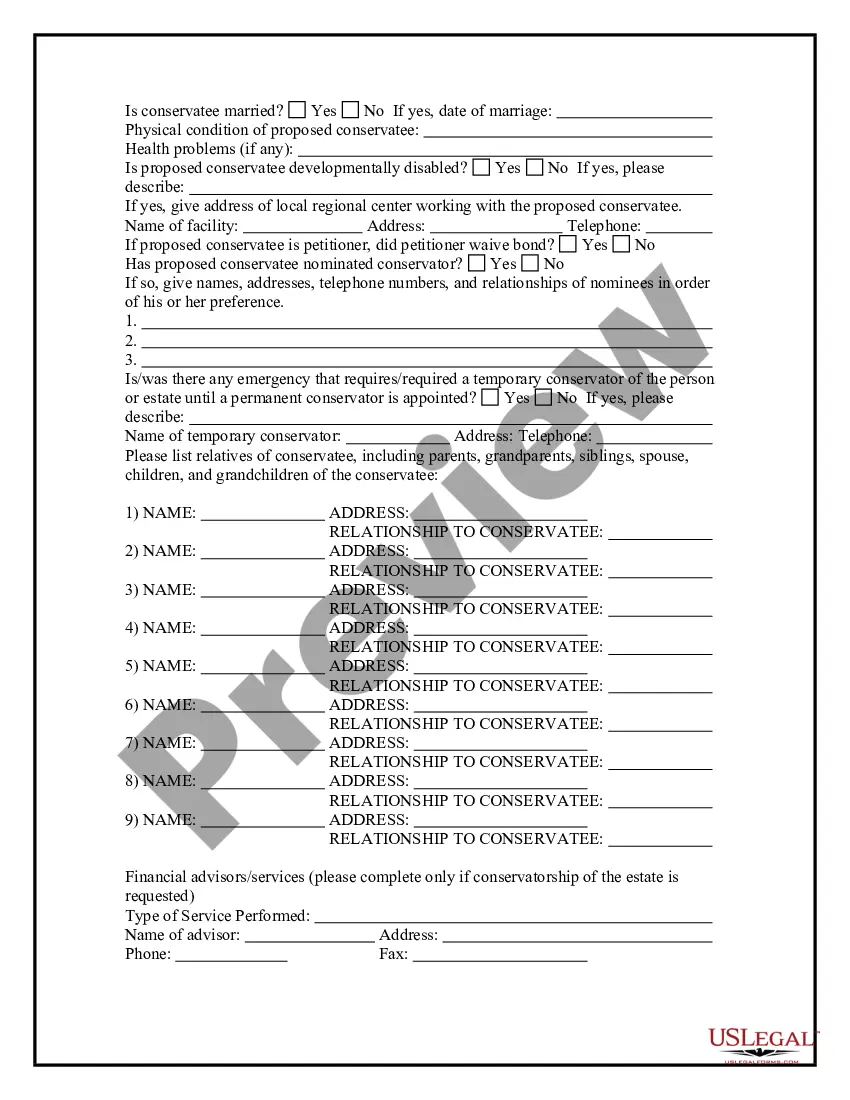
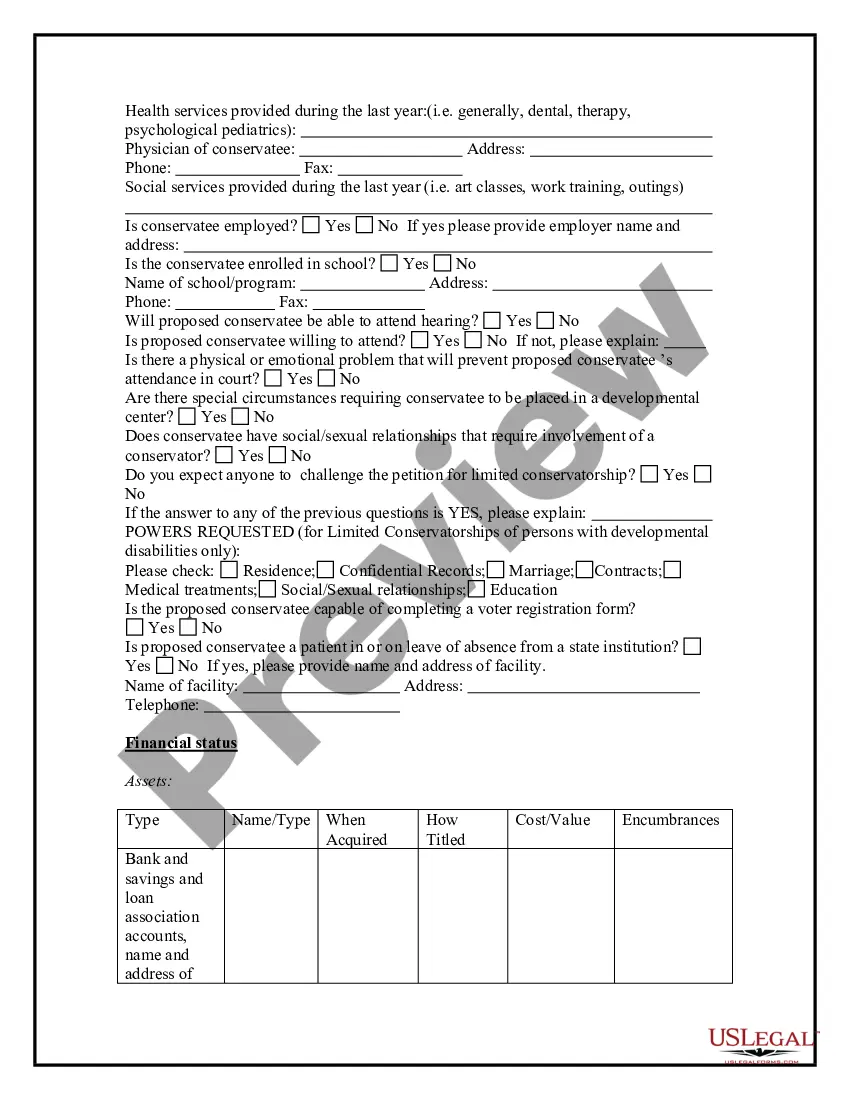
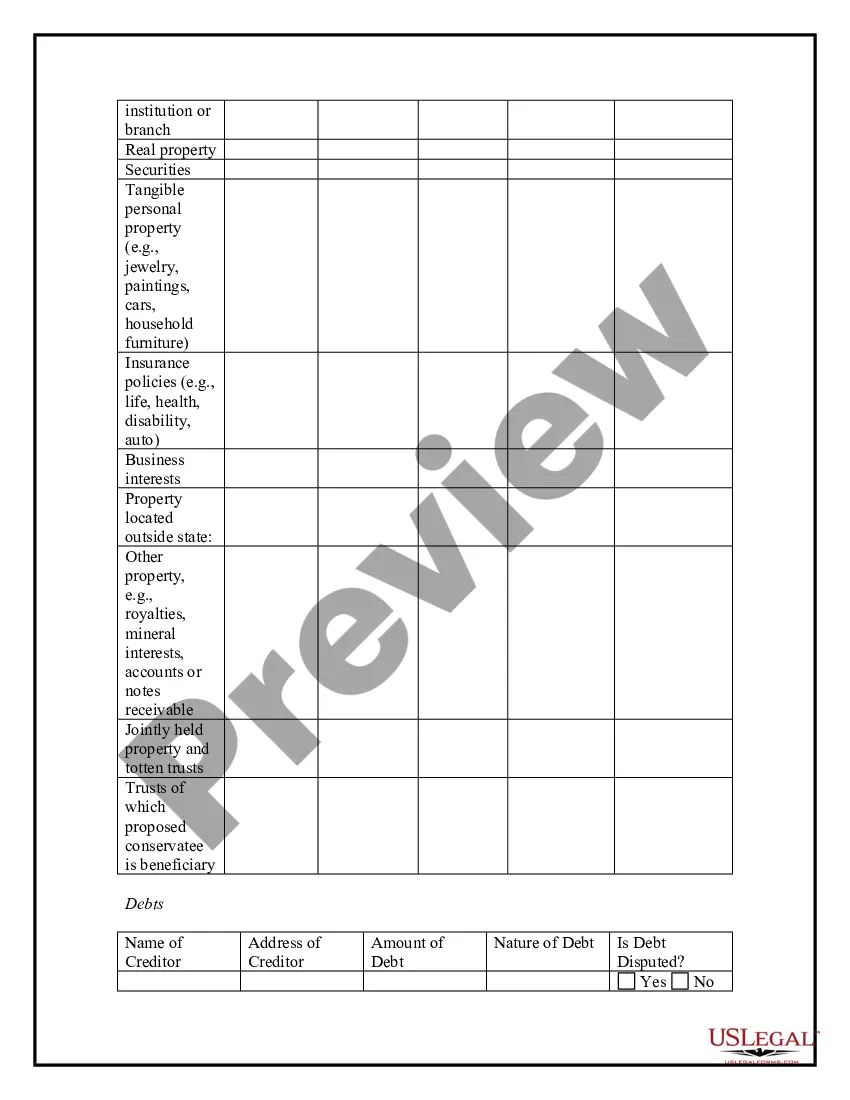
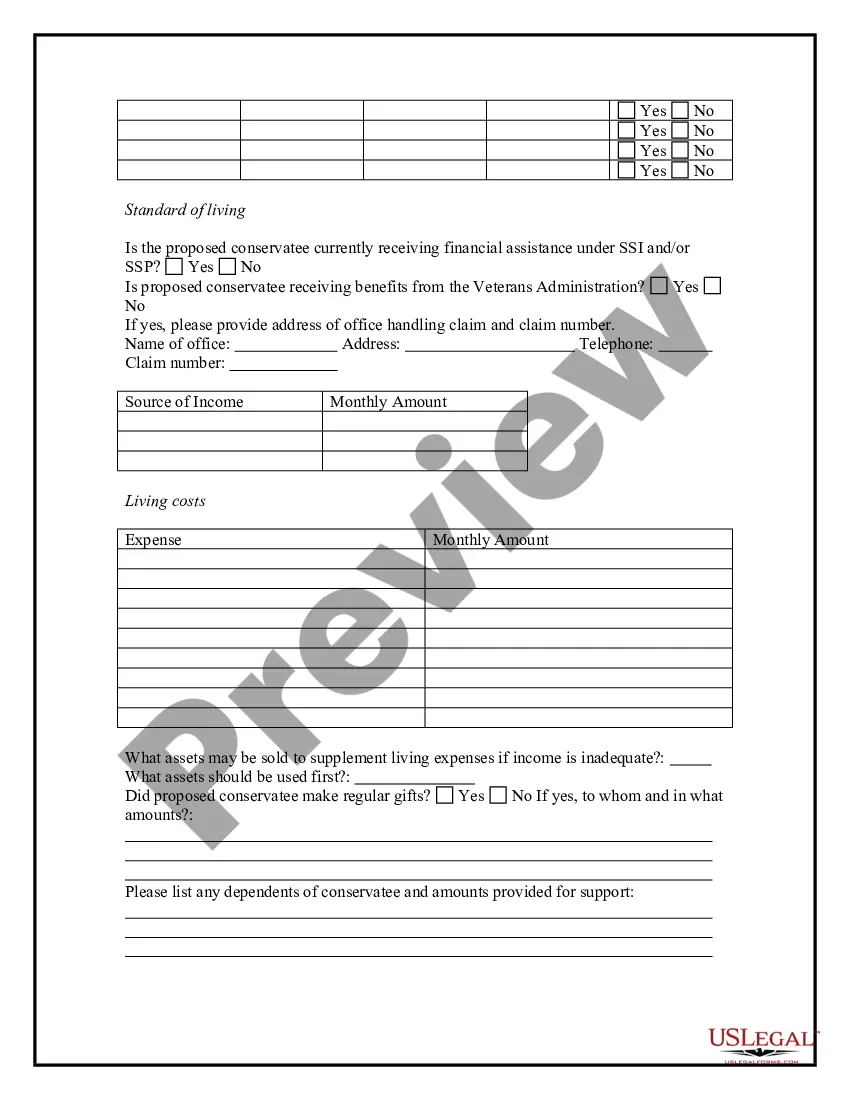
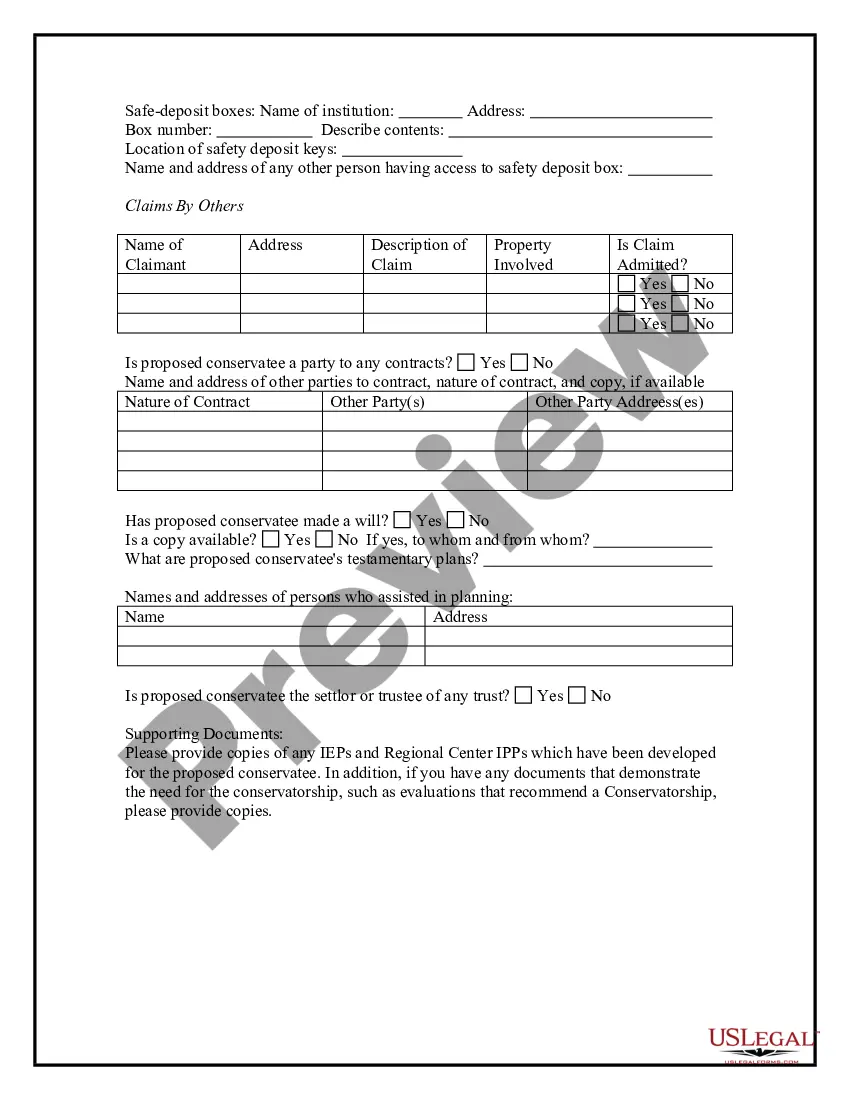
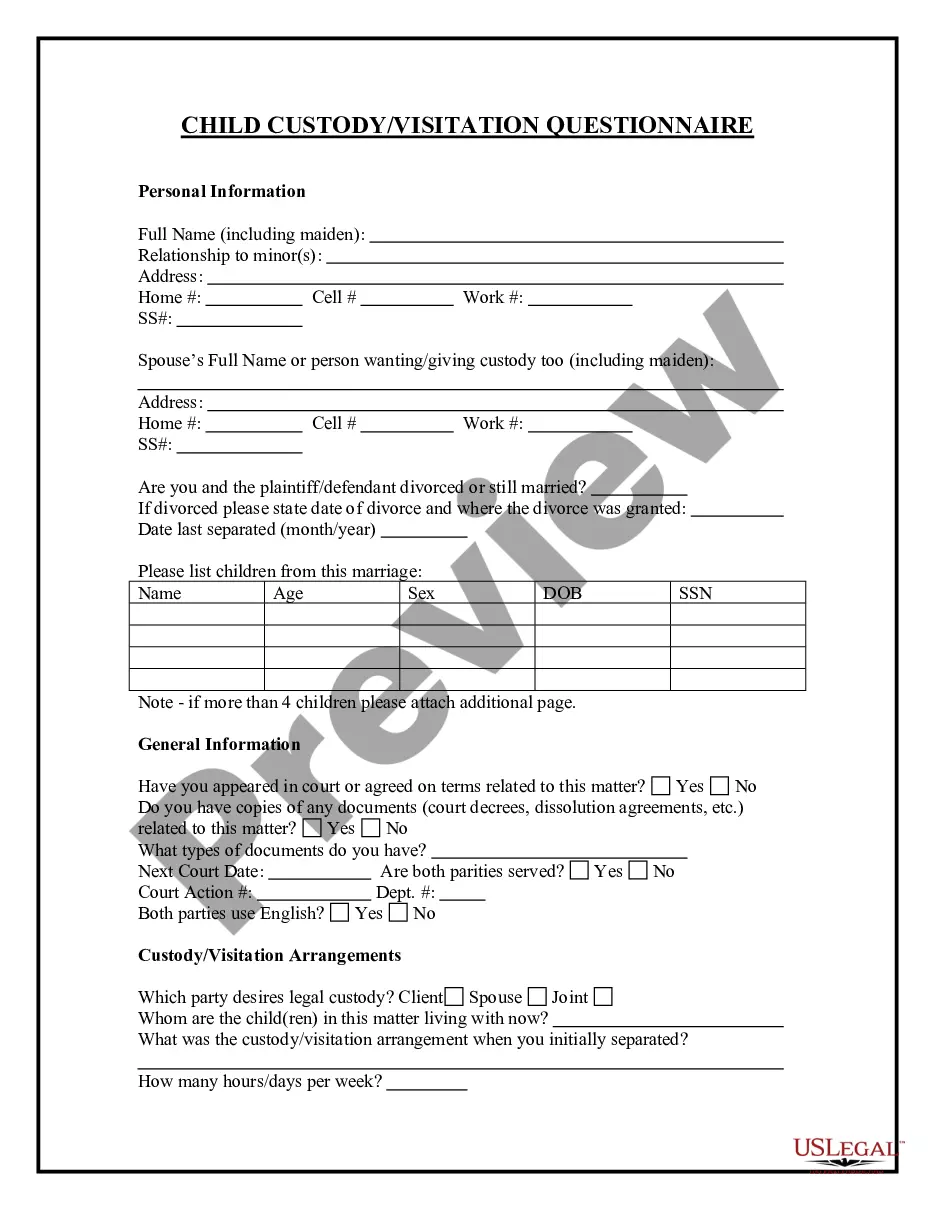
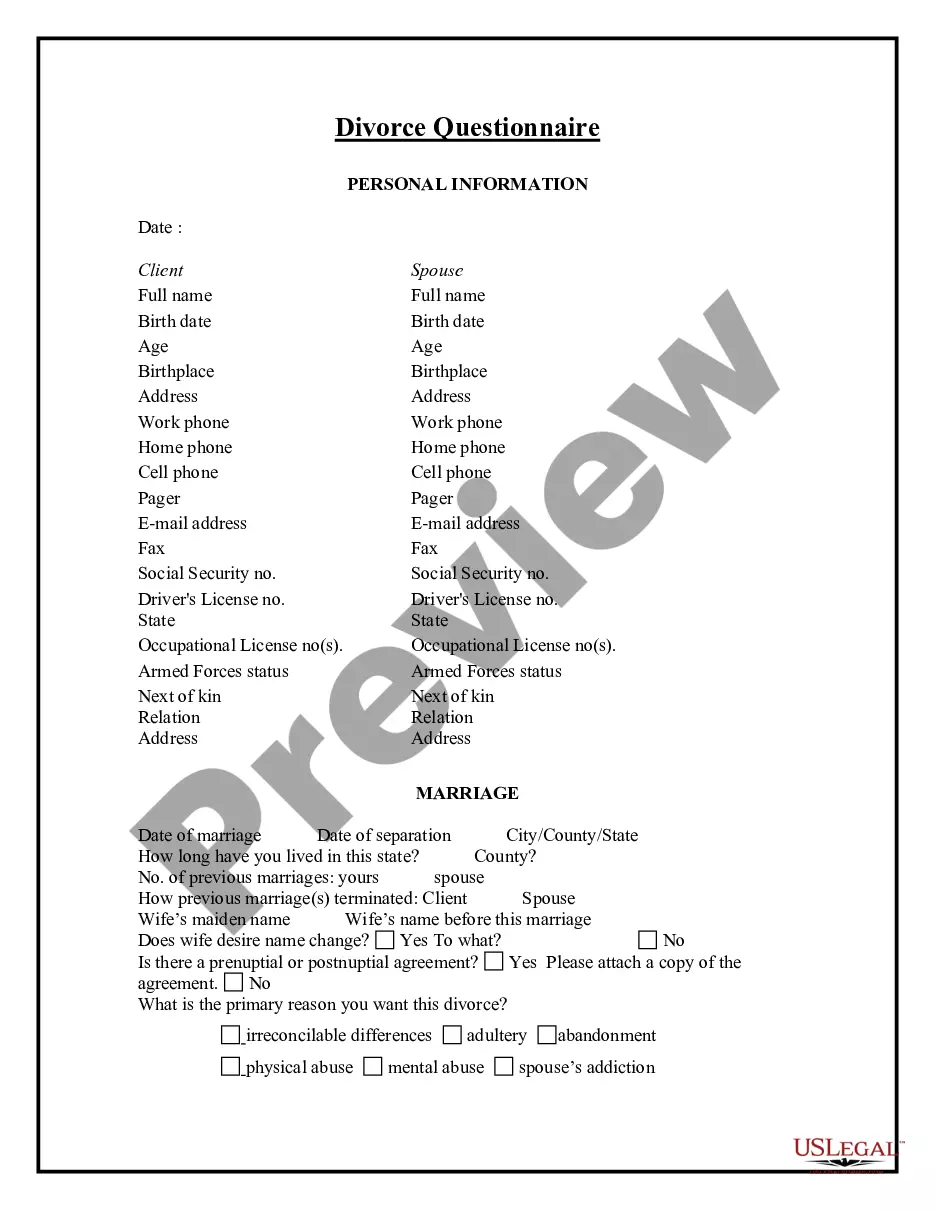

Get your form ready online
Our built-in tools help you complete, sign, share, and store your documents in one place.
Make edits, fill in missing information, and update formatting in US Legal Forms—just like you would in MS Word.
Download a copy, print it, send it by email, or mail it via USPS—whatever works best for your next step.
Sign and collect signatures with our SignNow integration. Send to multiple recipients, set reminders, and more. Go Premium to unlock E-Sign.
If this form requires notarization, complete it online through a secure video call—no need to meet a notary in person or wait for an appointment.
We protect your documents and personal data by following strict security and privacy standards.

Make edits, fill in missing information, and update formatting in US Legal Forms—just like you would in MS Word.

Download a copy, print it, send it by email, or mail it via USPS—whatever works best for your next step.

Sign and collect signatures with our SignNow integration. Send to multiple recipients, set reminders, and more. Go Premium to unlock E-Sign.

If this form requires notarization, complete it online through a secure video call—no need to meet a notary in person or wait for an appointment.

We protect your documents and personal data by following strict security and privacy standards.
Looking for another form?






How to fill out Conservatorship Questionnaire?
Creating legal documents from the ground up can frequently be daunting.
Certain situations may require extensive research and significant financial investment.
If you desire a more straightforward and economical method for preparing Conservatorship Versus Guardianship Without Court or any other documentation without the hassle, US Legal Forms is always available to assist you.
Our online collection of over 85,000 current legal documents covers nearly every aspect of your financial, legal, and personal matters.
Review the form preview and descriptions to confirm you have selected the correct form. Verify that the template you choose adheres to the regulations and laws of your state and county. Select the most appropriate subscription plan to acquire the Conservatorship Versus Guardianship Without Court. Download the form. Afterwards, fill it out, sign it, and print it. US Legal Forms boasts an impeccable reputation and over 25 years of experience. Join us today and simplify your document completion process!
- With just a few clicks, you can swiftly obtain state- and county-specific forms meticulously crafted for you by our legal experts.
- Utilize our platform whenever you require dependable and trustworthy services to easily find and download the Conservatorship Versus Guardianship Without Court.
- If you're familiar with our website and have previously registered an account with us, simply Log In to your account, choose the template, and download it or re-download it anytime later in the My documents section.
- Don't have an account? No problem. It only takes a few minutes to create it and browse the catalog.
- However, before proceeding directly to download Conservatorship Versus Guardianship Without Court, adhere to these suggestions.
Form popularity
FAQ
The pros are that a conservatorship provides the greatest flexibility in being able to manage the changing needs of the subject person, arranging long term care, housing and being able to contract with providers as needed. As for the cons, conservatorships are time-consuming and expensive.
Costs start at $435. You will also need to pay a fee for an investigation. If the adult who may need a conservatorship can't afford the fees, you can apply for a fee waiver. It takes at least 1 month to get a court date to become a conservator.
One disadvantage of a conservatorship is the cost. Court supervision is somewhat of a two-edged sword. Supervision provides better protection, but it also increases the cost. Since the court remains involved in the proceedings after the conservatorship has been established, the costs can be significant.
Under South Dakota law, a ?guardian? has authority over personal and healthcare decisions while a ?conservator? has authority over the protected person's property and financial affairs.
In California, parents can sign a Guardianship Authorization Affidavit. This form gives a relative permission to make decisions about the child's education and medical care, or a non-relative permission to make decisions about education and school-related medical care.