Conservatorship Versus Guardianship With Dementia
Description
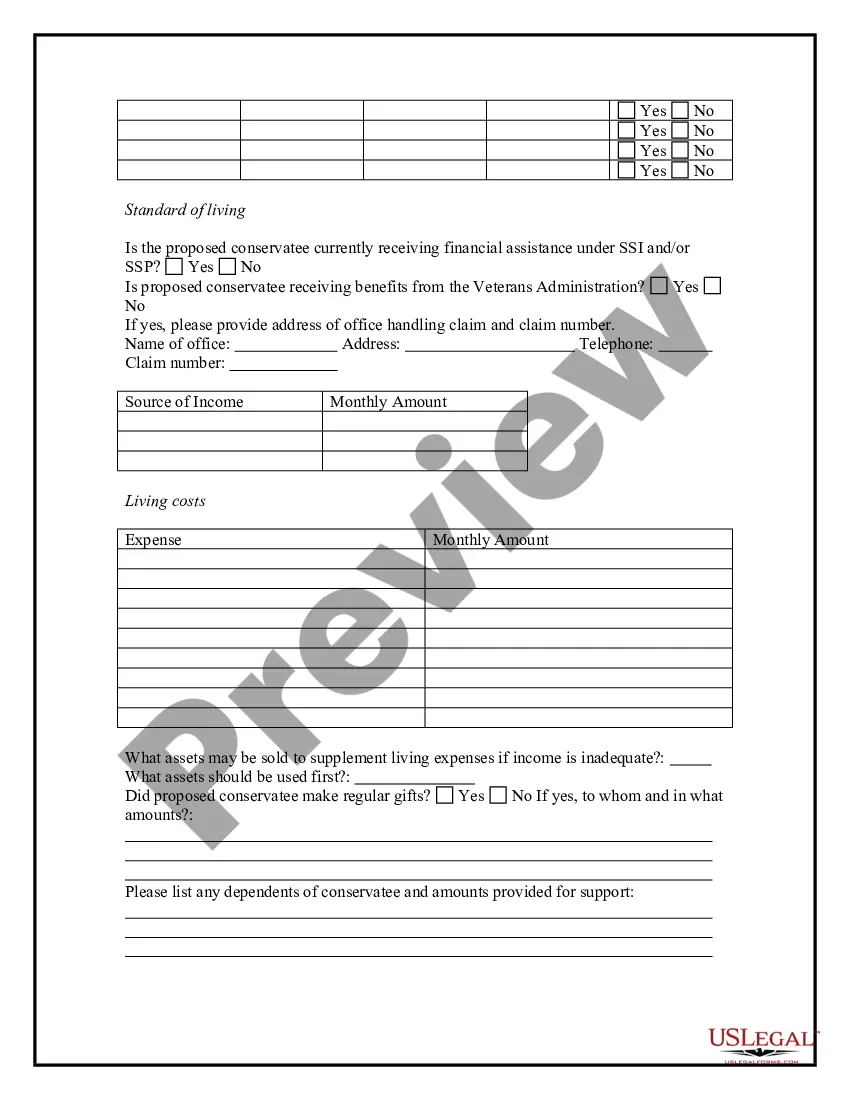
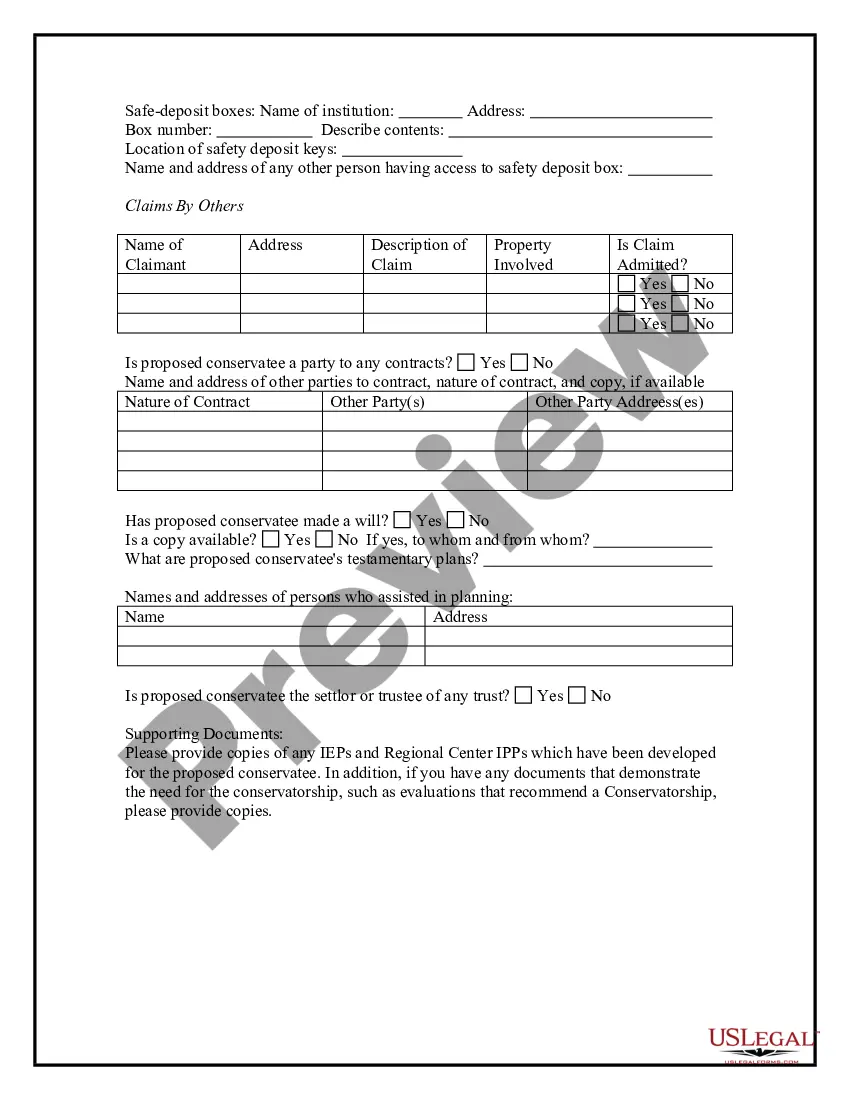
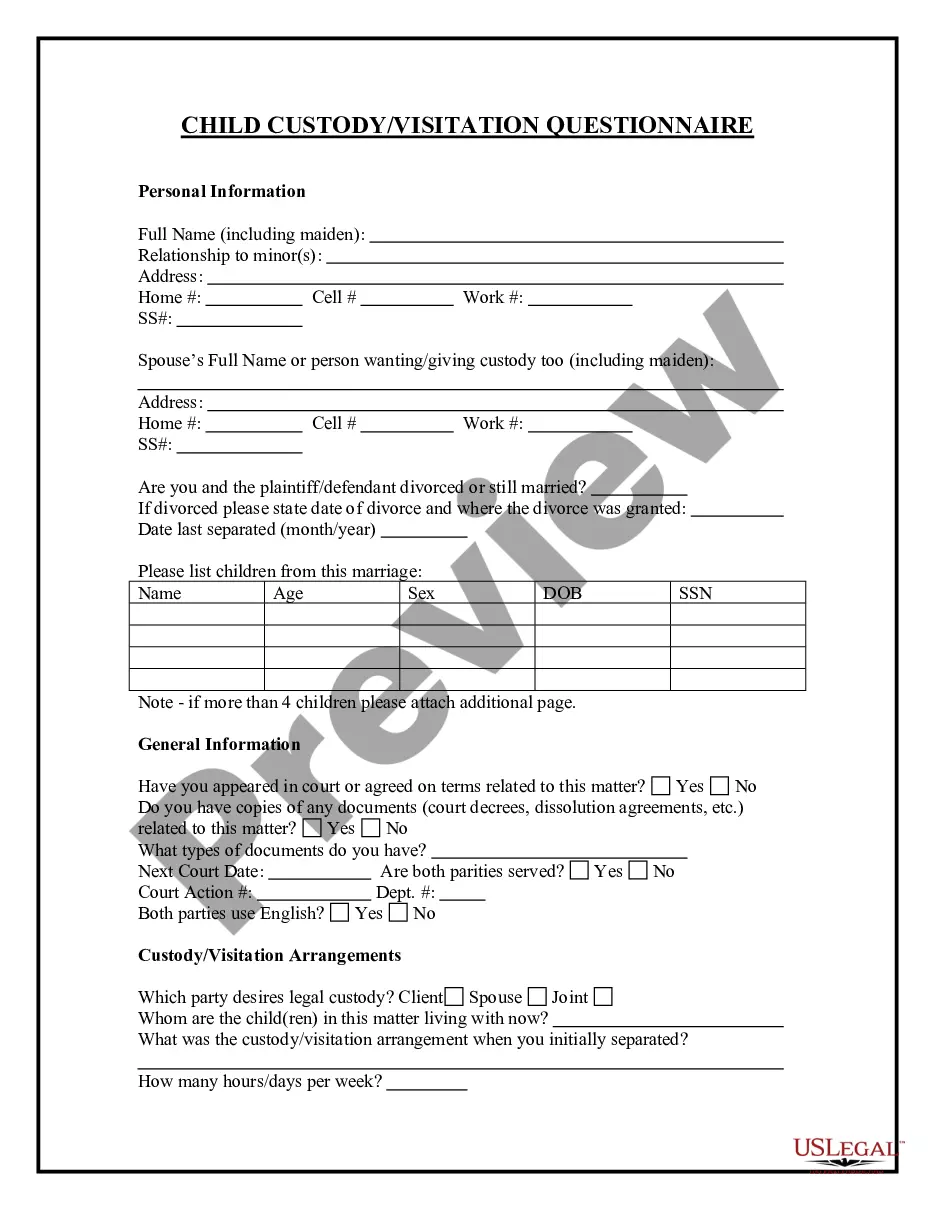
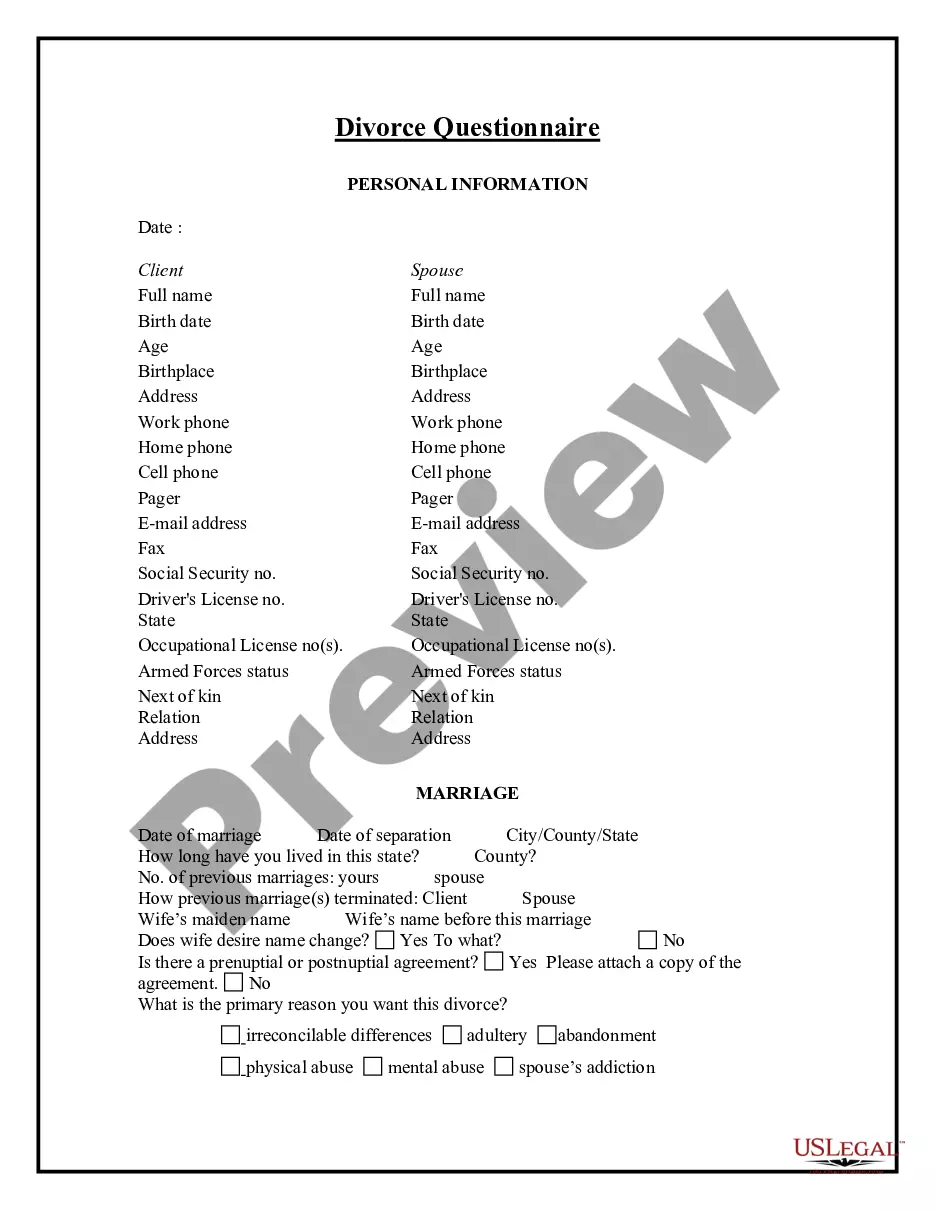

Get your form ready online
Our built-in tools help you complete, sign, share, and store your documents in one place.
Make edits, fill in missing information, and update formatting in US Legal Forms—just like you would in MS Word.
Download a copy, print it, send it by email, or mail it via USPS—whatever works best for your next step.
Sign and collect signatures with our SignNow integration. Send to multiple recipients, set reminders, and more. Go Premium to unlock E-Sign.
If this form requires notarization, complete it online through a secure video call—no need to meet a notary in person or wait for an appointment.
We protect your documents and personal data by following strict security and privacy standards.

Make edits, fill in missing information, and update formatting in US Legal Forms—just like you would in MS Word.

Download a copy, print it, send it by email, or mail it via USPS—whatever works best for your next step.

Sign and collect signatures with our SignNow integration. Send to multiple recipients, set reminders, and more. Go Premium to unlock E-Sign.

If this form requires notarization, complete it online through a secure video call—no need to meet a notary in person or wait for an appointment.

We protect your documents and personal data by following strict security and privacy standards.
Looking for another form?


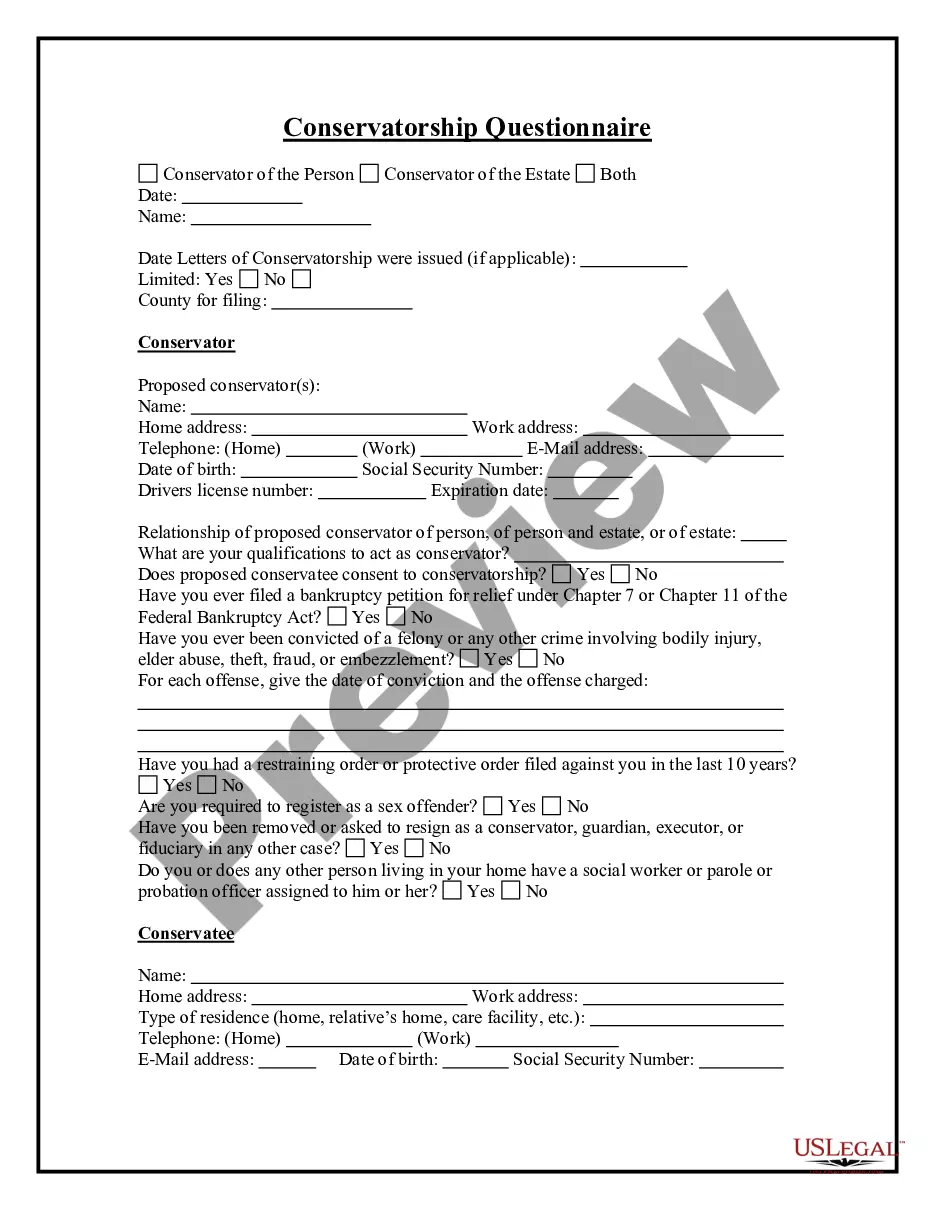
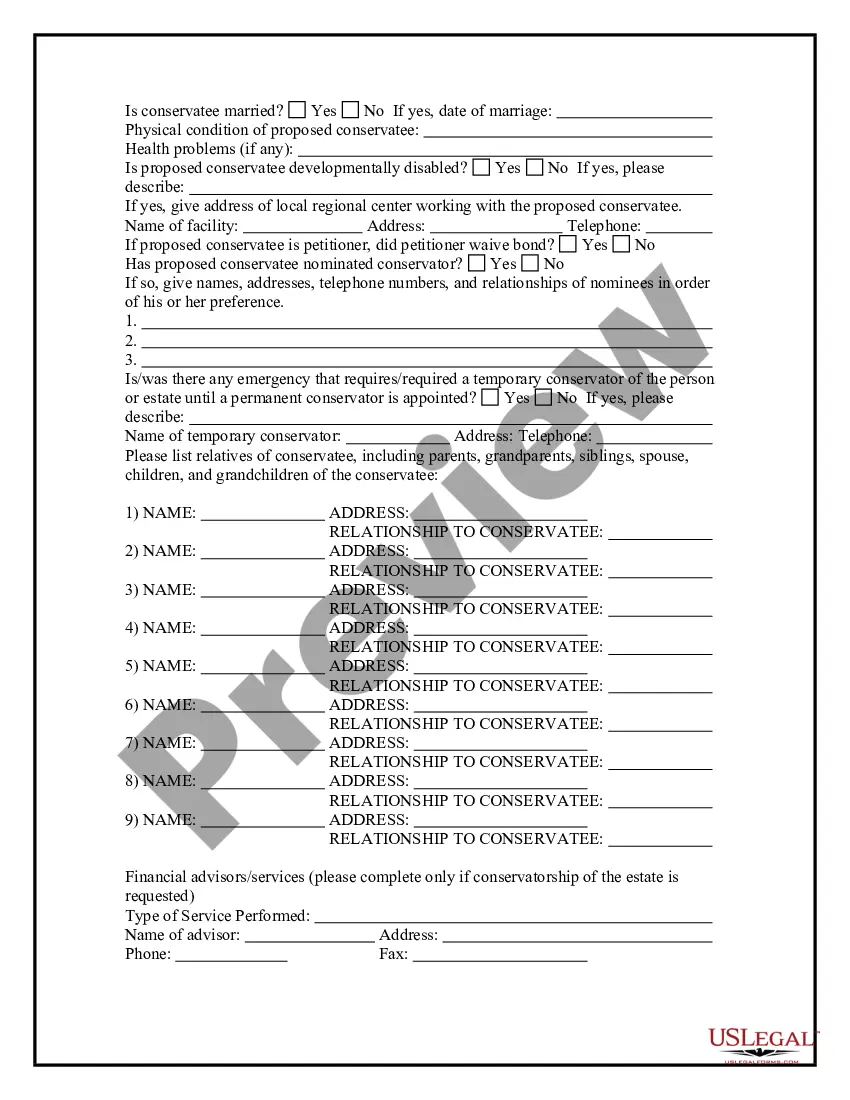
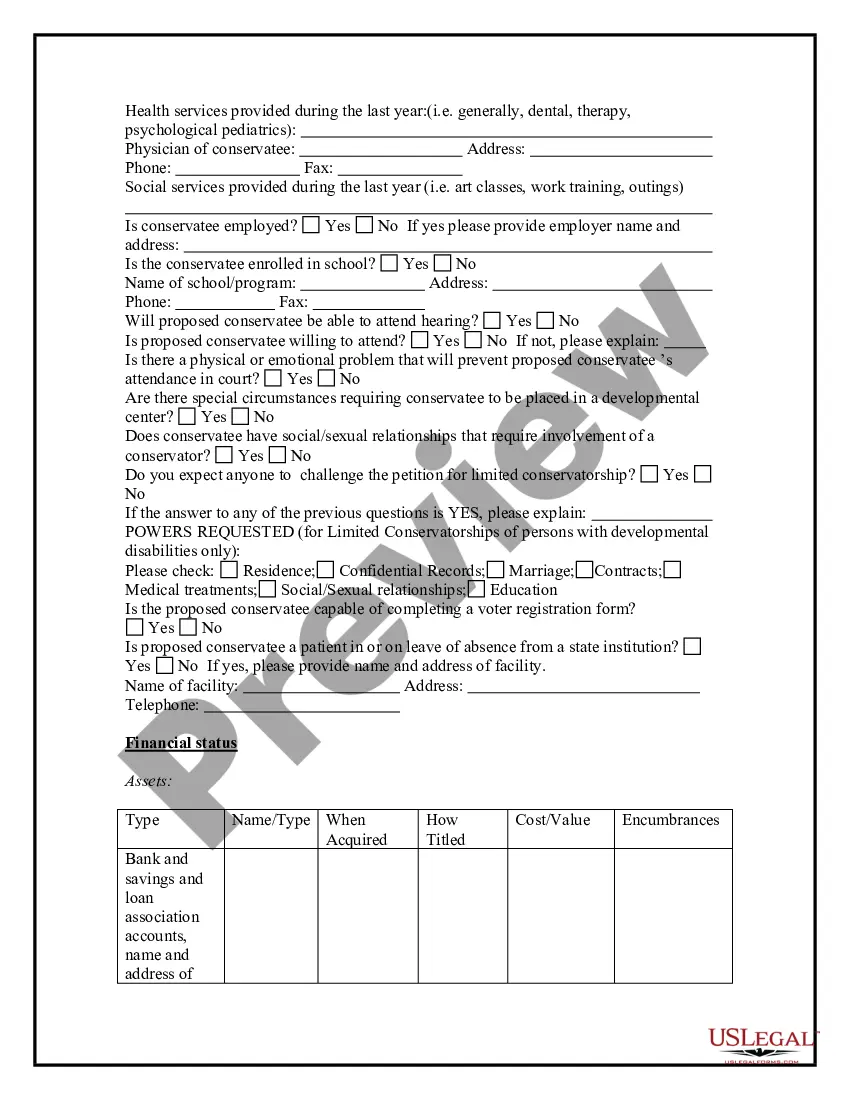
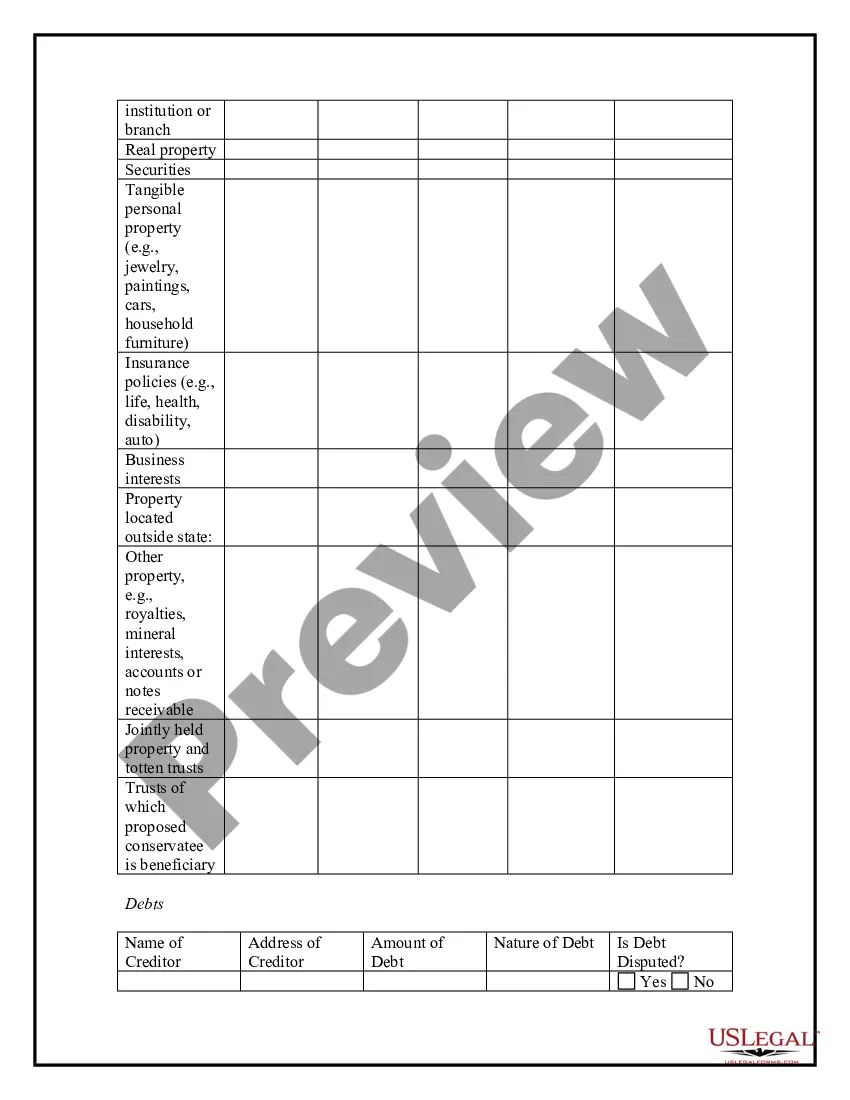
How to fill out Conservatorship Questionnaire?
The Conservatorship Versus Guardianship With Dementia that you see on this page is a versatile formal template created by expert attorneys in accordance with federal and local laws.
For over 25 years, US Legal Forms has offered individuals, organizations, and legal practitioners more than 85,000 validated, state-specific documents for any business and personal circumstance. It’s the quickest, most straightforward, and most reliable method to secure the paperwork you require, as the service ensures the utmost level of data security and anti-malware defense.
Fill out and sign the document. Print the template to complete it manually. Alternatively, use an online multi-functional PDF editor to quickly and accurately fill out and sign your form with an eSignature. Download your documents once again. Reuse the same document whenever needed. Access the My documents tab in your profile to redownload any previously saved documents. Enroll in US Legal Forms to have verified legal templates for all of life's circumstances readily available.
- Search for the document you require and review it.
- Browse through the file you looked for and preview it or examine the form description to ensure it meets your needs. If it doesn’t, utilize the search bar to find the correct one. Click Buy Now once you have identified the template you want.
- Register and Log In.
- Select the pricing option that fits you and create an account. Use PayPal or a credit card to make an instant payment. If you already possess an account, Log In and verify your subscription to proceed.
- Obtain the fillable template.
- Choose the format you desire for your Conservatorship Versus Guardianship With Dementia (PDF, DOCX, RTF) and save the document on your device.
Form popularity
FAQ
This could mean getting one or more documents from your parents doctors certifying that they are incapacitated and no longer able to make sound decisions on their own. A Durable Power of Attorney is the best agreement to set up so you can help your parents sell their home if they are incapacitated due to dementia.
Older adults with dementia who are victims of crime should be evaluated for their ability to remember emotional events in their lives, and based on the results, allowed to provide testimony about the criminal events.
Do you need a conservatorship? Conservatorships usually begin with elderly adults with dementia or Alzheimer's disease who no longer have the power or capacity to take care of themselves. Often times a doctor or multiple doctors need to evaluate the individual and determine their capacity level.
As the person moves through the stages of the disease, his ability to make decisions diminishes. However, it is important to note that his legal capacity to make decisions for himself is not automatically taken away at the time of diagnosis.
To sell the property, you need to establish your authority to act on behalf of the legal owner through a power of attorney (POA) or a court order, like a conservatorship, which grants you the legal authority to handle the sale on behalf of your parent.