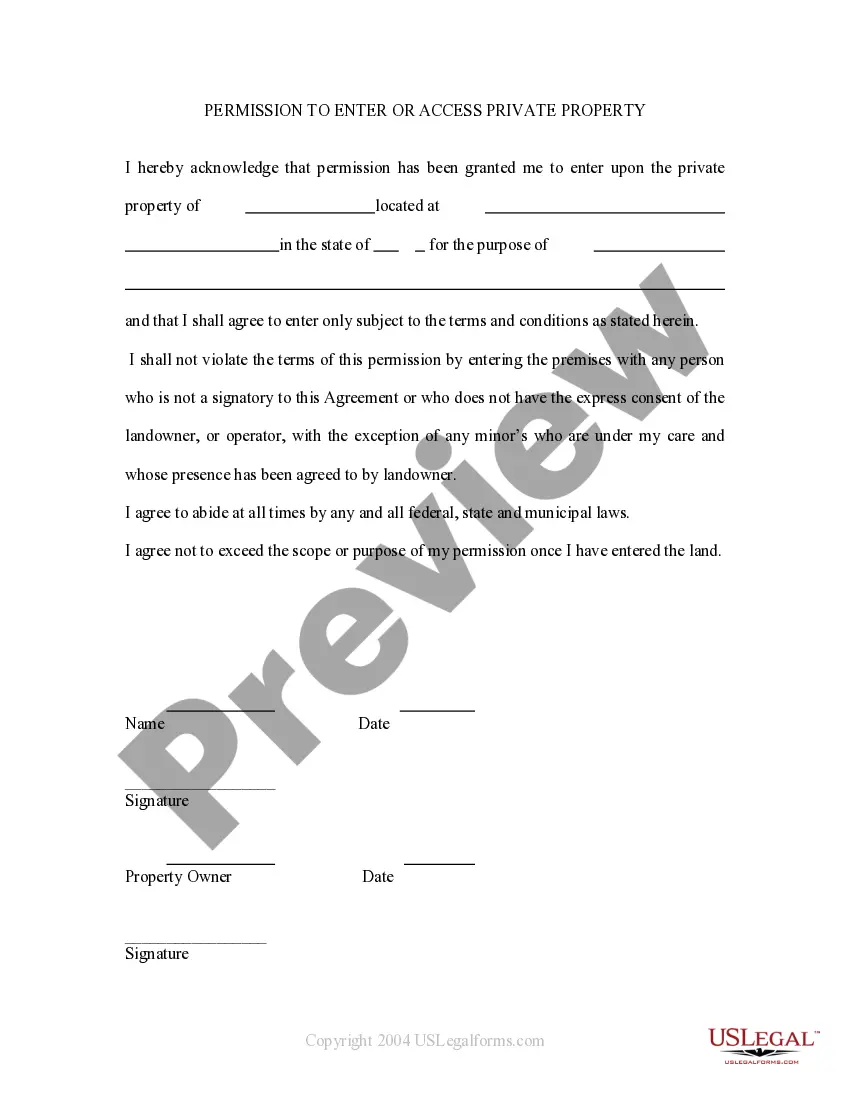
Access To Property Agreement Without Court
Description
Get your form ready online
Our built-in tools help you complete, sign, share, and store your documents in one place.
Make edits, fill in missing information, and update formatting in US Legal Forms—just like you would in MS Word.
Download a copy, print it, send it by email, or mail it via USPS—whatever works best for your next step.
Sign and collect signatures with our SignNow integration. Send to multiple recipients, set reminders, and more. Go Premium to unlock E-Sign.
If this form requires notarization, complete it online through a secure video call—no need to meet a notary in person or wait for an appointment.
We protect your documents and personal data by following strict security and privacy standards.

Make edits, fill in missing information, and update formatting in US Legal Forms—just like you would in MS Word.

Download a copy, print it, send it by email, or mail it via USPS—whatever works best for your next step.

Sign and collect signatures with our SignNow integration. Send to multiple recipients, set reminders, and more. Go Premium to unlock E-Sign.

If this form requires notarization, complete it online through a secure video call—no need to meet a notary in person or wait for an appointment.

We protect your documents and personal data by following strict security and privacy standards.
Looking for another form?

How to fill out Permission To Enter Or Access Private Property?
Regardless of whether for commercial reasons or for personal matters, everyone must confront legal issues at some point in their life.
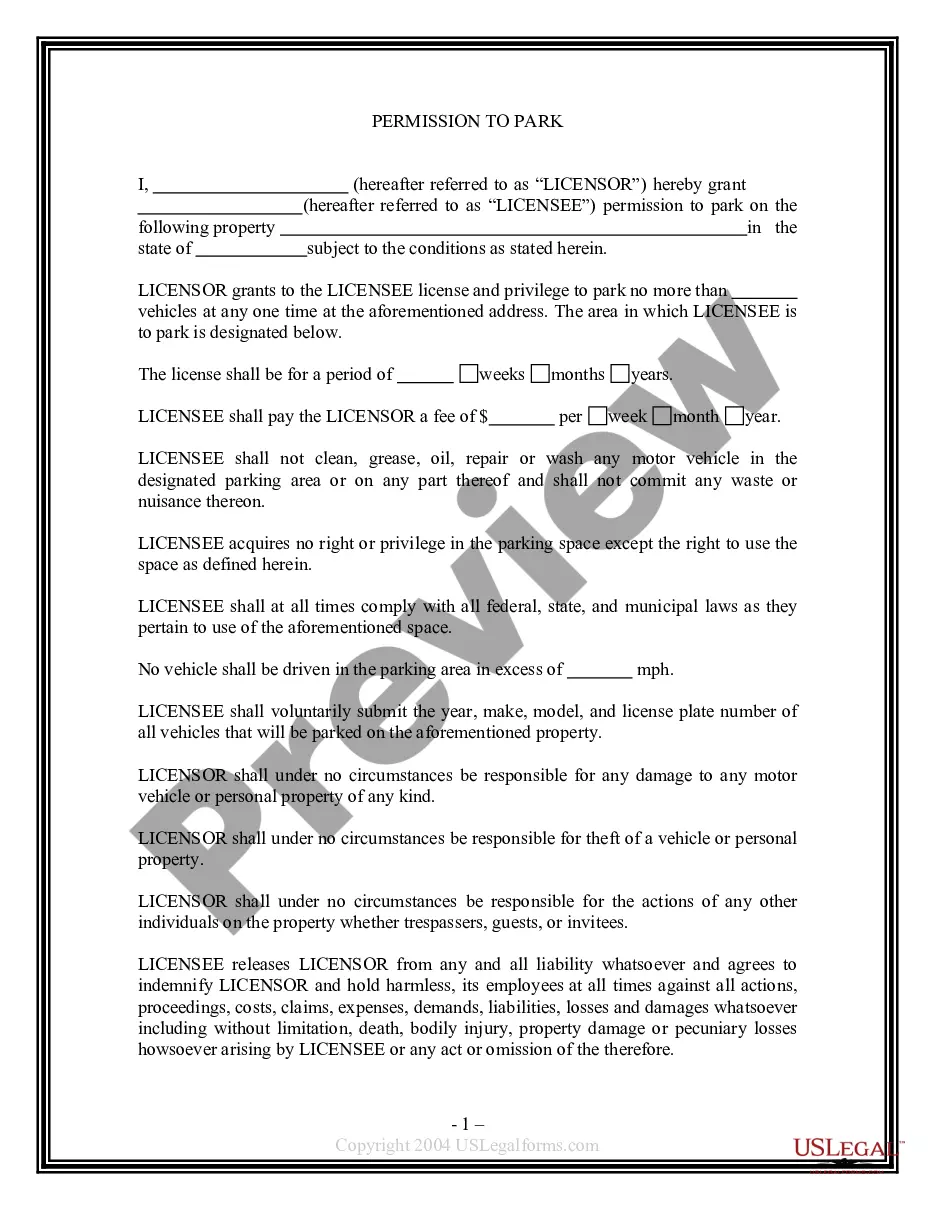
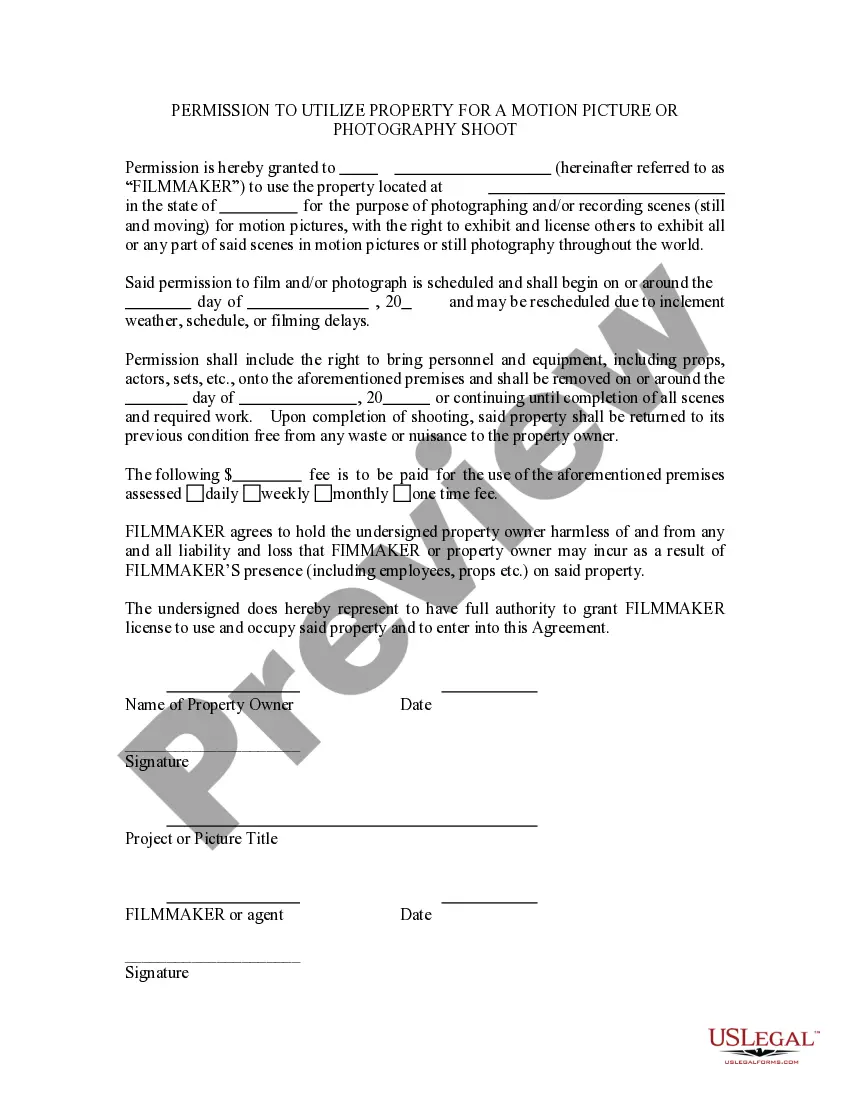
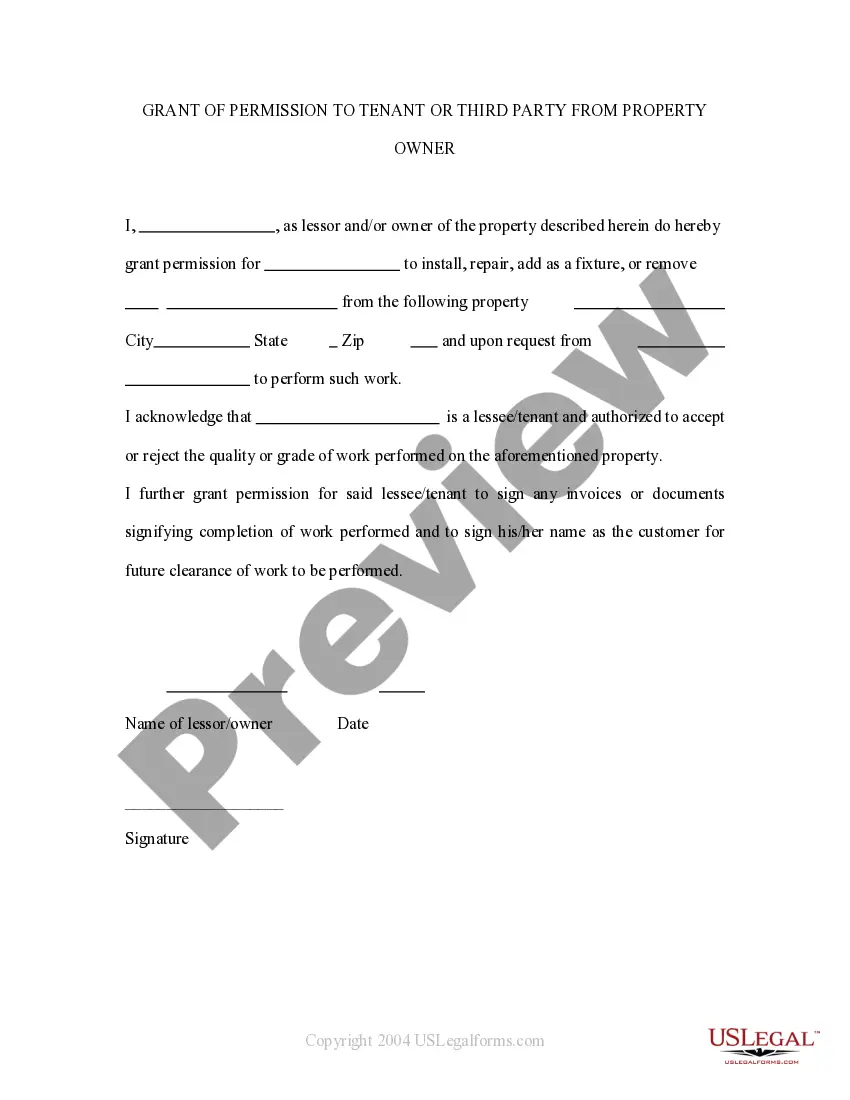
Filling out legal documents requires meticulous attention, beginning with selecting the correct form template. For example, if you choose an incorrect version of an Access To Property Agreement Without Court, it will be rejected once you submit it. Thus, it's vital to obtain a trustworthy source of legal paperwork like US Legal Forms.
With an extensive US Legal Forms catalog available, you do not need to waste time searching for the correct template online. Utilize the library’s user-friendly navigation to find the suitable template for any circumstance.
- Locate the template you require by utilizing the search bar or catalog navigation.
- Review the form’s description to verify it aligns with your circumstances, state, and area.
- Click on the form’s preview to inspect it.
- If it is the incorrect document, return to the search function to find the Access To Property Agreement Without Court sample you need.
- Download the file if it suits your specifications.
- If you already possess a US Legal Forms account, click Log in to access previously saved documents in My documents.
- If you haven't created an account yet, you can obtain the form by clicking Buy now.
- Select the appropriate pricing option.
- Complete the account registration form.
- Choose your payment method: you can use a credit card or PayPal account.
- Select the document format you prefer and download the Access To Property Agreement Without Court.
- Once it is downloaded, you can fill out the form using editing software or print it and complete it manually.
Form popularity
FAQ
Instead, the law will imply an easement exists. In order to obtain an implied easement, the party seeking the easement is required to go to court, prove each of the required elements for the type of implied easement sought, obtain a court order granting the easement, and file the court order in the county deed records.
The property owner must still maintain those types of easements. The property owner will also be the party who must take responsibility if an accident occurs on the easement.
Competing Easement Rights Sometimes homeowners want to understand if they can remove an easement from their property or can a property owner block an easement. If the intent is to prevent or obstruct the use of the easement, the answer is probably no.
Appurtenant easements require two different estates (or tenements) for their existence?a dominant estate and a servient estate. The owner of the dominant tenement has the right or privilege to use an easement across the land of the servient tenement. The servient tenement is burdened by the easement.
Using today's leading mapping technologies, the collaborative study found that more than 39,000 acres of public land in New York, 27,000 acres in Pennsylvania, and more than 14,000 acres in New Jersey are landlocked and inaccessible to the public unless private landowners grant individual permissions to cross their ...