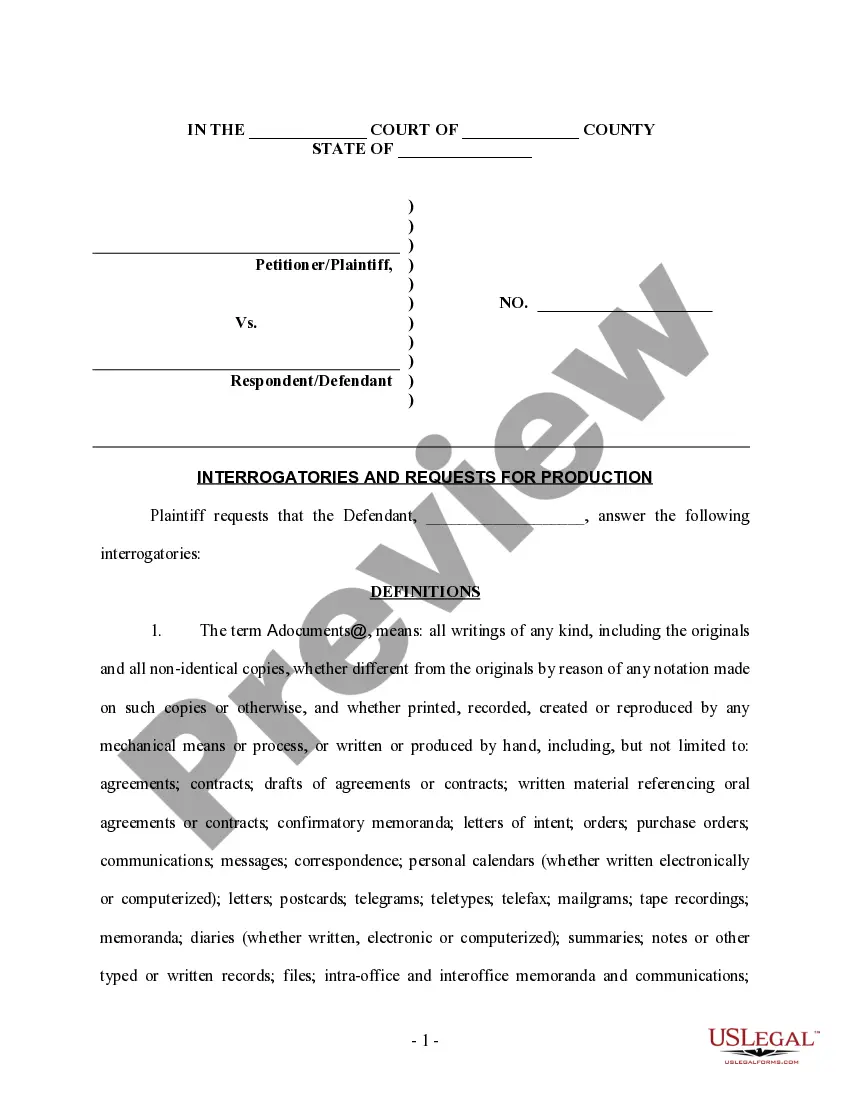
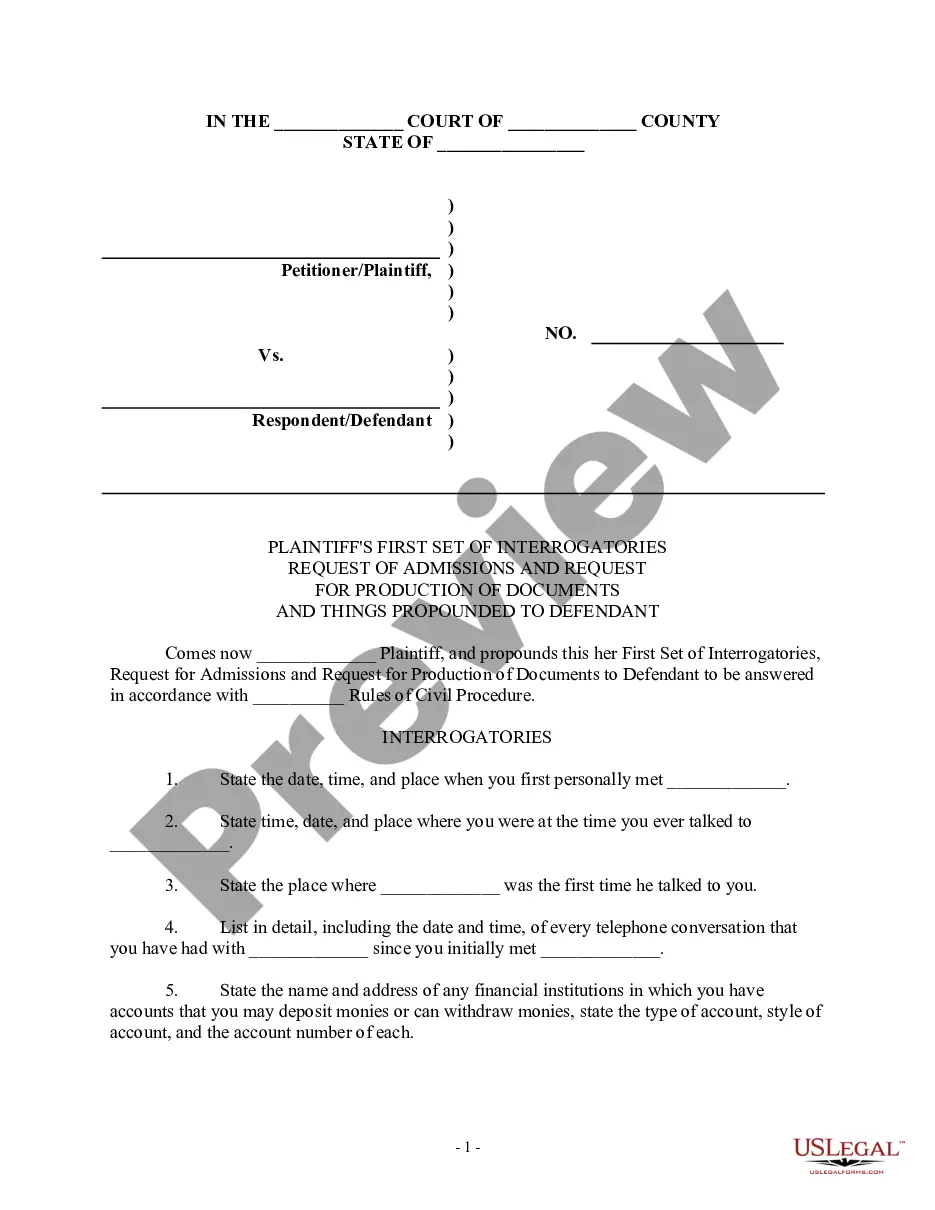
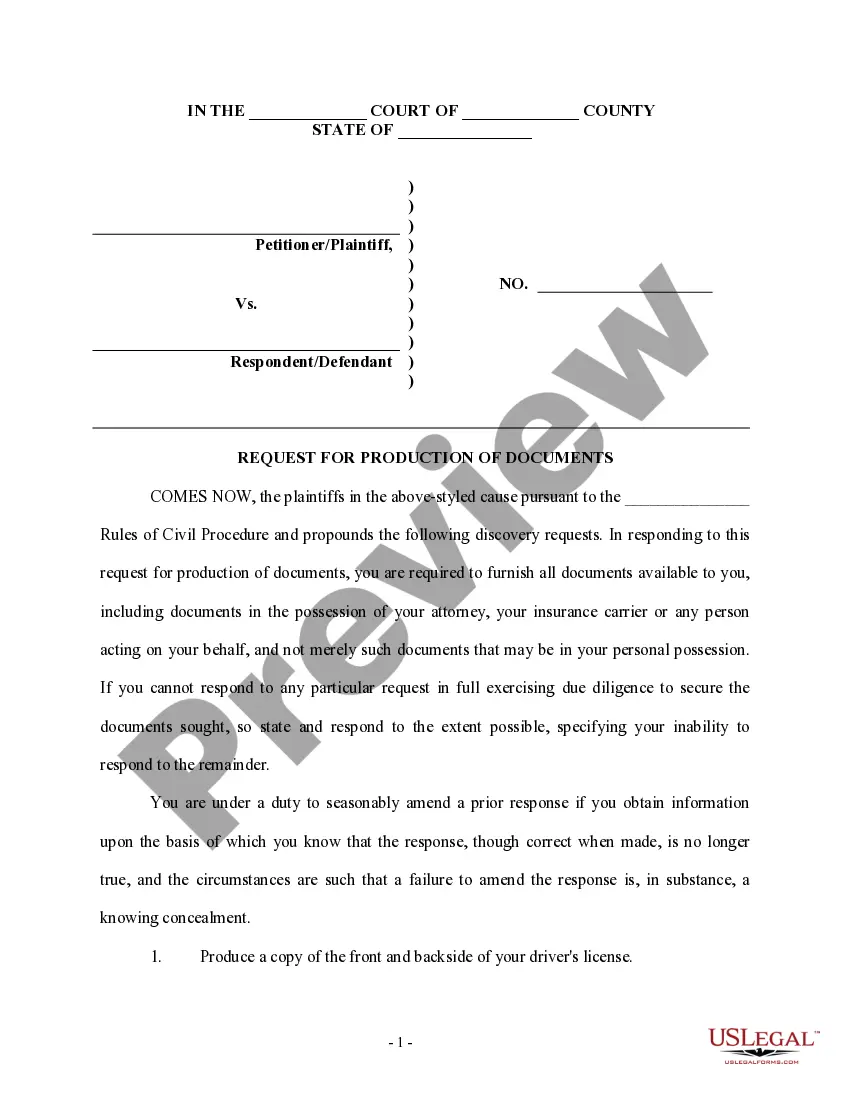
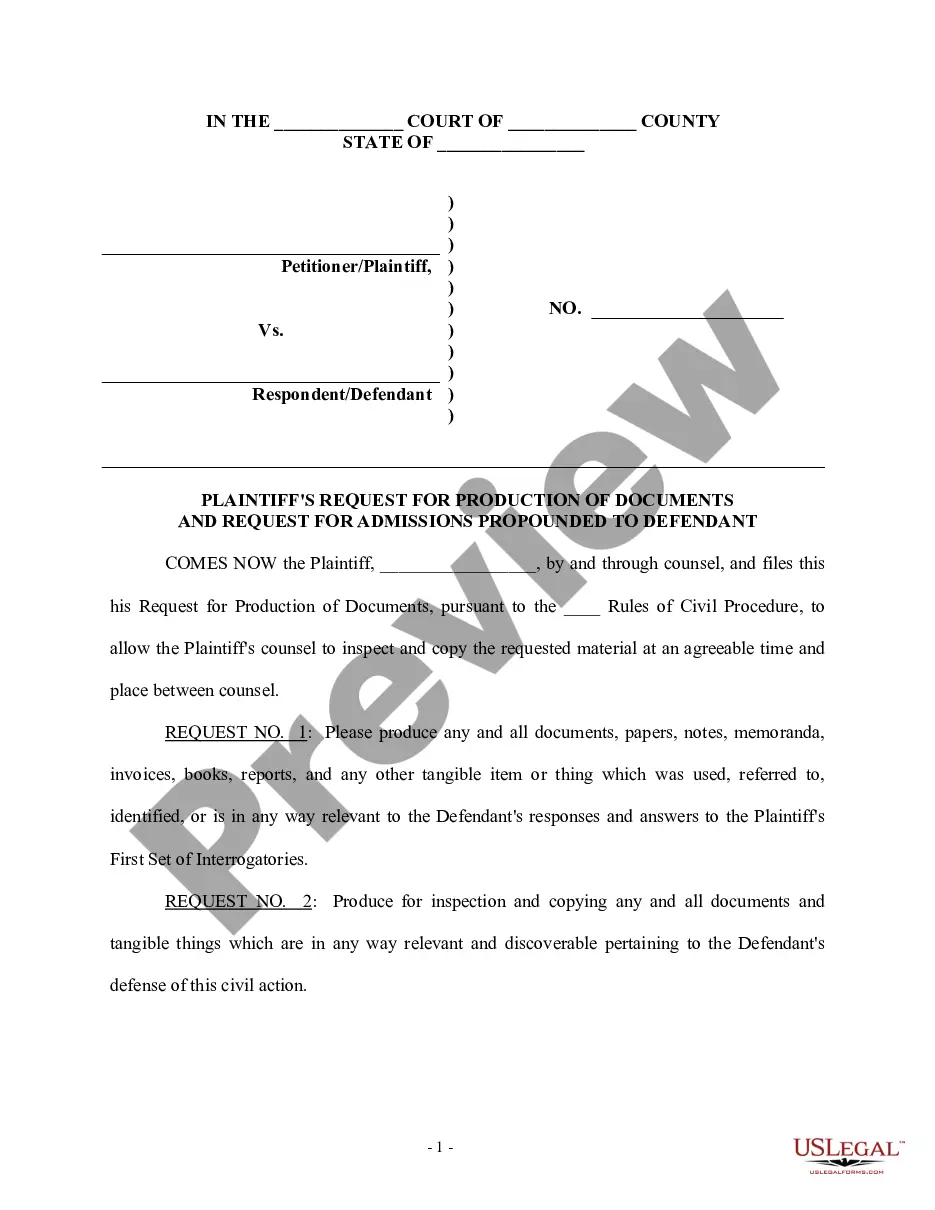
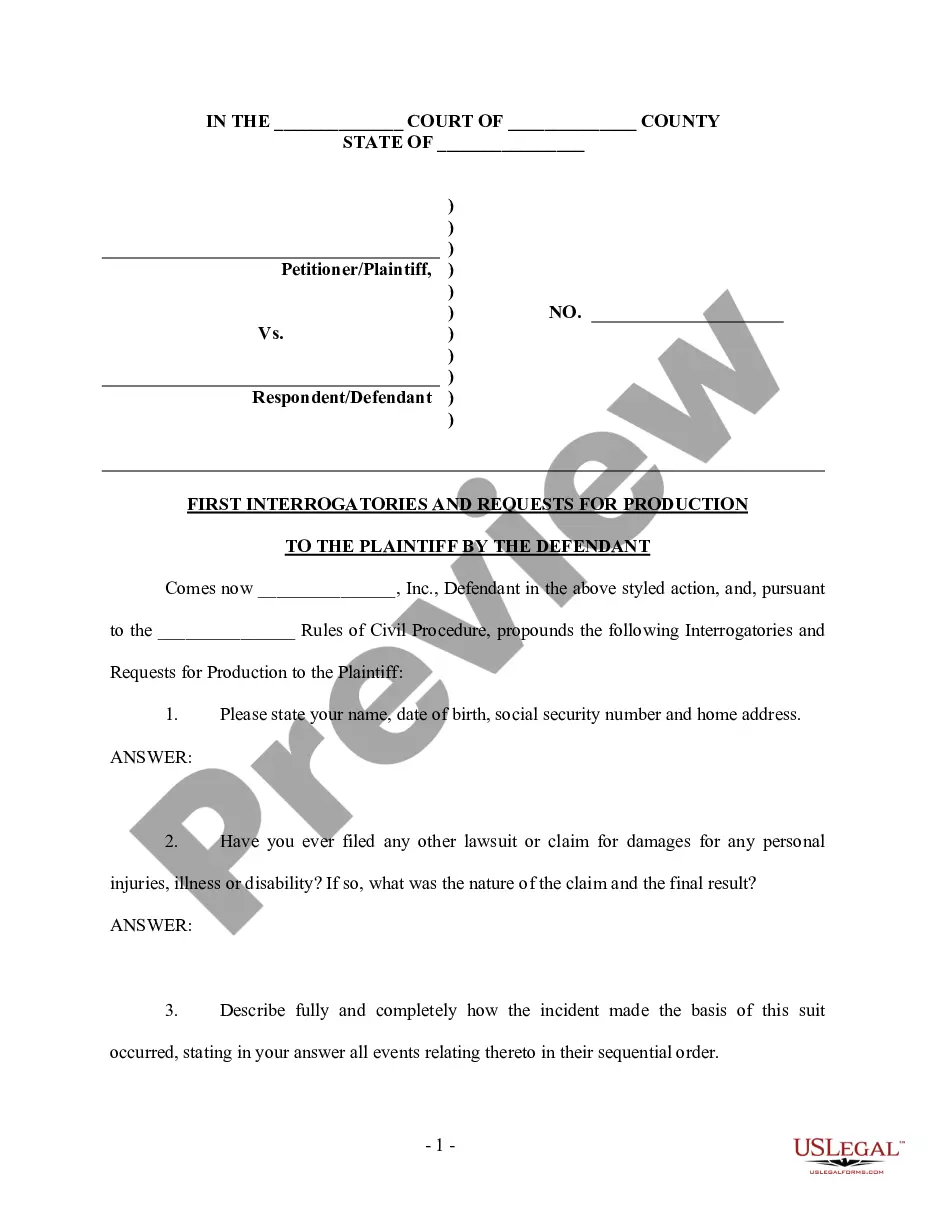
Requests Personal Injury Form Interrogatories
Description
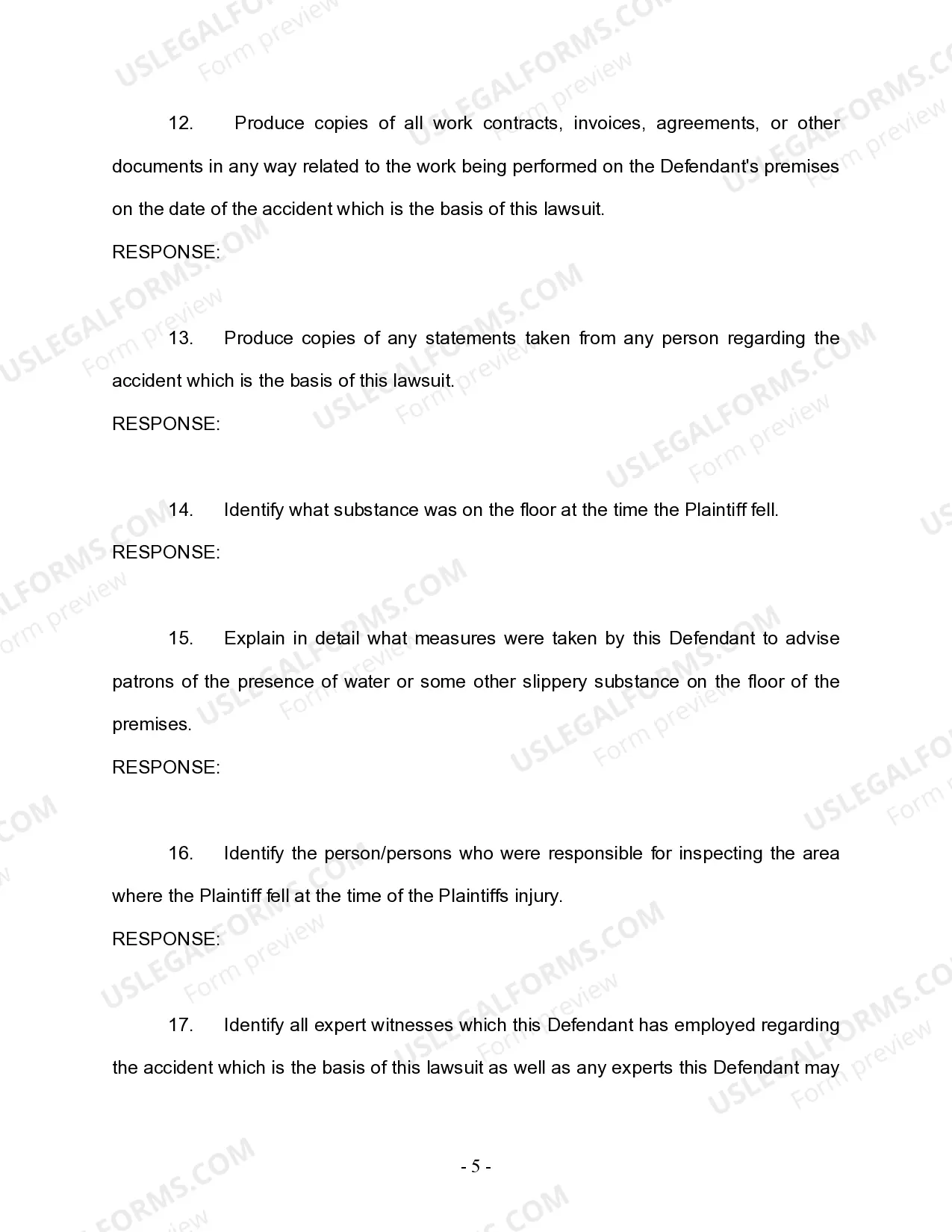
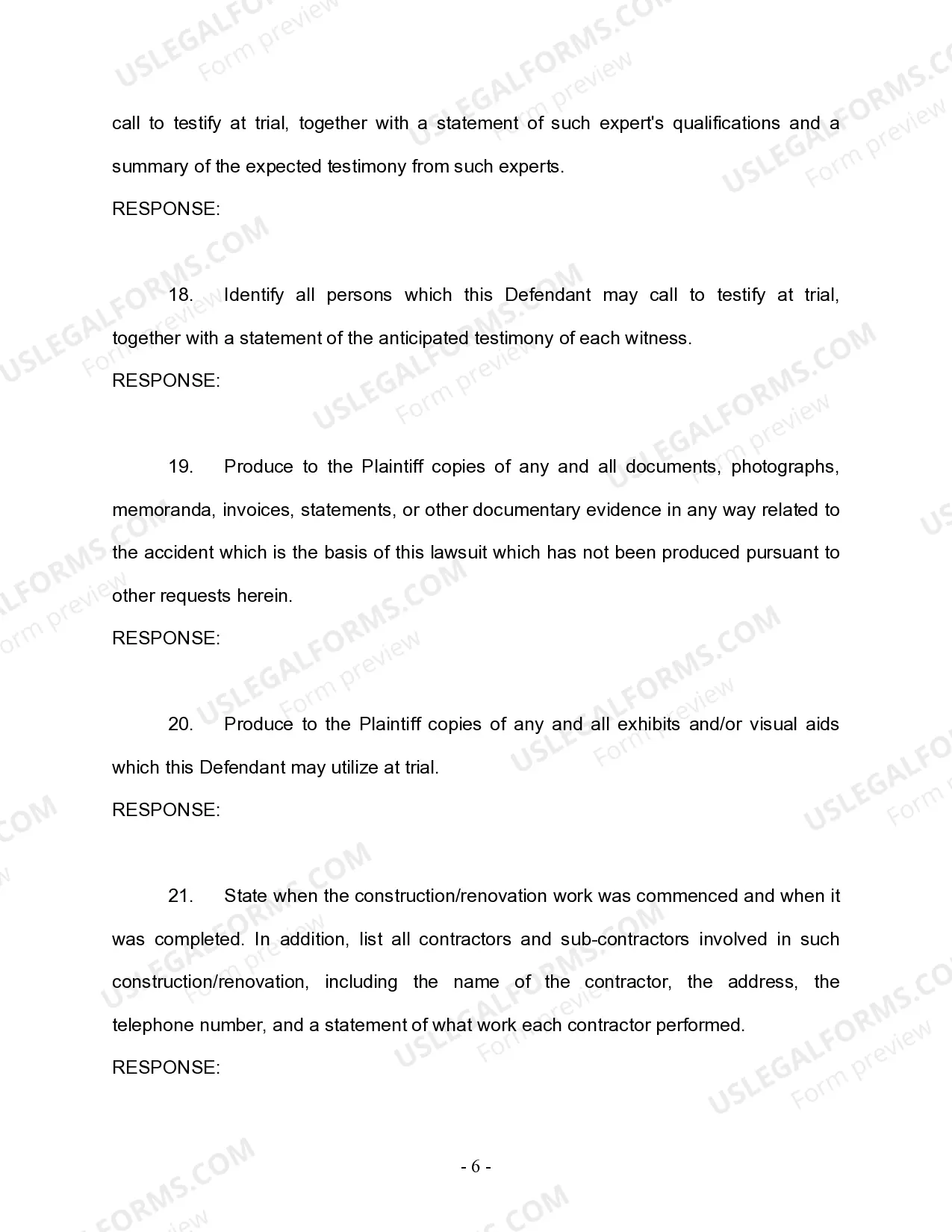
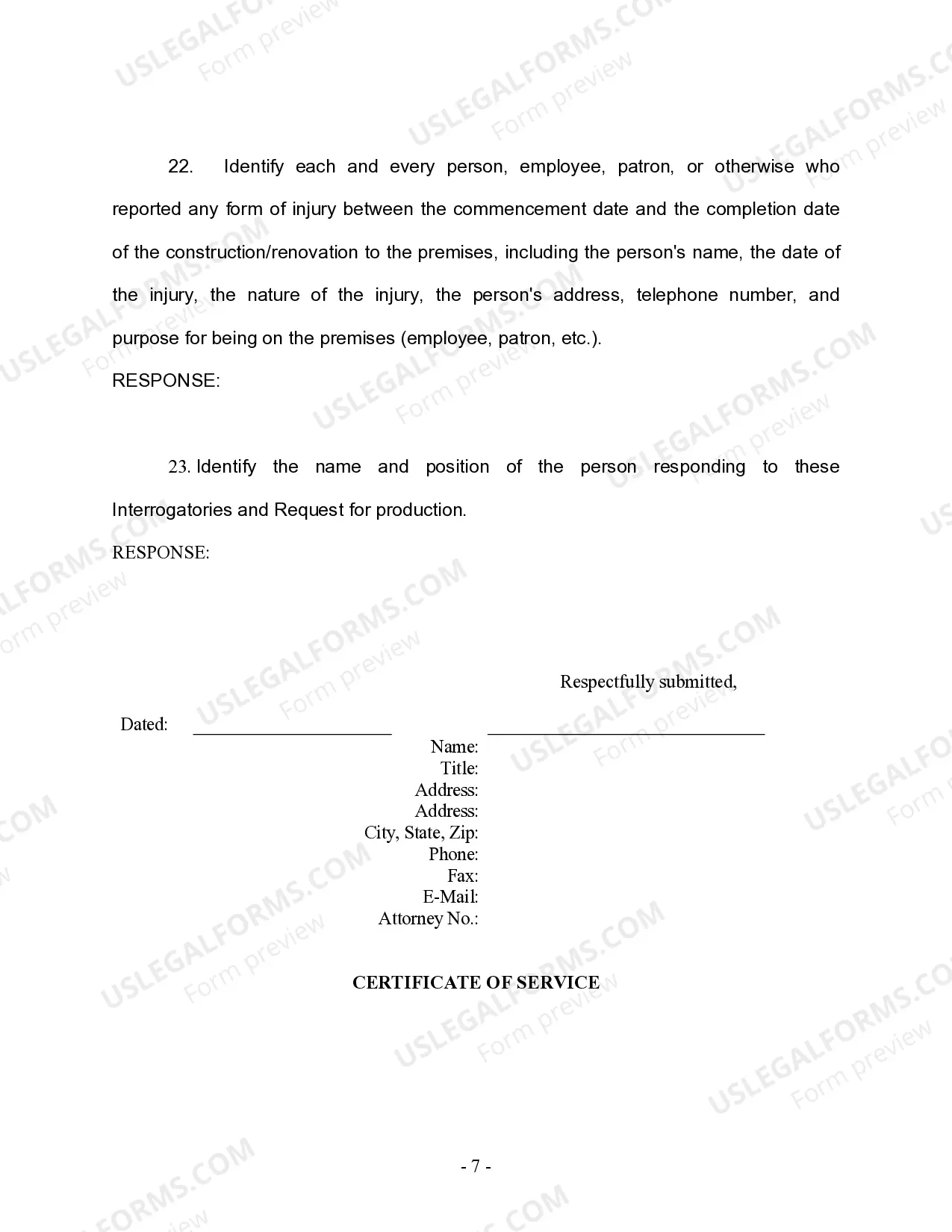
Get your form ready online
Our built-in tools help you complete, sign, share, and store your documents in one place.
Make edits, fill in missing information, and update formatting in US Legal Forms—just like you would in MS Word.
Download a copy, print it, send it by email, or mail it via USPS—whatever works best for your next step.
Sign and collect signatures with our SignNow integration. Send to multiple recipients, set reminders, and more. Go Premium to unlock E-Sign.
If this form requires notarization, complete it online through a secure video call—no need to meet a notary in person or wait for an appointment.
We protect your documents and personal data by following strict security and privacy standards.

Make edits, fill in missing information, and update formatting in US Legal Forms—just like you would in MS Word.

Download a copy, print it, send it by email, or mail it via USPS—whatever works best for your next step.

Sign and collect signatures with our SignNow integration. Send to multiple recipients, set reminders, and more. Go Premium to unlock E-Sign.

If this form requires notarization, complete it online through a secure video call—no need to meet a notary in person or wait for an appointment.

We protect your documents and personal data by following strict security and privacy standards.
Looking for another form?







Form popularity
FAQ
A plaintiff can typically serve interrogatories on a defendant as soon as the defendant has answered the initial complaint or after the court imposes a scheduling order. This means that you can begin requesting personal injury form interrogatories soon after the defendant enters the case. Early engagement through these means can contribute to a more efficient discovery phase. Ensuring that you start this process promptly helps gather the information you need to strengthen your case.
There are several types of interrogatories that parties can use to obtain information, including standard interrogatories, which focus on factual details, and special interrogatories, which can be tailored to specific issues in the case. When preparing your requests personal injury form interrogatories, consider using both types to ensure you cover all necessary information. Each type can help clarify the opposing party's position and support your case. This variety enhances the effectiveness of your discovery process.
Rule 33 of the Federal Rules of Civil Procedure pertains to interrogatories, which are written questions that one party sends to another in a legal case. Specifically, it allows parties to request personal injury form interrogatories to gather information relevant to the case. The answers to these interrogatories must be provided in writing and under oath. This rule serves as a tool for gathering critical evidence before a trial.
The number of special interrogatories varies based on the complexity of the case and the particular needs of the parties involved. Generally, a party can submit an extensive set of interrogatories, focusing on specific issues relevant to the case. In personal injury litigation, utilizing requests personal injury form interrogatories can effectively address targeted inquiries that support your position. It is important to craft these questions carefully to extract valuable information.
Interrogatories are formal questions that one party in a legal case submits to another party. These questions aim to gather information and clarify facts relevant to the case. In personal injury cases, you may encounter requests personal injury form interrogatories to obtain crucial details from the other party. They help both sides prepare for the trial by shedding light on the evidence.
To effectively respond to interrogatories, especially those related to requests personal injury form interrogatories, it is crucial to be clear and concise. Start by reading each question carefully and ensuring you fully understand what is being asked. After that, provide accurate and complete information without unnecessary details. Additionally, you might consider utilizing online resources, like US Legal Forms, which offers templates and guidance for navigating these legal documents easily.
