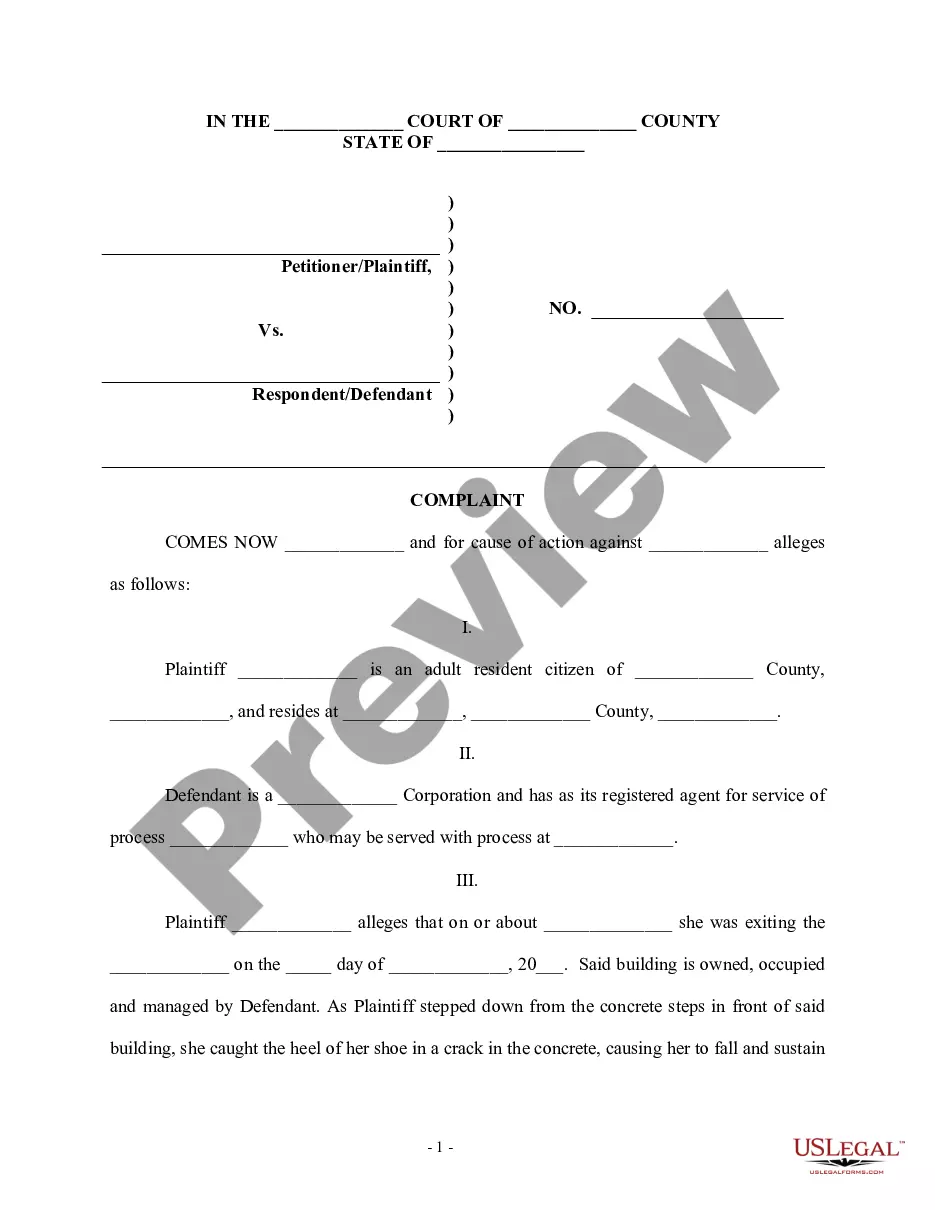
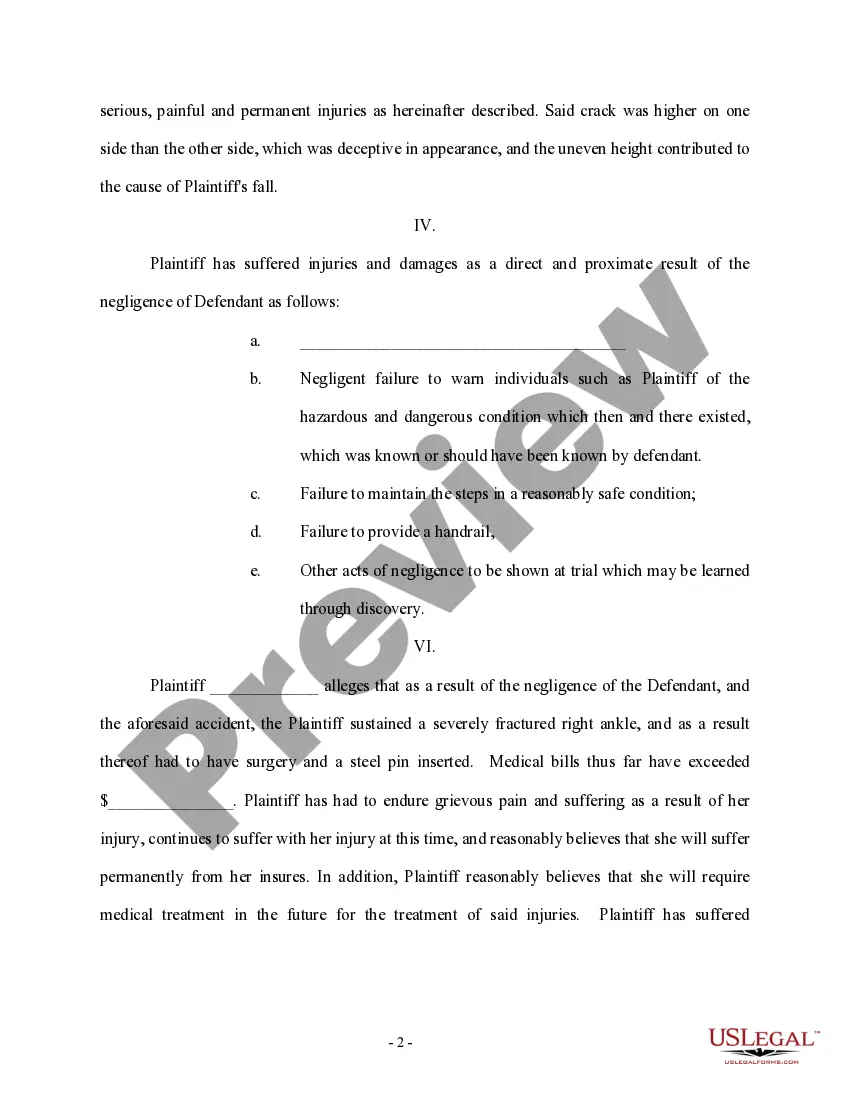
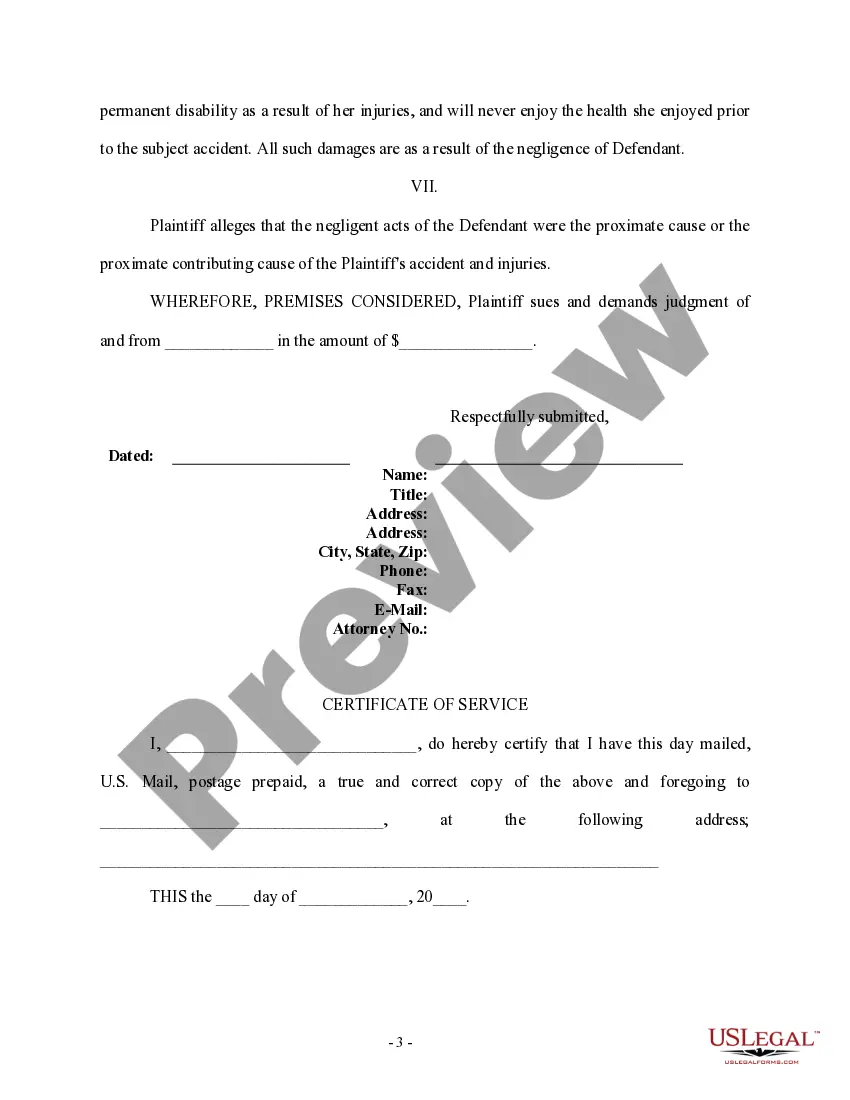
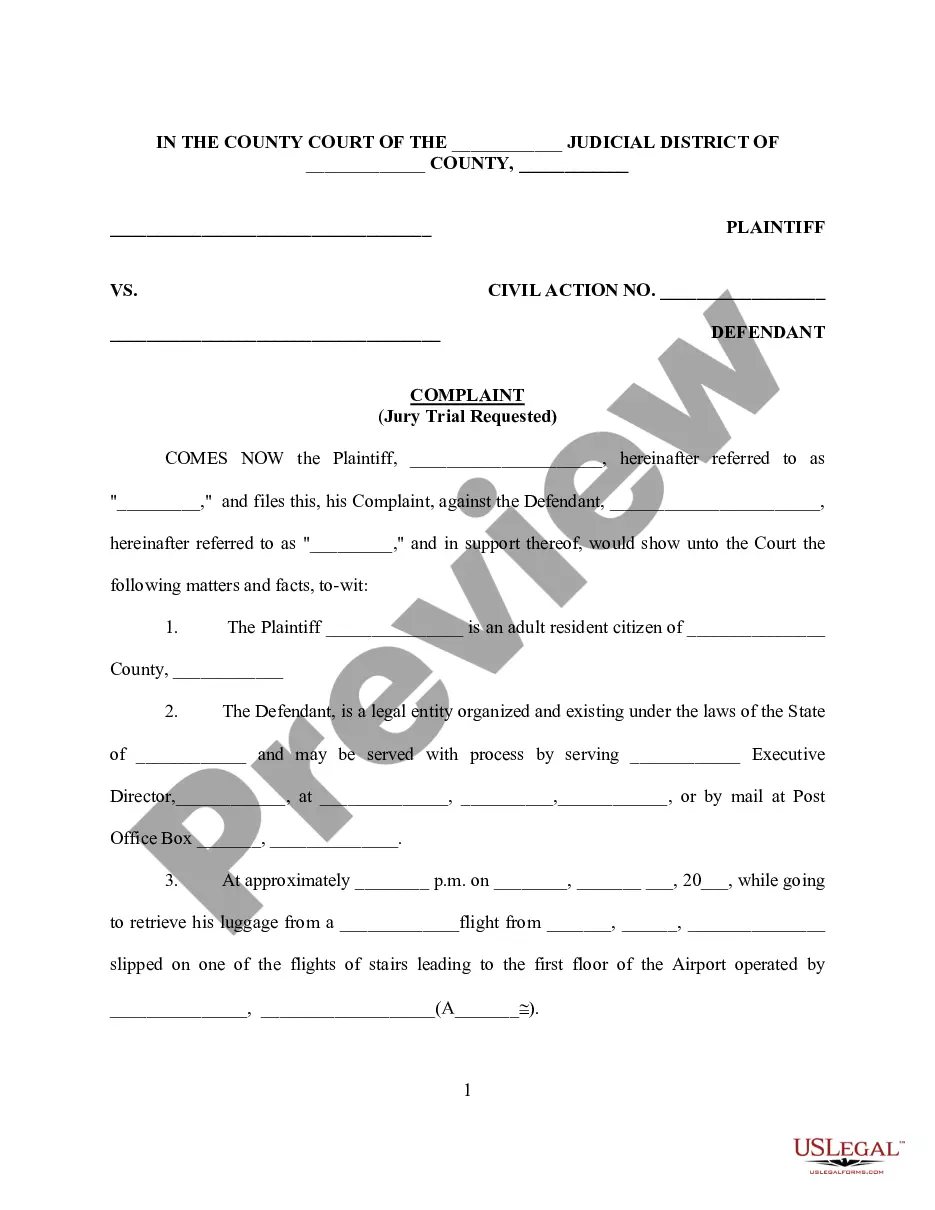
District Court Civil Complaint Form
Description

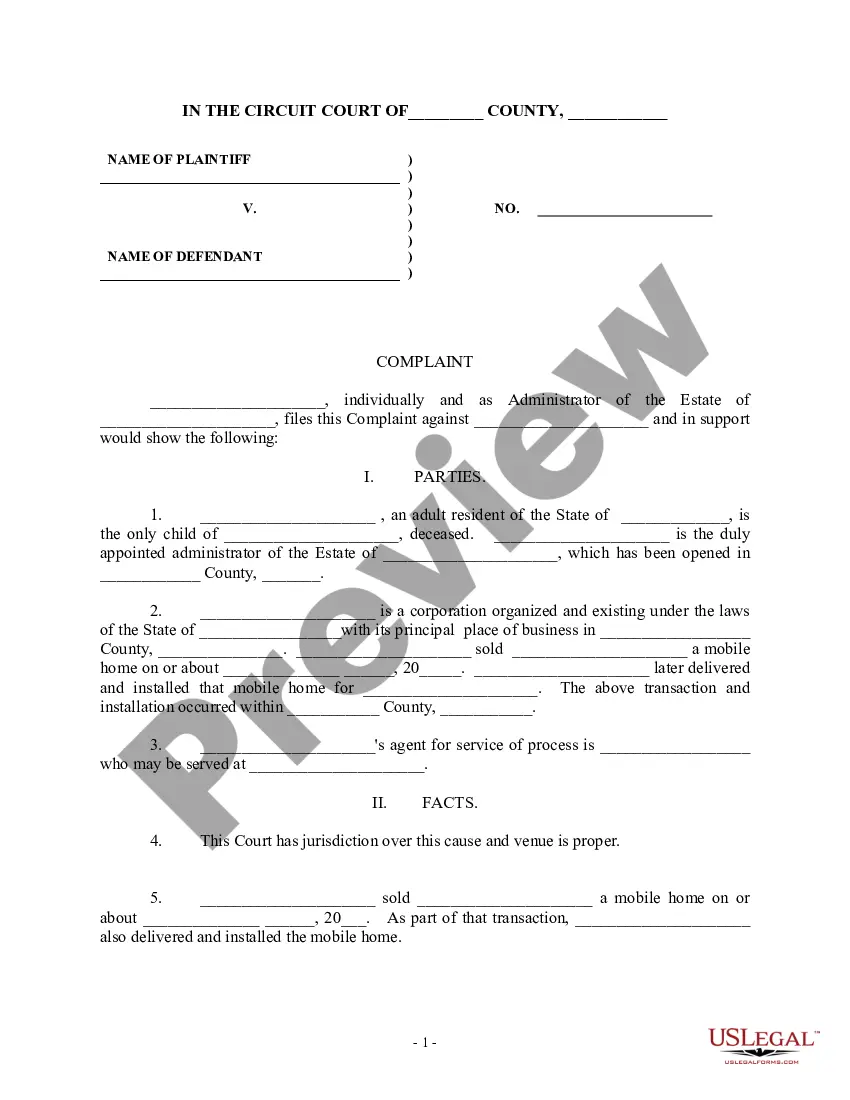
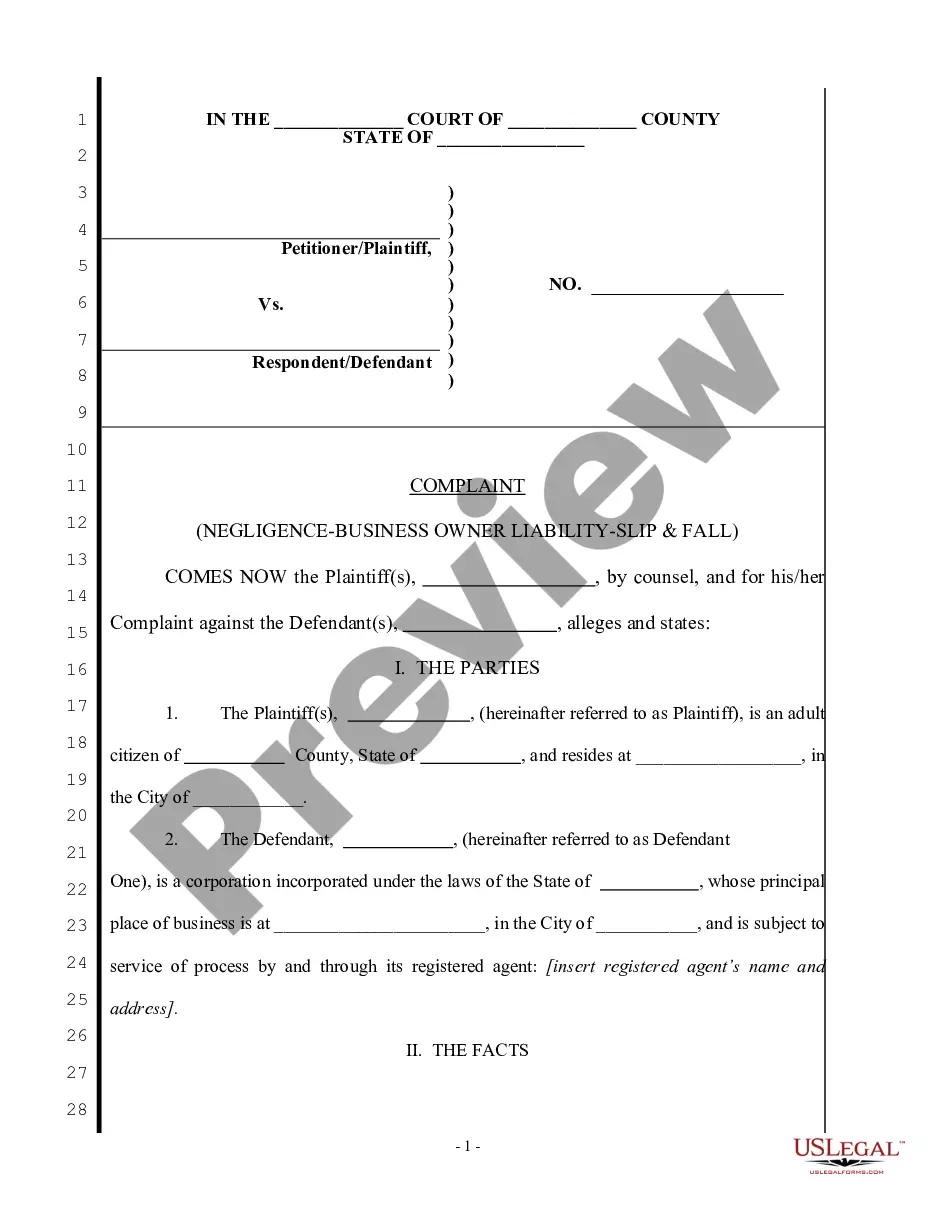
Get your form ready online
Our built-in tools help you complete, sign, share, and store your documents in one place.
Make edits, fill in missing information, and update formatting in US Legal Forms—just like you would in MS Word.
Download a copy, print it, send it by email, or mail it via USPS—whatever works best for your next step.
Sign and collect signatures with our SignNow integration. Send to multiple recipients, set reminders, and more. Go Premium to unlock E-Sign.
If this form requires notarization, complete it online through a secure video call—no need to meet a notary in person or wait for an appointment.
We protect your documents and personal data by following strict security and privacy standards.

Make edits, fill in missing information, and update formatting in US Legal Forms—just like you would in MS Word.

Download a copy, print it, send it by email, or mail it via USPS—whatever works best for your next step.

Sign and collect signatures with our SignNow integration. Send to multiple recipients, set reminders, and more. Go Premium to unlock E-Sign.

If this form requires notarization, complete it online through a secure video call—no need to meet a notary in person or wait for an appointment.

We protect your documents and personal data by following strict security and privacy standards.
Looking for another form?



How to fill out Complaint Regarding Fall From Steps?
Bureaucracy requires exactness and correctness.
If you do not manage the completion of documents like District Court Civil Complaint Form routinely, it can lead to some misunderstanding.
Selecting the appropriate template from the beginning will guarantee that your document submission proceeds smoothly and avert any troubles with resending a document or repeating the same work from the beginning.
Acquiring the correct and updated templates for your paperwork takes just a few minutes with an account at US Legal Forms. Eliminate the bureaucratic uncertainties and simplify your work with forms.
- Find the template using the search feature.
- Ensure the District Court Civil Complaint Form you’ve found is pertinent to your jurisdiction or district.
- Review the preview or explore the description containing the information on the application of the template.
- If the outcome aligns with your search, click the Buy Now button.
- Choose the suitable option among the available subscription plans.
- Log In to your account or create a new one.
- Complete the purchase via credit card or PayPal payment method.
- Receive the form in the format of your preference.
Form popularity
FAQ
Filling out a civil complaint requires you to provide clear and comprehensive information about your case. Begin by outlining the parties involved, the relevant facts, and the legal basis for your complaint. Be sure to include the relief sought from the court. Using a district court civil complaint form can guide you in ensuring that all necessary details are included, making the process more straightforward.
A complaint is a formal legal document that outlines the plaintiff's grievances, while a defendant is the individual or entity being accused in the lawsuit. The complaint initiates the legal process, while the defendant must respond to those allegations. Recognizing this distinction can enhance your preparation if you're involved in a legal matter. It may also be helpful to refer to a district court civil complaint form to grasp the respective roles better.
A complaint and being sued are closely related but distinct concepts. A complaint is the document that initiates a lawsuit, while being sued refers to the overall experience of facing legal action initiated by another party. Understanding this difference can be pivotal when preparing to respond to a complaint. Using a district court civil complaint form helps clarify your understanding of your rights and obligations.
When someone files a complaint against you, they are formally accusing you of wrongdoing in a legal setting. This could relate to various issues, such as contract disputes or personal injury claims. It is crucial to respond appropriately to defend your position. You may want to consult a district court civil complaint form to understand better how to counteract the claims made against you.
Filing a complaint is often the first step in the lawsuit process, but it is not the same as suing. When you file a complaint, you are officially notifying the court and the defendant of your grievances. Suing encompasses the entire legal action that follows the complaint, including potential hearings and rulings. Therefore, think of the district court civil complaint form as your initial tool in pursuing legal action.
Writing a motion for civil court involves clearly stating your request to the judge along with the reasons for it. You'll need to reference relevant facts and legal grounds that support your motion. Crafting your motion carefully is important, as it won’t just help in presenting your case effectively but also demonstrates adherence to court procedures. Consider using a district court civil complaint form to maintain clarity in your arguments.
When you file a complaint in court, you formally initiate a legal action against another party. This document outlines your grievances and the relief you seek. The court then serves the complaint to the defendant, allowing them an opportunity to respond. Utilizing a district court civil complaint form can streamline this process.
You do not necessarily need a lawyer to file a civil complaint, but having legal representation can be beneficial. A lawyer can guide you through the complexities of preparing a district court civil complaint form, ensuring that your submission meets all legal requirements. Carefully consider the specifics of your case and whether professional guidance could enhance your chances of a favorable outcome.
Civil actions cover a variety of disputes, such as contract breaks, property disputes, or personal injury claims. For instance, if you were injured due to someone else's negligence, you would file a district court civil complaint form seeking compensation. These actions are a vital part of the legal system, allowing individuals to resolve their disputes through the courts.
The JS 44 form is a civil cover sheet used in federal courts to provide a summary of the case. This form includes information such as the nature of the suit, parties involved, and the basis for federal jurisdiction. When filing a district court civil complaint form, completing the JS 44 can be crucial to ensure your case is processed efficiently.