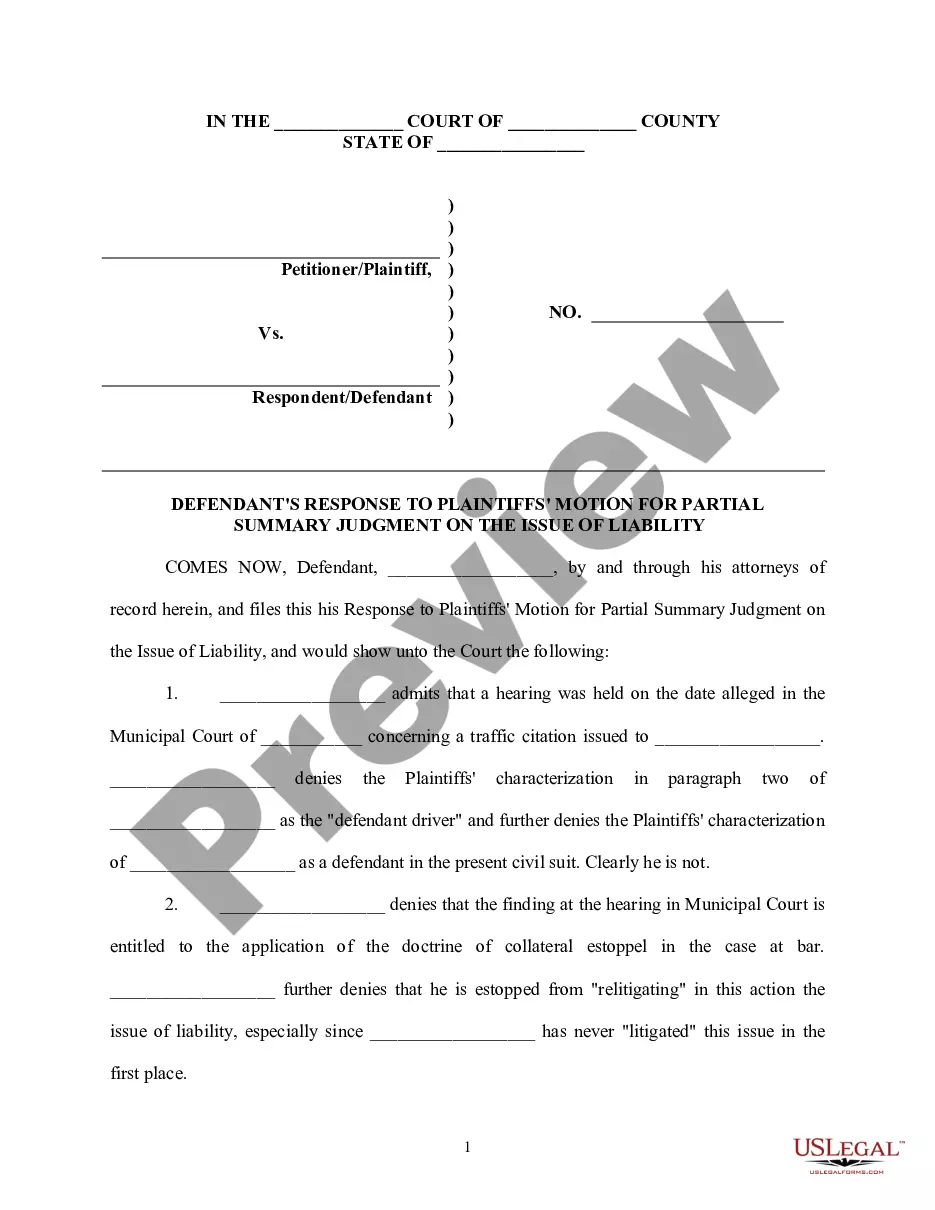
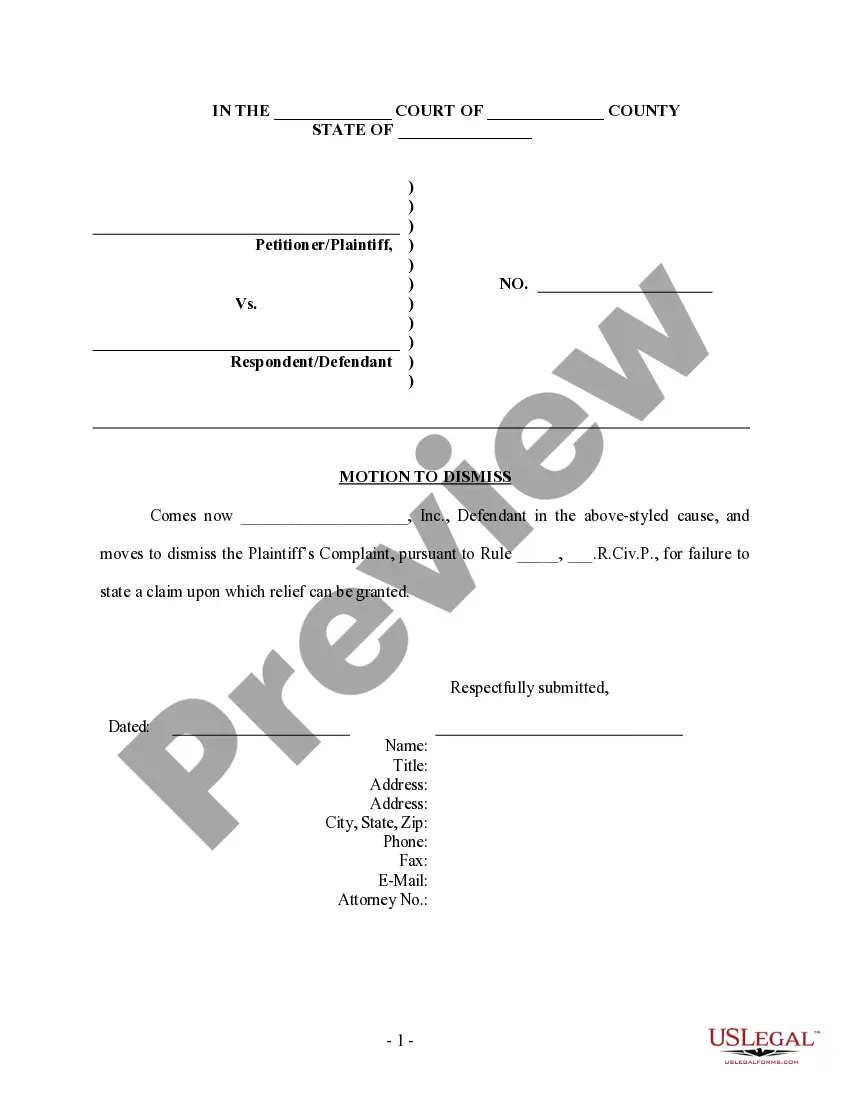
Summary Judgment For Failure To State A Claim
Description
Get your form ready online
Our built-in tools help you complete, sign, share, and store your documents in one place.
Make edits, fill in missing information, and update formatting in US Legal Forms—just like you would in MS Word.
Download a copy, print it, send it by email, or mail it via USPS—whatever works best for your next step.
Sign and collect signatures with our SignNow integration. Send to multiple recipients, set reminders, and more. Go Premium to unlock E-Sign.
If this form requires notarization, complete it online through a secure video call—no need to meet a notary in person or wait for an appointment.
We protect your documents and personal data by following strict security and privacy standards.

Make edits, fill in missing information, and update formatting in US Legal Forms—just like you would in MS Word.

Download a copy, print it, send it by email, or mail it via USPS—whatever works best for your next step.

Sign and collect signatures with our SignNow integration. Send to multiple recipients, set reminders, and more. Go Premium to unlock E-Sign.

If this form requires notarization, complete it online through a secure video call—no need to meet a notary in person or wait for an appointment.

We protect your documents and personal data by following strict security and privacy standards.
Looking for another form?



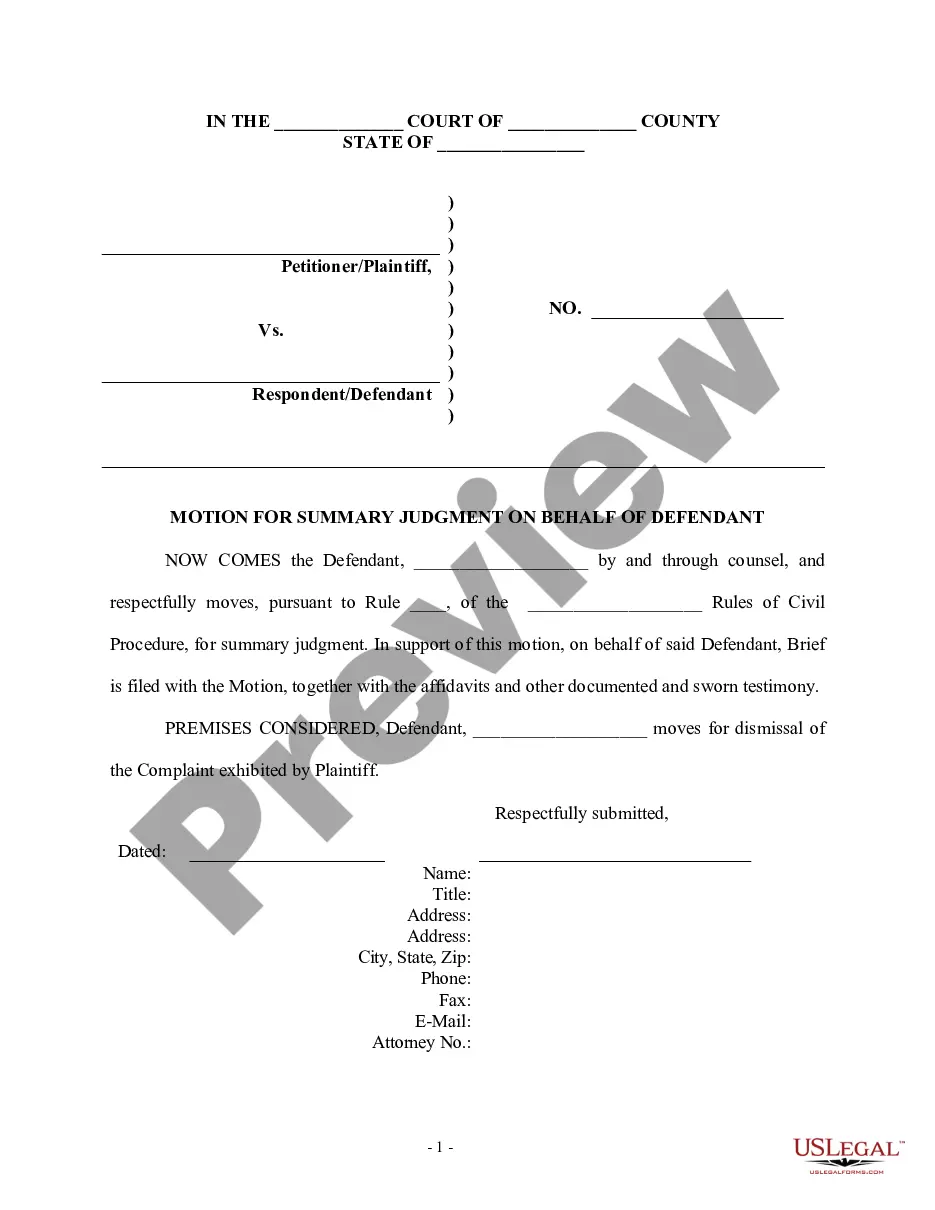
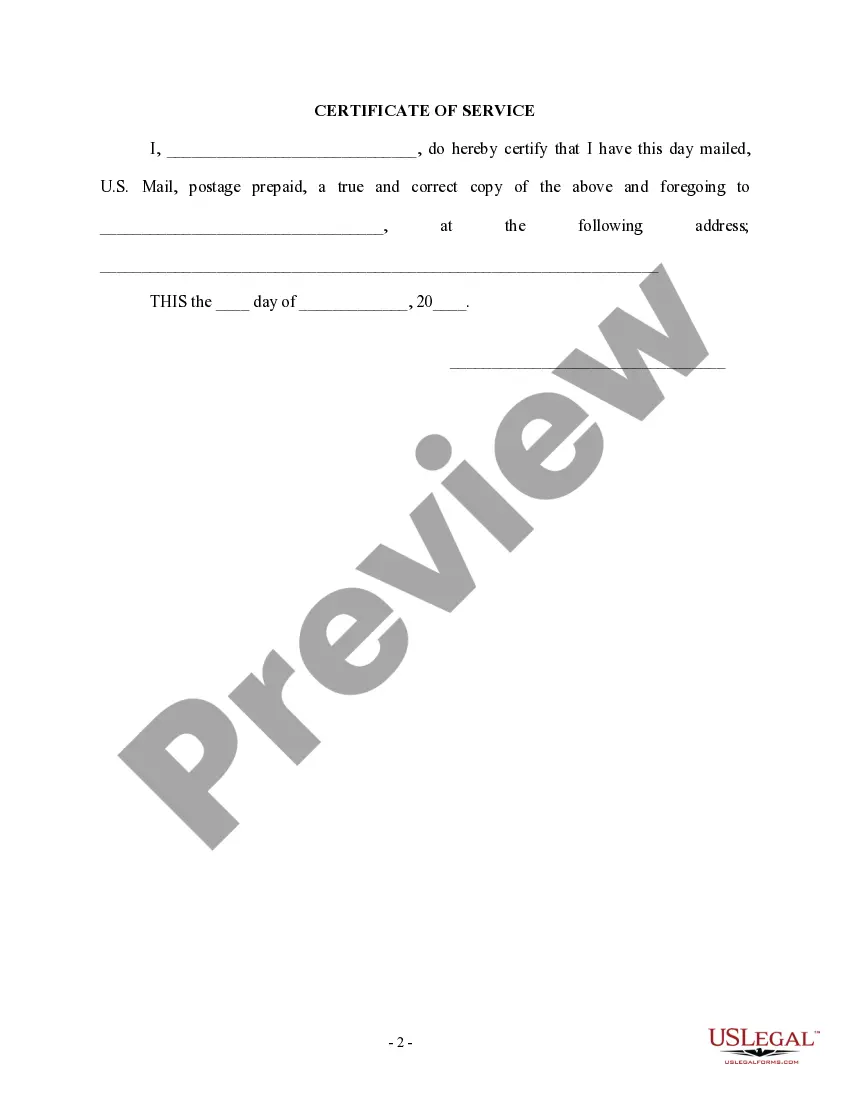
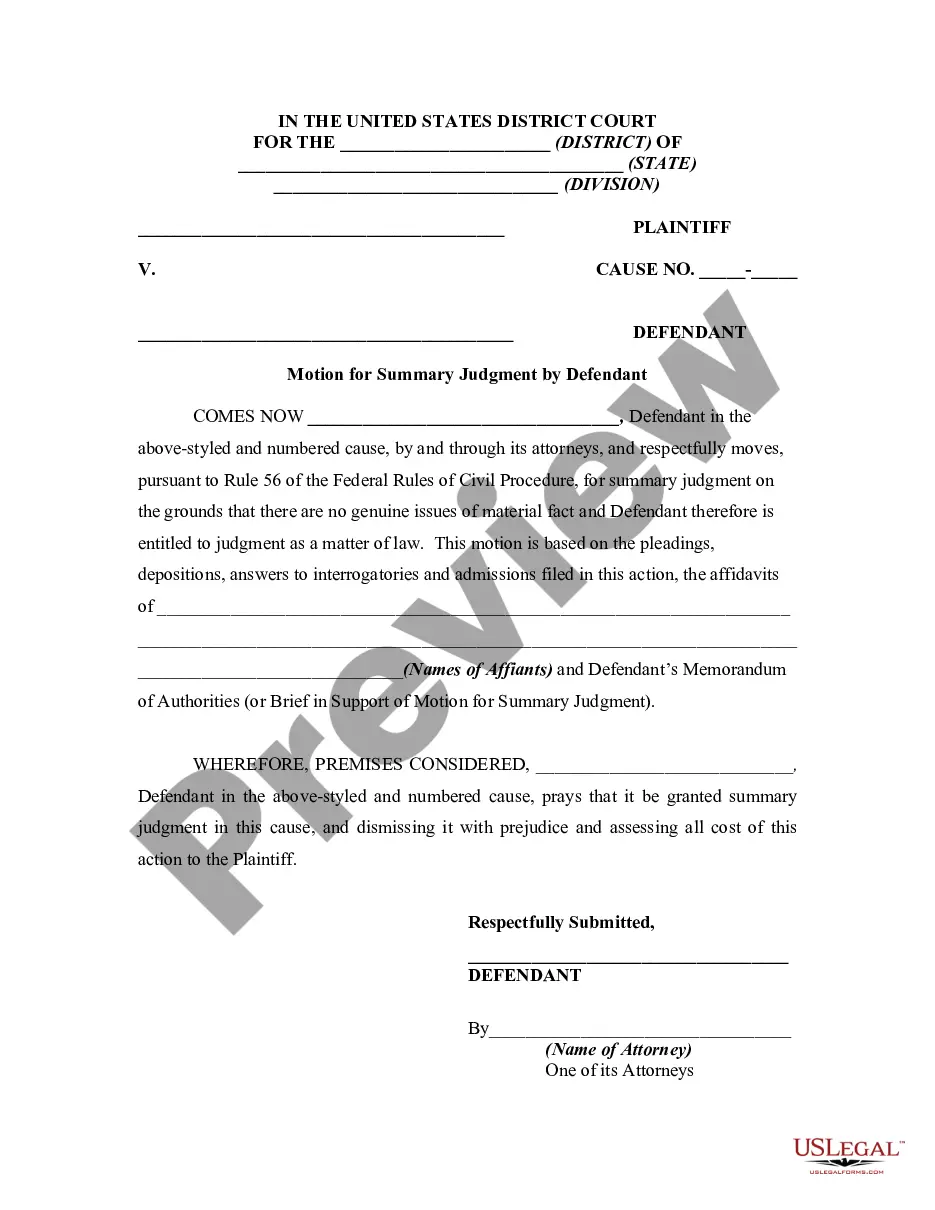
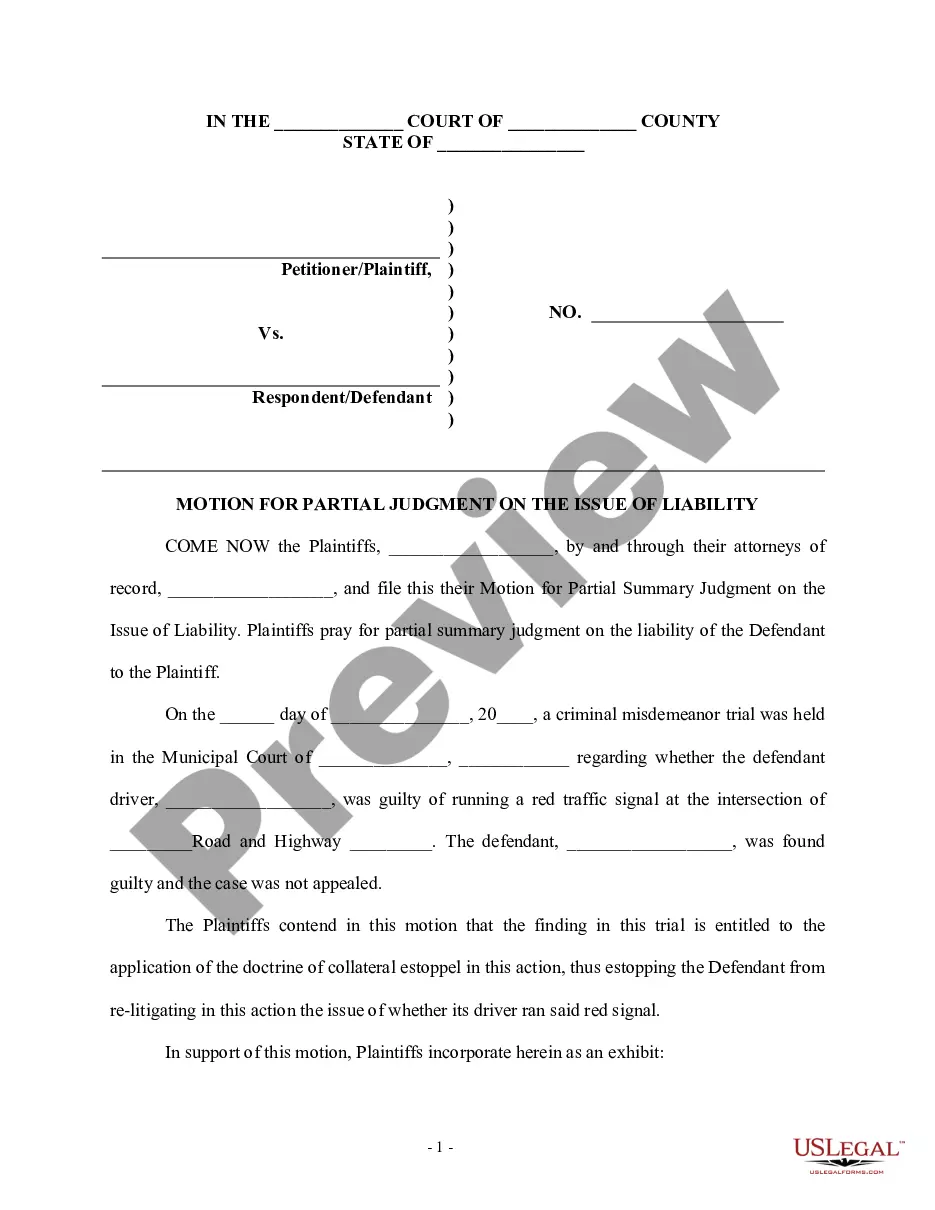
How to fill out Motion For Summary Judgment On Behalf Of Defendant?
- Login to your US Legal Forms account if you're a returning user. Ensure your subscription is current; otherwise, renew it as needed.
- For first-time users, begin by searching for the document you need. Use the preview mode to confirm it meets your requirements and complies with local laws.
- If the initial document isn't suitable, leverage the search tab to find alternative forms that fit your needs.
- Once you select the correct document, click 'Buy Now' and choose your desired subscription plan. Registration for an account may be required.
- Complete your purchase by entering your payment details, either via credit card or PayPal, to finalize your subscription.
- After the transaction, download the form to your device and locate it in the 'My Forms' section of your profile for future access.
With US Legal Forms, preparing for a summary judgment is simplified thanks to a comprehensive library of over 85,000 editable legal forms. You’ll also have the option to consult premium experts for form-related questions.
Start your legal journey today – access US Legal Forms and ensure your documents are accurate and compliant!
Form popularity
FAQ
Failure to state a claim upon which relief can be granted means that the allegations in a complaint do not provide a legal basis for a lawsuit. Essentially, it indicates that even if all stated facts are true, they do not amount to a violation of law. Familiarizing yourself with this concept can be beneficial when considering motions for summary judgment, particularly involving failure to state a claim.
A judgment based on the merits results from a court's thorough examination of the facts and legal principles applicable to the case. Such judgments determine the substantial rights of the parties involved and conclude whether a party is entitled to relief. Understanding this concept can clarify the scenarios where summary judgment for failure to state a claim comes into play.
A judgment that is not on the merits typically arises from procedural issues or dismissals based on technical grounds, such as lack of jurisdiction or improper venue. These judgments do not evaluate the underlying claims or defenses. Therefore, they differ significantly from cases where summary judgment for failure to state a claim may apply.
Failure to state a claim does not address the merits of a case; instead, it focuses on whether the complaint contains sufficient legal grounds to proceed. Essentially, a motion asserting failure to state a claim argues that, even if all allegations are true, they do not constitute a legal basis for relief. Understanding this distinction is crucial in discussions of summary judgment.
In a motion for summary judgment, you can use various forms of evidence, such as deposition transcripts, affidavits, documents, and admissions. Ensure that the evidence directly supports your claims and demonstrates that no genuine issue of material fact exists. This approach is vital when discussing summary judgment for failure to state a claim.
Writing a good motion for summary judgment requires a clear structure and persuasive argumentation. Begin by outlining the factual background and stating the relief sought. Next, align your arguments with legal standards pertinent to summary judgment for failure to state a claim, making sure to present compelling evidence throughout.
To beat a motion for summary judgment, focus on identifying material facts that remain in dispute. Gather evidence that supports your position and demonstrate that there is sufficient conflict to warrant a trial. Additionally, provide legal arguments that challenge the grounds of the motion, emphasizing how summary judgment for failure to state a claim does not apply to your case.
To write a good summary judgment motion, start by clearly stating the legal standard for summary judgment. Then, provide a concise statement of undisputed facts, supported by evidence such as affidavits and documents. Make sure to explain how these facts demonstrate that you are entitled to judgment as a matter of law, especially in cases involving summary judgment for failure to state a claim.
To request a summary judgment, you must file a motion with the court that includes your argument and evidence supporting your position. Ensure you demonstrate that there are no genuine disputes regarding material facts and that you are entitled to judgment as a matter of law. Presenting clear and compelling evidence is vital here. Utilizing resources like US Legal Forms can provide templates and guidance to streamline the process of seeking summary judgment for failure to state a claim.
A failure to state a claim occurs when a plaintiff's complaint does not provide enough facts to support a cause of action. This might involve insufficient evidence, lack of a legal basis for the claim, or a failure to demonstrate that the defendant owes a duty to the plaintiff. Courts evaluate whether the plaintiff has presented a valid claim, and if not, the defendant may seek summary judgment for failure to state a claim. Thus, understanding these components is critical in legal disputes.