Court Documents Forms For Delphi Murders
Description
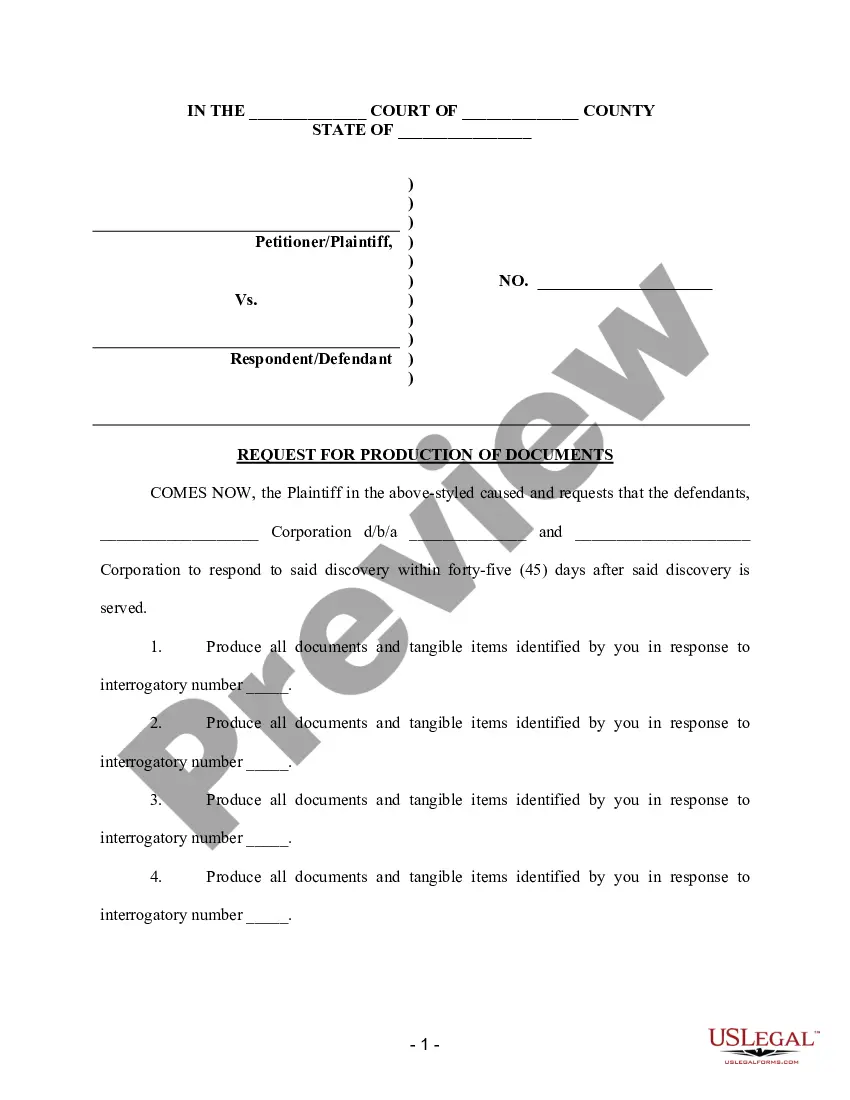
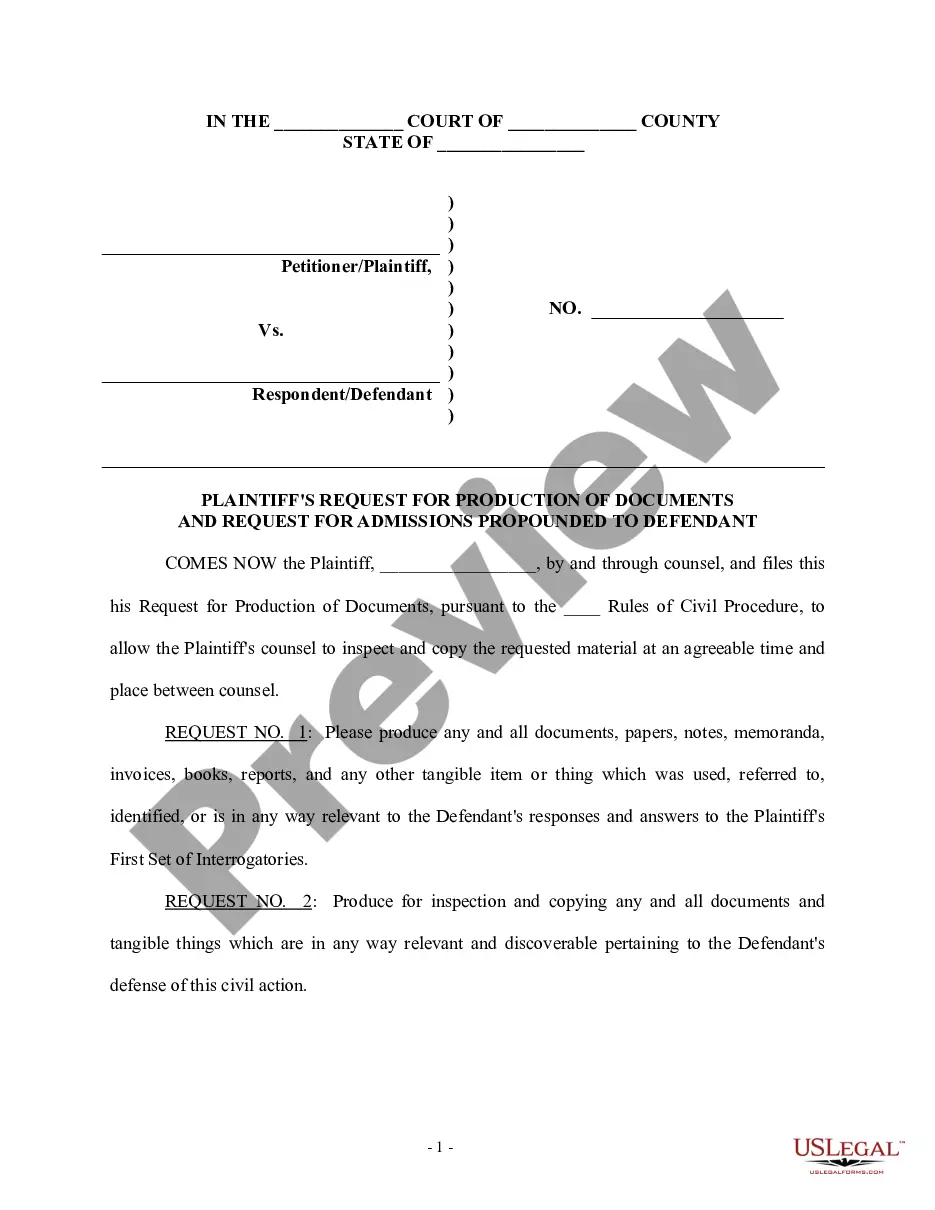
Get your form ready online
Our built-in tools help you complete, sign, share, and store your documents in one place.
Make edits, fill in missing information, and update formatting in US Legal Forms—just like you would in MS Word.
Download a copy, print it, send it by email, or mail it via USPS—whatever works best for your next step.
Sign and collect signatures with our SignNow integration. Send to multiple recipients, set reminders, and more. Go Premium to unlock E-Sign.
If this form requires notarization, complete it online through a secure video call—no need to meet a notary in person or wait for an appointment.
We protect your documents and personal data by following strict security and privacy standards.

Make edits, fill in missing information, and update formatting in US Legal Forms—just like you would in MS Word.

Download a copy, print it, send it by email, or mail it via USPS—whatever works best for your next step.

Sign and collect signatures with our SignNow integration. Send to multiple recipients, set reminders, and more. Go Premium to unlock E-Sign.

If this form requires notarization, complete it online through a secure video call—no need to meet a notary in person or wait for an appointment.

We protect your documents and personal data by following strict security and privacy standards.
Looking for another form?


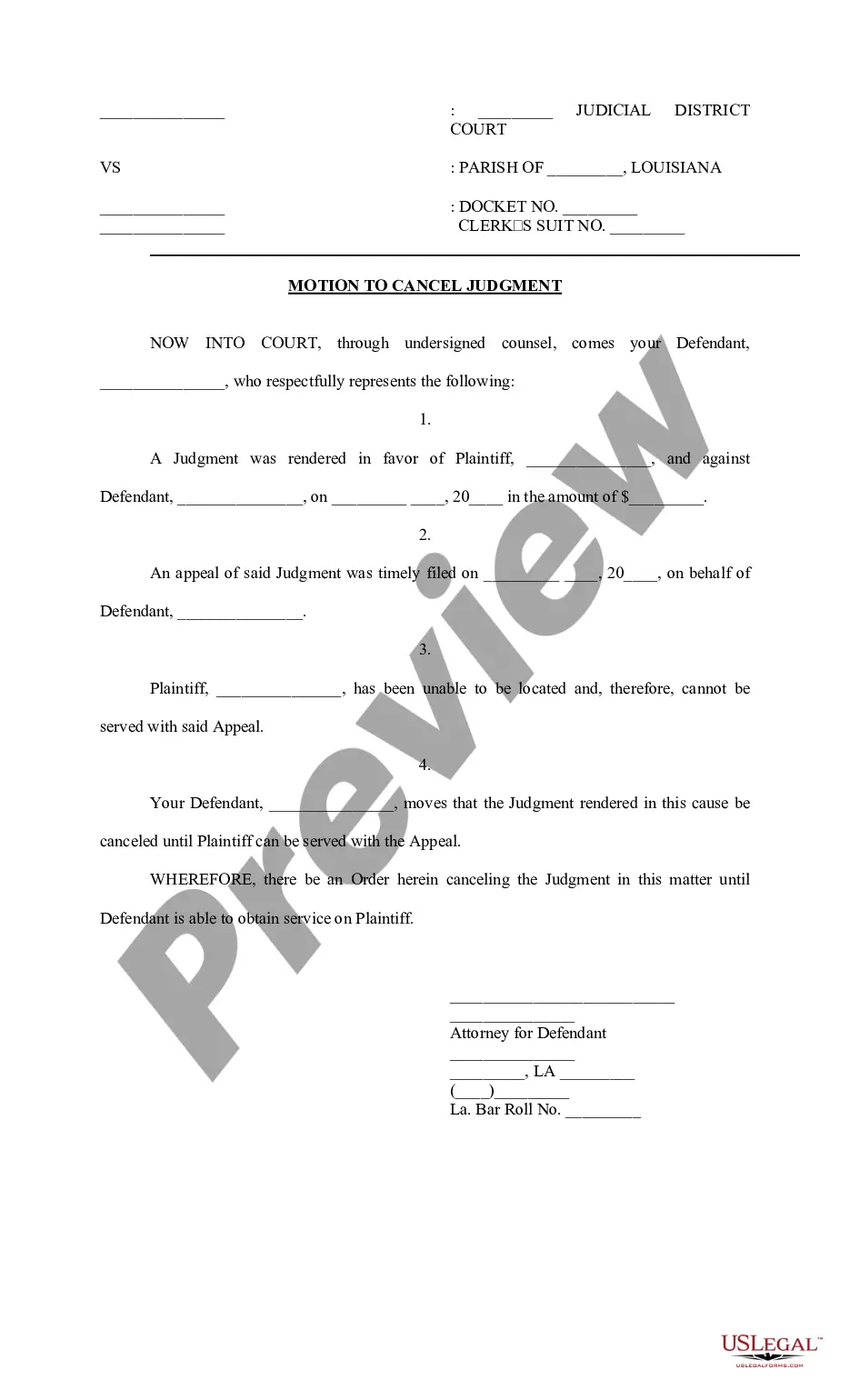
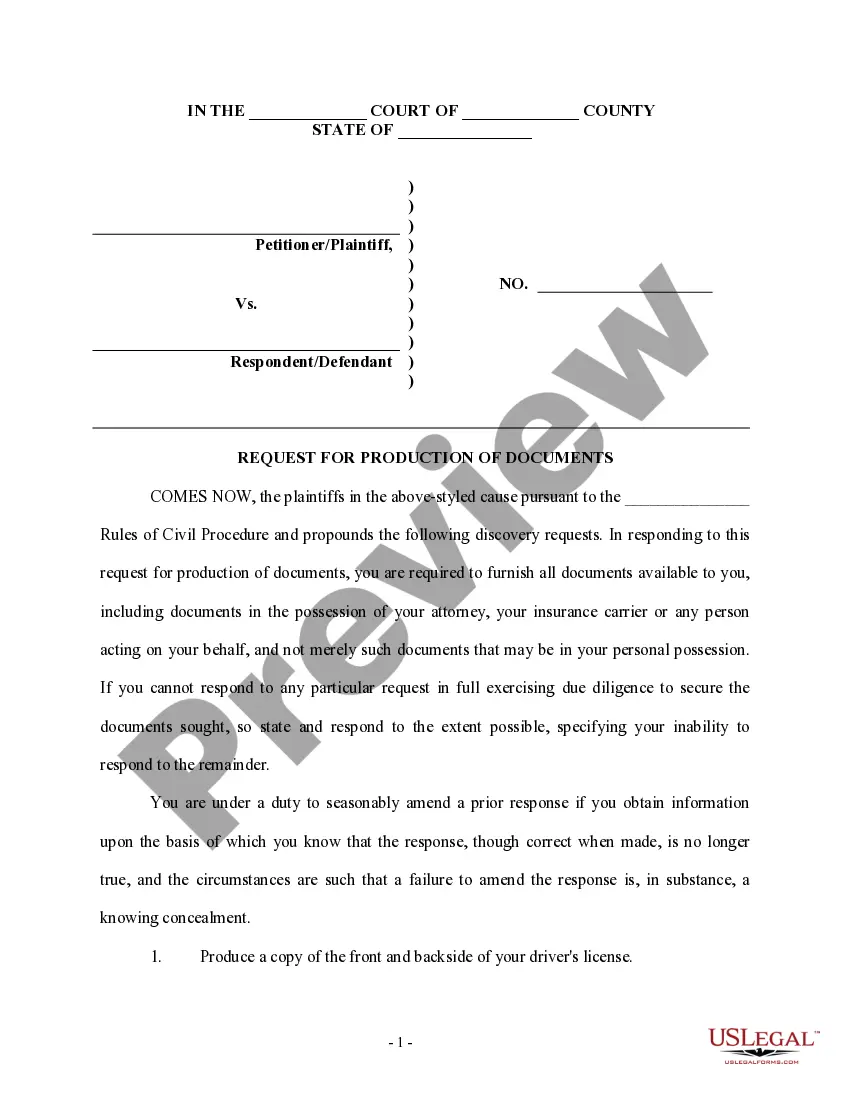
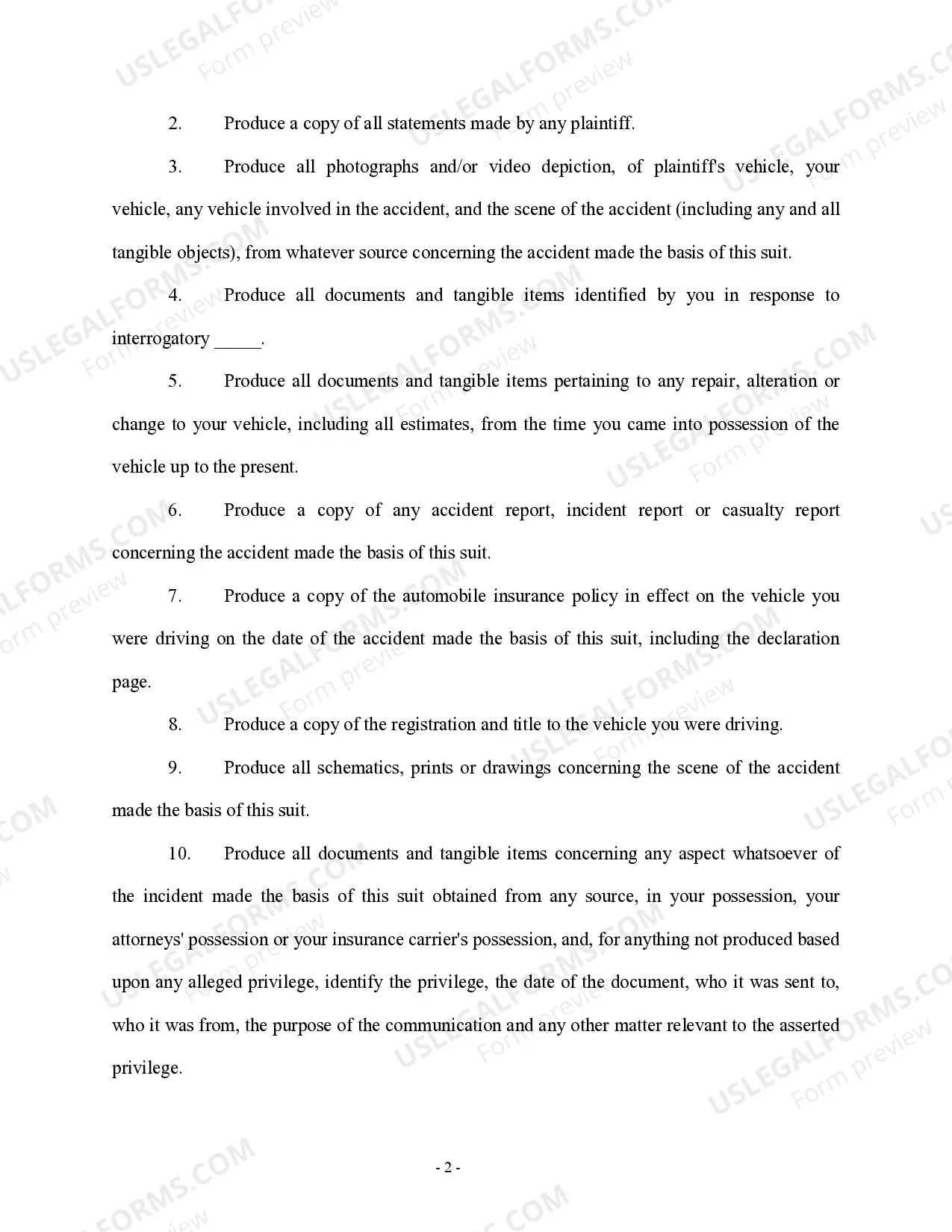
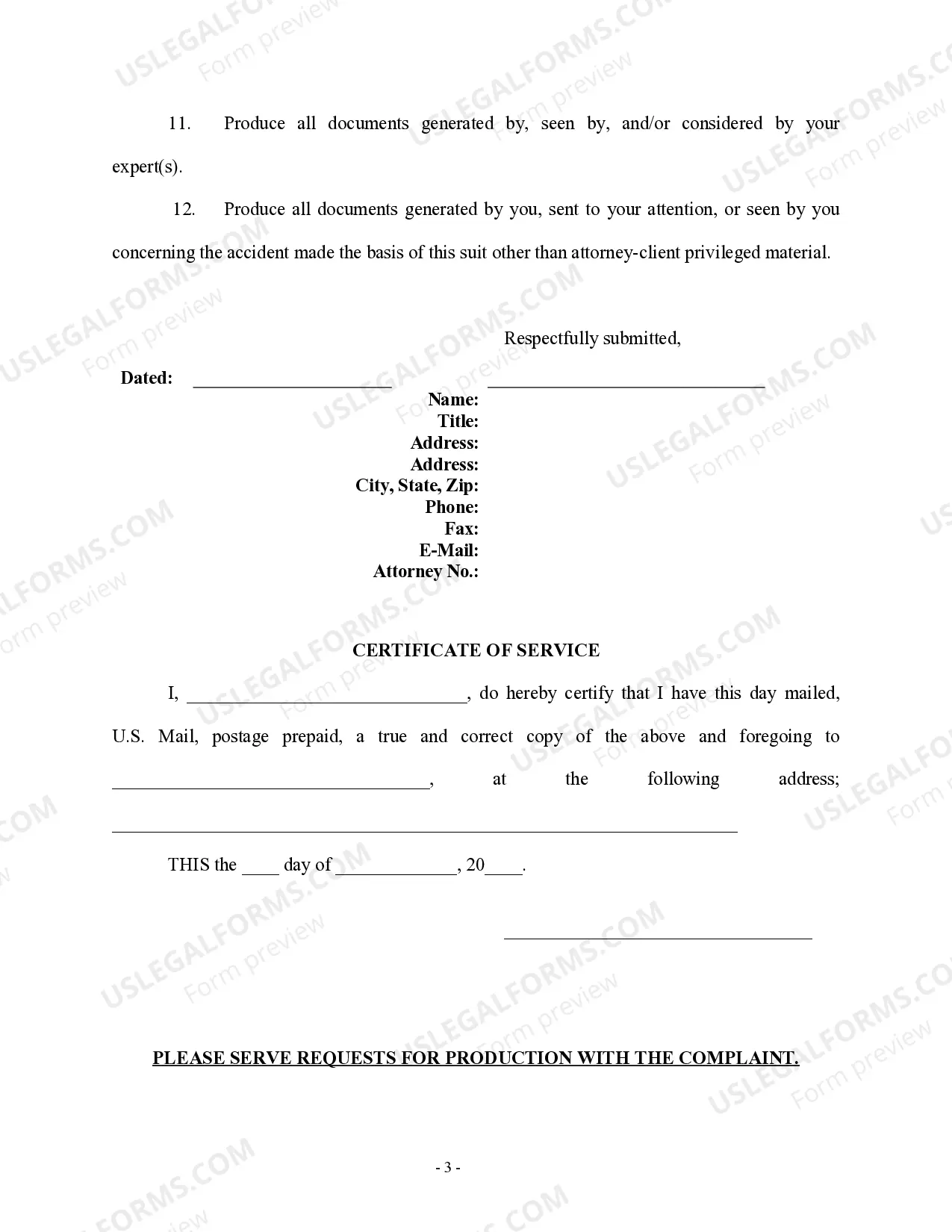
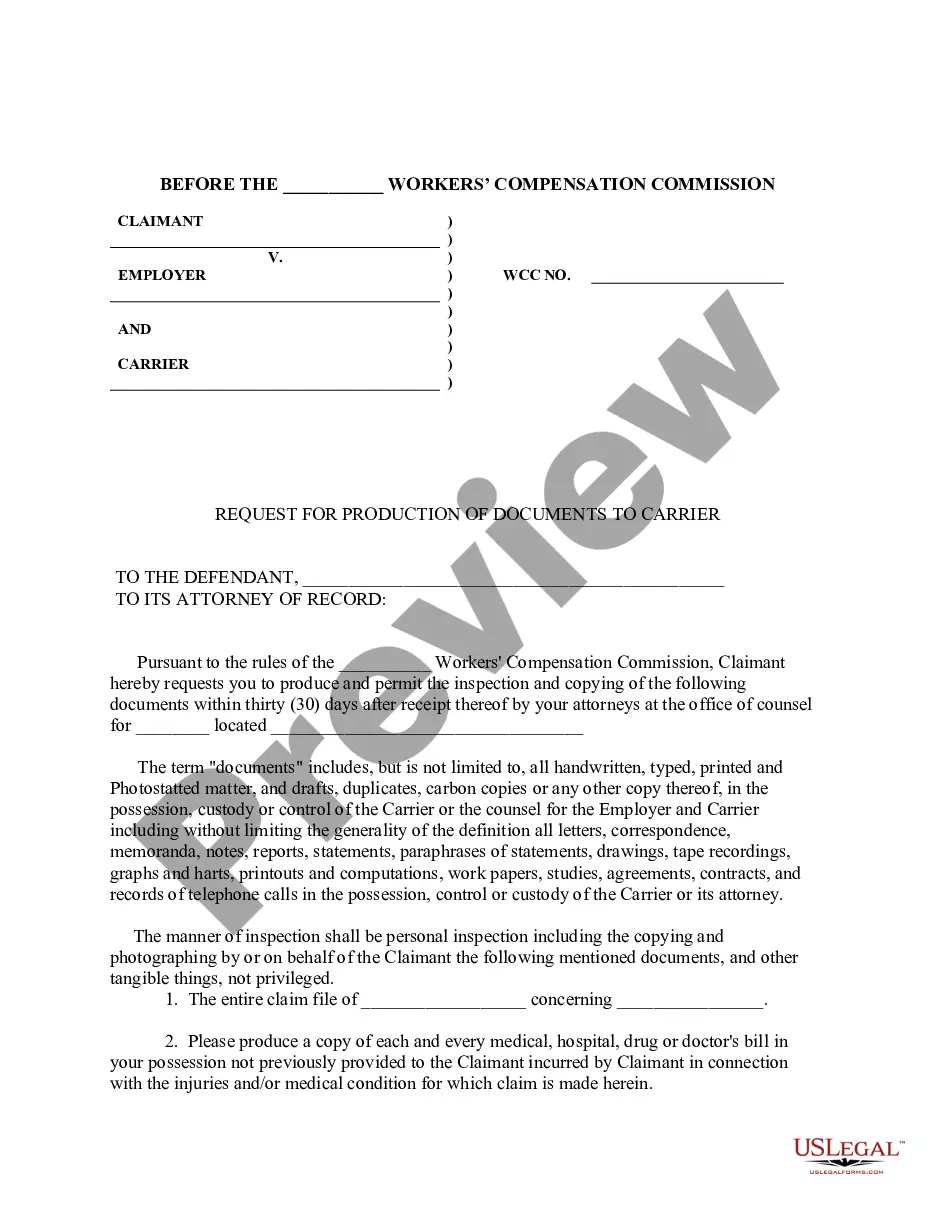
How to fill out Request For Production Of Documents - Personal Injury?
Dealing with legal documents can be overwhelming, even for the most experienced professionals.
When you are looking for Court Documents Forms pertaining to the Delphi Murders and cannot find the opportunity to invest time in locating the accurate and current version, the process can be daunting.
Gain access to a library of articles, guides, manuals, and resources tailored to your specific circumstances and needs.
Save time and energy searching for the documents you require, and take advantage of US Legal Forms’ sophisticated search and Preview feature to locate Court Documents Forms for the Delphi Murders and obtain it.
Leverage the US Legal Forms online library, backed by 25 years of experience and trustworthiness. Transform your everyday document management into a seamless and user-friendly process today.
- If you have a monthly subscription, Log In to your US Legal Forms account, find the form, and download it.
- Check the My documents tab to view the documents you have previously saved and manage your folders as needed.
- If it is your first experience with US Legal Forms, create a free account and enjoy unlimited access to all the platform's advantages.
- Here are the steps to follow after obtaining the form you need.
- Confirm this is the correct form by previewing it and reviewing its description.
- Ensure that the template is valid in your state or county.
- Select Buy Now when you are ready.
- Choose a monthly subscription plan.
- Locate the file format you need, and Download, complete, eSign, print, and submit your documents.
- Utilize state- or county-specific legal and organizational templates.
- US Legal Forms caters to all your requirements, from personal to corporate paperwork, in a centralized location.
- Employ advanced tools to fulfill and manage your Court Documents Forms for the Delphi Murders.
Form popularity
FAQ
If there have been no transactions in a savings or current account for more than two years, the account will be considered inactive or dormant. The accounts that have not been used for more than two years will be noted by banks and kept in different ledgers.
The law requires organizations to review their records annually and transfer accounts that have reached specific dormancy thresholds to the Comptroller, who serves as custodian of the funds until the rightful owners claim them.
The states hold the property in question as custodians for the owners until the owners claim the property. The statutory dormancy period begins on the date of the creation of the property type and ends on a specific date (i.e., the statutory period is typically 1-5 years).
New York State's Abandoned Property Law requires certain entities to transfer abandoned money or securities to the New York State Comptroller's Office of Unclaimed Funds. Entities required to report and remit unclaimed funds include, for example, banks, insurance companies, corporations and state agencies.
State law can dictate when a bank account is considered to be dormant and what happens to the money in it. A typical time frame is three to five years, though again, the rules can depend on where you live.
§1422 of the APL requires that, at least 90 days prior to submitting its final report, the holder send a notice by first class mail to each owner whose name is expected to appear on that report unless the address for the owner is unknown or the holder can demonstrate that the address it maintains for the owner is not ...
"Abandoned funds held by the State can be obtained directly from the Office of the State Comptroller by the owner (or authorized estate representative) of such funds without paying a fee. These funds are held indefinitely by the Office of the State Comptroller at 800-221-9311 or .osc.state.ny.us".
With respect to business-to-business credit balances that are subsequently paid to the customer in the form of a check, the three-year dormancy commences from the original date the credit was issued (or the date the customer last acknowledged or used the credit balance) unless the holder was instructed in writing by ...