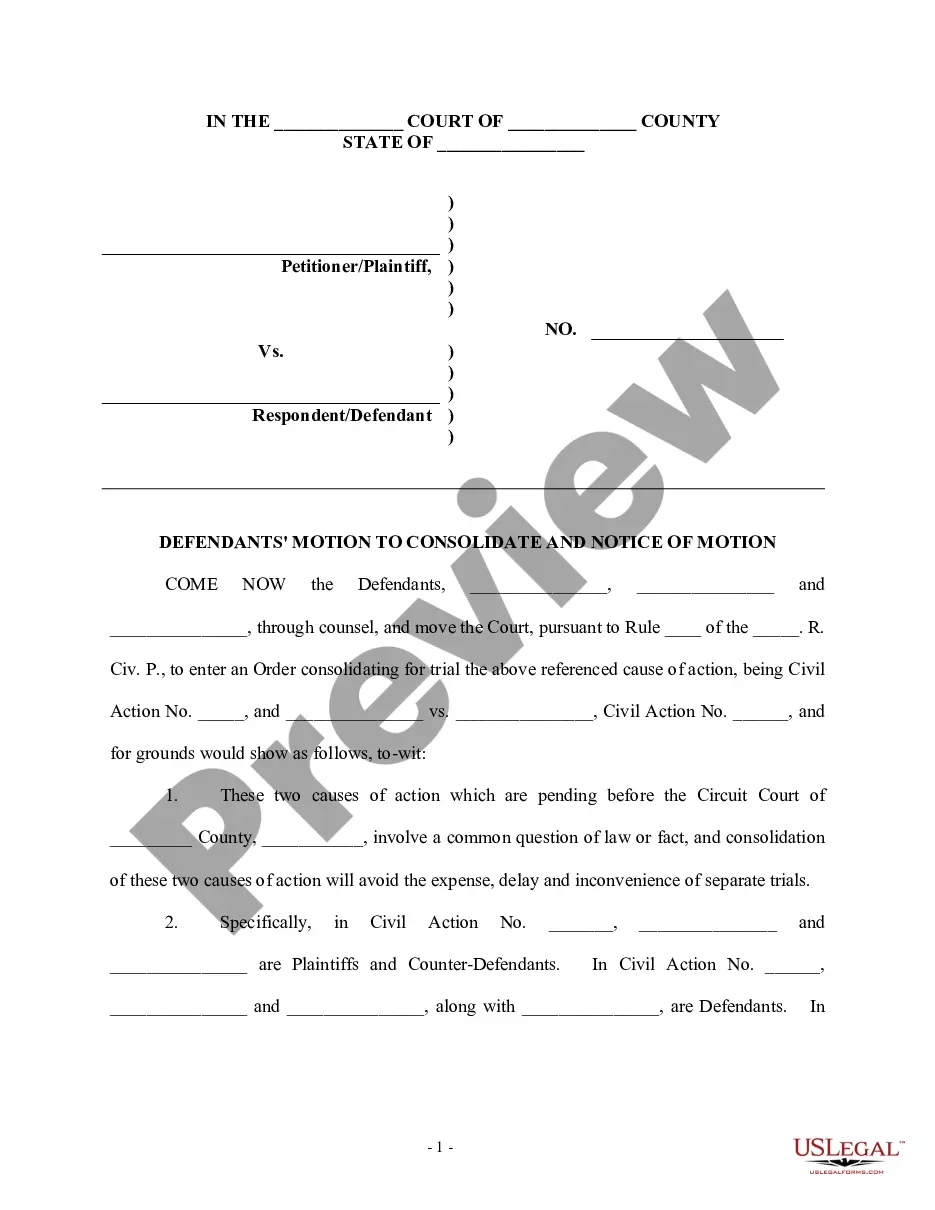
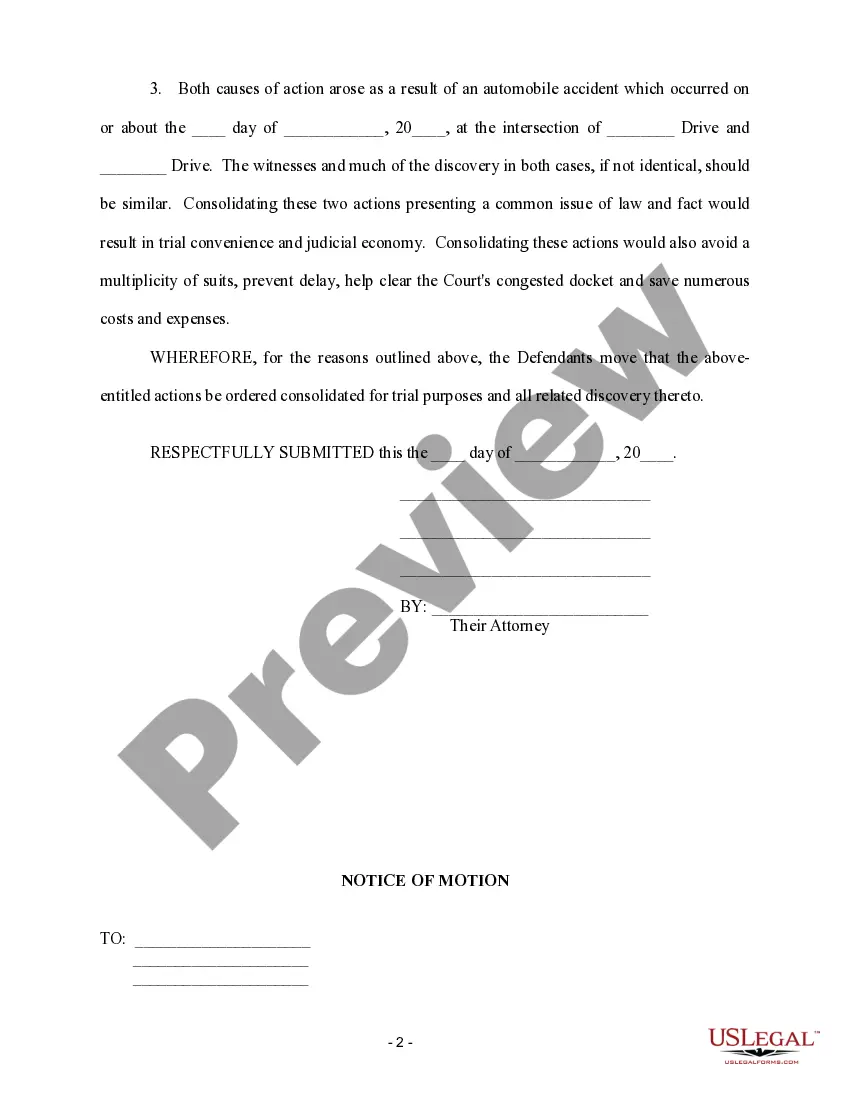
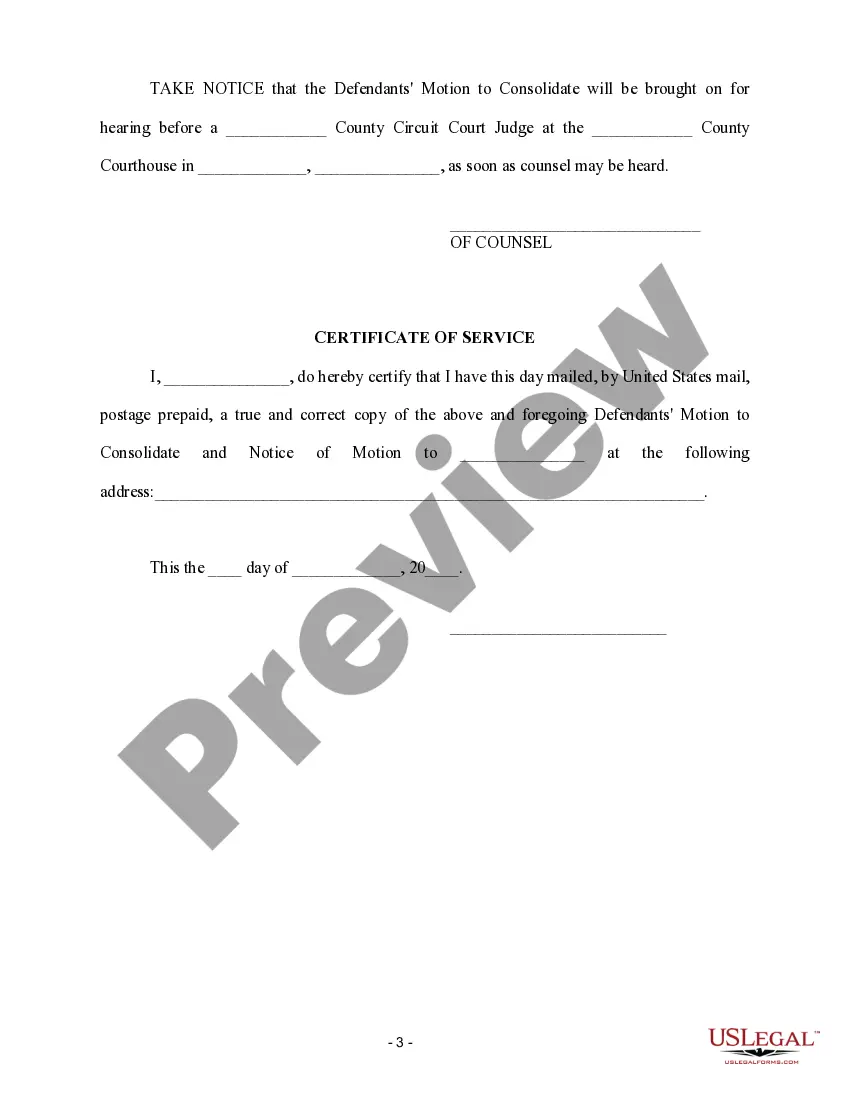
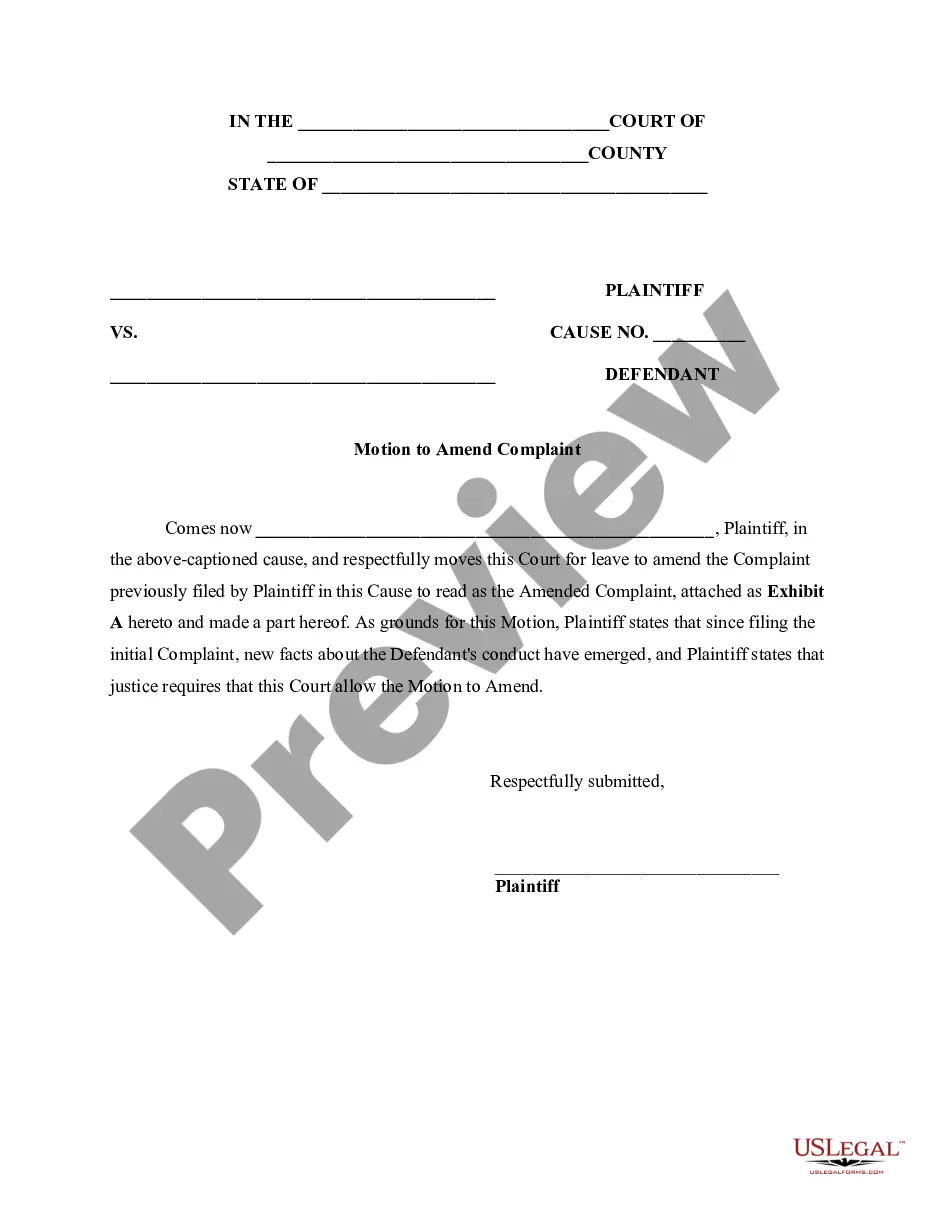
Motion To Consolidate Sample With Pleading
Description

Get your form ready online
Our built-in tools help you complete, sign, share, and store your documents in one place.
Make edits, fill in missing information, and update formatting in US Legal Forms—just like you would in MS Word.
Download a copy, print it, send it by email, or mail it via USPS—whatever works best for your next step.
Sign and collect signatures with our SignNow integration. Send to multiple recipients, set reminders, and more. Go Premium to unlock E-Sign.
If this form requires notarization, complete it online through a secure video call—no need to meet a notary in person or wait for an appointment.
We protect your documents and personal data by following strict security and privacy standards.

Make edits, fill in missing information, and update formatting in US Legal Forms—just like you would in MS Word.

Download a copy, print it, send it by email, or mail it via USPS—whatever works best for your next step.

Sign and collect signatures with our SignNow integration. Send to multiple recipients, set reminders, and more. Go Premium to unlock E-Sign.

If this form requires notarization, complete it online through a secure video call—no need to meet a notary in person or wait for an appointment.

We protect your documents and personal data by following strict security and privacy standards.
Looking for another form?



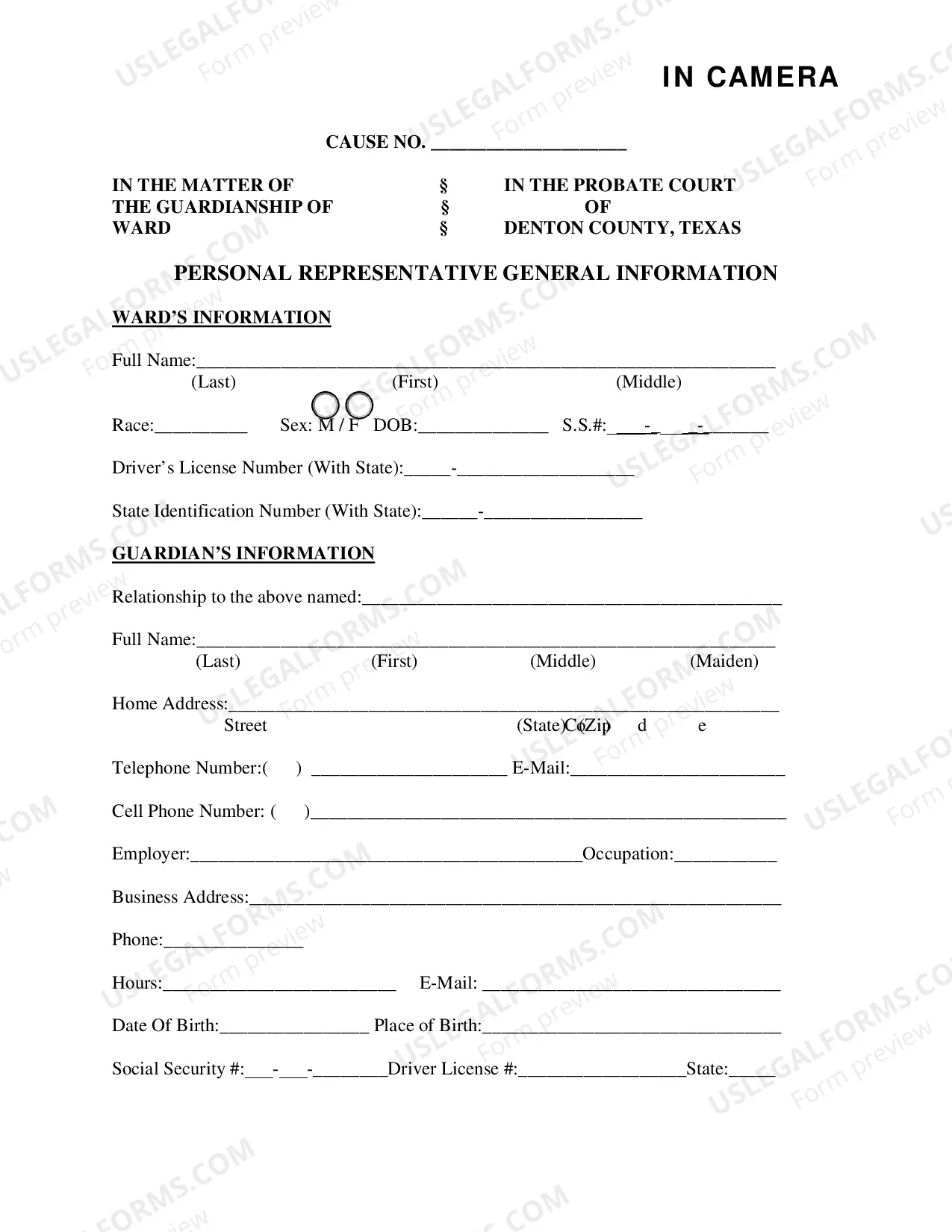
How to fill out Motion To Consolidate - Personal Injury?
Managing legal documents can be perplexing, even for seasoned professionals.
If you're seeking a Motion To Consolidate Sample With Pleading and lack the time to search for the correct and updated version, the process can be overwhelming.
With US Legal Forms, you can.
Tap into a valuable repository of articles, guides, and resources pertinent to your case and needs.
Ensure that the sample is valid in your state or county and proceed to finalize your acquisition.
- Save time and effort searching for the necessary documents, and use the advanced search and Preview tool to find the Motion To Consolidate Sample With Pleading and obtain it.
- If you have a membership, Log In to your US Legal Forms account, find the form, and download it.
- Visit the My documents tab to review the documents you've previously saved and manage your folders as desired.
- If this is your first experience with US Legal Forms, create an account to gain unlimited access to all the benefits of the library.
- Here are the steps to follow after locating the desired form.
- Utilize a robust web form catalog that could revolutionize the way you handle these matters effectively.
- US Legal Forms stands out as a premier provider of online legal documents, offering over 85,000 state-specific legal forms at your convenience.
- Leverage advanced tools to complete and manage your Motion To Consolidate Sample With Pleading.
Form popularity
FAQ
The purpose of consolidating orders is to facilitate the management of multiple cases that share common legal questions or factual elements. This leads to more effective and timely outcomes in court. When using a motion to consolidate sample with pleading, it highlights the procedural benefits of consolidating orders, ensuring that you achieve the best possible results in your legal matters.
Yes, motions can be considered a type of pleading in legal terminology. However, they differ from traditional pleadings such as complaints or answers, as motions seek specific judicial actions rather than merely stating claims. Understanding how a motion to consolidate sample with pleading fits into this framework can help clarify how to draft your legal documents.
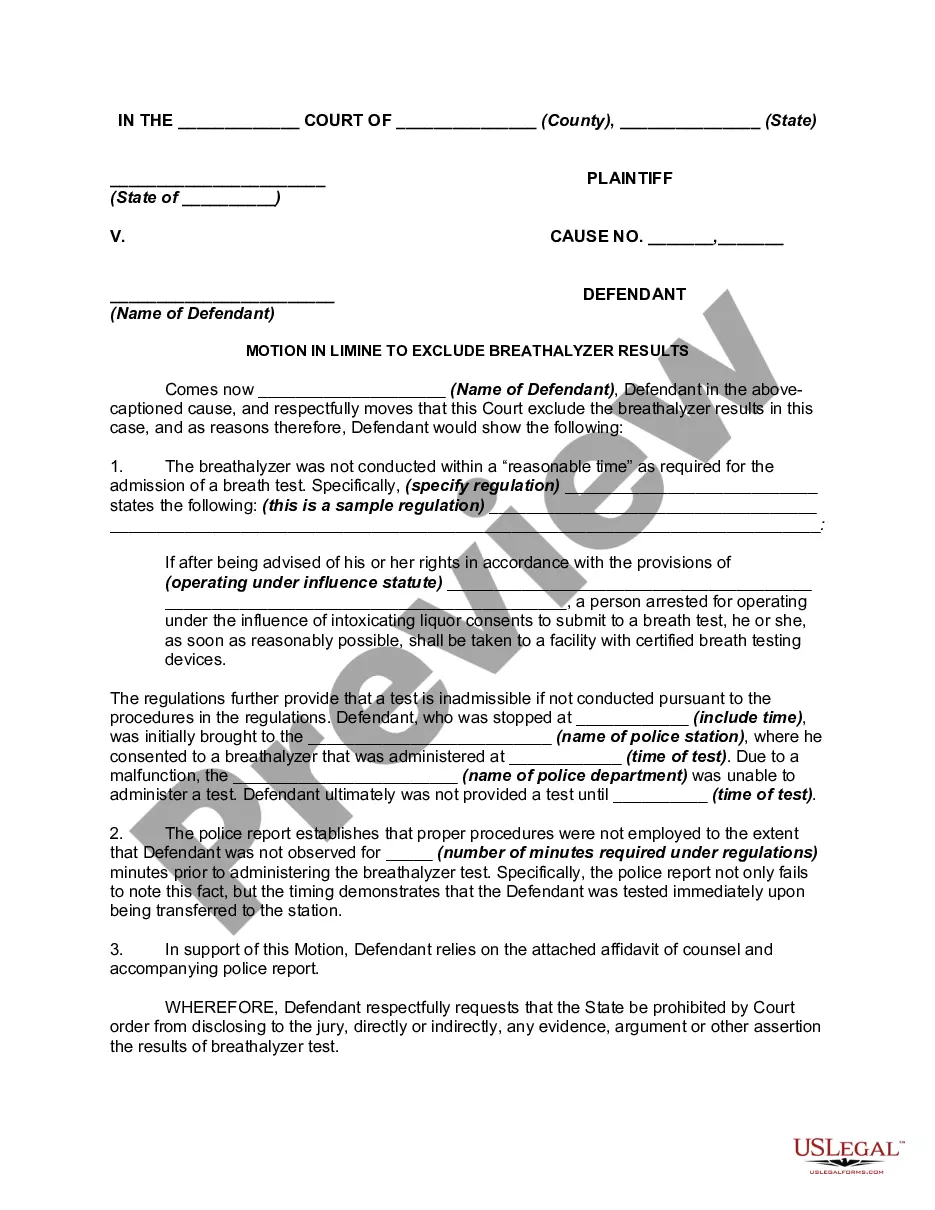
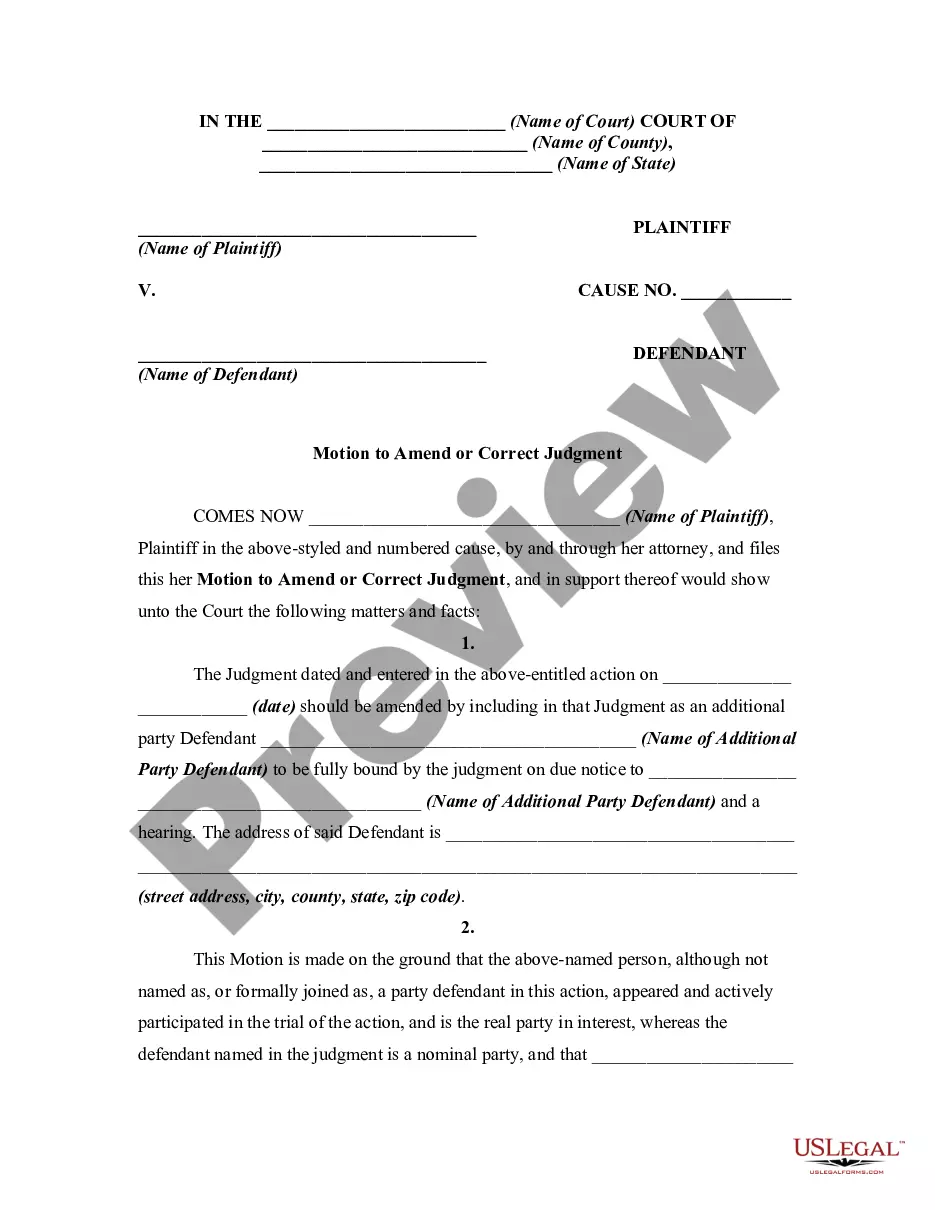
To write a legal motion sample, start by clearly stating the purpose of the motion and outlining the relevant facts. Include a reference to existing legal standards that support your request. By analyzing a motion to consolidate sample with pleading, you can identify how to structure your motion effectively and incorporate crucial elements to strengthen your case.
The main purpose of consolidation is to promote judicial efficiency and conserve resources. By combining similar cases, it minimizes the chances of conflicting rulings and allows for a single, coordinated trial. This is where utilizing a motion to consolidate sample with pleading can prove invaluable, as it demonstrates how to effectively present your request.
In simple terms, consolidation refers to the process of merging separate lawsuits into one unified case. This helps streamline court proceedings and reduces the burden on the judicial system. When you look at a motion to consolidate sample with pleading, you will see how this process aims to create clearer and more effective resolutions.
A motion to consolidate is a formal request made to a court asking to combine two or more legal cases into one proceeding. This action is usually taken when the cases share common issues or facts, allowing for more efficient handling of the case. Using a motion to consolidate sample with pleading can guide you through the process, ensuring you include all necessary components.
The Rule 42 motion to consolidate refers to a specific regulation in the Federal Rules of Civil Procedure that governs the consolidation of cases. It provides a framework for courts to combine actions that share common questions of law or fact. Reviewing a motion to consolidate sample with pleading can provide clarity on how to implement this rule effectively in your legal strategy.
A motion to consolidate means you are asking the court to join two or more cases for convenience and efficiency. This legal tool allows judges to handle related matters within a single proceeding. For guidance on how to prepare this motion, consider exploring a motion to consolidate sample with pleading available on various legal platforms.
A motion for consolidation is a formal request to a court to merge separate lawsuits into one case. This motion helps streamline the legal process, ensuring that similar evidence and legal arguments are addressed together. Utilizing a motion to consolidate sample with pleading can guide you in creating a compelling argument that strengthens your case.
You should file a motion to consolidate when multiple cases involve similar issues or parties, and combining them will lead to a more efficient resolution. Timing is crucial, as it’s usually best to submit your motion early in the litigation process. To see how to effectively draft this motion, you can refer to a motion to consolidate sample with pleading.