Supplemental Discovery Example With Parameters
Description
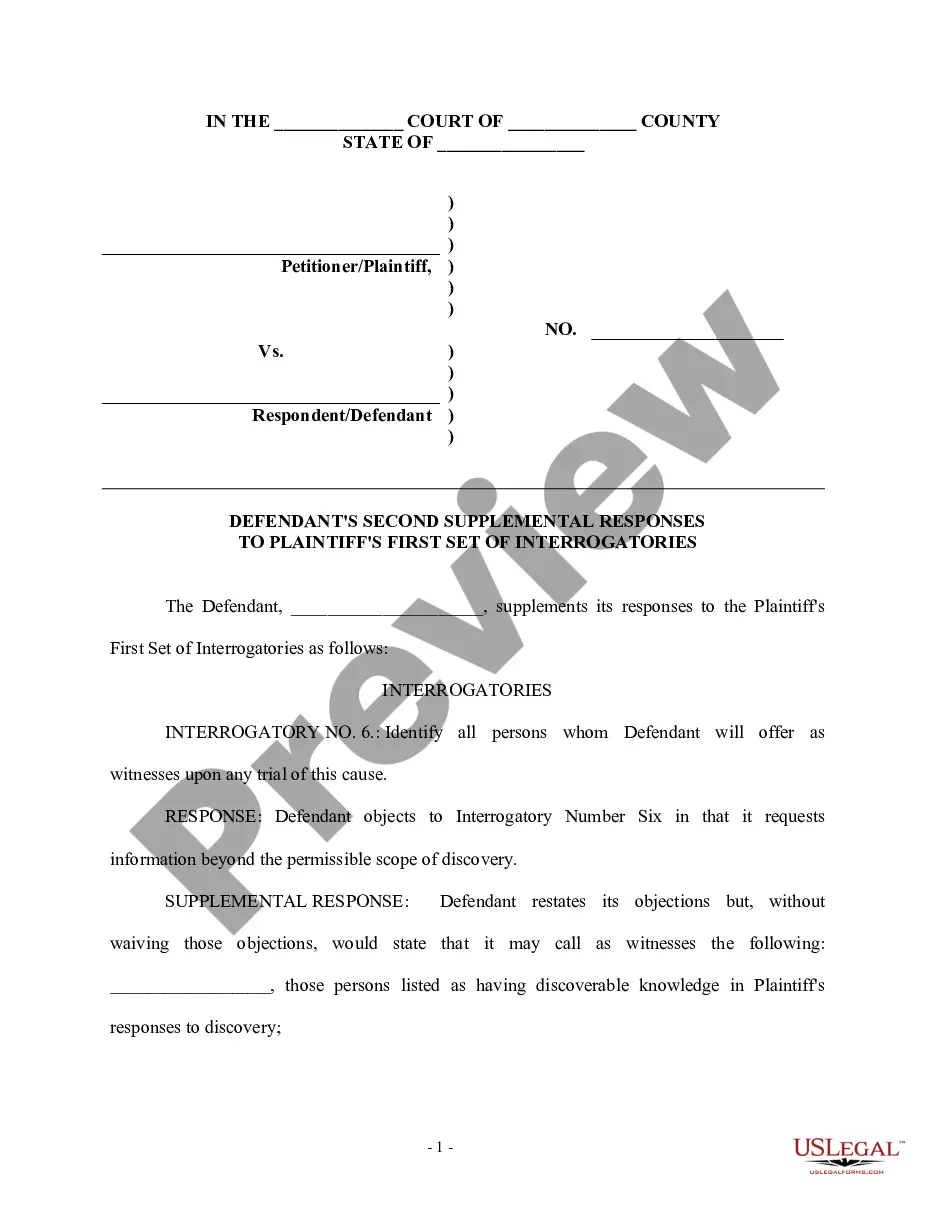
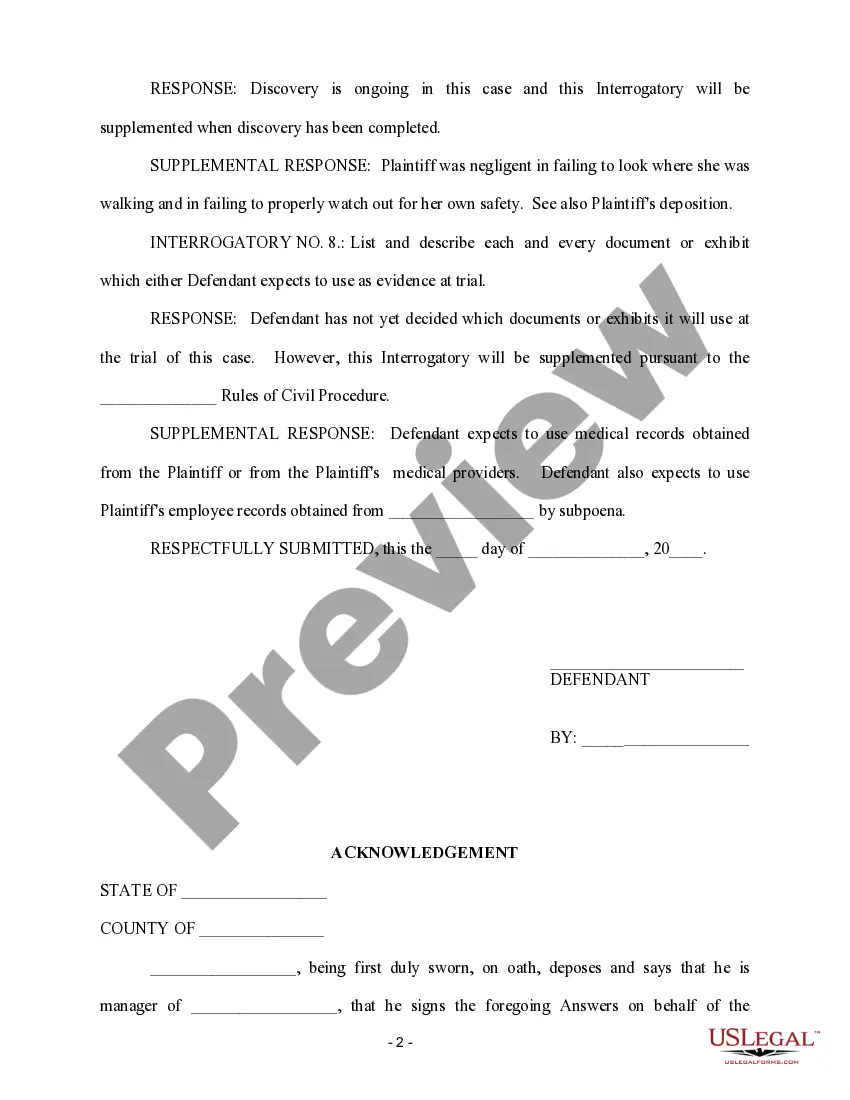
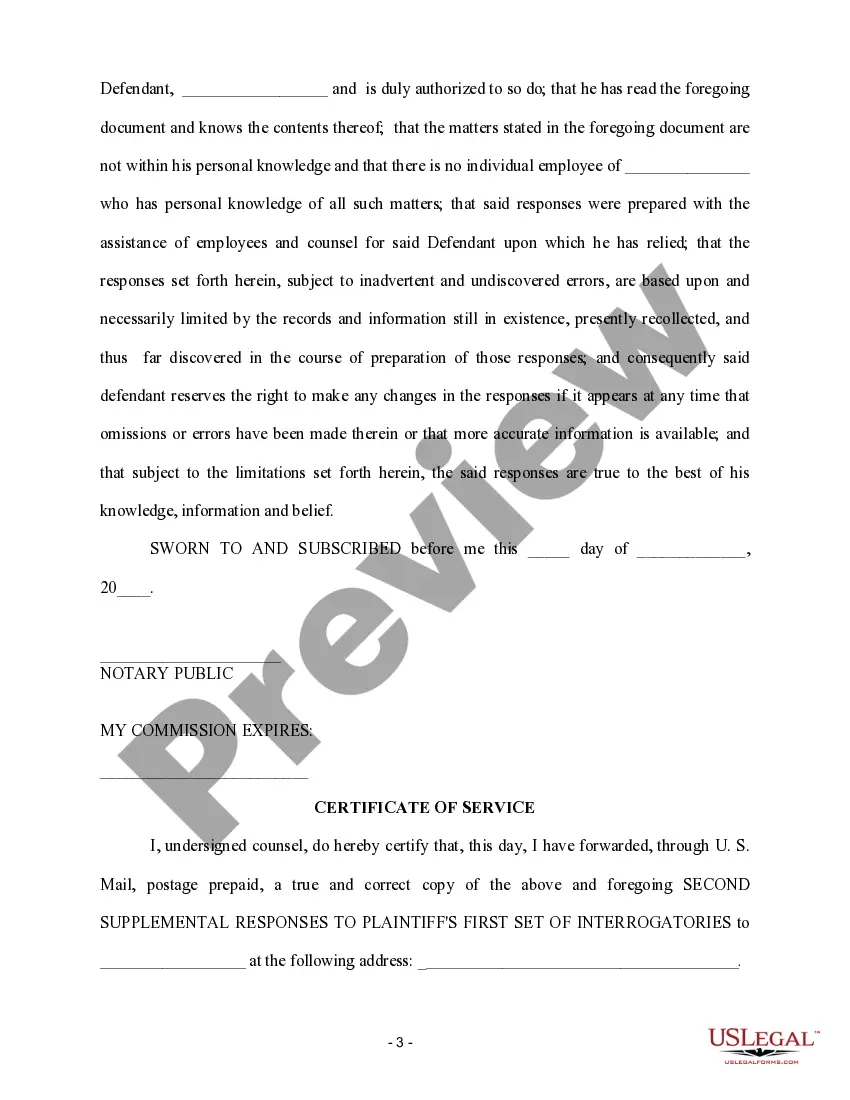

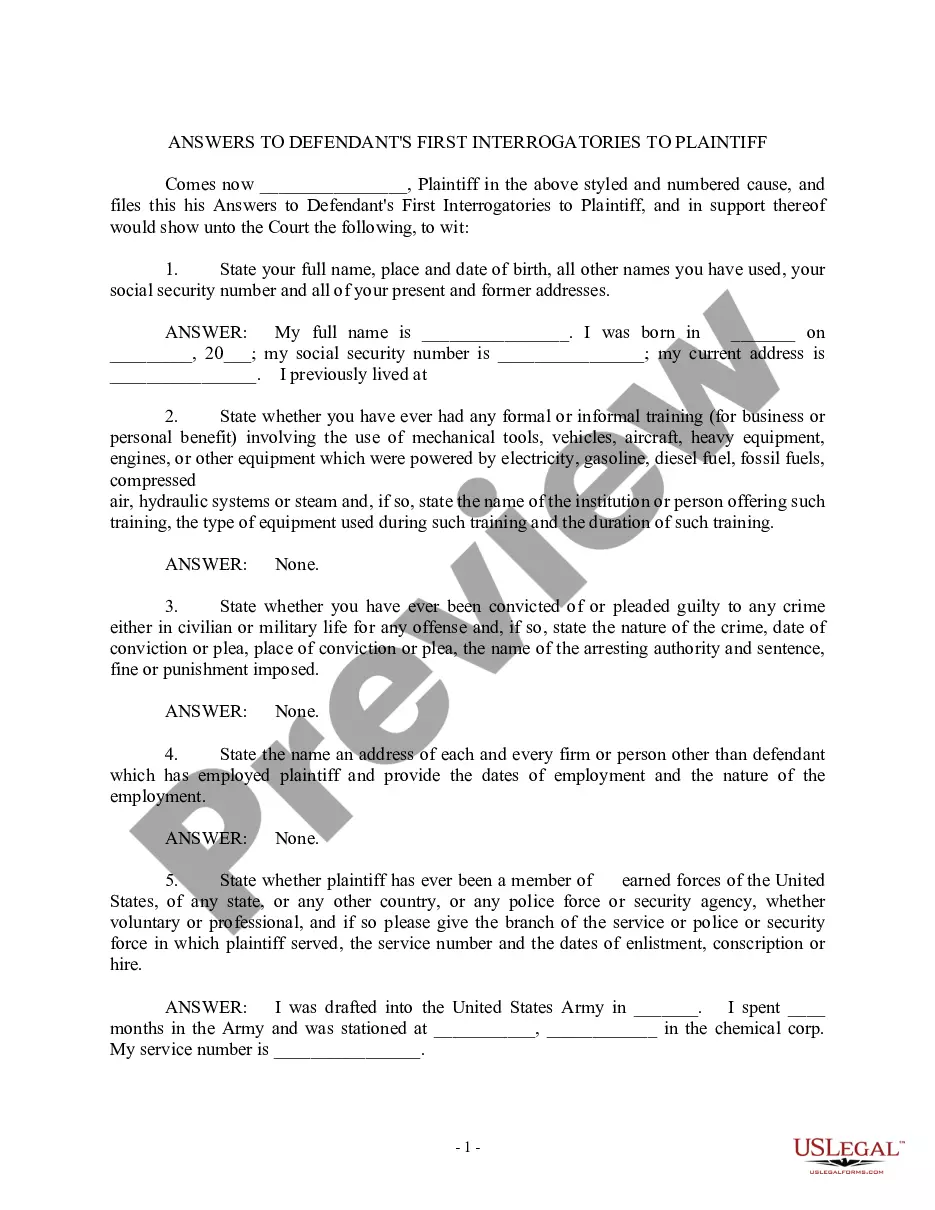
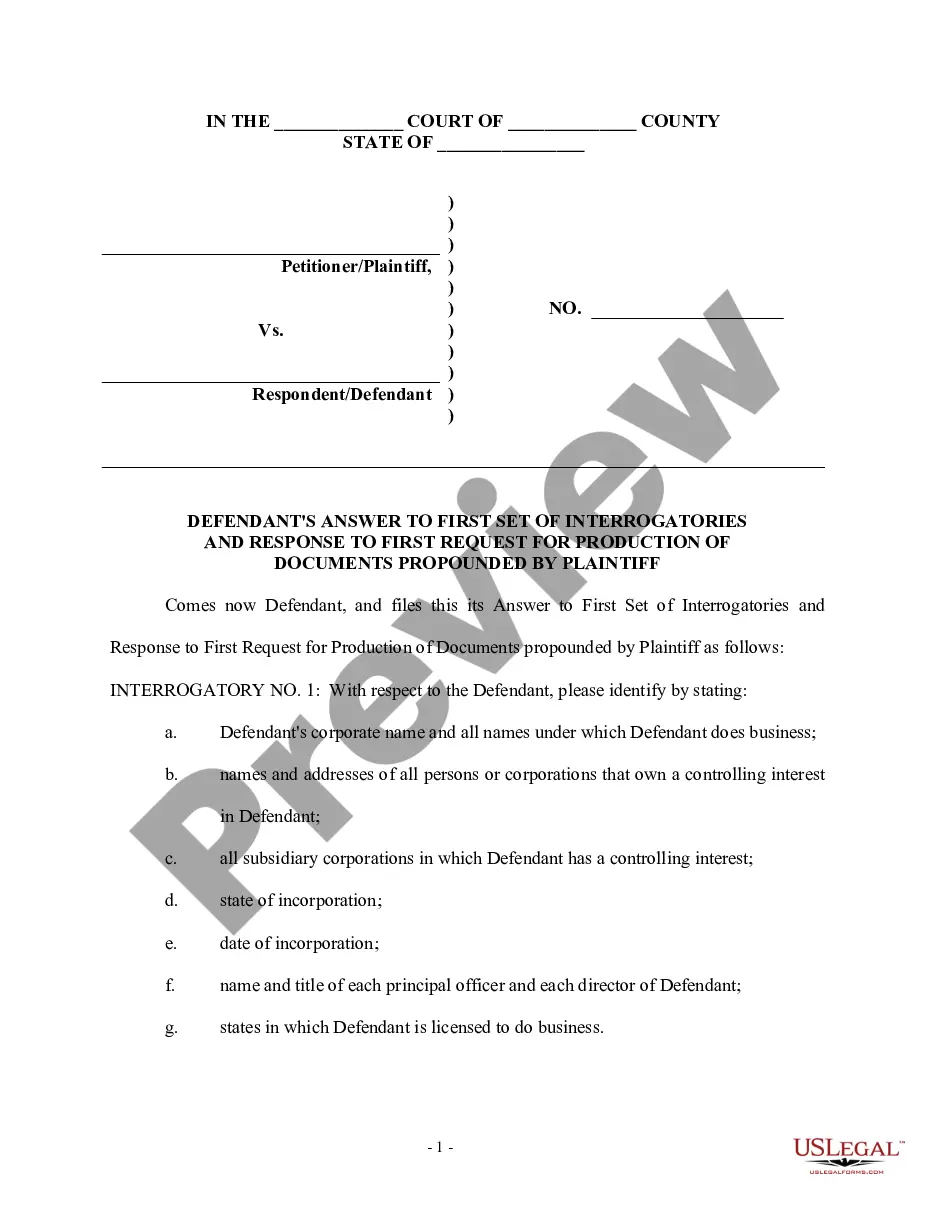
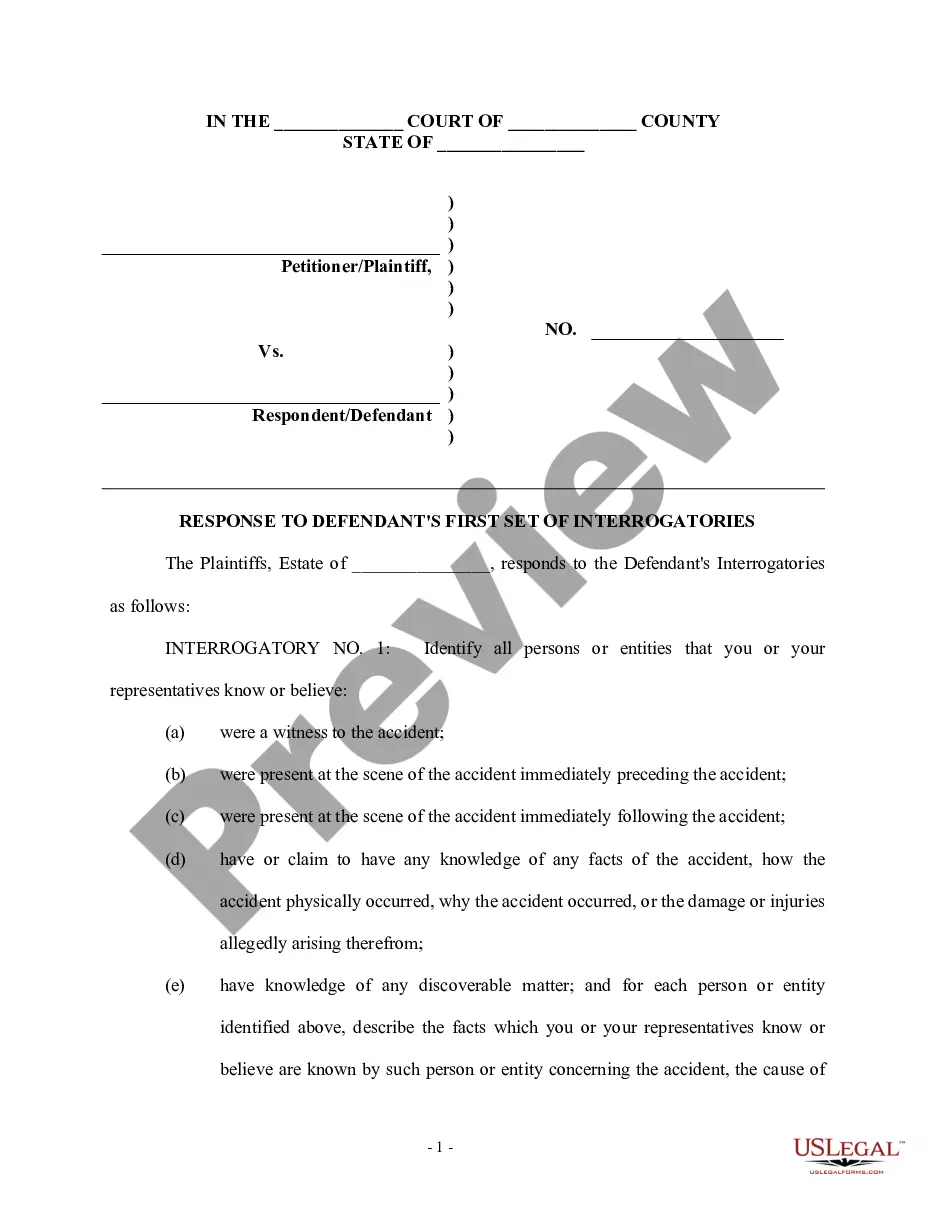
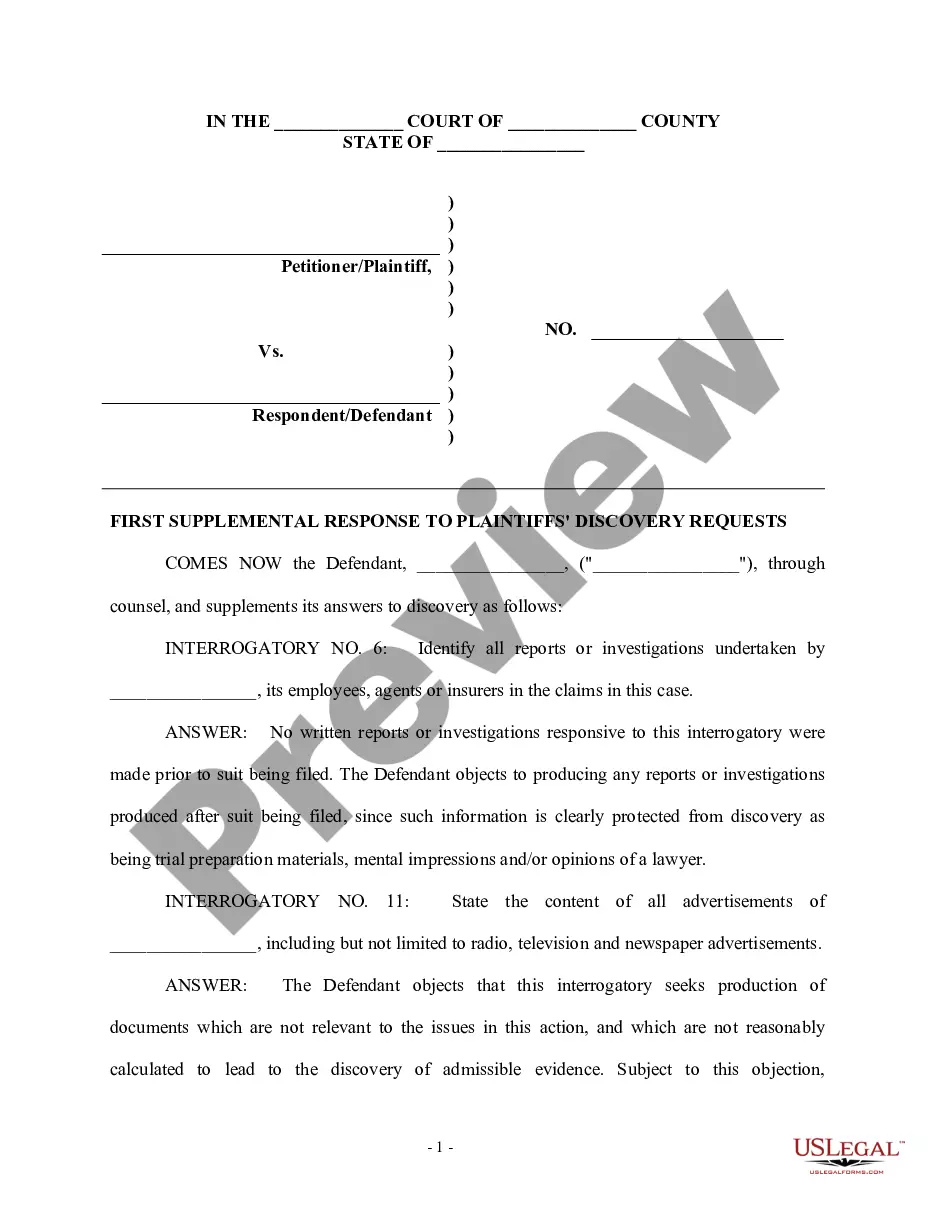
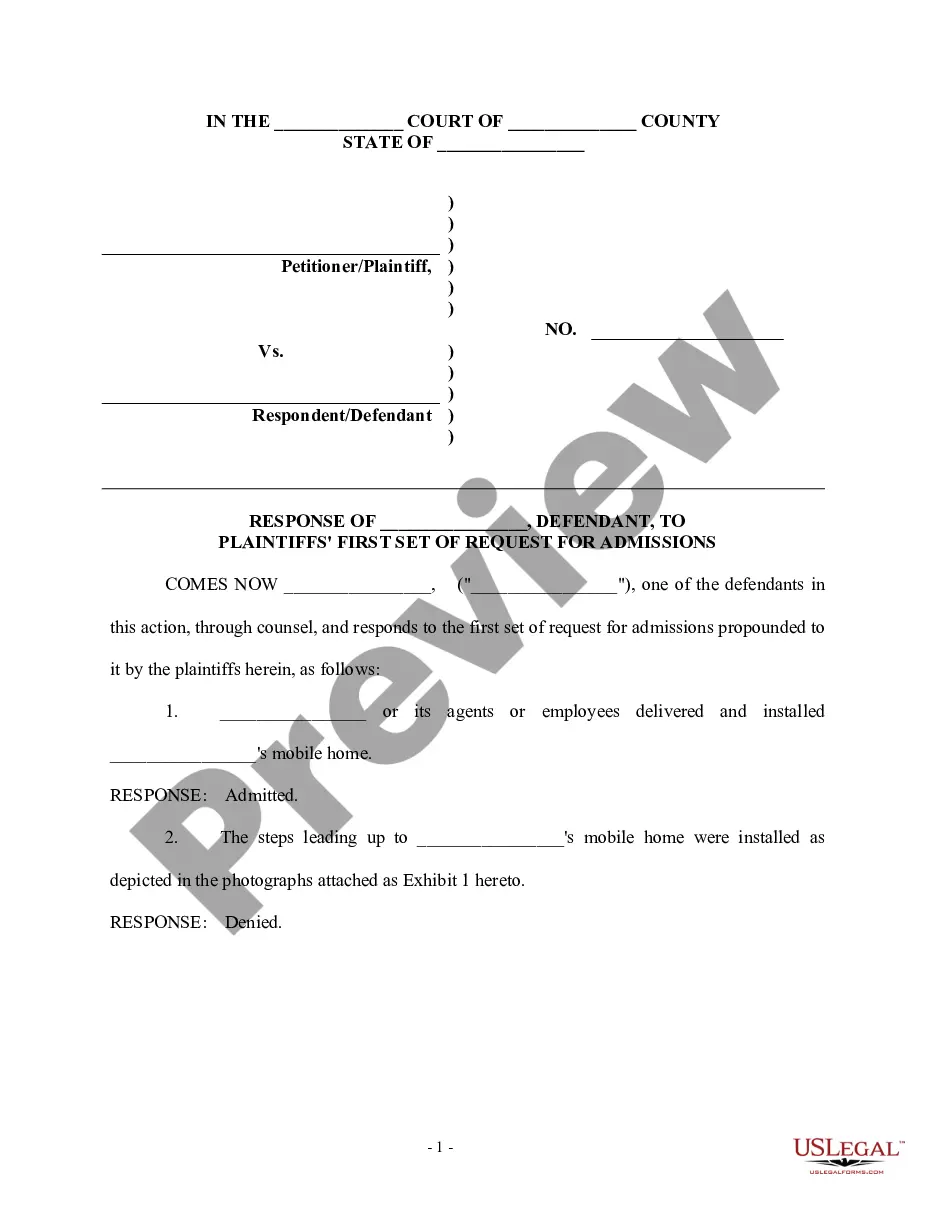
Get your form ready online
Our built-in tools help you complete, sign, share, and store your documents in one place.
Make edits, fill in missing information, and update formatting in US Legal Forms—just like you would in MS Word.
Download a copy, print it, send it by email, or mail it via USPS—whatever works best for your next step.
Sign and collect signatures with our SignNow integration. Send to multiple recipients, set reminders, and more. Go Premium to unlock E-Sign.
If this form requires notarization, complete it online through a secure video call—no need to meet a notary in person or wait for an appointment.
We protect your documents and personal data by following strict security and privacy standards.

Make edits, fill in missing information, and update formatting in US Legal Forms—just like you would in MS Word.

Download a copy, print it, send it by email, or mail it via USPS—whatever works best for your next step.

Sign and collect signatures with our SignNow integration. Send to multiple recipients, set reminders, and more. Go Premium to unlock E-Sign.

If this form requires notarization, complete it online through a secure video call—no need to meet a notary in person or wait for an appointment.

We protect your documents and personal data by following strict security and privacy standards.
Looking for another form?

How to fill out Second Supplemental Responses To Plaintiff's First Set Of Interrogatories?
- If you are a returning user, simply log in to your account and select the necessary form template for download. Verify that your subscription is active; if it isn’t, renew it through your chosen payment plan.
- New users should start by exploring the Preview mode and reading the form's description to ensure it meets your legal requirements based on your local jurisdiction.
- If adjustments are needed, utilize the Search tab to find alternative templates that align with your specifications before proceeding.
- Once you've identified the correct document, click on the Buy Now button and select a subscription plan suitable for you. Account registration is required to gain access.
- Complete your purchase by entering your credit card information or using your PayPal account accordingly.
- Download your completed form and save it on your device. You can access it anytime through the My Forms section of your profile.
US Legal Forms stands out with its extensive collection—boasting over 85,000 diverse documents—which is more than its competitors offer for the same investment. Users can also connect with legal experts for additional support, ensuring documents are not only fillable but also legally sound.
Streamline your legal process today by choosing US Legal Forms. Access the tools you need for efficient documentation!
Form popularity
FAQ
To supplement discovery means providing additional materials or information after the initial discovery phase. This often occurs when new evidence comes to light that could influence the case's outcome. By understanding this process, legal professionals can efficiently create a supplemental discovery example with parameters, ensuring they present the most comprehensive and up-to-date information during the legal proceedings. Utilizing platforms like uslegalforms can simplify this process.
Supplemental discovery responses add new evidence or information after the initial submissions while amended responses involve changes to the current information provided. For example, if a party discovers a crucial piece of evidence after their initial discovery, they will need to provide a supplemental discovery example with parameters. This distinction is vital for maintaining the integrity and accuracy of the legal process.
Amending a document typically involves making changes to the existing content, while supplementing entails adding additional information without altering the original material. For instance, when working with court documents, an amended response modifies the existing response, whereas a supplemental discovery example with parameters adds new documents or evidence to support the case without changing previous submissions.
When a claim is amended, it means the original claim is modified to reflect new information or correct errors. This process often involves adjusting facts, legal theories, or adding parties involved. In the context of supplemental discovery, an amended claim may require new evidence or documents that were previously undiscovered, giving rise to a supplemental discovery example with parameters.
The essential elements of a motion to compel include a clear statement of the discovery requests, a description of the opposing party's failures, and legal grounds for the request. You should also prepare a thorough explanation of how the requested information is critical to the case. Using a supplemental discovery example with parameters adds depth and context to your motion.
Drafting a motion to compel discovery requires careful planning and precise language. Include sections that summarize the case, specify what is being requested, and articulate why it is necessary. Incorporating a supplemental discovery example with parameters can clarify the requested information's relevance and strengthen your position.
A judge may deny a motion to compel if the requesting party has not demonstrated a valid need for the information. Additionally, the judge might find that the requested discovery is overly broad or irrelevant to the case. Using a supplemental discovery example with parameters can enhance your argument, but the overall relevance to the case is crucial.
Writing a motion to compel discovery involves a clear outline of your request and the reasons behind it. Start by stating the background of the case, then detail the specific discovery requests. For clarity and effectiveness, you may include a supplemental discovery example with parameters to illustrate why your request is justifiable.
A motion to compel discovery arises when one party fails to provide requested documents or information. This motion can be filed on the grounds of inadequate responses or outright refusals. Understanding the specific grounds can strengthen your case, especially when using a supplemental discovery example with parameters to illustrate your points.
Supplemental discovery responses are the follow-up answers or documents provided by a party after the initial responses in a legal case. These responses are essential when new evidence comes to light or when a party discovers new information relevant to the case. By properly issuing supplemental discovery responses, parties can clarify their positions and further support their arguments with supplemental discovery examples with parameters, ensuring a transparent process.