Trial Subpoena In Federal Court
Description
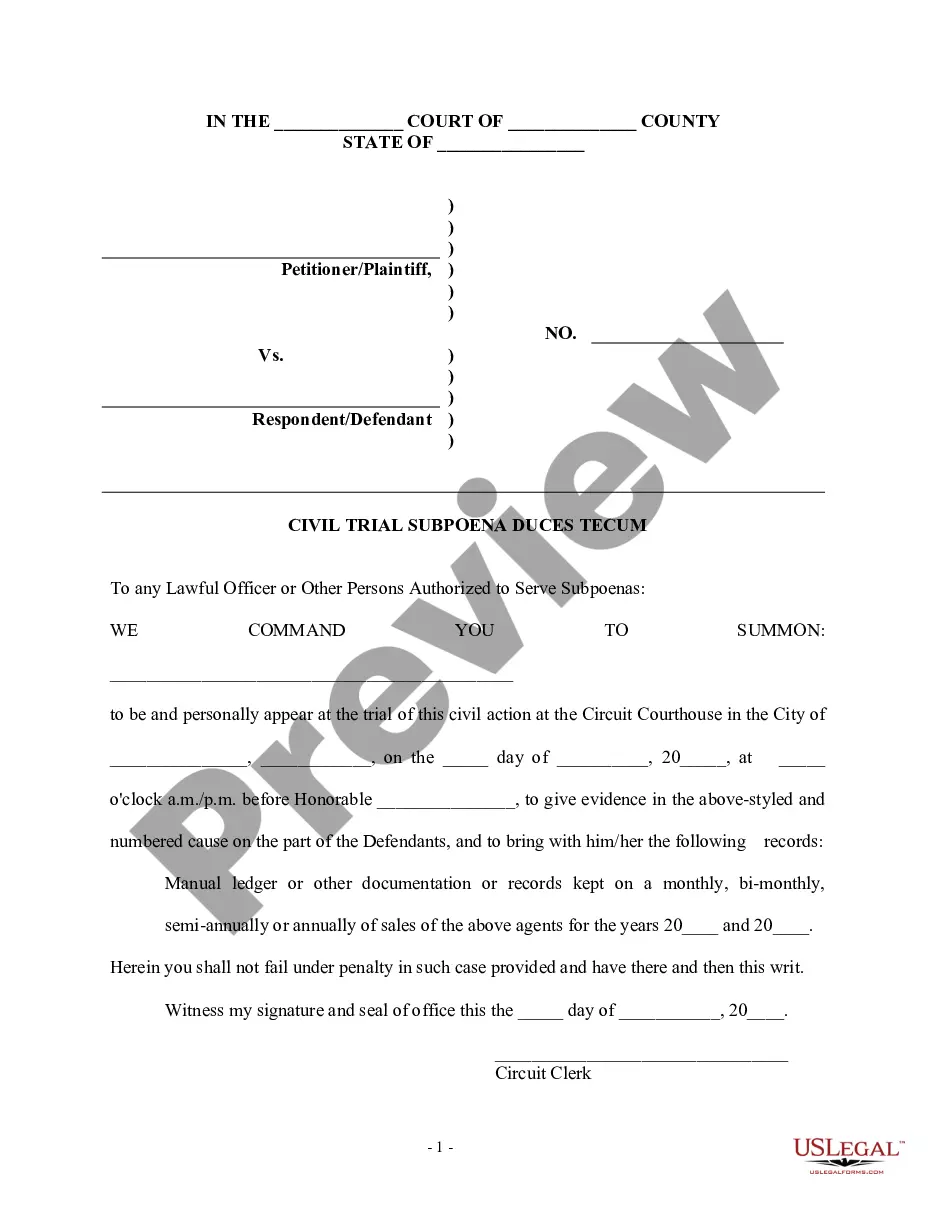
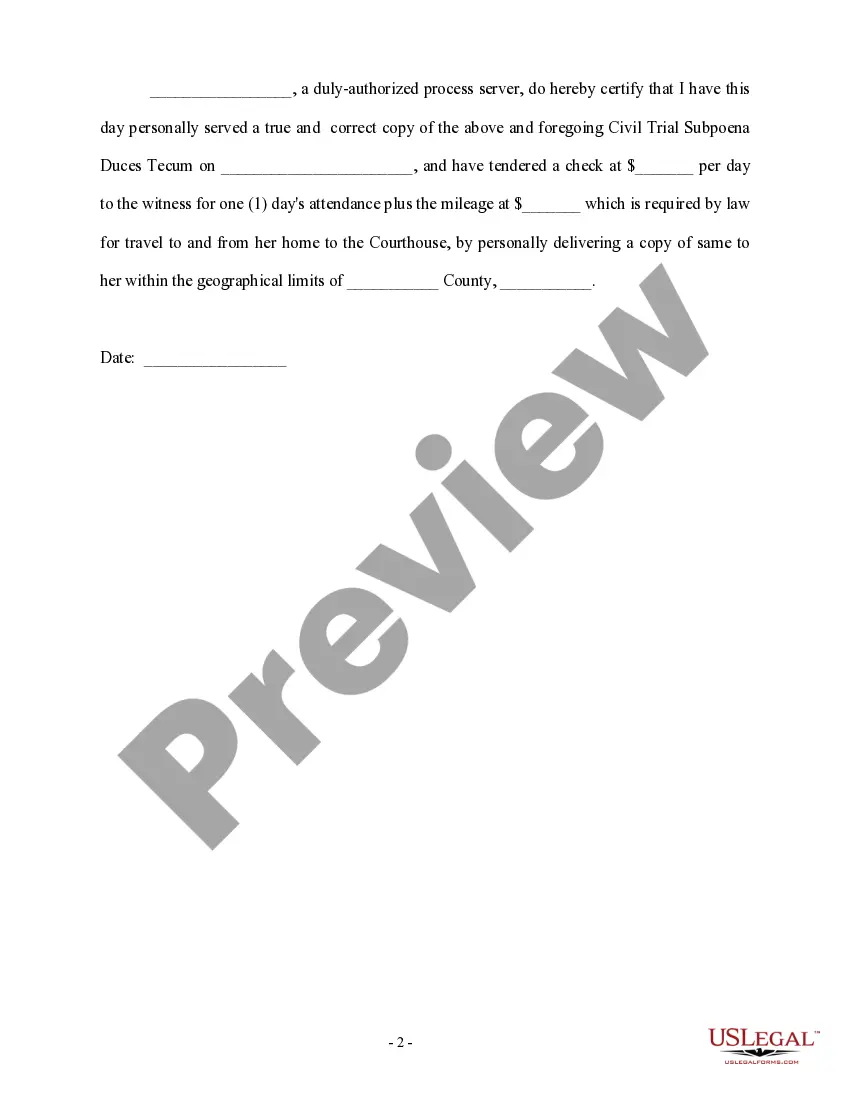
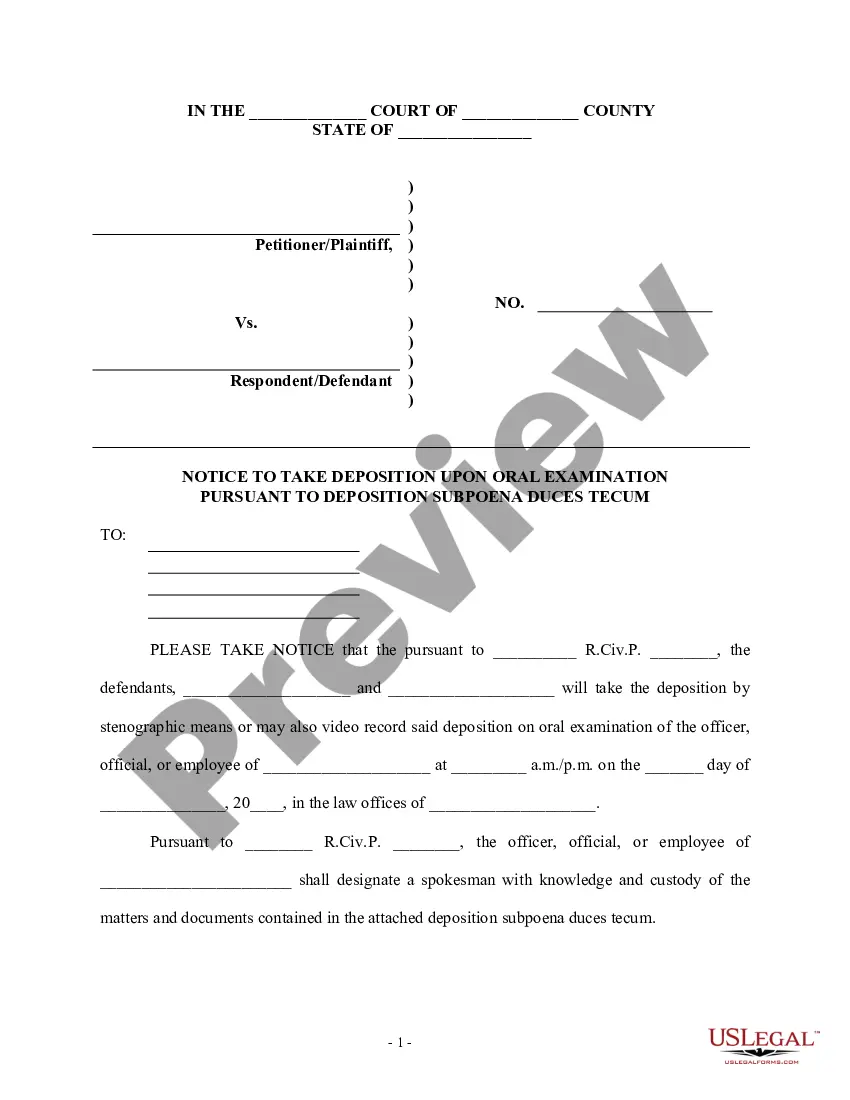
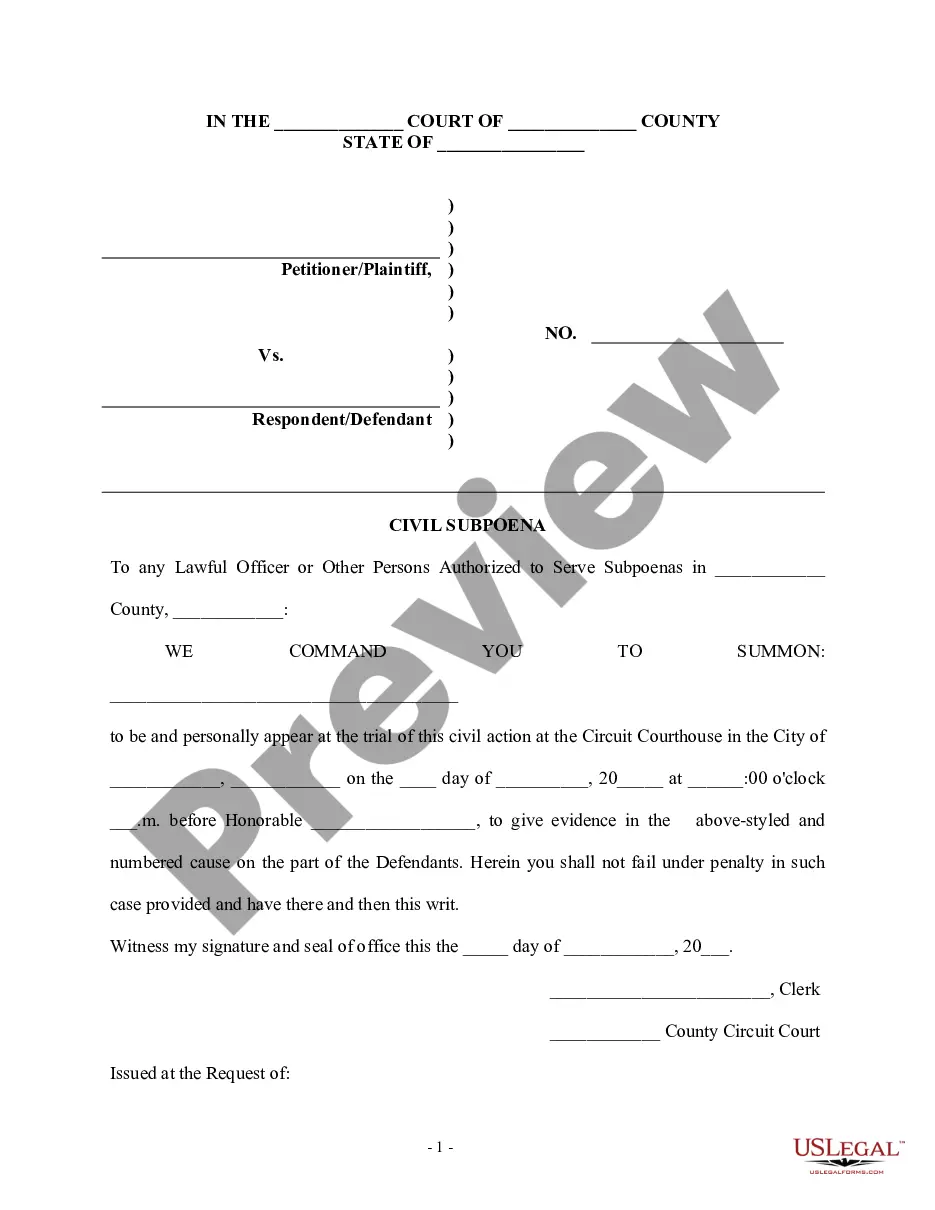
Get your form ready online
Our built-in tools help you complete, sign, share, and store your documents in one place.
Make edits, fill in missing information, and update formatting in US Legal Forms—just like you would in MS Word.
Download a copy, print it, send it by email, or mail it via USPS—whatever works best for your next step.
Sign and collect signatures with our SignNow integration. Send to multiple recipients, set reminders, and more. Go Premium to unlock E-Sign.
If this form requires notarization, complete it online through a secure video call—no need to meet a notary in person or wait for an appointment.
We protect your documents and personal data by following strict security and privacy standards.

Make edits, fill in missing information, and update formatting in US Legal Forms—just like you would in MS Word.

Download a copy, print it, send it by email, or mail it via USPS—whatever works best for your next step.

Sign and collect signatures with our SignNow integration. Send to multiple recipients, set reminders, and more. Go Premium to unlock E-Sign.

If this form requires notarization, complete it online through a secure video call—no need to meet a notary in person or wait for an appointment.

We protect your documents and personal data by following strict security and privacy standards.
Looking for another form?
How to fill out Civil Trial Subpoena Duces Tecum?
Dealing with legal documentation and procedures can be a lengthy addition to your whole day.
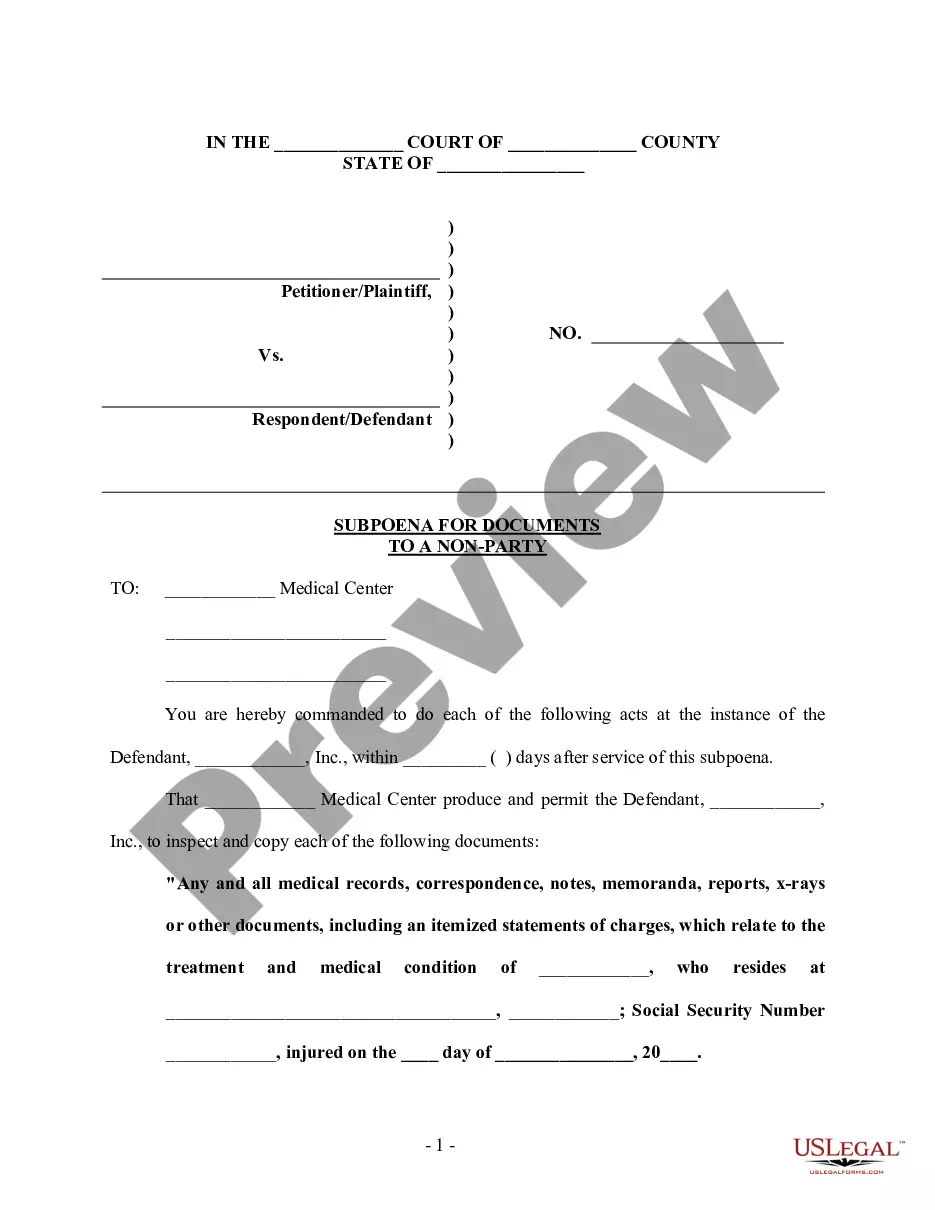
Trial Subpoena In Federal Court and similar documents typically require you to locate them and comprehend how to fill them out correctly.
Hence, whether you’re managing financial, legal, or personal issues, utilizing a comprehensive and accessible online directory of forms at your disposal will be incredibly beneficial.
US Legal Forms is the top online platform for legal templates, featuring over 85,000 state-specific forms and various resources to help you complete your documentation effortlessly.
Is it your first time using US Legal Forms? Register and create an account in just a few minutes, and you will gain entry to the form directory and Trial Subpoena In Federal Court. Then, follow the steps outlined below to complete your document: Be certain you have the right form by utilizing the Review option and examining the form description. Select Buy Now when ready, and choose the monthly subscription plan that suits you best. Click Download then fill out, eSign, and print the form. US Legal Forms has twenty-five years of expertise aiding users in managing their legal documentation. Find the form you need today and simplify any procedure without having to exert too much effort.
- Browse the collection of pertinent documents available to you with just a single click.
- US Legal Forms provides state- and county-specific forms that are accessible anytime for download.
- Protect your document management processes by using a premium service that allows you to fill out any form in a matter of minutes without any extra or concealed charges.
- Simply Log In to your account, locate Trial Subpoena In Federal Court and download it immediately from the My documents tab.
- You can also access previously saved forms.
Form popularity
FAQ
To obtain a trial subpoena in federal court, you must file a motion with the court requesting it. This motion needs to specify the documents or testimony you seek, along with relevant case details. Once the court approves your request, you can then serve the subpoena to the involved parties. Using US Legal Forms can simplify this process, offering you the necessary templates and guidance.
A trial subpoena is a legal document that commands an individual to appear in court or produce evidence during a trial. In federal court, this document ensures that all relevant witnesses and materials are available to uphold the integrity of the judicial process. When you receive a trial subpoena in federal court, it is crucial to understand your obligations and rights. For assistance navigating these legal requirements, you can turn to US Legal Forms, which provides comprehensive resources and templates to help you comply with subpoenas effectively.
The most common subpoena is the witness subpoena, which compels individuals to provide testimony for a trial or deposition. This type is essential in establishing facts and securing necessary witness accounts. When you engage in legal proceedings, understanding how to issue a trial subpoena in federal court is vital for building your case effectively. Utilizing tools like US Legal Forms can streamline this process, ensuring compliance with all legal requirements.
A valid subpoena must include the name of the court, details about the case, and a clear description of what is requested from the recipient. Additionally, it must be signed by the issuing authority, ensuring its legality. When crafting your own trial subpoena in federal court, adhering to these essential elements helps avoid challenges that could undermine your case. US Legal Forms offers templates to assist you in this process.
The three primary types of subpoenas are witness subpoenas, subpoenas duces tecum, and investigative subpoenas. Witness subpoenas require an individual to testify, while subpoenas duces tecum request documents or evidence. Investigative subpoenas, on the other hand, help authorized authorities obtain records relevant to a case. Understanding these distinctions is crucial for utilizing a trial subpoena in federal court effectively.
Subpoenas come in various forms, including trial subpoenas in federal court and administrative subpoenas. Each type serves unique purposes, like gathering evidence or compelling testimony from witnesses. The choice of subpoena can significantly affect the direction of your case, so it's vital to recognize which one fits your situation best. By leveraging resources like US Legal Forms, you can easily navigate these options.
A deposition subpoena invites a witness to testify under oath, helping to gather testimony for a case. In contrast, a subpoena duces tecum demands the production of documents for review. When dealing with a trial subpoena in federal court, understanding these distinctions becomes crucial. Each type serves different roles in the legal process, ensuring that all necessary information surfaces.
Filling out a trial subpoena in federal court for records requires providing detailed information about the records you need. Make sure to include the name of the person or entity from whom you are requesting documents, as well as the relevant dates and type of information sought. Clarity in your requests reduces the chance of disputes.
An example of a trial subpoena in federal court might include a request for medical records from a healthcare provider related to a specific case. The subpoena typically outlines the records needed, the deadline for compliance, and the significance of the information requested. This illustrates how subpoenas can support legal proceedings.
Writing a subpoena for records involves including essential information such as the court's name, case number, and recipient's contact details. You also need to specify what records you are requesting, ensuring clarity to avoid confusion. Use a structured format to present the information clearly.